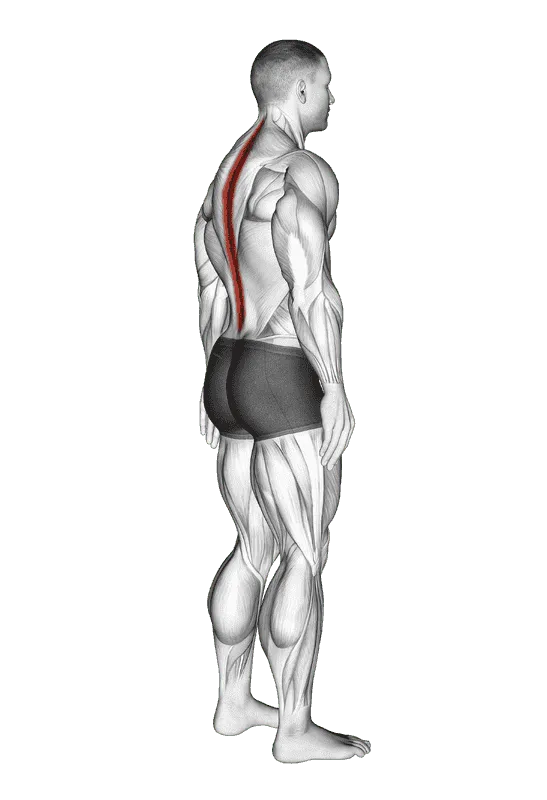
 Start
Start
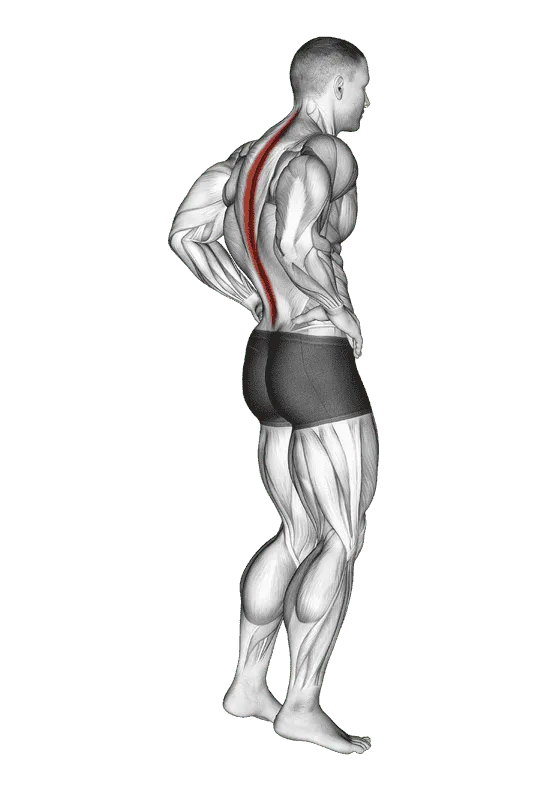 Finish
Standing Pelvic Tilt
Stand upright with feet shoulder-width apart and arms at your sides. Engage your core and gently tilt your pelvis forward by tucking your tailbone under, flattening your lower back slightly. Keep the movement controlled and avoid over-arching your back.
- Target muscles
- Lower back
- Also works
- Abs
- Equipment
- Bodyweight
- Training style
- Mobility and recovery, Home
- Logged as
- Reps
- Popularity
- 65 of 100
Standing Pelvic Tilt: how to do it
- Stand upright with your feet shoulder-width apart and your arms relaxed at your sides.
- Engage your core muscles by pulling your belly button inward toward your spine.
- Tilt your pelvis forward by contracting your lower abdominal muscles and slightly tucking your tailbone under.
- Hold this position for a moment, ensuring your lower back flattens slightly without over-arching.
- Return your pelvis to a neutral position by relaxing the contraction.
- Repeat the movement for the desired number of repetitions, maintaining controlled and smooth motions throughout.
Common mistakes
Avoid arching your lower back excessively or locking your knees during the movement. Keep your core engaged and make sure the tilt is gentle and controlled, focusing on proper alignment rather than speed.
Alternatives
More Lower back exercises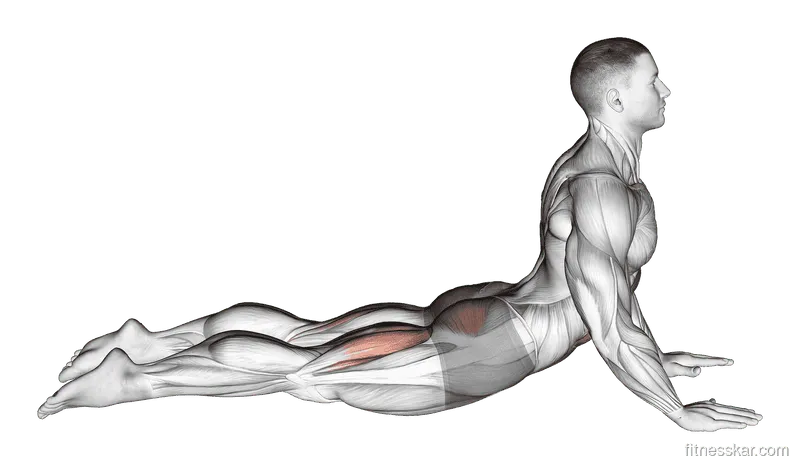
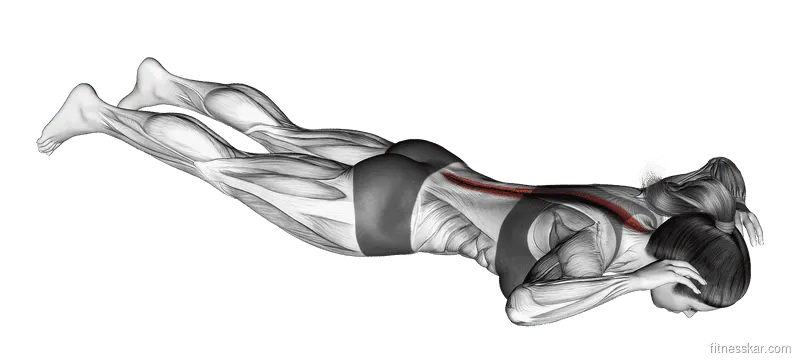
Questions about Standing Pelvic Tilt
What muscles does the Standing Pelvic Tilt work?
The Standing Pelvic Tilt primarily engages the lower back muscles, helping improve posture and spinal mobility. It also activates your abdominal muscles as you stabilize your core during the movement.
Do I need any equipment for the Standing Pelvic Tilt?
No equipment is required for the Standing Pelvic Tilt—it's a bodyweight mobility exercise you can perform anywhere. All you need is enough space to stand upright with proper posture.
Is the Standing Pelvic Tilt good for beginners?
Yes, this exercise is suitable for beginners because it’s low-impact and easy to learn. Start with slow, controlled movements to build awareness of your pelvic positioning and engage your core properly.
What common mistakes should I avoid during the Standing Pelvic Tilt?
Avoid arching your lower back excessively or locking your knees during the movement. Keep your core engaged and make sure the tilt is gentle and controlled, focusing on proper alignment rather than speed.
How many reps or sets should I do for the Standing Pelvic Tilt?
For mobility work, aim for 2–3 sets of 8–12 slow, controlled reps. Focus on quality over quantity, ensuring each repetition helps improve pelvic alignment and lower back flexibility.
Are Standing Pelvic Tilts safe for people with lower back pain?
In most cases, they are safe and can help relieve mild lower back tension by encouraging better posture. However, if you have a current back injury or severe pain, consult a healthcare professional before starting.
What variations can I try for the Standing Pelvic Tilt?
You can perform this exercise against a wall to get feedback on your spine position or add light resistance with a resistance band around the hips. Performing it in a seated position can also help beginners focus on core engagement.