Caffeine is the world's most widely consumed psychoactive substance, and one of the few legal performance aids with strong research behind it.[1] Used well, a coffee before training can help you push a little harder and last a little longer. Used badly, it wrecks your sleep and leaves you jittery. Here is how to get the benefit without the downsides.
What caffeine does for your training
According to the ISSN's 2021 position stand, caffeine produces small-to-moderate improvements in muscular endurance, movement speed, muscular strength, sprinting, jumping and throwing, as well as a wide range of sport-specific actions. Aerobic endurance shows the most consistent, moderate-to-large benefits, although the size of the effect differs between people.[1]
An umbrella review of 21 meta-analyses reached the same conclusion: caffeine improved aerobic endurance, muscle strength, muscular endurance, power, jumping and speed, with generally larger effects in aerobic than in anaerobic exercise.[2] Caffeine works largely by blocking adenosine receptors, which is where its stimulating effect comes from.[1]
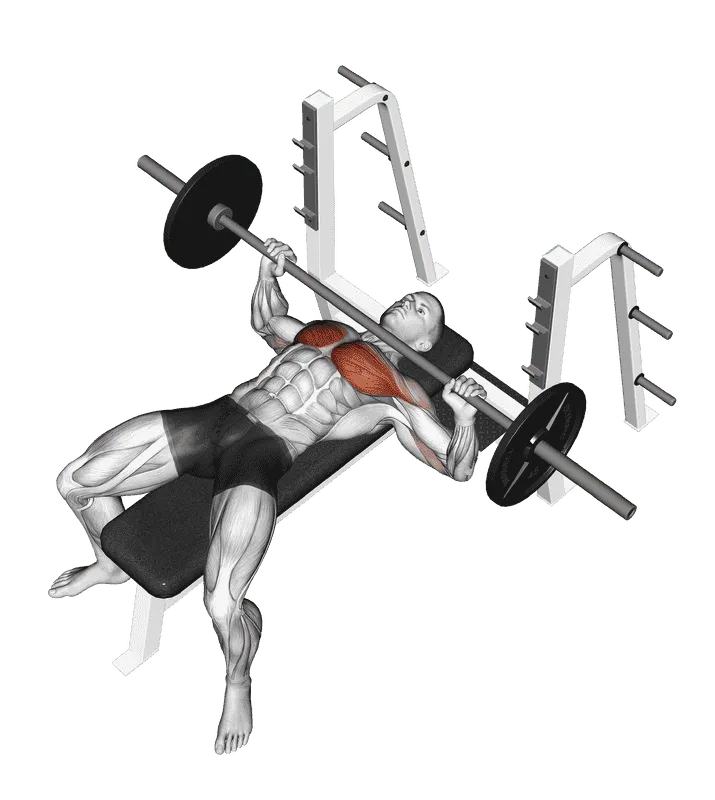
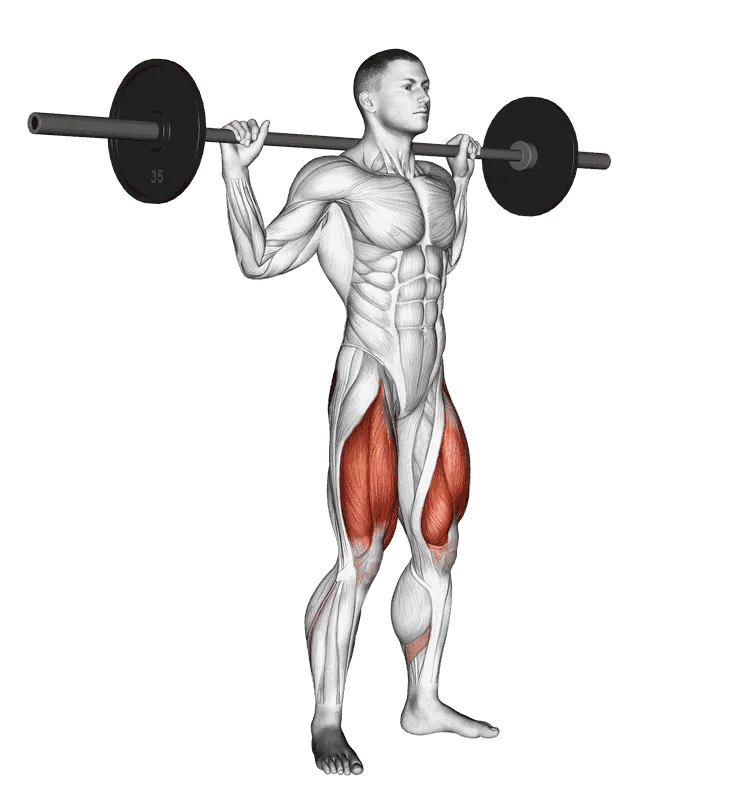
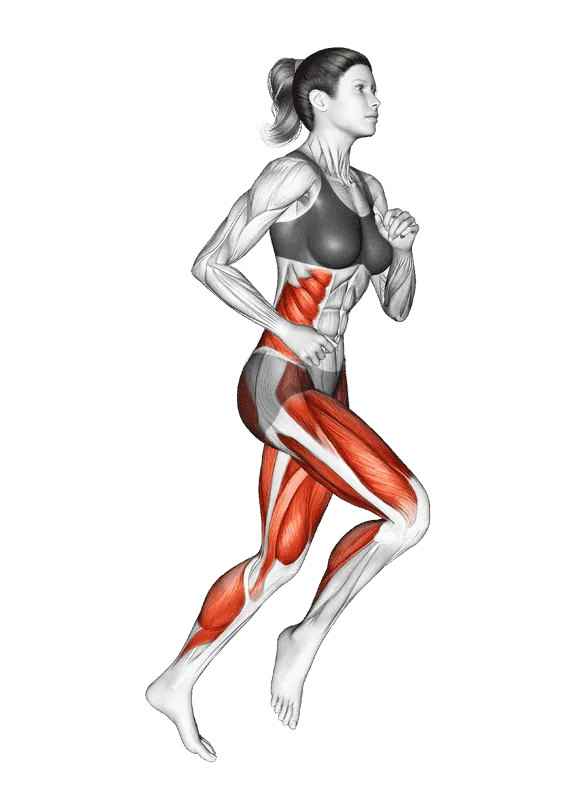
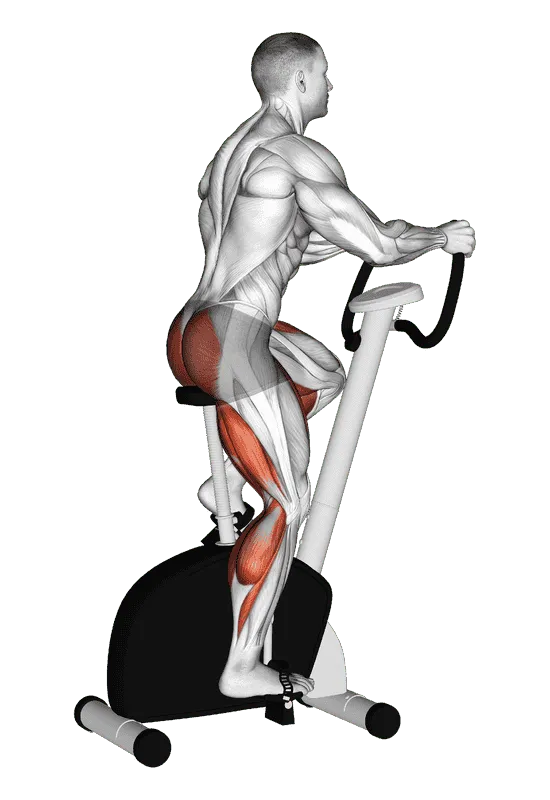
In practice, the effect is modest but real. Think of caffeine as helping you grind out the last hard sets of the bench press or squat, or hold your pace a little longer on a run or a stationary bike session, not as something that transforms your training.
Who benefits?
Caffeine appears to improve performance in both trained and untrained people.[1] It also sharpens attention and vigilance in most people, and it may help some people perform better after a poor night's sleep, although it is no substitute for sleep itself.[1] Responses vary, though. Genetic differences in how quickly you break caffeine down and how sensitive you are to it help explain why one person feels focused on a dose that leaves another anxious.[1]
How much caffeine to take
The ISSN reports that caffeine consistently improves performance at doses of 3–6 mg per kg of body weight. The minimum effective dose may be as low as 2 mg/kg, while very high doses around 9 mg/kg cause frequent side effects and aren't needed for a benefit.[1]
| Body weight | 2 mg/kg | 3 mg/kg |
|---|---|---|
| 50 kg | 100 mg | 150 mg |
| 60 kg | 120 mg | 180 mg |
| 70 kg | 140 mg | 210 mg |
| 80 kg | 160 mg | 240 mg |
| 90 kg | 180 mg | 270 mg |
Start at the low end and only go higher if you need to. The European Food Safety Authority (EFSA) found that single doses of up to 200 mg, about 3 mg/kg for a 70 kg adult, raise no safety concerns for healthy adults, including when taken less than two hours before intense exercise in normal environmental conditions.[3] The top of the research range is a different story: at 6 mg/kg, anyone heavier than about 67 kg would take more in a single dose than the 400 mg a day that the U.S. Food and Drug Administration (FDA) describes as not generally associated with negative effects in healthy adults.[4]
How much is in your drink?
The FDA gives these typical amounts for a 12 fl oz (355 ml) serving:[4]
| Drink (355 ml) | Caffeine |
|---|---|
| Brewed coffee | 113–247 mg |
| Black tea | 71 mg |
| Green tea | 37 mg |
| Caffeinated soft drink | 23–83 mg |
| Energy drink | 41–246 mg |
Most research has used caffeine capsules because they allow a precise dose, but coffee, energy drinks and pre-workout products have been studied too.[1] Coffee is hard to dose precisely: caffeine content has been found to vary eight- to ninefold between coffees bought from similar shops.[1] If you want an exact amount, a product with a labeled dose is easier to control.
Stay away from pure or highly concentrated caffeine powders and liquids. The FDA estimates that toxic effects such as seizures can occur with rapid consumption of around 1,200 mg of caffeine, which is less than half a teaspoon of pure powder.[4]
When to take it
- About 60 minutes before exercise is the most commonly used timing. Caffeinated chewing gum may need a shorter wait.[1]
- Mind the half-life. Caffeine's half-life is usually 4–6 hours but ranges from about 1.5 to 10 hours between people. Pregnancy and hormonal contraceptives can slow its breakdown, while smoking speeds it up.[1]
- Protect your sleep. In a controlled study, 400 mg of caffeine taken even 6 hours before bedtime significantly disrupted sleep,[5] and EFSA notes that as little as 100 mg close to bedtime may affect sleep in some adults.[3] If you train in the evening, use a smaller dose, train without it, or switch to decaf.
Does tolerance cancel the effect?
Partly, it seems. When volunteers took 3 mg/kg every day for 20 days, caffeine still improved peak cycling power for about 15–18 days, but the size of the boost shrank progressively.[6] Studies disagree on whether regular coffee drinkers respond less, and the ISSN lists habitual intake, along with genetics, among the factors that may explain why people respond differently.[1]
A practical approach is to keep your everyday coffee moderate and save a deliberate pre-workout dose for your hardest sessions.
Does caffeine dehydrate you?
Not in any meaningful way when you exercise. A meta-analysis of 16 studies found that caffeine has a minor diuretic effect that is negated by exercise, and concluded that concerns about unwanted fluid loss are unwarranted, particularly when caffeine is taken before exercise.[7] You still need to drink enough; see what to eat before and after a workout for hydration tips.
Safety limits and who should avoid caffeine
- Healthy adults: up to 400 mg a day is not generally associated with negative effects, according to the FDA,[4] and EFSA reached the same daily figure.[3] Count every source: coffee, tea, soft drinks, energy drinks and pre-workouts.
- Pregnancy: EFSA considers up to 200 mg a day from all sources safe for the unborn child.[3] If you are pregnant, trying to become pregnant or breastfeeding, the FDA recommends talking to your healthcare provider about whether you should limit caffeine.[4]
- Children and teenagers: medical experts advise against energy drinks for this age group.[4]
- Signs you've had too much: a fast heart rate, palpitations, high blood pressure, insomnia, anxiety, jitters, an upset stomach, nausea and headache.[4]
Caffeine and creatine are two of the few supplements with strong evidence behind them; read our creatine guide to see how the other one works.
Frequently asked questions
Frequently asked questions
Is coffee as good as a caffeine pill?
It can be, if you drink enough of it. Most studies used capsules because they deliver a precise dose. Coffee's caffeine content varies a lot between brews and shops, so a product with a labeled dose makes it easier to hit a target.
How long before a workout should I have caffeine?
About 60 minutes is standard. Caffeinated gum can work with a shorter wait.
Does caffeine still help if I drink coffee every day?
Often, yes, though daily use may shrink the effect somewhat over a few weeks. Saving a deliberate dose for important sessions is one way around it.
Are pre-workout supplements safe?
Some contain large amounts of caffeine plus other stimulants. Read the label, count all the caffeine you get that day, and never use pure caffeine powder.
Sources
- Guest NS, VanDusseldorp TA, Nelson MT, et al. International society of sports nutrition position stand: caffeine and exercise performance. Journal of the International Society of Sports Nutrition. 2021. doi.org/10.1186/s12970-020-00383-4 ↩
- Grgic J, Grgic I, Pickering C, et al. Wake up and smell the coffee: caffeine supplementation and exercise performance—an umbrella review of 21 published meta-analyses. British Journal of Sports Medicine. 2020. doi.org/10.1136/bjsports-2018-100278 ↩
- European Food Safety Authority (EFSA). Caffeine: topic page summarizing the Scientific Opinion on the safety of caffeine. EFSA. 2015. efsa.europa.eu/en/topics/topic/caffeine ↩
- U.S. Food and Drug Administration. Spilling the beans: how much caffeine is too much? FDA Consumer Updates. 2024. fda.gov/consumers/consumer-updates/spilling-beans-how-much-c... ↩
- Drake C, Roehrs T, Shambroom J, Roth T. Caffeine effects on sleep taken 0, 3, or 6 hours before going to bed. Journal of Clinical Sleep Medicine. 2013. doi.org/10.5664/jcsm.3170 ↩
- Lara B, Ruiz-Moreno C, Salinero JJ, Del Coso J. Time course of tolerance to the performance benefits of caffeine. PLoS One. 2019. doi.org/10.1371/journal.pone.0210275 ↩
- Zhang Y, Coca A, Casa DJ, et al. Caffeine and diuresis during rest and exercise: a meta-analysis. Journal of Science and Medicine in Sport. 2015. doi.org/10.1016/j.jsams.2014.07.017 ↩