Few nutrition topics attract more gym myths than workout timing. Maybe you've heard that you must drink a shake within 30 minutes of your last set or lose your gains. The research paints a calmer picture: what you eat across the whole day matters most, and sensible meals before and after training take care of the rest.
How much does timing matter?
Less than supplement ads suggest. A meta-analysis of more than 20 studies found that once total daily protein intake was accounted for, protein timing made no significant difference to muscle growth or strength; total protein intake was the strongest predictor of muscle growth.[1] In a 10-week trial, trained men who took 25 g of protein right before training made similar gains in strength and muscle to men who took it right after.[2]
That doesn't make timing irrelevant. The ISSN's position stand on nutrient timing concludes that high-quality protein eaten from immediately to two hours after exercise strongly stimulates muscle protein synthesis, and that the size and timing of your pre-workout meal affect how much the post-workout meal matters.[3] A review of the "anabolic window" offers a practical rule: for a typical 45–90 minute session, keep your pre- and post-workout meals no more than about 3–4 hours apart, or up to 5–6 hours if the meal before training was large.[4]
Before your workout
Timing and size
Most people do well with a normal mixed meal 2–3 hours before training, or a smaller, easily digested snack 30–60 minutes before if the last meal was a while ago. Big, fatty or very high-fiber meals right before training can sit heavily, so test what your stomach tolerates on easy days first.
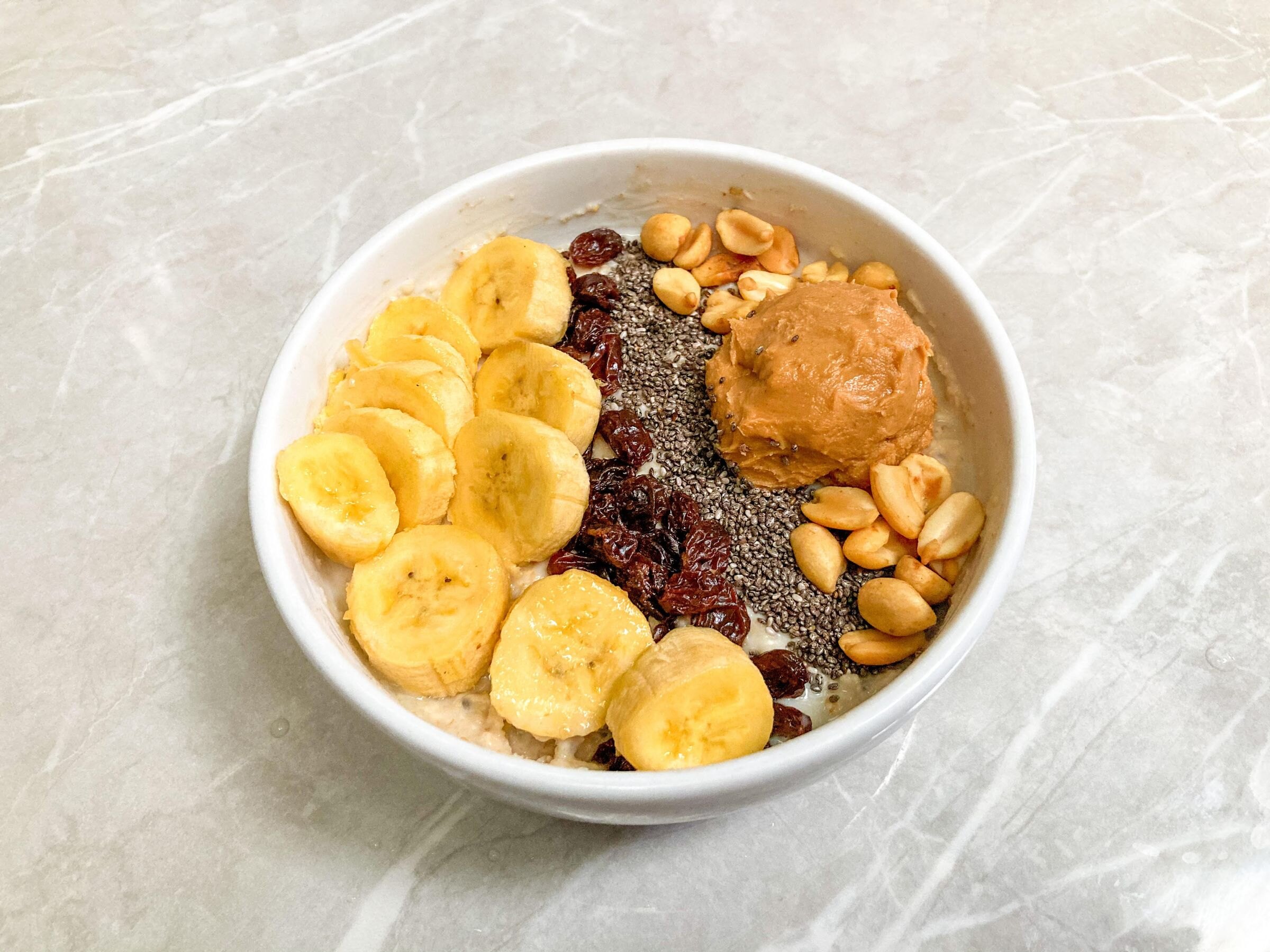
Protein
Aim for 20–40 g of high-quality protein (about 0.25–0.40 g per kg of body weight). That is the dose the ISSN links to the best muscle protein synthesis response when it is repeated every 3–4 hours through the day.[3] Another simple guideline is about 0.4–0.5 g per kg of lean body mass both before and after training, or roughly 28–35 g for someone with 70 kg of lean mass.[4]
Carbohydrate
Carbohydrate fuels hard work. According to the ISSN, taking in carbohydrate during resistance training helps maintain blood sugar and glycogen stores,[3] so a meal or snack that includes carbs is a sensible default, especially before high-volume sessions. For intense sessions lasting more than about an hour, the ISSN recommends 30–60 g of carbohydrate per hour during exercise, for example from a 6–8% sports drink sipped every 10–15 minutes.[3]
| When | Example | Protein |
|---|---|---|
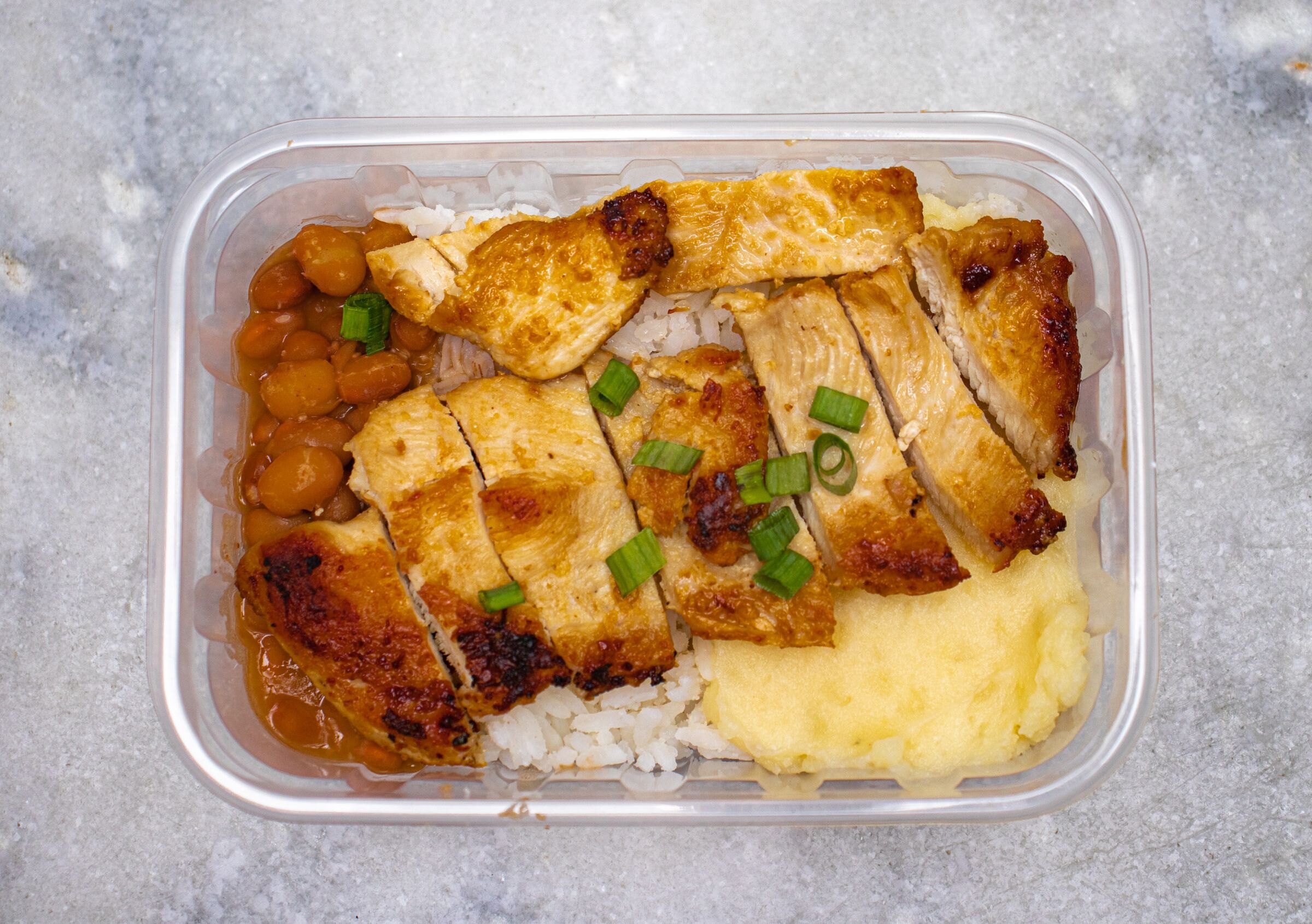
| 2–3 hours before | 120 g chicken breast with rice and salad | about 37 g from the chicken |
| 1–2 hours before | 200 g Greek yogurt with 40 g oats and a banana | about 26 g |
| 30–60 minutes before | 250 ml milk and a banana | about 10 g |
If you use caffeine before training, take it about an hour beforehand; see caffeine before a workout for doses.
Training on an empty stomach
Many people train well fasted, especially for shorter sessions. The catch comes afterward: the classic advice to eat at least 25 g of protein as soon as possible after training makes the most sense when you start training more than 3–4 hours after your last meal.[4] If you lift first thing in the morning without breakfast, make your post-workout meal a priority.
After your workout
- Protein: eat another 20–40 g within about two hours.[3] If you had a solid meal an hour or two before training, there's no need to rush; your next regular meal counts.
- Carbohydrate: refills muscle glycogen. It's urgent only if you train again the same day. When you need glycogen back within 4 hours, the ISSN recommends about 1.2 g of carbohydrate per kg of body weight per hour, or 0.8 g/kg per hour combined with 0.2–0.4 g/kg per hour of protein.[3] If your next session is a day or more away, your regular meals will do the job.
- Before bed: 30–40 g of casein protein can increase muscle protein synthesis overnight.[3] Cottage cheese, milk and Greek yogurt are good casein-rich options.
| Meal | Example | Protein |
|---|---|---|
| Quick | Whey shake (30 g powder) with a banana | about 25 g |
| Full meal | 150 g salmon with potatoes and vegetables | about 33 g from the salmon |
| Plant-based | 250 g cooked lentils with 150 g cooked rice | about 27 g |
| Before bed | 250 g cottage cheese | about 26 g |
For how much protein to aim for across the whole day, read how much protein you need to build muscle.
Hydration
Start every session already hydrated. The American College of Sports Medicine (ACSM) recommends drinking, when needed, at least several hours before exercise, so fluid can be absorbed and any excess passed before you start.[5] During exercise, the goal is to prevent losing more than 2% of your body weight through sweat, because bigger deficits can hurt performance.[5]
Sweat rates vary widely between people, so measure yours: weigh yourself before and after a typical session.[5] Each kilogram lost is roughly a liter of fluid to replace afterward, along with the electrolytes you sweated out.
Don't overcorrect, though. The National Athletic Trainers' Association (NATA) warns that overdrinking carries its own risks, including hyponatremia, a dangerous drop in blood sodium.[6] Drinking far more than you sweat is not better.
Common mistakes
- Chasing the 30-minute window but missing the daily target. A perfectly timed shake can't make up for a day that is 40 g short on protein.
- Training fasted and then waiting hours to eat. This is the situation where post-workout timing matters most.
- Eating a huge meal right before training. Leave more time after big meals, or keep the pre-workout meal small.
- Drinking sports drinks through every short session. For a typical gym workout, water is enough; save carbohydrate drinks for long, hard sessions.
- Forcing down more water than you sweat. Use the before-and-after weigh-in to guide how much you drink.
Putting it together: a sample training day
Here is how the pieces fit around a 6 p.m. workout:
- 1:00 p.m. lunch: chicken or beef with rice and salad
- 4:30 p.m. snack: Greek yogurt with oats and fruit
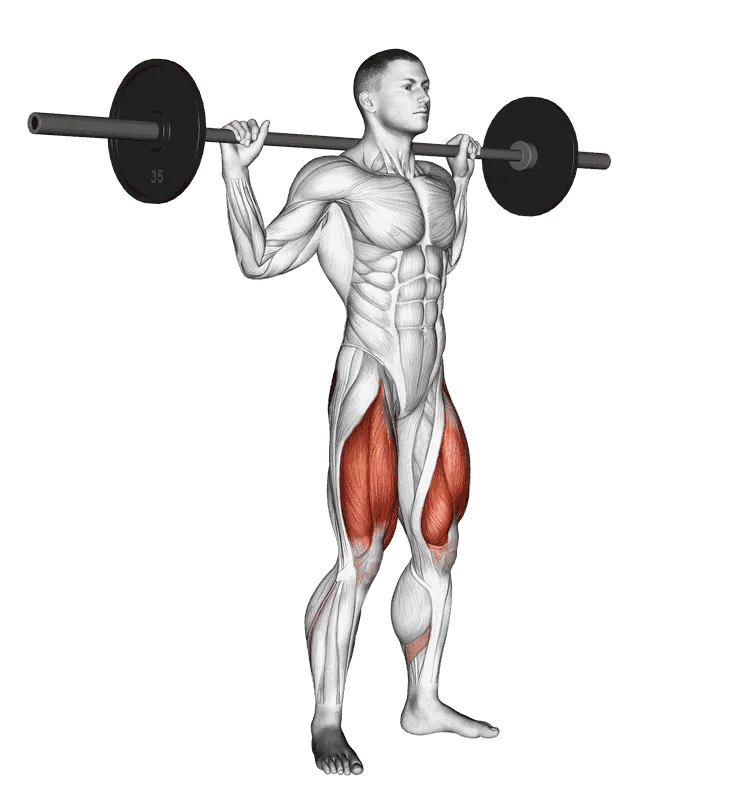
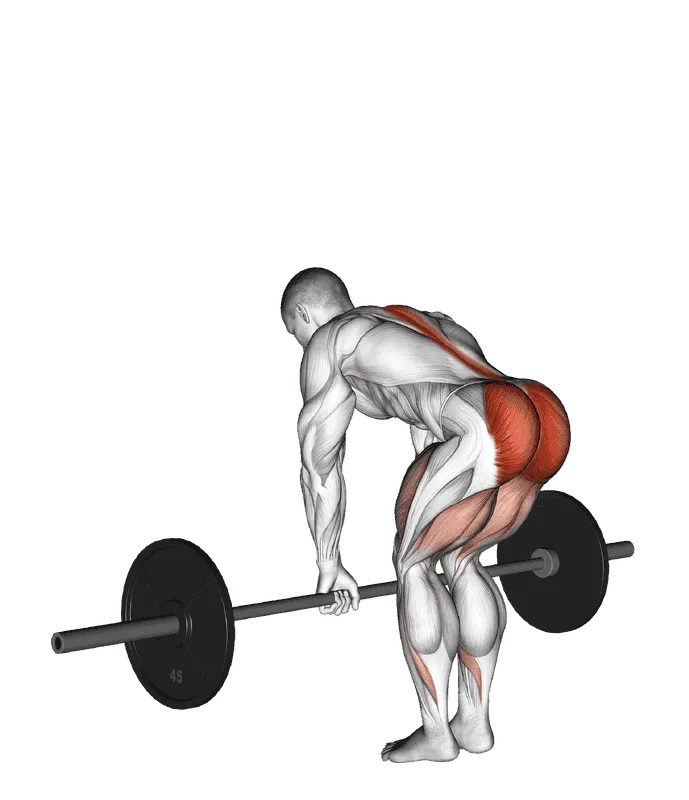
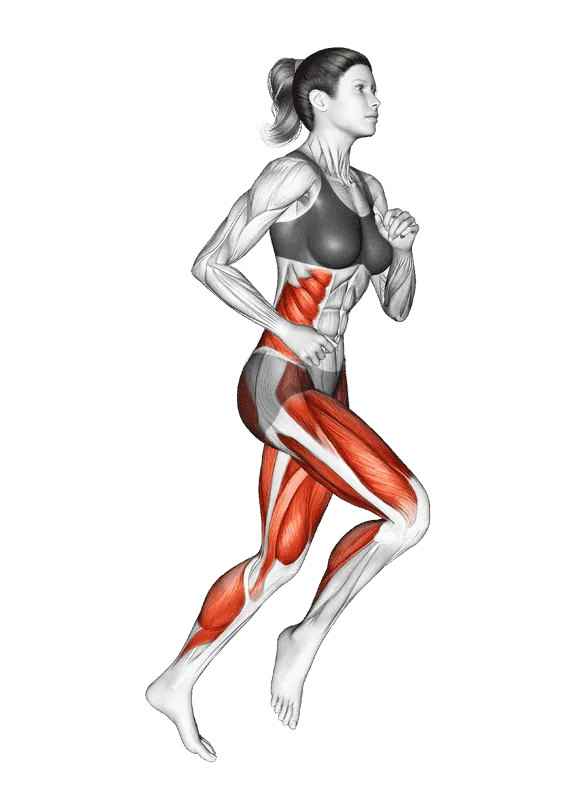
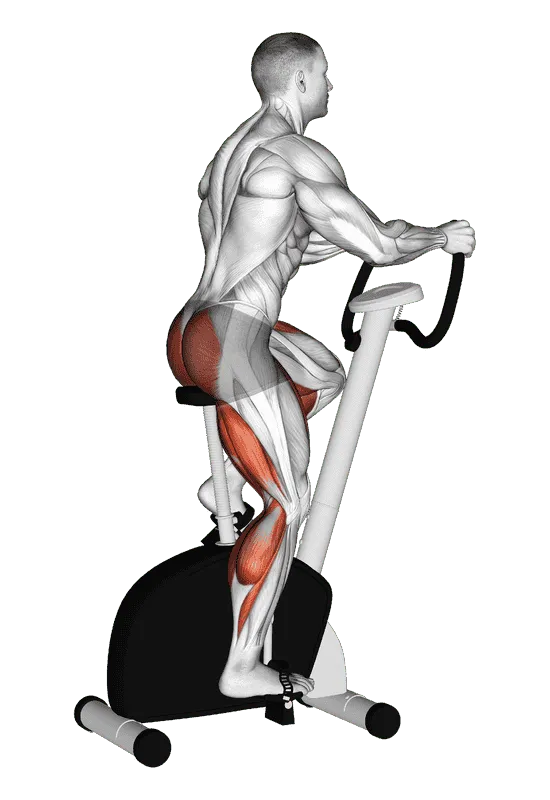
- 6:00–7:15 p.m. training: for example, a lower-body day built on the barbell squat and Romanian deadlift, or an hour of running or the stationary bike, sipping water throughout
- 8:00 p.m. dinner: salmon or lentils with potatoes or rice and vegetables
- 10:30 p.m. (optional): cottage cheese or a glass of milk if you're short on protein
The pre- and post-workout meals sit about three and a half hours apart, inside the recommended limit of 3–4 hours.
Frequently asked questions
Frequently asked questions
Is it bad to train on an empty stomach?
Not necessarily. Many people lift or run well fasted, especially for shorter sessions. If you do, eat a protein-rich meal soon afterward, and have some carbohydrate before long or intense sessions.
Do I need a protein shake right after training?
No. A shake is convenient, but any protein-rich meal within a couple of hours works. A trial comparing 25 g of protein taken just before training with the same dose just after found similar results.
How long should I wait to train after a big meal?
Most people feel best 2–3 hours after a large meal and 30–60 minutes after a small snack. Experiment on easier days to find what suits your stomach.
Do I need a sports drink?
For most gym sessions, water is enough. For hard sessions longer than about an hour, a drink that provides 30–60 g of carbohydrate per hour can help.
Sources
- Schoenfeld BJ, Aragon AA, Krieger JW. The effect of protein timing on muscle strength and hypertrophy: a meta-analysis. Journal of the International Society of Sports Nutrition. 2013. doi.org/10.1186/1550-2783-10-53 ↩
- Schoenfeld BJ, Aragon A, Wilborn C, et al. Pre- versus post-exercise protein intake has similar effects on muscular adaptations. PeerJ. 2017. doi.org/10.7717/peerj.2825 ↩
- Kerksick CM, Arent S, Schoenfeld BJ, et al. International society of sports nutrition position stand: nutrient timing. Journal of the International Society of Sports Nutrition. 2017. doi.org/10.1186/s12970-017-0189-4 ↩
- Aragon AA, Schoenfeld BJ. Nutrient timing revisited: is there a post-exercise anabolic window? Journal of the International Society of Sports Nutrition. 2013. doi.org/10.1186/1550-2783-10-5 ↩
- American College of Sports Medicine; Sawka MN, Burke LM, Eichner ER, et al. American College of Sports Medicine position stand. Exercise and fluid replacement. Medicine and Science in Sports and Exercise. 2007. doi.org/10.1249/mss.0b013e31802ca597 ↩
- McDermott BP, Anderson SA, Armstrong LE, et al. National Athletic Trainers' Association position statement: fluid replacement for the physically active. Journal of Athletic Training. 2017. doi.org/10.4085/1062-6050-52.9.02 ↩