Creatine is one of the few supplements with decades of consistent research behind it. The International Society of Sports Nutrition (ISSN) calls creatine monohydrate the most effective nutritional supplement currently available for increasing high-intensity exercise capacity and lean body mass during training.[1] Here is how it works, who benefits, how to take it and what the safety research says.
What creatine is and how it works
Creatine is a natural compound found mainly in red meat and seafood, and your liver and kidneys also make it. About 95% of the creatine in your body is stored in skeletal muscle. You need to replace about 1–3 g a day, and roughly half of that usually comes from food.[1]
About two-thirds of the creatine in muscle is stored as phosphocreatine, a rapid energy reserve that muscles tap during short, intense efforts such as a heavy set or a sprint. On a normal diet, your muscle creatine stores are only about 60–80% full, and supplementing raises muscle creatine and phosphocreatine by about 20–40%.[1] More fuel for hard efforts means a little more quality work in each session, and over weeks and months that extra work turns into strength and muscle.
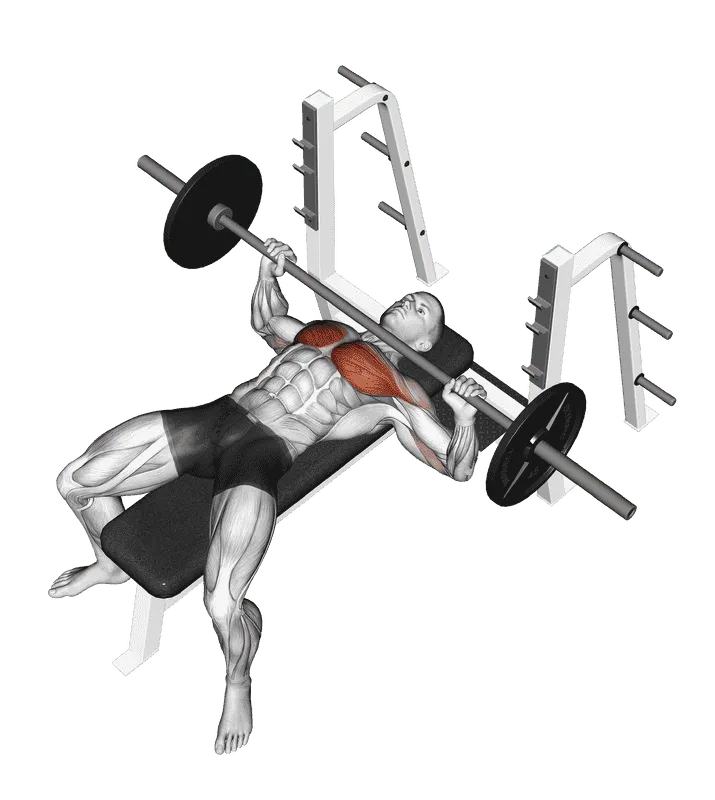
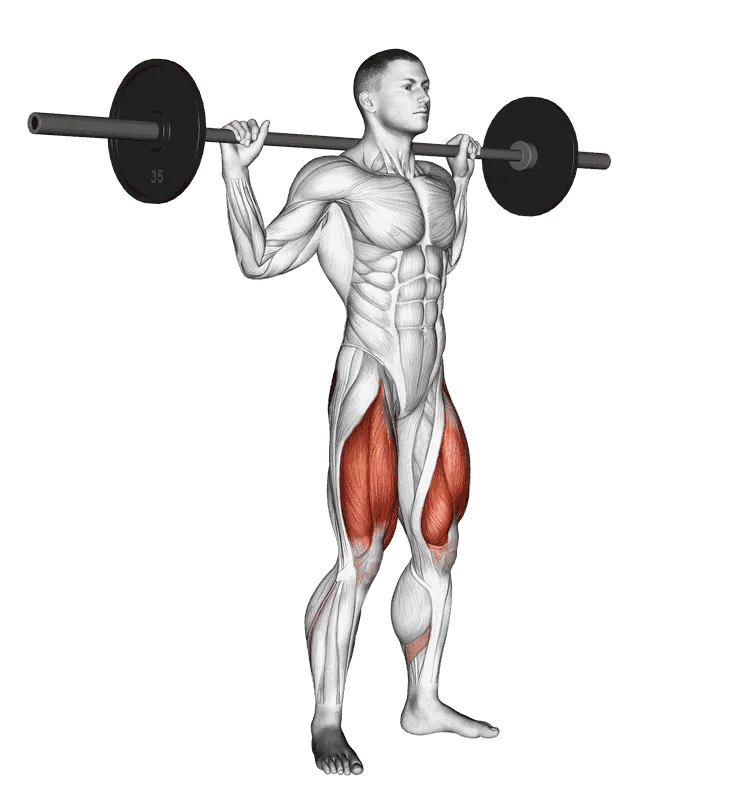
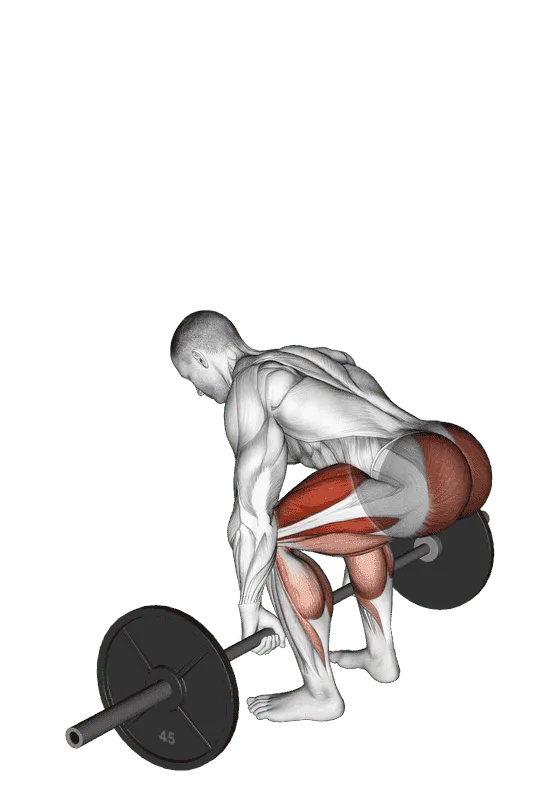
That is why creatine is most useful for heavy, short sets: think a hard set of five on the barbell bench press, barbell squat or deadlift, or tough sets on the leg press.
What the research shows
- Strength: A meta-analysis of 53 studies found that creatine improved upper-body strength in efforts lasting less than three minutes, including the bench press and chest press, regardless of population, training program, dose or duration.[2]
- Muscle: The ISSN identifies creatine monohydrate as the most effective supplement for increasing lean body mass during training, and lists bodybuilding, powerlifting and weightlifting among the activities that benefit from the extra muscle mass.[1]
- Older adults: Across 22 randomized trials with 721 people whose average ages ranged from 57 to 70, taking creatine during resistance training added about 1.4 kg more lean mass than a placebo and produced bigger gains in chest press and leg press strength.[3]
Who benefits most
- Lifters and athletes in sports built on short, repeated bursts of effort, such as sprinting, team sports, combat sports, powerlifting and weightlifting.[1]
- Vegetarians and vegans, who tend to have lower muscle creatine stores and may see bigger increases when they supplement.[1]
- Older adults, especially when creatine is combined with resistance training.[3]
- Women. An expert review found growing evidence that creatine offers benefits for women across the lifespan, with little to no side effects.[4]
How to take creatine
| Approach | How | What to expect |
|---|---|---|
| Load, then maintain | About 20 g a day (5 g four times a day, roughly 0.3 g/kg) for 5–7 days, then 3–5 g a day | Muscle stores fill within about a week |
| Daily dose only | 3–5 g a day | Muscle stores fill over about 3–4 weeks |
Both approaches end in the same place. The ISSN describes loading as the quickest way to fill your muscles, followed by 3–5 g a day to keep them full.[1] In a classic study, 20 g a day for six days raised muscle creatine by about 20%, and 3 g a day produced a similar 20% rise more gradually over 28 days.[5] An expert review concluded that a loading phase is not required.[4]
A few practical tips:
- If you load, split the dose. Take the 20 g as four servings, because single doses above about 10 g may cause stomach upset such as diarrhea.[4]
- Timing matters less than consistency. Take it at a time you'll remember, every day, including rest days. With a meal is a good default: consuming creatine with carbohydrate, or carbohydrate and protein, can increase how much your body retains.[1]
- Bigger athletes may need more. Some studies suggest that large athletes in intense training may need 5–10 g a day to keep their stores full.[1]
- Stopping is fine. Without creatine, muscle levels drift back to baseline within about a month.[5]
Which form should you buy?
Choose creatine monohydrate. It is the form used in most studies, and claims that other forms, such as creatine ethyl ester, buffered creatine or creatine nitrate, work better are unfounded.[1] Plain, unflavored monohydrate powder is all you need. Buy from a reputable seller and choose a product that has been independently tested for purity.
Can you get enough from food?
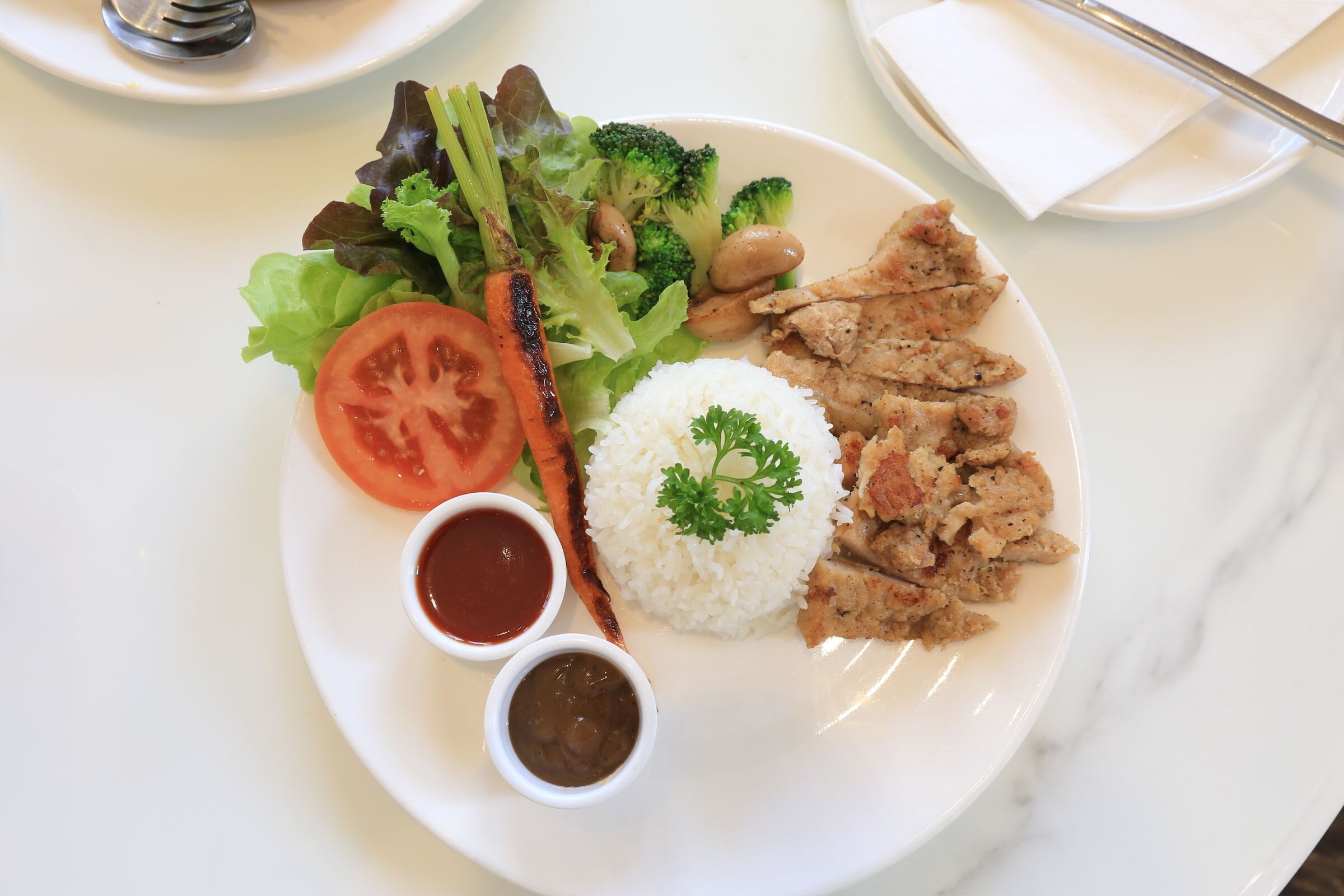
Not easily. A pound (about 450 g) of raw beef or salmon provides only about 1–2 g of creatine.[1] Getting 3–5 g a day from food alone would take somewhere between about 0.7 and 2.3 kg of raw meat or fish every day.
Is creatine safe?
More than 1,000 studies have been conducted on creatine, and the only consistently reported side effect is weight gain. Research in healthy people at doses of up to 30 g a day for five years has found it safe and well tolerated.[1] Here is what the evidence says about the most common worries.
"It's just water weight"
A loading phase typically adds 1–3 kg of body weight in the first week, mostly water drawn into muscle cells.[4] Over longer periods, several studies suggest creatine does not change total body water relative to muscle mass, and it does not increase fat mass.[4]
"It damages your kidneys"
At recommended doses, creatine does not cause kidney damage or kidney dysfunction in healthy people.[4] One caveat: creatine can raise blood creatinine, a marker doctors use to estimate kidney function. Tell your doctor you take it before any blood test.
"It causes hair loss"
This fear traces back to a single 2009 study in college rugby players that found a rise in DHT, a hormone linked to male-pattern hair loss. It has never been replicated.[4] In a 12-week randomized trial, resistance-trained men taking 5 g a day showed no differences in DHT, hair density, follicle counts or hair thickness compared with a placebo group.[6]
"It causes dehydration and cramps"
Controlled research does not support this.[4] In studies of college football players, creatine users actually reported fewer cramps and heat-related problems than athletes who did not take it.[1]
"It's a steroid"
No. Creatine has a completely different chemical structure from anabolic steroids.[4]
What about teenagers?
The evidence is limited, but an expert review found creatine appears safe and potentially beneficial for children and adolescents.[4] If you are under 18, talk it through with a doctor and a parent first.
Creatine and caffeine are two of the few supplements with strong evidence for performance; see caffeine before a workout. Neither replaces the basics, though: hard training and enough protein come first.
Frequently asked questions
Frequently asked questions
Do I need to load creatine?
No. Loading fills your muscles within about a week, while 3–5 g a day gets you to the same place in about three to four weeks.
Should I take creatine on rest days?
Yes. Creatine works by keeping your muscle stores full, not by giving you a pre-workout kick, so take it every day.
When is the best time to take creatine?
Whenever you will remember it. Taking it with a meal is a good default.
Will creatine make me look bloated?
Any early water gain is stored mainly inside your muscles, not under the skin. What you are most likely to notice is a small jump on the scale.
Does creatine work for women?
Yes. An expert review found benefits for women across the lifespan, with little to no side effects. After menopause, creatine combined with resistance training has improved muscle mass and strength, and it may also help protect bone.
Sources
- Kreider RB, Kalman DS, Antonio J, et al. International Society of Sports Nutrition position stand: safety and efficacy of creatine supplementation in exercise, sport, and medicine. Journal of the International Society of Sports Nutrition. 2017. doi.org/10.1186/s12970-017-0173-z ↩
- Lanhers C, Pereira B, Naughton G, et al. Creatine supplementation and upper limb strength performance: a systematic review and meta-analysis. Sports Medicine. 2017. doi.org/10.1007/s40279-016-0571-4 ↩
- Chilibeck PD, Kaviani M, Candow DG, Zello GA. Effect of creatine supplementation during resistance training on lean tissue mass and muscular strength in older adults: a meta-analysis. Open Access Journal of Sports Medicine. 2017. doi.org/10.2147/OAJSM.S123529 ↩
- Antonio J, Candow DG, Forbes SC, et al. Common questions and misconceptions about creatine supplementation: what does the scientific evidence really show? Journal of the International Society of Sports Nutrition. 2021. doi.org/10.1186/s12970-021-00412-w ↩
- Hultman E, Söderlund K, Timmons JA, et al. Muscle creatine loading in men. Journal of Applied Physiology. 1996. doi.org/10.1152/jappl.1996.81.1.232 ↩
- Lak M, Forbes SC, Ashtary-Larky D, et al. Does creatine cause hair loss? A 12-week randomized controlled trial. Journal of the International Society of Sports Nutrition. 2025. doi.org/10.1080/15502783.2025.2495229 ↩