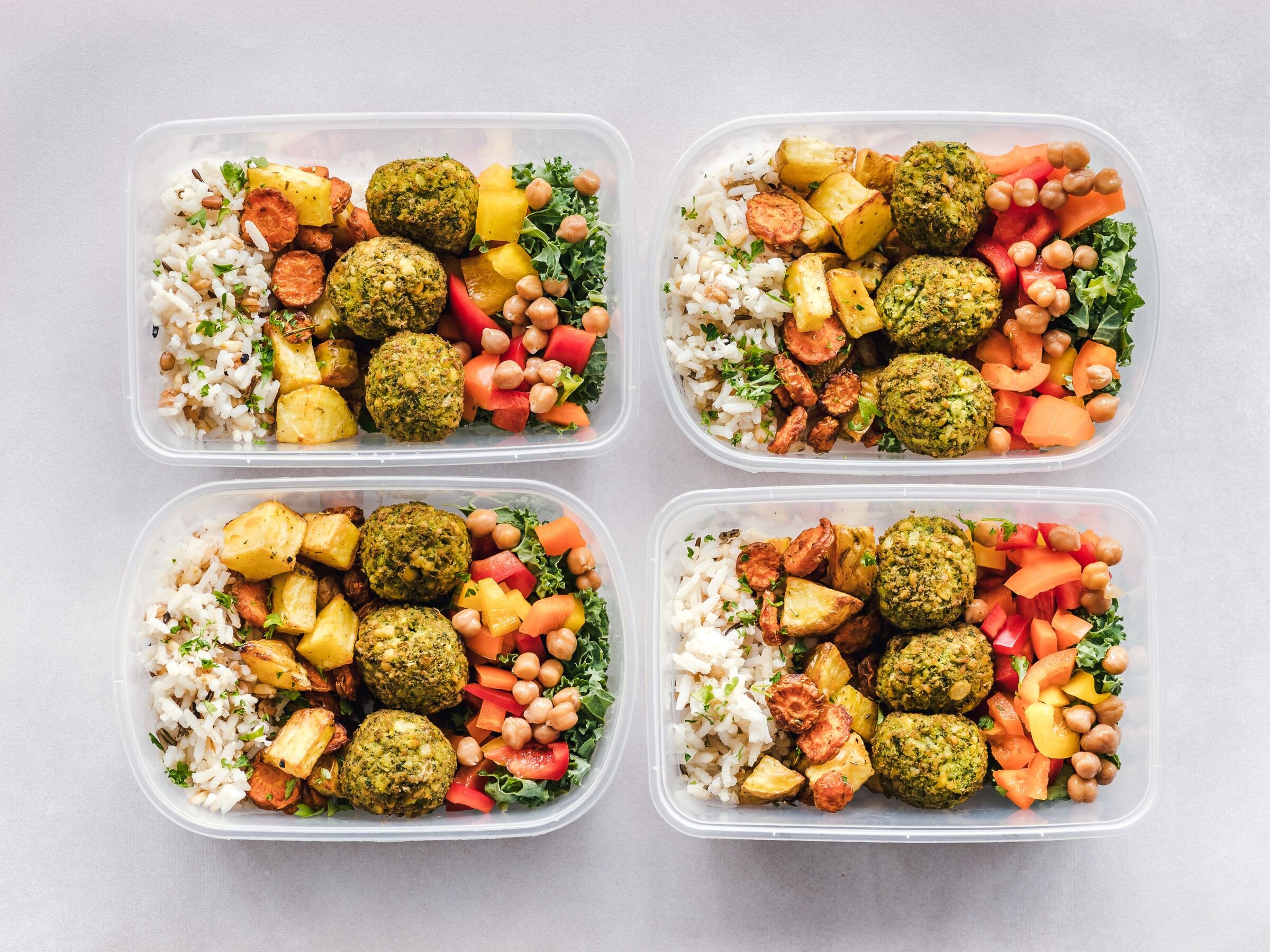
If you train hard in the gym, your results depend directly on whether your daily nutrition supports your physical output. Yet for most lifters and fitness enthusiasts, the hardest part of achieving an aesthetic, high-performing physique is not the workout itself—it is consistently eating the right amounts of protein, carbohydrates, and fats day after day. When work runs late, fatigue sets in, or refrigerator shelves sit empty, willpower fails. You end up ordering high-calorie takeout or skipping meals entirely, undoing hours of disciplined training.
Meal prep eliminates this daily friction by transforming nutrition from an emotional, minute-by-minute struggle into an automated, stress-free routine. Preparing your meals in advance bridges the gap between theoretical diet targets and real-world execution, whether your priority is packing on lean mass during bulking versus cutting or maintaining a moderate calorie deficit for sustainable fat loss. Here is the exhaustive, evidence-based masterclass on how to plan, shop, batch-cook, store, and optimize your nutrition for maximum fitness results.
The Science of Meal Prep: Why Planning Drives Physical Transformation
Most people assume dietary adherence is purely a test of mental fortitude. Exercise and nutritional psychology tell a very different story: willpower is a finite cognitive resource that depletes rapidly under stress, sleep deprivation, and sustained decision-making. By 7:00 PM, when blood glucose dips after a grueling workday and an intense lifting session, human physiology naturally craves hyper-palatable, calorie-dense foods loaded with industrial fats and refined sugars.
In a landmark epidemiological study of 40,554 adult participants, researchers examined the behavioral and physiological impact of routine meal planning.[1] The findings were striking: individuals who planned and prepared meals in advance exhibited significantly higher adherence to nutritional guidelines, substantially greater food variety, and improved overall diet quality compared to non-planners. Most importantly, structured meal planning was inversely associated with overweight and obesity in both men and women, even after adjusting for socioeconomic variables and physical activity levels.[1]
From a physiological standpoint, meal prep guarantees adherence to energy balance and nutrient distribution. Muscle protein synthesis requires regular stimulation through adequate doses of essential amino acids, particularly leucine, every 3 to 5 hours. When meals are pre-portioned, you consistently hit your threshold—roughly 0.40 grams of protein per kilogram of body weight per meal—as detailed in our comprehensive guide on how much protein you need to build muscle. Without advance preparation, protein intake becomes skewed toward a single heavy evening meal, leaving daytime muscle tissue in a suboptimal anabolic state.
Furthermore, meal prep establishes tight control over energy density. Commercial restaurant meals and packaged convenience foods contain hidden oils, sugar-laden marinades, and excessive sodium designed for hyper-palatability rather than body composition. Preparing your meals gives you total visibility over every gram of macronutrient entering your body, making setting your macronutrients a predictable mathematical reality rather than an educated guess.
The 4 Proven Meal Prep Methods: Find Your System
One of the most common reasons lifters abandon meal prep within two weeks is selecting an operational style that clashes with their lifestyle or personality. Eating identical chicken breast and white rice from a plastic tub every day for six consecutive days is neither necessary nor sustainable. Depending on your schedule, kitchen equipment, and desire for daily food variety, choose one of these four established methodologies:
1. The Full Batch-Cooking System
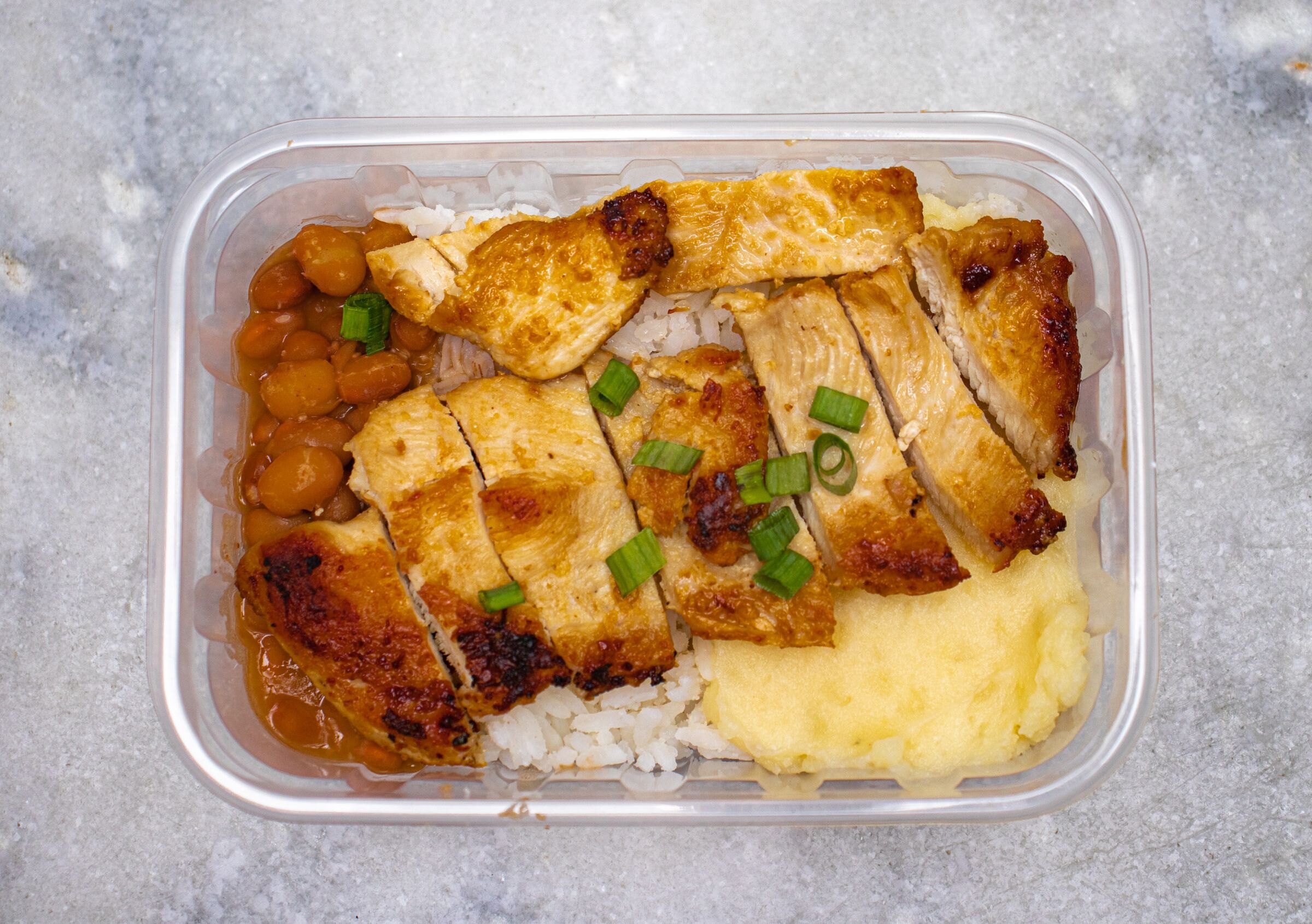
- How it works: You dedicate 90 to 120 minutes on one or two designated days per week (typically Sunday and Wednesday evenings) to cook complete multi-component meals, portioning them into individual single-serving glass containers.
- Best for: Busy professionals, corporate workers, and students who want zero kitchen duties from Monday through Friday and need grab-and-go convenience.
- Pro tip: Cook two distinct protein sources (e.g., grilled chicken breast and extra-lean ground beef) and two carbohydrate sources (e.g., jasmine rice and roasted baby potatoes) to alternate lunches and dinners across the week.
2. The Buffet (Component) Prep System
- How it works: Instead of assembling static meals into individual boxes, you cook large batches of individual base ingredients—a tray of roasted turkey cutlets, a massive pot of quinoa, a sheet pan of roasted zucchini and bell peppers—and store each component in separate large airtight containers.
- Best for: People who work from home or who despise eating the exact same meal combination several days in a row.
- Pro tip: At mealtime, scoop out your required gram weights onto a plate and add different zero-calorie seasonings, hot sauces, or fresh herbs to transform the flavor profile from Mexican to Mediterranean or East Asian in thirty seconds.
3. The Ingredient Prep (Mise en Place) System
- How it works: You do not cook your proteins or carbohydrates in advance. Instead, you perform all time-consuming prep tasks: washing, peeling, and chopping vegetables; trimming fat from meats; mixing marinades; and pre-measuring spices.
- Best for: Culinary enthusiasts who demand freshly cooked, hot food off the skillet every night but lack the 45 minutes required for chopping, washing, and slicing after work.
- Pro tip: Store chopped onions, peppers, and broccoli in sealed containers lined with a dry paper towel to absorb excess condensation and keep them crisp for up to five days.
4. The 2-Day Rolling (Double Dinner) System
- How it works: You never dedicate an entire Sunday afternoon to bulk cooking. Instead, whenever you prepare dinner on Monday, you cook three times the required amount. You eat one portion that evening, pack one portion for Tuesday lunch, and save the third portion for Wednesday lunch.
- Best for: Anyone with limited refrigerator or freezer space, or those who find large-scale batch cooking overwhelming.
- Pro tip: This rolling routine guarantees that no refrigerated meal sits for longer than 48 hours, delivering optimal freshness and food texture.
Phase-by-Phase Execution: The 90-Minute Masterclass Protocol
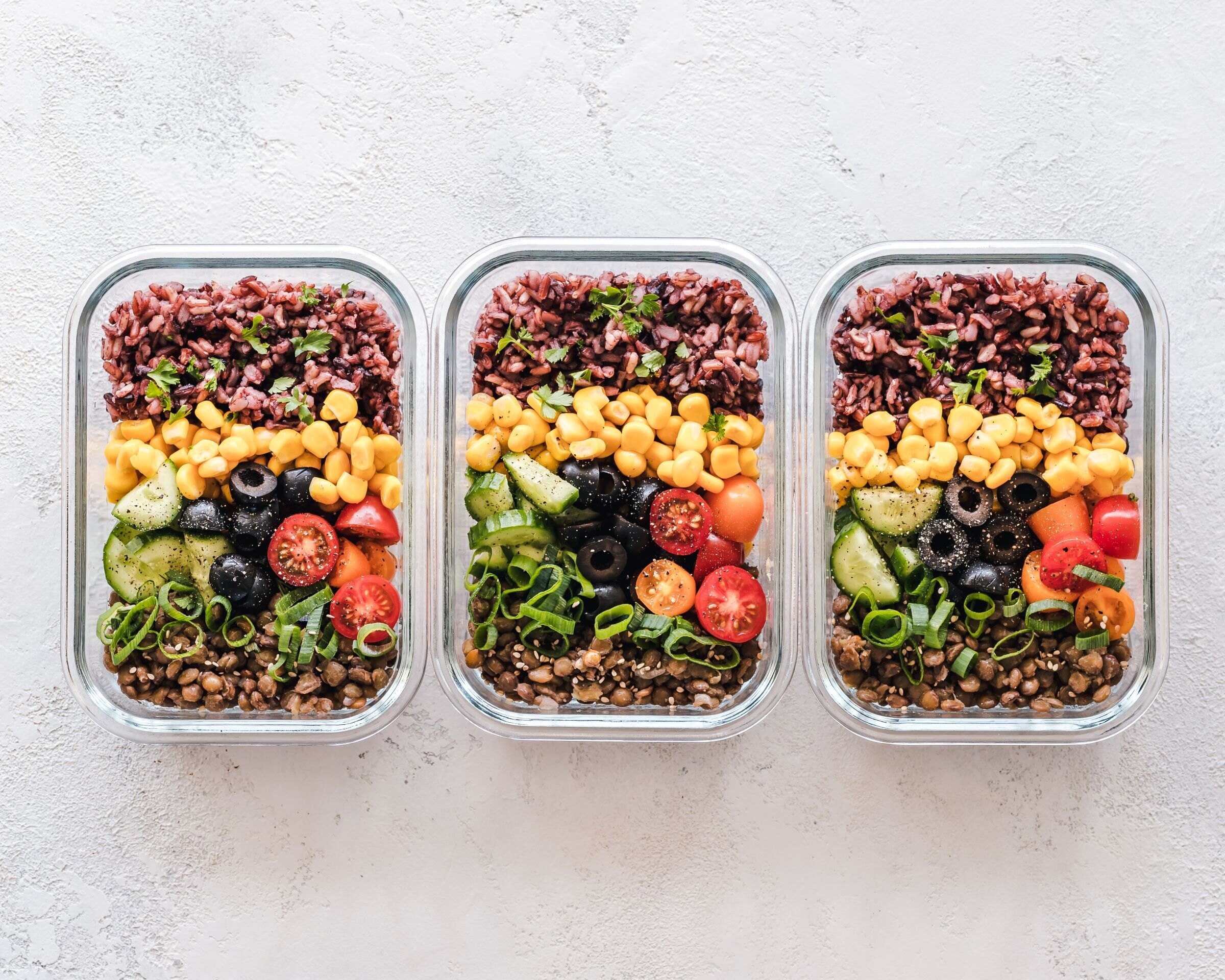
To master meal prep without spending your entire weekend in the kitchen, execute your workflow like an experienced restaurant line chef. Precision planning prevents wasted ingredients, burnt pans, and unnecessary cleanup. Follow this structured five-phase protocol:
Phase 1: Macro Blueprinting & Menu Design (15 Minutes)
Before writing a single grocery item, determine your daily energy and macronutrient targets based on your active training phase:
- Calculate daily calories: Identify whether your current target is a deficit for fat loss, maintenance, or a caloric surplus for muscle hypertrophy.
- Lock in protein: Allocate 1.6 to 2.2 grams of protein per kilogram of body weight, divided evenly across your planned daily meals (usually 3 to 4 meals).
- Distribute carbs and fats: Balance complex carbohydrates around your workout window for athletic performance and recovery, reserving essential healthy fats for endocrine stability.
- Choose 2 proteins, 2 carbs, and 3 vegetables: Keeping variety constrained during initial weeks prevents grocery bill inflation and kitchen chaos.
Phase 2: Strategic Grocery Sourcing & Kitchen Setup
Shop with an unyielding list organized strictly by grocery department (produce, butcher, dry goods, frozen section). Do not shop on an empty stomach, as physiological hunger amplifies impulse purchases of processed snack foods.
Ensure your kitchen is equipped with essential meal prep gear:
- A digital kitchen scale (gram precision): Non-negotiable for accurate macro management.
- Airtight glass containers (borosilicate glass): Superior to plastic because they do not stain, absorb odors, or leach microplastics when reheated, and they can transition directly from refrigerator to microwave or oven.
- Two large rimmed baking sheet pans: Allows simultaneous roasting of proteins and vegetables in the oven.
- A multi-tier rice cooker or instant pressure cooker: Handles hands-off, automated starch preparation while your stovetop is occupied.
- Digital meat thermometer: Ensures poultry reaches safe internal temperatures (74°C / 165°F) without overcooking into dry, unpalatable shoe leather.
Phase 3: The Parallel Cooking Workflow (60 Minutes)
The secret of professional meal prep is parallel processing—having the oven, stovetop, and pressure cooker working at the same time:
- Minute 0–10 (Preheat & Starch): Preheat your oven to 200°C (400°F). Rinse your jasmine rice, basmati, or quinoa thoroughly and start your rice cooker.
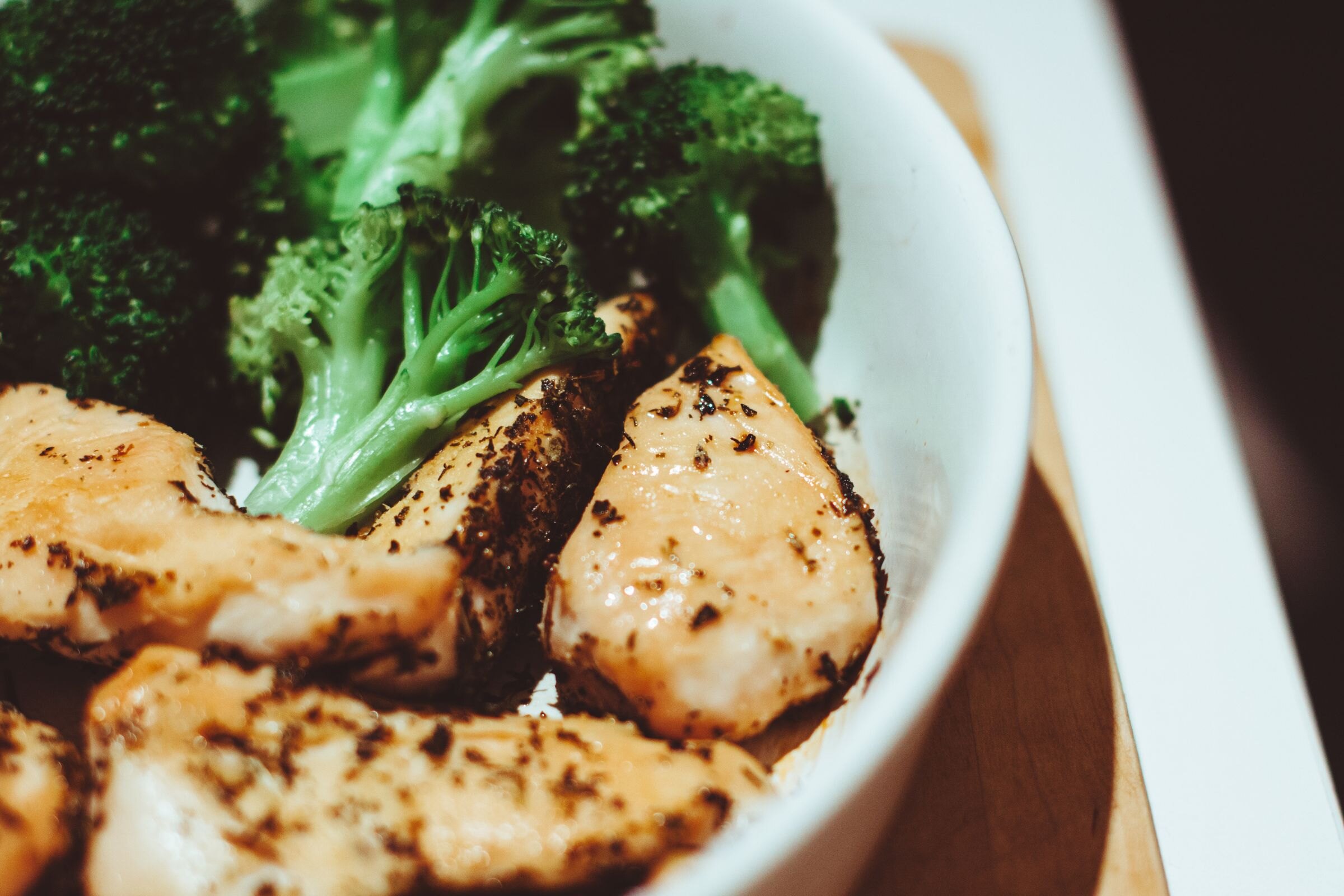
- Minute 10–25 (Chop & Season): Dice your chicken breast, sirloin, or tofu into uniform cubes. Toss with olive oil, smoked paprika, garlic powder, onion powder, and sea salt. Chop broccoli florets, bell peppers, and zucchini.
- Minute 25–55 (The Big Roast): Spread your proteins evenly across one parchment-lined baking sheet and your seasoned vegetables across the second sheet. Slide both into the oven. Set a timer for 20 minutes.
- Minute 55–65 (Stovetop Second Protein): While the oven finishes, brown extra-lean ground beef (93% lean or higher) or turkey in a non-stick skillet with crushed garlic and tomato purée.
- Minute 65–75 (Cooling Down): Remove all cooked items from the oven and skillet. Spread them out on cooling racks or flat trays. Never seal hot food directly into airtight containers, as trapped steam accelerates bacterial multiplication and turns vegetables soggy.
Phase 4: Precise Portioning & Weighing Rules
To avoid chronic tracking errors, adhere strictly to the raw-versus-cooked weighing rule:
- The Raw Standard: Nutritional labels and macro databases (such as USDA FoodData Central) reflect the raw, uncooked weight of food unless explicitly noted.
- Moisture Loss Dynamics: When meat cooks, it loses between 20% and 30% of its weight in water, while dry rice and oats absorb water and expand to roughly 2.5 to 3 times their raw weight.
- The Bulk Math Equation: If you cook 1,000 g of raw chicken breast and the final cooked weight is 750 g across four planned meals, each container should receive exactly 187.5 g of cooked chicken. In your macro tracker, you record 250 g of raw chicken breast per meal.
Phase 5: Storage Science & Food Safety Rules
Foodborne pathogens thrive in the "temperature danger zone" between 4°C and 60°C (40°F to 140°F). Follow these non-negotiable food safety standards:
- The 2-Hour Rule: Cool all cooked food to room temperature and transfer it into the refrigerator within two hours of cooking.
- Refrigerator Temperature: Verify that your home refrigerator is calibrated below 4°C (39°F).
- Shelf-Life Guidelines: Consume refrigerated cooked chicken, turkey, beef, and pork within 3 to 4 days. Cooked fish and seafood are best consumed within 2 to 3 days.
- Freezer Rotation: If you prep on Sunday for a full 5-day or 6-day work week, place the meals for Thursday and Friday into the freezer immediately. Transfer them back to the refrigerator on Wednesday night to thaw safely.
| Food Category | Refrigerator Shelf Life (Under 4°C / 40°F) | Freezer Shelf Life (-18°C / 0°F) | Recommended Reheating Technique |
|---|---|---|---|
| Cooked Chicken & Turkey | 3–4 Days | 3–4 Months | Microwave with damp paper towel or skillet with 1 tbsp water |
| Cooked Lean Beef & Bison | 3–4 Days | 3–4 Months | Low-heat skillet or microwave at 70% power |
| Cooked Salmon & Whitefish | 2–3 Days | 2 Months | Gently warmed in oven (150°C / 300°F) to preserve delicate oils |
| Boiled Eggs (In Shell) | Up to 7 Days | Do not freeze | Eat chilled or at room temperature |
| Cooked Rice, Quinoa & Oats | 4–5 Days | 4–6 Months | Sprinkle 1 tsp water, cover loosely, microwave on high |
| Roasted Fibrous Veggies | 4–5 Days | 2–3 Months | Air fryer or toaster oven at 190°C (375°F) for 4 minutes |
Strategic Food Swaps: Slash Calories and Supercharge Satiety
The hallmark of sustainable nutritional habit design is substituting low-satiety, calorie-dense ingredients with high-volume, micronutrient-rich alternatives. Rather than adopting restrictive starvation tactics, use intelligent food swaps to dramatically lower caloric intake while increasing physical meal volume.
The table below outlines evidence-based food swaps that preserve macronutrient balance while accelerating fat loss and digestive health:
| High-Calorie / Low-Volume Food | Smart High-Satiety Swap | Calorie & Macro Advantage | Culinary Application |
|---|---|---|---|
| Heavy Mayonnaise (100 kcal / 15 ml) | Plain Non-Fat Greek Yogurt (15 kcal / 15 ml) | 85% fewer calories, adds 3 g protein per serving | Base for chicken salad, tuna dips, garlic sauces |
| 80/20 Ground Beef (254 kcal / 100 g) | 93/7 Lean Ground Beef or Turkey (150 kcal / 100 g) | Cuts over 10 g fat per serving; saves 100+ calories | Chili, taco bowls, homemade fitness burger patties |
| Heavy Salad Dressings (140 kcal / 30 ml) | Balsamic vinegar, lemon juice & Dijon mustard | Saves 110 kcal; zero saturated fat | Mixed green salads, roasted vegetable seasoning |
| White Bagel (280 kcal, 2 g fiber) | 100% Sprouted Whole Grain Bread (160 kcal, 6 g fiber) | Lower glycemic spike, higher sustained satiety | Breakfast sandwiches, avocado toast |
| Sour Cream (60 kcal / 30 ml) | Low-Fat Cottage Cheese, blended smooth (25 kcal) | Cuts fat by 70%, triples protein content | Baked potato topping, savory Mexican bowl garnish |
| Traditional Pasta (200 kcal / 140 g cooked) | 50/50 mix of Pasta & Zucchini Ribbons (Zoodles) | Halves carbohydrate density while doubling volume | Italian meat sauces, chicken pasta bakes |
| Vegetable / Canola Oil for frying | Precision Oil Sprayer (10 kcal per 1-second spray) | Eliminates 100–200 hidden cooking calories per dish | Sheet pan vegetable roasting, skillet searing |
By implementing just three of these food swaps into your weekly meal prep rotation, you can seamlessly reduce your daily caloric intake by 300 to 500 calories without experiencing hunger pangs or feelings of deprivation.
Fueling the Machine: How Meal Prep Powers Heavy Compound Lifting
Nutrition does not operate in a vacuum; it exists to fuel rigorous physical performance and structural muscular adaptation. Without progressive mechanical tension in the gym, even the most immaculate meal prep cannot force your body to synthesize new contractile tissue.
When your meals are prepared in advance, you guarantee optimal glycogen replenishment before stepping under the bar for heavy squats and bench presses. Consuming an easily digestible carbohydrate-and-protein meal roughly two hours before your session provides circulating amino acids and stable blood glucose, maximizing motor unit recruitment and power output. Review our detailed guide on what to eat before and after your workouts to tailor your timing around training windows.
To stimulate full-body hypertrophy and maximize the muscle-building efficiency of your prepared meals, anchor your physical training in foundational compound movements:


- Sets
- 3–4
- Reps
- 6–10
- Rest
- 150 s
- Tempo
- 3–1–1
The barbell full squat recruits the quadriceps, adductors, gluteal complex, and erector spinae, demanding substantial glycogen reserves and generating a profound systemic stimulus for growth.
Complement your lower-body training with foundational upper-body pressing:


- Sets
- 3–4
- Reps
- 8–10
- Rest
- 120 s
- Tempo
- 3–1–1
The barbell bench press remains the gold standard for pectoral, anterior deltoid, and triceps development. When combined with other fundamental multi-joint exercises like the barbell deadlift and pull-up, structured compound resistance training signals your body to partition every gram of your prepped nutrition into muscular hypertrophy rather than adipose storage.
Pair your meal prep strategy with this comprehensive four-day lifting program:
The 5-Day Sample High-Protein Meal Prep Menu
Here is a practical, battle-tested 5-day meal prep menu designed for an active individual weighing approximately 75 to 80 kg (165–176 lb), delivering roughly 2,200 to 2,300 calories and 165 to 175 grams of protein daily. You can scale carbohydrate portions up or down to align with cutting or lean bulking goals:
Meal 1: Overnight Muscle Oats (Prep in 5 Glass Jars on Sunday)
- 70 g rolled oats
- 30 g whey or plant protein isolate (vanilla or chocolate)
- 150 ml unsweetened almond milk
- 10 g chia seeds
- 50 g fresh blueberries (added on top)
- Macros: ~450 kcal, 38 g protein, 55 g carbs, 9 g fat
Meal 2: Lemon-Herb Chicken & Sweet Potato Mash (5 Prepped Containers)
- 160 g roasted chicken breast (cooked weight, seasoned with lemon, oregano, and garlic)
- 180 g roasted sweet potato cubes
- 120 g steamed green beans or asparagus spears
- Macros: ~460 kcal, 44 g protein, 48 g carbs, 7 g fat
Meal 3: High-Protein Greek Yogurt Parfait (Assemble in 2 Minutes)
- 200 g non-fat plain Greek yogurt
- 15 g crushed raw walnuts or almonds
- 1 tsp raw honey
- 1 scoop collagen peptides or whey protein stirred in
- Macros: ~310 kcal, 32 g protein, 22 g carbs, 10 g fat
Meal 4: Mexican Lean Beef & Quinoa Fiesta Bowl (5 Prepped Containers)
- 150 g extra-lean ground beef (93% lean, cooked with cumin, chili powder, and crushed tomatoes)
- 130 g cooked quinoa or basmati rice
- 50 g black beans (rinsed and drained)
- 80 g roasted bell peppers and onions
- 30 g fresh chunky tomato salsa
- Macros: ~520 kcal, 42 g protein, 52 g carbs, 12 g fat
Daily Totals: ~2,240 kcal, 166 g protein, 177 g carbohydrates, 38 g fat. This clean, whole-food distribution provides sustained energy, stable blood sugar, and consistent amino acid delivery to repairing muscle fibers.
Frequently Asked Questions
Frequently asked questions
How many days does cooked chicken or beef stay safe in the refrigerator?
Cooked poultry, lean beef, and pork stay safe for 3 to 4 days when refrigerated in airtight containers at or below 4°C (40°F). If you prepare food for five days or more, freeze the portions intended for days 4 and 5 immediately after cooling, then thaw them overnight in the refrigerator.
Should I weigh my meat and grains raw or cooked?
Always weigh food raw whenever possible, as nutritional labels and macro tracking databases reflect raw values. Cooking causes variable moisture loss—meaning 200 g of raw chicken breast yields around 150–160 g cooked—so raw measurements prevent accidental calorie and macro discrepancies.
How do I prevent prepped chicken from tasting dry or rubbery when reheated?
Avoid overcooking chicken initially by pulling it from the oven when an internal meat thermometer reads 74°C (165°F). When reheating in the microwave, drape a damp paper towel over the container, add one tablespoon of water to generate steam, and reheat at 70% power rather than maximum heat.
Can I meal prep effectively if my goal is aggressive fat loss?
Meal prep is one of the single most powerful tools for fat loss because it completely removes impulsive decision-making and emotional eating when willpower is depleted. Having pre-portioned, high-protein meals ready eliminates snacking and guarantees that you maintain your target calorie deficit.
Sources
- Ducrot P, Méjean C, Aroumougame V, et al. Meal planning is associated with food variety, diet quality and body weight status in a large sample of French adults. International Journal of Behavioral Nutrition and Physical Activity. 2017. doi.org/10.1186/s12966-017-0461-7 ↩