Few recovery modalities have captured the modern fitness imagination quite like cold water immersion. From high-profile strength athletes to weekend warriors, plunging into an ice-cold tub after an exhaustive training session has become a badge of honor. Social media feeds are flooded with lifters claiming that submerging themselves in near-freezing water eliminates delayed onset muscle soreness (DOMS), accelerates cellular recovery, and speeds up the path to peak performance.
However, a profound conflict exists between acute subjective relief and long-term physiological adaptation. If your primary fitness objective is building muscle size (hypertrophy) or maximizing strength, jumping straight into an ice bath after lifting weights is actively counterproductive. Far from accelerating your progress, routine post-workout cold water immersion significantly blunts the molecular signaling pathways that turn hard gym efforts into new skeletal muscle tissue.
To build an impressive physique, you need to understand the physiological trade-offs between acute recovery and long-term adaptation. While cold immersion has a clear place for athletes competing in rapid-turnaround tournaments, lifters aiming for muscle growth must master evidence-based alternatives—such as active recovery, structured sleep and muscle growth protocols, and smart nutritional timing. By aligning your recovery strategy with human biology rather than social media trends, you ensure that every repetition contributes to your muscular potential.
The Physiology of Cold Shock: What Happens When You Submerge?
To understand why cold water immersion interferes with muscle hypertrophy, you must first examine the immediate physiological cascade that occurs when your body encounters extreme cold.
When your body encounters water below 15°C (59°F), it initiates an immediate, self-protective biological cascade:
- Cutaneous Thermoreceptor Activation: Specialized TRPM8 ion channels in the skin detect the sharp thermal decline and fire high-frequency afferent sensory signals to the preoptic area of the hypothalamus.
- Sympathetic Adrenergic Surge: The central nervous system unloads epinephrine and norepinephrine, activating systemic fight-or-flight survival mechanisms.
- Peripheral Vasoconstriction: Arteriolar smooth muscles contract forcefully, decreasing peripheral and muscular capillary blood flow by 50% to 70% to conserve core heat.
- Acute Edema & Pain Numbing: Fluid leakage into damaged muscle compartments slows down, and nociceptive nerve conduction velocity drops, providing instantaneous subjective pain relief.
- Concurrent Anabolic Blockade: Crucial immune cells (neutrophils and M1 macrophages) and essential dietary amino acids are restricted from entering the muscle beds during the pivotal early recovery window.
This neuroendocrine activation unleashes a surge of epinephrine and norepinephrine into the bloodstream, driving three primary vascular and neuromuscular alterations:
1. Alpha-Adrenergic Peripheral Vasoconstriction
The sympathetic discharge causes smooth muscle cells surrounding peripheral arterioles to contract forcefully. Microvascular blood flow to the skin, subcutaneous adipose tissue, and distal skeletal muscle capillary beds drops by 50% to 70%. By shunting warm blood inward toward the thoracic cavity and vital organs, the body defends core temperature against life-threatening hypothermia. This profound vasoconstriction drastically reduces intramuscular hydrostatic pressure and limits fluid extravasation, which explains why ice baths rapidly reduce subjective post-exercise swelling and perceived heaviness.
2. Slowed Nerve Conduction Velocity and Analgesia
Cold exposure significantly decreases the conduction velocity of peripheral sensory nerves, specifically type A-delta and unmyelinated type C nociceptive fibers. By slowing action potential propagation along sensory neurons and downregulating pain receptor sensitivity, cold water acts as a potent local anesthetic. This is the physiological mechanism behind the immediate, euphoric pain relief reported by cold plunge enthusiasts: the muscle damage has not been magically healed, but the neural pain signals communicating that damage to the cerebral cortex have been temporarily silenced.
3. Prolonged Intramuscular Hypothermia
While cutaneous rewarming begins within minutes of exiting the tub, intramuscular cooling exhibits a substantial thermal lag. Deep muscle tissue temperature can remain depressed by 4°C to 8°C for up to three hours following a 10-to-15-minute immersion. As long as the muscle remains cooled, metabolic enzyme activity slows, local capillary perfusion remains suppressed, and cellular nutrient transport operates at a drastically diminished capacity.
The Acute Inflammatory Cascade: Why Inflammation Is Your Anabolic Ally
The foundational premise behind post-workout icing has always been that inflammation is inherently destructive and must be eradicated. However, modern exercise science has completely overturned this simplistic view. In the context of resistance training, acute exercise-induced inflammation is not an enemy to be eliminated—it is the biological trigger that commands skeletal muscle to adapt, repair, and grow.
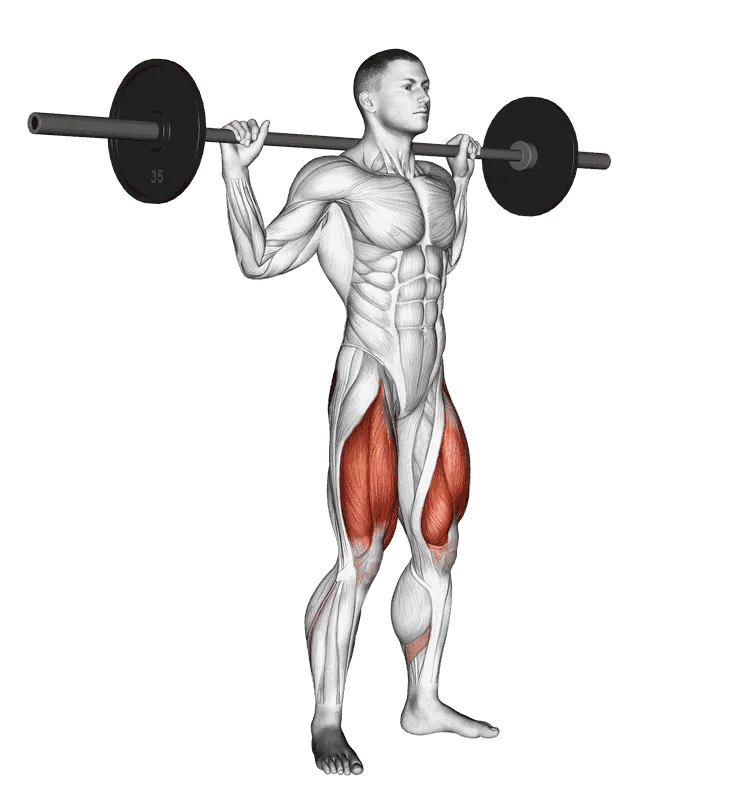
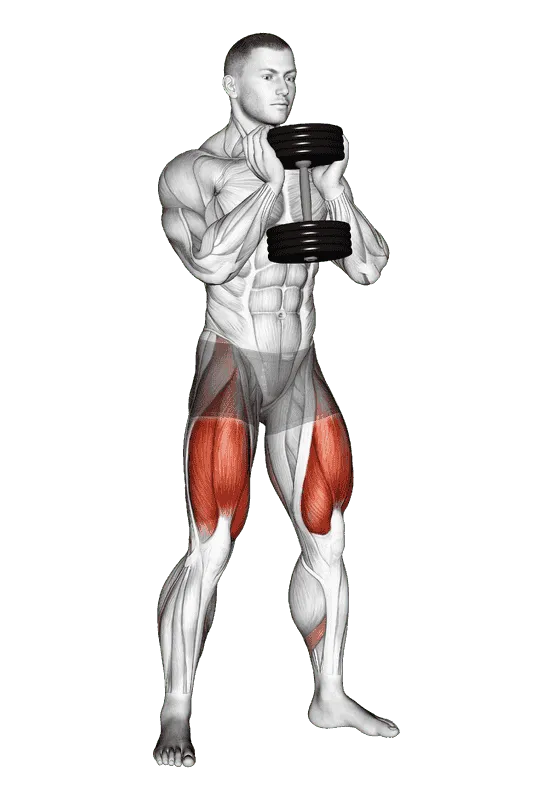
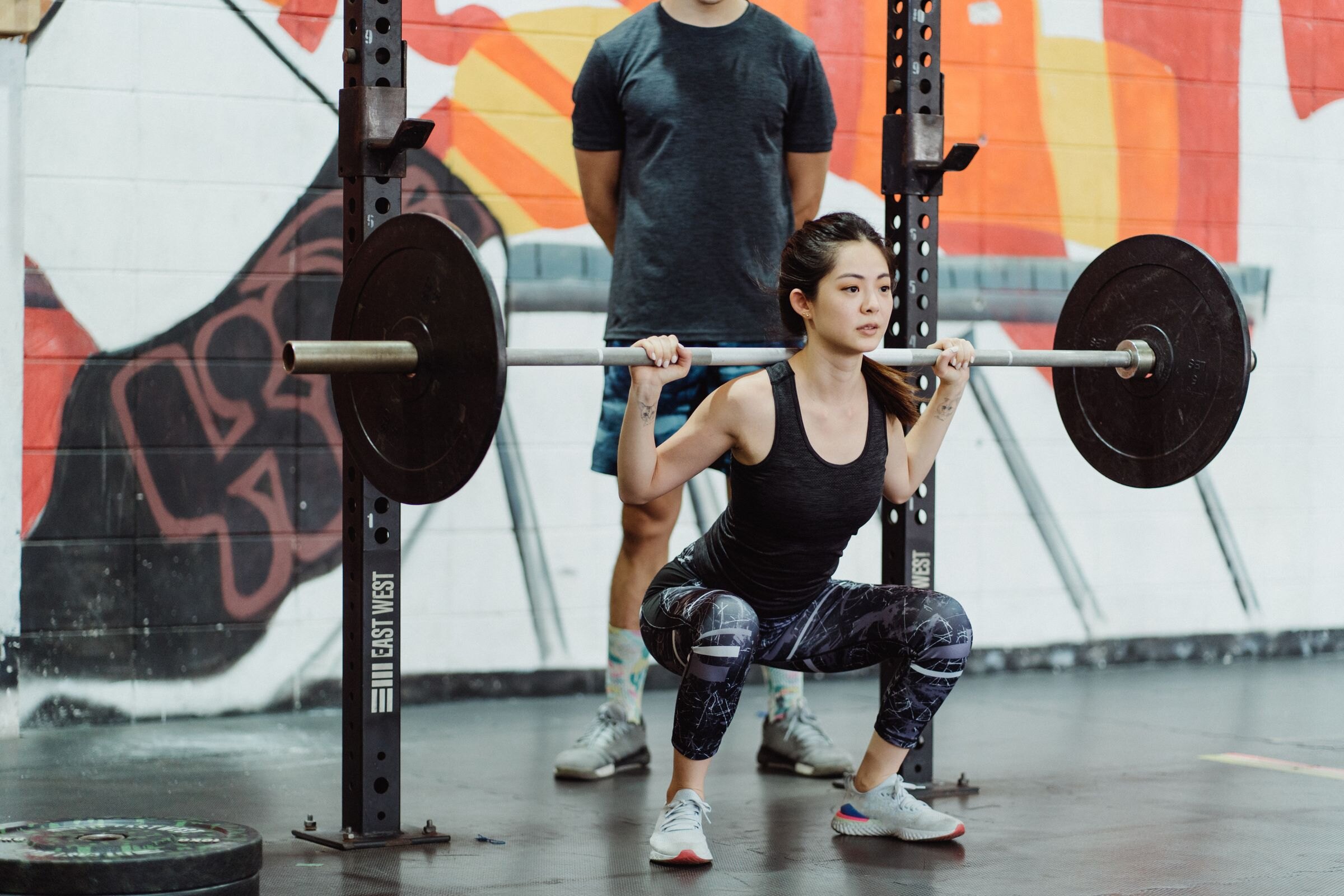
When you perform high-tension movements such as the barbell full squat or the dumbbell goblet squat, mechanical tension and eccentric stretch induce microscopic structural microtrauma across sarcomeres and the surrounding extracellular matrix. This physical disruption initiates an intricately coordinated two-phase immunological repair sequence:
Phase 1: Pro-Inflammatory Debris Clearance (Neutrophils and M1 Macrophages)
Within hours of completing your workout, damaged muscle fibers release chemoattractants that recruit circulating neutrophils to the injury site. Neutrophils infiltrate the damaged fascicles and release reactive oxygen species (ROS) and proteolytic enzymes to break down non-viable cellular debris.
Shortly thereafter, circulating monocytes enter the muscle tissue and differentiate into pro-inflammatory M1 macrophages. These M1 macrophages secrete essential signaling cytokines, including tumor necrosis factor-alpha (TNF-α), interleukin-1 beta (IL-1β), and interleukin-6 (IL-6). These inflammatory molecules perform a non-negotiable anabolic function: they awaken quiescent satellite cells and command them to enter the cell cycle.
Phase 2: Anti-Inflammatory Tissue Remodeling (M2 Macrophages)
Between 24 and 48 hours post-exercise, a critical phenotypic shift occurs. As cellular debris is cleared, M1 macrophages transition into anti-inflammatory M2 macrophages. These specialized cells secrete transforming growth factor-beta (TGF-β) and insulin-like growth factor-1 (IGF-1), which suppress further inflammation, stimulate extracellular collagen synthesis, and guide newly differentiated myogenic cells into fusing with existing muscle fibers.
When you immerse your body in an ice bath immediately after training, the profound vasoconstriction and cellular hypothermia abort this biological cascade before it can gain momentum. Neutrophil infiltration is hindered, M1 macrophage recruitment is delayed, and local cytokine production is suppressed. By artificially freezing the inflammatory process, you do not simply eliminate soreness—you dismantle the chemical beacon that directs your body to build stronger, thicker muscle fibers.
The Molecular Blockade: mTORC1, Ribosomal Biogenesis, and Satellite Cells
The deleterious impact of cold water immersion on muscle hypertrophy is not merely a theoretical immunological concept; it is an established molecular reality verified through intramuscular biopsy studies. When researchers examine the cellular machinery of lifters who utilize routine cold plunges, they observe a pronounced downregulation across the three primary pathways governing muscle growth:
1. Downregulation of the mTORC1 Pathway
The mechanistic target of rapamycin complex 1 (mTORC1) serves as the master molecular sensor regulating muscle protein synthesis (MPS) in human tissue. When activated by mechanical tension and intracellular amino acids (specifically leucine), mTORC1 phosphorylates key downstream effector proteins, primarily:
- p70S6K (70-kDa Ribosomal Protein S6 Kinase): Initiates translational activation of ribosomal proteins necessary for protein synthesis.
- 4E-BP1 (Eukaryotic Translation Initiation Factor 4E-Binding Protein 1): Releases eukaryotic initiation factor 4E (eIF4E) to permit the assembly of the translation initiation complex.
Intramuscular muscle biopsy research reveals that post-exercise cold water immersion dramatically suppresses the phosphorylation of p70S6K and 4E-BP1 for hours following training. By inhibiting this downstream signaling cascade, cold immersion directly prevents the intracellular signal that instructs ribosomes to synthesize new contractile proteins.
2. Impaired Ribosomal Biogenesis
Muscle hypertrophy over months and years is ultimately limited by your muscle cells' capacity to manufacture proteins—a capacity dictated by total ribosome pool size. Resistance exercise triggers ribosomal biogenesis, the transcription of ribosomal RNA (rRNA) to create new cellular factories capable of producing actin and myosin filaments. Studies evaluating post-exercise cold water immersion demonstrate that cooling severely suppresses early c-Myc expression and 45S pre-rRNA transcription, effectively capping the cell's long-term machinery for muscular growth.
3. Suppression of Satellite Cell Activity and Myonuclear Addition
Skeletal muscle fibers are multinucleated cells. However, each individual myonucleus can only oversee transcription for a finite volume of cytoplasm—a biological boundary known as the myonuclear domain. For a muscle fiber to experience substantial, permanent growth, it must recruit new myonuclei from myogenic stem cells known as satellite cells.
Following intense resistance training, satellite cells proliferate, differentiate into myoblasts, and fuse with damaged myofibers, donating their nuclei to support expanded protein production. Groundbreaking physiological trials have established that post-exercise cold water immersion severely suppresses satellite cell proliferation and blunts myonuclear addition for up to 48 hours post-workout. Without new myonuclei, muscle fibers face a biological ceiling on their long-term growth potential.
4. Starvation of Intramuscular Amino Acid Delivery
Beyond intracellular signaling, cold immersion creates a physical delivery deficit. To initiate muscle protein synthesis, muscle cells require an influx of circulating essential amino acids provided by dietary protein intake.
Cold-induced vasoconstriction restricts microvascular capillary perfusion to muscle fibers during the vital 2-to-4-hour post-workout window. Biopsy data indicates that cold exposure downregulates the expression of key L-type amino acid transporters, such as LAT1 (SLC7A5), in the sarcolemma. Consequently, even if you consume a protein-dense post-workout meal, cold-treated muscles absorb and utilize circulating amino acids at a significantly reduced rate compared to warm muscles.
The Landmark Evidence: What the Systematic Review and Meta-Analysis Proves
For years, proponents of ice baths argued that while acute anabolic signaling might appear depressed in acute laboratory trials, long-term real-world hypertrophy would remain unaffected due to superior training intensity enabled by faster recovery. That hypothesis was rigorously tested and definitively disproven.
In a comprehensive systematic review and meta-analysis published in the European Journal of Sport Science, a team of leading exercise scientists synthesized the entire body of literature investigating the chronic effects of post-exercise cold water immersion on resistance training adaptations.[1]
The researchers analyzed randomized controlled trials that compared groups performing identical resistance training programs over multiple weeks, where one cohort utilized post-exercise cold water immersion while the control cohort rested passively or refrained from cooling.[1]
The meta-analysis arrived at clear conclusions:
- Systematic Hypertrophy Attenuation: Routine cold water immersion performed after resistance training produced a statistically significant reduction in muscle hypertrophy compared to control conditions.[1] The attenuation was evident across diverse muscle groups, including the quadriceps, biceps, and triceps.
- Strength Development Impairment: While muscle growth suffered the most pronounced decrement, chronic cold water immersion also blunted long-term adaptations in maximal isometric and dynamic muscular strength.[1] Because muscular cross-sectional area is a primary determinant of force production, the suppression of hypertrophy had direct negative downstream effects on strength progression.
- Consistent Negative Effect: Across studies examining water temperatures between 10°C and 15°C (50°F to 59°F) with immersion durations between 10 and 15 minutes, the negative impact was consistent. The authors concluded that lifters seeking to maximize muscle growth should strictly avoid regular post-workout cold water immersion.[1]
This landmark synthesis proves that the subjective feeling of being "recovered" after an ice bath is an illusion. You may feel less sore, but you are systematically trading away long-term muscular adaptations in exchange for short-term comfort.
The Contextual Decision Matrix: When Ice Baths Work vs. When They Harm
Science is rarely black-and-white. While cold water immersion is clearly detrimental for bodybuilders and lifters prioritizing muscle size, it remains an indispensable, evidence-based asset in specific athletic contexts. Understanding the difference between adaptation-focused training and performance-focused competition is the key to using this tool correctly.
The practical rule is straightforward: cold water immersion sacrifices chronic adaptation to accelerate acute recovery.
| Training Goal & Scenario | Cold Immersion Recommended? | Physiological Mechanism | Actionable Protocol |
|---|---|---|---|
| Hypertrophy & Mass Building | No (Avoid) | Blunts mTORC1, p70S6K, ribosomal biogenesis, and satellite cell proliferation.[1] | Replace with active recovery, heat therapy, and adequate protein for muscle gain. |
| Maximal Strength & Powerlifting | No (Avoid post-lifting) | Attenuates contractile protein synthesis and neural adaptations to progressive load.[1] | Rely on progressive deloads, passive rest, and optimal sleep. |
| Same-Day Tournament / Bouts | Yes (Highly Recommended) | Flushes metabolic waste, drops core temperature, and numbs pain between matches. | 10–12 minutes at 10–12°C immediately after match 1; rewarm fully before match 2. |
| Congested Game Schedules | Yes (Recommended in-season) | Restores central nervous system output and reduces DOMS before the next match. | 10–15 minutes post-game to preserve athletic readiness for weekend fixtures. |
| Endurance / Hot Climate Runs | Context-Dependent | Rapidly lowers core body temperature; does not blunt mitochondrial biogenesis as severely as muscle growth. | Submerge after intense endurance sessions in extreme heat to protect against heat stress. |
| Mental Grit & Dopamine Reset | Yes (On Non-Lifting Days) | Induces a sustained 250% elevation in baseline dopamine and builds psychological resilience. | Perform first thing in the morning on rest days, completely separated from lifting. |
The "Timing Buffer" Rule: How to Plunge Without Killing Gains
If you genuinely enjoy the mental clarity, dopamine elevation, and thermal challenge of cold plunges, you do not have to abandon them permanently. You simply need to respect the biological timing buffer.
The molecular signaling cascade driving muscle protein synthesis is most vulnerable during the first 4 to 6 hours following a resistance training session. If you wish to incorporate cold water immersion into a hypertrophy program:
- Option A (Ideal): Schedule your cold plunges on designated rest days or on days dedicated exclusively to light cardiovascular exercise.
- Option B: Plunge first thing in the morning, and conduct your resistance training session late in the afternoon or evening (creating an 8-to-10-hour gap).
- Option C: If you must plunge on a lifting day, wait at least 6 hours after your final set before entering the cold water. This buffer allows mTORC1, p70S6K, and initial M1 macrophage signaling to run their course uninhibited.
Evidence-Based Recovery Alternatives That Protect Hypertrophy
If post-workout ice baths are off the table, what should you do instead to manage muscle soreness and accelerate recovery between brutal workouts? Rather than searching for high-tech shortcuts, master the recovery methods that support your body's natural physiological processes.
1. Active Recovery: The Vascular Muscle Pump
The single most effective way to accelerate tissue repair without dampening muscular adaptation is active recovery. Unlike passive couch rest—which allows metabolic byproducts and inflammatory fluid to pool in interstitial tissue—low-intensity, non-fatiguing movement activates the skeletal muscle pump mechanism.
Rhythmic muscle contractions compress local veins, accelerating venous return and promoting lymphatic drainage. This brings oxygenated, nutrient-rich blood and circulating amino acids to recovering tissues while sweeping away metabolic debris, without generating additional mechanical microtrauma.
A structured 20-to-30-minute session of brisk walking, easy cycling, or dynamic mobility at 50% to 60% of your maximum heart rate (Zone 1 cardio) lowers next-day perceived soreness far more effectively than passive rest, while leaving your anabolic signaling completely intact.
2. Heat Therapy and Sauna: The Hypertrophy-Friendly Modality
While cold therapy constricts blood vessels and suppresses cellular signaling, heat therapy acts as an anabolic synergist. Sitting in a traditional dry sauna (80°C to 100°C / 175°F to 212°F) or soaking in a hot bath for 15 to 20 minutes triggers profound peripheral vasodilation via endothelial nitric oxide release.
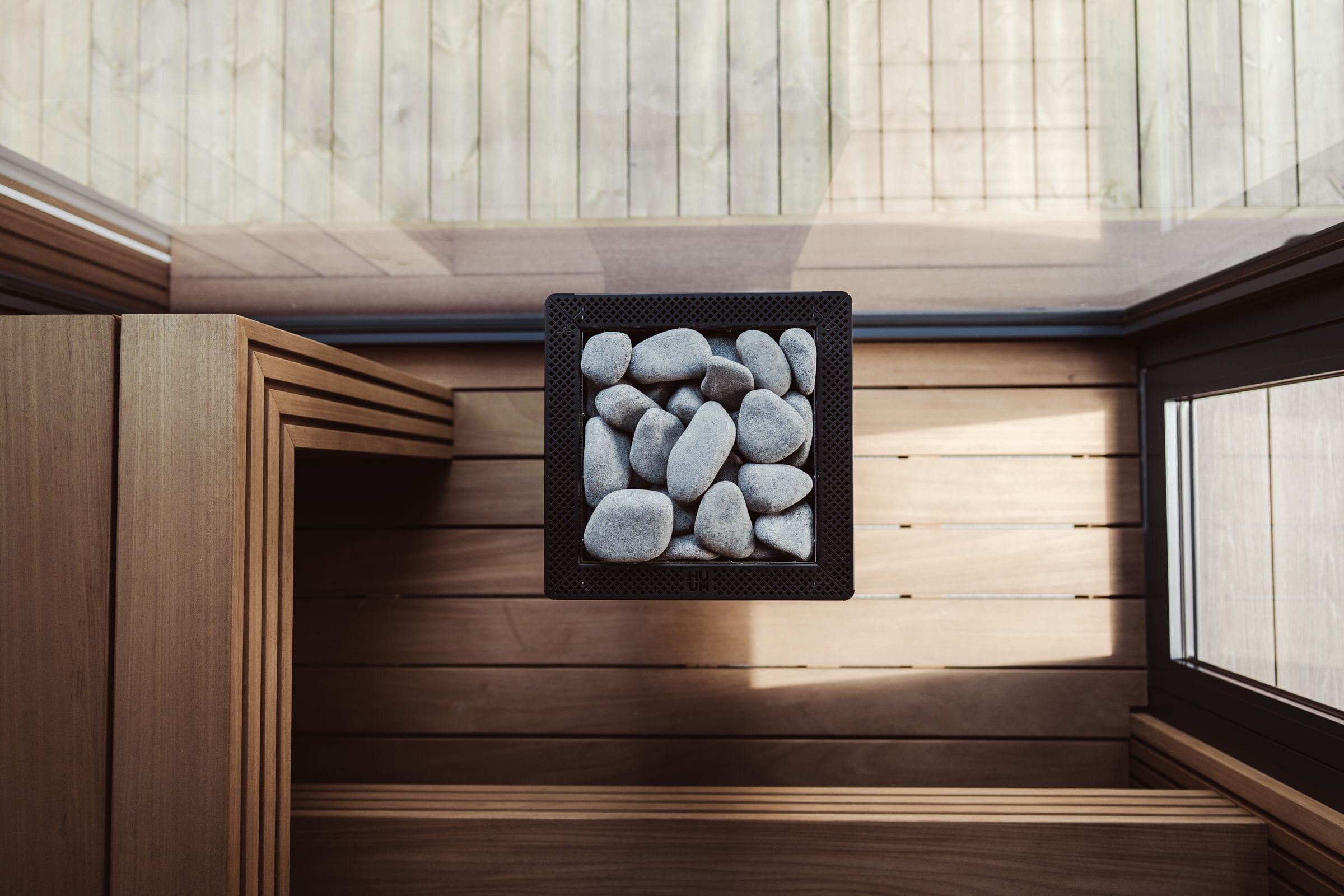
Heat exposure stimulates the expression of Heat Shock Proteins (HSPs), specifically HSP72 and HSP90. These molecular chaperones protect structural proteins from degradation, mitigate oxidative stress, and assist in the refolding of damaged cellular proteins. Furthermore, post-workout heat exposure promotes parasympathetic nervous system dominance, reducing circulating cortisol and creating an ideal hormonal state for restful sleep.
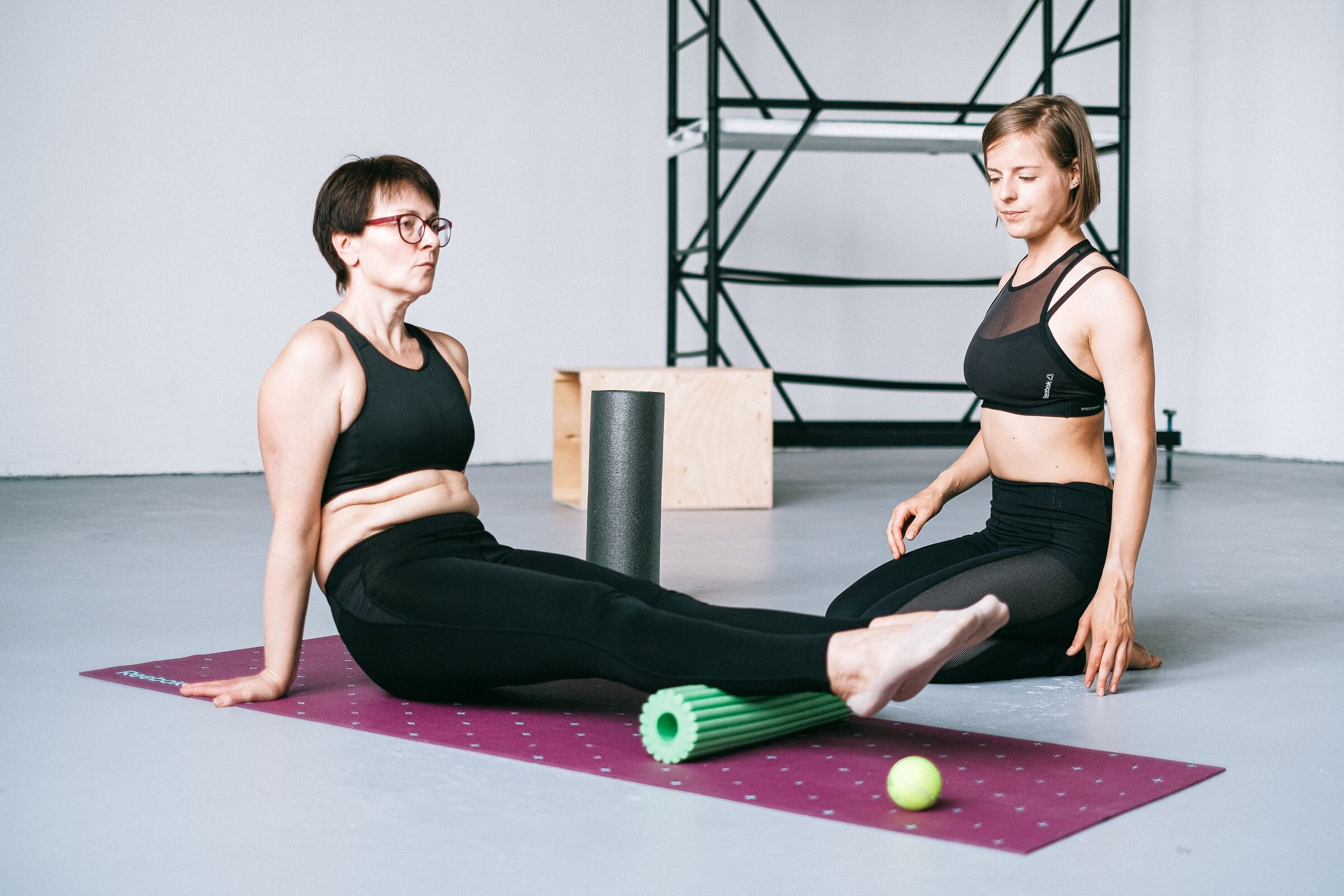
3. Foam Rolling and Dynamic Mobility
Foam rolling and soft-tissue work do not physically "break up scar tissue" or lengthen muscle fascia—fascial tissue requires immense mechanical force to deform. Instead, foam rolling operates through neurophysiological pain gating.
Applying moderate, controlled pressure over tender muscle bellies stimulates low-threshold mechanoreceptors (Ruffini endings and Pacinian corpuscles). These receptors send inhibitory signals through the dorsal horn of the spinal cord, closing the "gate" on nociceptive pain signals transmitted by unmyelinated C-fibers. This provides 30 to 60 minutes of improved joint range of motion and temporary relief from muscle stiffness without compromising muscular adaptations in the slightest.
4. Sleep and Nutrition: The Non-Negotiable Bedrock
No amount of ice, heat, or massage can rescue a physique starved of sleep and micronutrients. Over 85% of human growth hormone (GH) secretion occurs during slow-wave non-REM sleep. Chronic sleep restriction not only suppresses muscle protein synthesis by up to 18%, but it also elevates systemic cortisol, impairs glucose tolerance, and increases the loss of lean tissue during fat loss phases.
Pair 7 to 9 hours of quality sleep with consistent daily macronutrient intake. Ensure you consume 1.6 to 2.2 grams of protein per kilogram of body weight distributed across 3 to 5 meals to sustain an elevated net protein balance throughout the entire recovery window, as detailed in our comprehensive muscle recovery guide.
Practical Programming: Active Recovery and Mobility Protocols
To put these scientific principles into practice, incorporate structured active recovery drills on your off days or following heavy compound lifting sessions. The goal is to elevate blood flow, decompress the spine, and restore baseline joint kinematics without accumulating central or peripheral fatigue.
Core Active Recovery Movements
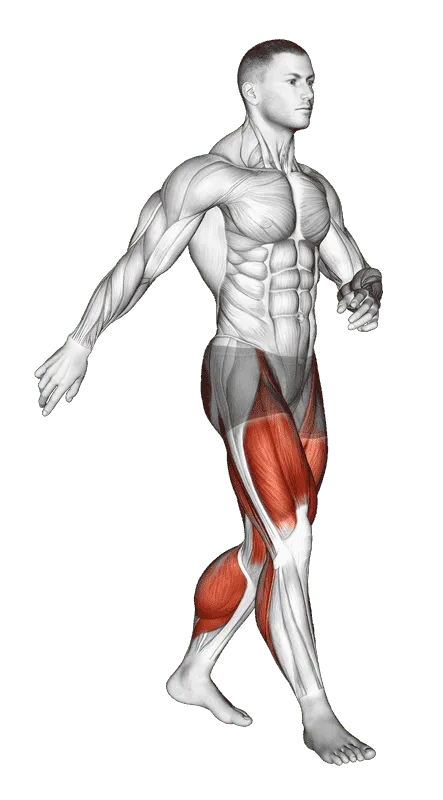
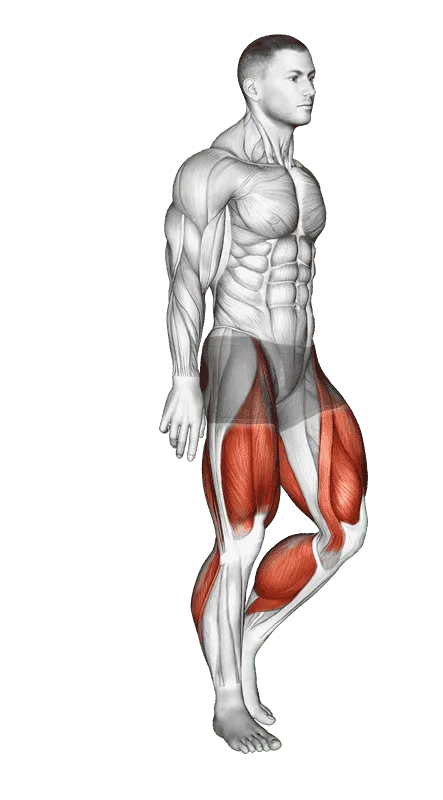
For lower-body and systemic circulatory restoration, low-intensity locomotion is the gold standard:
- Sets
- 1
- Duration
- 20–30 min
Brisk walking on flat turf or a treadmill provides continuous, gentle contractions of the calves, hamstrings, and quadriceps, enhancing peripheral blood circulation without mechanical breakdown.
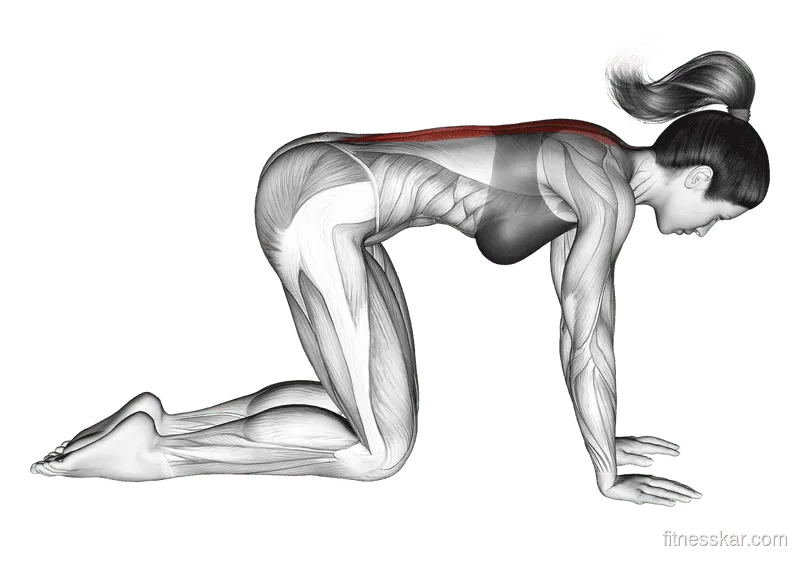
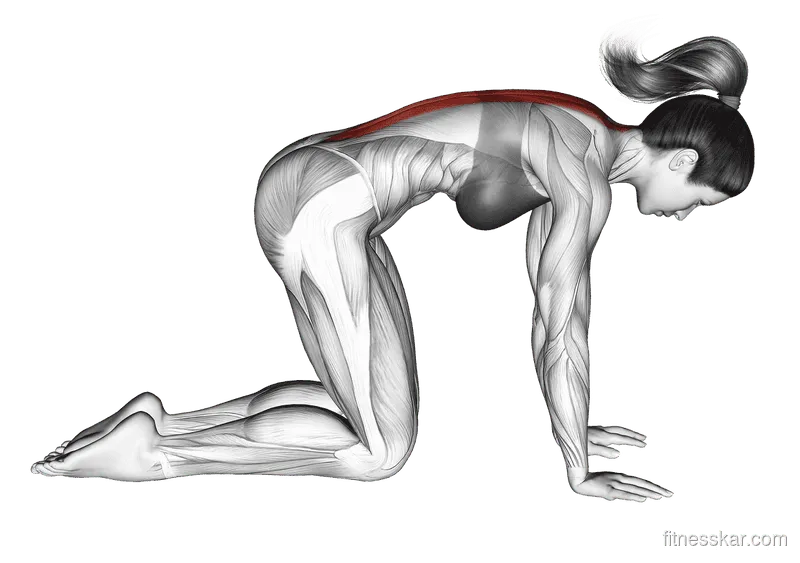
To restore spinal mobility and alleviate compressive stress after heavy squats and deadlifts, perform the cat stretch:
- Sets
- 3
- Reps
- 10–12 breaths
- Tempo
- 3–2–3
The cat stretch gently articulates the vertebral column through flexion and extension, improving synovial fluid distribution and relieving tension along the thoracolumbar fascia.
Complement these movements with targeted mobility drills for the hips and posterior chain:
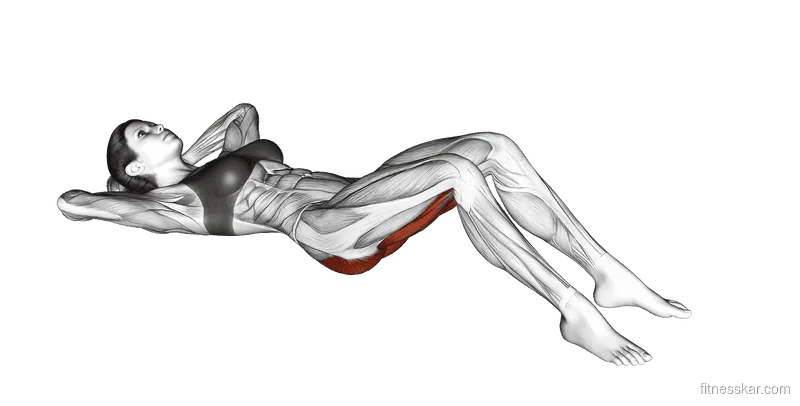
- Decompress your lower back and glutes with the knee-to-chest stretch.
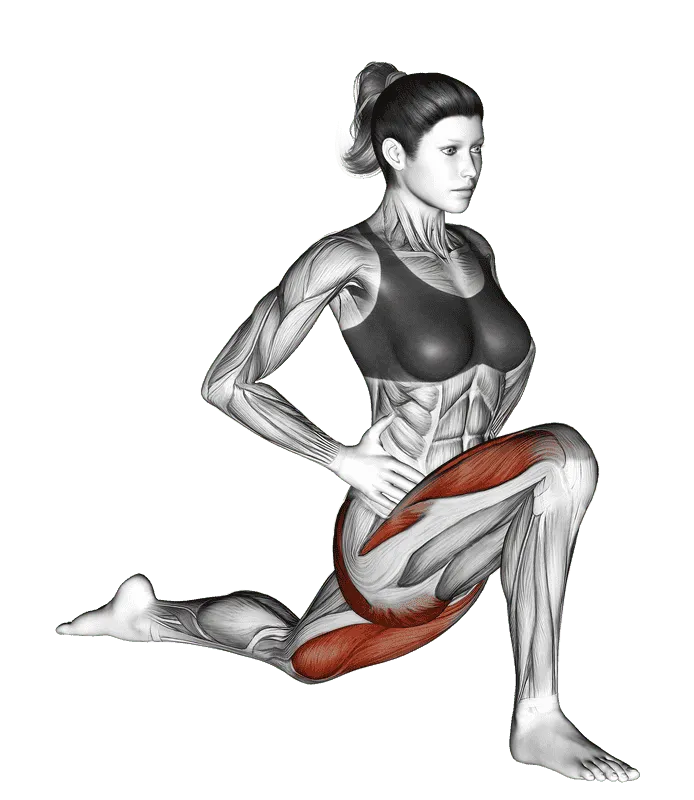
- Open up anterior hip structures shortened by sitting and heavy lifting using the kneeling hip flexor stretch.
Transitioning Knowledge into Structured Training
Recovery is only meaningful when balanced against a well-designed stimulus. To ensure your training volume matches your biological recovery capacity, structure your weekly split with appropriate training frequency and progressive load management:
By organizing your training around progressive overload and pairing your lifting with intelligent active recovery, you create a sustainable physiological environment for continuous muscle growth.
Frequently Asked Questions
Frequently asked questions
How long should I wait after lifting weights before taking an ice bath?
You should wait at least 4 to 6 hours after completing a resistance training session before using cold water immersion. The critical intracellular signaling pathways governing muscle protein synthesis and early satellite cell recruitment are most active during the first few hours post-workout. Waiting at least 4 to 6 hours allows these anabolic signals to run their natural course before cold-induced vasoconstriction can interfere.
Does cold water immersion blunt endurance adaptations like it blunts muscle growth?
No. Cold water immersion does not impair endurance adaptations nearly as severely as it impairs muscle hypertrophy. In fact, some research indicates that post-exercise cold immersion can enhance mitochondrial biogenesis by upregulating PGC-1alpha expression in endurance athletes. Runners, cyclists, and triathletes can utilize ice baths for recovery with far less concern about blunting their training adaptations.
Can taking a cold shower hurt my muscle gains like an ice bath?
No. A standard cold shower does not lower deep intramuscular tissue temperature enough to blunt muscle protein synthesis or mTORC1 signaling. Cold showers cool only the surface of the skin and trigger an invigorating alertness response without causing the profound, prolonged deep-tissue hypothermia produced by full-body immersion in 10°C water for 10 to 15 minutes.
Is contrast water therapy safer for muscle growth than pure cold water immersion?
Yes. Contrast water therapy—alternating between hot water (around 38°C to 40°C) and cold water (around 12°C to 15°C) in 1-to-2-minute intervals—causes rhythmic cycles of vasodilation and vasoconstriction. Because it avoids sustained intramuscular cooling, contrast water therapy produces less anabolic blunting than continuous cold immersion while still assisting with acute swelling reduction. However, active recovery remains the superior choice for lifters seeking maximum hypertrophy.
Sources
- Piñero A, Burke R, Augustin F, et al. Throwing cold water on muscle growth: A systematic review with meta-analysis of the effects of postexercise cold water immersion on resistance training-induced hypertrophy. European Journal of Sport Science. 2024. doi.org/10.1002/ejsc.12074 ↩