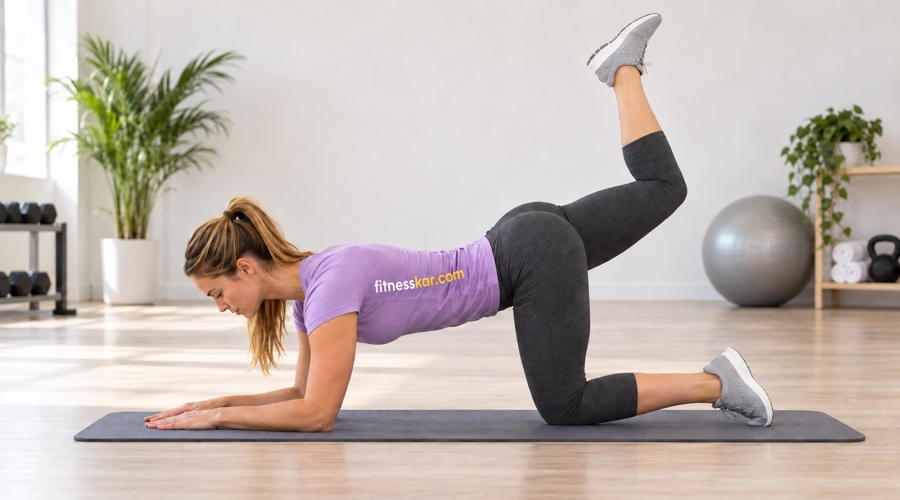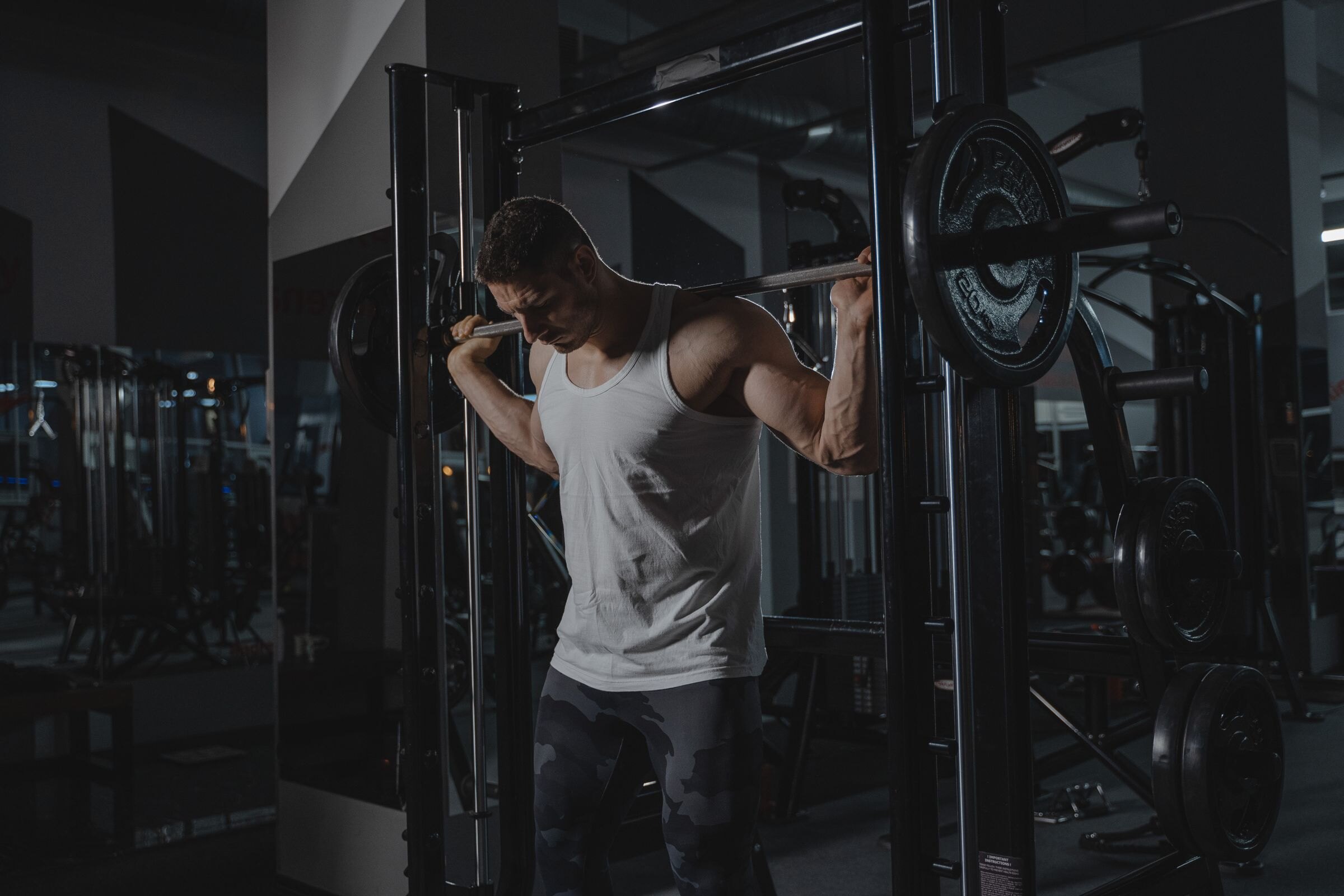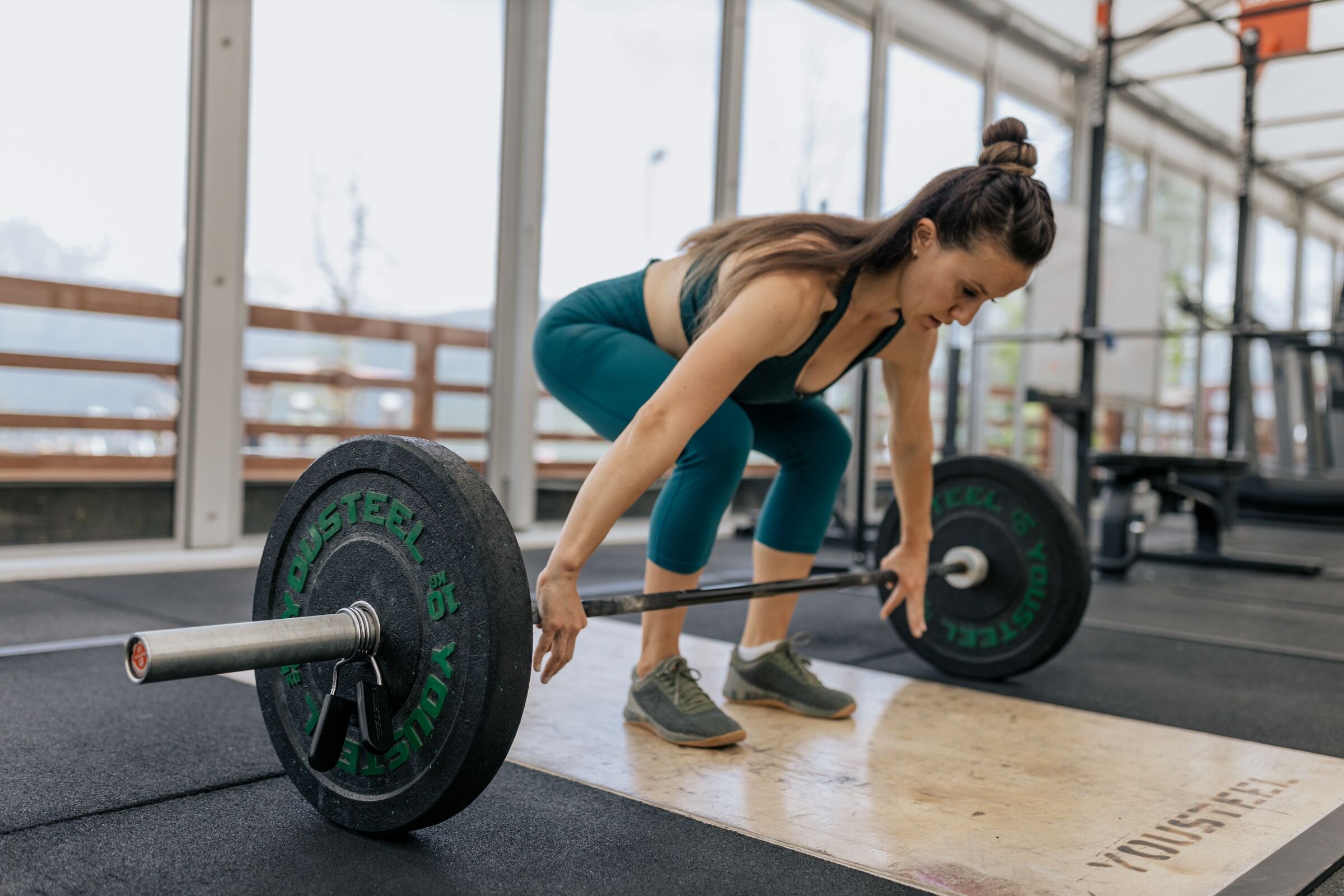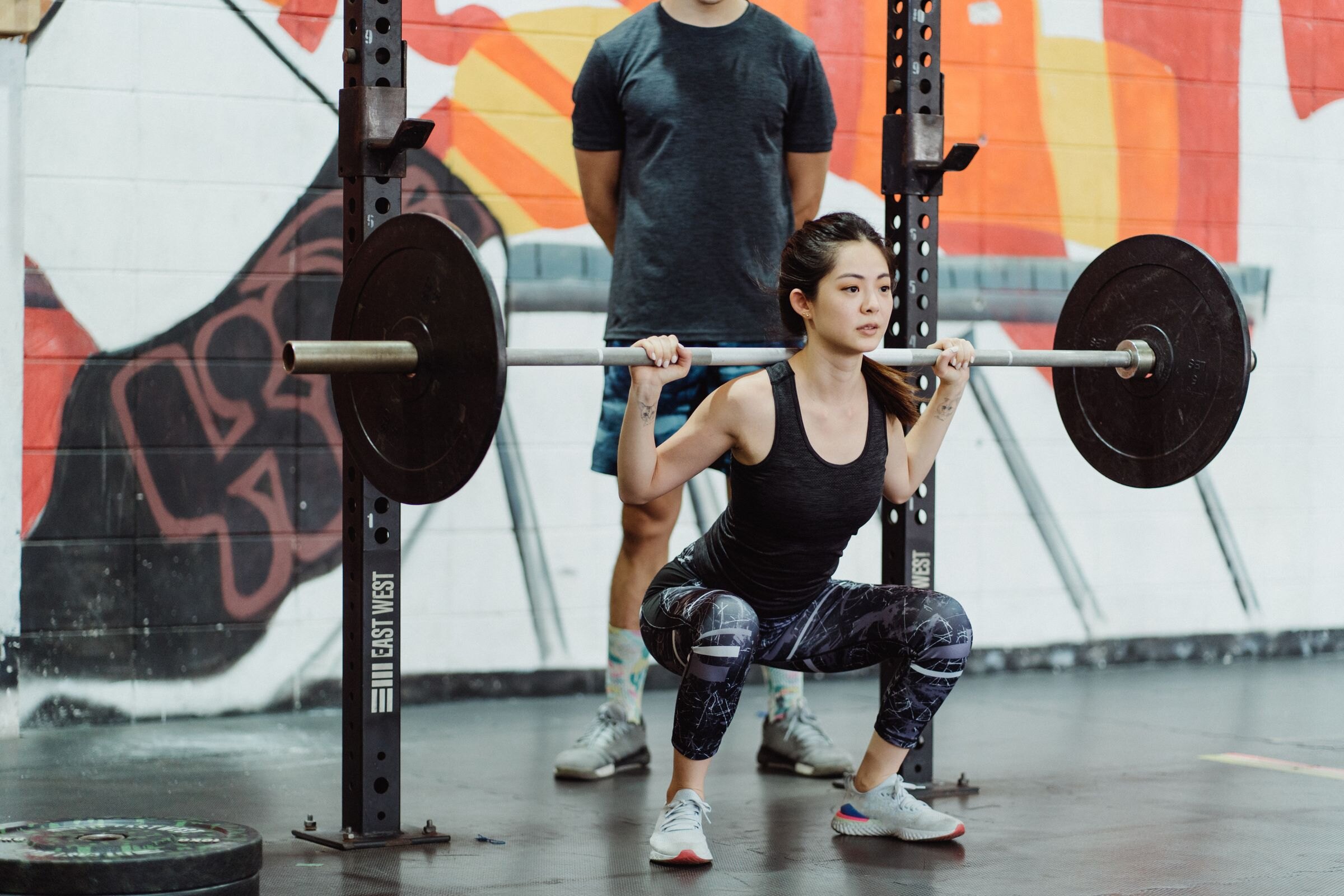
Building rounder, firmer, and stronger glutes is not a matter of endless high-rep resistance band circuits or genetic luck. Glute hypertrophy requires the same biological rules that govern any other major muscle group: progressive mechanical tension, targeted exercise selection that matches the functional orientation of muscle fibers, and sufficient weekly volume taken close to muscular failure. Whether your goal is physique enhancement, athletic power, or protecting your lower back and knees from chronic pain, optimizing your glute development demands a systematic, science-backed approach.
The most effective strategy combines exercises that challenge the glutes in their fully stretched position—such as deep squats and hinges—with exercises that deliver peak tension in the fully shortened position, most notably the hip thrust. When paired with structured progressive overload and adequate protein intake, this multi-angle method produces rapid and sustainable glute growth.
Anatomy of the gluteal complex
To build a muscle effectively, you must understand its anatomical structure, fiber orientation, and primary joint actions. The buttocks are not a single uniform muscle mass. Instead, the gluteal region comprises three distinct skeletal muscles that work together to stabilize the pelvis, extend the femur, and rotate the hip.
Gluteus maximus
The gluteus maximus is the largest and heaviest muscle in the human body, accounting for the vast majority of visual shape and volume. Its fibers originate along the posterior iliac crest, sacrum, and coccyx, inserting into both the iliotibial (IT) tract and the gluteal tuberosity of the femur.
Because of this broad fan-shaped origin, the gluteus maximus is divided functionally into upper and lower subdivisions:
- Upper subdivision: Due to its lateral insertion into the IT band, the upper gluteus maximus functions as a potent hip abductor and external rotator in addition to extending the hip. Movements that involve abduction—such as band-resisted hip thrusts and 45-degree kickbacks—recruit these upper fibers heavily, creating fullness at the top and sides of the hips.
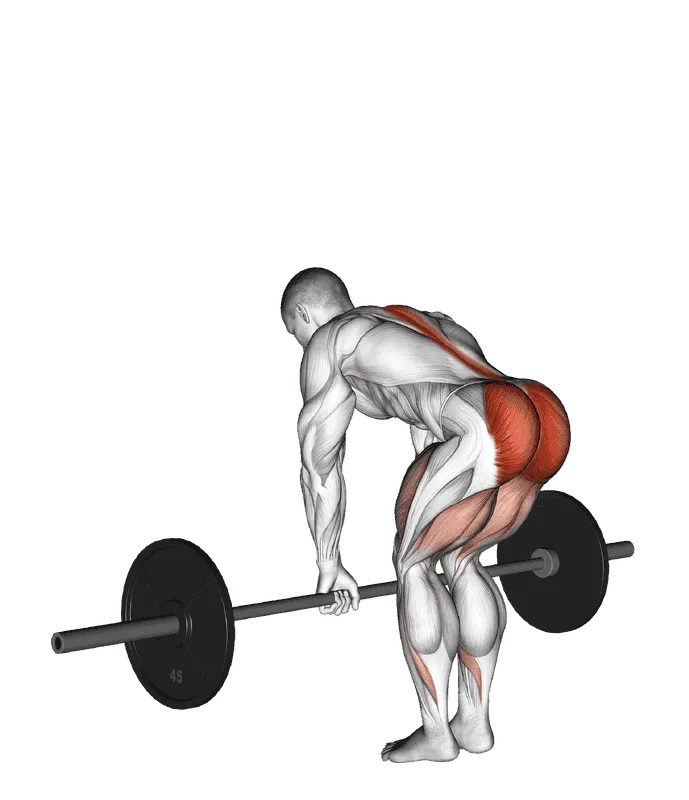
- Lower subdivision: These fibers insert primarily into the gluteal tuberosity of the femur and act as pure, powerful hip extensors. Heavy compound movements like deep barbell squats, Romanian deadlifts, and walking lunges place tremendous stretch and load on this lower division.
Gluteus medius and minimus
Located on the lateral aspect of the pelvis, the gluteus medius and gluteus minimus sit partially beneath and above the gluteus maximus. Their primary biomechanical role is hip abduction—drawing the thigh outward away from the body's midline—and maintaining pelvic stability when standing on one leg.
Whenever you walk, run, or perform unilateral movements like split squats, the gluteus medius on the stance leg contracts isometrically to prevent the opposite side of the pelvis from dropping (known clinically as the Trendelenburg sign). Training the medius and minimus with dedicated abduction exercises provides visual width to the upper hips and provides vital stability that allows you to lift heavier on bilateral compounds without knee collapse.
Biomechanics of glute hypertrophy: stretched vs. shortened tension
Muscle hypertrophy is primarily driven by mechanical tension—the physical force generated by muscle fibers when contracting against external resistance. However, the magnitude of the hypertrophic stimulus depends heavily on the muscle length at which peak tension occurs.
Muscles experience tension differently depending on the exercise's resistance profile:
| Exercise category | Peak tension point | Muscle length | Primary examples | Key hypertrophic stimulus |
|---|---|---|---|---|
| Lengthened (Stretch-focused) | Bottom of the repetition | Fully lengthened | Barbell squat, Romanian deadlift, Bulgarian split squat | High mechanical tension, passive tension from titin filament, micro-damage |
| Shortened (Contraction-focused) | Top of the repetition | Fully shortened | Barbell hip thrust, 45-degree hyperextension, cable kickback | High active muscle activation, metabolic stress, minimal joint shear |
| Lateral / Abduction | Mid-to-end range | Shortened to mid | Seated hip abduction, cable hip abduction | Targeted fiber recruitment of upper maximus and medius |
When you perform a barbell full squat or a barbell Romanian deadlift, the resistance curve peaks at the bottom of the movement, where the gluteus maximus is under maximal passive and active stretch. Recent research in muscle physiology demonstrates that training muscles at long muscle lengths provides a potent stimulus for longitudinal hypertrophy and sarcomerogenesis.
Conversely, exercises like the barbell hip thrust create virtually zero tension at the bottom of the repetition (when your hips are on the floor) and peak tension at the top, when your hips reach full extension and the glute fibers are completely shortened. At full extension, the gluteus maximus can generate maximum voluntary contraction without being limited by hamstring tension or spinal fatigue.
An optimal training program never forces an "either/or" choice between these two profiles. By combining stretched-load movements with peak-contraction movements, you stimulate muscle protein synthesis across the entire length of the muscle belly.
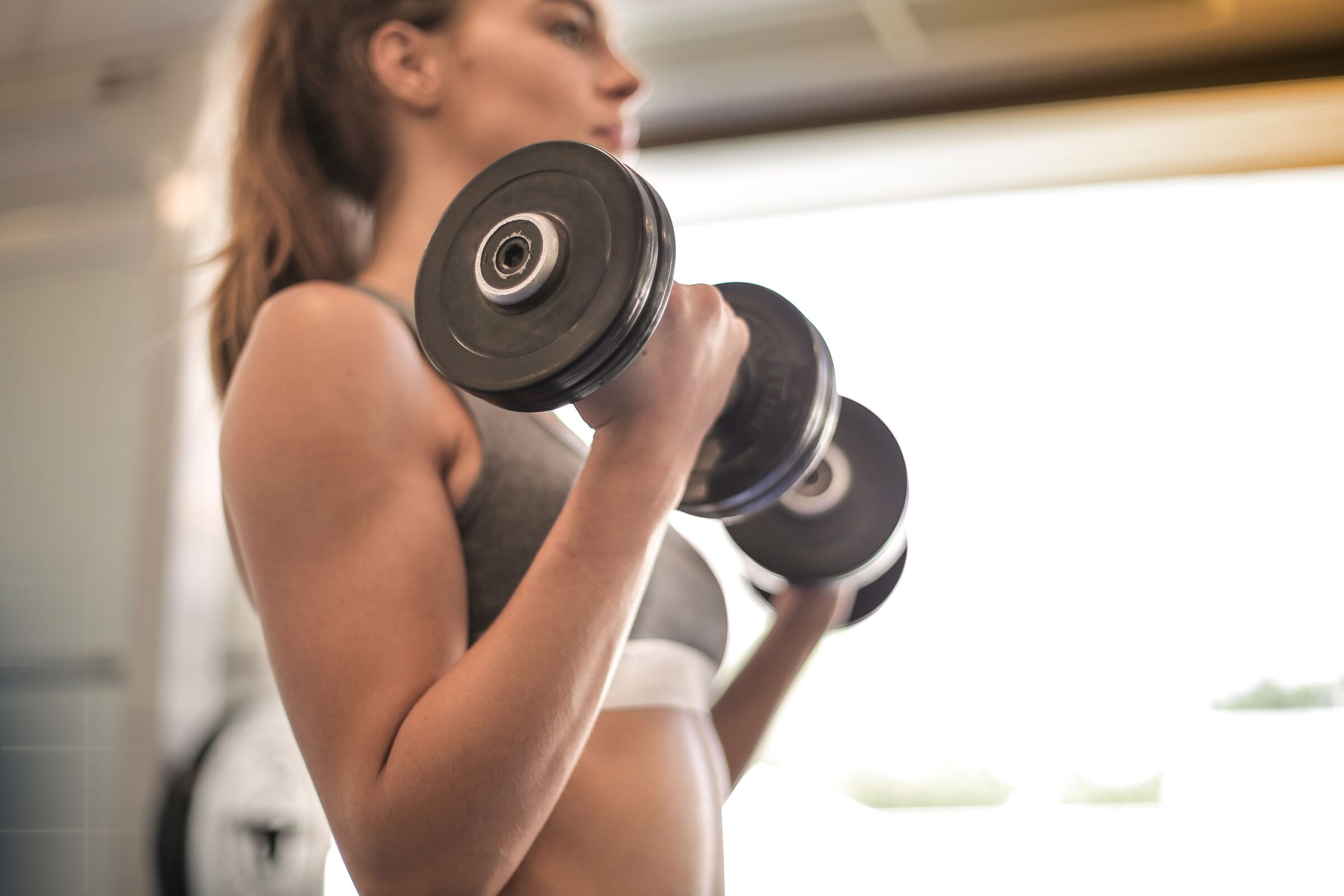
Hip thrusts vs. squats: what the research actually reveals
For years, fitness professionals engaged in heated debates over whether the barbell back squat or the barbell hip thrust was superior for glute hypertrophy. Proponents of the squat argued that deep hip flexion and loaded eccentric stretching make the squat irreplaceable. Proponents of the hip thrust pointed to electromyographic (EMG) data showing significantly higher peak glute activation during hip thrusts compared to squats.
In 2023, a landmark nine-week clinical trial by Plotkin and colleagues directly tested this question in resistance-trained and recreationally active adults.[1] One group trained exclusively with the barbell back squat, while the other trained exclusively with the barbell hip thrust, with both groups performing identical weekly set volumes taken close to failure.
The researchers used ultrasound imaging to measure muscle thickness at multiple sites of the gluteus maximus, gluteus medius, and quadriceps before and after the intervention:
- Gluteus maximus growth was virtually identical: Both the squat group and the hip thrust group achieved similar, statistically indistinguishable increases in gluteus maximus muscle thickness (approximately 8% to 10% average growth over nine weeks).
- Quadriceps and adductor growth favored the squat: The back squat produced significantly greater hypertrophy in the rectus femoris, vastus lateralis, and adductor magnus.
- Strength transfer was specific: Back squats improved squat one-rep max more than hip thrusts did, while hip thrusts improved hip thrust strength more. Both movements transferred similarly to barbell deadlift strength.
The actionable takeaway from this landmark research is unequivocal: you do not have to choose between squats and hip thrusts. Because squats build the quadriceps, inner thighs, and stretched lower glutes, while hip thrusts isolate hip extension without quad or spinal fatigue, combining both lifts yields superior total-physique development compared to relying on either lift alone.
The four essential movement categories for complete glute development
To ensure every fiber of the gluteal complex is recruited and overloaded, structure your lower-body training around four fundamental movement categories:
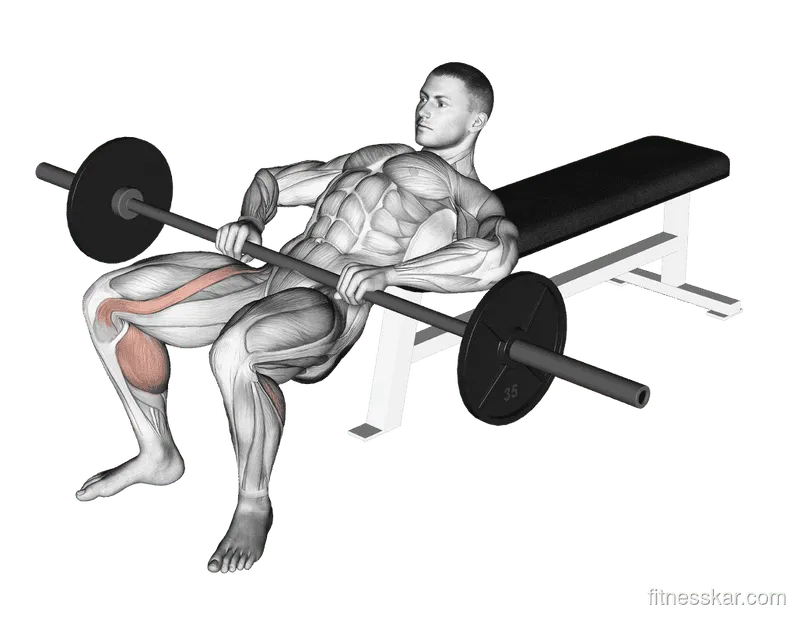
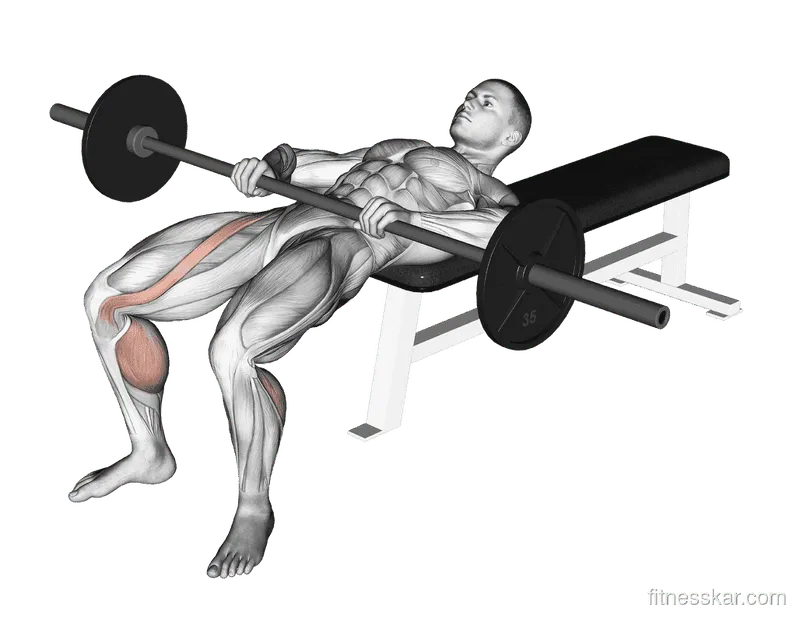
1. Horizontal hip extension (shortened position)
These exercises load hip extension horizontally relative to gravity, delivering peak torque when the hips are fully extended and the glutes are completely contracted:
- Barbell Hip Thrust
- Barbell Glute Bridge
- 45-Degree Back Extension (with round-back glute emphasis)
Because spinal loading is minimal and the knees remain flexed at roughly 90 degrees (which keeps the hamstrings mechanically disadvantaged and forces the glutes to do the work), you can push these movements to high intensities with minimal systemic fatigue.
- Sets
- 3–4
- Reps
- 8–12
- Rest
- 120 s
- Tempo
- 2–0–1–1
2. Vertical / deep hip extension (lengthened position)
These exercises load the glutes through deep hip flexion, maximizing muscle stretch under heavy load:
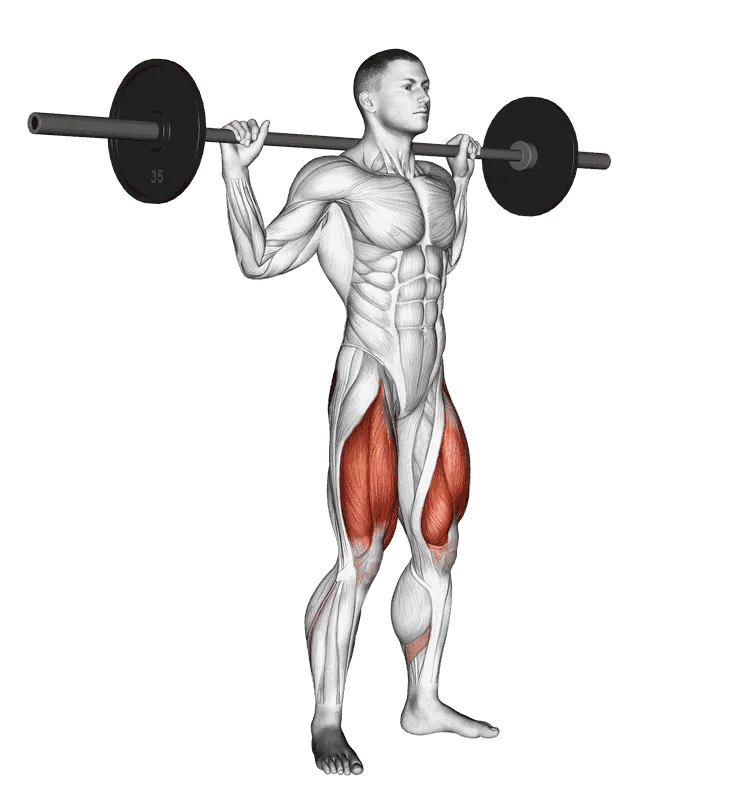
- Barbell Full Squat
- Leg Press (feet placed high and wide on the sled)
- Hack Squat (deep knee and hip bend)
To maximize glute recruitment during squatting patterns, depth is non-negotiable. Reversing the movement above parallel shifts work away from the glutes and adductors onto the patellar tendon and anterior quadriceps. Squat as deep as your hip mobility allows while maintaining a neutral spine.
3. Unilateral knee-dominant & hinge patterns
Unilateral training eliminates strength discrepancies between limbs, increases gluteus medius recruitment for lateral stabilization, and provides a massive eccentric stretch on the working glute:
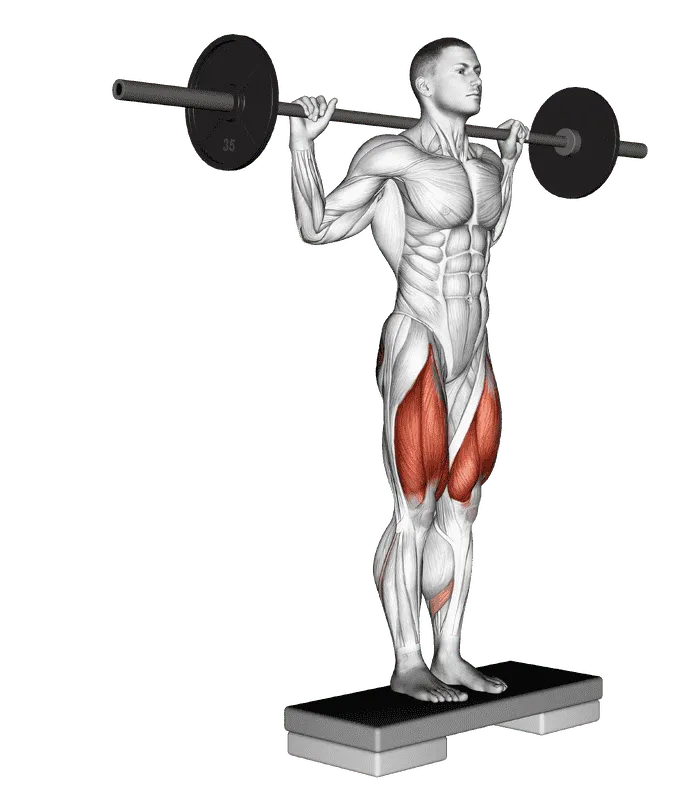
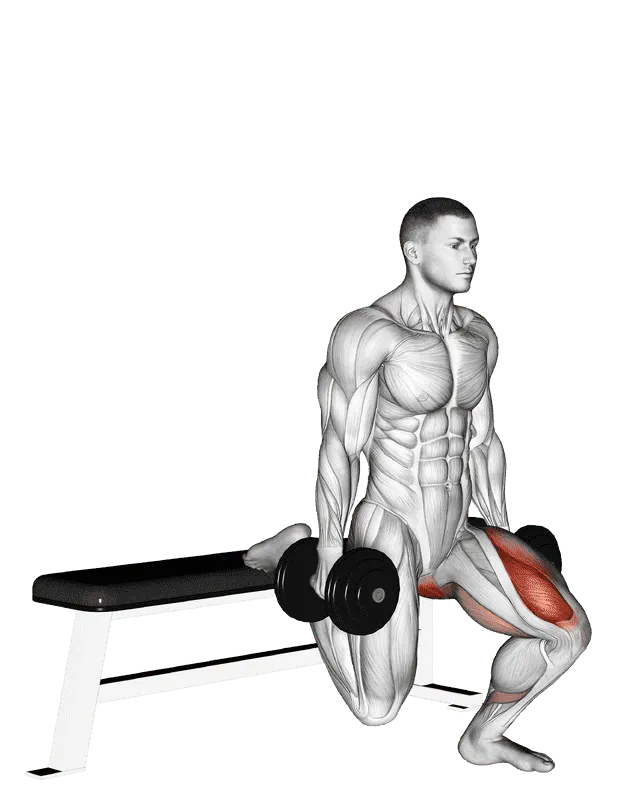
- Dumbbell Single-Leg Split Squat (Bulgarian split squat)
- Barbell Rear Lunge
- Walking Dumbbell Lunges
- Deficit Reverse Lunges
The Bulgarian split squat is widely regarded by strength coaches as one of the most brutal and productive glute exercises in existence. Elevating the rear foot removes assistance from the back leg and allows the working femur to travel into deep flexion and adduction under full control.

- Sets
- 3
- Reps
- 8–10
- Rest
- 90 s
- Tempo
- 3–1–1
4. Hip abduction and external rotation
These exercises specifically target the gluteus medius, gluteus minimus, and the upper fibers of the gluteus maximus:
- Lever Seated Hip Abduction
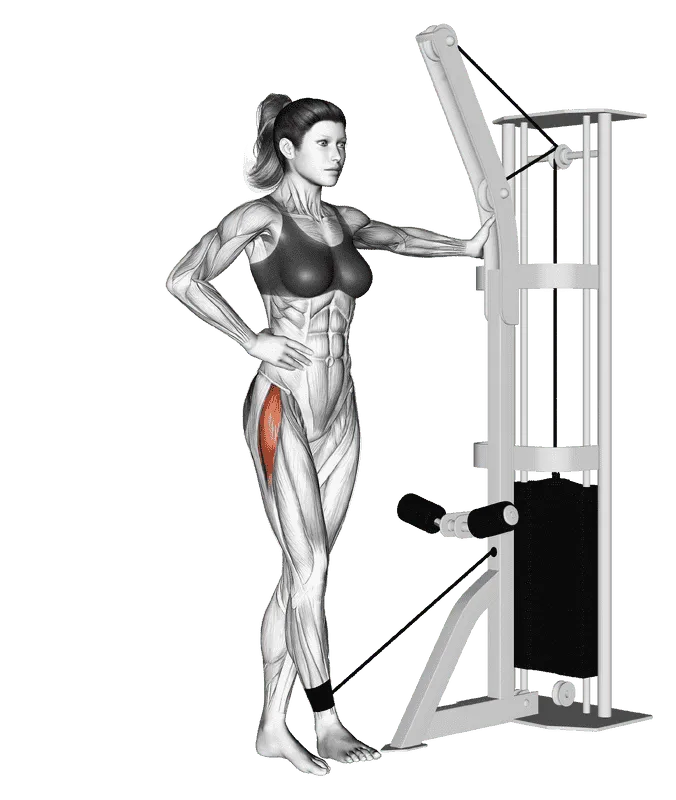
- Cable Hip Abduction
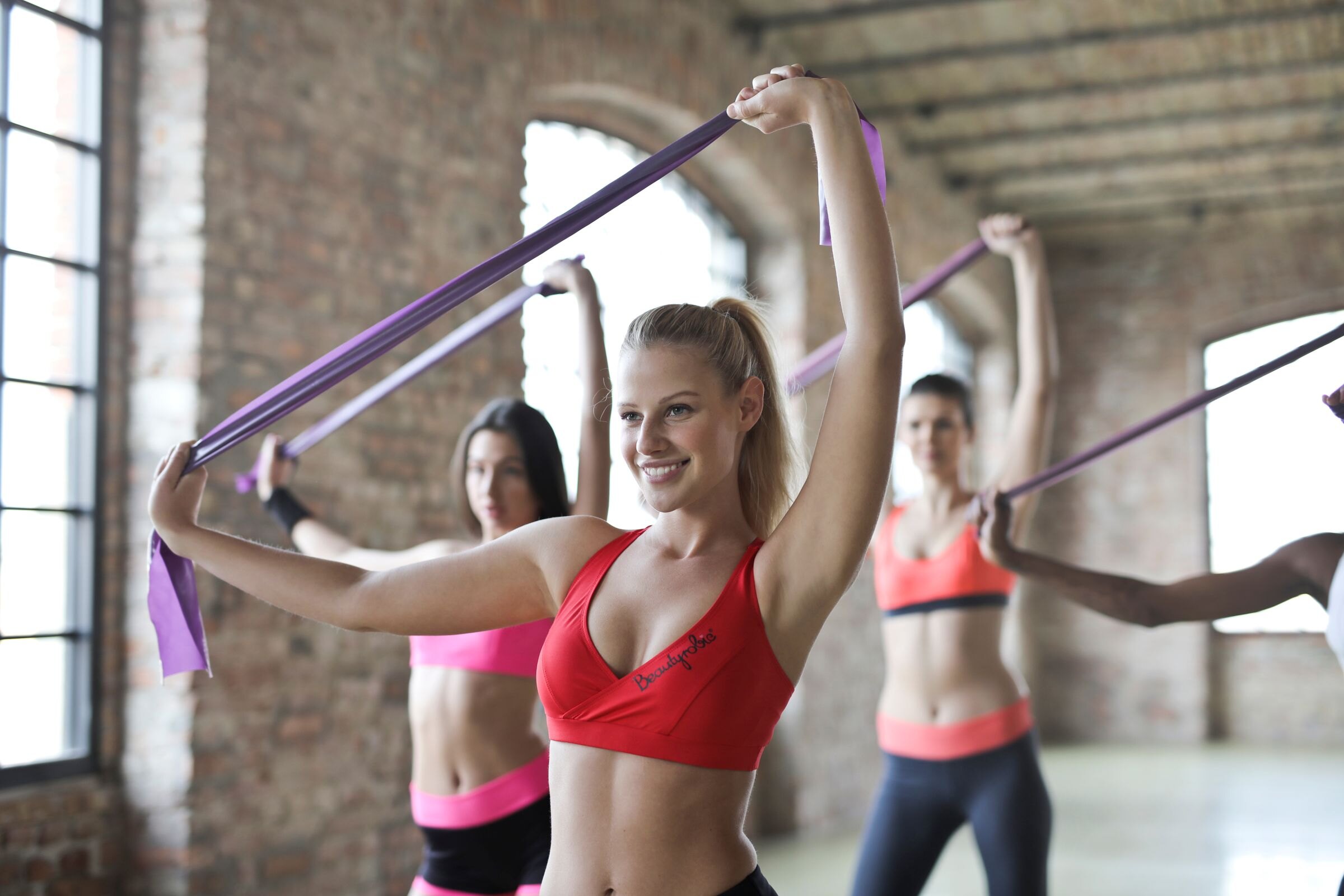
- Standing Band Hip Abductions
- Side-Lying Hip Abductions
Seated machine abductions can be modified to shift emphasis between muscle divisions: leaning slightly forward in the seat places greater tension on the upper gluteus maximus, while sitting upright or leaning slightly back recruits the mid-fibers of the gluteus medius.
Technique masterclass: how to stop your quads and lower back from taking over
A common frustration among lifters attempting to grow their glutes is "quad dominance" or excessive lower-back fatigue. If you finish a set of hip thrusts or lunges feeling deep burning in your spinal erectors or front thighs but nothing in your buttocks, biomechanical form errors are usually the culprit.
Master these four critical cues to ensure direct glute recruitment:
1. Master the posterior pelvic tilt
The gluteus maximus functions not only as a hip extensor, but also as a powerful posterior pelvic rotator. When your pelvis is tilted anteriorly (arched lower back, stomach protruding forward), your spinal erectors are shortened and handle the load.
At the lockout of a hip thrust or Romanian deadlift, do not arch your lower back to raise the bar higher. Instead, think of tucking your tailbone between your legs ("scooping" the pelvis under) and flattening your lower back. This posterior tilt forces the glute fibers into their shortest possible length, producing an intense, cramp-like contraction while protecting your lumbar spine.
2. Check your shin angle at the top of the hip thrust
In a barbell hip thrust, your foot placement determines whether your quads, hamstrings, or glutes bear the brunt of the load:
- Feet too close to your buttocks: Your knees will travel far past your toes, closing the knee angle below 90 degrees. This turns the movement into a quad-dominant knee extension exercise.
- Feet too far forward: Your shins will slope backward toward your body, extending the knee angle beyond 90 degrees. This shifts the tension directly into your hamstrings.
- The sweet spot: At the top of the thrust, your shins should be completely vertical—perpendicular to the floor—with your knees directly over your heels. In this position, the lever arm for the glutes is maximized while hamstring and quad interference is minimized.
3. Maintain the "chin tuck and rib cage down" connection
Never let your head hyperextend backward over the bench during a hip thrust. Looking up at the ceiling encourages your rib cage to flare and your lumbar spine to arch, transferring compressive stress into your lower back.
Throughout the entire set, keep your eyes focused forward on the wall in front of you, with your chin gently tucked toward your collarbone. Move your head, neck, and torso as a single rigid cylinder. Your rib cage should stay locked down over your pelvis from start to finish.
4. Forward torso angle on unilateral movements
When performing reverse lunges or Bulgarian split squats, keeping your torso completely upright forces your knee forward and shifts the majority of the mechanical tension onto your quadriceps.
To turn a single-leg movement into a potent glute builder, hinge slightly at the hips and lean your torso forward at roughly a 20 to 30-degree angle. Keep your spine flat, push your hips back behind you, and focus on driving up through the heel of your front foot.
Weekly volume, frequency, and rep ranges for female glute hypertrophy
Designing an effective training program requires balancing volume (how many hard sets you perform), frequency (how often you train the muscle), and intensity (how close to failure you push).
Weekly volume benchmarks
Our guide on how many sets per muscle per week outlines the scientific volume continuum for skeletal muscle. For the gluteal complex, apply these landmarks:
| Training tier | Weekly direct sets | Typical session split | Target audience |
|---|---|---|---|
| Maintenance Volume (MV) | 6–8 sets | 1 session/week | Conserving existing muscle during a diet or busy phase |
| Minimum Effective Volume (MEV) | 10–12 sets | 2 sessions/week | Beginners establishing neuromuscular coordination |
| Maximum Adaptive Volume (MAV) | 14–20 sets | 2–3 sessions/week | Intermediate-to-advanced lifters seeking optimal growth |
| Maximum Recoverable Volume (MRV) | 22–26 sets | 3 sessions/week | Brief overreaching phases before a scheduled deload |
Because the glutes are a massive muscle group capable of generating high forces, performing more than 8 to 10 productive sets in a single training session often results in "junk volume"—excessive fatigue with diminishing hypertrophic returns. Spreading your weekly volume across two or three weekly sessions allows you to attack each set with higher mechanical tension and better movement quality.
Rep ranges and proximity to failure
The gluteus maximus possesses an approximately equal distribution of type I (slow-twitch) and type II (fast-twitch) muscle fibers. Consequently, it responds best to a wide spectrum of repetition ranges:
- Heavy compounds (6–10 reps): Best suited for barbell squats, Romanian deadlifts, and heavy hip thrusts. These sets generate massive mechanical tension and recruit high-threshold motor units.
- Moderate hypertrophy work (10–15 reps): Ideal for Bulgarian split squats, reverse lunges, and leg presses. This zone provides an optimal balance between mechanical tension and metabolic stress.
- Metabolic burn & abduction (15–25 reps): Exceptional for seated machine abductions, cable kickbacks, and resistance band burnouts. These higher reps drive blood flow, cellular swelling, and recruit endurance-oriented fibers without imposing axial spinal fatigue.
When managing effort, adhere to the principles in our guide on training close to failure. Take compound barbell lifts to 1 to 2 Reps in Reserve (RIR) to preserve technical safety, while accessory machines and isolation movements can safely be pushed to 0 RIR (technical failure).
Nutrition and fueling: how to support glute growth
Resistance training provides the physiological stimulus for hypertrophy, but muscle tissue cannot be synthesized out of thin air. Building new glute muscle requires adequate dietary protein, sufficient energy intake, and disciplined recovery.
- Protein intake: To maximize muscle protein synthesis, consume between 1.6 and 2.2 grams of protein per kilogram of body weight each day (0.73 to 1.0 g/lb), as detailed in our guide on protein for muscle gain. Distribute this protein across 3 to 5 meals containing at least 20 to 40 grams of high-quality protein each to trigger the leucine threshold.
- Energy balance: While untrained beginners can achieve body recomposition (gaining muscle while losing fat at maintenance calories), advanced lifters build glute tissue significantly faster in a slight caloric surplus of 150 to 300 kcal above maintenance. This surplus provides the raw cellular energy required to fuel intense training sessions and synthesize muscle protein without unnecessary fat accumulation.
- Pre-workout carbohydrates: The glutes are heavily reliant on glycogen during heavy compound lifting. Consuming 30 to 50 grams of easily digestible complex carbohydrates 60 to 90 minutes before your workout ensures maximal force production and protects against early neuromuscular fatigue.
The complete 6-week glute hypertrophy training protocol
Below is an evidence-based, 2-day lower-body training split specifically engineered to maximize glute hypertrophy while balancing quadricep and hamstring recovery. Perform Day A and Day B with at least 48 to 72 hours of rest between sessions (e.g., Tuesday and Friday).
Day A: Stretched & heavy compound focus
| Exercise | Working sets | Target reps | RIR | Rest between sets | Primary focus |
|---|---|---|---|---|---|
| Barbell Full Squat | 3 | 6–8 | 2 RIR | 2–3 min | Deep stretch under load |
| Barbell Hip Thrust | 4 | 8–10 | 1 RIR | 2 min | Peak contraction lockout |
| Dumbbell Single-Leg Split Squat | 3 | 10–12 / leg | 1 RIR | 90 sec | Unilateral stretch & stability |
| Lever Seated Hip Abduction | 3 | 15–20 | 0–1 RIR | 60 sec | Upper gluteus maximus & medius |
Day B: Hinge, unilateral & metabolic focus
| Exercise | Working sets | Target reps | RIR | Rest between sets | Primary focus |
|---|---|---|---|---|---|
| Barbell Romanian Deadlift | 3 | 8–10 | 2 RIR | 2 min | Deep posterior chain stretch |
| Barbell Rear Lunge | 3 | 10–12 / leg | 1–2 RIR | 90 sec | Dynamic hip extension |
| Barbell Hip Thrust (Pause at top) | 3 | 12–15 | 1 RIR | 90 sec | 2-second isometric squeeze at top |
| Cable Hip Abduction | 3 | 15–20 / leg | 0 RIR | 60 sec | Continuous lateral resistance |
Combine this workout protocol with our structured workout program in the Fitnesskar catalogue:
Explore our comprehensive library of glute exercises and discover complementary lower-body movements in our guide to the best leg exercises.
Frequently asked questions
Frequently asked questions
How long does it take to see noticeable glute growth?
With consistent training (2–3 sessions per week), progressive overload, and adequate protein, measurable muscle hypertrophy typically becomes visible within 6 to 10 weeks. Significant physique transformation generally requires 3 to 6 months of dedicated programming.
Can I build my glutes at home using only resistance bands?
Light resistance bands can build neuromuscular activation and endurance, but they quickly reach a ceiling for mechanical tension. To maximize glute hypertrophy, you need heavy progressive resistance from barbells, dumbbells, or machines that load the muscle through a full range of motion.
Do hip thrusts make your waist bigger?
No. Hip thrusts target the gluteus maximus, hamstrings, and adductors. They do not hypertrophy the abdominal obliques or thicken the waistline. In fact, developing fuller glutes creates the visual illusion of a narrower waist by enhancing your lower-body proportions.
Should I train glutes every day to make them grow faster?
No. Muscle growth occurs during rest and recovery through muscle protein synthesis, not during the workout itself. Training glutes every day creates excessive muscle damage, prevents full recovery, and leads to overtraining plateaus. Stick to 2 to 3 well-designed sessions per week.
Sources
- Plotkin DL, Rodas MA, Vigotsky AD, et al. Hip thrust and back squat training elicit similar gluteus muscle hypertrophy and transfer similarly to the deadlift. Frontiers in Physiology. 2023. doi.org/10.3389/fphys.2023.1279170 ↩