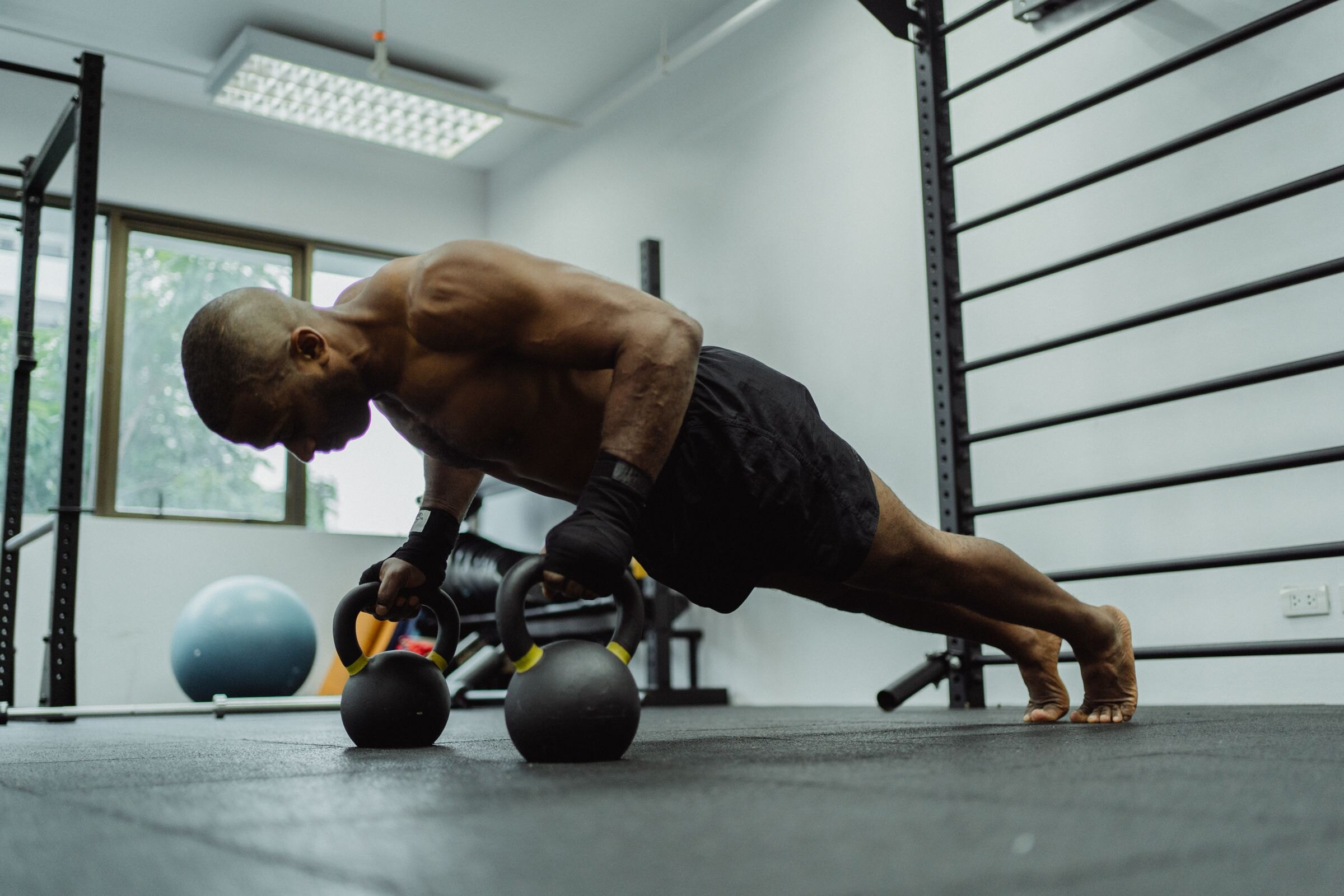
If you lift heavy weights or train intensely week after week, you have likely discovered that muscle tissue is not the limiting factor in your athletic longevity—your joints and connective tissues are. Muscle bellies enjoy a rich, capillary-dense vascular network that delivers oxygen, hormones, and amino acids around the clock, allowing them to recover from demanding training sessions in forty-eight to seventy-two hours. Tendons, ligaments, and articular cartilage operate on an entirely different biological timeline. Because dense connective tissues receive only a fraction of the blood flow that skeletal muscle receives, their metabolic turnover and remodeling processes are significantly slower. When training volume, load, or conditioning demands outpace connective tissue remodeling, the result is familiar: persistent tendon achiness, restricted range of motion, chronic joint inflammation, and forced time away from the gym.
True athletic progress requires building joint durability alongside muscular strength and cardiovascular stamina. Joint durability is not passive flexibility; it is the capacity of your articular cartilage, joint capsules, ligaments, and tendons to absorb, withstand, and transmit force across complete ranges of motion without mechanical breakdown or structural failure. Pairing this joint resilience with functional conditioning allows you to build exceptional cardiovascular work capacity, improve recovery between sets, and enhance movement quality while sparing your joints the repetitive trauma common in traditional endurance routines.
The Biology of Joint Durability: Why Tendons Lag Behind Muscle
Every time you execute a heavy lift, your skeletal muscles contract to produce tension, but that tension must pass through tendons before it can move your skeletal frame. Tendons are composed primarily of type I collagen fibers arranged in parallel bundles embedded in an extracellular proteoglycan matrix. This specialized architecture gives tendons exceptional tensile strength and viscoelastic properties, allowing them to act as dynamic biological springs that absorb shock and return elastic recoil energy.
The central physiological dilemma for lifters is the disparity in biological adaptation rates between contractile and connective tissues. While muscle protein synthesis spikes within hours of resistance training and concludes within one to two days, collagen synthesis in tendons requires longer recovery windows. If you increase training intensity or volume too rapidly—even if your muscles feel strong and energized—your tendons accumulate microscopic structural damage faster than fibroblast cells can synthesize new collagen matrices. Over months, this imbalance produces tendinopathy, characterized by collagen disorientation, hypervascularization, and chronic pain.
Mechanical tension remains the single most potent stimulus for strengthening connective tissue. In a landmark systematic review and meta-analysis examining lower-limb tendon adaptation, researchers confirmed that heavy mechanical loading induces significant increases in tendon stiffness and material modulus.[1] Crucially, the meta-analysis demonstrated that improvements in tendon load-bearing capacity are driven primarily by changes in the material modulus—the intrinsic structural quality and density of the collagen tissue—rather than rapid increases in cross-sectional thickness.[1]
To stimulate tendon remodeling without triggering inflammation, you must expose connective tissue to consistent, high-tension loads performed with controlled tempos and adequate rest. Fast, jerky movements and ballistic rebounds place unpredictable peak loads on vulnerable tendon insertions. Controlled eccentric lowering (three to four seconds) combined with brief pauses at end-range positions allows mechanical tension to distribute evenly across tendon fibers, stimulating fibroblast cellular signaling while minimizing microtrauma.
Synovial Joint Nutrition and the Cartilage Paradox
Articular cartilage is the smooth, frictionless layer of hyaline cartilage that caps the ends of articulating bones within synovial joints, such as the hips, knees, and shoulders. Unlike bone or muscle, mature articular cartilage is avascular, aneural, and alymphatic. It contains no blood vessels to deliver nutrients, no nerves to transmit pain signals directly from the tissue, and no lymphatic channels to drain waste products.
This anatomical reality introduces what exercise physiologists call the "cartilage paradox": complete immobilization degrades joint cartilage, while excessive or improper mechanical loading breaks it down. Because cartilage has no direct blood supply, it relies entirely on a mechanical process called imbibition. Imbibition functions like a sponge:
- When a joint experiences mechanical compression during movement, fluid containing metabolic waste is squeezed out of the porous cartilage matrix into the joint cavity.
- When the compressive load is released, the cartilage re-expands, drawing in fresh synovial fluid enriched with glucose, amino acids, hyaluronic acid, and oxygen from the surrounding synovial membrane.
When you remain sedentary, sit at a desk for eight hours, or avoid moving a joint through its full functional range, cartilage imbibition ceases. Chondrocytes—the specialized cells responsible for maintaining the extracellular cartilage matrix—become metabolically starved, leading to cartilage thinning, joint stiffness, and accelerated degeneration. Conversely, rhythmic, multi-planar movement patterns lubricate the joint capsule, normalize intra-articular pressure, and deliver the biochemical nourishment necessary for joint durability.
The Joint-by-Joint Principle: Alternating Mobility and Stability
To build true joint durability, you must view the human body not as isolated segments, but as a kinetic chain of stacked joints. Popularized by physical therapist Gray Cook and strength coach Mike Boyle, the Joint-by-Joint concept reveals that the body consists of alternating segments requiring either primary mobility or primary stability:
| Joint Segment | Primary Need | Common Modern Dysfunctional Pattern | Downstream Consequence |
|---|---|---|---|
| Glenohumeral (Shoulder) | Mobility | Anterior capsule tightness, internal rotation | Impingement, biceps tendonitis |
| Scapulothoracic (Shoulder Blade) | Stability | Winging, sluggish upward rotation | Rotator cuff overload, neck pain |
| Thoracic Spine | Mobility | Excessive kyphosis (slouching), loss of extension | Lumbar compensation, shoulder pain |
| Lumbar Spine | Stability | Excessive flexion or hyperextension under load | Disc herniation, chronic lower back spasms |
| Acetabulofemoral (Hip) | Mobility | Restricted hip extension, tight hip flexors | Anterior pelvic tilt, lumbar strain |
| Knee | Stability | Valgus collapse (knees caving inward) | Patellar tendinopathy, meniscus damage |
| Talocrural (Ankle) | Mobility | Restricted dorsiflexion from stiff calf complex | Knee valgus, heel lift in squats |
When a joint that requires mobility becomes stiff, the body does not stop moving. Instead, it forces the nearest stable joint to compensate by moving outside its intended anatomical plane.
For instance, if your ankle lacks adequate dorsiflexion, you cannot achieve proper depth in the squat. Your body compensates by collapsing the knee inward (valgus stress) or excessively rounding the lower back (lumbar flexion). In this scenario, the painful knee or aching back is not the root problem; it is simply the victim of an immobile ankle. Similarly, if your thoracic spine cannot extend and rotate due to hours of desk posture, your lumbar spine and glenohumeral joints will hyper-extend and over-rotate during overhead presses or pull-ups, resulting in rotator cuff impingement. Joint durability requires restoring mobility to your ankles, hips, and thoracic spine while building rigid stability in your knees, core, and scapulae.
Functional Conditioning: High Work Capacity Without Joint Degradation
Cardiovascular fitness is fundamental for systemic health, mitochondrial density, and rapid inter-set recovery during resistance training. However, the traditional method lifters use to build conditioning—long-distance jogging on hard asphalt—is often disastrous for joint longevity.
Running produces ground reaction forces equal to two to three times your body weight with every stride. For an 85-kilogram lifter, that translates to over two hundred kilograms of force slamming through the ankle, knee, and hip joints roughly one thousand times per mile. When combined with heavy barbell squats and deadlifts, this repetitive eccentric impact creates cumulative microtrauma in patellar and Achilles tendons that far exceeds the tissue's capacity to remodel.
Functional conditioning solves this conflict by using concentric-dominant modalities with minimal eccentric deceleration. Concentric movements allow you to elevate heart rate to eighty-five percent of maximum, ramp up cardiac output, and burn glycogen without subjecting your tendons to violent impact.
The most effective joint-friendly functional conditioning tools include:
- Loaded Carries: Walking with heavy weights challenges your grip, core, rotator cuff, and hip stabilizers while placing zero high-velocity impact on your joints.
- Kettlebell Swings & Snatch Ladders: Explosive posterior chain hip hinges that build cardiovascular output and glute endurance without knee shear.
- Sled Pushes and Drags: Because sled work has no eccentric phase, it delivers intense metabolic conditioning, quad hypertrophy, and knee-stabilizing blood flow with near-zero muscle damage or joint strain.
- Low-Impact Ergometers: The stationary rower, air bike, and ski-erg provide whole-body cardiovascular conditioning that circulates synovial fluid without compressive shock.
For a comprehensive comparison between interval training and steady-state work, read our breakdown of HIIT vs steady-state cardio.
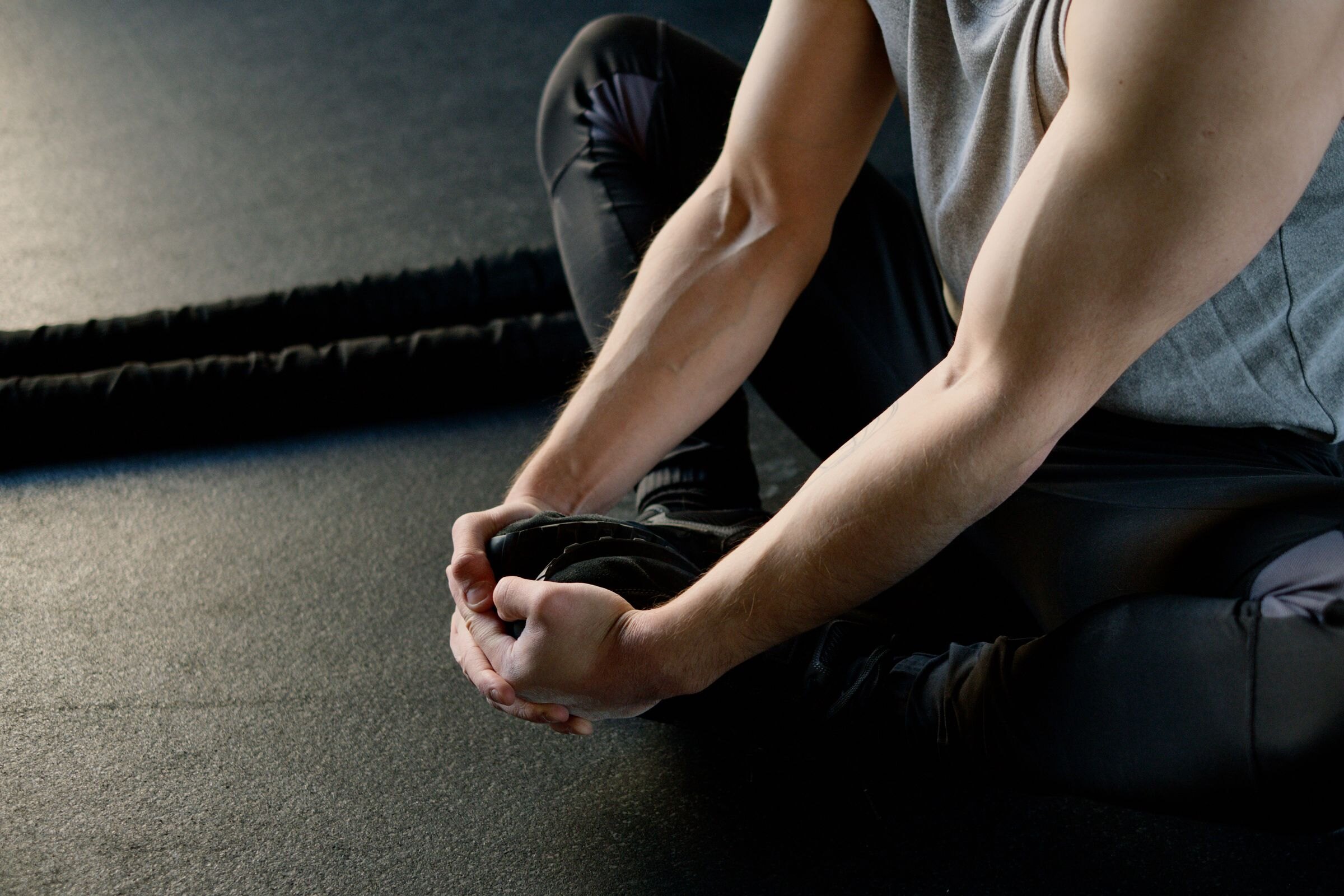
Essential Movements for Joint Durability
Integrating specific joint-durability exercises into your routine bulletproofs your body against the wear and tear of heavy training. Below are three indispensable movements that target critical stability and mobility hubs.
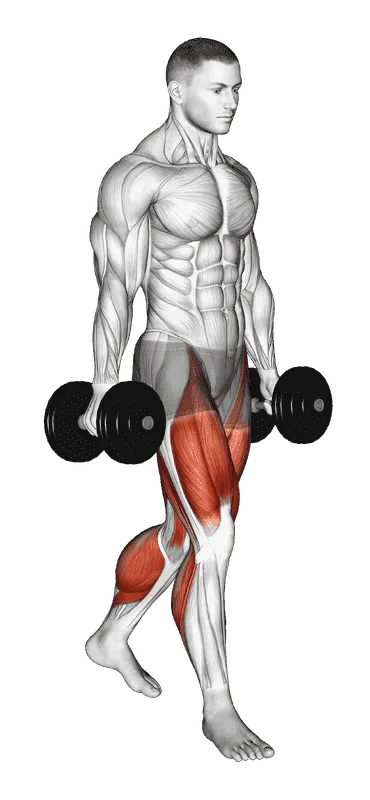
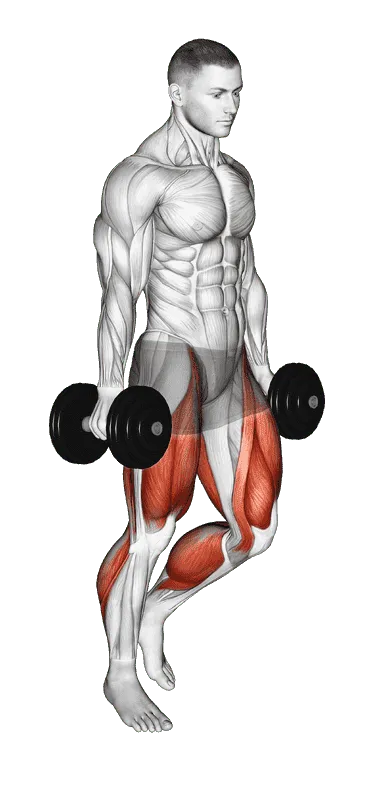
1. Farmer's Walk
The farmer's walk is the ultimate loaded carry for joint durability. Holding heavy dumbbells or kettlebells at your sides creates massive axial stability demands through your spine while engaging your rotator cuff through muscle irradiation. As you walk, your hip abductors must contract dynamically to keep your pelvis level, preventing hip and knee valgus.
- Sets
- 4
- Rest
- 90 s
- Duration
- 30–45 s
When performing the Farmer's Walk, select a challenging load that forces your core to brace hard. Avoid shrugging your shoulders toward your ears; pull your shoulder blades down into your back pockets to keep your glenohumeral joint centered.
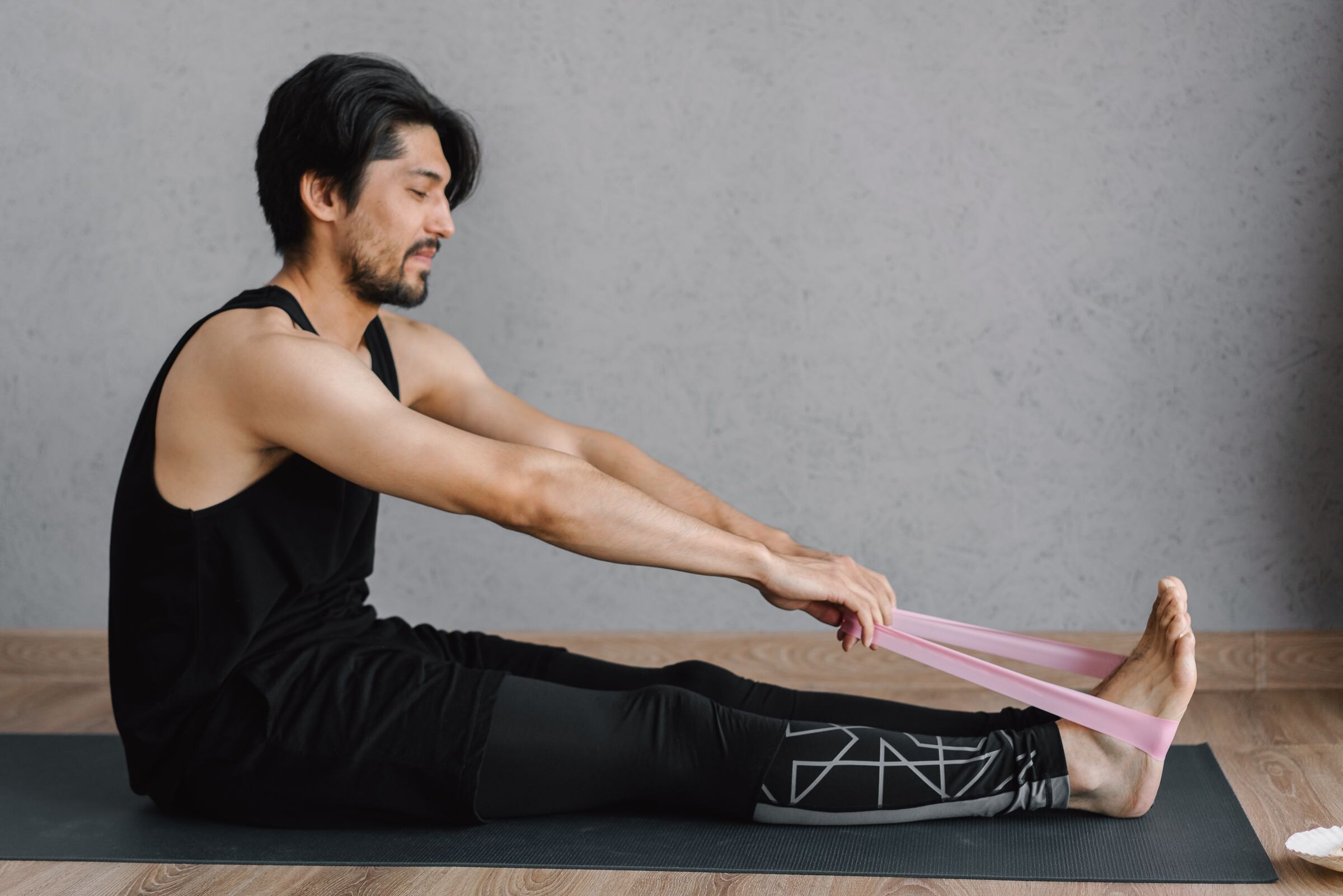
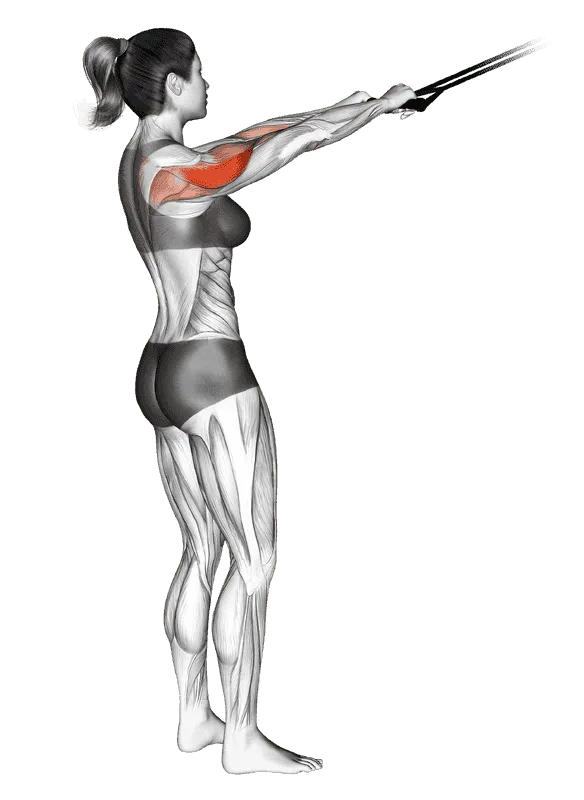
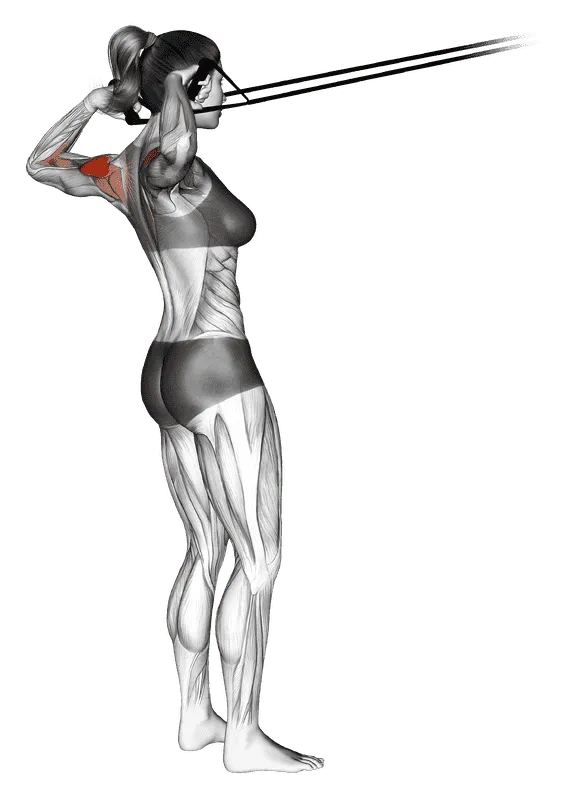
2. Band Face Pull
Heavy pressing in movements like the bench press overdevelops the anterior deltoids and pectorals, pulling the humerus forward and internally rotating the shoulder joint. The band face pull restores muscular balance by targeting the posterior deltoids, rhomboids, middle trapezius, and external rotators (infraspinatus and teres minor).
- Sets
- 3
- Reps
- 15–20
- Rest
- 60 s
- Tempo
- 2–1–2
Executing the Band Face Pull with higher repetitions and light to moderate tension promotes localized blood flow to the rotator cuff tendons without causing muscular exhaustion that could compromise subsequent pressing stability.
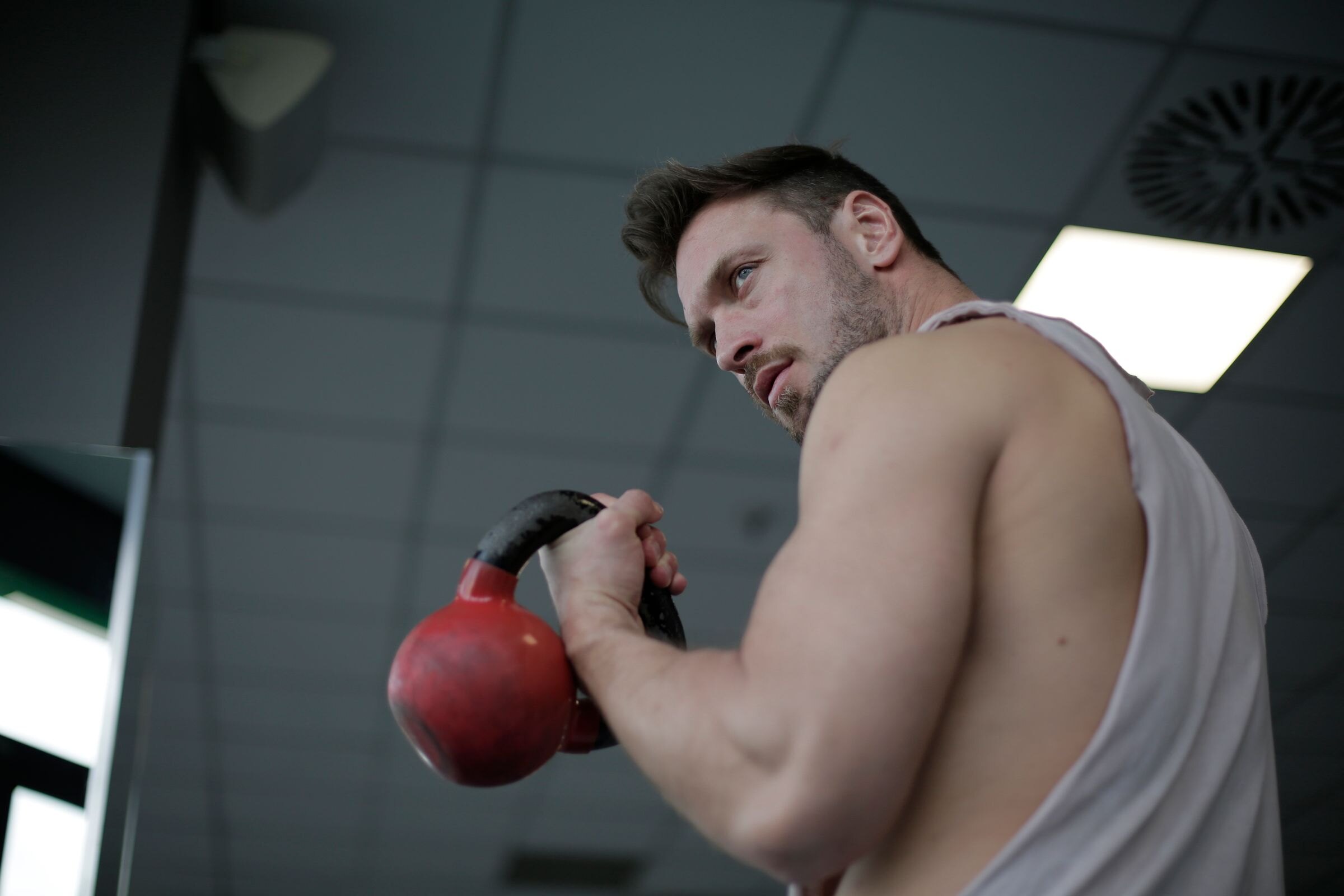
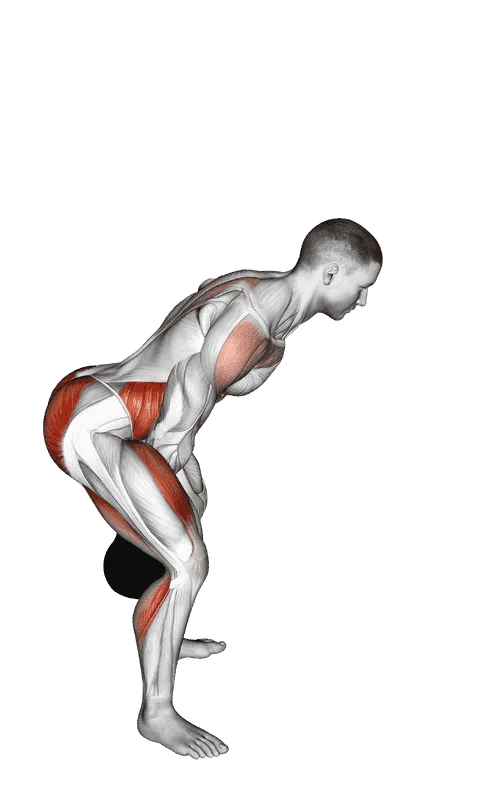
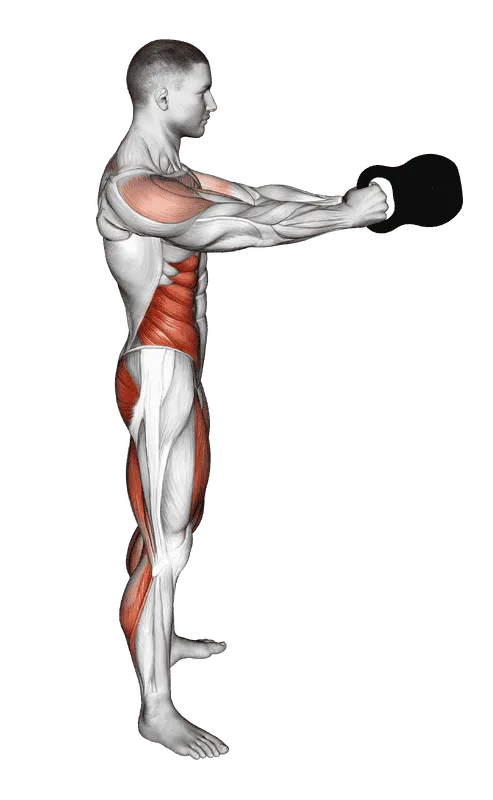
3. Kettlebell Swing
The kettlebell swing is a premier functional conditioning tool that reinforces the posterior chain hinge pattern while training your core to brace against rapid velocity changes. Because the movement is driven entirely by the hips, it creates high cardiovascular and glute demands with zero knee shear.
- Sets
- 4–5
- Reps
- 15–20
- Rest
- 60 s
The Kettlebell Swing teaches your body to absorb force through the glutes and hamstrings rather than the lumbar spine, directly improving your hip power for compound movements like the barbell squat.
Supplementary Prehab and Joint Stability Drills
In addition to the primary compound durability builders, incorporate targeted isolation drills that reinforce vulnerable joints:
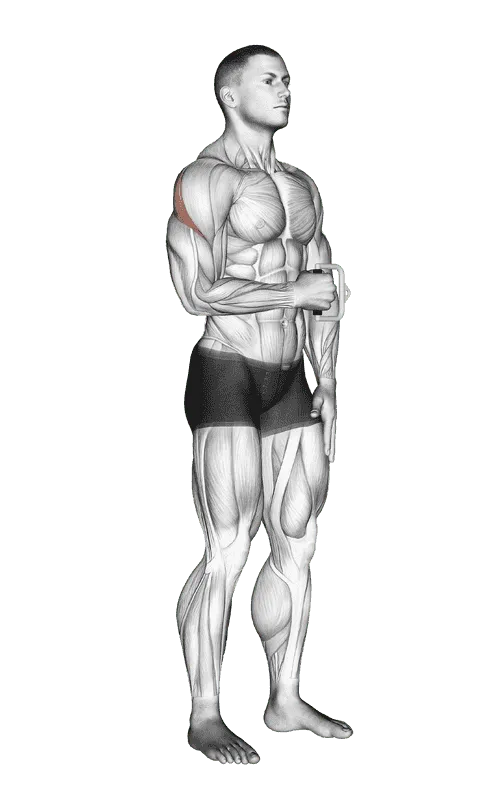
- Rotator Cuff Isolation: Incorporate Cable Standing Shoulder External Rotation for 2 to 3 sets of 12 to 15 controlled repetitions once or twice weekly. Strengthening the external rotators stabilizes the humeral head inside the shallow glenoid fossa during heavy horizontal and vertical pressing.
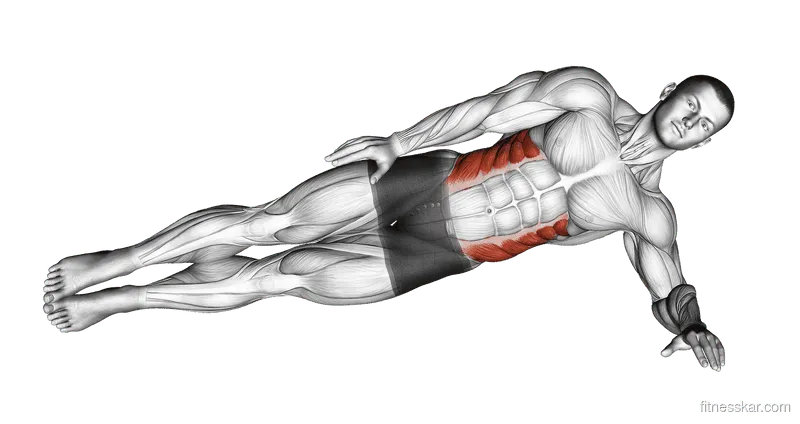
- Anti-Lateral Core Stability: The Side Plank strengthens the quadratus lumborum, internal obliques, and gluteus medius. This lateral pillar stability protects the lumbar spine from unwanted lateral shearing during single-leg training and heavy carries.
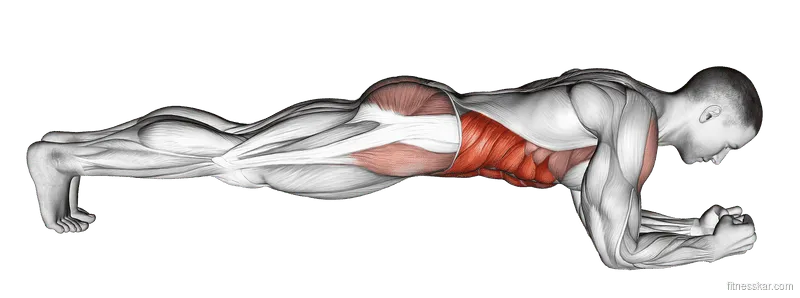
- Anterior Core Bracing: The standard Front Plank trains the transverse abdominis to resist lumbar extension. A stable anterior core prevents hyperextension during overhead lifts, protecting the facet joints of the lower spine.
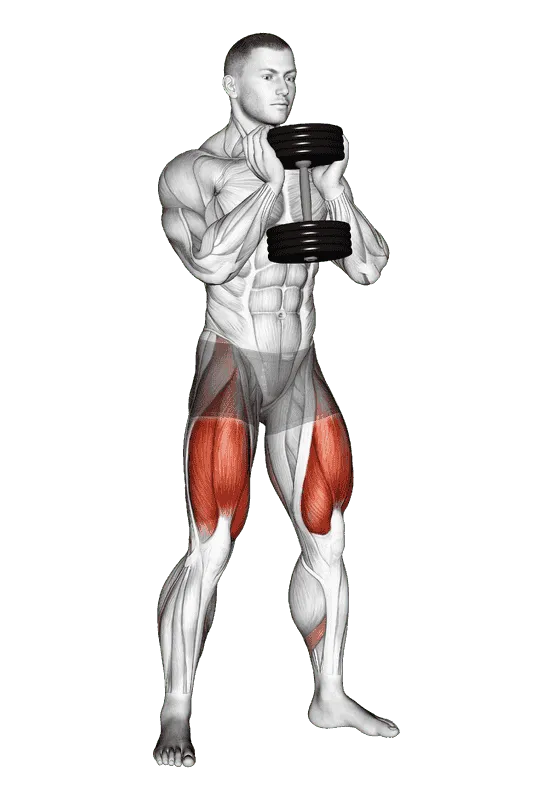
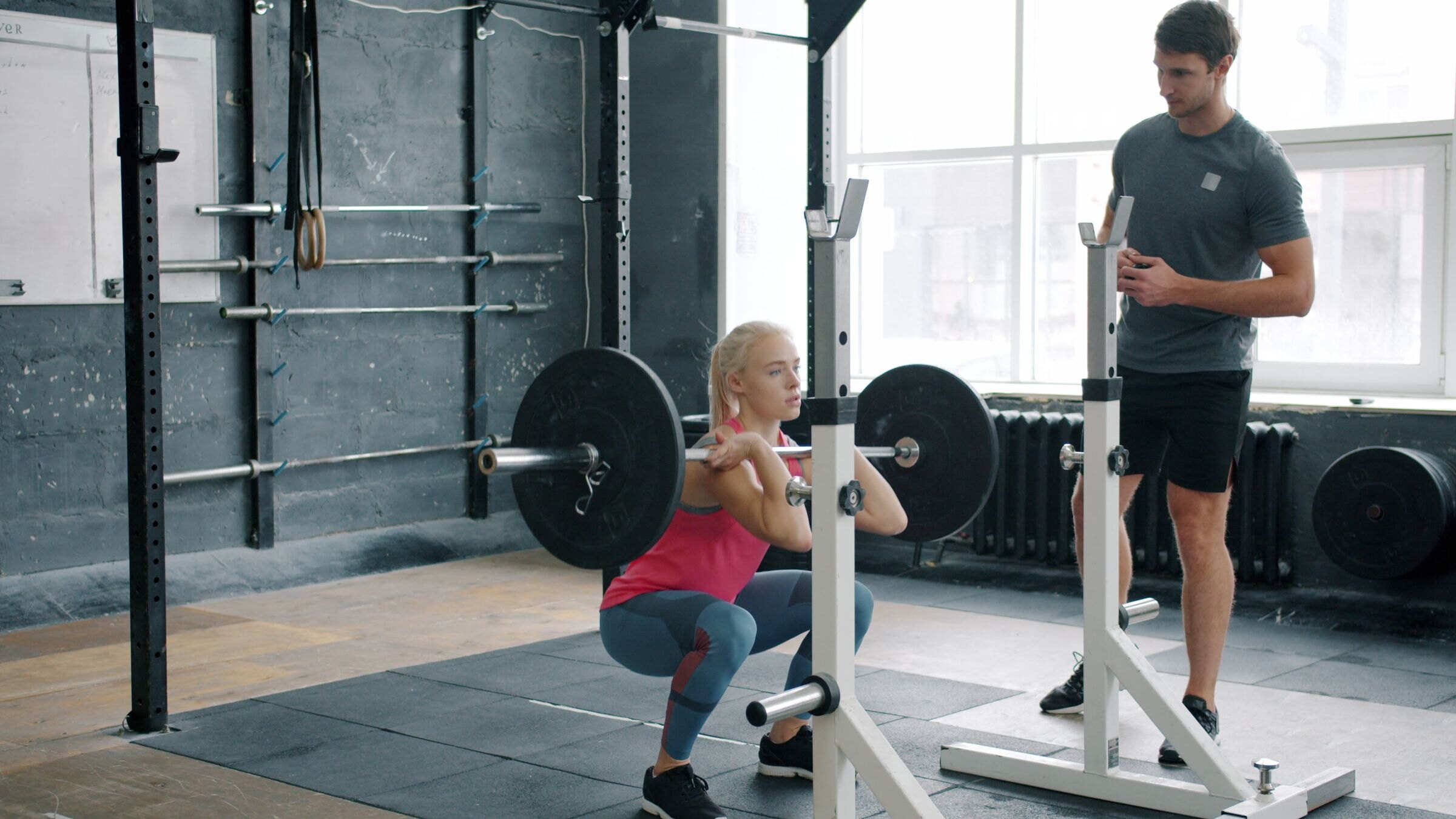
- Loaded Hip Mobility: The Dumbbell Goblet Squat acts as both a muscle builder and a dynamic mobility tool. Holding the weight in front of your chest counters backward tipping, allowing you to sink deep into hip flexion while keeping the spine upright.
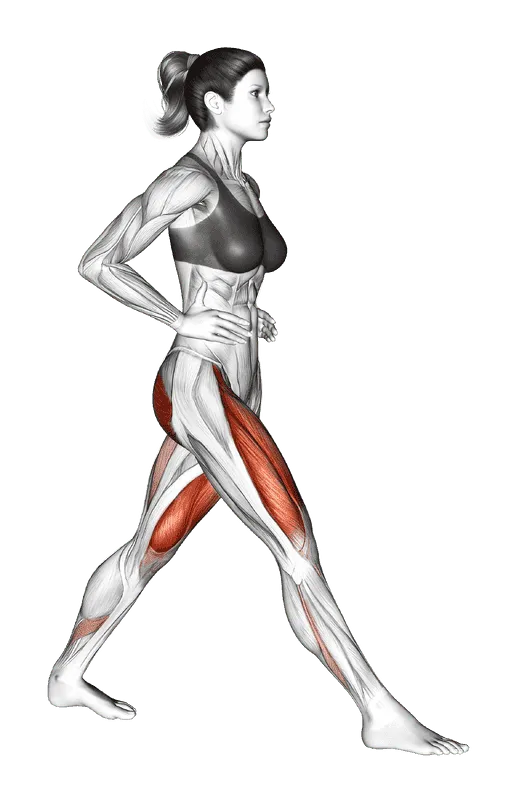
- Unilateral Lower-Body Balance: Bodyweight or light dumbbell Lunge variations challenge ankle dorsiflexion, knee alignment, and hip extension simultaneously, identifying side-to-side asymmetries before they cause injuries.
Practical Programming: The Joint Durability Blueprint
You do not need to spend forty-five minutes on physical therapy drills to keep your joints healthy. Structure your durability work into two concise, highly efficient components: a pre-workout dynamic prep routine and an end-of-session functional conditioning finisher.
1. Pre-Workout Dynamic Joint Prep (6–8 Minutes)
Ditch passive static stretching before lifting; static stretching temporarily decreases neural drive and tendon stiffness without improving joint lubrication. Instead, perform this dynamic activation sequence before touching a barbell:
| Movement | Target Joints & Tissues | Protocol | Coaching Cue |
|---|---|---|---|
| Cat-Camel & Thoracic Rotation | Thoracic Spine & Ribcage | 8–10 cycles | Exhale fully into flexion, inhale into thoracic extension. |
| Half-Kneeling Ankle Mobilization | Ankle Dorsiflexion (Talocrural) | 10 reps / side | Drive knee over pinky toe without letting heel lift off floor. |
| Glute Bridges with 2s Squeeze | Hip Extensors & Acetabulofemoral | 12 reps | Drive through heels, lock hips out without arching lower back. |
| Banded Pull-Aparts & Face Pulls | Scapular Retractors & Rotator Cuff | 15–20 reps | Keep ribs down, squeeze shoulder blades together at peak contraction. |
| Deep Goblet Squat Pry | Hips, Ankles & Groin Adductors | 5 breaths at bottom | Use elbows to gently push knees outward, keeping chest proud. |
2. Post-Workout Functional Conditioning Finishers
Perform one of these conditioning finishers two to three times per week at the conclusion of your lifting sessions. Each finisher elevates heart rate, drives systemic circulation, and builds stamina with zero joint degradation:
Option A: The Loaded Carry Gauntlet (10 Minutes)
- Farmer's Walk: 40 meters (moderate-heavy dumbbells)
- Rest: 45 seconds
- Suitcase Carry (Single Arm): 30 meters per side (moderate weight)
- Rest: 45 seconds
- Repeat: 3 to 4 total rounds.
Option B: The Posterior Chain Engine (12-Minute EMOM)
- Minute 1: 15 Kettlebell Swings (explosive hip snap)
- Minute 2: 45 seconds Front Plank hold
- Minute 3: 12 Goblet Squats with 3-second eccentric tempo
- Minute 4: Rest 60 seconds
- Repeat: 3 complete cycles.
To take the guesswork out of your weekly split, follow the complete 8-Week Full Body Fitness Builder. Its balanced distribution of compound lifts and functional accessories provides the ideal framework for sustainable joint health and muscle gains. Remember to apply progressive overload gradually, increasing weight only when technique and joint integrity remain flawless. Prioritizing quality sleep is equally vital, as our guide on sleep and muscle recovery explains how deep rest fuels collagen remodeling and hormonal balance.
Frequently Asked Questions
Frequently asked questions
Can joint cartilage regenerate once it has worn down?
While mature articular cartilage has limited self-repair capacity due to its lack of blood vessels, dynamic low-impact movement stimulates chondrocyte metabolism and circulates synovial fluid, which preserves remaining cartilage, reduces friction, and prevents further degeneration.
Is static stretching good or bad for joint durability?
Static stretching before lifting can temporarily reduce tendon stiffness and muscular power. Reserve static stretching for after your workout or dedicated mobility days, and use active dynamic mobility drills prior to training to lubricate joints and prime the nervous system.
How often should I perform loaded carries like the farmer's walk?
Performing loaded carries two to three times per week for three to five rounds at the end of your training sessions provides an ideal stimulus for core stability, grip strength, and joint durability without interfering with recovery.
Why do my joints ache when I run on a treadmill or pavement?
Running creates ground reaction forces two to three times your body weight that slam through your ankles, knees, and hips with thousands of repetitive eccentric impacts. Replacing running with low-impact sled pushes, kettlebell swings, and rowing delivers equal or superior cardiovascular conditioning without joint wear.
Sources
- Lazarczuk SL, Maniar N, Opar DA, et al. Mechanical, Material and Morphological Adaptations of Healthy Lower Limb Tendons to Mechanical Loading: A Systematic Review and Meta-Analysis. Sports Medicine. 2022. doi.org/10.1007/s40279-022-01695-y ↩