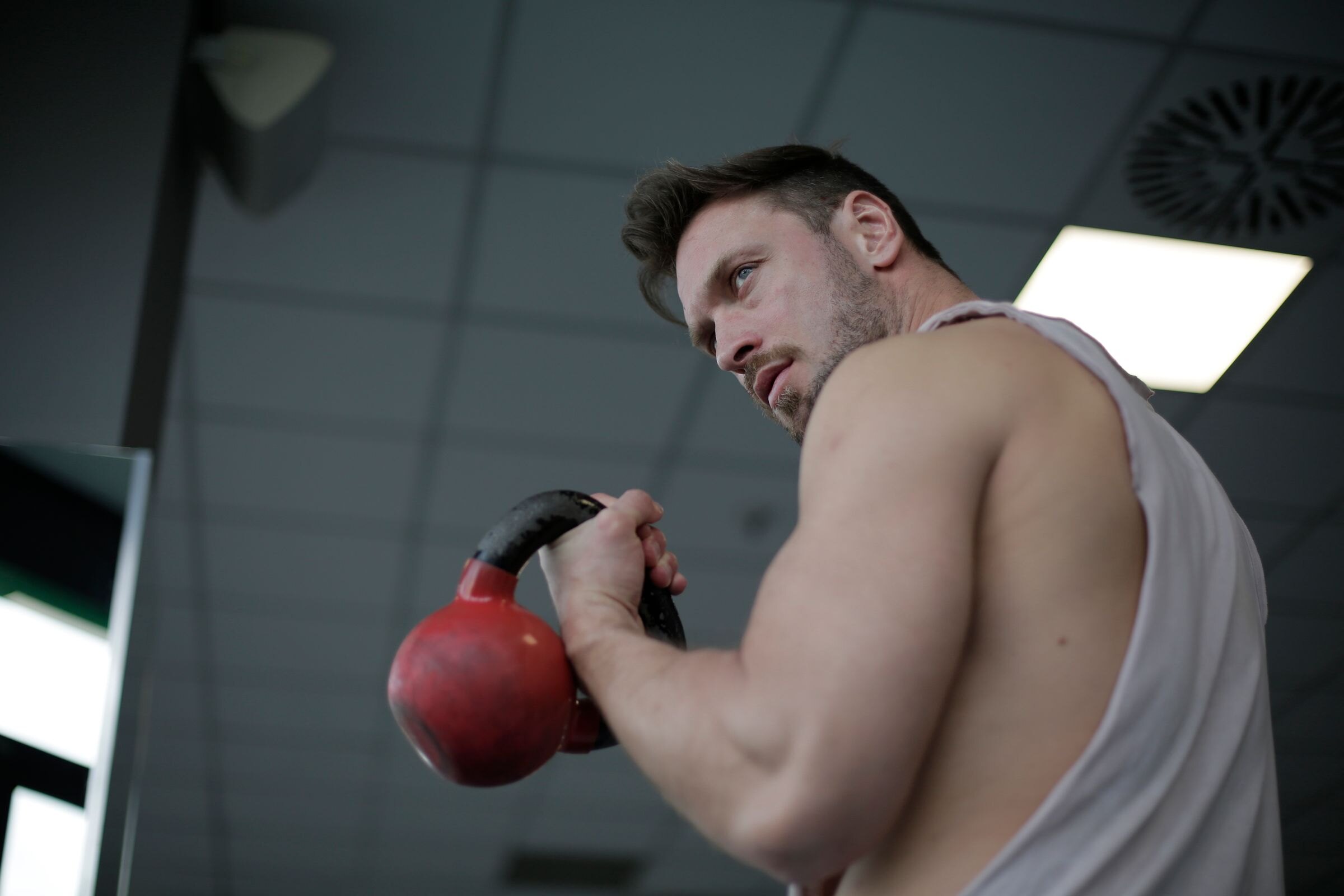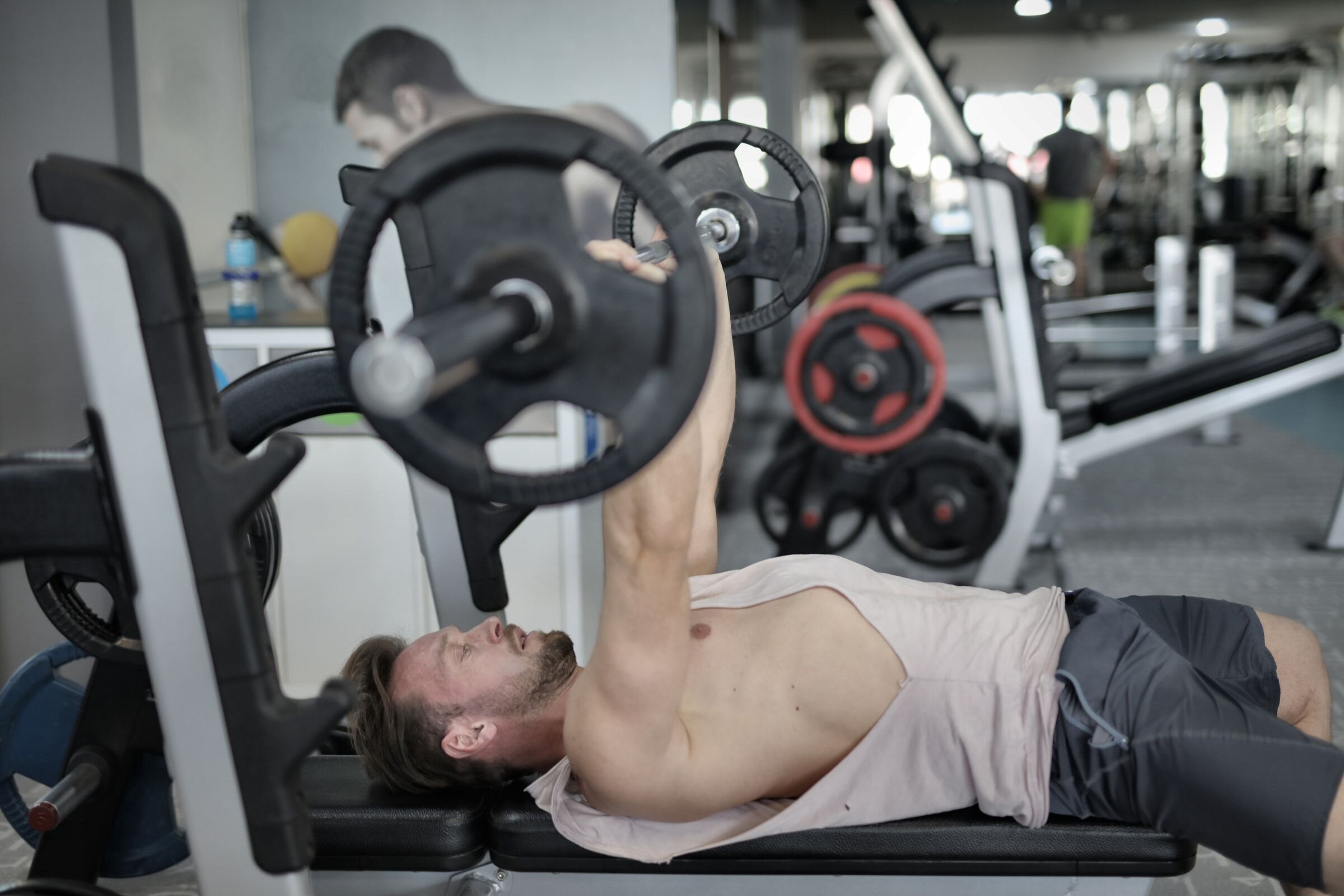
If you push your body through demanding training sessions each week, you already understand that progress requires hard work in the gym. Yet many dedicated lifters make the mistake of believing that muscle growth and strength adaptations occur while lifting weights. In reality, intense resistance exercise is purely a catabolic stimulus: it creates microtrauma in muscle fibers, depletes glycogen stores, and strains your central nervous system. True muscular adaptation, tissue remodeling, and strength gains take place exclusively while you rest. Learning how to recover faster from workouts is what determines whether your training yields consistent progress or leaves you trapped in chronic fatigue, nagging aches, and stalled performance.
Accelerating workout recovery is not about buying expensive gadgets, submerging yourself in freezing water, or taking handfuls of unproven supplements. True physiological recovery is governed by biological mechanisms that you can control through deliberate daily habits. By aligning your nutrition, sleep architecture, training volume, and active recovery protocols, you can cut downtime between sessions, dramatically reduce debilitating muscle soreness, and optimize the rate at which your body repairs damaged tissue.
Below is the definitive, science-based masterclass on the physiology of muscle recovery, the real causes of delayed onset muscle soreness, and the evidence-based strategies that allow you to bounce back stronger for your next session.
The Biological Foundations: What Actually Happens During Workout Recovery?
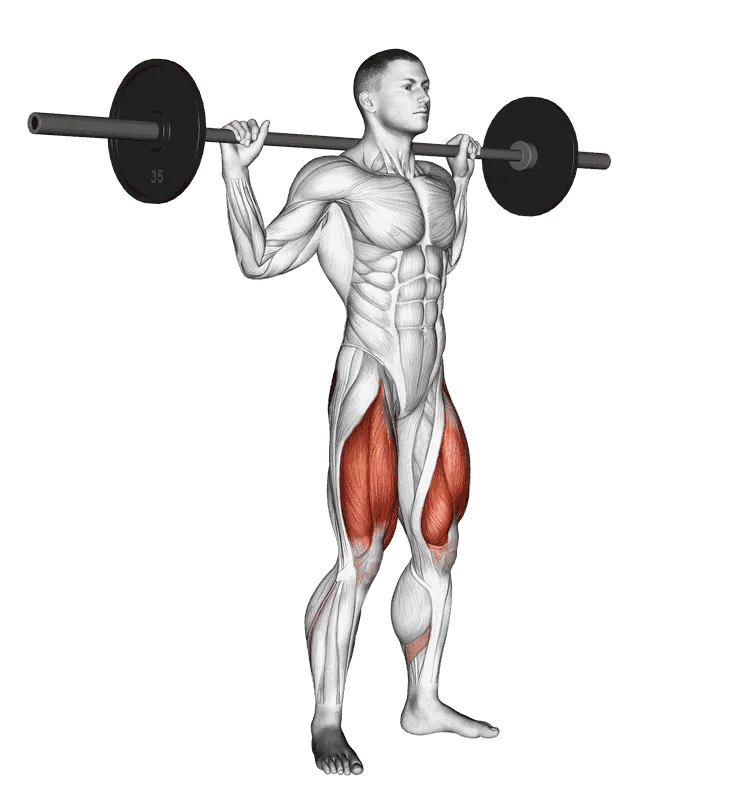
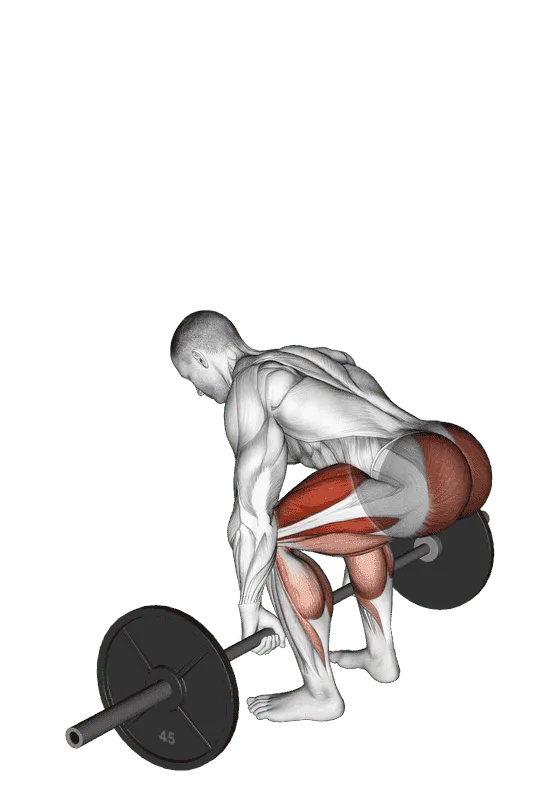
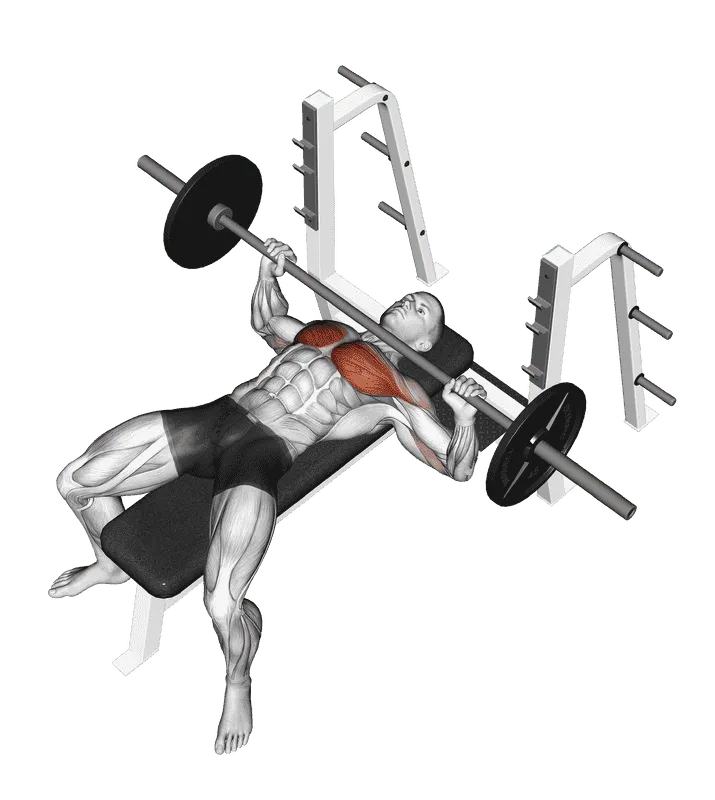
To optimize recovery, you must first understand the structural stress your body experiences during high-intensity training. When you subject skeletal muscle to mechanical tension and eccentric loading during compound movements like the barbell squat, barbell deadlift, or barbell bench press, your physiology undergoes three distinct stresses:
- Mechanical Myofibrillar Disruption: Force transmission tears microscopic connections within individual sarcomeres, causing Z-disc streaming and microscopic lesions in the cell membrane (sarcolemma).
- Substrate and Energy Depletion: High-threshold motor units rapidly burn intramuscular glycogen and phosphocreatine, leaving muscle cells temporarily depleted of immediate energy.
- Central and Peripheral Fatigue: Repeated neural firing reduces the calcium sensitivity of contractile proteins in muscle fibers, while the central nervous system experiences reduced motor drive from neurotransmitter fluctuation and spinal cord inhibition.
Once you finish your final set, your body initiates a complex immunological repair cascade. Within the first two hours, specialized white blood cells called neutrophils migrate into the damaged muscle fibers to clear cellular debris. Next, pro-inflammatory (M1) macrophages arrive to break down damaged proteins through phagocytosis.
Between 24 and 48 hours post-workout, these cells transition into anti-inflammatory (M2) macrophages. These reparative cells release localized growth factors, including insulin-like growth factor 1 (IGF-1) and transforming growth factor beta (TGF-β). This hormonal signal activates satellite cells—the muscle's stem cell reserve—which fuse with existing muscle fibers to donate nuclei, synthesize new myofibrillar proteins, and build a thicker, more resilient muscle structure. This structural remodeling process is known as muscular hypertrophy.
The Truth About DOMS: What Causes Delayed Onset Muscle Soreness?
One of the most persistent myths in the fitness industry is that muscle soreness is caused by lactic acid accumulation. Lactic acid (which immediately dissociates into lactate and hydrogen ions) is a metabolic byproduct of anaerobic glycolysis. However, your body clears and oxidizes lactate back into energy via the Cori cycle within 30 to 60 minutes after exercise. Lactate is completely gone from your muscle tissue long before soreness ever begins.
Delayed Onset Muscle Soreness (DOMS) typically emerges 12 to 24 hours after an intense or unfamiliar workout, peaks between 24 and 72 hours, and gradually subsides over the following days. DOMS is primarily triggered by eccentric muscle contractions—the lowering or lengthening phase of an exercise—which generate immense mechanical tension on a stretched muscle fiber.
The sensation of soreness is not coming from the torn muscle fibers themselves, because muscle fibers lack nociceptive pain receptors. Instead, the pain originates from the surrounding connective tissue sheaths (the epimysium, perimysium, and endomysium) and the sensory nerve endings located within them. As inflammatory fluid accumulates in the muscle tissue, micro-edema increases interstitial pressure. Simultaneously, inflammatory mediators such as bradykinin, prostaglandins, and nerve growth factor sensitize local nociceptors, causing pain whenever the muscle is touched, stretched, or contracted.
Crucially, soreness is not a reliable gauge of muscle growth or workout effectiveness. While mild soreness indicates that an unaccustomed stimulus was applied, severe soreness often signals excessive muscle damage that impairs motor recruitment, reduces your training frequency, and slows down long-term progress. If you are too sore to sit down or lift weights three days after a leg workout, you have exceeded your body's current adaptive capacity. Managing volume according to our guide on how many sets per muscle per week is essential for avoiding debilitating DOMS.
The Evidence-Based Recovery Hierarchy: What Truly Works
When lifters want to recover faster, they often focus on exotic recovery modalities while neglecting the foundational pillars that drive nearly 90% of biological healing. To recover with maximum efficiency, view your recovery protocols as an evidence-based hierarchy:
Tier 1: The Non-Negotiable Foundations (85–90% of Recovery)
Without these three pillars, no massage gun, supplement, or recovery routine can save you from chronic fatigue:
1. Restorative Slow-Wave Sleep
Sleep is the undisputed master controller of human recovery. As detailed in our comprehensive guide on sleep and muscle growth, human growth hormone (HGH) secretion peaks during slow-wave non-REM sleep (stages 3 and 4). During this phase, cerebral blood flow shifts toward peripheral skeletal muscles, accelerating cellular repair, glycogen synthesis, and amino acid uptake. Conversely, sleeping fewer than seven hours per night spikes circulating cortisol, downregulates testosterone, impairs insulin sensitivity, and increases muscle protein breakdown by up to 18%.
- Target: Aim for 7.5 to 9 hours of uninterrupted sleep every night. Keep your bedroom between 18°C and 20°C (65°F to 68°F), avoid blue light 60 minutes before bed, and maintain a consistent sleep schedule.
2. Caloric Sufficiency and Macronutrient Replenishment
You cannot rebuild a brick wall without mortar. If you are in a steep calorie deficit, your body prioritizes baseline metabolic survival over tissue remodeling, prolonging recovery times.
- Protein Intake: Consume 1.6 to 2.2 grams of protein per kilogram of body weight (0.7 to 1.0 g/lb) daily, distributed across 3 to 5 meals containing 0.4 g/kg of high-quality protein each. This ensures continuous stimulation of muscle protein synthesis, as explained in our guide on protein for muscle gain.
- Carbohydrate Timing: Intense lifting depletes intramuscular glycogen stores. Consuming 1.0 to 1.2 grams of carbohydrates per kilogram of body weight within 2 to 4 hours post-workout accelerates glycogen resynthesis, lowers circulating cortisol, and shifts your body from a catabolic state to an anabolic one. Explore our guide on pre- and post-workout nutrition for optimal meal structures.
3. Hydration and Cellular Electrolyte Balance
Skeletal muscle tissue is roughly 75% water. A reduction in cellular hydration of as little as 2% impairs protein synthesis, decreases muscular force generation, and worsens perceived joint stiffness. When muscle cells are properly hydrated, cell volume increases, which acts as an intracellular anabolic signal for tissue preservation.
- Protocol: Drink 35 to 45 milliliters of water per kilogram of body weight daily (approximately 3 to 4 liters for an active 80 kg individual). Replenish sodium, potassium, and magnesium lost through sweat during intense training sessions.
Tier 2: Active Recovery and Blood Flow Stimulation (5–10% of Recovery)
Many lifters believe that recovery means lying completely motionless on the couch. However, passive rest allows metabolic byproducts and inflammatory fluid to pool in muscle compartments, exacerbating muscular stiffness.
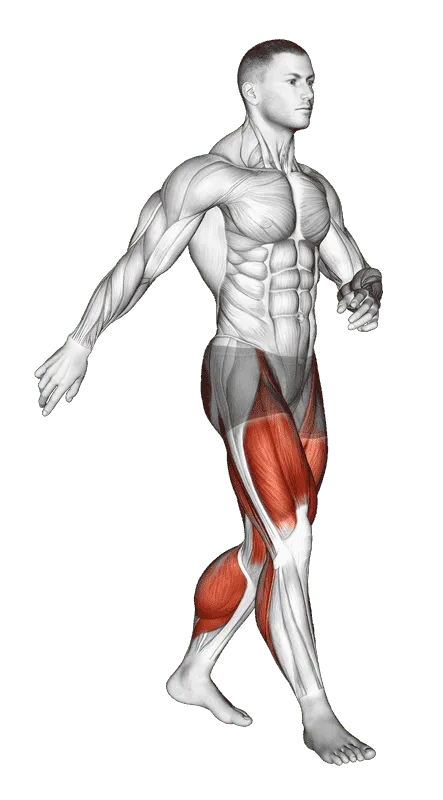
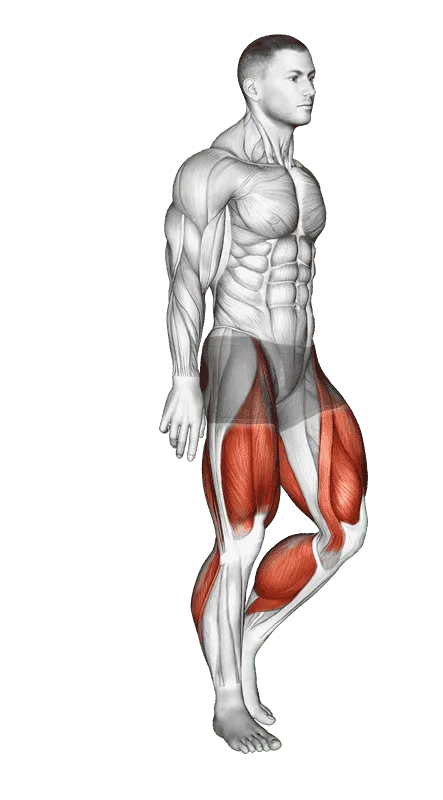
Active recovery—performing low-intensity, non-fatiguing movement—is significantly superior to passive rest. Light muscular contractions act as a mechanical muscle pump, stimulating venous return, enhancing lymphatic drainage, and delivering oxygenated, nutrient-rich blood to healing muscle fibers without incurring additional myofibrillar microtrauma.
- Sets
- 1
- Duration
- 20–30 min
An ideal active recovery session consists of 20 to 30 minutes of brisk Walking, light stationary cycling, or swimming at an easy conversational pace (Zone 1 or Zone 2 cardio). Combine this with gentle mobility exercises and dynamic stretches to restore joint range of motion:
- Sets
- 2–3
- Duration
- 30–45 s
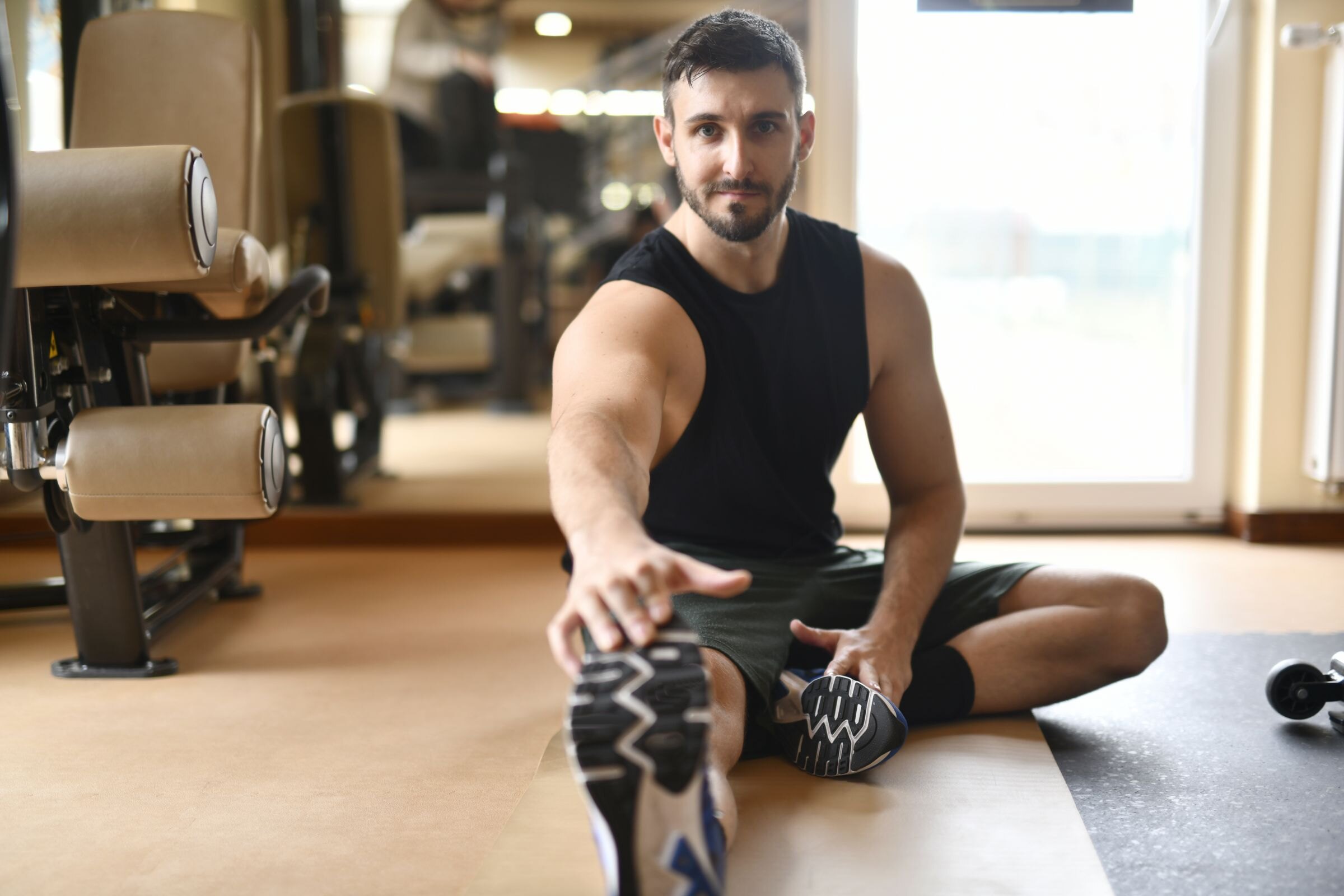
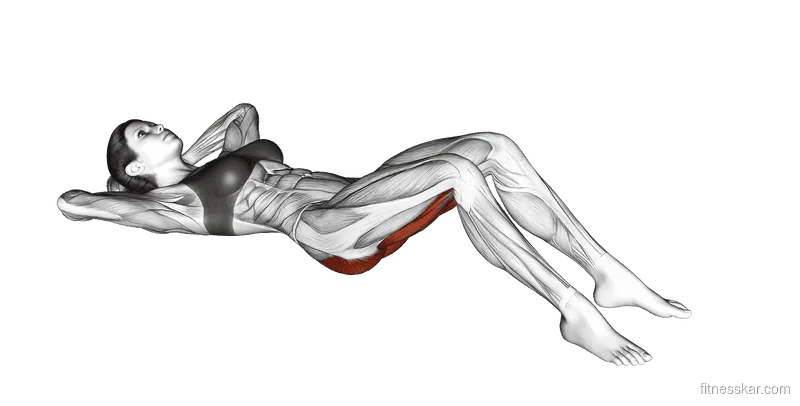
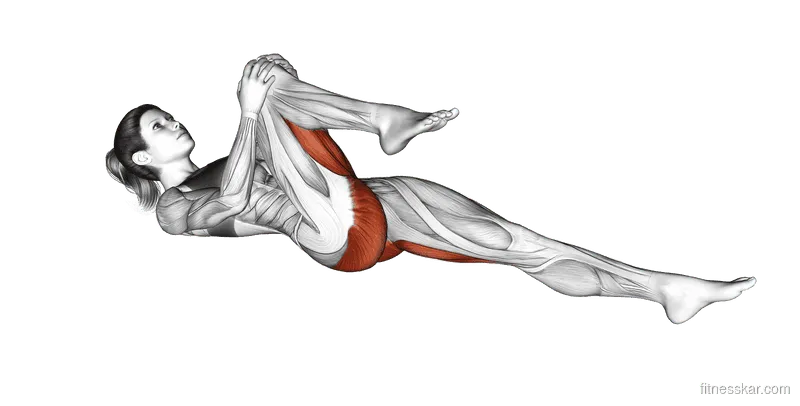
Incorporate gentle stretches such as the Knee-to-Chest Stretch and Upward Dog Stretch into your post-workout routine or rest days to decompress the spine and alleviate anterior hip stiffness caused by heavy squatting and deadlifting.

Tier 3: Recovery Modalities—What Works, What Is Overhyped, and What Can Hurt
The modern recovery market is flooded with gadgets and trends. Here is what independent sports science actually says about popular recovery modalities:
| Recovery Modality | Scientific Evidence | Impact on Soreness | Impact on Muscle Growth | Best Recommendation |
|---|---|---|---|---|
| Active Recovery (Walking/Cycling) | High | Moderate reduction | Neutral / Positive | Highly recommended on rest days |
| Deep Sleep (7.5–9 hours) | Very High | Significant reduction | Essential / High | Non-negotiable daily foundation |
| Nutrition & Protein Intake | Very High | Significant reduction | Essential / High | Non-negotiable daily foundation |
| Foam Rolling & Massage | Moderate | Mild short-term relief | Neutral | Useful for temporary mobility and relaxation |
| Heat / Sauna Therapy | Moderate | Mild reduction | Neutral / Positive | Great for relaxation and joint health |
| Cold Water Immersion (Ice Baths) | High | High acute pain reduction | Negative / Blunts Hypertrophy[1] | Avoid immediately after hypertrophy lifting |
The Shocking Science of Cold Water Immersion (Ice Baths)
Taking an ice bath or cold plunge immediately after training has become a massive social media trend. While submerging your body in 10°C (50°F) water constricts blood vessels and numbs pain receptors—temporarily masking muscle soreness—it carries a major physiological cost for lifters seeking muscle growth.
Landmark research published in The Journal of Physiology by Roberts and colleagues demonstrated that cold water immersion performed immediately after resistance training significantly blunts acute anabolic intracellular signaling pathways (specifically p70S6K and the mTOR pathway) and reduces long-term gains in muscle mass and strength.[1]
By forcefully vasoconstricting blood vessels and suppressing the natural inflammatory repair cascade, post-workout cold water immersion reduces satellite cell activity and impairs muscle protein synthesis for hours after training.[1]
The takeaway: If you are an endurance athlete or an in-season tournament fighter competing twice in a 24-hour window, acute cold plunges can help restore short-term performance. But if your goal is building muscle size and strength, avoid cold water immersion within 4 to 6 hours after lifting weights.[1]
Heat Therapy and Sauna
Unlike cold therapy, heat therapy works in synergy with your body's natural recovery processes. Spending 15 to 20 minutes in a dry sauna or taking a warm Epsom salt bath promotes vasodilation, increases peripheral blood circulation, and stimulates heat shock proteins (HSPs). Heat shock proteins protect cellular proteins from degradation and help prevent oxidative stress. Furthermore, heat exposure induces parasympathetic nervous system tone, lowering heart rate and preparing your body for restorative sleep.
Foam Rolling and Percussion Massage Guns
Foam rolling and massage guns do not break up scar tissue or physically lengthen fascia—these tissues require thousands of pounds of pressure to mechanically deform. Instead, foam rolling works through neurophysiological pain modulation. Rolling over a tender muscle stimulates mechanoreceptors (Ruffini endings and Pacinian corpuscles) that send inhibitory signals to the central nervous system via the gate control theory of pain. This transiently reduces your brain's perception of muscle tightness and improves joint range of motion for 30 to 60 minutes without dampening muscular adaptation. Use them as a warm-up tool or a temporary relief mechanism on sore days.
Targeted Nutrition and Supplements for Faster Recovery
While whole foods provide the bedrock of tissue repair, targeted supplementation can reduce oxidative stress and accelerate neuromuscular recovery:
1. Creatine Monohydrate
Creatine is the most thoroughly researched sports supplement in the world. As detailed in our comprehensive creatine guide, creatine replenishes intramuscular phosphocreatine reserves, accelerating ATP resynthesis between sets. Beyond strength gains, creatine increases intracellular water retention (cell swelling), which reduces exercise-induced muscle damage and promotes cellular repair.
- Dose: 3 to 5 grams daily, taken consistently at any time of day.
2. Tart Cherry Juice
Tart Montmorency cherries are rich in specific polyphenols and anthocyanins that possess powerful antioxidant properties. Clinical trials have demonstrated that consuming tart cherry juice for several days before and after strenuous eccentric exercise reduces lipid peroxidation, accelerates isometric strength recovery, and reduces perceived muscle soreness.
- Dose: 240 to 355 ml (8 to 12 oz) of 100% tart cherry juice or 480 mg of tart cherry extract powder twice daily during intense training blocks.
3. Omega-3 Fatty Acids (EPA & DHA)
High-dose marine omega-3 fatty acids incorporate into muscle cell membranes, enhancing membrane fluidity and modulating the production of specialized pro-resolving mediators (SPMs). This helps transition muscle tissue from acute inflammation to active resolution without blunting normal anabolic signaling.
- Dose: 2 to 3 grams of combined EPA and DHA daily with a meal containing dietary fat.
4. Magnesium (Glycinate or Malate)
Magnesium is a vital enzymatic cofactor involved in ATP production, muscle contraction, and neuromuscular relaxation. Magnesium deficiency is remarkably common among hard-training athletes who lose minerals through sweat. Supplementing with magnesium glycinate before bed activates GABAergic pathways in the brain, improving sleep quality and reducing nighttime muscle cramping.
- Dose: 200 to 400 mg of elemental magnesium taken 30 to 60 minutes before sleep.
Programming for Recovery: Managing Volume and Avoiding Overtraining
You cannot out-recover an irresponsible training program. The single biggest driver of chronic muscular fatigue is performing more volume than your body can structurally recover from.
To ensure long-term progress, structure your training around your Maximum Recoverable Volume (MRV). Pushing every single set to absolute failure on compound lifts imposes excessive systemic fatigue on the central nervous system. As outlined in our breakdown of training to failure, leaving 1 to 2 Reps in Reserve (RIR) on major lifts like squats and deadlifts produces equivalent muscle hypertrophy while dramatically reducing systemic recovery time.
Pair your recovery protocols with a well-designed, balanced program that alternates muscle groups to allow 48 to 72 hours of rebuilding between sessions:
To continually build muscle, implement progressive overload steadily over weeks rather than doubling your training volume overnight. Furthermore, include a deload week every 4 to 8 weeks, reducing your volume and intensity by 40% to 50% to allow accumulated fatigue, connective tissue strain, and hormonal stress to dissipate fully.
The Complete 24-Hour Recovery Protocol
To put these scientific principles into practice, follow this step-by-step 24-hour timeline on demanding training days:
1. Immediately Post-Workout (0 to 60 Minutes)
- Cool-Down: Spend 5 minutes on light walking or cycling to normalize heart rate, followed by 5 minutes of gentle dynamic mobility.
- Hydration: Rehydrate with 500 to 750 ml of water containing a pinch of sea salt or an electrolyte packet.
- Skip the Cold Plunge: Resist the urge to jump into an ice bath; allow the natural acute inflammatory cascade to initiate cellular repair.[1]
2. Post-Workout Nutrition (1 to 2 Hours)
- Anabolic Window Meal: Eat a balanced, whole-food meal providing 30 to 50 grams of high-quality protein (such as grilled chicken, wild salmon, or eggs) paired with 50 to 100 grams of complex carbohydrates (rice, potatoes, or oatmeal).
- Supplements: Take 3 to 5 grams of creatine monohydrate and your daily omega-3 fish oil.
3. Evening Wind-Down (1 to 2 Hours Before Bed)
- Heat Therapy: Take a warm 15-minute shower or bath to relax muscle tone and promote peripheral heat dissipation.
- Digital Sunset: Dim bright overhead lights and turn off smartphones, televisions, and tablets to allow natural melatonin synthesis.
- Mineral Support: Take 300 mg of magnesium glycinate with a glass of water.
4. Sleep Phase (Night)
- Sleep Optimization: Sleep in a cool (18°C / 65°F), completely dark room for 7.5 to 9 hours to maximize slow-wave growth hormone secretion and muscle protein synthesis.
5. Next Day (Active Recovery)
- Active Movement: Complete 20 to 30 minutes of low-intensity walking or light cycling at 50% to 60% maximum heart rate.
- Hydration & Mobility: Maintain steady water intake and perform gentle hip and spinal mobility exercises.
Frequently Asked Questions
Frequently asked questions
How long does it take for a muscle to fully recover after a hard workout?
For most trained lifters, localized muscle protein synthesis peaks within 24 to 36 hours and baseline muscular force returns between 48 and 72 hours post-workout. However, if a workout involves extreme eccentric volume or unaccustomed exercises, full structural recovery and connective tissue healing can take 4 to 7 days.
Should I work out if my muscles are still sore from the previous session?
If the soreness is mild to moderate and dissipates during your warm-up, training a different muscle group or performing light active recovery is safe and beneficial. However, avoid training the exact same muscle group with heavy loads while it is severely tender, as lingering microtrauma impairs force generation, compromises technique, and elevates injury risk.
Do massage guns and foam rolling speed up muscle healing?
Massage guns and foam rollers do not physically accelerate microscopic muscle repair or eliminate delayed onset muscle soreness. However, they alter sensory pain signaling to the brain, providing temporary relief from perceived muscle stiffness and enhancing joint range of motion for 30 to 60 minutes without blunting muscle growth.
Is taking ibuprofen or pain relievers safe for post-workout muscle soreness?
While occasional use of non-steroidal anti-inflammatory drugs (NSAIDs) like ibuprofen or naproxen can relieve acute pain from an injury, regular use to treat routine workout soreness is not recommended. NSAIDs inhibit cyclooxygenase (COX) enzymes, which blunts satellite cell proliferation and suppresses muscle protein synthesis, reducing long-term muscle gains.
Sources
- Roberts LA, Raastad T, Markworth JF, et al. Post-exercise cold water immersion attenuates acute anabolic signalling and long-term adaptations in muscle to strength training. The Journal of Physiology. 2015. pubmed.ncbi.nlm.nih.gov/26174818/ ↩