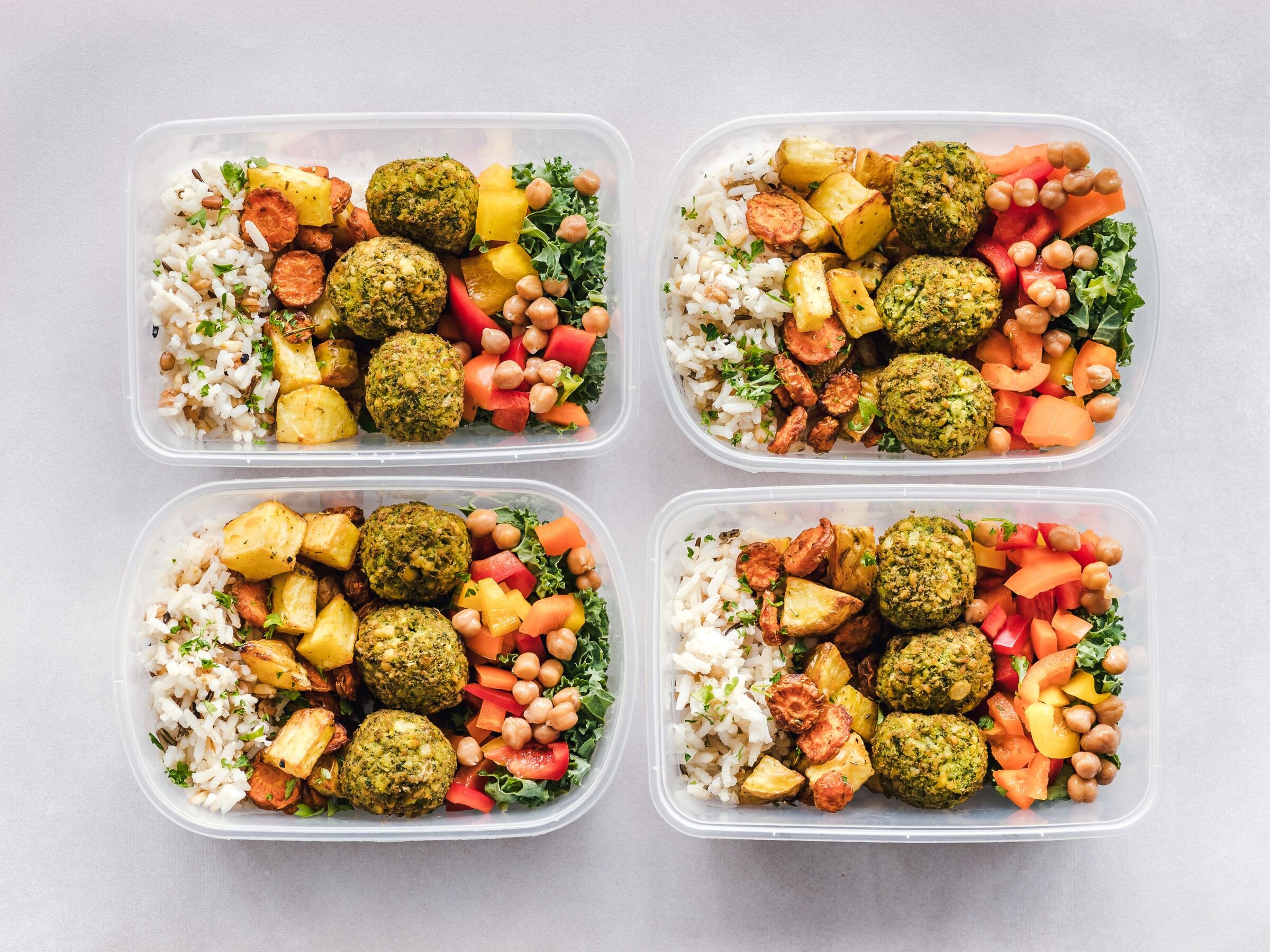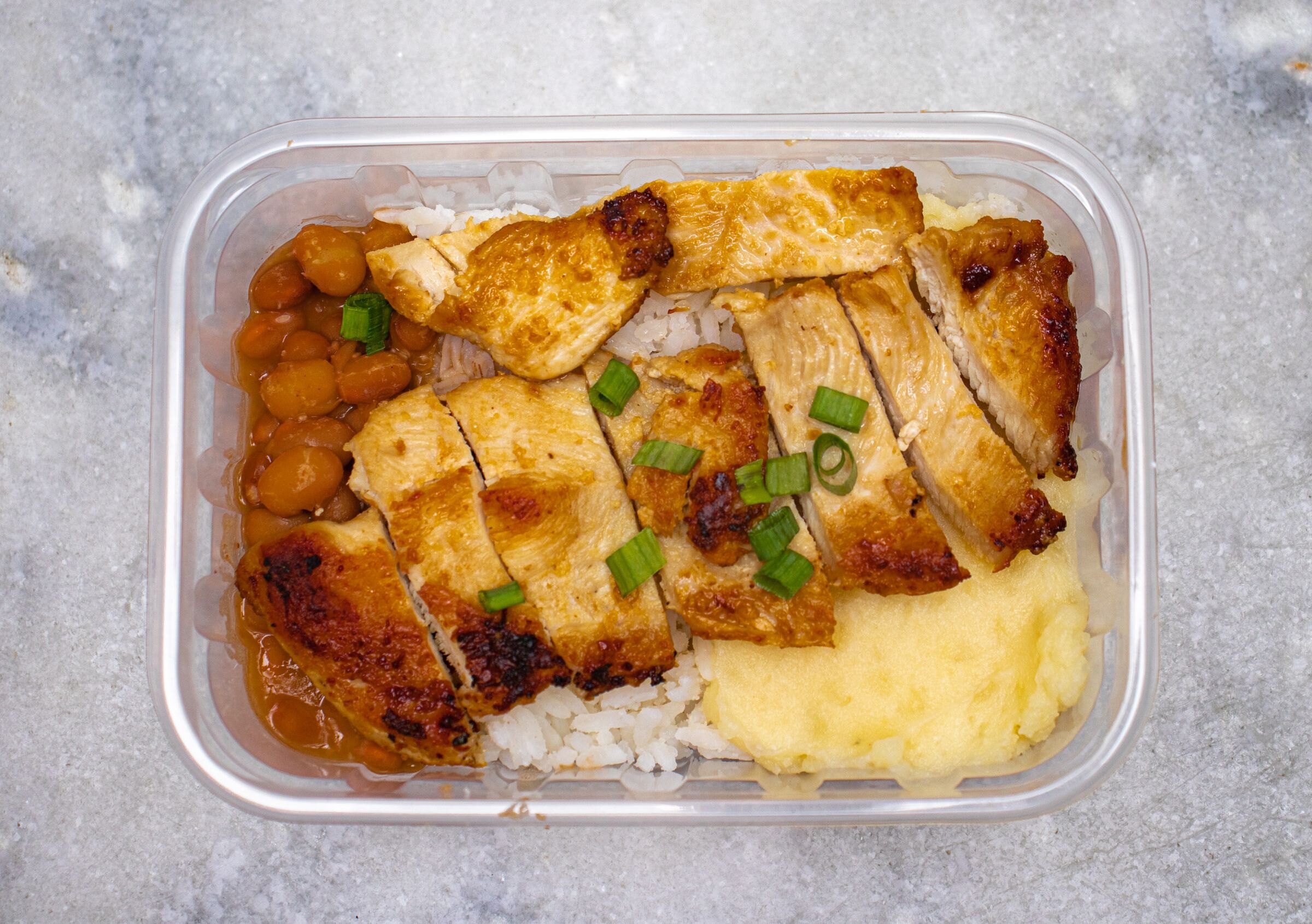
If you want to shed body fat without enduring chronic hunger, the solution is not starving yourself on tiny portions—it is making strategic, science-based healthy food swaps. Most conventional diets fail because they rely on sheer deprivation. Slashing meal sizes spikes your appetite, drains your physical energy, and ultimately triggers binge eating. By substituting calorie-dense, low-satiety foods with high-volume, nutrient-dense alternatives, you can easily cut 500 calories or more each day while actually eating a larger physical volume of food.
This volumetric approach allows you to maintain a steady calorie deficit without triggering hormonal resistance or constant cravings. Paired with structured meal prep habits, intelligent food substitutions protect your metabolic rate, supply essential micronutrients, and help you lose fat while keeping muscle. Below is the complete, evidence-based masterclass on the physiology of satiety, the most powerful healthy food swaps across every grocery aisle, and how to program them into your daily lifestyle.
The Physiological Science: Energy Density, Satiety, and Volumetrics
To understand why healthy food swaps work where restrictive crash diets fail, you must understand the biophysics of human hunger. Your stomach does not possess a calorie counter; it possesses stretch receptors (mechanoreceptors) embedded within the gastric mucosa. When you consume a meal that fills the physical space of your stomach, these receptors signal the vagus nerve to inform your hypothalamus that you are nourished. This neural pathway suppresses the hunger hormone ghrelin and stimulates the release of satiety peptides, including peptide YY (PYY) and cholecystokinin (CCK).
If you attempt to create a calorie deficit by simply eating half a cheeseburger or a tiny cup of pasta, the meal is so calorically dense that it fails to physically distend the stomach. Your gastric mechanoreceptors remain unstimulated, your brain interprets the situation as acute food scarcity, and intense hunger pangs derail your discipline.
Dietary energy density is defined as the number of calories per gram of food:
- Dietary Fat: 9 calories per gram
- Carbohydrates: 4 calories per gram
- Protein: 4 calories per gram
- Water: 0 calories per gram
- Dietary Fiber: 1.5 to 2 calories per gram
Foods rich in water and dietary fiber have very low energy density (often between 0.3 and 1.2 calories per gram), while ultra-processed snacks and oils possess extreme energy density (ranging from 4.0 to 9.0 calories per gram). By swapping high-density foods for low-density, high-volume alternatives, you trigger full gastric distension on far fewer calories.
The landmark clinical research conducted by Dr. Susanna Holt and colleagues at the University of Sydney established the Satiety Index of Common Foods.[1] In this controlled study, researchers fed participants 240-calorie portions of 38 common foods and tracked subjective fullness and subsequent energy intake. The findings demonstrated enormous disparities in satiety per calorie:
- Boiled potatoes scored an astonishing 323% on the satiety index, ranking highest among all foods tested.
- Croissants and refined pastries scored a dismal 47%, offering virtually zero fullness despite high caloric density.
- Whole fish, lean beef, oatmeal, apples, and oranges consistently outperformed refined carbohydrates, crackers, and confectioneries.
The clinical takeaway is decisive: fullness is not dictated by how many calories you ingest, but by the water volume, protein content, and fiber density of the food you consume.[1]
The 5 Master Categories of Healthy Food Swaps
Implementing healthy food swaps does not require redesigning your entire palate overnight. Instead, categorize your meals into five distinct structural zones where minor substitutions yield massive caloric savings.
1. Cooking Fats, Condiments, and Sauces
Condiments and cooking fats represent the single greatest source of unintentional calorie overconsumption. Because liquid fats blend invisibly into dishes, lifters often consume between 300 and 500 uncounted calories before taking their first bite of solid food.
- Free-Pour Cooking Oil to Controlled Cooking Spray: A single tablespoon of olive oil, coconut oil, or butter contains approximately 120 calories and 14 grams of pure fat. When coating a skillet by free-pouring from the bottle, most people inadvertently pour 2 to 3 tablespoons, adding 240 to 360 calories to a simple scramble or chicken stir-fry. Swapping to an avocado oil or olive oil spray mist delivers an even coating with only 10 to 15 calories. Net savings: 200–300 kcal per meal.
- Traditional Mayonnaise to 0% Non-Fat Plain Greek Yogurt or Mustard: Standard commercial mayonnaise is an emulsion of oil and egg yolks providing roughly 100 calories and 11 grams of fat per tablespoon. Replacing mayo on sandwiches, in tuna salads, or in marinades with non-fat Greek yogurt mixed with Dijon mustard, lemon juice, and black pepper delivers a thick, creamy mouthfeel for only 15 calories per tablespoon, while adding 3 grams of pure protein. Net savings: 85 kcal per tablespoon.
- Heavy Cream Dressings to Vinaigrettes or Salsa: Commercial ranch and Caesar dressings pack 140 to 160 calories per two-tablespoon serving, primarily from soybean oil. Swapping to fresh chunky salsa, balsamic vinegar blended with Dijon, or seasoned rice vinegar provides bold, tangy flavor for only 15 to 30 calories. Net savings: 120 kcal per salad.
2. Carbohydrates and Starches
Carbohydrates are essential for fueling high-intensity gym performance, supporting thyroid function, and preventing training fatigue. However, refined starches digest rapidly and provide poor gastric volume per calorie. Swapping to fibrous, volumetric carbohydrates keeps your glycogen stores full while slashing excess calories.
- Refined White Pasta to Boiled Baby Potatoes or Lentil Pasta: 200 grams of cooked white pasta yields roughly 310 calories and leaves most lifters hungry an hour later. Conversely, 200 grams of boiled baby potatoes contains only 170 calories and boasts the highest satiety index ever recorded in nutritional literature.[1] If you crave pasta texture, lentil or edamame pasta provides double the dietary fiber and triple the protein of wheat noodles. Net savings: 140 kcal per bowl.
- White Bread and Bagels to High-Fiber Sprouted Bread or Low-Carb Tortillas: A commercial bakery bagel contains between 280 and 350 calories with minimal fiber. Swapping to a high-fiber sprouted grain slice (80 kcal) or a high-fiber whole-wheat wrap (50–70 kcal with 11 g of dietary fiber) allows you to enjoy wraps and sandwiches while drastically blunting the post-meal glucose spike. Net savings: 150–220 kcal per serving.
- Potato Chips to Air-Popped Seasoned Popcorn: A 50-gram bag of fried potato chips contains 270 calories and 18 grams of oxidized oils. 50 grams of air-popped corn kernels creates a massive bowl measuring over 4 cups of volume for only 190 calories, while delivering 7 grams of hunger-blunting dietary fiber. Net savings: 80 kcal and triple the eating time.
- White Rice to 50/50 Jasmine Rice and Riced Cauliflower: If you love eating large plates of rice with your protein, blend equal parts cooked jasmine rice with steamed riced cauliflower. The cauliflower absorbs the juices, seasonings, and aromatics of the meat completely, halving the calorie density of your side dish while doubling the physical portion size. Net savings: 100 kcal per cup.
3. Dairy and Sweet Cravings
Dairy products are phenomenal sources of calcium and bioavailable protein, but full-fat variations contain substantial amounts of saturated dairy lipids. Strategic dairy swaps preserve creamy indulgence while boosting anabolic efficiency.
- Sour Cream to 0% Plain Greek Yogurt: In tacos, baked potato toppings, and creamy dips, Greek yogurt is virtually indistinguishable in taste and texture from traditional sour cream. While sour cream provides 60 calories and 6 grams of fat per two tablespoons, non-fat Greek yogurt provides 20 calories, 0 grams of fat, and 4 grams of protein. Net savings: 40 kcal per serving.
- Heavy Whipping Cream to Unsweetened Almond Milk or Evaporated Skim Milk: Adding two tablespoons of heavy cream to morning coffee adds 100 calories of pure fat. Swapping to unsweetened vanilla almond milk or light oat milk provides rich creaminess for only 5 to 10 calories. Net savings: 90 kcal per morning cup.
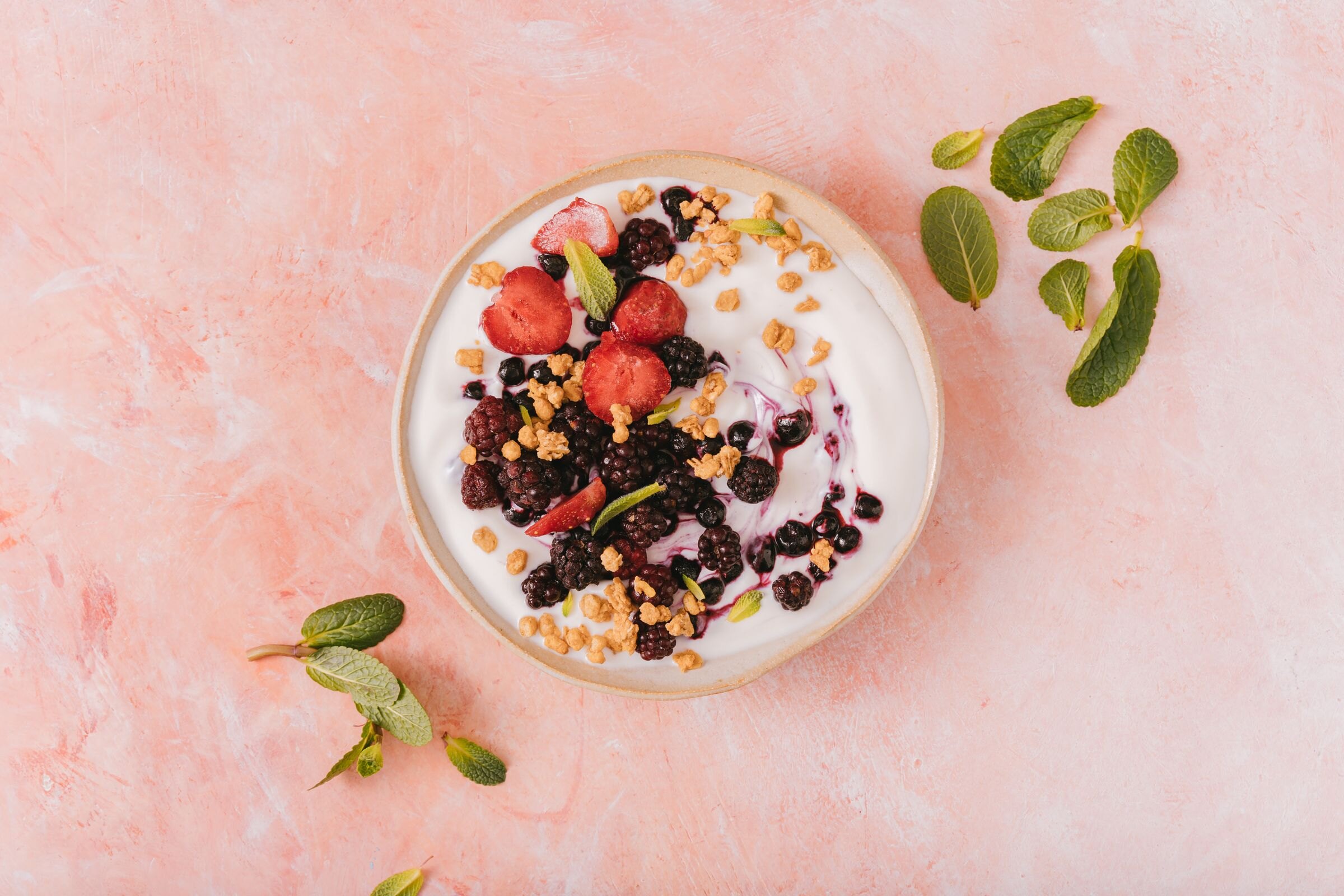
- Commercial Ice Cream to Blended Greek Yogurt Berry Bowls: A pint of premium ice cream packs upwards of 1,000 calories and 60 grams of fat. Blending 200 grams of frozen strawberries or blueberries with 150 grams of non-fat Greek yogurt and a scoop of whey isolate creates a thick, delicious soft-serve consistency for under 280 calories, providing 35 grams of muscle-building protein. Net savings: 500+ kcal.
4. Protein Sources and Meat Cuts
Protein is the cornerstone of body composition because it possesses the highest thermic effect of food (TEF)—your body burns 20% to 30% of protein calories just to digest and assimilate the amino acids. However, fatty cuts of meat harbor unnecessary calories that reduce the space available for satiating carbohydrates.
- 80/20 Ground Beef to 93/7 Extra-Lean Beef or Ground Turkey Breast: A 150-gram cooked portion of 80/20 ground chuck delivers 380 calories and 27 grams of fat. The same 150-gram serving of 93/7 extra-lean ground beef delivers only 225 calories and 9 grams of fat, while providing an extra 4 grams of protein. Net savings: 155 kcal per burger or bowl.
- Whole Eggs to 1 Whole Egg plus 3 Liquid Egg Whites: While whole egg yolks are rich in choline and fat-soluble vitamins, four whole eggs deliver 280 calories and 20 grams of fat. Transitioning to one whole egg combined with 100 grams of liquid egg whites delivers 150 calories, only 5 grams of fat, and an identical 22 grams of protein. You retain the flavor and richness of the yolk while eliminating 130 calories of dietary fat. Net savings: 130 kcal per breakfast.
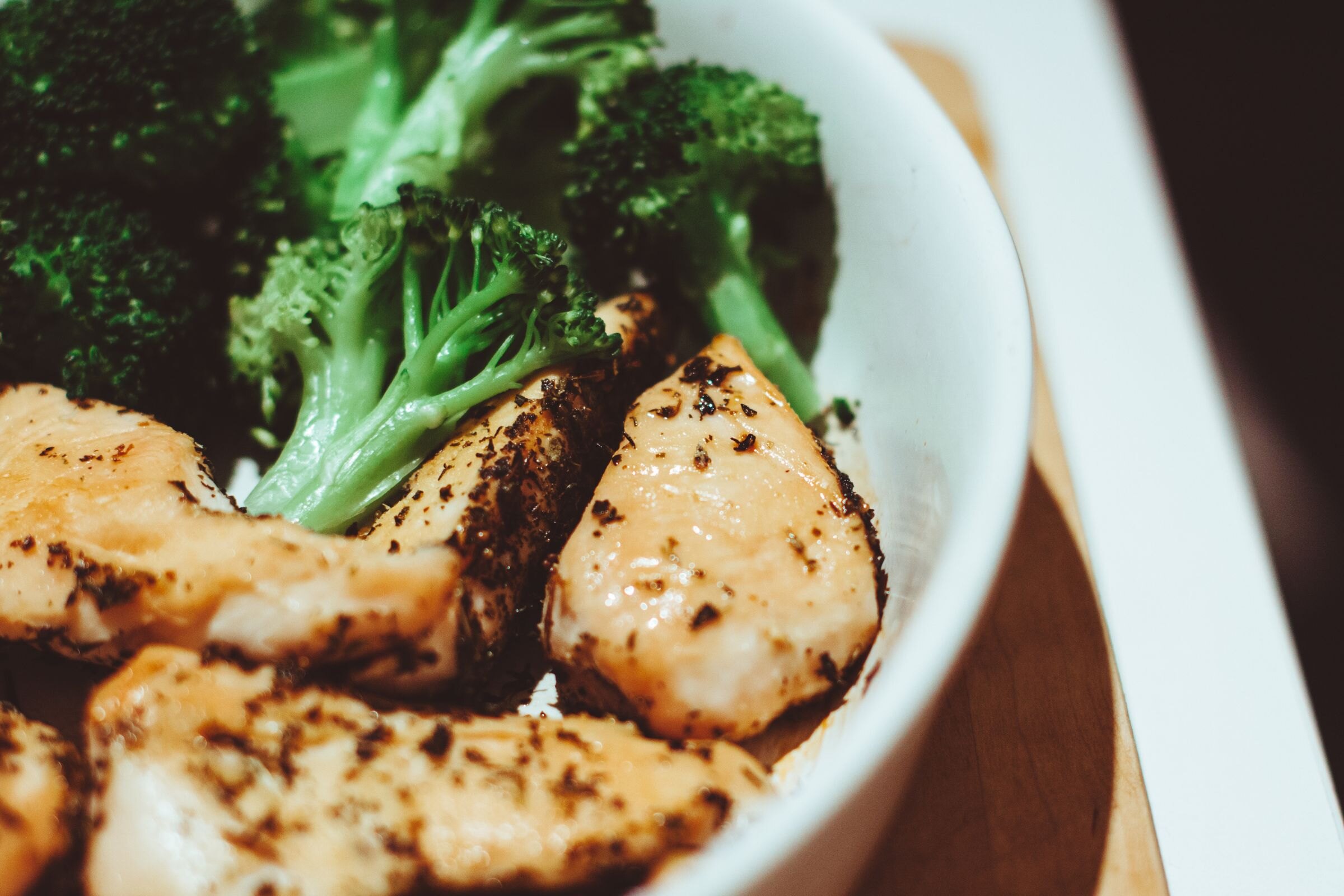
- Fried Chicken Thighs to Air-Fried Lemon Herb Chicken Breast: Skin-on chicken thighs cooked in oil pack roughly 240 calories per 100 grams. Skinless, boneless chicken breast seasoned with garlic, smoked paprika, and oregano and cooked in an air fryer yields only 120 calories and delivers 26 grams of pure protein. Net savings: 120 kcal per 100 g.
5. Beverages and Liquid Calories
Liquid calories represent the most insidious obstacle to fat loss because the human digestive tract does not register liquids as food. Research consistently proves that liquid carbohydrates bypass natural satiety regulation, failing to trigger the compensatory reduction in subsequent meal intake that solid food provokes.
- Regular Soda to Flavored Sparkling Water with Citrus: A 500-milliliter bottle of conventional cola delivers 210 calories of pure high-fructose corn syrup, spiking insulin and leaving you ravenous an hour later. Swapping to zero-calorie sparkling water infused with fresh lemon or lime slices, or an occasional zero-calorie diet beverage, delivers refreshing carbonation with zero caloric impact. Net savings: 210 kcal per can.
- Commercial Fruit Juices to Whole Fresh Oranges or Berries: A 350-milliliter glass of commercial orange juice contains 160 calories and 34 grams of free sugars, stripped of beneficial fibrous pulp. Eating two whole fresh oranges provides only 120 calories, takes five minutes to chew, delivers 6 grams of prebiotic fiber, and satisfies sweet cravings far more effectively. Net savings: 40 kcal and 300% greater fullness.
- Specialty Café Lattes to Americano with a Splash of Skim or Almond Milk: A large caramel coffee beverage prepared with whole milk and syrup frequently exceeds 400 calories—equivalent to a complete meal of grilled chicken, rice, and broccoli. Ordering an iced Americano or cold brew with a single splash of milk and unsweetened vanilla delivers a clean caffeine boost for only 25 calories. Net savings: 375 kcal per drink.
The Master Food Substitution Matrix
The table below compiles evidence-based food swaps across everyday pantry staples. Use this matrix to audit your grocery cart and identify immediate opportunities to create an effortless calorie deficit:
| Dietary Category | High-Calorie / Low-Volume Food | Smart High-Satiety Swap | Calories Saved (Per Serving) | Nutritional & Satiety Advantage |
|---|---|---|---|---|
| Cooking Fat | 2 tbsp Free-Poured Oil (240 kcal) | 1-sec Cooking Spray Mist (15 kcal) | 225 kcal | Eliminates dense liquid fat; zero impact on pan cooking efficiency |
| Condiment | 2 tbsp Commercial Mayo (190 kcal) | 2 tbsp 0% Greek Yogurt + Mustard (25 kcal) | 165 kcal | Adds 4 g bioavailable protein; cuts 18 g refined seed oils |
| Salad Dressing | 2 tbsp Creamy Ranch (150 kcal) | 2 tbsp Balsamic Vinegar + Dijon (30 kcal) | 120 kcal | Eliminates hidden vegetable oils; enhances vegetable flavors |
| Side Starch | 200 g Cooked White Pasta (310 kcal) | 200 g Boiled Baby Potatoes (170 kcal) | 140 kcal | Satiety index jumps from 119% to 323%; rich in potassium |
| Rice Base | 2 cups Jasmine Rice (420 kcal) | 1 cup Rice + 1 cup Riced Cauliflower (235 kcal) | 185 kcal | Doubles meal volume; adds 5 g dietary fiber |
| Bread | 1 Bakery Bagel (320 kcal) | 1 High-Fiber Sprouted Wrap (70 kcal) | 250 kcal | Blunts post-meal glycemic response; delivers 11 g prebiotic fiber |
| Salty Snack | 50 g Fried Potato Chips (270 kcal) | 50 g Air-Popped Popcorn (190 kcal) | 80 kcal | Quadruples physical eating volume; increases crunch satisfaction |
| Ground Meat | 150 g 80/20 Ground Beef (380 kcal) | 150 g 93/7 Lean Ground Beef (225 kcal) | 155 kcal | Eliminates 18 g saturated fat; preserves iron and zinc density |
| Breakfast Eggs | 3 Whole Large Eggs (215 kcal) | 1 Whole Egg + 150 g Egg Whites (125 kcal) | 90 kcal | Preserves egg yolk flavor; elevates pure albumin protein to 24 g |
| Dairy Dip | 3 tbsp Sour Cream (90 kcal) | 3 tbsp 0% Plain Greek Yogurt (30 kcal) | 60 kcal | Boosts leucine and glutamine; zero saturated dairy fat |
| Coffee Drink | 1 Large Flavored Latte (380 kcal) | Cold Brew + Almond Milk + Stevia (30 kcal) | 350 kcal | Eliminates 45 g refined sugar; delivers pure sustained caffeine |
| Sweet Beverage | 500 ml Regular Soda (210 kcal) | 500 ml Sparkling Water + Lemon (0 kcal) | 210 kcal | Eliminates high-fructose corn syrup; hydrates cellular tissue |
By incorporating just three to four of these substitutions into your daily routine, you effortlessly eliminate 500 to 750 calories from your energy balance without shrinking your plate or suffering through willpower-draining hunger.
Resistance Training: Protecting Muscle While Food-Swapping
Reducing caloric intake through smart food swaps creates the thermodynamic condition necessary for fat loss. However, without an adequate mechanical stimulus, your body will catabolize both adipose tissue and skeletal muscle to cover the energy deficit. To ensure that 100% of your weight loss comes from body fat, you must anchor your physical routine in compound resistance training.
Begin your workout with multi-joint lower-body movements that recruit large muscle groups and elevate metabolic output:


- Sets
- 3–4
- Reps
- 8–12
- Rest
- 90 s
- Tempo
- 3–1–1
The dumbbell goblet squat reinforces hip mobility, activates the quadriceps and glutes, and provides an intense metabolic stimulus without excessive spinal loading. As your strength progresses, transition to the barbell full squat to load the lower body with heavier mechanical tension.
Complement your lower-body training with foundational horizontal pressing for the chest, anterior deltoids, and triceps:


- Sets
- 3–4
- Reps
- 8–10
- Rest
- 90 s
- Tempo
- 3–1–1
The dumbbell bench press delivers a superior stretch through the pectoralis major and allows natural wrist rotation. Combine these lifts with the barbell bench press, the barbell deadlift, and the pull-up to ensure complete muscular stimulation across every training split.
Pair your nutritional food swaps with this proven four-day workout program designed to maximize muscle retention during a cut:
1-Day Transformation: Before vs. After Healthy Food Swaps
To demonstrate the real-world impact of these substitutions, compare a typical day of eating before and after implementing smart healthy food swaps. The physical volume of food in the "After" menu is actually larger, yet it delivers 680 fewer calories, 38 grams more protein, and 17 grams more fiber:
The Standard Day (Before Swaps)
- Breakfast: 3 whole eggs scrambled in 1 tbsp butter, 2 slices white toast with 1 tbsp regular butter, large latte with whole milk and caramel syrup. (820 kcal, 28 g protein, 68 g carbs, 48 g fat)
- Lunch: Turkey sandwich with 2 slices white bread, 100 g deli turkey, 2 tbsp regular mayonnaise, 1 slice cheddar cheese, 1 bag potato chips, 1 can regular soda. (890 kcal, 32 g protein, 86 g carbs, 46 g fat)
- Dinner: 200 g 80/20 ground beef cooked in 1 tbsp oil, 2 cups white rice, 2 tbsp creamy ranch over side salad. (940 kcal, 44 g protein, 96 g carbs, 42 g fat)
- Evening Snack: 1 cup commercial vanilla ice cream. (290 kcal, 4 g protein, 32 g carbs, 16 g fat)
- Daily Totals: 2,940 kcal | 108 g Protein | 282 g Carbs | 152 g Fat | 12 g Fiber
The Swapped Day (After Swaps)
- Breakfast: 1 whole egg plus 150 g liquid egg whites scrambled in avocado oil spray, 2 slices high-fiber sprouted toast with 50 g smashed avocado, iced cold brew with unsweetened almond milk. (390 kcal, 32 g protein, 36 g carbs, 12 g fat)
- Lunch: Massive turkey wrap using 1 low-carb high-fiber tortilla, 150 g sliced roasted turkey breast, 2 tbsp 0% Greek yogurt mixed with Dijon mustard, baby spinach, sliced tomatoes, 1 cup air-popped popcorn, flavored sparkling water. (380 kcal, 46 g protein, 34 g carbs, 6 g fat)
- Dinner: 180 g 93/7 extra-lean ground beef seasoned with Mexican spices, 1 cup jasmine rice mixed with 1 cup riced cauliflower, 3 tbsp fresh chunky salsa over large romaine salad with balsamic vinegar mist. (580 kcal, 48 g protein, 64 g carbs, 12 g fat)
- Evening Snack: High-protein frozen berry whip: 150 g 0% Greek yogurt blended with 100 g frozen blueberries and 20 g whey isolate. (230 kcal, 32 g protein, 22 g carbs, 2 g fat)
- Daily Totals: 1,580 kcal | 158 g Protein | 156 g Carbs | 32 g Fat | 34 g Fiber
The swapped menu eliminates 1,360 calories, boosts daily protein by 50 grams to optimize protein for muscle gain, and nearly triples dietary fiber. Even if you add an extra serving of carbohydrates or healthy fats to aim for a moderate 500-calorie deficit, the structural difference in fullness, energy, and muscle preservation is extraordinary.
Behavioral Implementation: The One-Swap-Per-Week Rule
A common mistake in nutrition is attempting to overhaul your entire pantry in a single afternoon. When you change every ingredient simultaneously, culinary shock and habit fatigue can cause you to abandon the plan.
To build sustainable dietary habits that last a lifetime, follow the One-Swap-Per-Week Protocol:
- Week 1 (Beverages and Oils): Focus solely on eliminating liquid sugars and replacing free-poured cooking oils with oil spray. Do not alter your solid meals yet. This single habit eliminates 300 to 400 empty calories with zero hunger.
- Week 2 (Condiments and Dairy): Swap mayonnaise and sour cream for 0% Greek yogurt, and switch heavy creams to unsweetened plant milks. Notice how your tacos, bowls, and coffees taste just as satisfying.
- Week 3 (Starches and Volumes): Introduce boiled potatoes, sprouted breads, and the 50/50 cauliflower rice blend to your main meals. Observe the dramatic increase in physical fullness.
- Week 4 (Proteins and Treats): Upgrade to 93%+ lean ground meats, utilize liquid egg whites, and replace commercial ice cream with protein Greek yogurt bowls.
By the end of one month, you will have automated a 500- to 700-calorie daily deficit without ever feeling like you are on a restrictive diet. If fat loss ever slows down, revisit our guide on how to break a weight loss plateau to fine-tune your caloric baseline.
Frequently Asked Questions
Frequently asked questions
Do healthy food swaps mean I can never eat regular pizza or burgers again?
No. Flexible dieting principles state that sustainability stems from the 80/20 rule: obtain 80% to 90% of your daily nutrition from nutrient-dense, high-volume whole foods and smart swaps, reserving 10% to 20% for your favorite traditional treats. Using food swaps throughout the week creates a caloric buffer that allows you to enjoy social dining guilt-free.
Won't eating high-volume vegetables and potatoes make me feel bloated?
If you rapidly increase your dietary fiber intake from 10 grams to 40 grams overnight, temporary gastrointestinal distress can occur. Increase your intake of legumes, potatoes, and cruciferous vegetables gradually over two to three weeks, and ensure you drink at least 2.5 to 3.5 liters of water daily to allow dietary fiber to move smoothly through your digestive tract.
Is 0% Greek yogurt really an effective substitute for sour cream and mayonnaise?
Yes. Non-fat Greek yogurt shares the lactic acid tang, thick viscosity, and creamy mouthfeel of sour cream and mayo. When seasoned with garlic powder, lemon juice, sea salt, or Dijon mustard, it serves as an identical culinary base while delivering high concentrations of micellar casein and whey protein instead of pure vegetable oils.
How quickly will I see fat loss results from making these food swaps?
A daily reduction of 500 calories through food swaps produces a theoretical deficit of 3,500 calories per week, which translates to roughly 0.45 to 0.5 kg (1 lb) of pure fat loss every week. Because high-fiber, low-sodium swaps also reduce cellular water retention, most lifters notice visible improvements in waist circumference within the first 10 to 14 days.
Sources
- Holt SH, Miller JC, Petocz P, Farmakalidis E. A satiety index of common foods. European Journal of Clinical Nutrition. 1995. pubmed.ncbi.nlm.nih.gov/7498104/ ↩