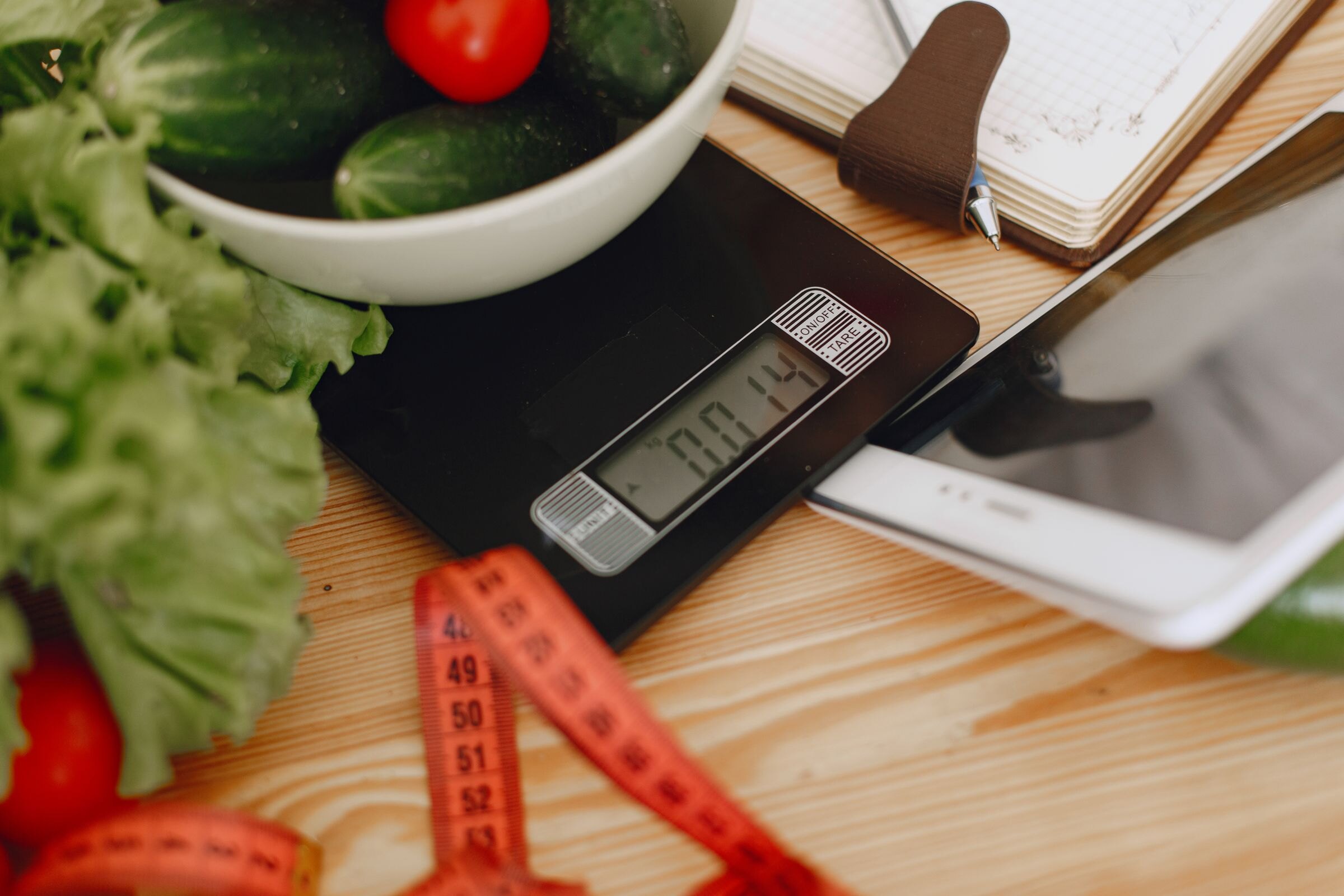
If you want to strip away stubborn body fat or build lean muscle, you do not need to weigh every ounce of chicken breast on a digital kitchen scale or log every bite into a tracking app for the rest of your life. While understanding energy balance is fundamental, learning how to control portion sizes without counting calories provides a sustainable, anxiety-free framework for lifelong body composition. Calorie tracking is a helpful diagnostic tool for beginners, but for long-term consistency, your internal habits and visual plate benchmarks must do the heavy lifting.
By anchoring your nutrition around physical hand-size estimates, strategic plate division, and neurobiological satiety cues, you can create a reliable calorie deficit or lean mass surplus without cognitive burnout. Paired with healthy food swaps and consistent meal prep habits, non-tracking portion control allows you to dine out, travel, and enjoy social meals while maintaining full control over your physique. Below is the definitive, research-grounded masterclass on mastering portion control without counting calories.
The Neurobiology of Portion Distortion: Why Modern Hunger Signals Fail
To control your intake without weighing food, you must first understand why unmeasured eating leads so easily to fat gain in modern environments. Human evolutionary biology developed under conditions of acute resource scarcity. Your brain's feeding circuitry—primarily governed by the arcuate nucleus of the hypothalamus and the mesolimbic dopamine reward pathway—is hardwired to prioritize energy-dense foods and consume available nourishment whenever opportunities arise.
In clinical exercise science, this phenomenon is documented as the "portion size effect." Landmark clinical trials led by Dr. Barbara Rolls demonstrated that when individuals are served larger portions of food, their voluntary energy intake increases significantly, regardless of hunger levels or body mass index.[1] Crucially, subjects in these controlled feeding studies do not report feeling uncomfortably full or overly stuffed after eating oversized portions; rather, the human visual system and gastric mechanoreceptors are easily overridden by plate volume and energy density.[1]
When you stop counting calories, you cannot rely purely on ambiguous intuitive eating unless you actively shape your food environment. You need objective visual references that scale to your biological size. That is where the universal hand-portion model enters.
The Hand-Portion System: How to Control Portion Sizes Without Counting Calories
The most reliable, field-tested method for controlling food intake without weighing food is the hand-portion system, pioneered in modern nutritional coaching. Your hand is uniquely suited for portion estimation because its size correlates closely with your overall skeletal structure, height, and lean body mass. A larger individual with greater caloric needs naturally has larger hands, while a smaller individual has smaller hands. Furthermore, your hands accompany you everywhere—from home kitchens and corporate cafeterias to restaurants and airport terminals.
Here are the four foundational benchmarks of the hand-portion measurement system:
1. Palm of Your Hand = High-Protein Foods
Your palm—measuring from the base of your wrist to the base of your fingers, and matching the thickness of your hand—represents one serving of dense protein.
- Equivalent: Approximately 20 to 30 grams of high-quality protein (equivalent to roughly 100 to 120 grams of cooked lean meat, poultry, or fish).
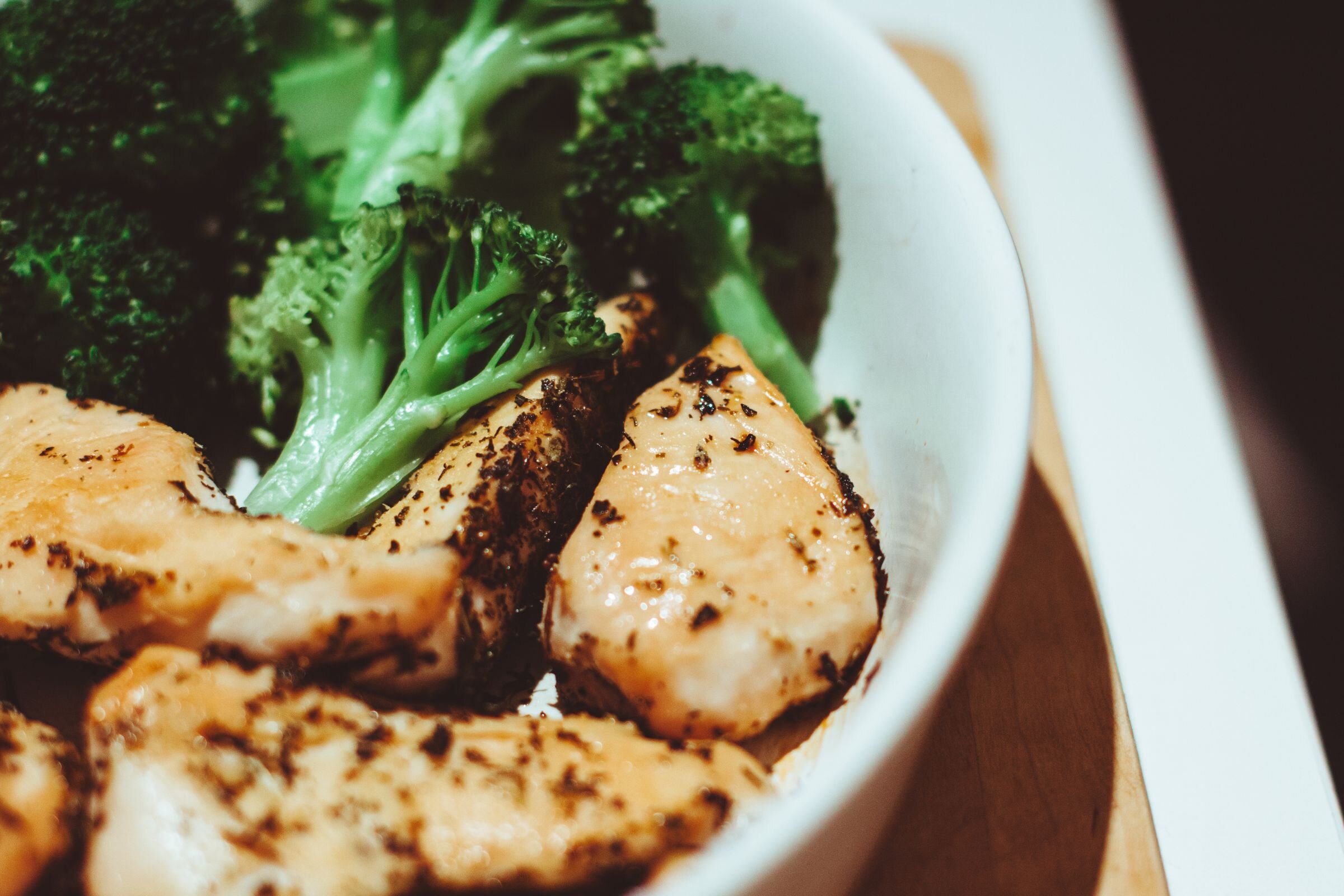
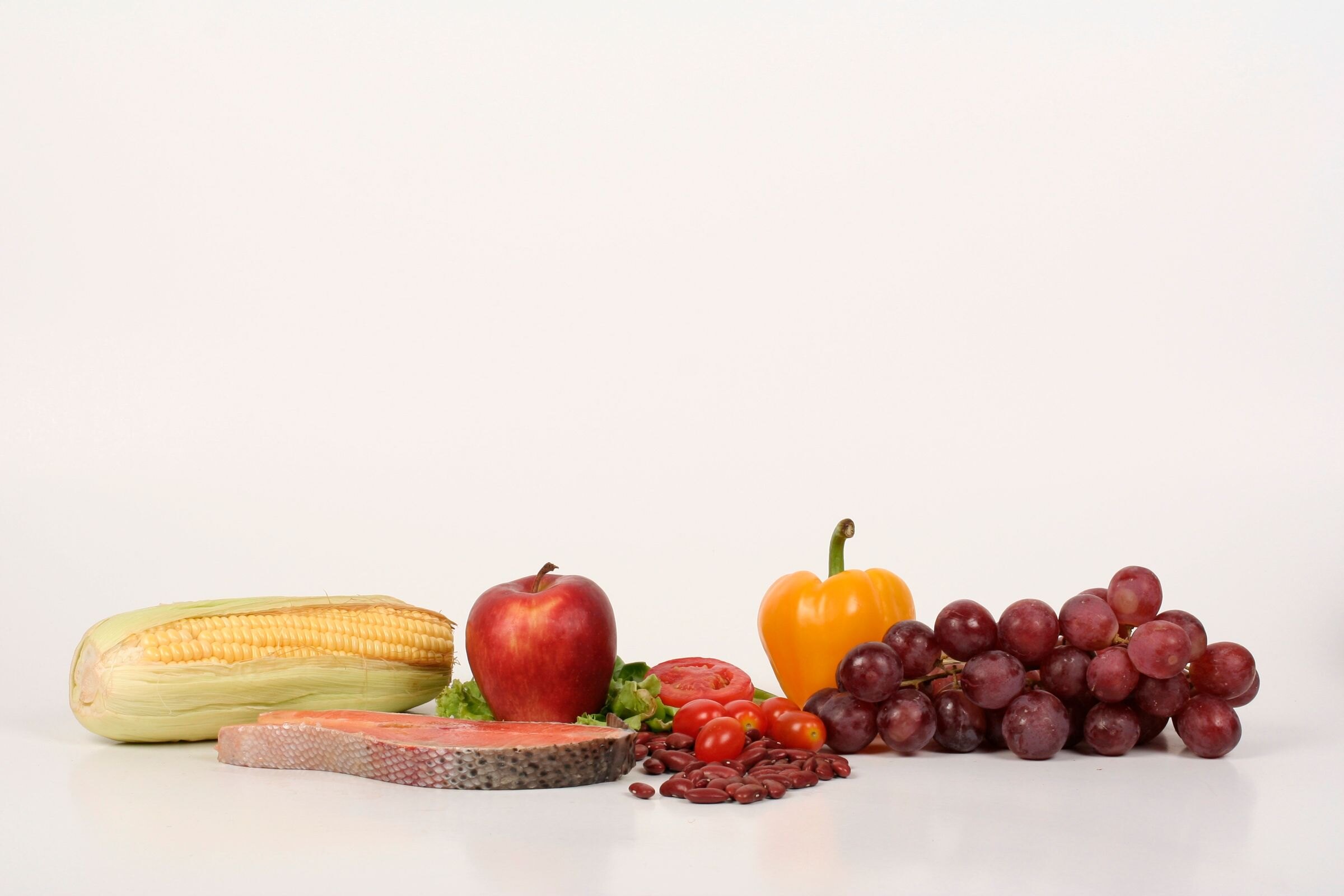
- Core food sources: Chicken breast, turkey breast, extra-lean beef, white fish, salmon, eggs (two whole eggs count as one palm), egg whites, tofu, tempeh, seitan, low-fat cottage cheese, and plain Greek yogurt.
- Why it matters: Hitting adequate protein requirements preserves muscle tissue, elevates diet-induced thermogenesis, and suppresses between-meal appetite.
2. Closed Fist = Non-Starchy Vegetables
Your clenched fist represents one serving of dense, fibrous, non-starchy vegetables.
- Equivalent: Roughly 1 cup of raw vegetables or about 120 to 150 grams of cooked greens.
- Core food sources: Broccoli, cauliflower, spinach, kale, zucchini, bell peppers, asparagus, green beans, cucumbers, tomatoes, and mushrooms.
- Why it matters: Fibrous vegetables provide essential micronutrients, prebiotic fiber, and immense physical volume with negligible caloric density (often only 25 to 40 calories per fist).
3. Cupped Hand = Carbohydrate-Dense Foods
Your hand cupped as if holding water represents one serving of carbohydrate-dense starches or whole fruits.
- Equivalent: Approximately 20 to 30 grams of net carbohydrates (equivalent to roughly 1/2 to 2/3 cup of cooked grains, or one medium potato).
- Core food sources: Steamed jasmine or basmati rice, quinoa, rolled oats, boiled sweet potatoes, russet potatoes, lentils, black beans, whole-grain pasta, berries, bananas, and apples.
- Why it matters: Starchy carbohydrates supply muscular glycogen to fuel heavy training sets, but their energy density requires tighter boundaries than fibrous greens.
4. Entire Thumb = Healthy Fats and Oils
The entire length of your thumb (from the tip to the first knuckle/joint) represents one serving of calorie-dense fats.
- Equivalent: Approximately 7 to 12 grams of dietary fat (roughly 1 tablespoon of liquid oil or nut butter, or about 15 grams of raw nuts/seeds).
- Core food sources: Extra-virgin olive oil, avocado oil, whole avocados (1/4 of a medium avocado equals one thumb), raw almonds, walnuts, chia seeds, flaxseeds, and natural peanut or almond butter.
- Why it matters: Dietary fats are vital for hormone production and fat-soluble vitamin absorption (A, D, E, K), but at 9 calories per gram, unmeasured fats are the most common cause of fat-loss stalls.
Baseline Hand-Portion Protocols: Fat Loss, Maintenance, and Muscle Gain
Individual caloric requirements vary based on biological sex, body weight, non-exercise activity thermogenesis (NEAT), and training volume. However, establishing an objective starting baseline is essential.
The tables below provide standardized daily starting frameworks for men and women across three primary athletic goals: fat loss (caloric deficit), body weight maintenance, and lean mass building.
Daily Hand Portions for Men
| Goal | Daily Meals | Protein (Palms) | Vegetables (Fists) | Carbohydrates (Cupped Hands) | Healthy Fats (Thumbs) | Estimated Daily Energy Range |
|---|---|---|---|---|---|---|
| Fat Loss | 3 to 4 meals | 6 to 8 palms | 6 to 8 fists | 4 to 6 cupped hands | 4 to 6 thumbs | ~1,800 – 2,200 kcal |
| Maintenance | 3 to 4 meals | 6 to 8 palms | 6 to 8 fists | 6 to 8 cupped hands | 6 to 8 thumbs | ~2,300 – 2,600 kcal |
| Muscle Gain | 3 to 4 meals + snack | 7 to 9 palms | 6 to 8 fists | 8 to 11 cupped hands | 8 to 10 thumbs | ~2,700 – 3,200 kcal |
Per-Meal Blueprint for Men (assuming 3 to 4 meals per day):
- Fat Loss: 2 palms of protein, 2 fists of vegetables, 1 cupped hand of carbohydrates, 1 thumb of healthy fats.
- Maintenance: 2 palms of protein, 2 fists of vegetables, 2 cupped hands of carbohydrates, 2 thumbs of healthy fats.
- Muscle Gain: 2 palms of protein, 2 fists of vegetables, 2 to 3 cupped hands of carbohydrates, 2 thumbs of healthy fats.
Daily Hand Portions for Women
| Goal | Daily Meals | Protein (Palms) | Vegetables (Fists) | Carbohydrates (Cupped Hands) | Healthy Fats (Thumbs) | Estimated Daily Energy Range |
|---|---|---|---|---|---|---|
| Fat Loss | 3 to 4 meals | 4 to 6 palms | 4 to 6 fists | 2 to 4 cupped hands | 3 to 5 thumbs | ~1,300 – 1,600 kcal |
| Maintenance | 3 to 4 meals | 4 to 6 palms | 4 to 6 fists | 4 to 6 cupped hands | 4 to 6 thumbs | ~1,700 – 2,000 kcal |
| Muscle Gain | 3 to 4 meals + snack | 5 to 7 palms | 4 to 6 fists | 6 to 8 cupped hands | 6 to 8 thumbs | ~2,100 – 2,500 kcal |
Per-Meal Blueprint for Women (assuming 3 to 4 meals per day):
- Fat Loss: 1 to 1.5 palms of protein, 1 to 2 fists of vegetables, 0.5 to 1 cupped hand of carbohydrates, 1 thumb of healthy fats.
- Maintenance: 1.5 palms of protein, 1 to 2 fists of vegetables, 1 to 1.5 cupped hands of carbohydrates, 1 to 1.5 thumbs of healthy fats.
- Muscle Gain: 1.5 to 2 palms of protein, 1 to 2 fists of vegetables, 2 cupped hands of carbohydrates, 2 thumbs of healthy fats.
Macro calculator
- Protein
- g
- Fat
- g
- Carbohydrates
- g
Protein 1.6–2.2 g per kg of body weight, fat about 25% of calories, carbohydrates fill the rest.
The Visual Plate Architecture: Dividing Your Plate in Three Seconds
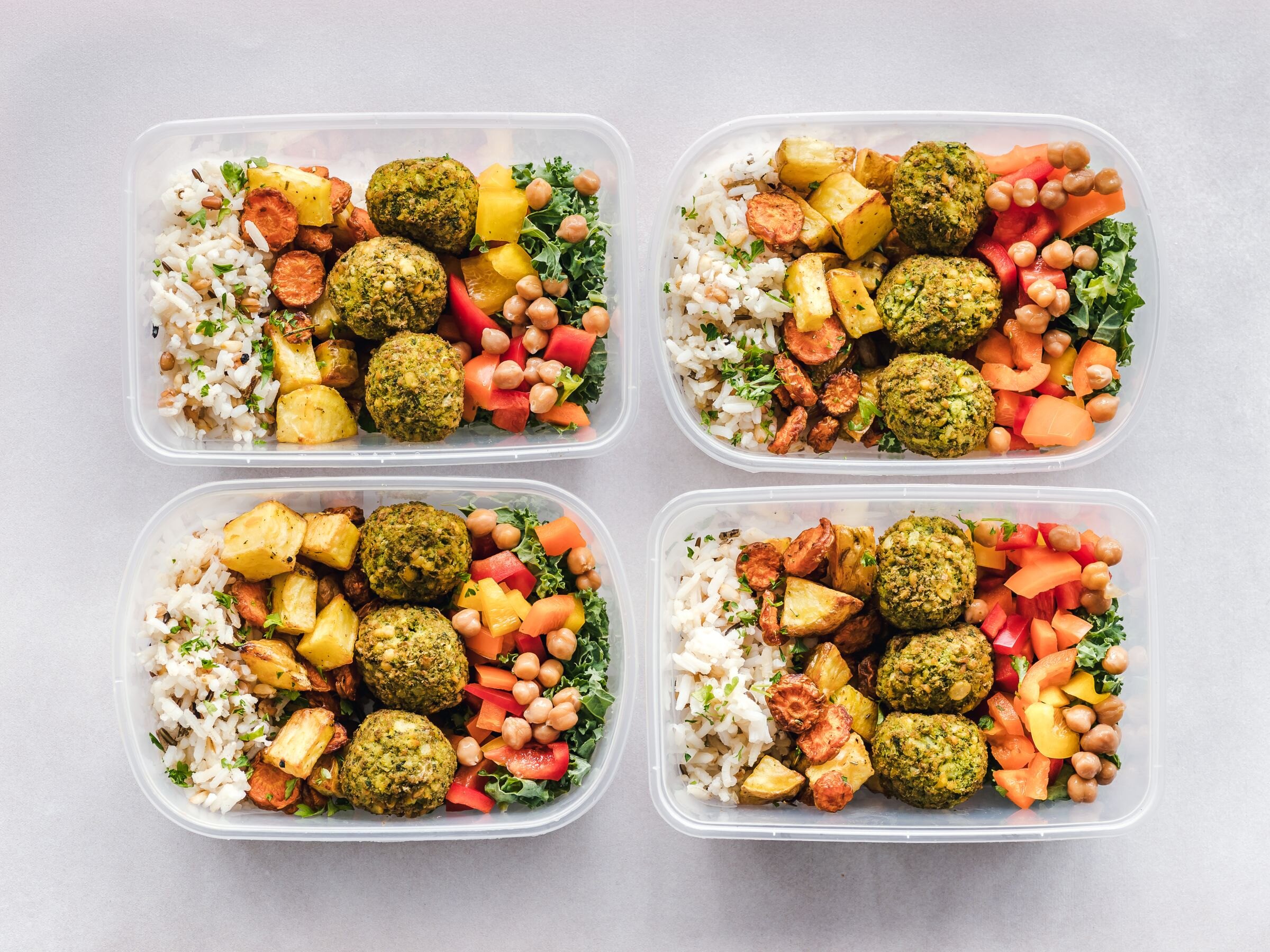
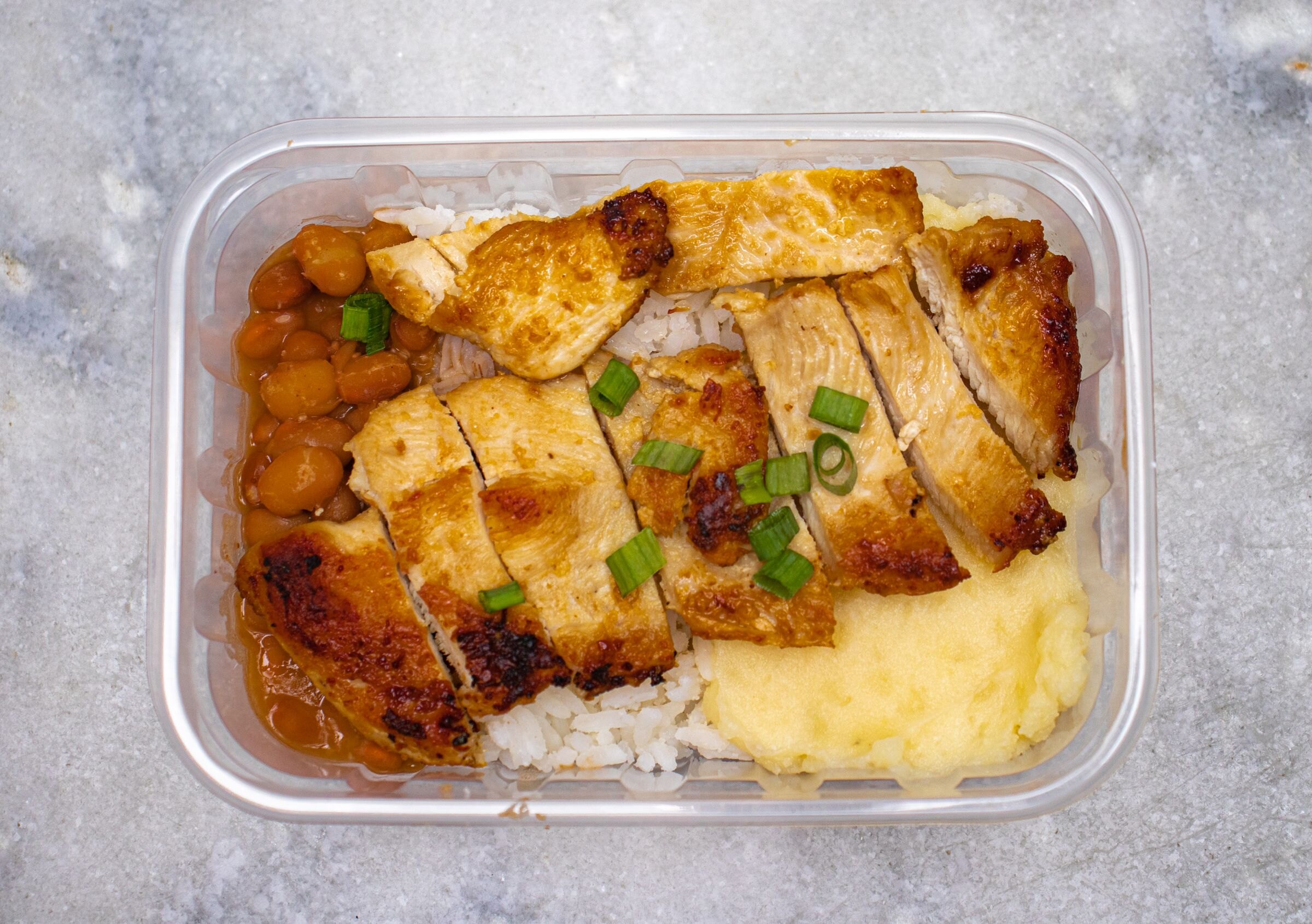
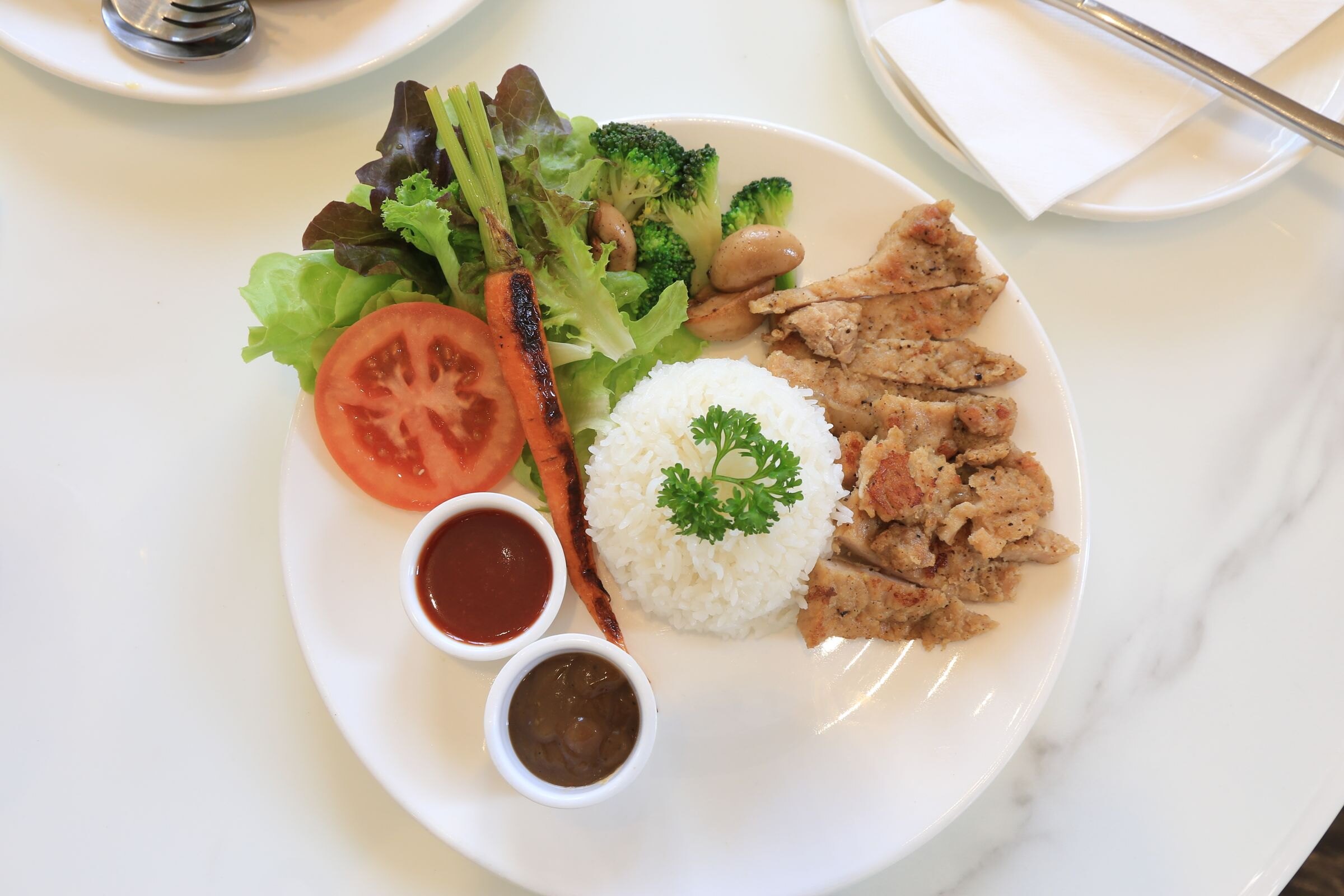
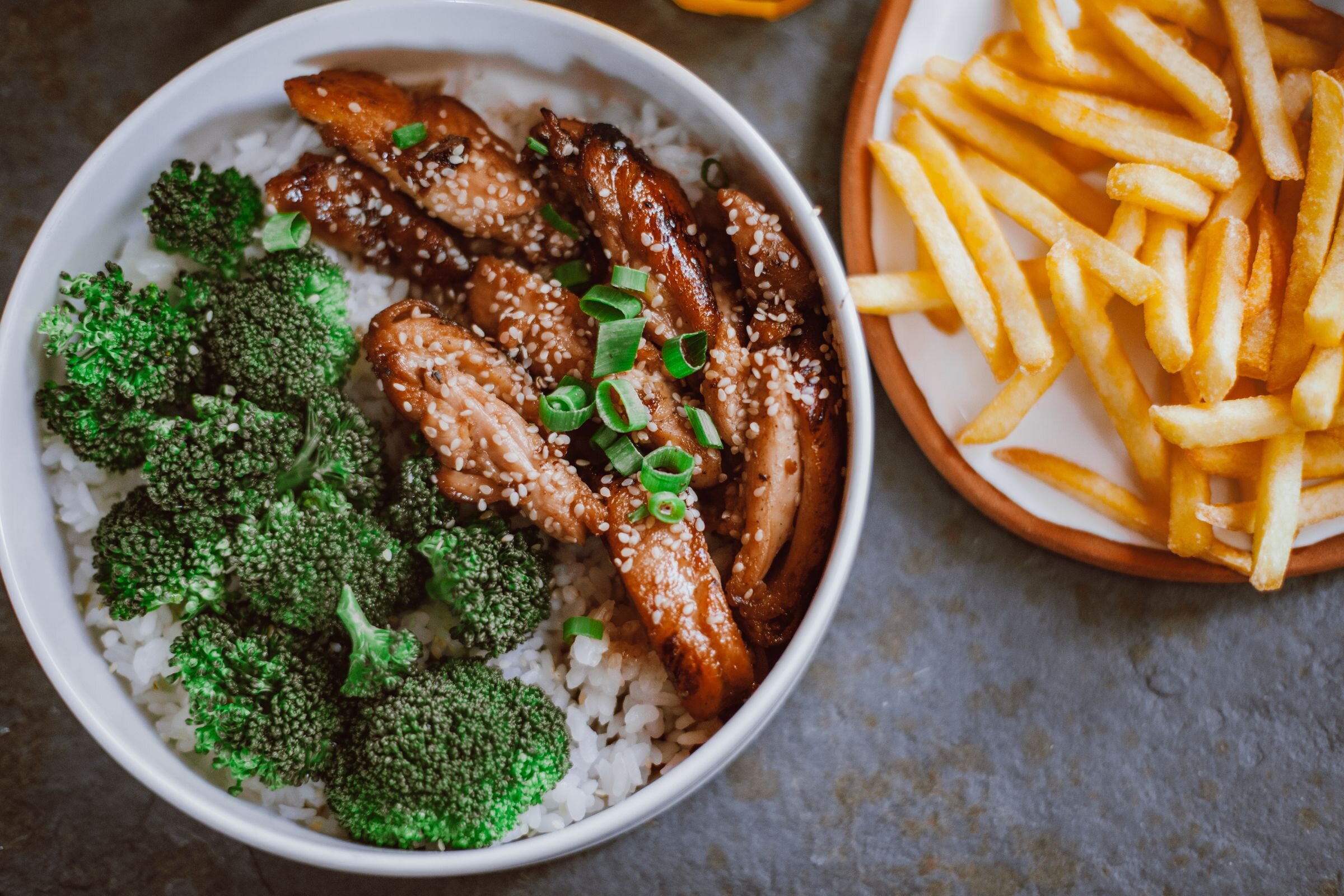
While hand portions help when packing containers or assembling bowls, sitting down to a standard dinner plate requires a rapid visual scan. Using visual geometry on a standard 9-inch (23 cm) dinner plate creates an instant, foolproof boundary.
| Plate Section | Target Volume | Primary Nutrient | Recommended Food Examples |
|---|---|---|---|
| Half the Plate (50%) | 2 fists | Fiber & Micronutrients | Broccoli, asparagus, spinach, bell peppers, tomatoes |
| Quarter of Plate (25%) | 1 to 2 palms | Complete Lean Protein | Chicken breast, white fish, extra-lean beef, eggs, tofu |
| Quarter of Plate (25%) | 1 to 2 cupped hands | Complex Carbohydrates | Brown rice, boiled sweet potatoes, quinoa, oats |
| Accent on Side / Top | 1 thumb | Essential Fatty Acids | Extra-virgin olive oil, avocado slices, raw almonds |
Zone 1: The Non-Negotiable Half (50% Volume)
Fill one complete half of your plate with fibrous, non-starchy vegetables or crisp salad greens before adding any other component. This creates immediate volume, forcing you to slow your eating speed and providing the dietary bulk necessary to trigger stretch receptors in your stomach.
Zone 2: The Muscle Anchor Quarter (25% Volume)
Fill one quarter of the plate with dense, high-protein sources. Ensure the protein portion is approximately the depth and width of your palm. If your source contains natural fats (such as salmon or whole eggs), factor that into your fat allocation for the meal.
Zone 3: The Energy Engine Quarter (25% Volume)
Fill the final quarter of the plate with unrefined complex carbohydrates—such as boiled potatoes, brown rice, or roasted sweet potatoes. During active fat loss phases, you can scale this section down slightly to make room for extra greens; during heavy muscle-building blocks, you can dome this quarter slightly higher.
Zone 4: The Strategic Fat Accent
Fats should not cover plate surface area as a separate bulk item. Instead, treat fats as an intentional enhancement: a drizzle of olive oil, a sprinkle of pumpkin seeds, or a slice of avocado resting on your greens.
Behavioral Satiety Protocols: Slowing the Gut-Brain Feedback Loop
Portion sizes on your plate are only half the equation; how quickly those portions enter your digestive system dictates whether your brain registers satiety before you reach for second helpings. The hormonal cascade that signals fullness—involving CCK, GLP-1, and leptin—requires approximately 15 to 20 minutes from the first bite to reach full hypothalamic expression.
To optimize this neuroendocrine loop, integrate the following habits into every unmeasured meal:
- The 20-Minute Meal Duration: If you finish a full plate in under eight minutes, your gastric mechanoreceptors have had no time to communicate with your central nervous system. Chew thoroughly, put your fork down between bites, and pace your meal.
- The "Liquid Calorie Quarantine": Zero liquid calories should accompany unmeasured meals. Fruit juices, sodas, alcohol, and sugary coffee drinks bypass mastication entirely and trigger almost zero fullness per calorie. Stick to still water, mineral water, or unsweetened tea.
- The Hunger Rating Scale (Eat at 3, Stop at 7): On a 1-to-10 scale where 1 represents dizzying starvation and 10 represents nauseating overfullness, begin eating when you reach a level 3 ("gentle, distinct hunger") and stop eating when you reach level 7 ("satisfied, energized, comfortable"). Never eat to an 8 or 9 ("bloated and lethargic"). Check our detailed mindful eating guide for advanced appetite regulation exercises.
- The 10-Minute Pause Before Seconds: If you finish your plate and experience an urge for a second helping, impose a mandatory 10-minute waiting period away from the kitchen. Drink a glass of water. In over 80% of cases, the delayed hormonal satiety signals catch up, and the craving dissipates completely.
How to Handle Dining Out, Social Events, and Buffets
The true test of non-tracking portion control occurs outside your kitchen. Commercial restaurants systematically inflate portion sizes to justify menu pricing, often serving two to three times the energy requirements of a single meal.
Use these tactical guidelines when dining out:
- Order Protein and Greens First: Scan the menu for grilled, roasted, or broiled protein. Ask for double steamed vegetables or a side salad with vinegar and olive oil on the side instead of fries.
- The "Box Half Early" Rule: When your entree arrives, immediately request a to-go container. Section off one-third to one-half of the meal and place it into the container before taking your first bite. Out of sight, out of mind.
- Beware of Restaurant Oil Glazes: Commercial kitchens routinely saute vegetables in 2 to 3 tablespoons of butter or oil. Politely ask for your proteins and vegetables to be prepared "dry" or with light oil.
- The One-Plate Buffet Rule: At weddings or gatherings with open buffets, never graze standing up. Take a single standard dinner plate, construct your visual 50/25/25 balance, sit down, and eat mindfully. Do not return for second rounds.
Calibrating Your Portions: What to Do When Body Composition Stalls
Non-tracking portion control is not a guessing game; it is an objective system validated by real-world biological feedback. If you are not seeing expected body composition changes after two to three consistent weeks, adjust your hand-portion allocations systematically:
| Plateau Condition | Primary Goal | Recommended Action | Nutrient Target |
|---|---|---|---|
| Weight loss stalled for 2–3 weeks | Fat Loss | Reduce 1 cupped hand of carbs or 1 thumb of fats per day | Creates a ~150–200 kcal reduction without affecting protein |
| Hungry between meals / low energy | Fat Loss | Add 1 fist of vegetables to two meals; ensure protein is full palm size | Increases gastric volume and peptide YY release |
| Scale weight & lifts stagnant | Lean Bulk | Add 1 to 2 cupped hands of carbs plus 1 thumb of fats per day | Supplies extra glycogen and training energy (+250 kcal) |
| Gaining excess body fat | Muscle Gain | Remove 1 cupped hand of carbs on rest days | Tightens surplus toward lean tissue accretion |
By adjusting only carbohydrates and fats while keeping lean protein and fibrous vegetables steady, you maintain maximal satiety and muscle preservation while nudging energy intake in your desired direction.
Strength Training: The Essential Driver of Portion Success
Portion control manages energy intake, but resistance training dictates nutrient partitioning—determining whether the calories you consume are stored in adipose tissue or channeled into muscle tissue repair. Without progressive tension on skeletal muscle, a calorie deficit results in the loss of both fat and metabolically active muscle mass.
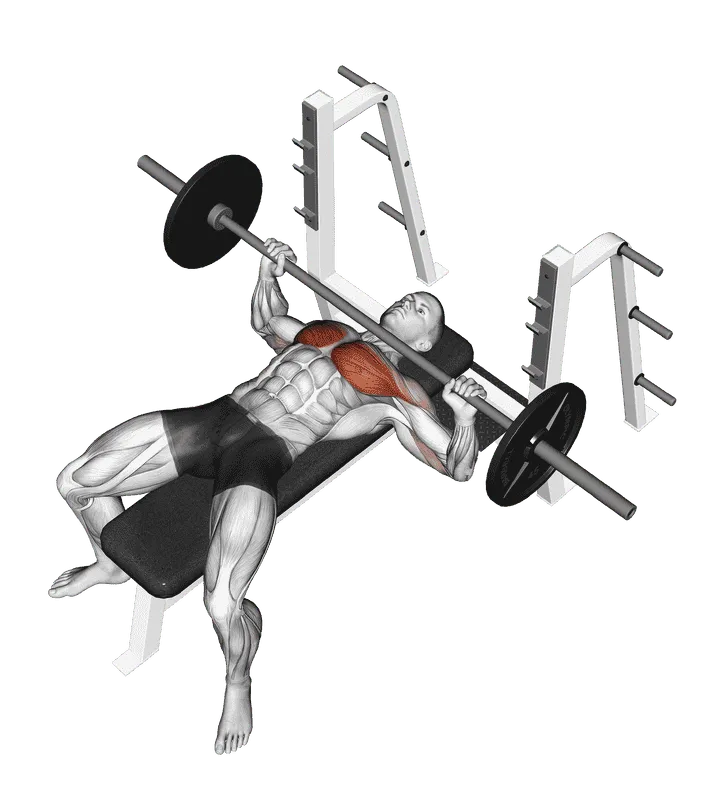
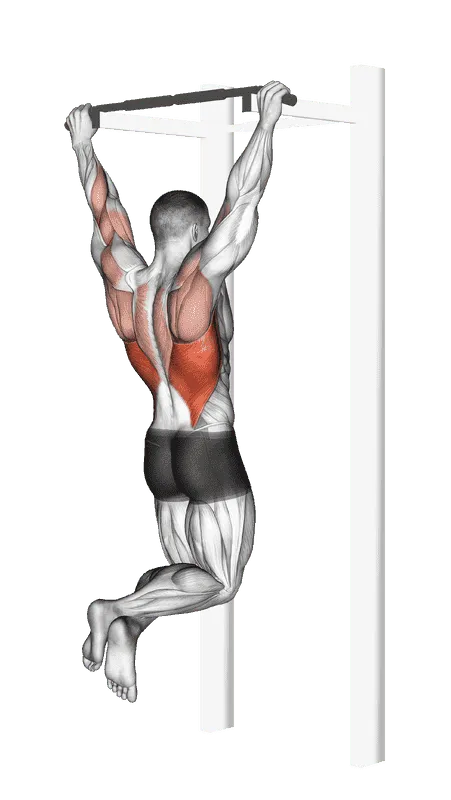
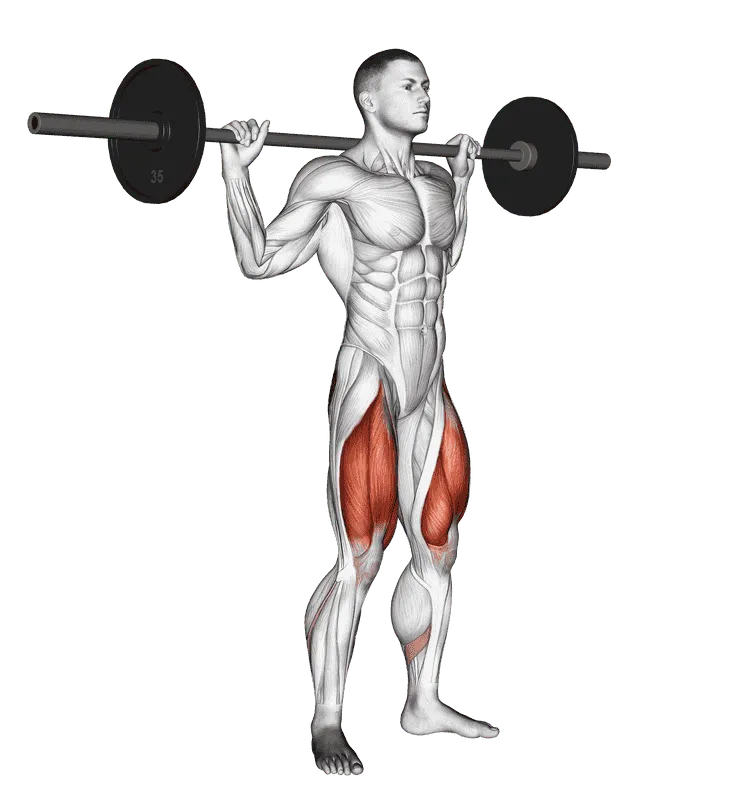
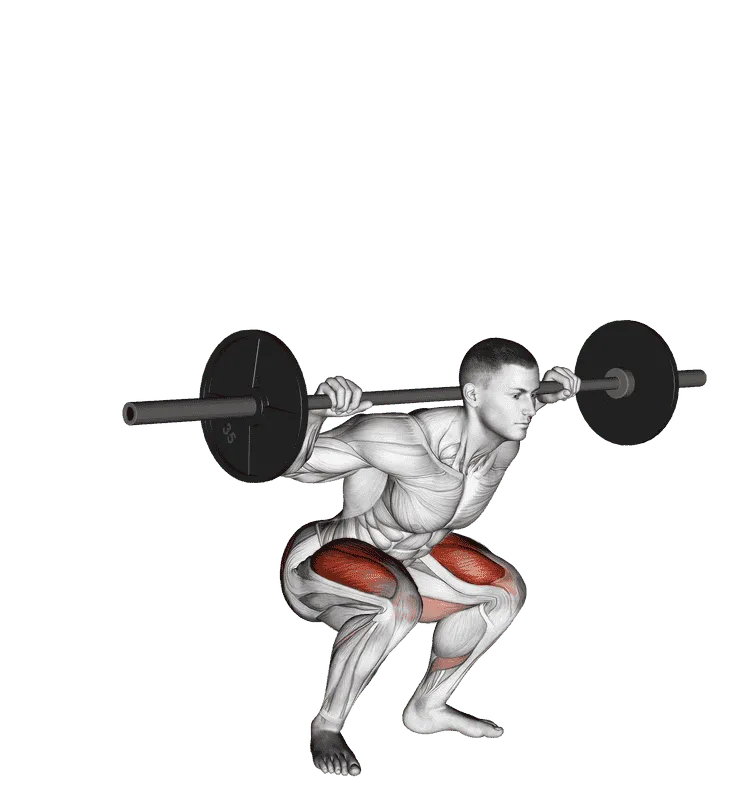
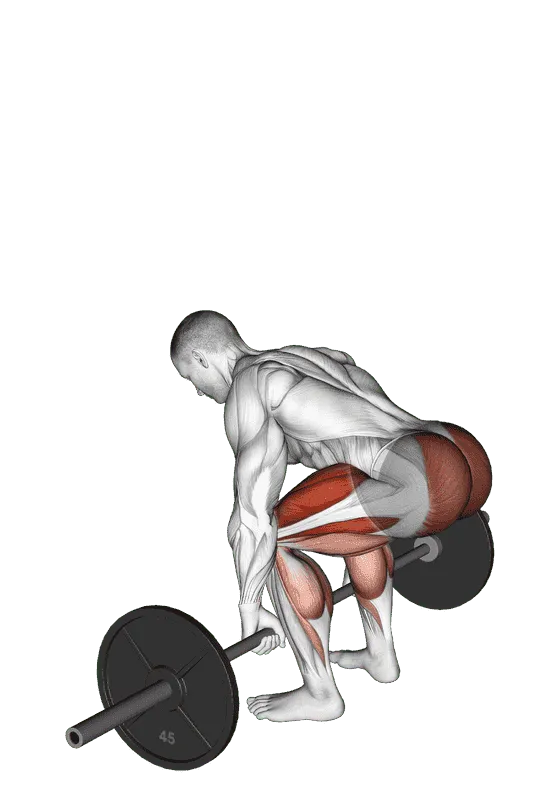
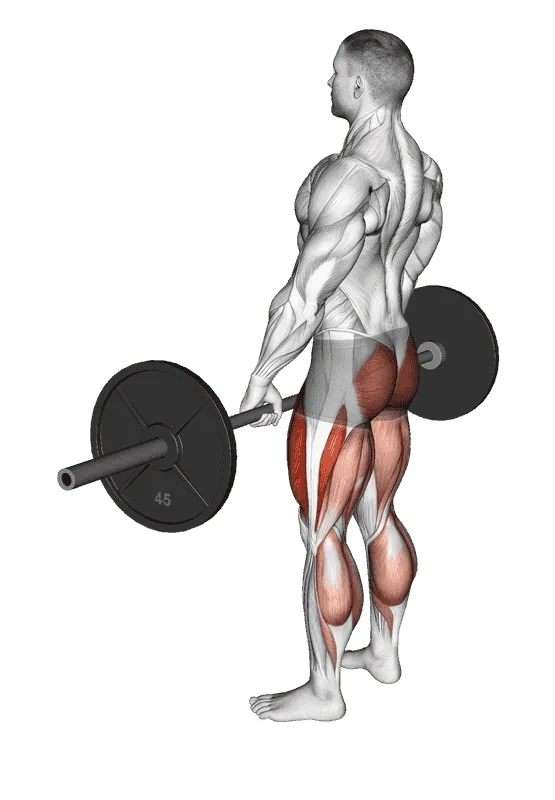
Prioritize heavy, multi-joint compound exercises that demand high systemic energy and stimulate maximum motor unit recruitment, such as the barbell full squat, barbell deadlift, barbell bench press, and pull-up.
- Sets
- 3–4
- Reps
- 6–10
- Rest
- 120 s
- Tempo
- 3–1–1
- Sets
- 3
- Reps
- 5–8
- Rest
- 150 s
To structure your training alongside your portion-controlled nutrition, follow a dedicated, progressive workout program:
Frequently Asked Questions
Frequently asked questions
Can I really lose fat without ever weighing my food on a scale?
Yes. Fat loss requires a sustained calorie deficit, not a digital scale. By using hand-portion benchmarks (palms, fists, cupped hands, and thumbs) and structuring plates with 50% non-starchy vegetables and 25% lean protein, you reliably create a 300 to 500 calorie deficit while staying full and satisfied.
What should I do if my hand sizes seem abnormally large or small?
Hand size scales proportionately with your overall bone structure and stature, making it naturally tailored to your frame. However, treat the initial hand recommendations as a starting baseline. Track your body weight and waist circumference over 2 to 3 weeks; if your weight does not change, simply adjust by adding or subtracting one cupped hand of carbs or one thumb of fat daily.
How do I handle mixed dishes like casseroles, stews, or curries?
For mixed dishes, deconstruct the meal visually in the bowl or pan. Aim for approximately two-thirds of the mixed dish to consist of lean protein chunks (beef, chicken, lentils) and vegetables, and one-third starches (rice, noodles, potatoes). Avoid creamy gravies with heavy butter or cream bases, and pair the dish with a separate side salad to guarantee adequate vegetable volume.
Do I need to count calories for a few weeks before switching to hand portions?
While not strictly required, tracking calories for 7 to 14 days can be an educational diagnostic tool to build visual calibration and identify hidden calories in cooking oils, condiments, and liquid drinks. Once you have an accurate mental picture of what 100 grams of protein or 10 grams of oil look like, transitioning to the hand-portion method is effortless.
Sources
- Rolls BJ. What is the role of portion control in weight management? International Journal of Obesity. 2014. doi.org/10.1038/ijo.2014.82 ↩