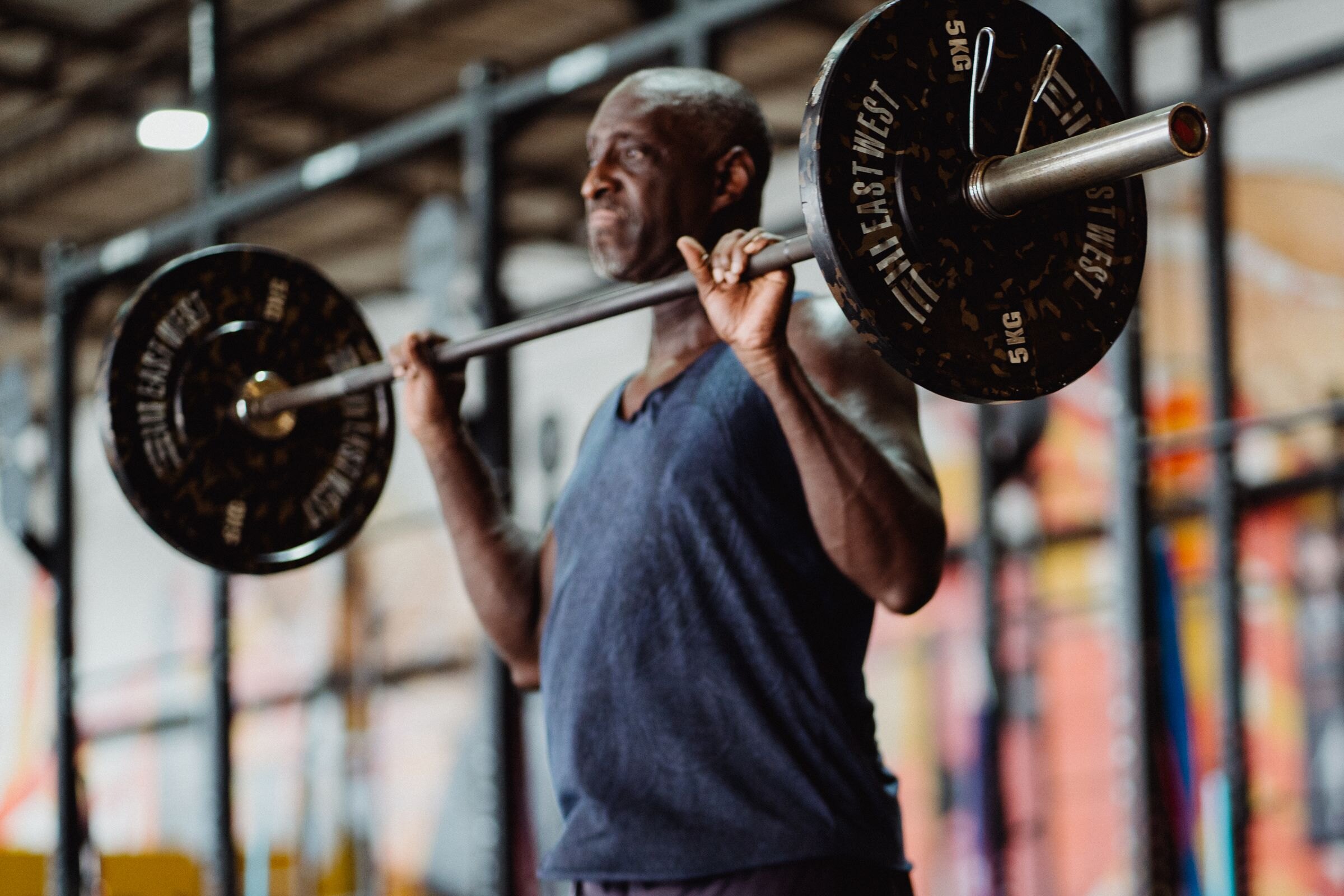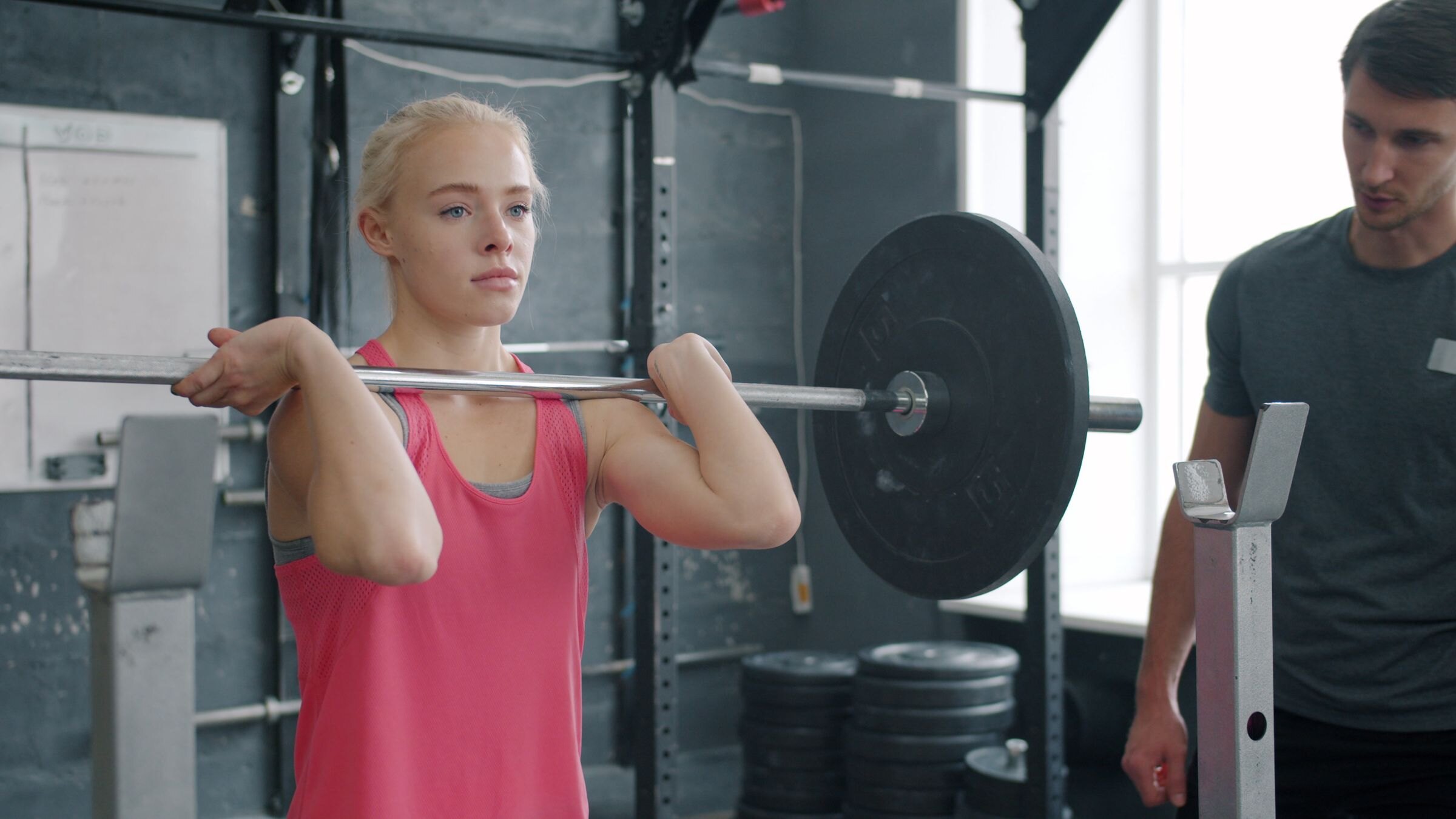
Menstrual cycle training is the science-based practice of aligning your resistance training, recovery protocols, and nutritional strategies with the natural fluctuations of female sex hormones across the menstrual month. Rather than blindly copying male-dominated lifting routines or falling victim to social media trends that demand you abandon lifting weights for half of every cycle, understanding your unique hormonal biology allows you to maximize strength adaptations, accelerate recovery, and eliminate unnecessary training frustration.
For years, commercial fitness influencers have promoted extreme versions of "cycle syncing," claiming women should only perform restorative yoga or light walking during the entire second half of their cycle. Modern exercise endocrinology tells a far more nuanced, empowering story. While circulating concentrations of estrogen and progesterone do alter fuel metabolism, thermoregulation, and neuromuscular recovery, female athletes remain capable of expressing high levels of muscular force across all cycle phases. By structuring your training around physiological realities rather than internet myths, you can maintain continuous progressive overload while respecting your body's recovery capacity.
Whether you are following our comprehensive women's hypertrophy guide or working toward targeted glute hypertrophy, periodizing your volume and intensity around your hormonal profile provides a powerful competitive edge.
The Endocrinology of the Menstrual Cycle: Hormones 101 for Lifters
To optimize your training, you must first understand the two primary endocrine orchestrators of the female reproductive system: estrogen (specifically 17β-estradiol) and progesterone. These steroid hormones do not merely regulate fertility; they exert profound, systemic effects on skeletal muscle tissue, the central nervous system, tendon stiffness, bone turnover, and substrate utilization.

Estrogen: The Anabolic and Protective Ally
In popular bodybuilding culture, estrogen is often misunderstood as a hormone that promotes soft tissue and fat storage. In female exercise physiology, nothing could be further from the truth. Estradiol is a remarkably potent, protective hormone that functions analogously to an anabolic agent in female physiology:
- Membrane Stabilization and Anti-Catabolism: Estradiol stabilizes the muscle cell membrane (sarcolemma), significantly reducing structural damage and creatine kinase leakage following strenuous eccentric contractions.
- Satellite Cell Activation: Estrogen stimulates satellite cell proliferation and donation of new nuclei to muscle fibers, facilitating faster repair and myofibrillar hypertrophy.
- Glycogen Storage and Glucose Uptake: Estrogen enhances insulin sensitivity and upregulates glucose transporter type 4 (GLUT4) translocation, improving intramuscular glycogen replenishment after exhaustive sessions.
- Neuromuscular Excitability: High estrogen levels enhance central nervous system drive, increasing voluntary muscle activation and rate of force development.
Progesterone: The Catabolic Antagonist
Progesterone is produced in high amounts by the corpus luteum following ovulation. From a performance and muscular adaptation perspective, progesterone frequently acts as an antagonist to estrogen:
- Elevated Basal Body Temperature: Progesterone acts directly on the thermoregulatory center in the hypothalamus, raising basal core body temperature by roughly 0.3°C to 0.5°C (0.5°F to 1.0°F). This elevates cardiovascular strain during training in warm environments.
- Increased Protein Catabolism: High progesterone concentrations accelerate systemic amino acid oxidation and protein breakdown at rest and during prolonged exercise.
- Shift in Substrate Utilization: Progesterone dampens carbohydrate oxidation and shifts resting substrate use toward fatty acids, which can make sustained high-intensity glycolytic work feel noticeably harder.
- Central Nervous System Sedation: Through its neuroactive steroid metabolite allopregnanolone, progesterone enhances GABAergic transmission in the brain, which can induce feelings of lethargy, sluggishness, and reduced motor drive.
The Four Distinct Hormonal Phases
A typical eumenorrheic (naturally cycling) cycle spans 28 days (ranging normally from 21 to 35 days) and divides into four distinct physiological windows:
| Cycle phase | Typical days | Estrogen level | Progesterone level | Physiological signature |
|---|---|---|---|---|
| Early Follicular (Menses) | Days 1–5 | Low | Low | Baseline hormones; potential menstrual discomfort |
| Mid-to-Late Follicular | Days 6–13 | Rising to Peak | Low | High neuromuscular drive, enhanced glycogen use, fast recovery |
| Ovulatory Phase | Days 13–15 | Peak Surge | Low to Rising | Maximum estrogen peak; surge in luteinizing hormone and mild testosterone spike |
| Mid-to-Late Luteal | Days 16–28 | Moderate / Fluctuating | High to Plummeting | Elevated core temperature, increased fat oxidation, potential PMS symptoms |
What Does the Science Actually Say? Debunking the "Cycle Syncing" Trend
Social media algorithms are flooded with influencers marketing rigid "cycle syncing" workout plans. These templates commonly instruct women to lift heavy for two weeks, and then completely abandon resistance training for Pilates, restorative walking, or gentle stretching during the entire luteal phase.
When sports scientists scrutinize these claims in controlled laboratory environments, the data paints an entirely different picture. The definitive landmark systematic review and meta-analysis on this topic was led by Dr. Kelly McNulty and colleagues, published in Sports Medicine.[1]
The primary takeaway from landmark clinical literature is clear: there is no scientific justification for healthy women to stop lifting weights during the luteal phase. Abandoning resistance exercise for 10 to 14 days every month interrupts motor learning, halts muscular tension progression, and sacrifices bone-loading stimulus.
Instead of rigid calendar restrictions, the smart approach is individualized autoregulation. You do not need to change what exercises you perform; rather, you calibrate your daily volume, rest intervals, and target intensity based on real-time feedback and physiological indicators.
Phase-by-Phase Training Strategies: A Practical Blueprint
To design a high-performance training routine that works harmoniously with your biology, let us break down each phase into practical programming principles.
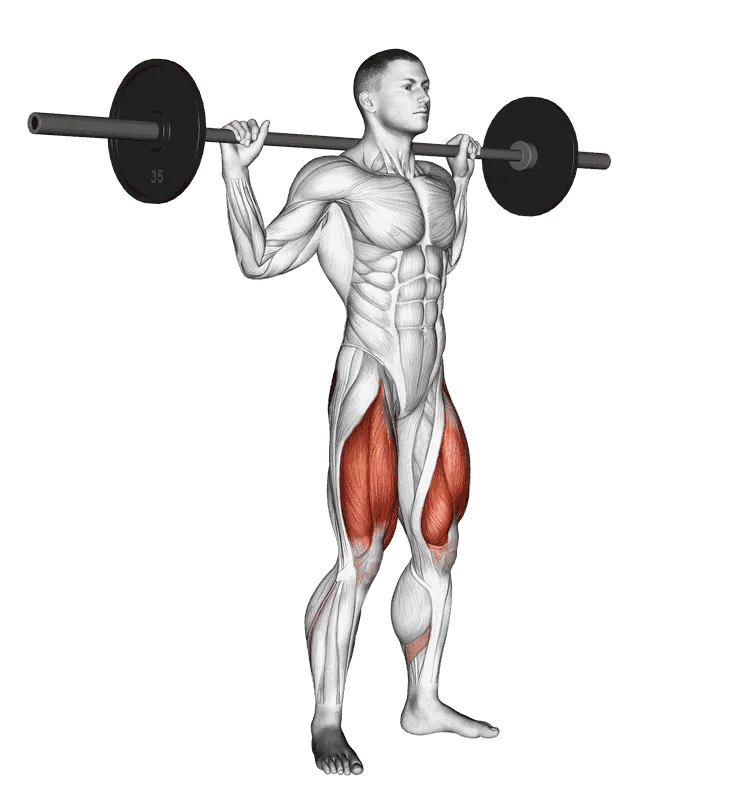
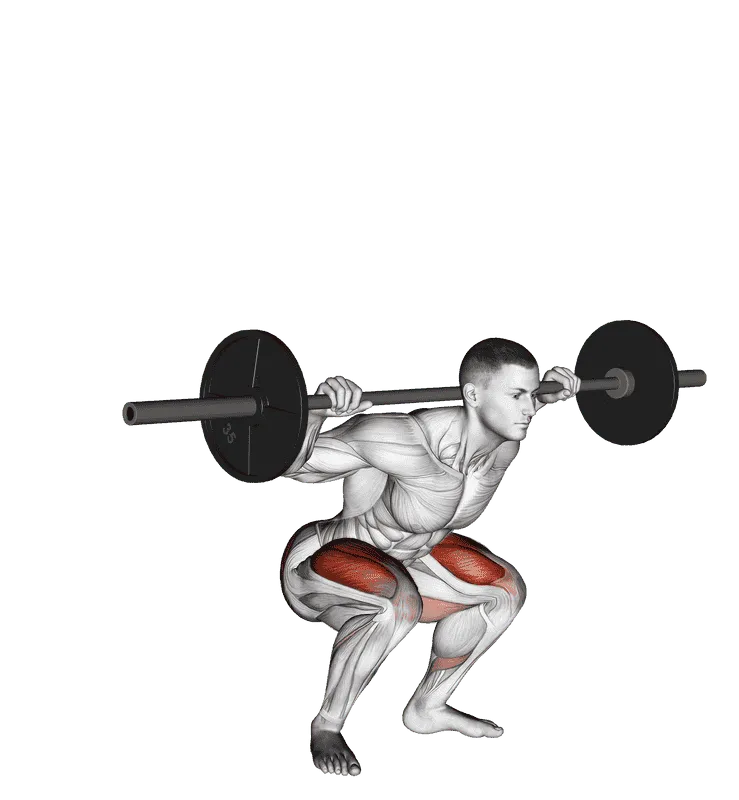
- Sets
- 3–4
- Reps
- 6–8
- Rest
- 120 s
- Tempo
- 3–1–1
1. Early Follicular Phase (Days 1–5: Menstruation)
At the onset of bleeding, circulating estrogen and progesterone sit at their lowest baseline concentrations. Systemically, your body is free from the thermoregulatory strain and catabolic burden of progesterone. However, localized uterine prostaglandins can induce smooth muscle cramping, lower back aching, digestive distress, and general lethargy.
Training Directives:
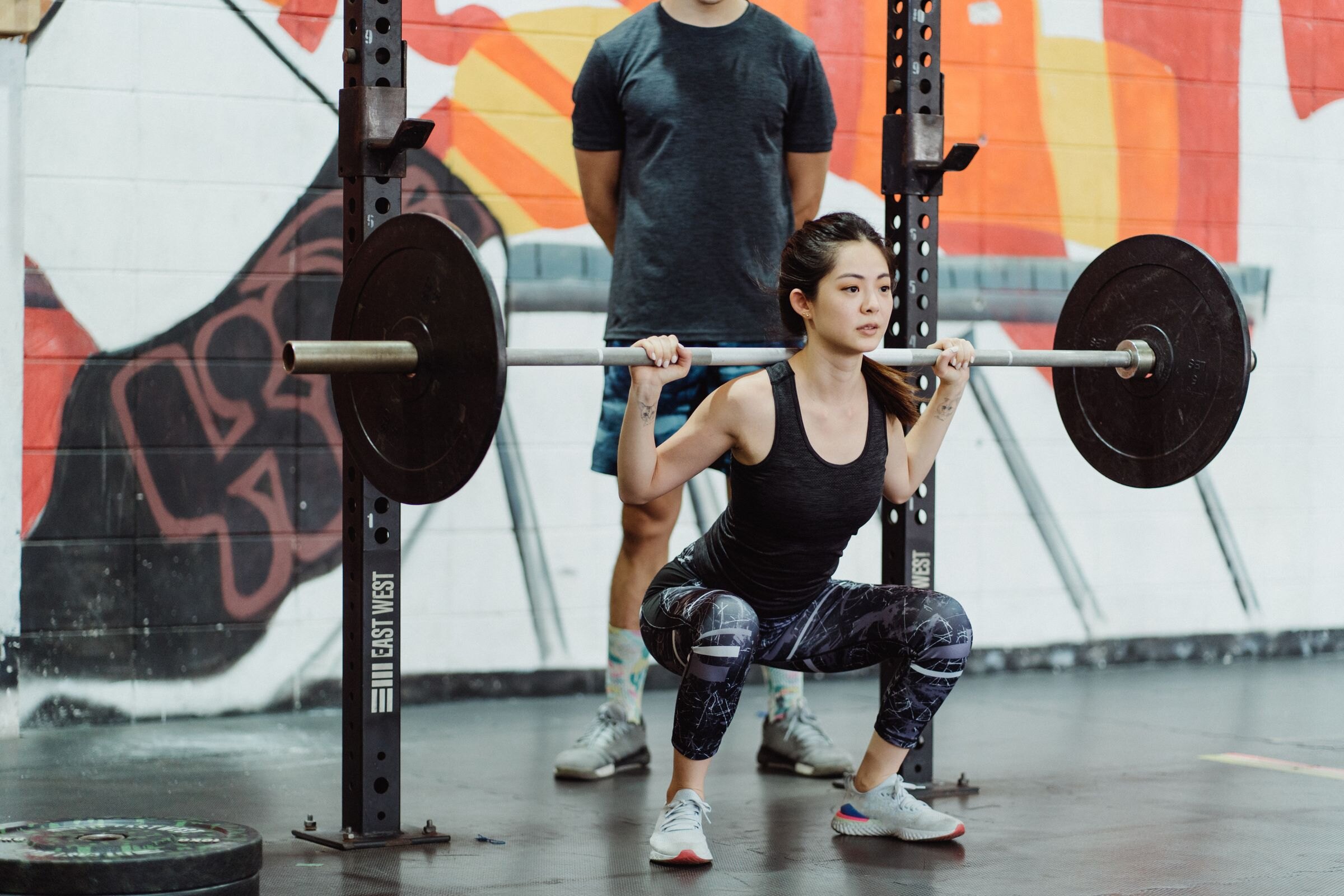
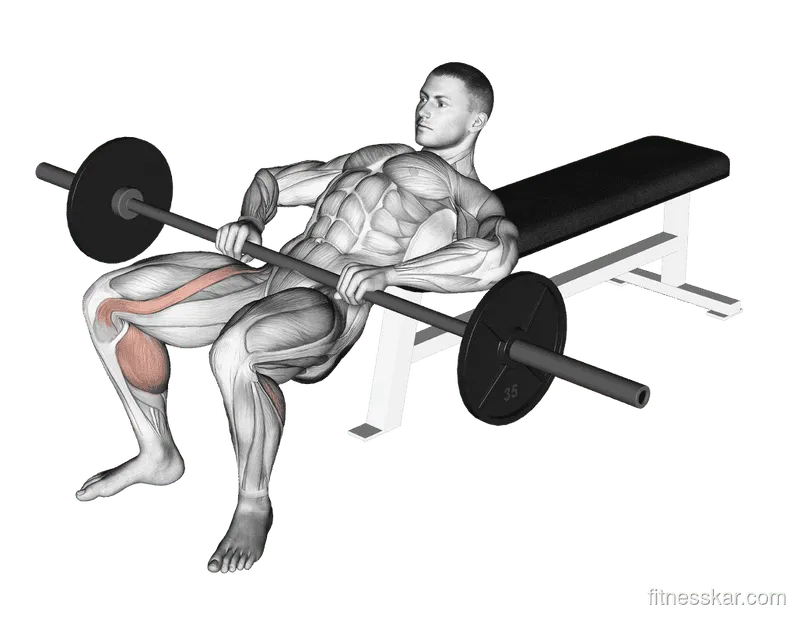
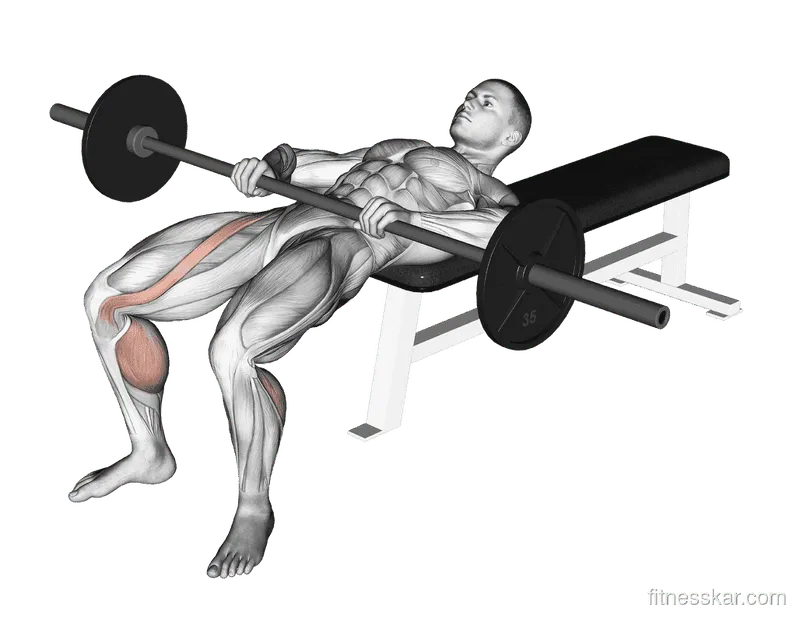
- Listen to Local Symptoms: If cramping or pelvic discomfort is severe on Days 1 and 2, avoid heavy intra-abdominal bracing exercises that compress the pelvic floor. Swap heavy barbell squats for lighter dumbbells or machine movements.
- Capitalize on Low Core Temperature: Because core body temperature is low, heat dissipation is efficient. If you feel physically energized, there is zero physiological hindrance to lifting heavy weights.
- Dynamic Warm-Ups: Spend an extra five minutes on hip mobility, diaphragmatic breathing, and thoracic extension to alleviate pelvic and lower back tightness.
- Sets
- 4
- Reps
- 8–10
- Rest
- 90 s
2. Mid-to-Late Follicular Phase & Ovulation (Days 6–14)
As follicles mature, your ovaries produce escalating surges of 17β-estradiol, culminating in a dramatic hormonal peak 24 to 36 hours before ovulation. Around Day 12 to 14, women also experience a brief physiological pulse of testosterone.
Training Directives:
- The Peak Strength Window: This is your prime neuromuscular window. Maximal voluntary motor unit recruitment, rate of force development, and pain tolerance are at their biological zenith.
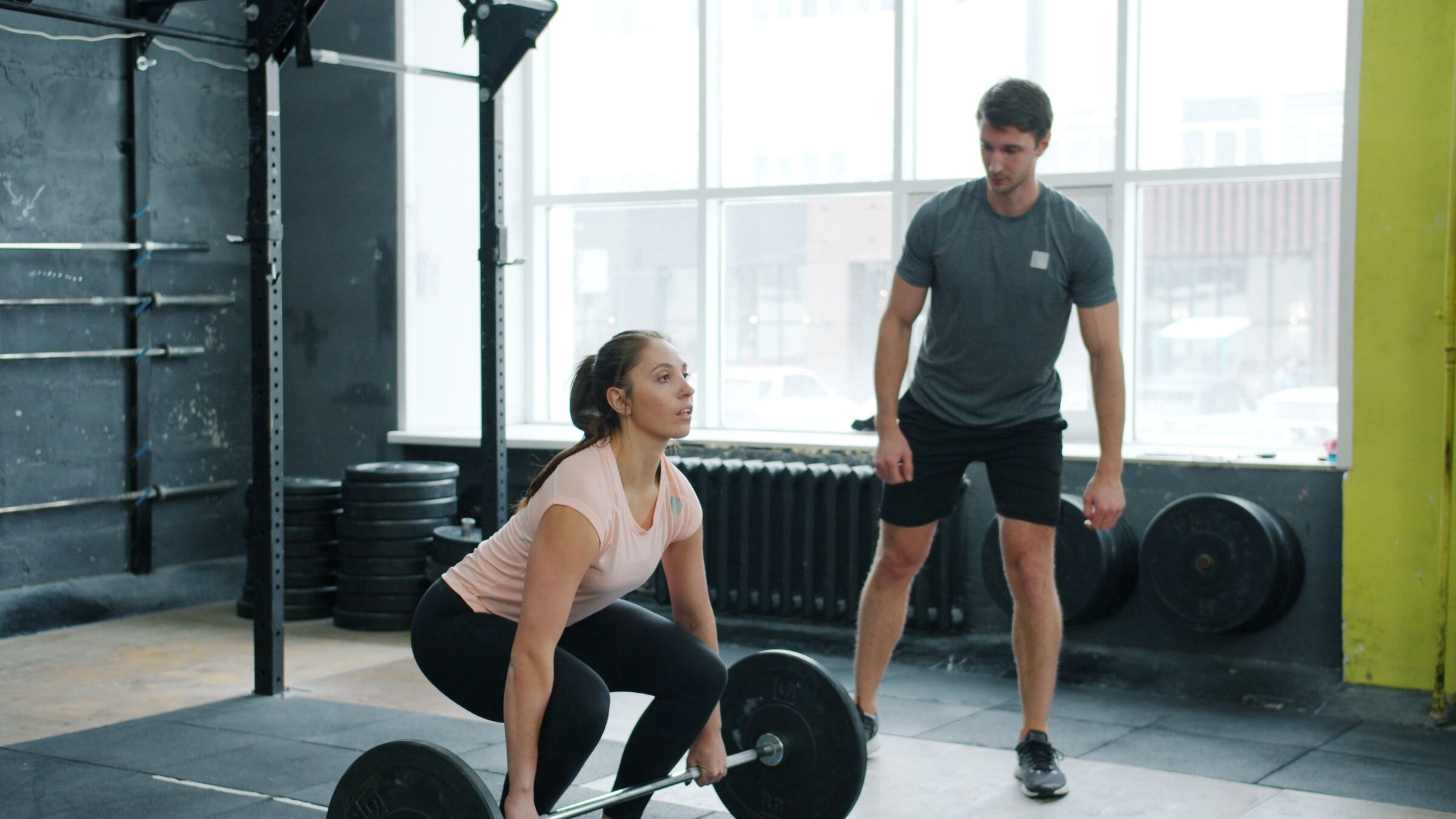
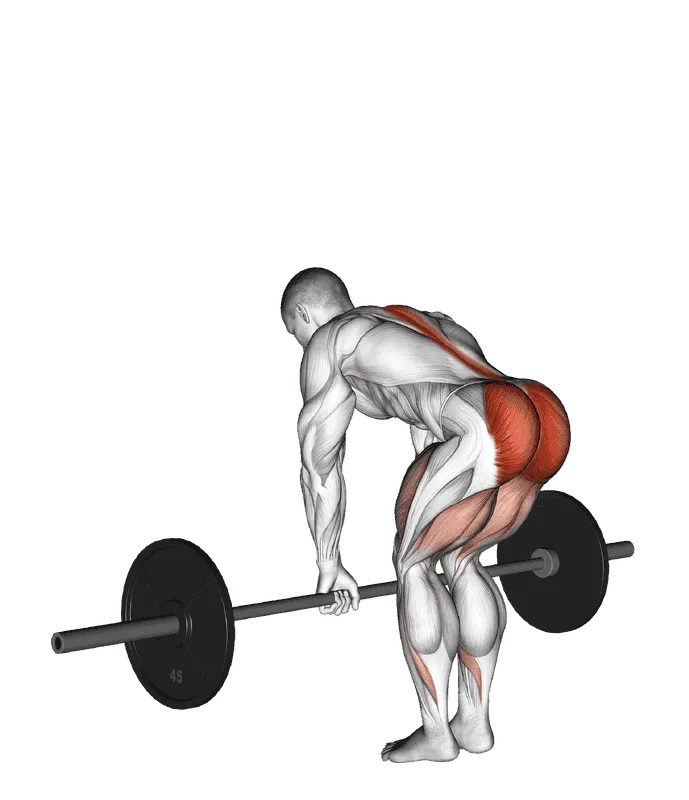
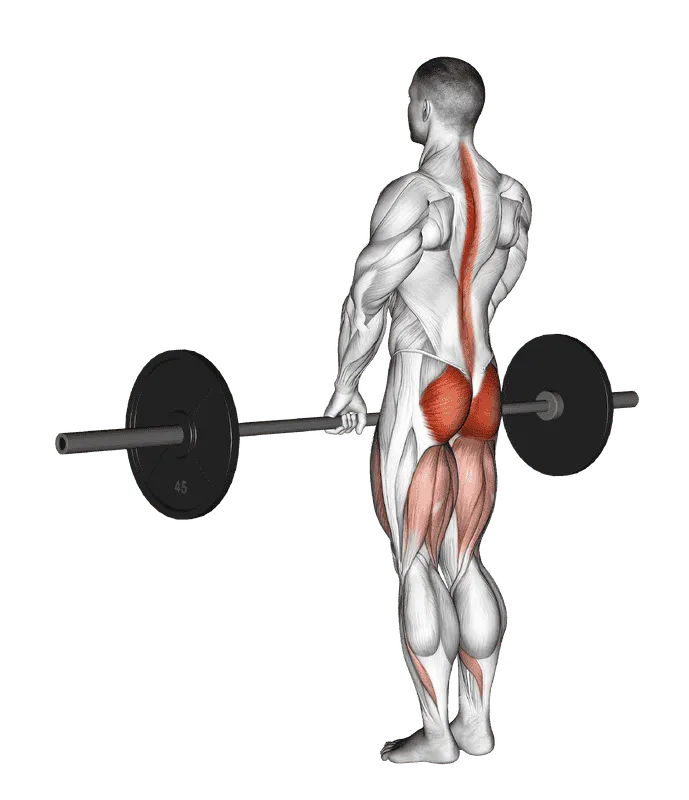
- Attack Progressive Overload: Schedule your heaviest compound sets—such as the Barbell Full Squat, Barbell Hip Thrust, and Barbell Romanian Deadlift—during this timeframe. Aim for personal records (PRs) or add load to your working sets.
- High Volume Tolerance: Because estrogen blunts muscle protein breakdown and accelerates myofibrillar recovery, your muscles bounce back rapidly between sets and across consecutive training days.
- Sets
- 3–4
- Reps
- 8–10
- Rest
- 120 s
3. Mid-Luteal Phase (Days 15–24)
Following ovulation, the corpus luteum floods the bloodstream with progesterone, while estrogen experiences a secondary, moderate rise. This phase is characterized by elevated core temperature, increased ventilation rates, and higher fat oxidation.
Training Directives:
- Manage Core Heat: Your resting body temperature is elevated by 0.3°C to 0.5°C, and your threshold for sweating is delayed. In hot or poorly ventilated gym spaces, you may feel fatigued earlier in high-rep sets. Ensure ample fan airflow and cold water intake.
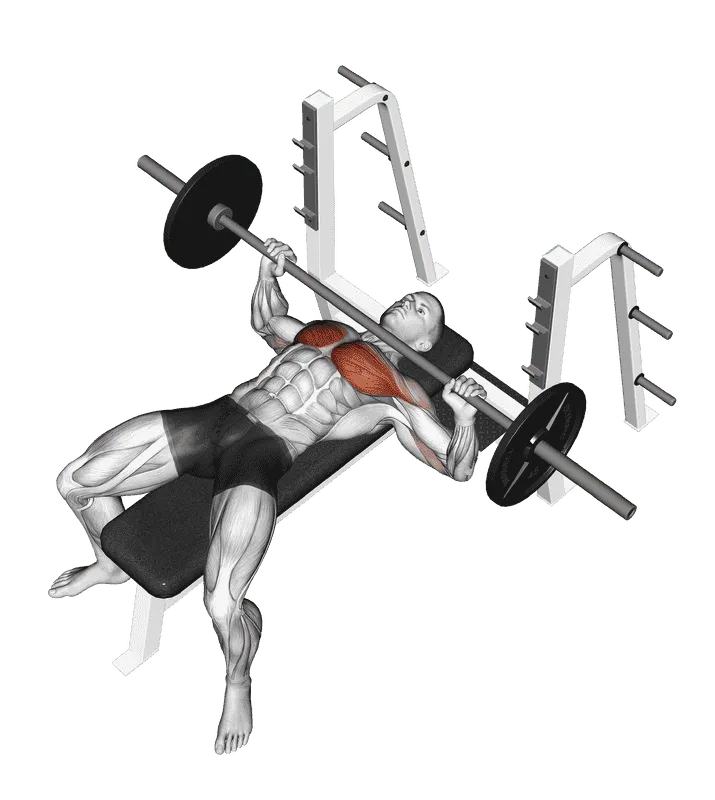
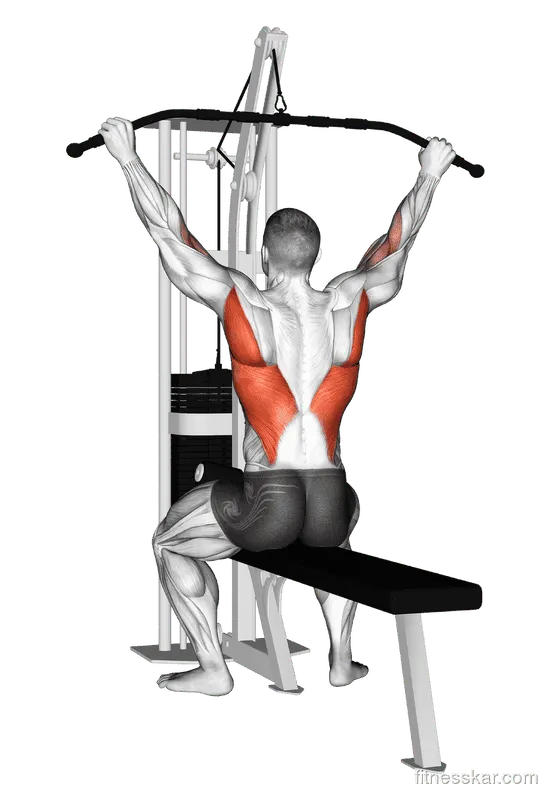
- Extend Rest Periods: Give yourself an extra 30 to 60 seconds of recovery between demanding sets of multi-joint movements like the Barbell Bench Press or Lat Pulldown to allow heart rate and core temperature to stabilize.
- Focus on Hypertrophy Rep Ranges: Because fast-twitch glycolytic bursts can feel more taxing, moderate rep ranges (8 to 12 reps) performed with strict form and 1 to 2 Repetitions in Reserve (RIR) yield exceptional hypertrophy without red-lining your central nervous system.
4. Late Luteal Phase (Days 25–28: Pre-Menstrual Window)
In the final days before menstruation, if fertilization has not occurred, the corpus luteum involutes. Estrogen and progesterone plummet simultaneously. This sharp hormonal withdrawal often triggers premenstrual syndrome (PMS) symptoms: fluid retention, mood swings, sleep disruptions, and elevated perception of exertion.
Training Directives:
- Implement Tactical Autoregulation: The same weight that moved smoothly last week might feel heavy today. Instead of forcing predetermined weight increases, match your load to your target RIR. If 80 kg feels like an RPE 9 instead of an RPE 7, drop the weight by 5% to 10% to achieve the intended stimulus.
- The Ideal Deload Window: If you program deload weeks every four to six weeks, aligning your deload with Days 25 through 28 of your cycle is physiologically optimal. Drop your direct working sets by 40% to 50% while maintaining crisp technical execution on accessories like the Dumbbell Bulgarian Split Squat and Seated Barbell Overhead Press.
- Prioritize Sleep Hygiene: Progesterone withdrawal and night sweats can fragment REM and deep sleep. Keep your bedroom cool (around 18°C or 65°F) and maintain consistent bedtime routines to protect recovery.
Fueling, Hydration, and Thermoregulation Across Your Cycle
Nutritional needs do not stay static throughout the month. Endocrine shifts dictate changes in metabolic rate, fluid retention, and macronutrient utilization that direct how you should fuel your training sessions.
Carbohydrate Availability: Overcoming Luteal Limitations
During the follicular phase, high estrogen levels promote glycogen storage in liver and muscle tissue. Your body effortlessly burns carbohydrates during high-intensity training sessions.
During the luteal phase, however, high progesterone levels impair glycogen resynthesis and suppress hepatic glucose output during intense exercise. Consequently:
- Pre-Workout Fueling: In the luteal phase, ingest 25 to 40 grams of easily digestible carbohydrates (such as an apple, white rice cakes, or dried dates) roughly 30 to 60 minutes prior to training. This maintains circulating blood glucose levels and prevents premature fatigue during hard sets.
- Total Caloric Expenditure: Resting metabolic rate rises by approximately 100 to 300 calories per day during the mid-to-late luteal phase due to progesterone-induced thermogenesis. If you experience intense hunger or carbohydrate cravings, this is biological, not a lack of willpower. Slightly increasing healthy complex carbohydrate intake prevents binge-eating episodes and preserves training energy.
Hydration and Sodium Balance
Elevated core body temperature in the luteal phase leads to earlier cardiovascular drift (an elevated heart rate at a given workload) and altered plasma volume. To stay hydrated and maintain intramuscular cell volumization:
- Consume 500 to 750 ml of cool water with a pinch of sea salt (or an electrolyte tablet) in the two hours leading up to your workout.
- Add cold water sipping between sets to facilitate internal heat dumping.
The Complete 4-Week Menstrual Cycle Periodization Protocol
To illustrate how these physiological insights translate into an actionable gym program, review the periodized schedule below. This framework maintains principled strength progression while adjusting volume, intensity, and density to match your endocrine state.
| Cycle phase | Target rep range | Working sets per muscle | Proximity to failure (RIR) | Rest intervals | Primary training focus |
|---|---|---|---|---|---|
| Week 1: Early Follicular (Menses) | 8–12 reps | 10–14 sets | 2–3 RIR | 90–120 seconds | Technical restoration, comfortable machines, symptom-guided loading |
| Week 2: Late Follicular (Pre-Ovulation) | 4–8 reps | 14–18 sets | 1–2 RIR | 120–180 seconds | Maximum strength, heavy compound PRs, high volume overload |
| Week 3: Mid-Luteal | 8–12 reps | 12–16 sets | 2 RIR | 120–150 seconds | Hypertrophy density, strict tempo, cooling and hydration management |
| Week 4: Late Luteal (Pre-Menses) | 10–15 reps | 8–10 sets (Deload) | 2–3 RIR | 90–120 seconds | Autoregulated volume, restorative recovery, accessory and machine emphasis |
To put these periodization principles into practice within a fully structured program, pair your workouts with our structured routine:
Lifters aiming for balanced body composition can also implement our guidelines on body recomposition to optimize protein intake and energy balance alongside their cycle phases.
Contraception, Irregular Cycles, and the Danger of RED-S
Not every female lifter experiences a natural, 28-day ovulatory cycle. It is vital to recognize how hormonal contraceptives and metabolic energy deficits alter this physiology.
Frequently Asked Questions
Frequently asked questions
Should I completely avoid lifting heavy weights during my period?
No. Baseline estrogen and progesterone are low during menstruation, meaning there is no hormonal barrier to lifting heavy. If you experience severe uterine cramps or fatigue, reduce training volume or switch to comfortable machines, but lift heavy if you feel capable.
Why do I feel weaker in the gym right before my period?
The sudden drop in both estrogen and progesterone in the late luteal phase can disrupt sleep quality, decrease serotonin production, and elevate perceived exertion. Use autoregulation (RPE/RIR) to adjust your loads by 5% to 10% on days when fatigue is elevated.
Does training around my menstrual cycle mean I have to change my exercises every week?
Absolutely not. Changing your exercises every week violates the fundamental principle of progressive overload and prevents motor skill refinement. Keep your primary compound exercises consistent, and simply adjust your working sets, reps, and rest intervals.
Can I build muscle just as effectively during the luteal phase as the follicular phase?
Yes. While the follicular phase offers slightly faster neuromuscular recovery, long-term studies show that when total weekly volume and mechanical tension are equated, female muscle growth occurs reliably across both halves of the cycle.
Sources
- McNulty KL, Elliott-Sale KJ, Dolan E, et al. The Effects of Menstrual Cycle Phase on Exercise Performance in Eumenorrheic Women: A Systematic Review and Meta-Analysis. Sports Medicine. 2020. doi.org/10.1007/s40279-020-01319-3 ↩