For decades, mainstream fitness marketing peddled a damaging myth to women: that lifting heavy weights would make them "bulky," masculine, or excessively large overnight. Women were steered toward tiny pink dumbbells, endless hours of steady-state cardio, and restrictive diets designed to shrink them rather than build strength. Modern exercise physiology and sports science have dismantled these misconceptions. The truth is unequivocal: structured resistance training designed for muscular hypertrophy is the single most effective tool for women to build a lean, sculpted physique, boost metabolic rate, strengthen bone density, and cultivate lifelong physical resilience.
Women possess an incredible biological capacity to build lean muscle tissue. While absolute baseline muscle mass differs between sexes, landmark scientific research confirms that men and women experience virtually identical relative rates of muscle hypertrophy and strength gains when following progressive resistance training protocols. By understanding female neuromuscular physiology, fatigue resistance, and hormonal recovery dynamics, you can design an optimized training split that delivers transformative results without wasted effort. Whether your goal is sculpted shoulders, athletic glute development, or functional total-body power, building muscle is your primary metabolic engine.
When combined with principled progressive overload and a supportive nutritional foundation like body recomposition, women can build dense, metabolically active tissue while simultaneously reducing subcutaneous body fat.
The Physiology of Female Hypertrophy: Busting the "Bulky" Myth
To construct an effective physique development strategy, we must examine the cellular and endocrine mechanisms that govern muscle protein synthesis in women. The persistent fear of becoming "accidentally bulky" stems from a fundamental misunderstanding of human endocrinology and muscle architecture.

Endocrine Realities: Testosterone vs. Estrogen
The primary argument historically raised against heavy lifting for women was hormonal: men have abundant testosterone, which drives muscular anabolism. It is true that resting serum testosterone concentrations in women (roughly 15 to 70 ng/dL) are approximately 15 to 20 times lower than those in healthy adult men (300 to 1,000 ng/dL). However, testosterone is far from the only driver of skeletal muscle hypertrophy.
In women, muscle protein synthesis is heavily supported by growth hormone (GH), insulin-like growth factor 1 (IGF-1), and estradiol (the primary form of estrogen). While estrogen is frequently mischaracterized as a fat-storing hormone in popular culture, exercise science reveals it is an exceptionally potent, tissue-protective compound:
- Anti-Catabolic Properties: Estrogen attenuates muscle protein breakdown (MPB) during and following intense muscular exertion. It stabilizes muscle cell membranes (sarcolemma), reducing post-exercise structural disruption and creatine kinase leakage.
- Satellite Cell Proliferation: Estrogen stimulates satellite cell activation and myonuclear donation, facilitating cellular repair and long-term myofibrillar remodeling.
- Glycogen and Lipid Metabolism: Estrogen promotes lipid oxidation, sparing intramuscular glycogen during moderate- to high-rep training sets. This metabolic shift allows women to maintain higher work output over extended lifting sessions.
Because women lack the massive surges in baseline androgenic signaling that produce extreme muscular dimensions in male bodybuilders, developing muscle yields a tight, athletic, dense physique. Building noticeable muscular mass requires years of progressive loading, caloric intention, and focused training. You will never wake up "too bulky" by accident.
What the Landmark Research Proves
The question of whether women build muscle as effectively as men was definitively answered by a landmark systematic review and meta-analysis conducted by Roberts, Nuckols, and Krieger published in Sports Medicine.[1]
The researchers synthesized dozens of resistance training studies examining relative strength and hypertrophy adaptations between untrained and trained men and women. Their findings were striking: when training programs are equated for relative intensity and volume, the relative percentage increase in muscle cross-sectional area (hypertrophy) and relative 1-rep max strength gains are virtually identical between sexes.
While men typically begin with greater absolute baseline muscle mass due to skeletal frame dimensions and male developmental biology, the adaptive response of female muscle tissue to progressive mechanical tension is identical. Female muscle fibers possess an outstanding capacity for adaptation when provided with the correct stimulus.
Female Neuromuscular Dynamics: Why Women Train Differently
While the fundamental requirement for hypertrophy—mechanical tension—applies universally, women exhibit distinct physiological characteristics that warrant specific programming adjustments. Treating female lifters as miniature versions of male lifters ignores valuable biological advantages.
1. Muscle Fiber Typing and Capillary Density
Skeletal muscle is comprised of distinct fiber types: Type I (slow-twitch, oxidative) and Type II (fast-twitch, glycolytic). On average, women exhibit a higher relative proportion of Type I muscle fibers and greater capillary density per unit of muscle cross-sectional area compared to men.
- Enhanced Blood Flow: Greater capillary density ensures superior delivery of oxygen and nutrients to working muscle beds, alongside rapid clearance of metabolic byproducts (such as hydrogen ions and inorganic phosphate).
- Fatigue Resistance: Because Type I fibers are fatigue-resistant and rely predominantly on aerobic substrate oxidation, women can complete significantly more repetitions at a given percentage of their 1-rep max (1RM). For instance, where a male lifter might complete 8 repetitions at 80% of 1RM to failure, a female lifter can often complete 10 to 12 repetitions at that exact same relative load.
2. Accelerated Intra-Workout and Inter-Workout Recovery
Thanks to estrogenic membrane protection, enhanced vascular perfusion, and favorable fiber typing, women experience markedly less central nervous system and peripheral fatigue accumulation during standard lifting protocols:
- Shorter Rest Intervals: Women typically require less rest between working sets to restore force production. While a male lifter may need 3 to 4 minutes to fully recover between heavy compound sets, a female lifter often regains peak mechanical output in 90 to 120 seconds.
- Higher Tolerable Frequency: Women recover faster between training sessions. A muscle group that requires 72 hours of recovery in a male lifter can often be trained at high intensity every 48 hours in a female lifter without risking overtraining or chronic performance decrements.
Volume Landmarks and Programming Architecture
To stimulate hypertrophy without generating unrecoverable systemic fatigue, your training should be organized around established volume landmarks:
| Volume Landmark | Sets Per Muscle Group / Week | Application & Purpose |
|---|---|---|
| Maintenance Volume (MV) | 6–8 sets | Preserves existing lean muscle tissue during calorie deficits or high-stress periods. |
| Minimum Effective Volume (MEV) | 8–12 sets | The starting threshold required to produce measurable muscular growth for novices. |
| Maximum Adaptive Volume (MAV) | 12–18 sets | The optimal sweet spot where the highest rate of lean tissue remodeling occurs. |
| Maximum Recoverable Volume (MRV) | 20–24 sets | The upper ceiling of tolerable volume; exceeding this leads to stalled gains and joint strain. |
Selecting the Ideal Rep Ranges
Hypertrophy can be achieved across a broad spectrum of loading—from 6 to 30 repetitions—provided sets are taken close to muscular failure. For women, structuring training around two complementary rep zones provides balanced mechanical tension and metabolic stress:
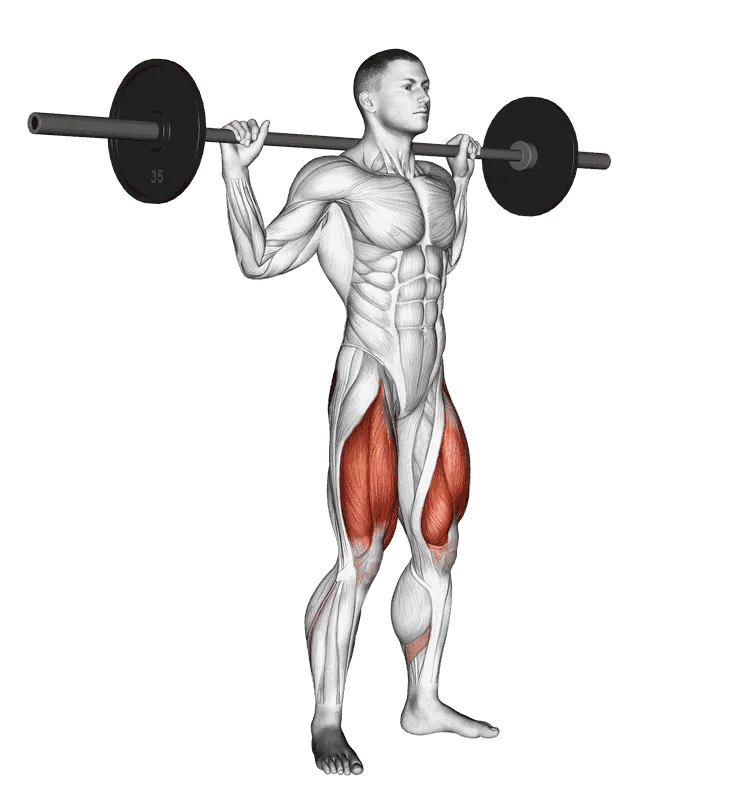
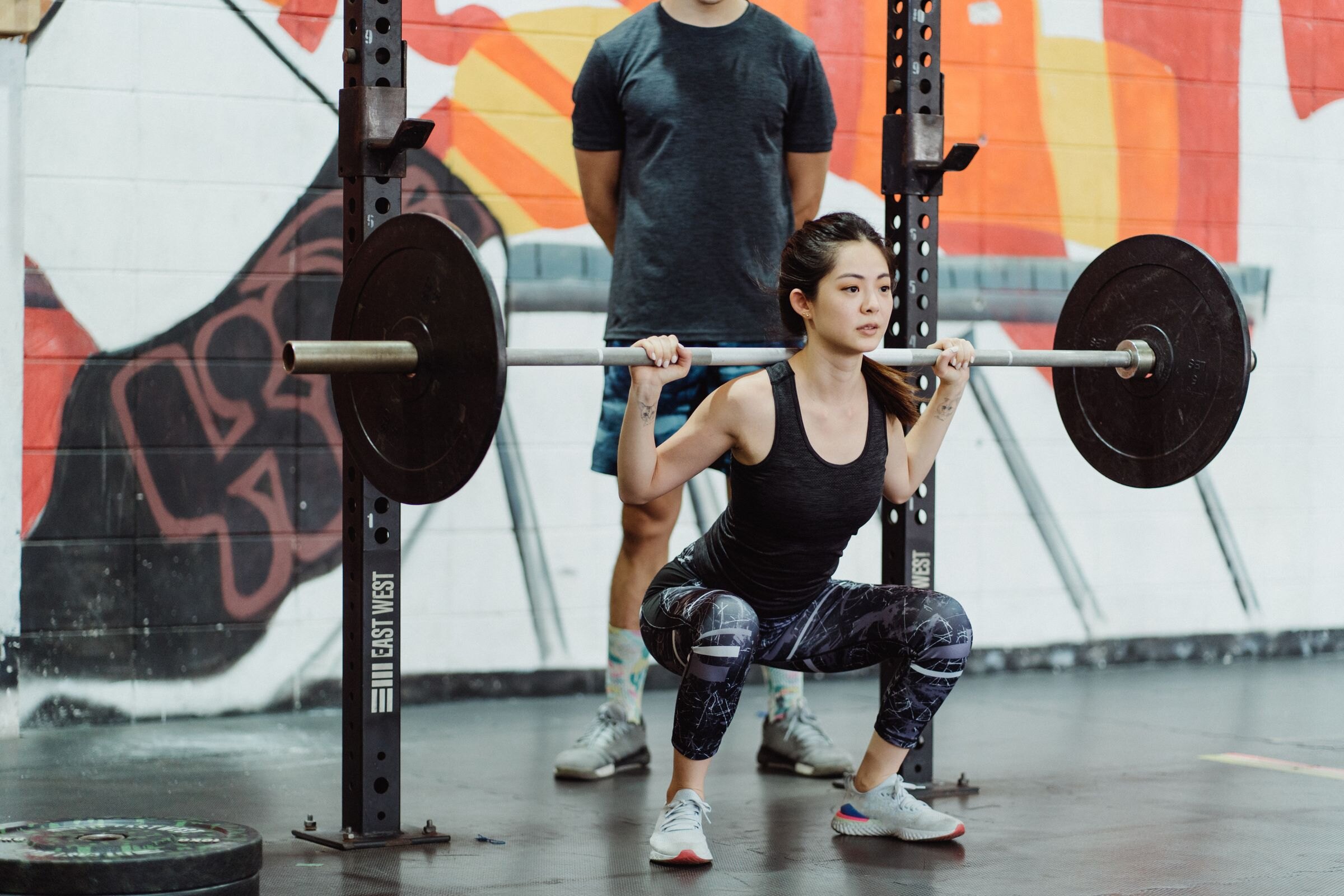
- Heavy Compound Zone (6–10 Reps): Prioritizes mechanical tension and neural recruitment on foundational multi-joint lifts like the barbell Romanian deadlift and barbell full squat.
- Hypertrophy & Pump Zone (10–15+ Reps): Capitalizes on female fatigue resistance, delivering high metabolic accumulation and cellular swelling on exercises like the barbell hip thrust and dumbbell Bulgarian split squat.
Proximity to Muscular Failure: Reps in Reserve (RIR)
Training every set to absolute failure (where the barbell stops moving) generates disproportionate central nervous system fatigue and increases joint wear. To maximize muscle protein synthesis sustainably:
- Perform the majority of working sets at 1 to 2 Reps in Reserve (RIR). This means terminating the set when you could complete 1 or 2 more technically sound repetitions before failure.
- Save true 0 RIR (muscular failure) for the final set of isolation exercises, such as lateral raises or leg extensions.
The Essential Movement Patterns for Female Hypertrophy
A complete female physique program emphasizes structural balance: building powerful posterior chain and leg development alongside a strong, sculpted upper body that supports posture and spinal alignment.
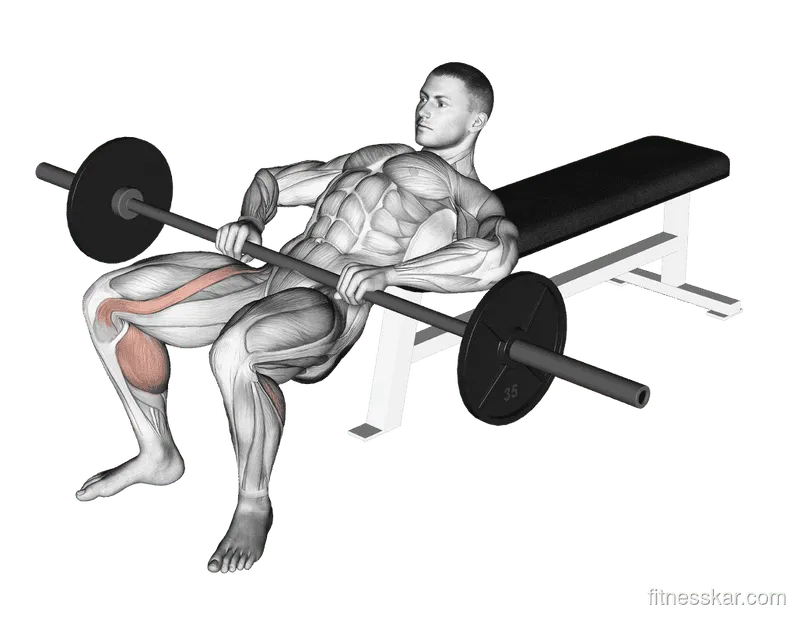
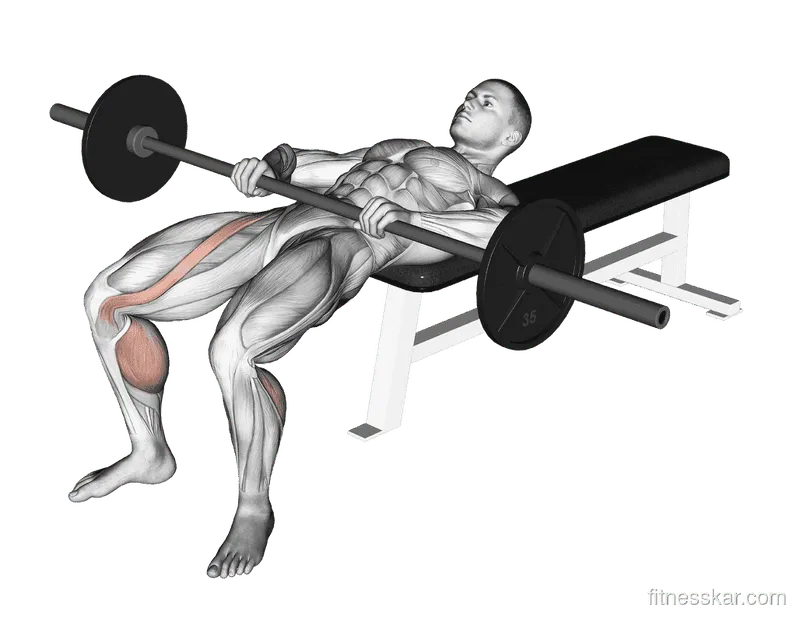
1. The Horizontal Hip Hinge: Barbell Hip Thrust
The hip thrust is the undisputed king of direct gluteal loading. Unlike squats, which place peak tension on the glutes in the lengthened position, the hip thrust places peak mechanical tension at full hip extension (shortened position), directly aligning with the gluteus maximus line of pull.
- Sets
- 4
- Reps
- 8–12
- Rest
- 90 s
- Tempo
- 2–0–1–1
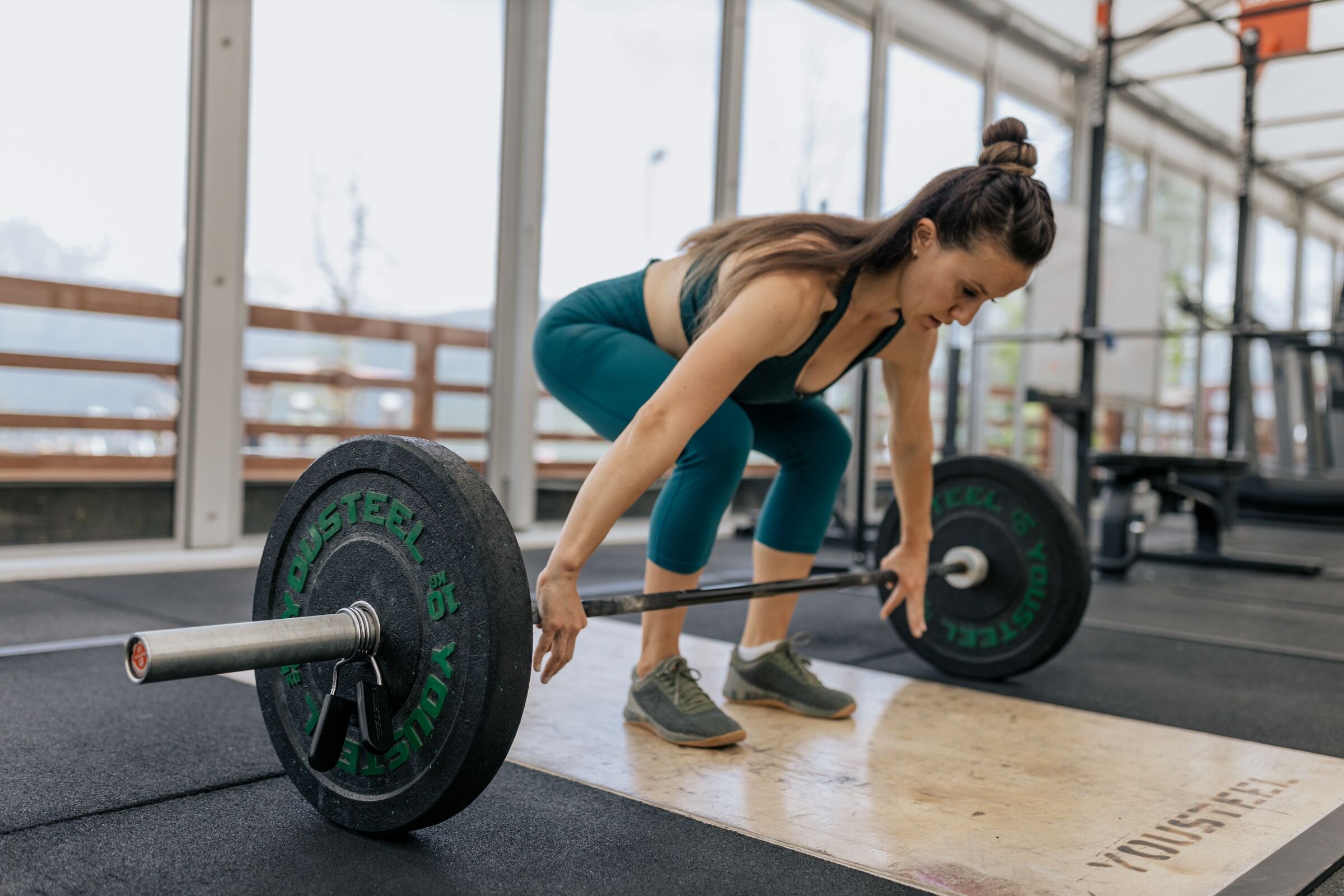
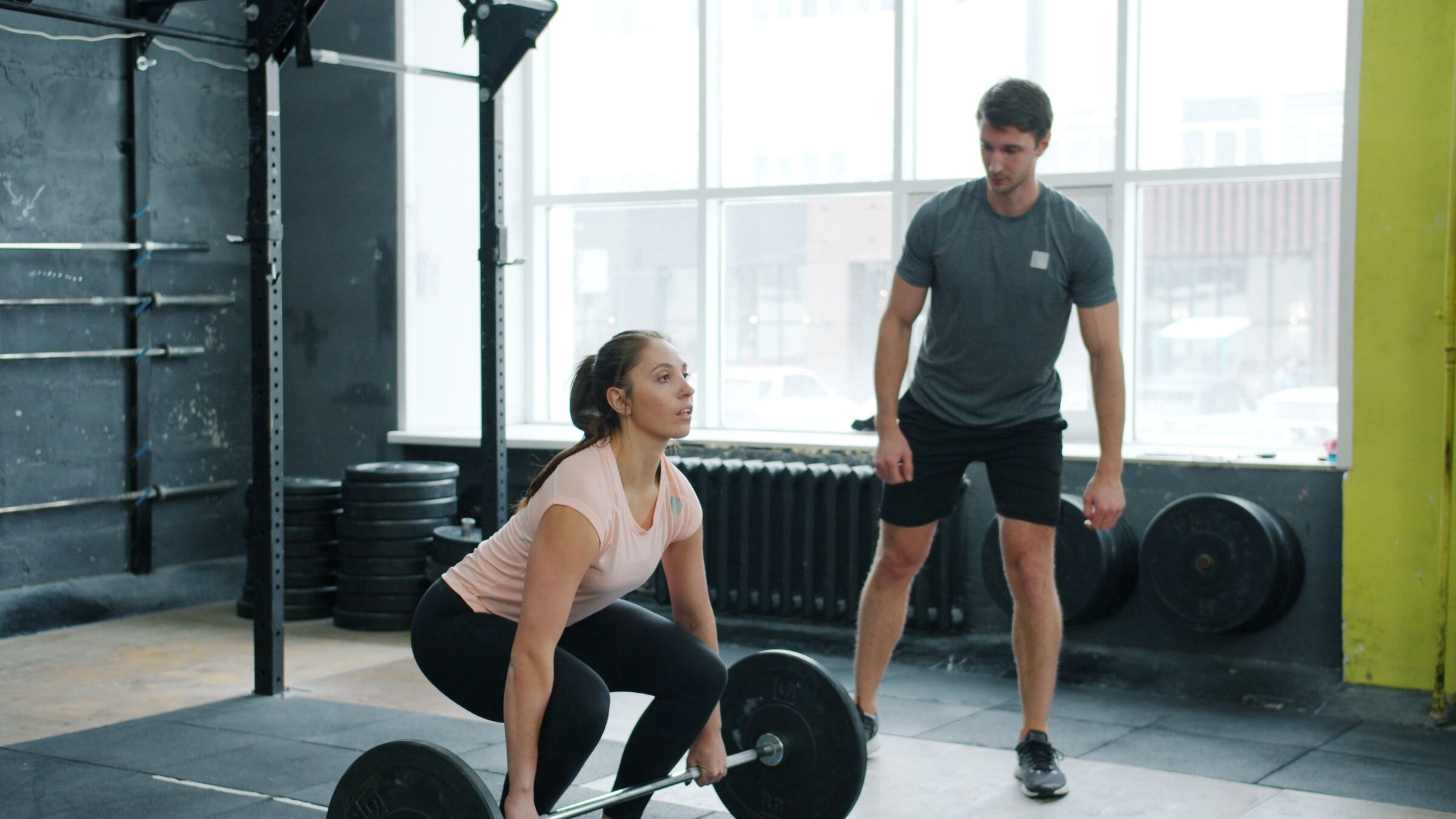
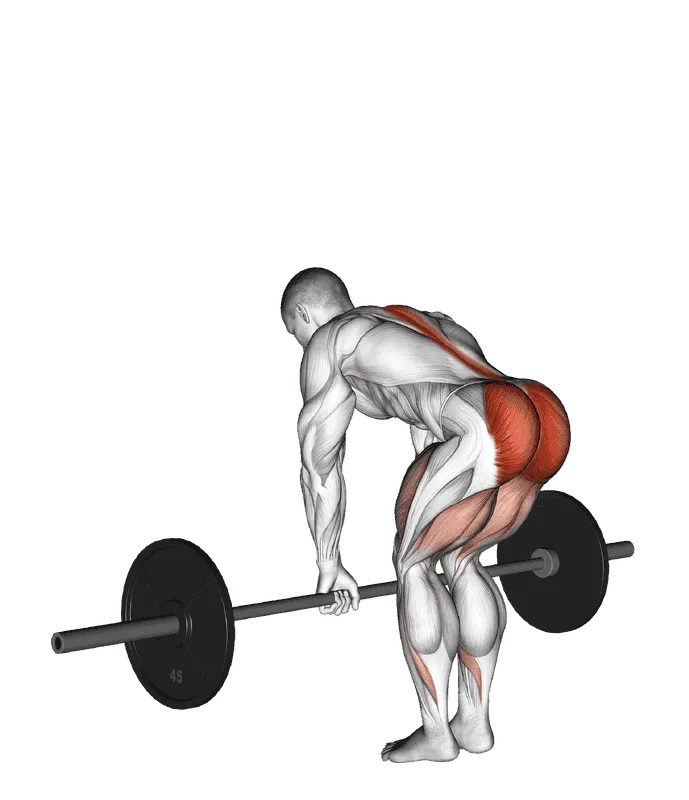
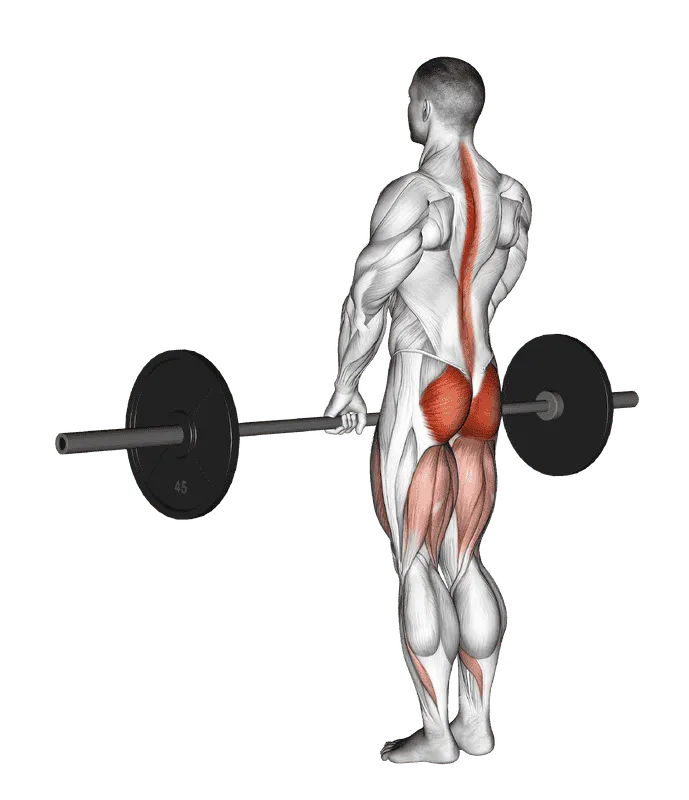
2. The Posterior Chain Builder: Romanian Deadlift (RDL)
Targeting the hamstrings and glutes in the lengthened position, the Romanian deadlift induces robust stretch-mediated muscle growth, as detailed in our guide to the best leg exercises. Mastering this hip hinge movement creates exceptional hamstring tone and strengthens the erector spinae.
- Sets
- 3–4
- Reps
- 8–10
- Rest
- 120 s
- Tempo
- 3–1–1–0
3. The Unilateral Powerhouse: Bulgarian Split Squat
Single-leg exercises eliminate left-to-right muscular imbalances, recruit the gluteus medius for pelvic stabilization, and deliver immense quad and glute hypertrophy without excessive spinal loading.


- Sets
- 3
- Reps
- 10–12
- Rest
- 90 s
- Tempo
- 3–0–1–0
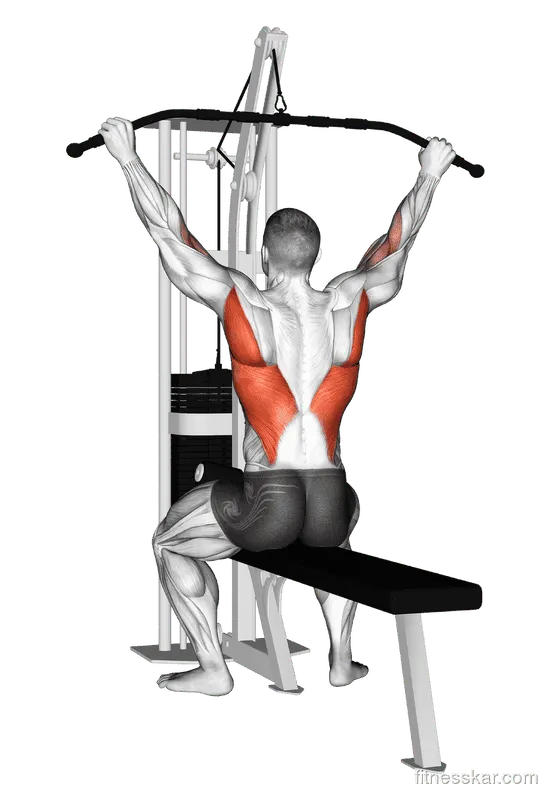
4. Upper-Body V-Taper: Cable Lat Pulldown
Developing the latissimus dorsi creates an athletic V-taper that visually narrows the waistline and improves posture. For women aiming to achieve their first bodyweight pull-up, the lat pulldown is the foundational builder.
- Sets
- 3–4
- Reps
- 10–12
- Rest
- 75 s
- Tempo
- 2–1–1–0
Complement these compound staples with overhead work like the seated barbell overhead press to cap off the shoulders, and explore our full directory of glute exercises to add variety to your programming.
Complete 4-Day Periodized Hypertrophy Program
This 4-day Upper/Lower split is designed specifically around female recovery timelines. It stimulates each muscle group twice weekly, maximizing the frequency of muscle protein synthesis while allowing full systemic recovery.
Day 1: Lower Body A (Glute & Quad Focus)
| Exercise | Sets | Reps | RIR | Rest | Coaching Cue |
|---|---|---|---|---|---|
| Barbell Full Squat | 3–4 | 6–8 | 2 RIR | 120s | Break at hips and knees together; maintain chest elevation. |
| Barbell Hip Thrust | 4 | 8–10 | 1–2 RIR | 90s | Full hip extension at top with posterior pelvic tilt. |
| Dumbbell Bulgarian Split Squat | 3 | 10–12 | 1 RIR | 90s | Slight torso lean forward to maximize glute tension. |
| Lying Leg Curl | 3 | 12–15 | 1 RIR | 60s | Control the eccentric lowering over 3 seconds. |
| Standing Calf Raise | 3 | 15–20 | 0–1 RIR | 60s | Full ankle dorsiflexion stretch at the bottom. |
Day 2: Upper Body A (Back, Shoulders & Chest)
| Exercise | Sets | Reps | RIR | Rest | Coaching Cue |
|---|---|---|---|---|---|
| Lat Pulldown | 4 | 8–10 | 1–2 RIR | 90s | Pull elbows to ribs; do not lean excessively backward. |
| Dumbbell Incline Bench Press | 3 | 10–12 | 1–2 RIR | 90s | Retract scapulae and control dumbbells with a deep stretch. |
| Seated Cable Row | 3 | 10–12 | 1 RIR | 75s | Squeeze rhomboids at peak contraction. |
| Dumbbell Lateral Raise | 4 | 12–15 | 0–1 RIR | 60s | Lead with elbows; slight forward torso angle. |
| Cable Overhead Triceps Extension | 3 | 12–15 | 0–1 RIR | 60s | Flare elbows slightly and lock out triceps fully. |
Day 3: Lower Body B (Glute & Hamstring Focus)
| Exercise | Sets | Reps | RIR | Rest | Coaching Cue |
|---|---|---|---|---|---|
| Barbell Romanian Deadlift | 4 | 8–10 | 2 RIR | 120s | Push hips back; keep the bar in contact with shins. |
| Leg Press (High & Wide Stance) | 3 | 10–12 | 1–2 RIR | 90s | Position feet near top of platform to bias glutes and hamstrings. |
| Cable Glute Kickback | 3 | 12–15 | 1 RIR | 60s | Extend leg back in line with glute fibers; avoid hyperextending spine. |
| Leg Extension | 3 | 12–15 | 1 RIR | 60s | Pause for 1 second at full knee extension. |
| Hanging Knee Raise | 3 | 12–15 | 1 RIR | 60s | Posteriorly tilt pelvis to fully engage lower rectus abdominis. |
Day 4: Upper Body B (Shoulders, Arms & Upper Back)
| Exercise | Sets | Reps | RIR | Rest | Coaching Cue |
|---|---|---|---|---|---|
| Seated Barbell Overhead Press | 3 | 8–10 | 1–2 RIR | 90s | Brace core tightly; press bar in vertical path over ears. |
| Chest-Supported T-Bar Row | 3 | 10–12 | 1 RIR | 75s | Minimizes spinal fatigue while overloading upper back. |
| Cable Face Pull | 4 | 15–20 | 0–1 RIR | 60s | External rotation at finish; great for rear delts and rotator cuff. |
| Incline Dumbbell Bicep Curl | 3 | 12–15 | 0–1 RIR | 60s | Supinate wrist fully at top to maximize bicep peak. |
| Cable Lateral Raise | 3 | 15–20 | 0 RIR | 60s | Set cable at wrist height for continuous lateral tension. |
For lifters who prefer an upper/lower split, you can also explore our 10-Week Upper/Lower Muscle Builder for Women or our specialized guide on glute hypertrophy.
Nutrition and Macronutrient Architecture for Female Hypertrophy
You cannot build a brick house without bricks and mortar. Resistance training creates the biochemical stimulus for hypertrophy, but nutrition provides the raw substrates to assemble new contractile proteins.
Macro calculator
- Protein
- g
- Fat
- g
- Carbohydrates
- g
Protein 1.6–2.2 g per kg of body weight, fat about 25% of calories, carbohydrates fill the rest.

1. Caloric Strategy: Slight Surplus vs. Recomposition
To optimize muscle gain while keeping fat gain minimal:
- Lean Gaining Surplus (+150 to +250 kcal/day): For women with low to moderate body fat, consuming a modest surplus of 5% to 10% above total daily energy expenditure (TDEE) provides the extra energy required for maximal muscle protein synthesis without accumulating unwanted adipose tissue. Aim to gain approximately 0.5% to 1.0% of your body weight per month.
- Body Recomposition (Maintenance Calories): For beginners or lifters carrying higher body fat, eating at estimated maintenance calories allows the body to draw on stored adipose energy to fuel new tissue growth, as explained in our guide to body recomposition.
2. Protein Requirements for Women
Female lifters require adequate dietary amino acids to maintain a positive net nitrogen balance. Research consistently indicates that optimal muscle protein synthesis is achieved within a daily intake of 1.6 to 2.2 grams of protein per kilogram of body weight (0.75 to 1.0 g per pound).
Distribute this protein across 3 to 4 meals throughout the day, ensuring each meal provides at least 2.5 to 3.0 grams of leucine (the key branch-chain amino acid that triggers the mTORC1 pathway). Quality whole-food sources include poultry, fish, eggs, Greek yogurt, tofu, and legumes. For in-depth meal strategies, consult our comprehensive guide on protein for muscle gain.
3. Carbohydrates and Healthy Fats
- Carbohydrates (3.0 to 5.0 g/kg): Glucose is the primary fuel for high-intensity muscular contractions. Adequate carbohydrates replete muscle glycogen, suppress cortisol secretion, and support thyroid function. Prioritize oats, rice, sweet potatoes, and fruits.
- Fats (0.8 to 1.2 g/kg): Dietary lipids are essential for steroid hormone synthesis and the production of estrogen and progesterone. Avoid dropping below 0.6 g/kg of fats daily, as severe fat restriction disrupts menstrual health and bone turnover.
Progressive Overload: The Engine of Lifelong Progress
Muscle tissue does not grow unless forced to adapt to a stimulus it has not previously encountered. This fundamental rule—the principle of progressive overload—is non-negotiable.
To ensure continuous progress without hitting plateaus:
- The Double Progression Method: Select a target rep range for an exercise (e.g., 8 to 12 reps with 3 sets). Begin with a weight you can perform for 3 sets of 8 reps. In subsequent sessions, add repetitions until you achieve 3 sets of 12 reps with clean technique. Once you reach 3 × 12, increase the load by 2.5% to 5% and reset back to 3 × 8.
- Track Every Workout: Maintain a training logbook or use the Fitnesskar app. Knowing the exact load, sets, and reps you achieved last week provides the clear target you must match or exceed today.
- Execution Quality Over Weight: Never sacrifice range of motion or control to lift heavier numbers. Hypertrophy is governed by the tension experienced by the target muscle fibers, not the sheer number written on the plates.
Frequently Asked Questions
Frequently asked questions
Will lifting heavy weights make women bulky or manly?
No. Women have 15 to 20 times less circulating testosterone than men, which prevents accidental massive muscle accumulation. Lifting heavy weights builds dense, athletic muscle tissue, tightens body composition, and creates a sculpted physique.
How many times per week should women lift for muscle growth?
Training 3 to 4 days per week using an Upper/Lower or Full-Body split is the optimal frequency for most women. This schedule trains each major muscle group 2 times per week, maximizing muscle protein synthesis while allowing full recovery.
Should women train differently during different phases of the menstrual cycle?
While some lifters notice mild fluctuations in energy or joint laxity during the luteal phase, current sports science indicates that overall monthly progress is dictated by consistent progressive overload and adequate nutrition, rather than micro-adjusting workouts around daily hormonal shifts. Listen to your body and adjust load or volume if fatigue peaks.
What are the best glute exercises for muscle hypertrophy?
The most effective glute exercises combine horizontal loading in the shortened position with vertical loading in the lengthened position: barbell hip thrusts, Romanian deadlifts, Bulgarian split squats, and cable abductions.
Sources
- Roberts BM, Nuckols G, Krieger JW. Sex Differences in Resistance Training: A Systematic Review and Meta-Analysis. Sports Med. 2020;50(10):1801-1816. doi.org/10.1007/s40279-020-01362-7 ↩