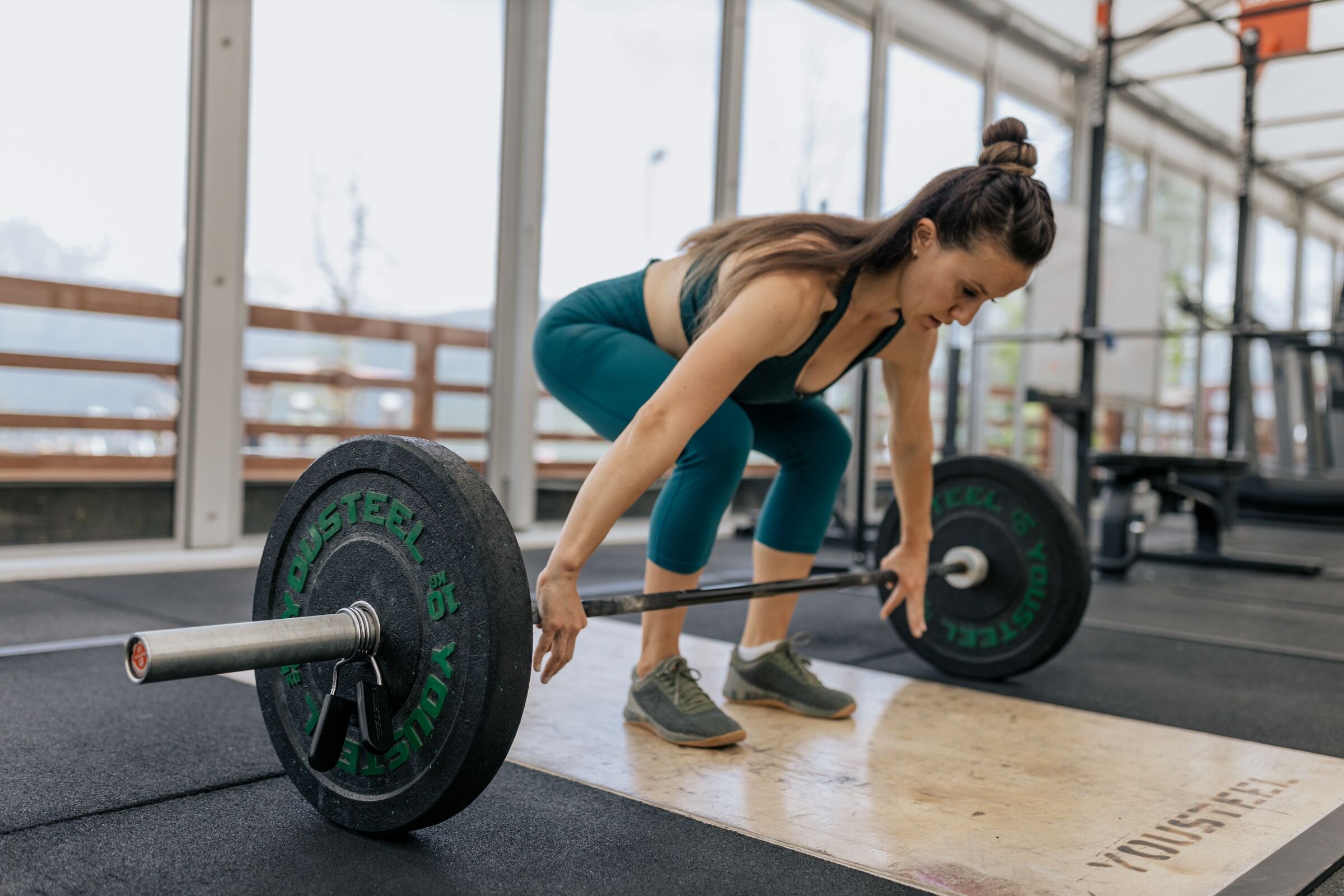
The push/pull/legs split, or PPL, is one of the most popular ways to organize muscle-building training, and for good reason. It groups muscles by the movements they perform, so every workout has a clear focus and back-to-back days barely overlap.
This guide explains how PPL works, how to choose between the 3-day and 6-day versions, what to do on each day, and who it suits best.
How the push/pull/legs split works
Each workout trains one family of movements:
| Day | Muscles trained | Movement patterns | Example exercises |
|---|---|---|---|
| Push | Chest, shoulders, triceps | Horizontal and vertical presses, raises, triceps extensions | Bench press, overhead press, lateral raise |
| Pull | Back, rear delts, biceps | Vertical and horizontal pulls, curls | Pull-up, barbell row, face pull, curl |
| Legs | Quads, hamstrings, glutes, calves | Squats, hinges, lunges | Squat, Romanian deadlift, leg curl |
Because muscles that work together are trained together, a pressing day doesn't tire out your back for the next day's rows, and your legs get a full session of their own instead of being squeezed in at the end of an upper-body workout. Core work can go at the end of any day.
3-day vs. 6-day PPL
| Detail | 3-day PPL | 6-day PPL |
|---|---|---|
| Sessions per week | 3 | 6 |
| Each muscle trained | Once a week | Twice a week |
| Typical weekly sets per muscle | 6-10 | 12-20 |
| Session length | 60-75 minutes | 45-75 minutes |
| Best for | Busy schedules and lifters returning to training | Intermediate and advanced lifters with time to recover |
| Example week | Mon push, Wed pull, Fri legs | Push, pull, legs, push, pull, legs, rest |
Which one builds more muscle? An early meta-analysis found that training each muscle twice a week produced more growth than once a week.[1] But a later, larger meta-analysis showed that when total weekly volume is the same, training frequency makes little difference to muscle growth,[2] and a 2026 set of meta-regressions agreed, finding negligible effects of frequency on hypertrophy but a benefit for strength.[3]
The practical upshot: frequency mainly helps you fit in enough quality volume. A 3-day PPL can work, but squeezing 12 or more hard sets for a muscle into one session is tiring, and quality drops toward the end. If you can train five or six days a week, the 6-day version makes higher volumes much easier to manage. Our guide to sets per muscle per week helps you pick the right amount.
Hybrid options
You don't have to choose between exactly three and six days:
- Rolling PPL: push, pull, legs, rest, and repeat. Each muscle is trained every fourth day, which suits lifters who want more than once a week without training six days in a row.
- Five-day PPL plus upper/lower: push, pull, legs, upper, lower. Each muscle gets about one and a half to two sessions a week.
| Plan | Mon | Tue | Wed | Thu | Fri | Sat | Sun |
|---|---|---|---|---|---|---|---|
| 3-day PPL | Push | Rest | Pull | Rest | Legs | Rest | Rest |
| 5-day hybrid | Push | Pull | Legs | Rest | Upper | Lower | Rest |
| 6-day PPL | Push | Pull | Legs | Push | Pull | Legs | Rest |
A rolling PPL doesn't fit a fixed week: it simply repeats push, pull, legs, rest, so your training days shift a little each week.
Sample PPL workouts
Order each workout from heaviest to lightest: start with a big compound lift while you're fresh, follow with one or two secondary compound lifts, and finish with isolation work. Five or six exercises and about 15 to 20 hard sets per session is plenty. If a session drags past 75 minutes, drop an exercise rather than rushing your rest periods.
Take most sets to within one to three reps of failure and rest as listed. On a 6-day plan, run each day twice a week and use the swaps in the table below for the second round.
Push day
-
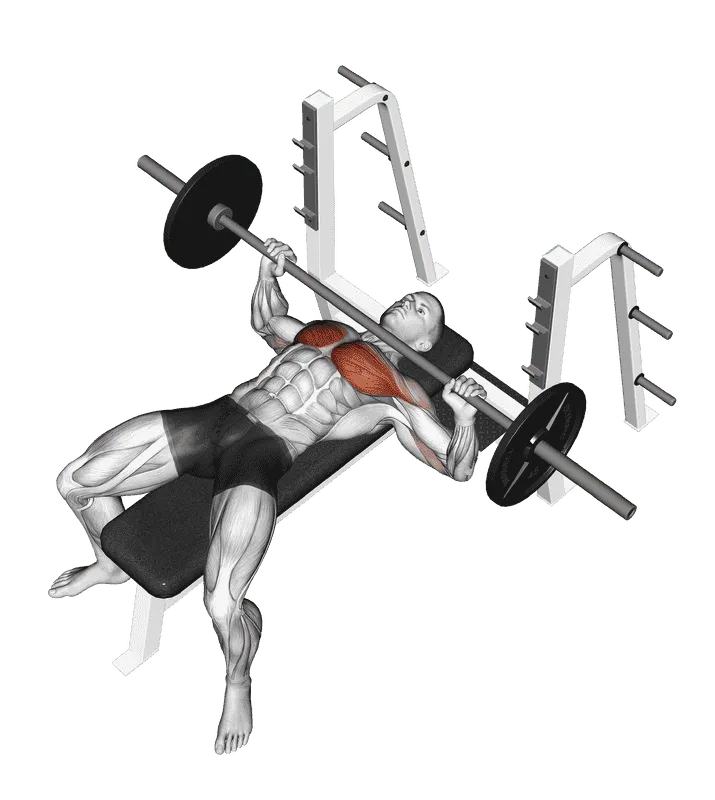
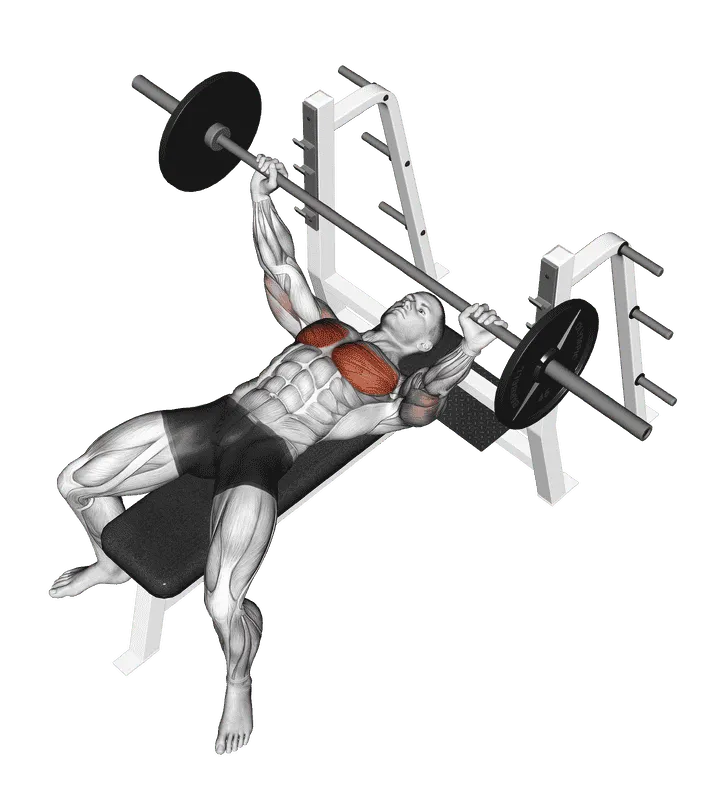
1 Barbell Bench Press - Sets
- 3–4
- Reps
- 5–8
- Rest
- 180 s
-
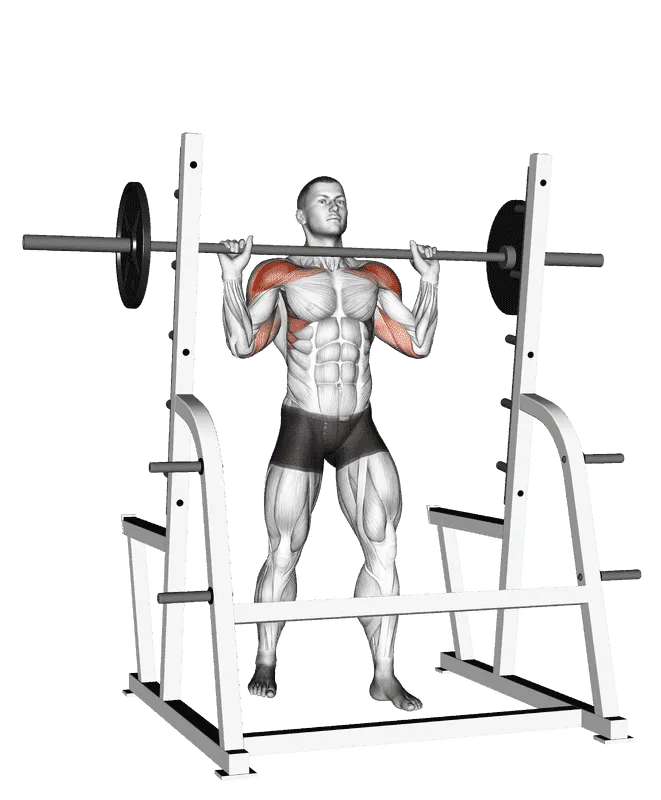
2 Barbell Standing Military Press - Sets
- 3
- Reps
- 6–10
- Rest
- 150 s
-
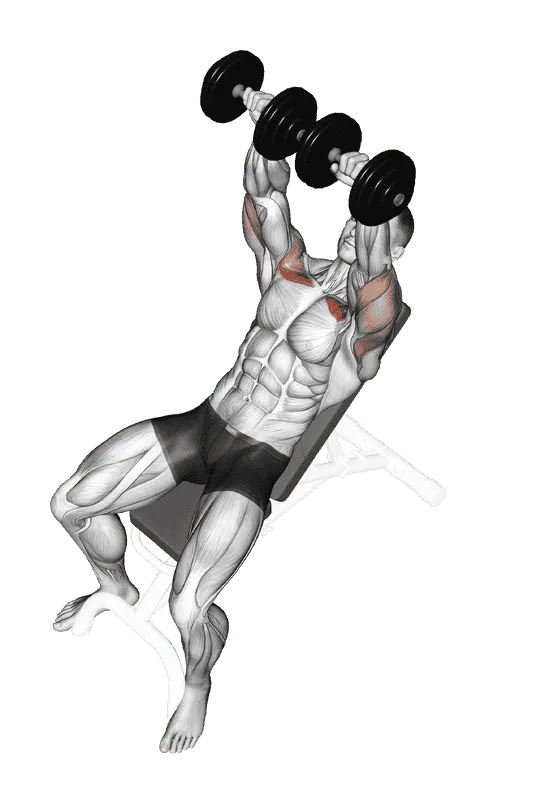
3 Dumbbell Incline Bench Press - Sets
- 3
- Reps
- 8–12
- Rest
- 120 s
-
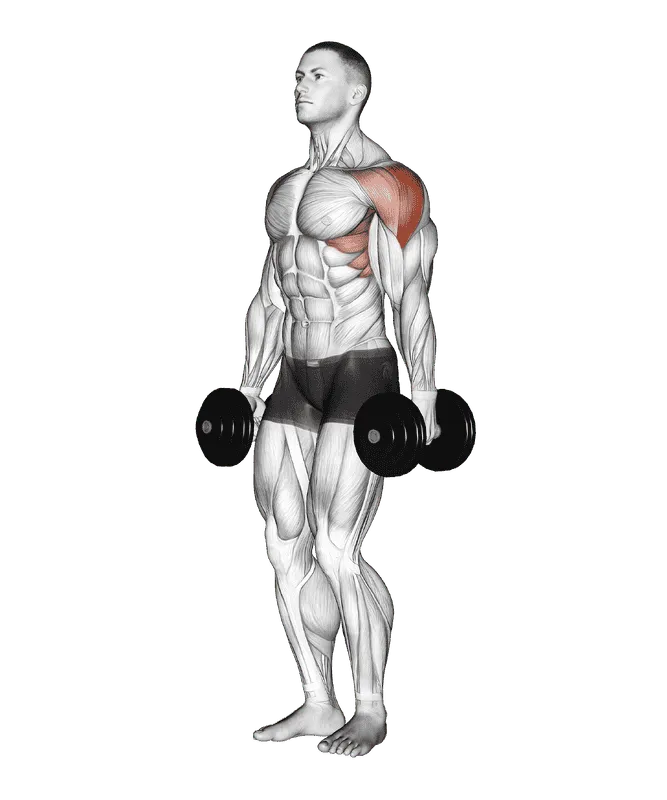
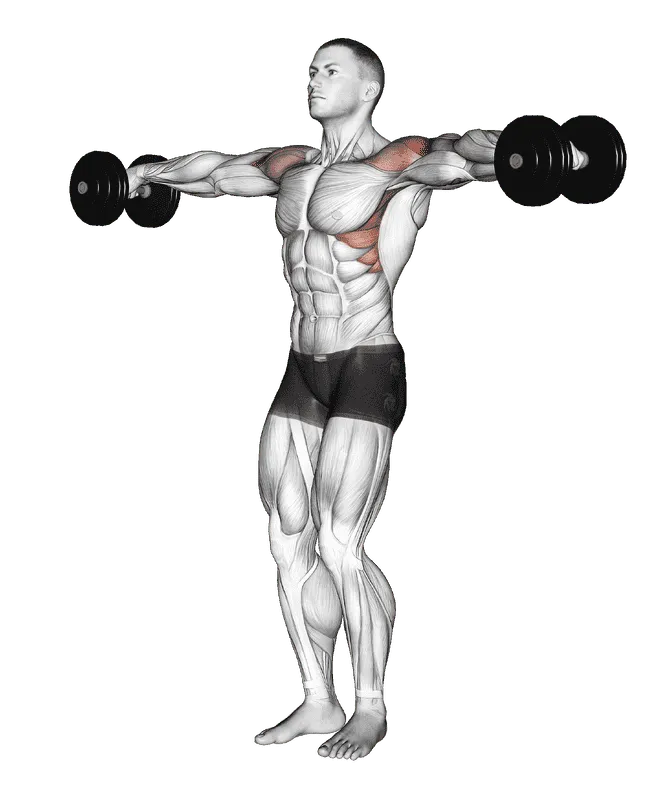
4 Dumbbell Lateral Raise - Sets
- 3
- Reps
- 12–20
- Rest
- 60 s
-
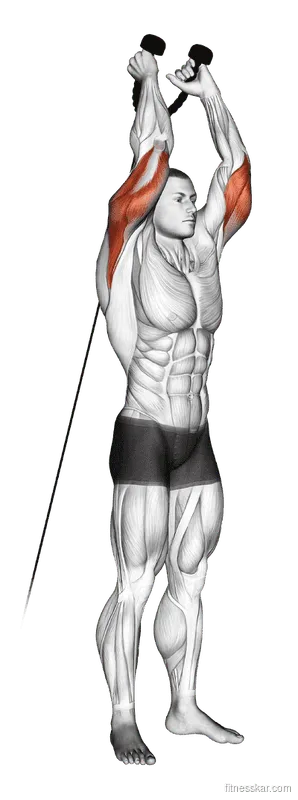
5 Cable Overhead Triceps Extension (Rope Attachment) - Sets
- 3
- Reps
- 10–15
- Rest
- 90 s


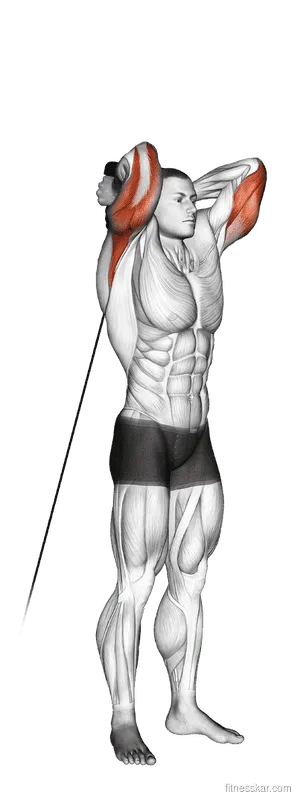
Why an overhead triceps extension? In a 12-week study, overhead cable extensions grew the triceps about 1.4 times as much as the same exercise done with the arms at the sides.[4]
Pull day
-
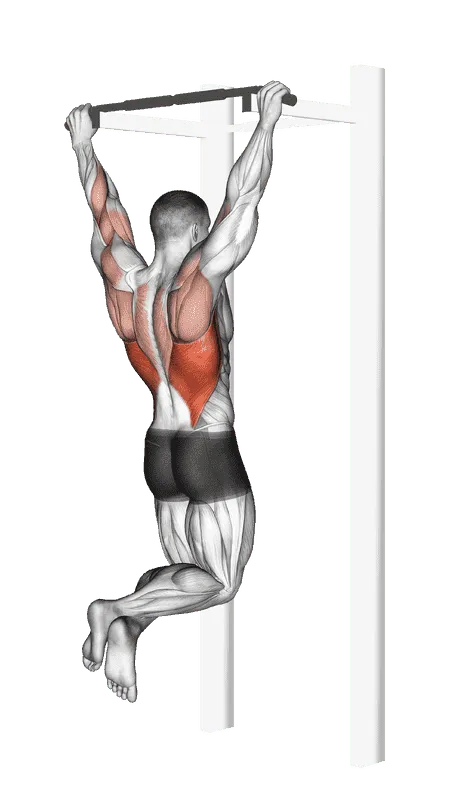
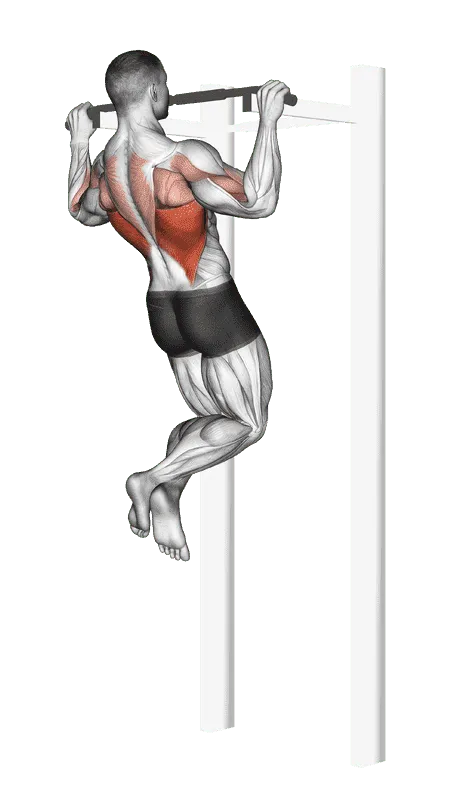
1 Pull-Up - Sets
- 3–4
- Reps
- 6–10
- Rest
- 150 s
-
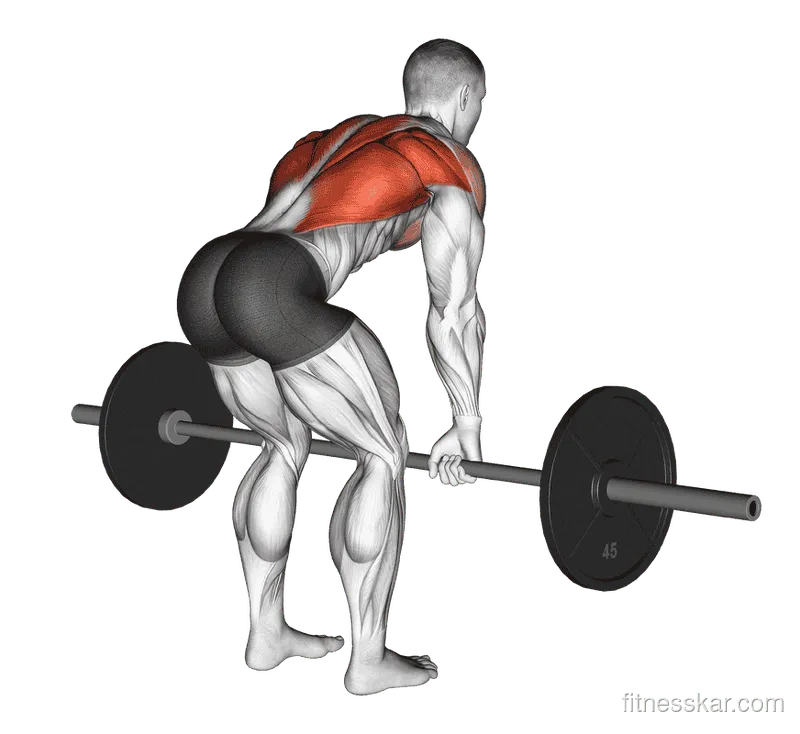
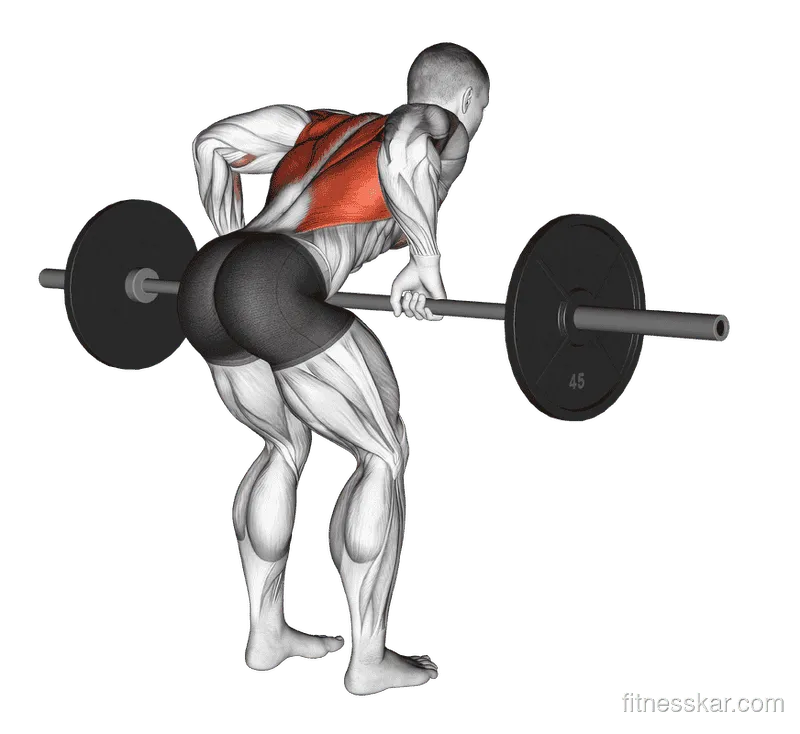
2 Barbell Bent-Over Row - Sets
- 3
- Reps
- 6–10
- Rest
- 150 s
-
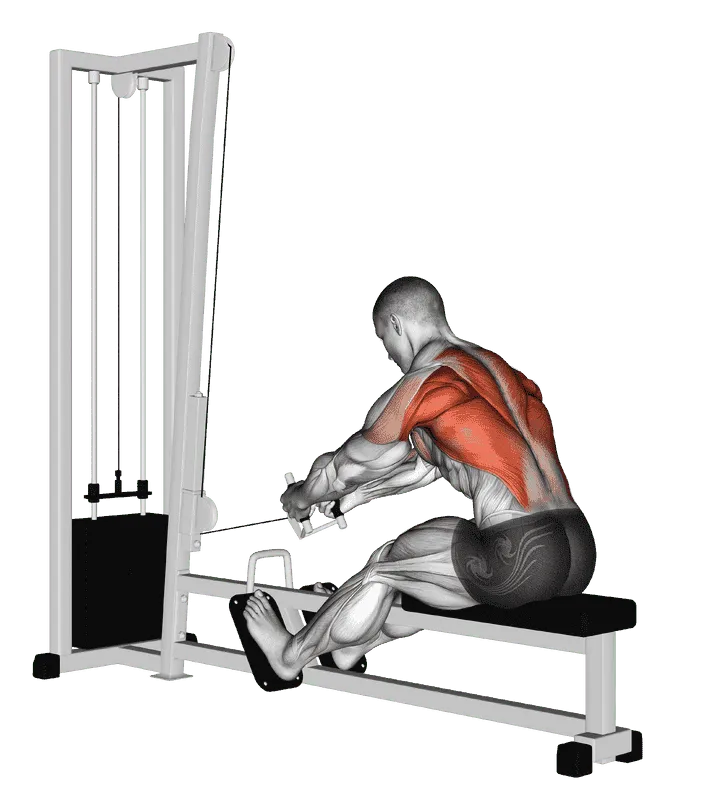
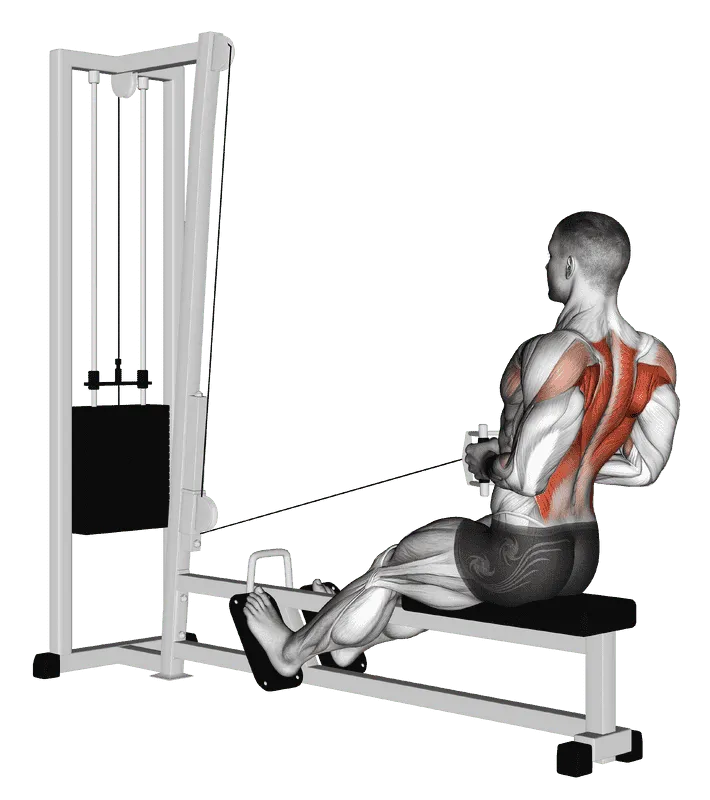
3 Cable Seated Row - Sets
- 3
- Reps
- 10–12
- Rest
- 90 s
-
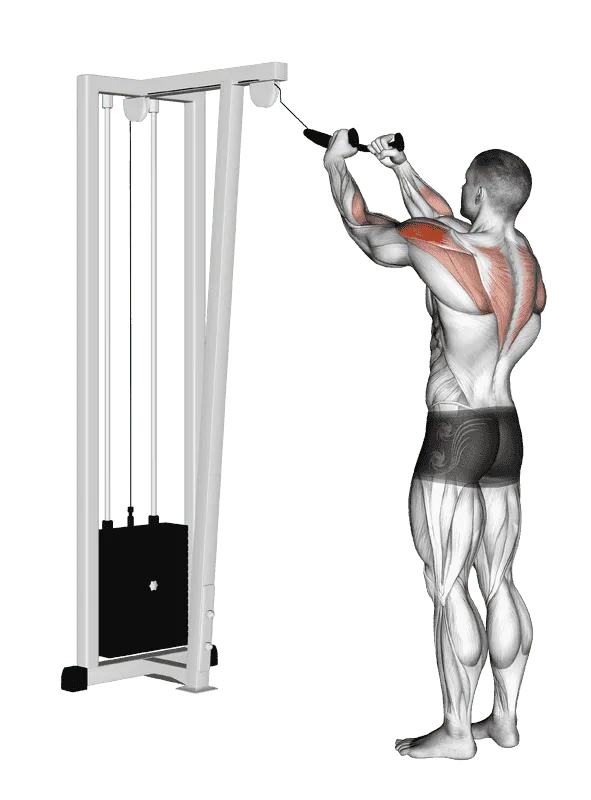
4 Cable Rear Delt Row (with Rope) - Sets
- 3
- Reps
- 12–20
- Rest
- 60 s
-
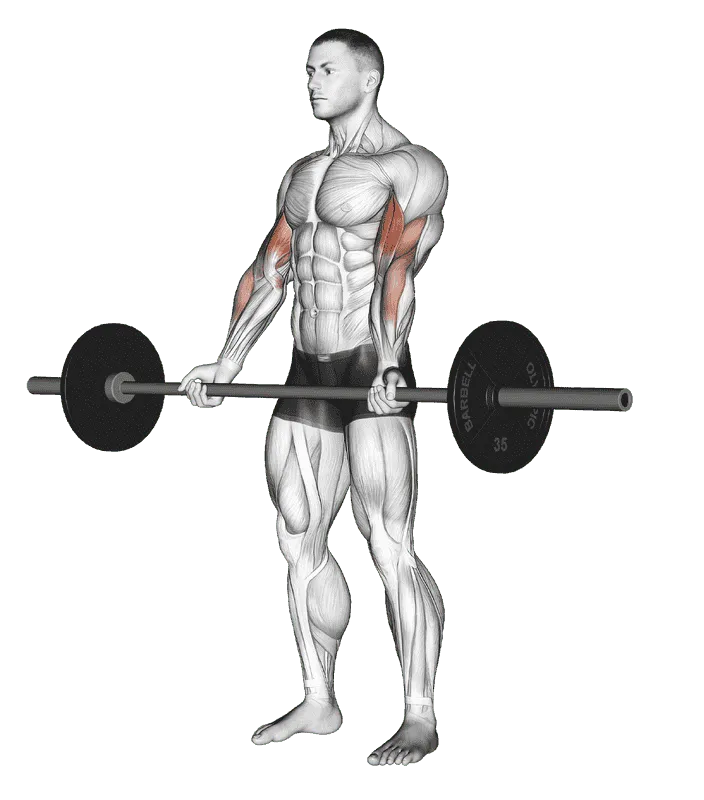
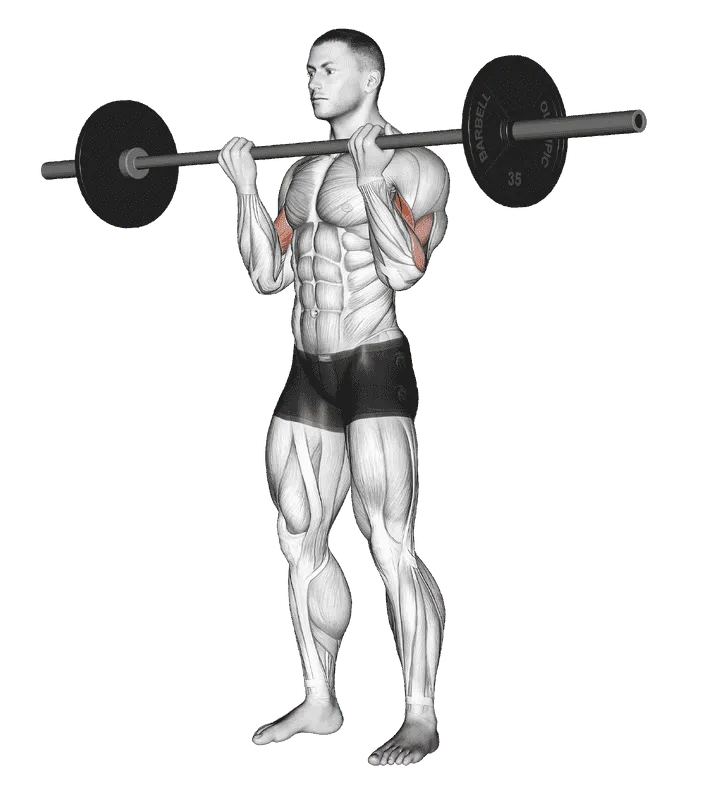
5 Barbell Curl - Sets
- 3
- Reps
- 8–12
- Rest
- 90 s
-
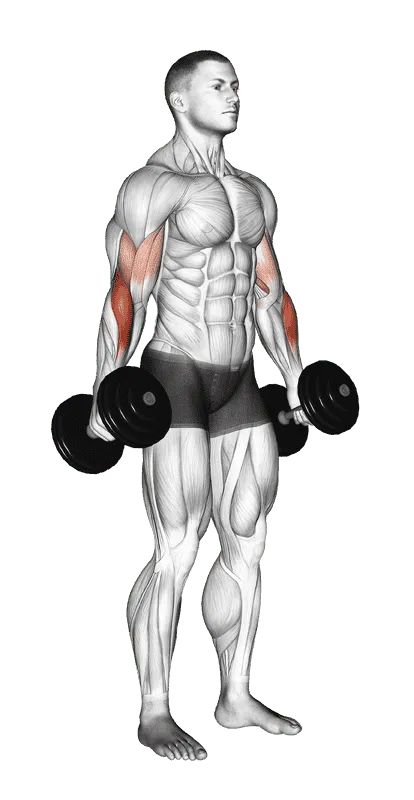
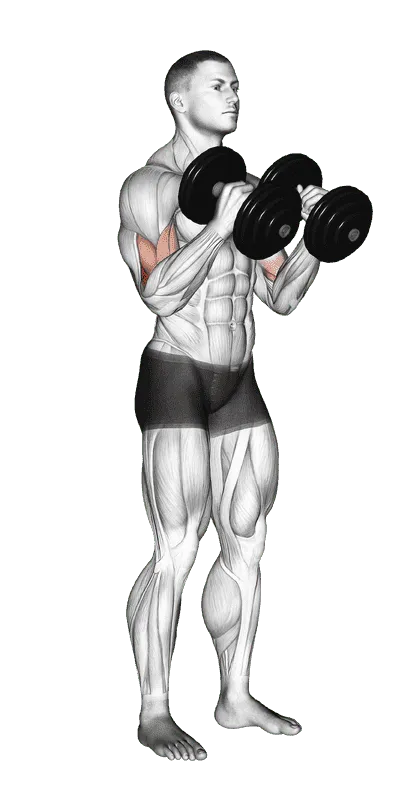
6 Dumbbell Hammer Curl - Sets
- 2
- Reps
- 10–15
- Rest
- 60 s

Leg day
-
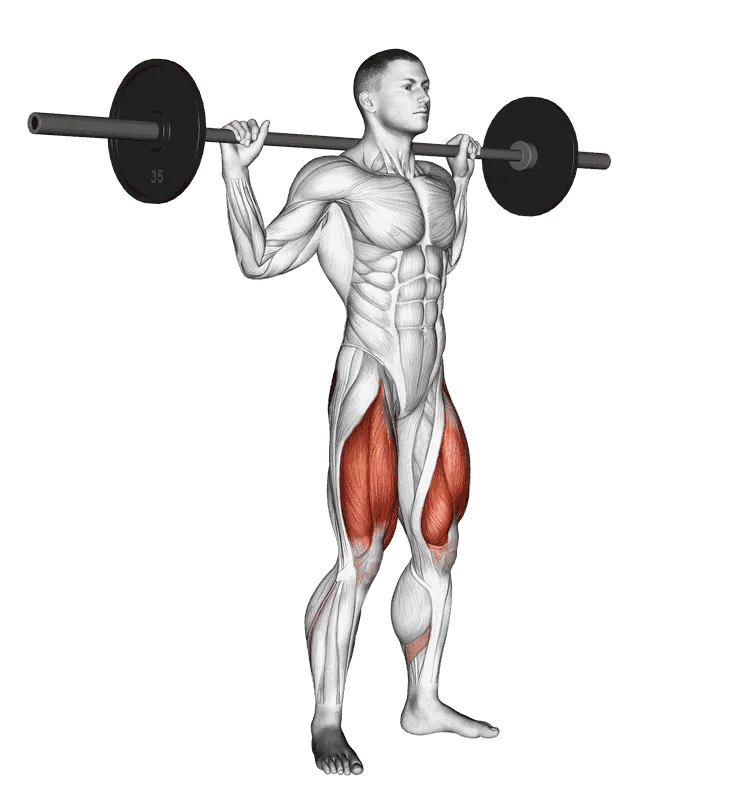
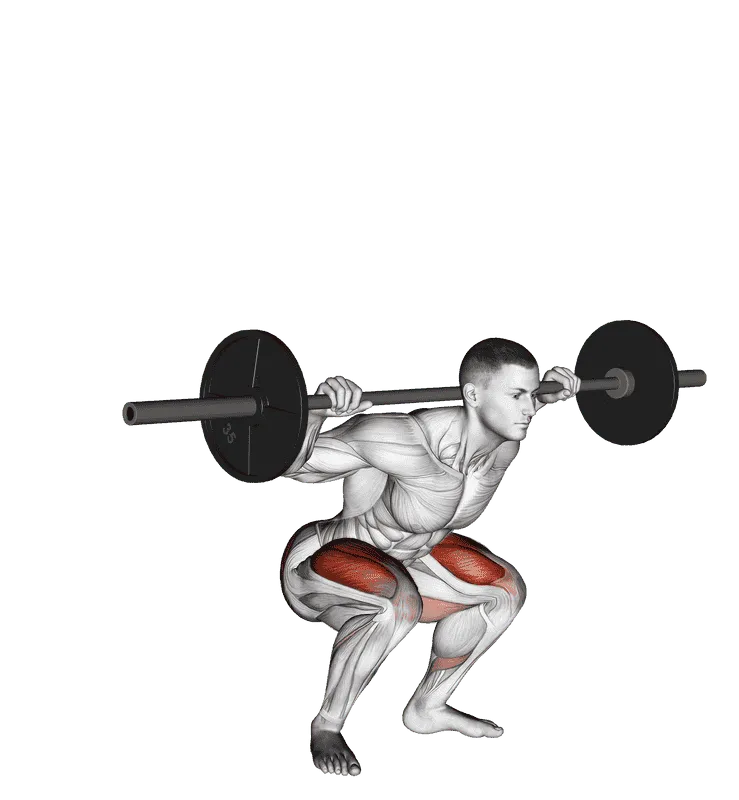
1 Barbell Full Squat - Sets
- 3–4
- Reps
- 5–8
- Rest
- 180 s
-
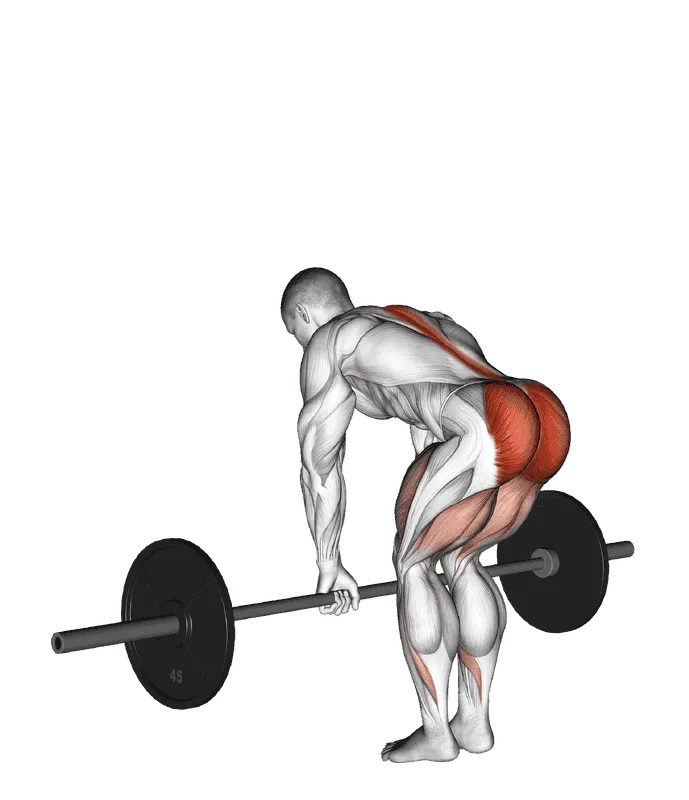
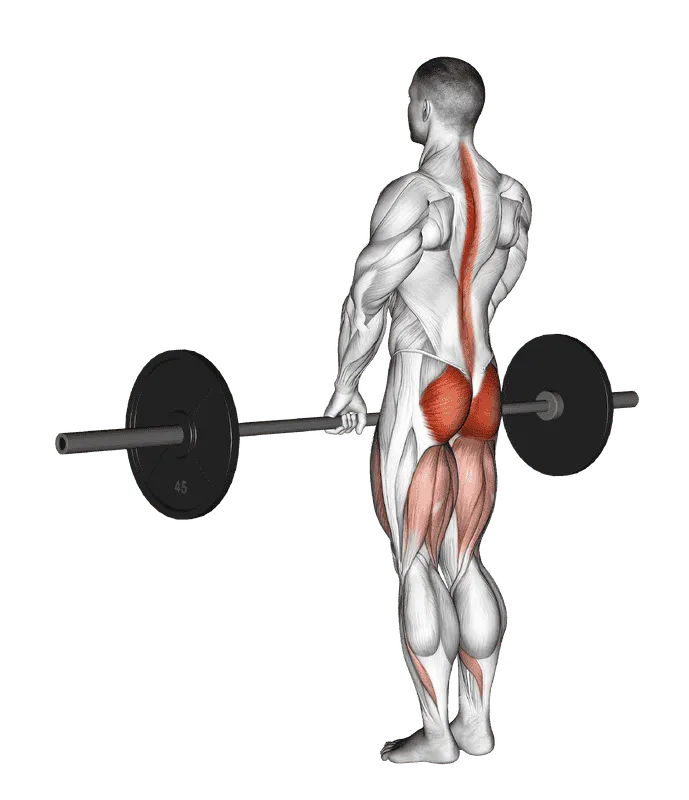
2 Barbell Romanian Deadlift - Sets
- 3
- Reps
- 6–10
- Rest
- 150 s
-

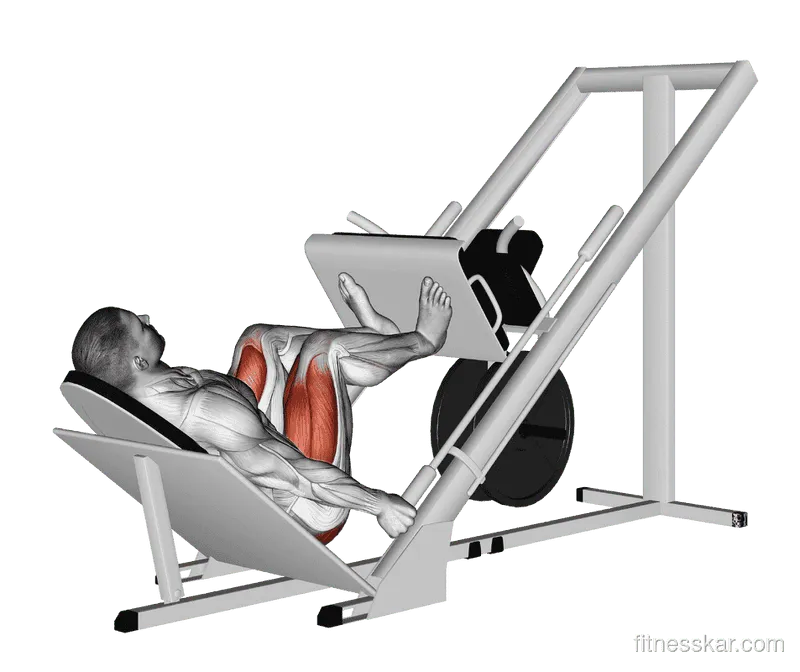
3 Sled 45° Leg Press - Sets
- 3
- Reps
- 10–15
- Rest
- 120 s
-
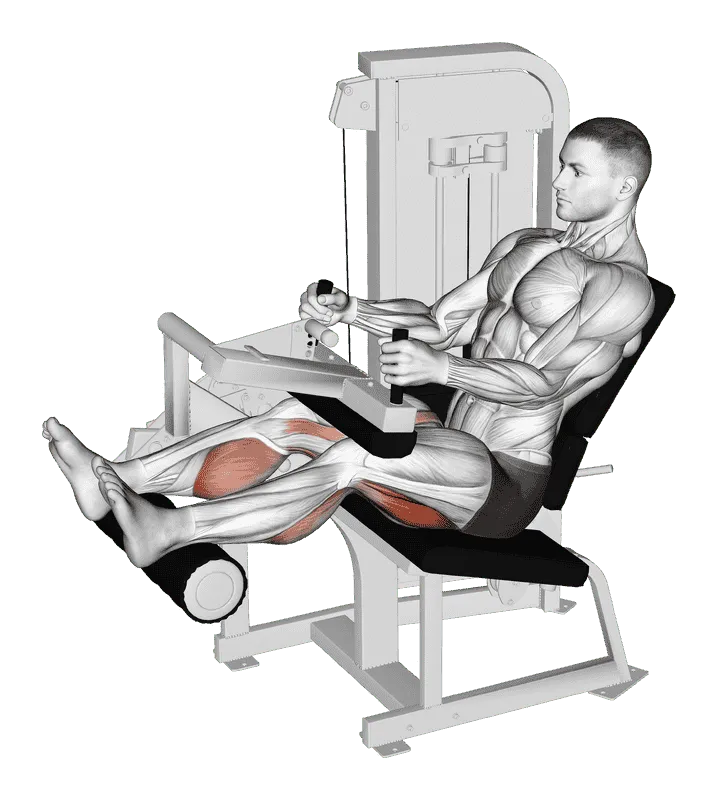
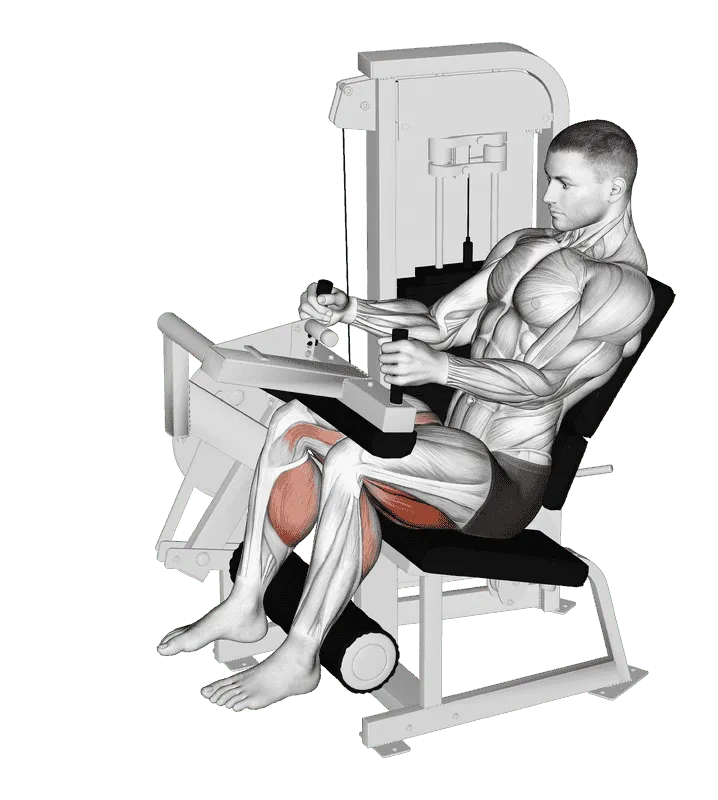
4 Lever Seated Leg Curl - Sets
- 3
- Reps
- 10–15
- Rest
- 90 s
-
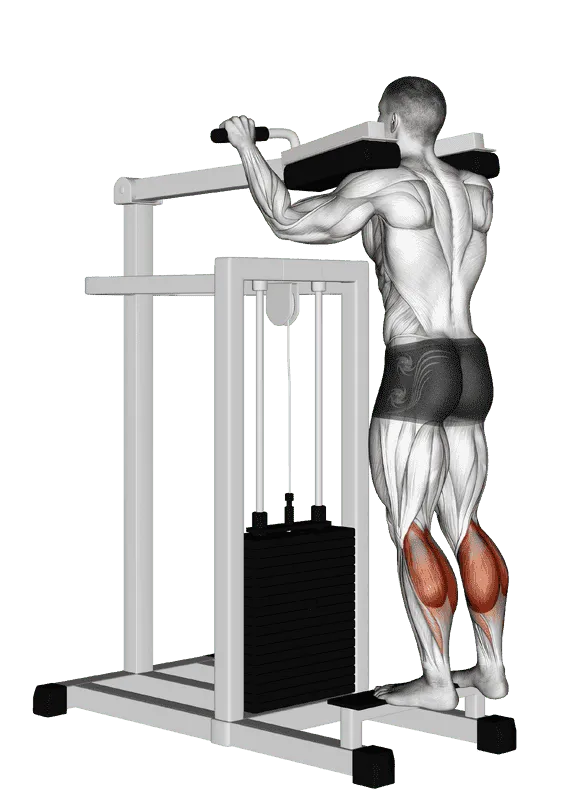
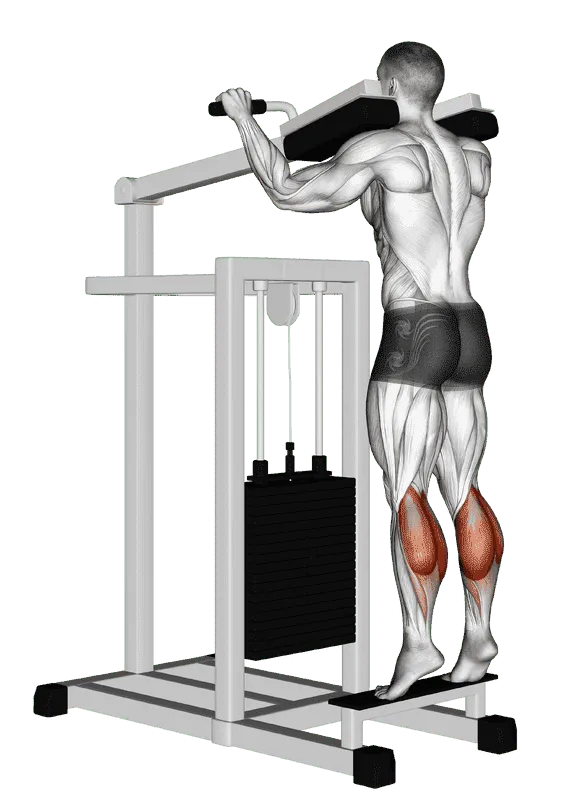
5 Lever Standing Calf Raise - Sets
- 4
- Reps
- 10–15
- Rest
- 60 s
Swaps for the second round
| Day | Swap in |
|---|---|
| Push B | Dumbbell incline bench press first, then dumbbell seated shoulder press, chest dip, cable crossover and cable pushdown |
| Pull B | Lat pulldown, dumbbell bent-over row, lever T-bar row, face pull and dumbbell biceps curl |
| Legs B | Sled hack squat or dumbbell Bulgarian split squat, barbell hip thrust, lever leg extension, lever lying leg curl and lever seated calf raise |
Keep the heavier rep ranges for the first round of the week and lean toward higher reps on the second, so each muscle gets both kinds of work.
How to progress on a PPL
A split only works if the numbers keep moving. Use double progression on every exercise: pick a rep range, and when you hit the top of it on all sets, add the smallest weight step and build the reps back up. Log every session so you know exactly what to beat next time.
Expect your main lifts to progress more slowly than your isolation work, especially on a 3-day plan where each lift comes around only once a week. When several lifts stall at once, or you feel run-down for more than a few sessions, take a lighter week with about half your usual sets before pushing on again. Our guide to progressive overload covers more ways to keep progressing.
Who PPL suits, and who it doesn't
PPL is a great fit if you:
- have trained consistently for at least six months to a year,
- can train four to six days a week, or prefer three longer sessions,
- like focused sessions with room for several exercises per muscle group.
It's a weaker fit if you're a complete beginner or your schedule is unpredictable. Beginners usually do better with two or three full-body sessions a week, which train each muscle more often with fewer exercises to learn. The American College of Sports Medicine suggests 2 to 3 training days a week for novices, 3 to 4 for intermediate lifters and 4 to 5 for advanced lifters.[5] And on a 3-day PPL, a single missed session can leave a muscle untrained for two weeks. If you're just starting out, a beginner strength program is a better first step.
No split is magic, either. A 2024 meta-analysis found that split and full-body routines produce similar gains in strength and muscle when volume is equated.[6] In one study of well-trained men, a full-body routine done three times a week even grew the muscles that bend the elbow more than a split that trained each muscle once a week, with similar strength gains.[7] Pick the schedule you can stick to, then make sure every muscle gets enough weekly volume.
Want a ready-made PPL? This advanced six-day plan runs pull, push and leg days, each twice a week.
Common PPL mistakes
- Too much pushing, too little pulling. Match your pressing volume with at least as much rowing and pulling.
- Skipping leg day. It's the hardest day and the first to get dropped. Schedule it early in the week.
- Running six days without the recovery to match. Six sessions need enough sleep and food. If you're constantly sore and stalling, switch to a rolling or five-day version.
- The same heavy weights every session. On a 6-day plan, go heavier in the first round and use more reps in the second.
- No progression plan. Repeating the same weights and reps for months is the fastest way to stall. Log your lifts and aim to beat them.
Frequently asked questions
Frequently asked questions
Is push/pull/legs good for beginners?
It can work, but most beginners do better starting with two or three full-body sessions a week. Switch to PPL once you've trained consistently for six months to a year.
Should I do a 3-day or a 6-day PPL?
Choose the 6-day version if you can recover from it and want higher weekly volume. The 3-day version works when you're short on time, but each muscle gets only one session a week.
Can I do PPL at home?
Yes. With dumbbells, a bench and a pull-up bar you can cover every day: dumbbell presses and raises for push, pull-ups and dumbbell rows for pull, and split squats and dumbbell Romanian deadlifts for legs.
Where do abs fit in a PPL split?
Add two or three sets of core work to the end of two or three sessions a week.
Is PPL better than an upper/lower split?
Not inherently. Both work when weekly volume is similar, so choose the one that fits your schedule and that you enjoy.
Sources
- Schoenfeld BJ, Ogborn D, Krieger JW. Effects of resistance training frequency on measures of muscle hypertrophy: a systematic review and meta-analysis. Sports Medicine. 2016. pubmed.ncbi.nlm.nih.gov/27102172/ ↩
- Schoenfeld BJ, Grgic J, Krieger J. How many times per week should a muscle be trained to maximize muscle hypertrophy? A systematic review and meta-analysis of studies examining the effects of resistance training frequency. Journal of Sports Sciences. 2019. pubmed.ncbi.nlm.nih.gov/30558493/ ↩
- Pelland JC, Remmert JF, Robinson ZP, Hinson SR, Zourdos MC. The resistance training dose response: meta-regressions exploring the effects of weekly volume and frequency on muscle hypertrophy and strength gains. Sports Medicine. 2026. pubmed.ncbi.nlm.nih.gov/41343037/ ↩
- Maeo S, Wu Y, Huang M, et al. Triceps brachii hypertrophy is substantially greater after elbow extension training performed in the overhead versus neutral arm position. European Journal of Sport Science. 2023. pubmed.ncbi.nlm.nih.gov/35819335/ ↩
- American College of Sports Medicine. American College of Sports Medicine position stand: progression models in resistance training for healthy adults. Medicine and Science in Sports and Exercise. 2009. pubmed.ncbi.nlm.nih.gov/19204579/ ↩
- Ramos-Campo DJ, Benito-Peinado PJ, Andreu-Caravaca L, Rojo-Tirado MA, Rubio-Arias JÁ. Efficacy of split versus full-body resistance training on strength and muscle growth: a systematic review with meta-analysis. Journal of Strength and Conditioning Research. 2024. pubmed.ncbi.nlm.nih.gov/38595233/ ↩
- Schoenfeld BJ, Ratamess NA, Peterson MD, Contreras B, Tiryaki-Sonmez G. Influence of resistance training frequency on muscular adaptations in well-trained men. Journal of Strength and Conditioning Research. 2015. pubmed.ncbi.nlm.nih.gov/25932981/ ↩