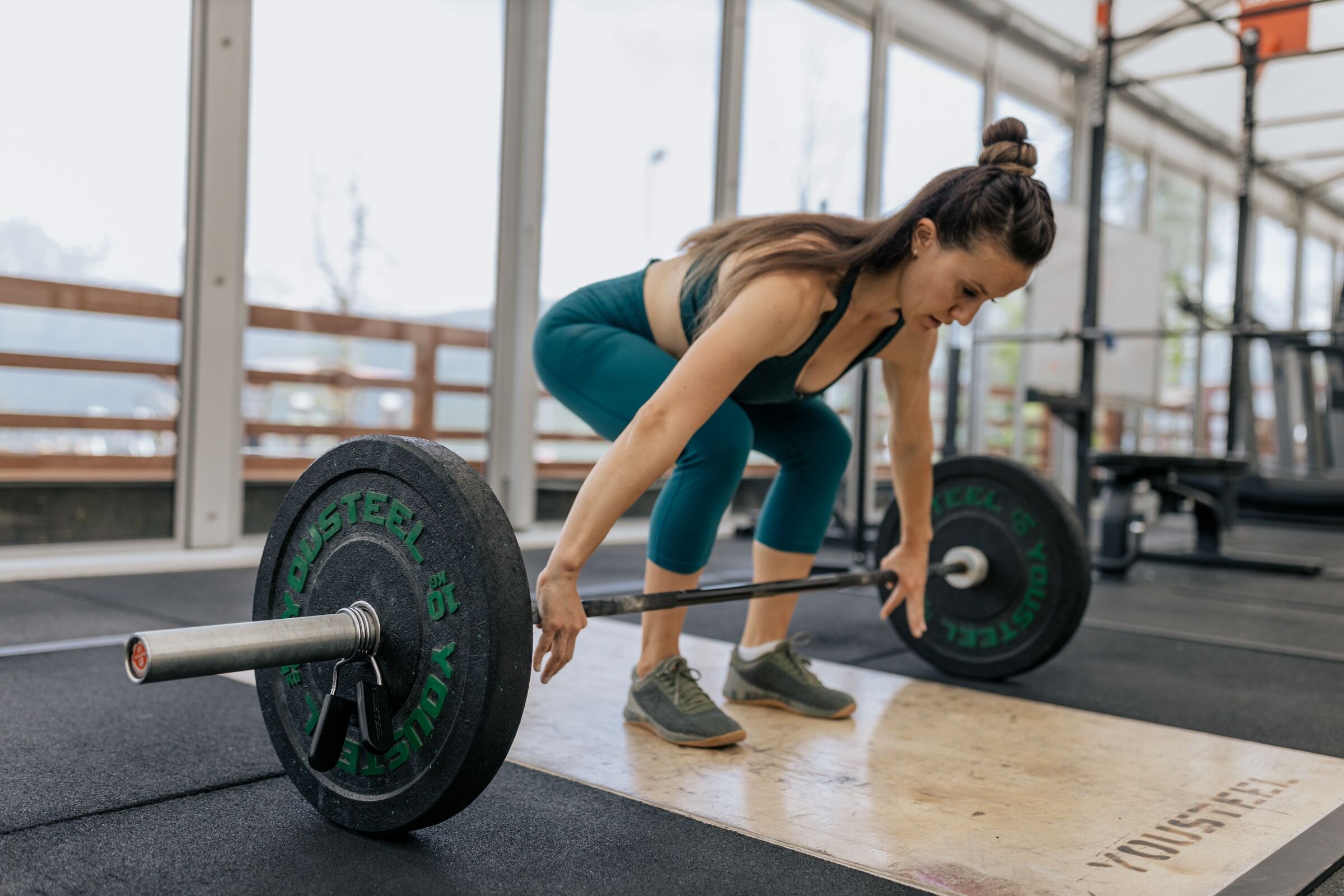
If you're new to lifting, or coming back after a long break, you don't need a complicated split to get strong. You need a handful of big lifts, practiced often, with a little more weight over time. This program gives you exactly that: two full-body workouts, three days a week, for 12 weeks.
It's written for healthy adults with access to a gym that has a barbell, a rack and a few dumbbells. If you have a heart condition, high blood pressure or joint problems, or you haven't been active for a long time, check with your doctor before you start.
The principles behind the plan
Train your whole body, three times a week. Public-health guidelines recommend muscle-strengthening activities on two or more days a week that work all the major muscle groups: legs, hips, back, abdomen, chest, shoulders and arms.[1] For novices, the American College of Sports Medicine recommends training two to three days per week with loads in the 8- to 12-rep-max range, doing large, multi-joint exercises before smaller, single-joint ones, and increasing the load by 2–10% once you can perform one or two reps more than your target.[2]
Frequency gives you practice and volume. A meta-analysis of 140 studies found that untrained people made the biggest strength gains when they trained each muscle group about three days a week, at an average intensity of around 60% of their one-rep max, with four sets per muscle group.[3] Another meta-analysis found that training more often led to greater strength gains mainly because it allowed more total weekly volume; when volume was equal, frequency made no significant difference.[4] Three full-body sessions are simply an easy way to get plenty of practice and volume without long workouts.
Master a few big lifts. The squat, deadlift, bench press, overhead press, row and pull-up train every major muscle group, and you'll get good at them by doing them often.
Start light and add weight slowly. The first weeks are for learning. Small, steady jumps in load add up to big changes over 12 weeks.
Leave reps in the tank. End most sets with two or three good reps left. You'll recover faster, practice better technique and still get stronger.
The program at a glance
You'll alternate two workouts, A and B, on three non-consecutive days, for example Monday, Wednesday and Friday. In week 1 you do A, B, A; in week 2, B, A, B; and so on.
| Phase | Weeks | Squat, bench press and overhead press | Deadlift | Effort |
|---|---|---|---|---|
| 1. Learn | 1–4 | 3 × 8 | 2 × 5 | End sets with 3–4 reps left |
| 2. Build | 5–8 | 3 × 6 | 2 × 5 | End sets with 2–3 reps left |
| 3. Strengthen | 9–12 | 4 × 5 | 3 × 5 | End sets with 1–2 reps left |
The accessory lifts (rows, pull-ups, goblet squats and planks) stay the same in every phase. The plan starts in the 8- to 12-rep zone recommended for novices and moves toward heavier sets of five as your technique settles.
Workout A
-
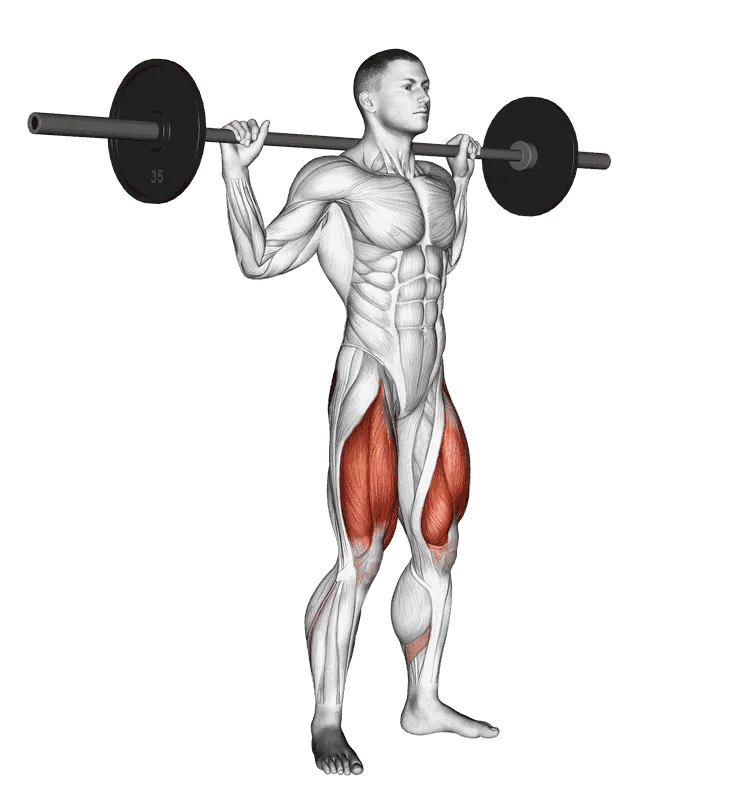
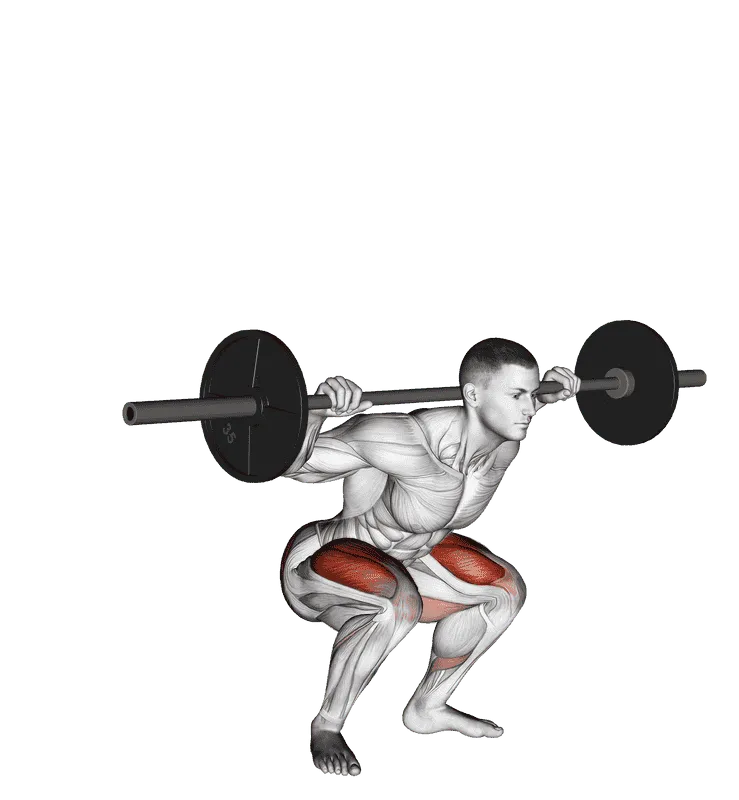
1 Barbell Full Squat - Sets
- 3–4
- Reps
- 5–8
- Rest
- 180 s
-
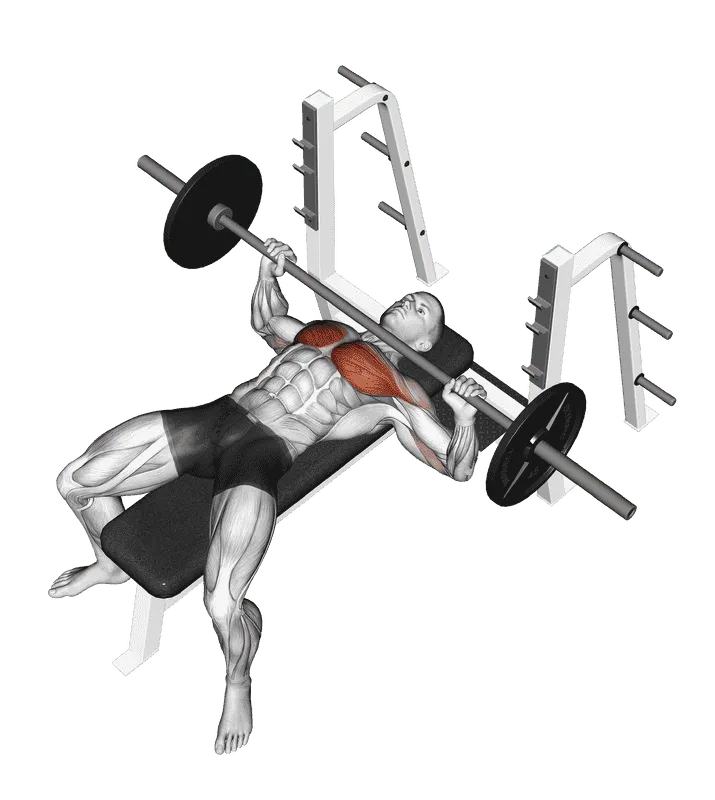
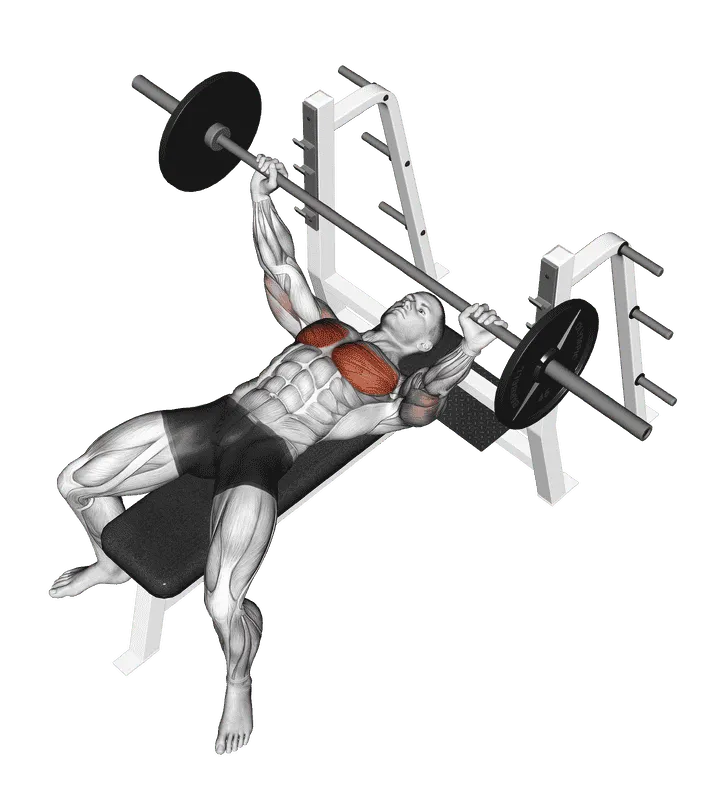
2 Barbell Bench Press - Sets
- 3–4
- Reps
- 5–8
- Rest
- 150 s
-
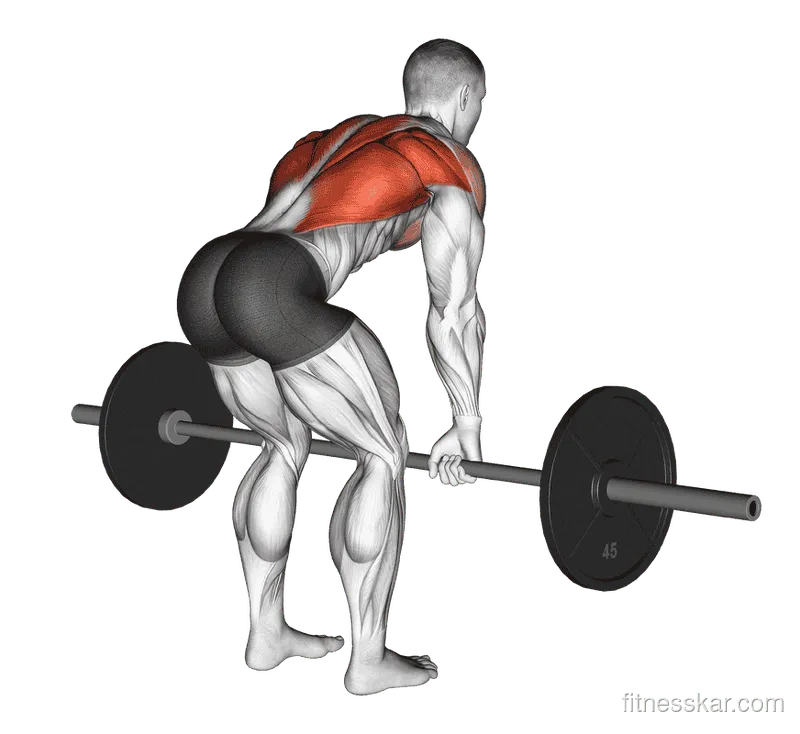
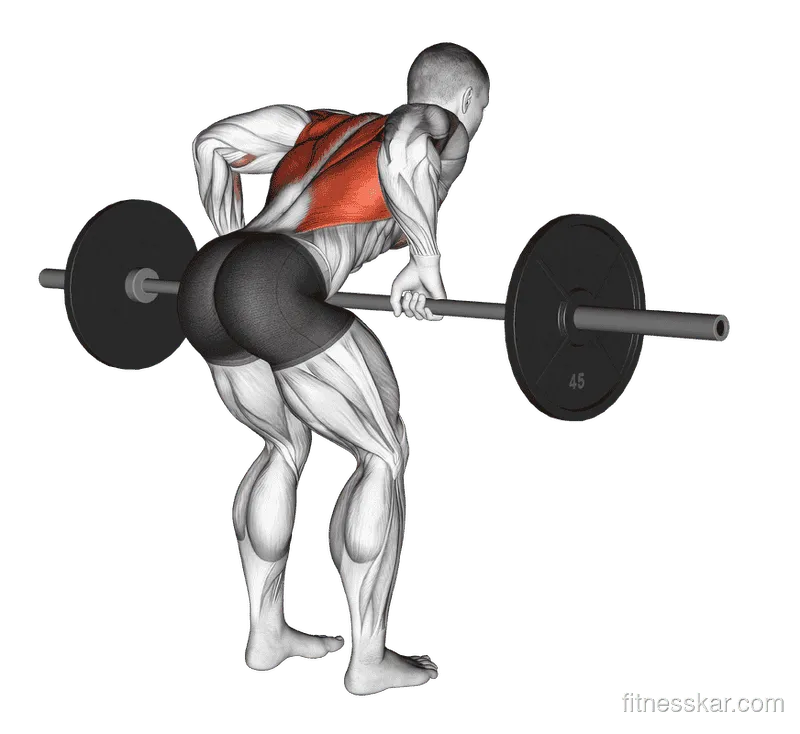
3 Barbell Bent-Over Row - Sets
- 3
- Reps
- 8–10
- Rest
- 120 s
-
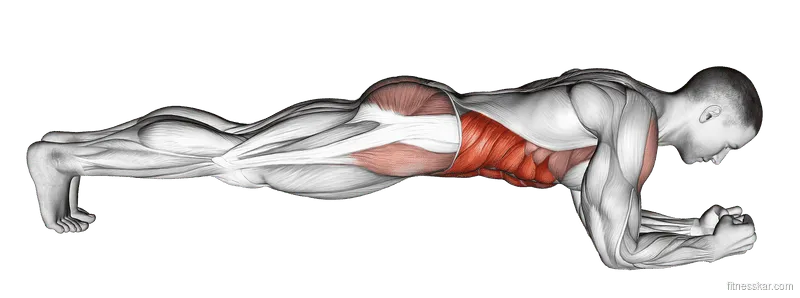
4 Front Plank - Sets
- 3
- Rest
- 60 s
Workout B
-
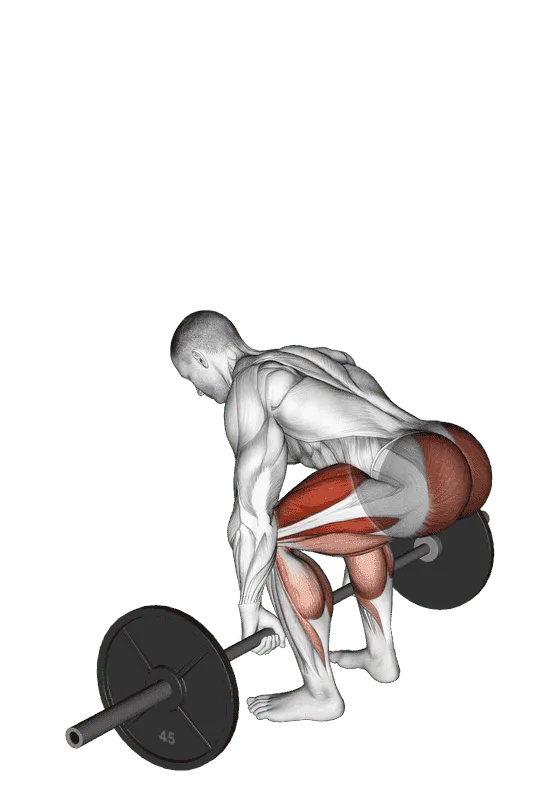
1 Barbell Deadlift - Sets
- 2–3
- Reps
- 5
- Rest
- 180 s
-
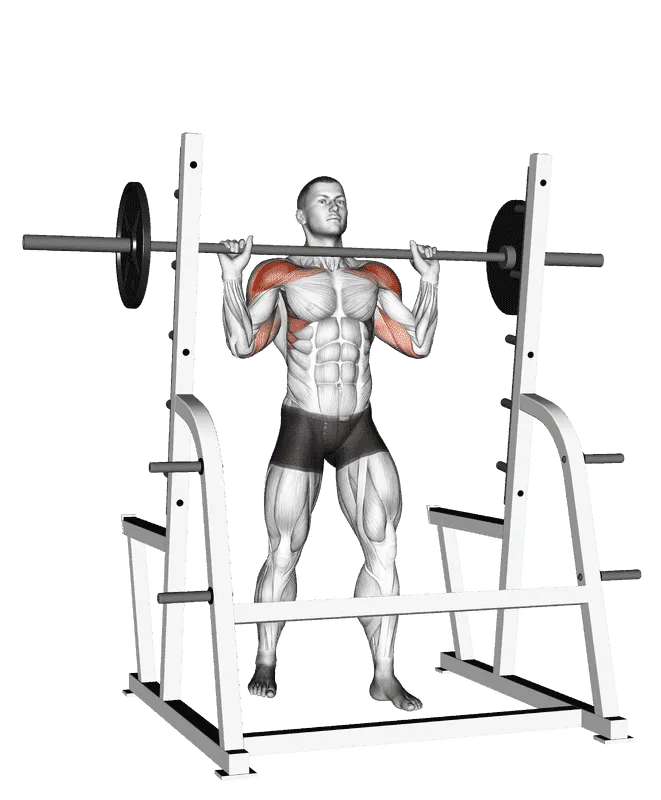
2 Barbell Standing Military Press - Sets
- 3–4
- Reps
- 5–8
- Rest
- 150 s
-
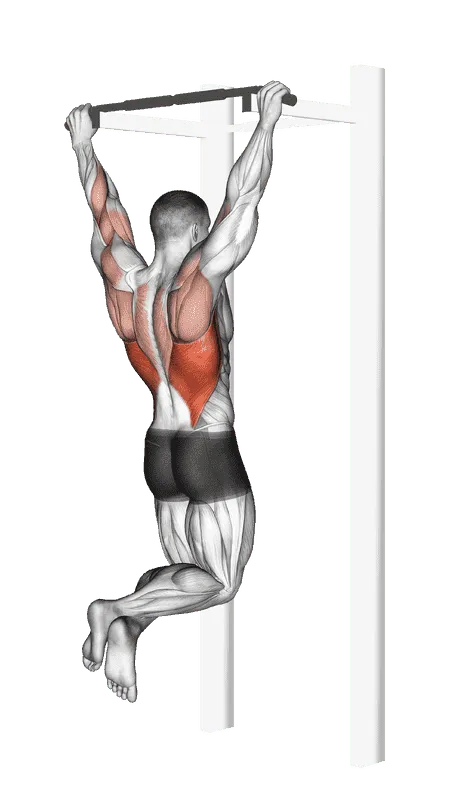
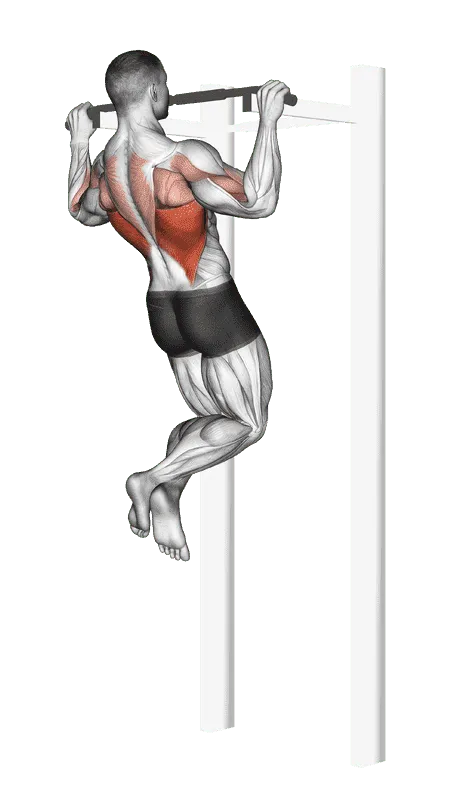
3 Pull-Up - Sets
- 3
- Reps
- 5–10
- Rest
- 120 s
-
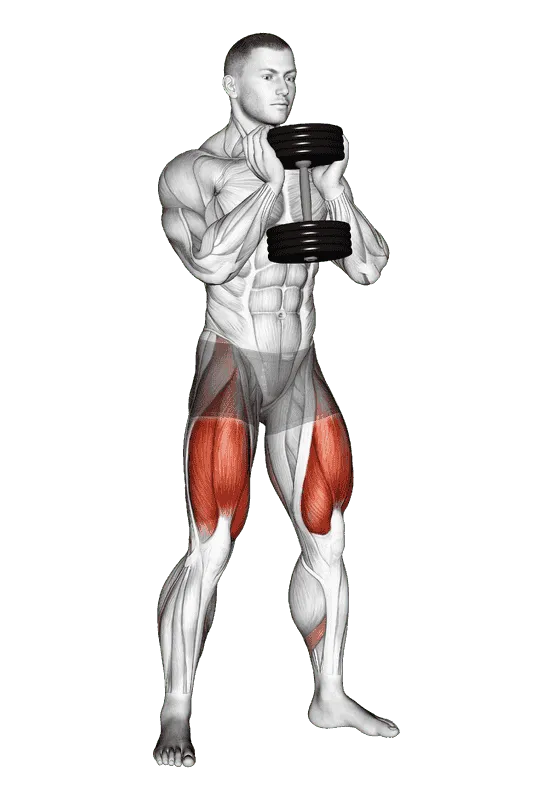
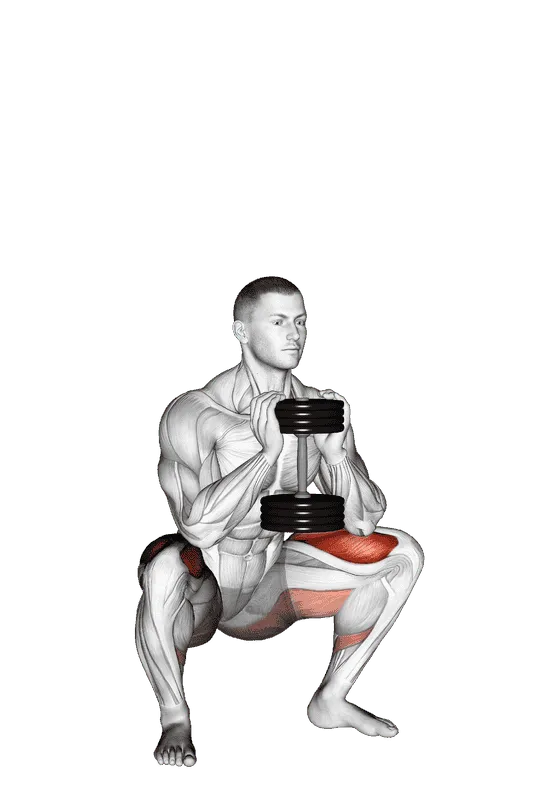
4 Dumbbell Goblet Squat - Sets
- 2
- Reps
- 10
- Rest
- 90 s
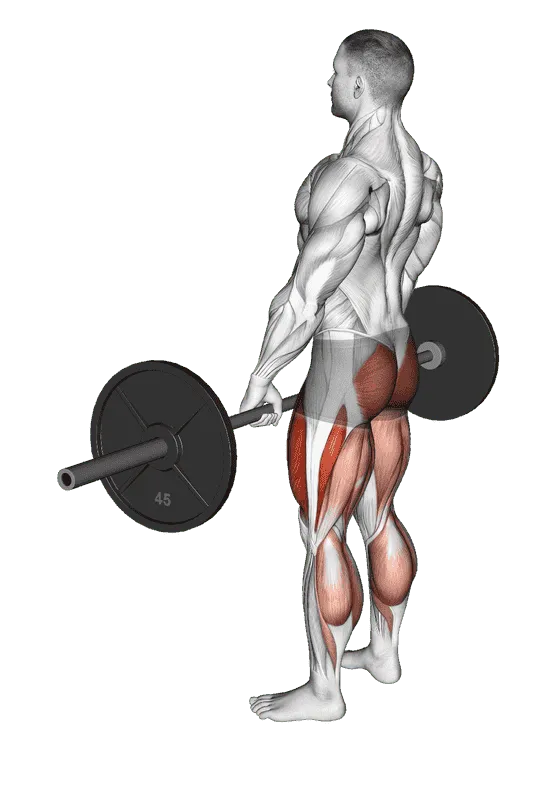

Before your first session, read our technique guides on how to squat and how to deadlift, and review the setup for the barbell bench press.
Progression rules
- Find your starting weights. In the first session of each workout, work up in small jumps to a weight you can lift for the target reps with three or four reps left. For many beginners, that's the empty bar, or close to it, on the bench press and overhead press. It's supposed to feel easy.
- Add weight when you earn it. When you complete every set of a lift at the target reps with good form and the planned reps in reserve, add weight the next time you do it: 2.5–5 kg (5–10 lb) on the squat and deadlift, and 1–2.5 kg (2.5–5 lb) on the bench press, overhead press and row.
- Use rep ranges for accessories. On pull-ups, rows and goblet squats, add reps first. Once you reach the top of the range on every set, add weight or make the exercise harder.
- Handle missed reps calmly. If you miss your target reps on a lift, repeat the same weight next time. If you miss in two sessions in a row, reduce the weight by about 10% and build back up.
- Change phases on schedule. In weeks 5 and 9 the reps drop. Keep your current weights for the first session of the new phase, then keep adding weight as before.
- Take a lighter week when you need one. If several lifts stall at once, or you're sleeping poorly and feel run down, spend a week with lighter weights and fewer sets, then pick up where you left off.
Log every workout, including the weights, sets, reps and how hard each set felt. Your log is how you'll know when to add weight.
How to warm up
A good warm-up prepares your body and lets you rehearse the movements. A meta-analysis of 32 high-quality studies found that warming up improved performance in 79% of the outcomes examined, with little evidence that it causes harm.[5] Plan on about 10 minutes:
- General warm-up (5 minutes): easy cycling, rowing or brisk walking.
- Mobility drills (2–3 minutes): the three drills below.
- Ramp-up sets for your first lift: 8 to 10 reps with the empty bar, then about 50% of your work weight for 5 reps, about 70% for 3 and about 85% for 1 or 2. Later lifts usually need only one or two lighter sets.
Warm-up drills
-

World's Greatest Stretch - Sets
- 1
- Reps
- 3
-
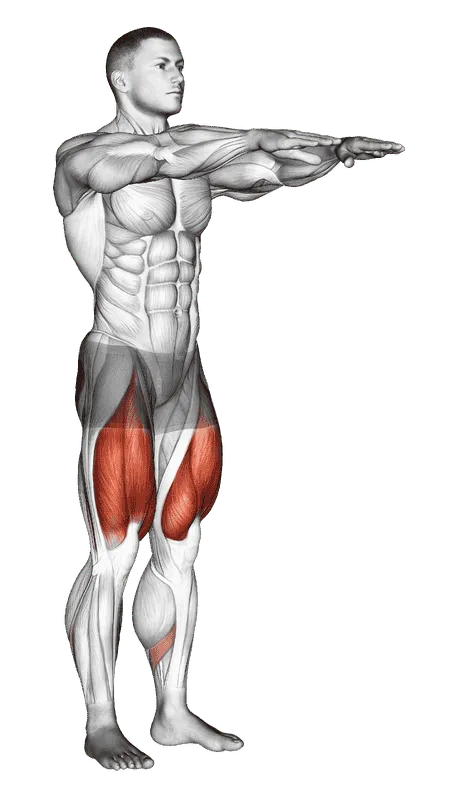
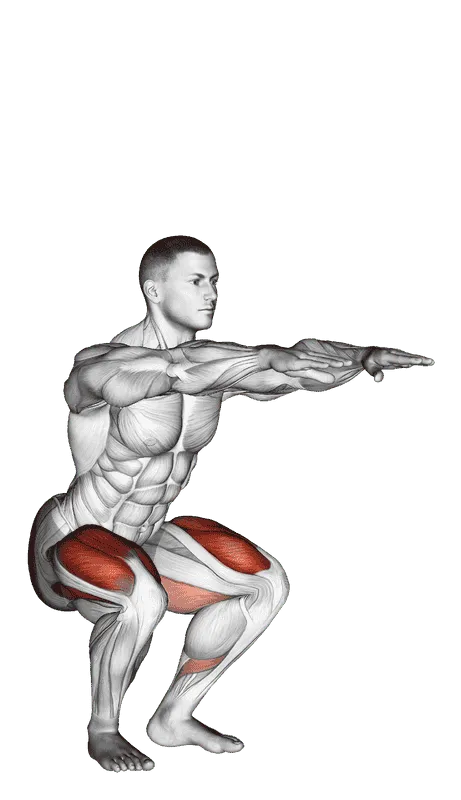
Bodyweight Squat - Sets
- 1
- Reps
- 10
-
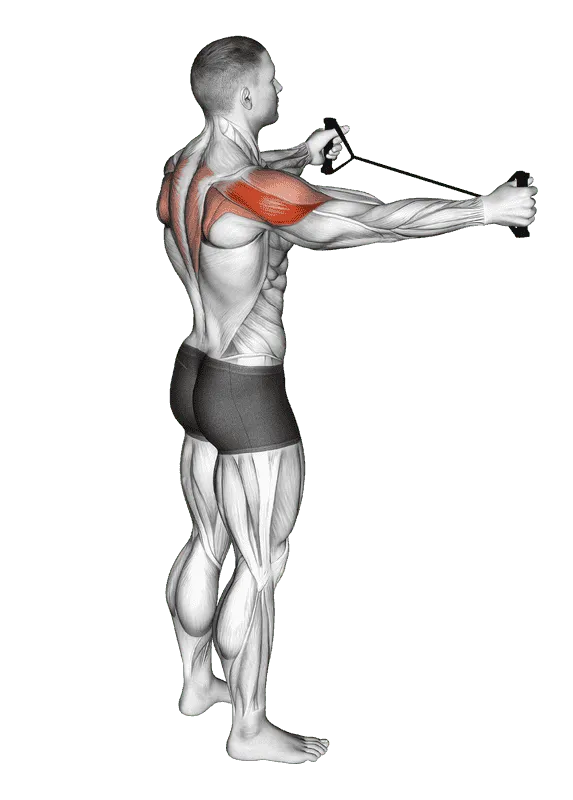
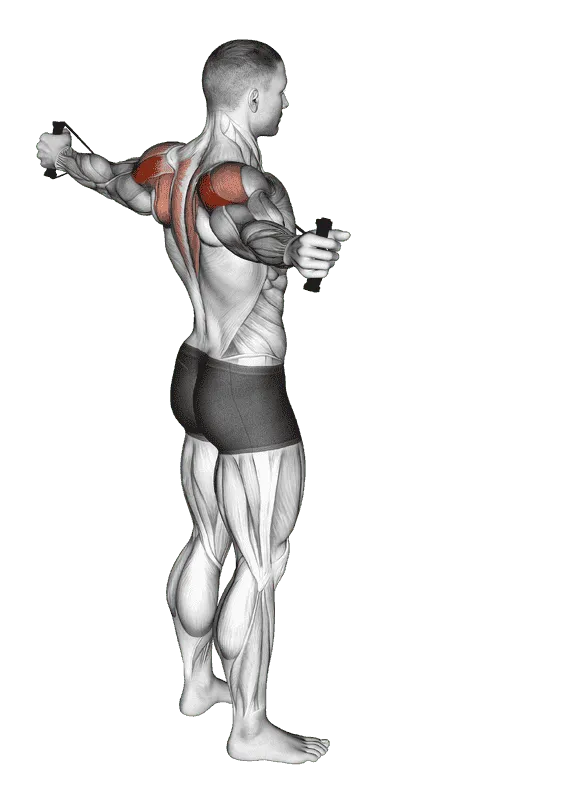
Band Pull Apart - Sets
- 1
- Reps
- 15

Exercise swaps
| If... | Swap in |
|---|---|
| You can't back squat yet (no rack, or stiff hips and ankles) | Dumbbell goblet squat |
| Deadlifting from the floor feels awkward | Trap bar deadlift or dumbbell Romanian deadlift |
| You can't do a pull-up yet | Lat pulldown |
| The barbell bench press bothers your shoulders, or you have no spotter | Dumbbell bench press |
| There's no barbell free for the overhead press | Dumbbell seated shoulder press |
Recovery: the other half of the program
You get stronger between workouts, not during them.
- Keep at least one rest day between sessions.
- Sleep well and eat enough, with a good source of protein at each meal.
- Expect some muscle soreness in the first weeks; it fades as you adapt. Sharp pain or joint pain is different: stop that exercise and get it checked.
- Walking and easy cardio on your rest days are fine.
Prefer a ready-made plan?
If you'd rather follow a plan inside the app, these beginner routines use the same ideas:
After 12 weeks
By the end of week 12 you'll have practiced each main lift about 18 times and added weight to all of them. From here, estimate your one-rep maxes with our one-rep max guide, and consider a four-day upper/lower split that combines heavy sets with more volume.
Frequently asked questions
How much weight should I start with?
Less than you think. Choose a weight you can lift for the target reps with three or four reps left and perfect form. For many beginners, that's the empty bar, or close to it, on the bench press and overhead press.
Can I do cardio on this program?
Yes. Easy to moderate cardio on rest days or after lifting fits well. If you do hard intervals, keep them away from the day before a workout with squats or deadlifts.
What if I miss a workout?
Just do the next workout in the A/B sequence at your next session. Don't try to squeeze two workouts into one day.
Is this program suitable for women?
Yes. The principles of strength training are the same for everyone; only the starting weights and the size of the jumps change. Small plates of 1.25 kg (2.5 lb) per side make upper-body progress easier.
I'm over 50. Can I follow this plan?
Many people can, after checking with their doctor. Start at the lighter end, use goblet squats and trap bar deadlifts if your joints prefer them, and take an extra rest day whenever you need one.
Sources
- Centers for Disease Control and Prevention. Adult Activity: An Overview. CDC. 2023. cdc.gov/physical-activity-basics/guidelines/adults.html ↩
- American College of Sports Medicine. American College of Sports Medicine position stand: Progression models in resistance training for healthy adults. Medicine and Science in Sports and Exercise. 2009. pubmed.ncbi.nlm.nih.gov/19204579/ ↩
- Rhea MR, Alvar BA, Burkett LN, Ball SD. A meta-analysis to determine the dose response for strength development. Medicine and Science in Sports and Exercise. 2003. pubmed.ncbi.nlm.nih.gov/12618576/ ↩
- Grgic J, Schoenfeld BJ, Davies TB, Lazinica B, Krieger JW, Pedisic Z. Effect of Resistance Training Frequency on Gains in Muscular Strength: A Systematic Review and Meta-Analysis. Sports Medicine. 2018. pubmed.ncbi.nlm.nih.gov/29470825/ ↩
- Fradkin AJ, Zazryn TR, Smoliga JM. Effects of warming-up on physical performance: a systematic review with meta-analysis. Journal of Strength and Conditioning Research. 2010. pubmed.ncbi.nlm.nih.gov/19996770/ ↩