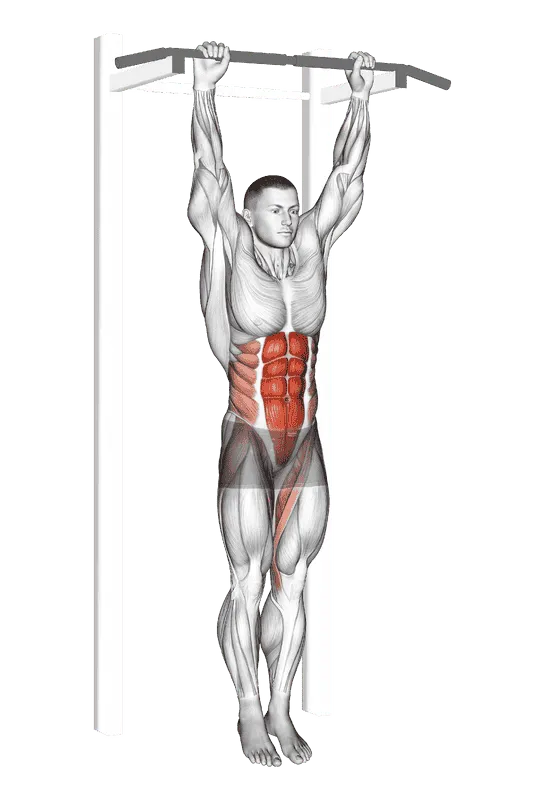
 Start
Start
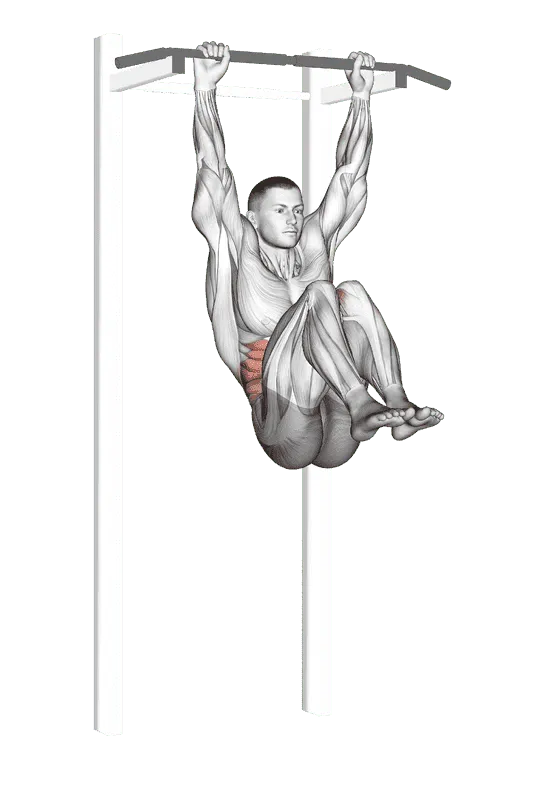 Finish
Hanging Leg Hip Raise
Hang from a pull-up bar with your arms extended and legs straight. Engage your core and, without swinging, raise your knees and hips to bring your thighs toward your chest, then lower back down with control. Keep your back straight and movements slow for best results.
- Target muscles
- Lower abs
- Also works
- Upper abs, Obliques, Hip Flexors
- Equipment
- Pull-up bar
- Training style
- Gym-based, Calisthenics
- Logged as
- Reps
- Popularity
- 85 of 100
Hanging Leg Hip Raise: how to do it
- Begin by hanging from a pull-up bar with your arms fully extended and your hands shoulder-width apart. Your legs should be straight, and your body should be in a vertical position.
- Engage your core muscles and keep your back straight throughout the movement.
- Slowly lift your legs by bending your hips and knees, bringing your thighs toward your chest. Keep your movements controlled and avoid swinging your body.
- Continue lifting until your thighs are parallel to the ground or slightly higher, depending on your flexibility and strength.
- Pause briefly at the top of the movement, squeezing your abdominal muscles.
- Slowly lower your legs back to the starting position in a controlled manner, ensuring your core remains engaged.
- Repeat for the desired number of repetitions.
Common mistakes
A common mistake is swinging the legs using momentum, which reduces muscle engagement. Other errors include arching the lower back, jerking movements, and failing to control the lowering phase. Focus on slow, controlled motion to maximize results.
Alternatives
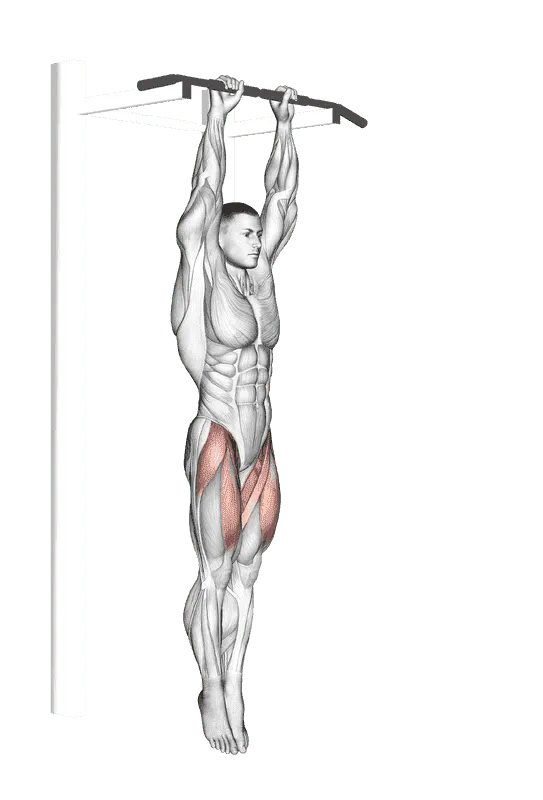
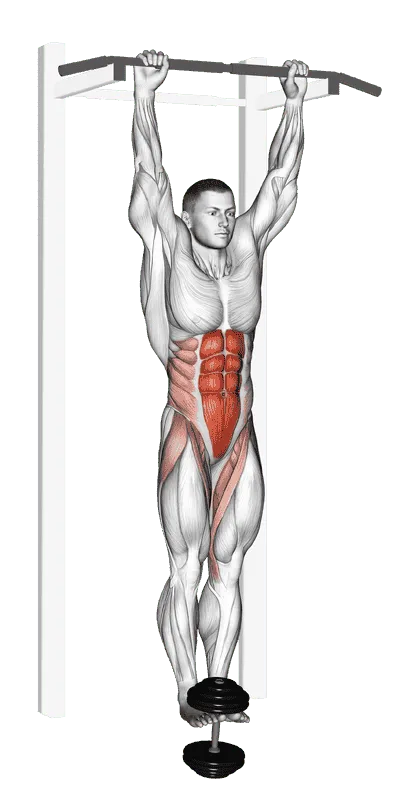
More Lower abs exercises


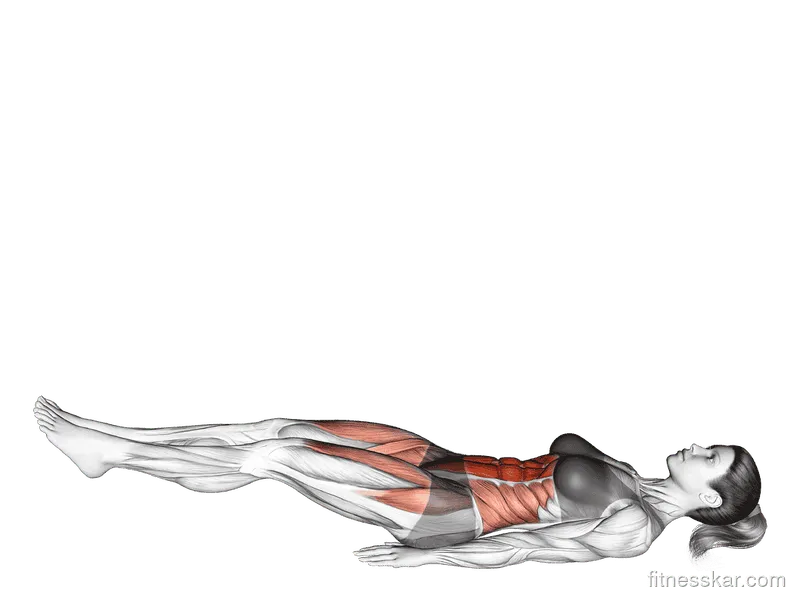
Questions about Hanging Leg Hip Raise
What muscles do Hanging Leg Hip Raises work?
Hanging Leg Hip Raises primarily target the lower abs, while also engaging the upper abs, obliques, and hip flexors. Because you are hanging from a bar, your grip and shoulder stabilizers are also involved to maintain control.
Do I need a pull-up bar for Hanging Leg Hip Raises?
A pull-up bar is the most common and effective equipment for performing Hanging Leg Hip Raises. If you don’t have access to one, you can use gymnastic rings, a sturdy overhead beam, or substitute with captain’s chair leg raises for a similar core workout.
Are Hanging Leg Hip Raises suitable for beginners?
Beginners can perform Hanging Leg Hip Raises, but they may want to start with bent-knee raises to reduce strain on the core and hip flexors. Building grip strength and shoulder stability first can make the move easier and safer.
What are common mistakes when doing Hanging Leg Hip Raises?
A common mistake is swinging the legs using momentum, which reduces muscle engagement. Other errors include arching the lower back, jerking movements, and failing to control the lowering phase. Focus on slow, controlled motion to maximize results.
How many sets and reps should I do for Hanging Leg Hip Raises?
Aim for 3–4 sets of 8–12 reps if your goal is core strength and definition. Adjust the reps based on your current fitness level, and prioritize proper form over quantity.
What safety tips should I follow when doing Hanging Leg Hip Raises?
Ensure you have a strong, stable grip on the bar before starting and avoid overextending or straining your lower back. Engage your core fully and move slowly to reduce the risk of injury.
Are there variations of Hanging Leg Hip Raises for advanced training?
Yes. You can perform straight-leg raises, add ankle weights, or incorporate twisting movements to target the obliques more intensely. Advanced athletes can try toes-to-bar for a greater challenge.