Exercises
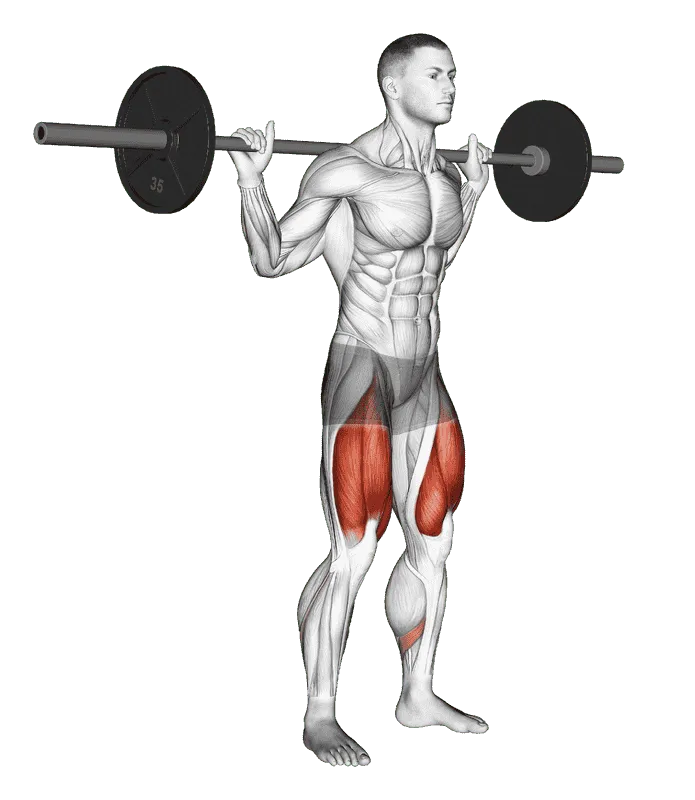
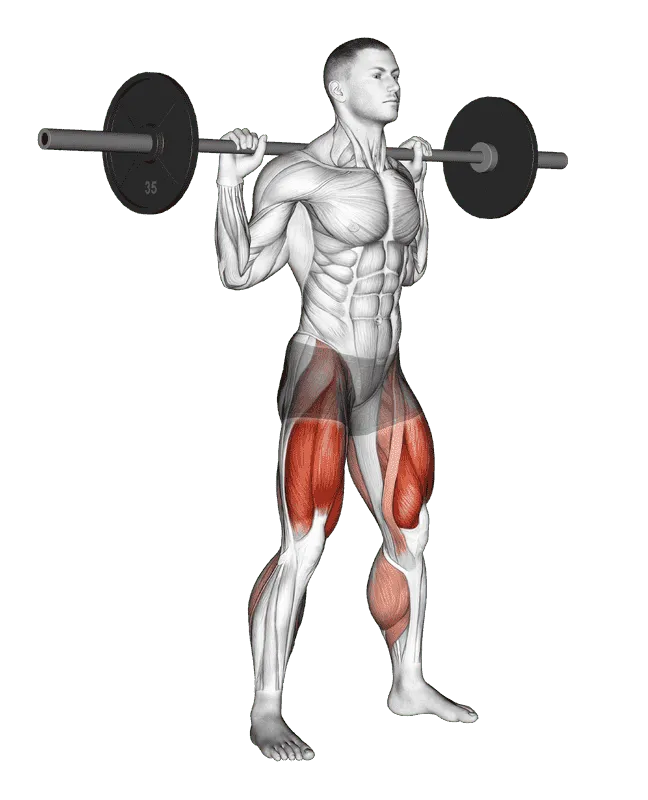
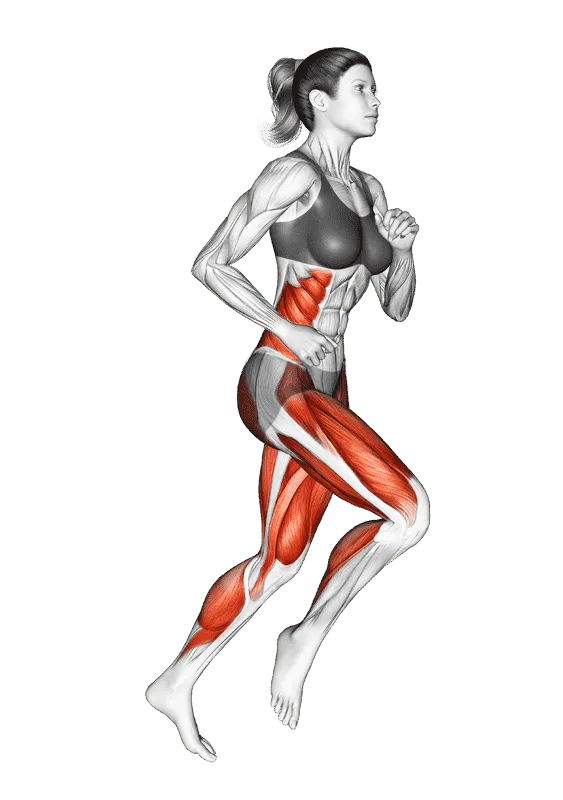
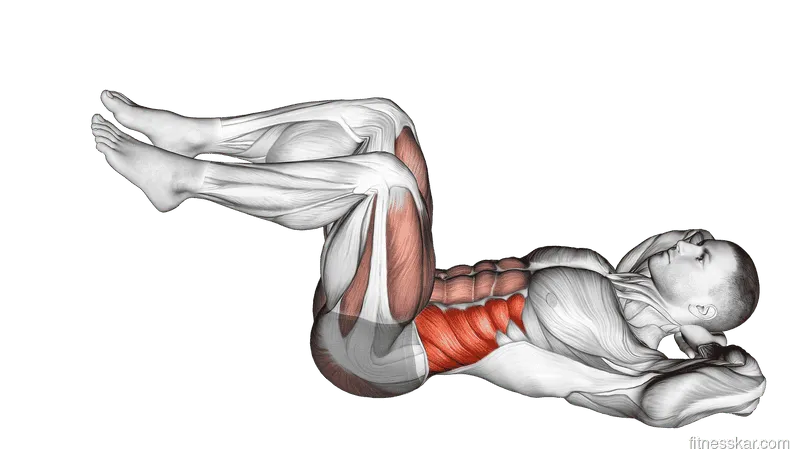
2,082 exercises. Filter by muscle, equipment or training style, or search by name. Every exercise has demonstration frames, step-by-step instructions, FAQs and alternatives.
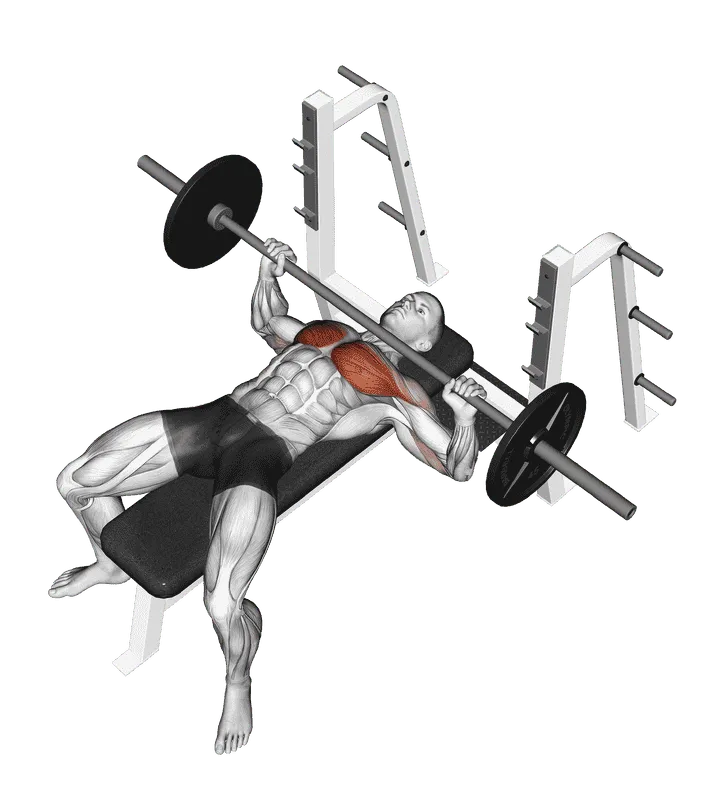
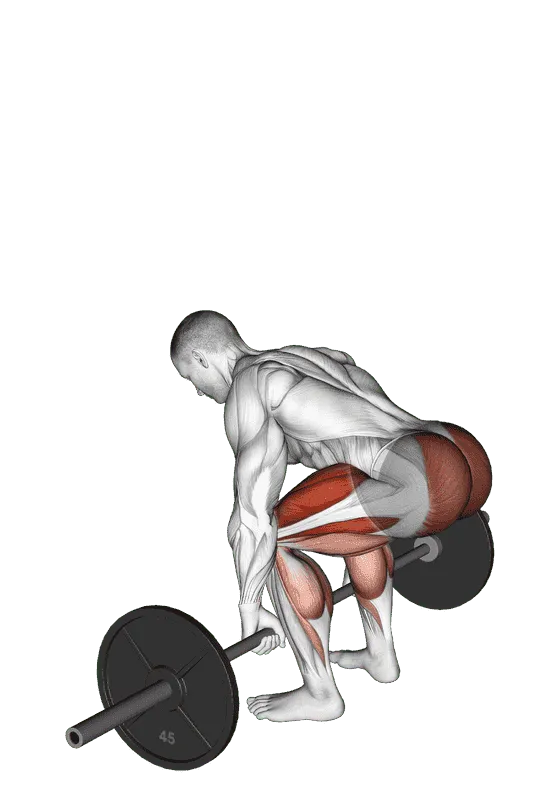
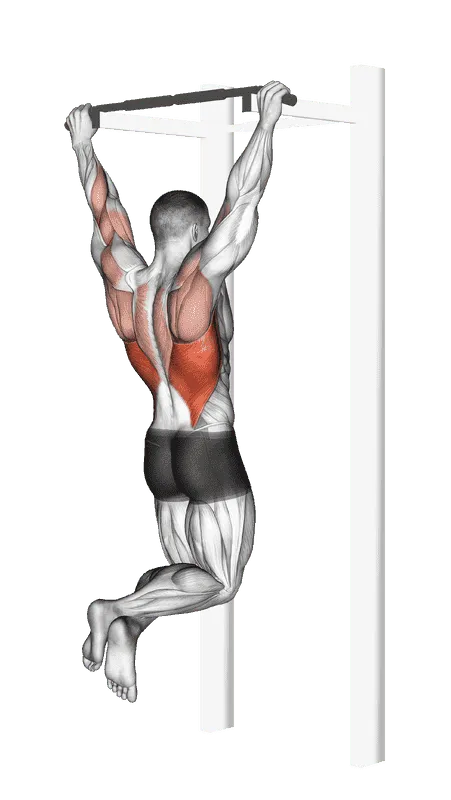
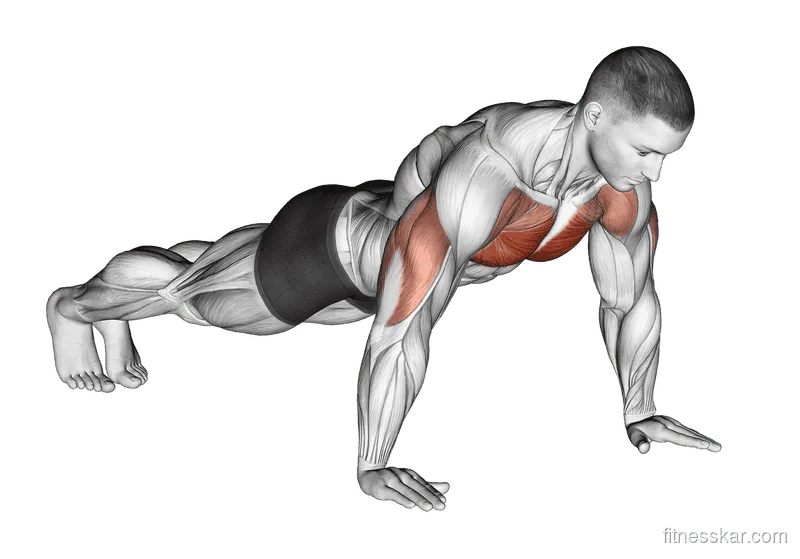
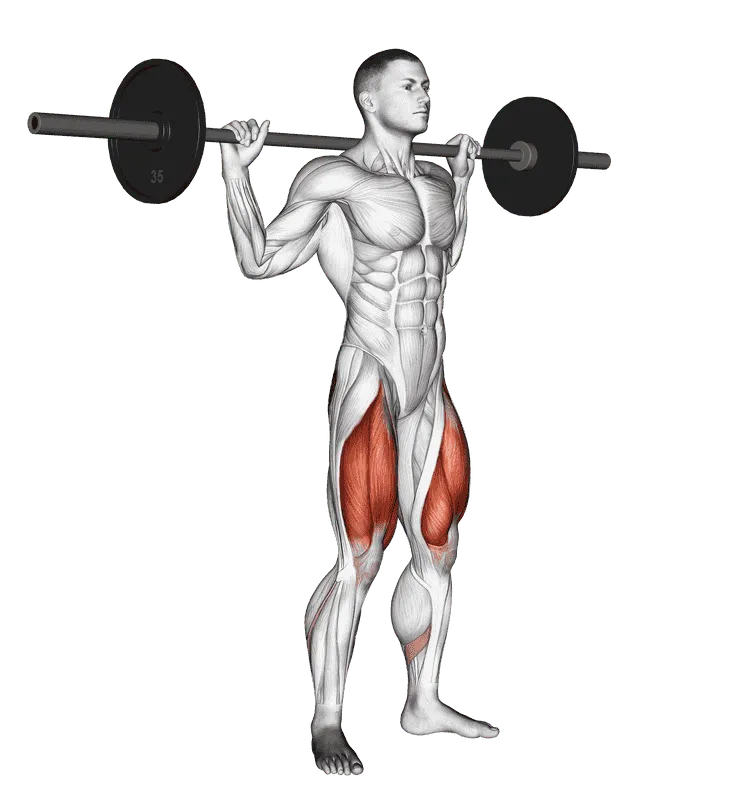
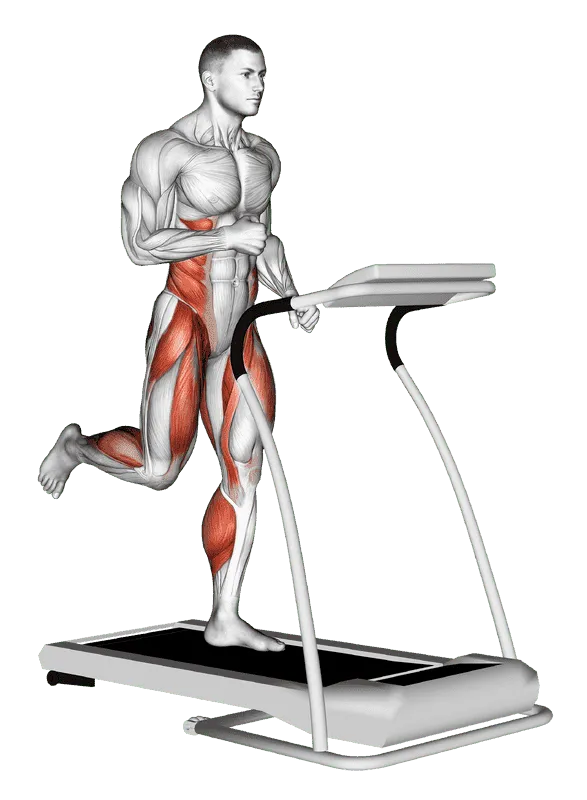
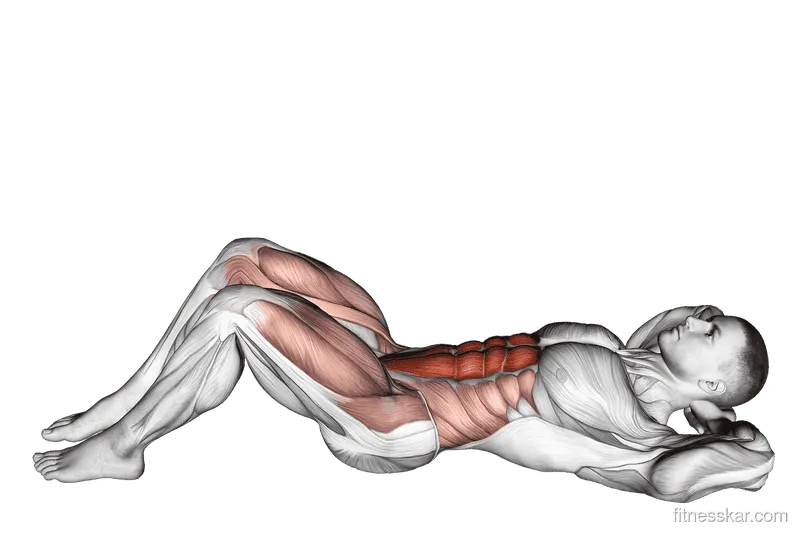
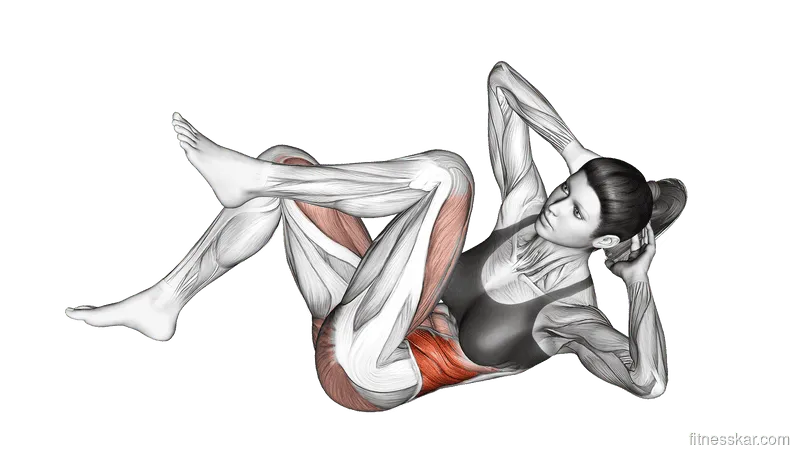

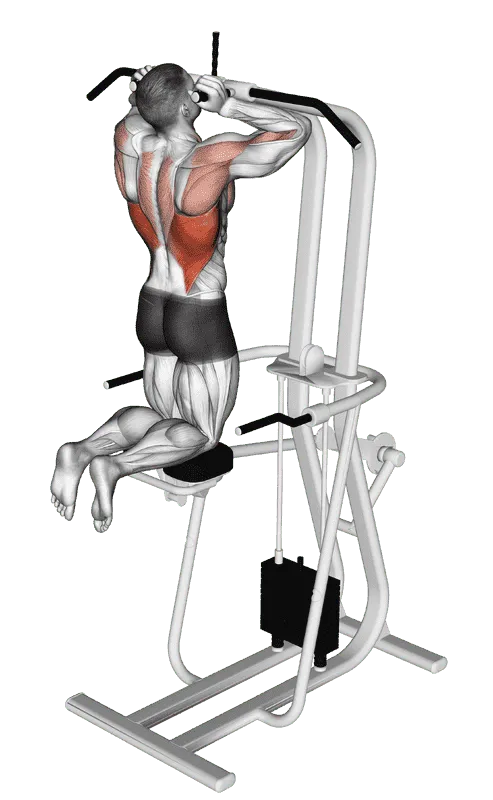
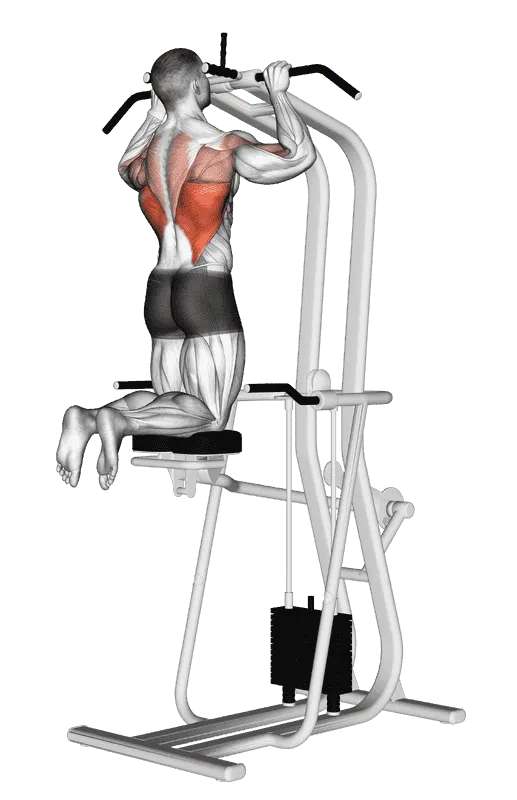


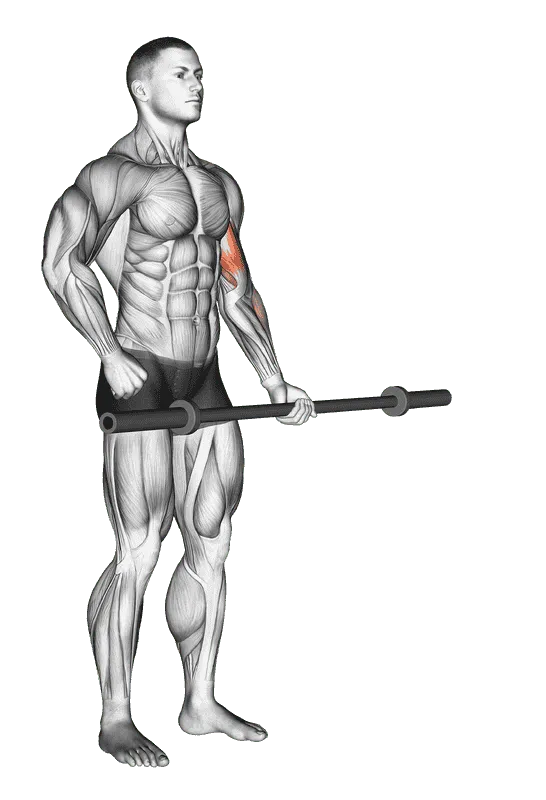

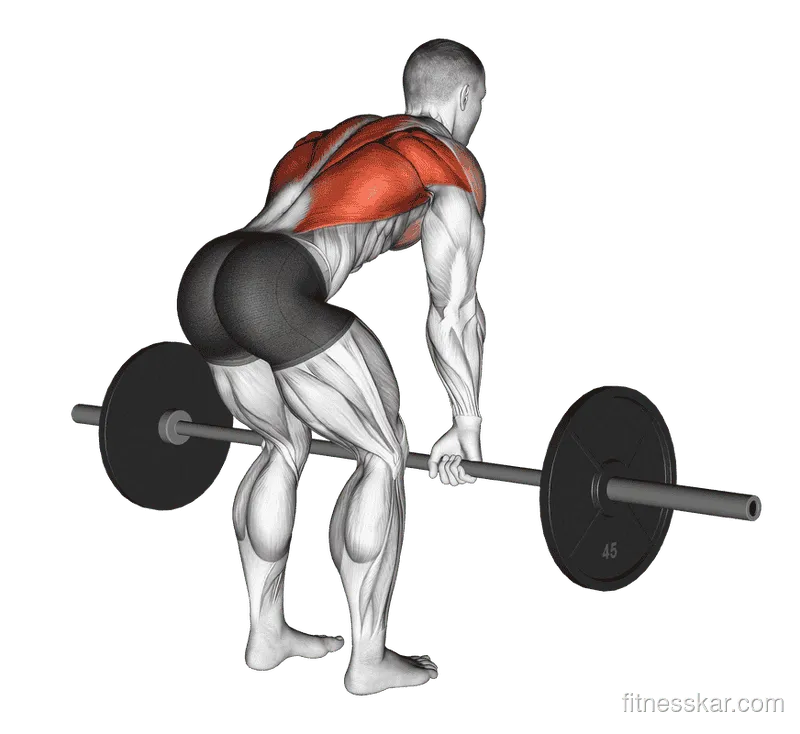
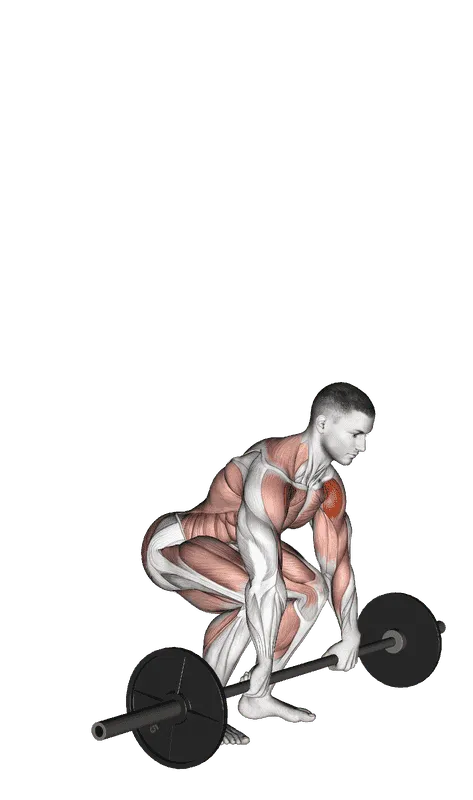
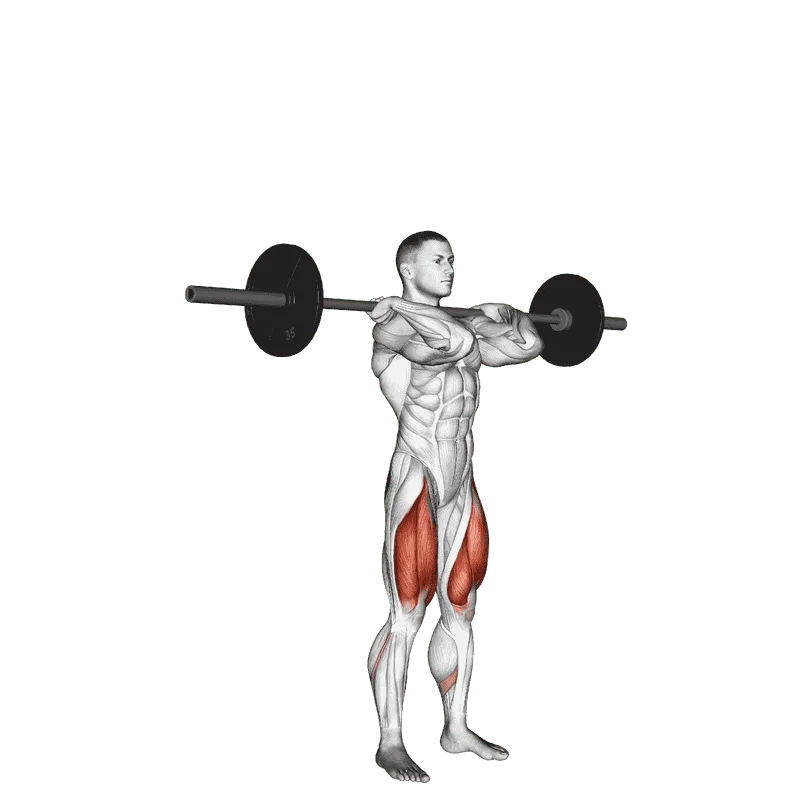

Dedicated Exercise Guides by Muscle & Equipment
Exercise Library & Form Guide
This directory covers 2,082 strength, bodyweight and mobility exercises, each with its own dedicated form guide: start and finish demonstration frames, step-by-step instructions, primary and secondary muscles worked, sets and reps guidance, common mistakes and direct movement alternatives. Use the search bar or filters above to narrow exercises by muscle group, equipment or training style.
Browse Exercises by Muscle Group
Most effective training programs organize sessions around major muscle groups or movement patterns. Open any muscle group below to view its highest-impact exercises ranked by popularity.
- Chest exercises
- Back exercises
- Shoulders exercises
- Biceps exercises
- Triceps exercises
- Abs exercises
- Obliques exercises
- Glutes exercises
- Upper legs exercises
- Lower legs exercises
- Forearms exercises
- Cardio exercises
- Upper back exercises
- Lower back exercises
For balanced development, anchor each muscle group with one heavy compound lift and follow up with one or two targeted isolation exercises—for example, a barbell or dumbbell press for chest followed by a cable or dumbbell fly.
Compound vs. Isolation Movements
Compound lifts—squats, deadlifts, bench presses, overhead presses, pull-ups and rows—move multiple joints at once, recruit the most muscle mass and build foundational strength. Place them first in your workout while you are fresh. Isolation exercises—bicep curls, tricep pushdowns, lateral raises and leg curls—target a single joint to bring up lagging muscles and add training volume without excessive systemic fatigue.
Filter by Available Equipment
Your available equipment shapes exercise selection, not training quality. At home, bodyweight calisthenics, dumbbells, kettlebells and resistance bands cover every major muscle pattern; in a commercial gym, barbells, cables and strength machines make progressive loading straightforward.
- Bodyweight exercises
- Barbell exercises
- Dumbbell exercises
- Resistance bands exercises
- Kettlebell exercises
- Machine exercises
- Cable exercises
Training Styles
What Every Exercise Guide Includes
- Start and finish demonstration frames—use the “Play movement” toggle to preview the movement path, with male and female demonstrators where available
- Clear, numbered step-by-step execution cues
- Primary target muscles, secondary stabilizers and required equipment
- General sets, reps and load recommendations for form practice, strength and muscle building
- Exercise-specific FAQs, common form mistakes and biomechanically similar alternatives
- Workout routines that program the movement
From Individual Exercises to a Weekly Routine
Good exercise technique works best inside a structured weekly plan with progressive overload. Explore 67 ready-made workout routines on Fitnesskar, where every day’s movements link back to these form guides. Want a schedule tailored to your exact goal, training days and equipment? Use the AI workout plan generator or download the Fitnesskar app to log every set, rep and weight.