If you train with serious intensity, push heavy compound movements each week, and monitor your nutrition closely, your progress ultimately hinges on one fundamental physiological constraint: your capacity to recover. While acute training stress triggers adaptation, chronic systemic stress—compounded by demanding work schedules, psychological anxiety, and insufficient sleep—elevates baseline cortisol, blunts muscle protein synthesis, and delays central nervous system restoration. Over the past decade, sports scientists have intensely investigated natural adaptogens capable of modulating the human stress response without suppressive side effects. Among these botanicals, ashwagandha for athletes has emerged as one of the most clinically supported herbal supplements for resistance-trained individuals seeking accelerated recovery, superior strength adaptations, and deeper restorative sleep.
Originating from traditional Ayurvedic medicine where it is classified as a Rasayana (rejuvenator), ashwagandha (Withania somnifera, also known as Indian ginseng or winter cherry) functions as an adaptogen—a substance that stabilizes physiological processes and promotes homeostatic balance during periods of physical and mental stress. Unlike conventional central nervous system stimulants that artificially elevate adrenaline or mask fatigue, ashwagandha works upstream at the hypothalamic-pituitary-adrenal (HPA) axis. By attenuating excessive stress-hormone signaling, enhancing GABAergic neurotransmission, and mitigating exercise-induced cellular damage, high-potency standardized ashwagandha root extracts offer measurable ergogenic benefits for strength, power, and lean mass accrual.
The Physiological Mechanisms: How Ashwagandha Works in the Body
To appreciate why ashwagandha holds genuine utility for athletic performance, you must understand the biochemistry of the plant and its interactions with human neuroendocrine pathways. The biological activity of Withania somnifera resides predominantly within its root, which contains an intricate matrix of bioactive phytochemicals including steroidal lactones (withanolides, withaferin A, withanolide A, and withanosides), alkaloids, and sitoindosides.
Standardized commercial preparations isolate these withanolides to ensure consistent physiological potency. When ingested, these compounds interact with three vital physiological systems that govern athletic recovery:
1. Dampening the Hypothalamic-Pituitary-Adrenal (HPA) Axis
When you subject your body to the mechanical tension and metabolic acidosis of heavy lifting, your hypothalamus synthesizes corticotropin-releasing hormone (CRH), which signals the anterior pituitary to release adrenocorticotropic hormone (ACTH). ACTH travels through circulation to the adrenal cortex, triggering the secretion of glucocorticoids—principally cortisol.
Acute cortisol elevation during and immediately following a workout is normal and necessary; it mobilizes glucose from glycogen stores, increases vascular tone, and coordinates initial inflammatory responses. However, when high training volume coincides with chronic lifestyle stress or caloric deficits, baseline cortisol remains chronically elevated. Hypercortisolemia exerts profoundly catabolic effects on skeletal muscle:
- Suppresses mTORC1 Signaling: Cortisol inhibits the mechanistic target of rapamycin complex 1 (mTORC1), the master intracellular sensor that drives muscle protein synthesis (MPS).
- Activates the Ubiquitin-Proteasome Pathway: Elevated glucocorticoids upregulate muscle-specific E3 ubiquitin ligases (MuRF1 and MAFbx/atrogin-1), accelerating the breakdown of contractile myofibrillar proteins.
- Elevates Myostatin Expression: Chronic stress hormones stimulate myostatin, a potent negative regulator that halts muscle fiber hypertrophy.
- Impairs Glucose Uptake: Cortisol antagonizes insulin action in skeletal muscle, impairing post-workout glycogen resynthesis and nutrient partitioning.
By acting as a physiological buffer on the HPA axis, standardized ashwagandha root extract blunts hyper-reactivity of the adrenal glands, stabilizing circulating cortisol within a healthy, physiological baseline. This preserves an optimal anabolic-to-catabolic hormonal environment, allowing your muscles to repair without excessive catabolic degradation.

2. Attenuating Exercise-Induced Muscle Damage (EIMD)
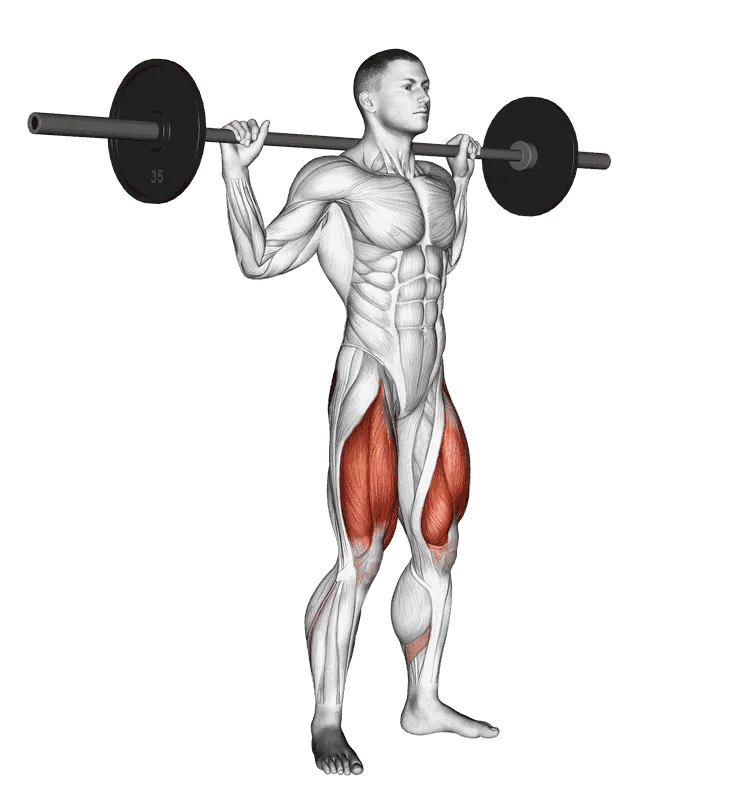
Intense eccentric contractions—such as lowering a heavy barbell during a Barbell Full Squat or stretching under load during Romanian deadlifts—cause mechanical disruption to the sarcomeric structure of muscle fibers. This structural trauma leads to cell membrane micro-tears, calcium leakage into the sarcoplasm, and the release of intramuscular proteins such as creatine kinase (CK) and lactate dehydrogenase (LDH) into the bloodstream.
Ashwagandha exerts powerful antioxidant and membrane-stabilizing properties. The withanolides enhance endogenous antioxidant enzymes—including superoxide dismutase (SOD), catalase (CAT), and glutathione peroxidase (GPx)—while scavenging reactive oxygen species (ROS) produced by metabolic stress. In clinical trials, athletes supplementing with ashwagandha consistently demonstrate significantly reduced post-exercise serum creatine kinase levels, indicating accelerated structural membrane repair, reduced delayed-onset muscle soreness (DOMS), and faster readiness for consecutive training sessions.
3. Enhancing GABAergic Neurotransmission and Sleep Architecture
A critical yet frequently overlooked component of athletic progression is central nervous system (CNS) recovery. Resistance training places profound demands on motor unit recruitment, synaptic transmission, and neurotransmitter balance. Without adequate neurological downregulation, lifters suffer from sympathetic nervous system overdrive, leading to restless sleep, elevated resting heart rate, and blunted autonomic recovery.
Bioactive withanolides in ashwagandha possess structural similarities to gamma-aminobutyric acid (GABA), the primary inhibitory neurotransmitter in the human brain. These compounds exhibit affinity for GABA-A receptors, facilitating calming parasympathetic activation. In clinical sleep studies, ashwagandha administration significantly reduces sleep onset latency (the time it takes to fall asleep), decreases nocturnal awakenings, and increases the proportion of slow-wave sleep (Stage 3 NREM). Because deep slow-wave sleep is responsible for releasing up to 70% of daily pulsatile human growth hormone, optimizing this sleep stage directly accelerates systemic soft tissue remodeling and recovery.
The Clinical Evidence: The Landmark Strength and Hypertrophy Trial
While dozens of herbal compounds claim to augment athletic performance based solely on rodent models or in vitro cell cultures, ashwagandha is distinguished by rigorous double-blind, randomized, placebo-controlled human clinical trials conducted on resistance-trained individuals.
The landmark clinical investigation into ashwagandha and resistance training was conducted by Wankhede and colleagues (2015) and published in the Journal of the International Society of Sports Nutrition.[1] In this 8-week double-blind trial, 57 healthy male subjects with limited previous lifting experience were randomized into two groups: one receiving 300 mg of standardized ashwagandha root extract twice daily (600 mg/day of KSM-66), and the other receiving an identical starch placebo. Both groups underwent the exact same periodized resistance training program four days per week.
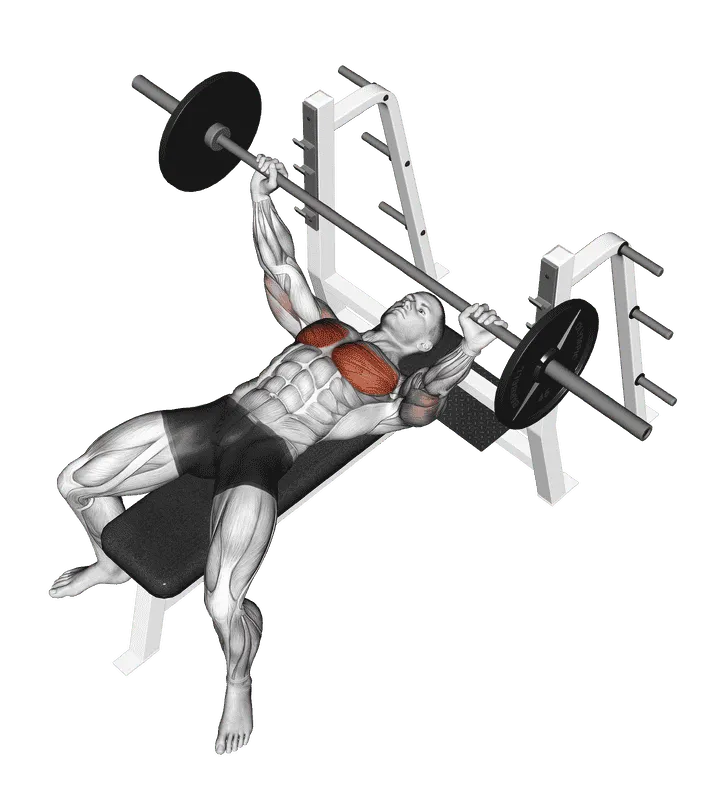
- Sets
- 3–4
- Reps
- 6–10
- Rest
- 150 s
- Tempo
- 3–1–1
The researchers measured muscle strength, muscle size, body composition, serum testosterone levels, and muscle recovery markers before and after the 8-week intervention. The findings were striking:
1. Significant Strength Adaptations
Muscle strength was evaluated using 1-repetition maximum (1RM) testing across compound upper- and lower-body movements:
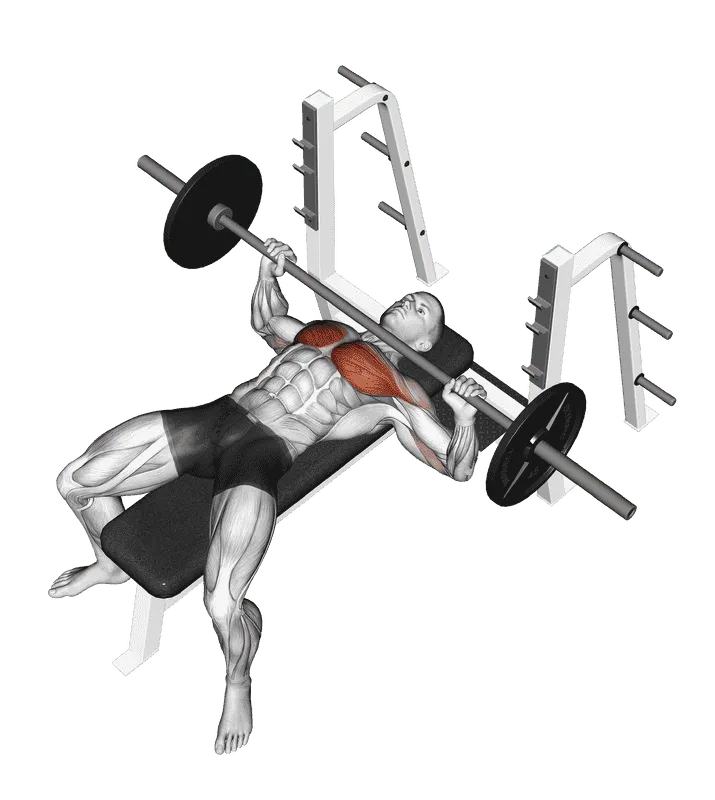
- Bench Press Strength: The ashwagandha group demonstrated an average increase of 46.0 kg (101.4 lb) on the Barbell Bench Press, compared to an increase of 26.4 kg (58.2 lb) in the placebo group—a statistically significant difference of nearly 20 kg in raw pressing strength.
- Leg Extension Strength: On the Lever Leg Extension, the ashwagandha group improved their 1RM by 14.5 kg (32.0 lb), compared to 9.8 kg (21.6 lb) in the placebo cohort.
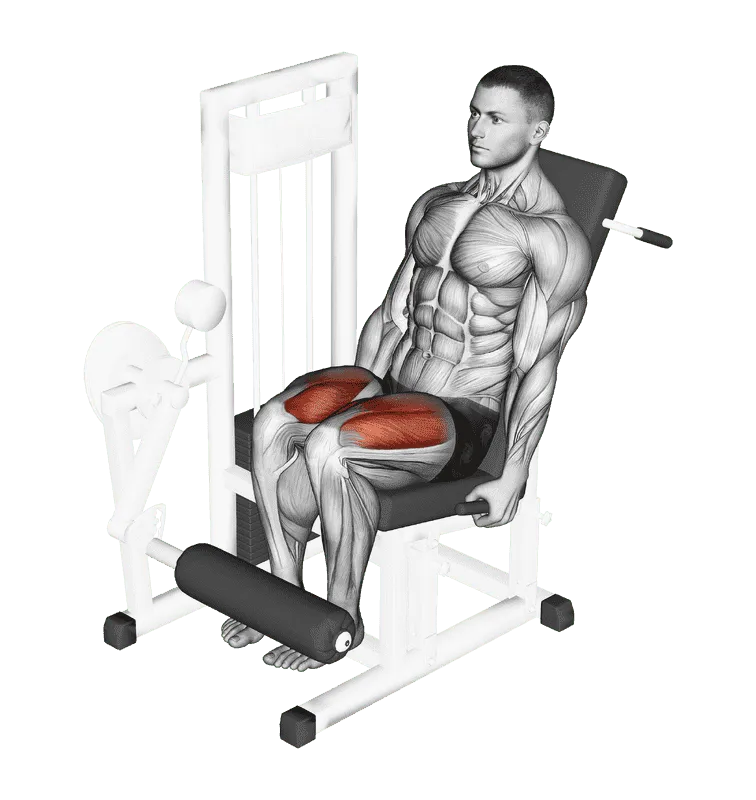
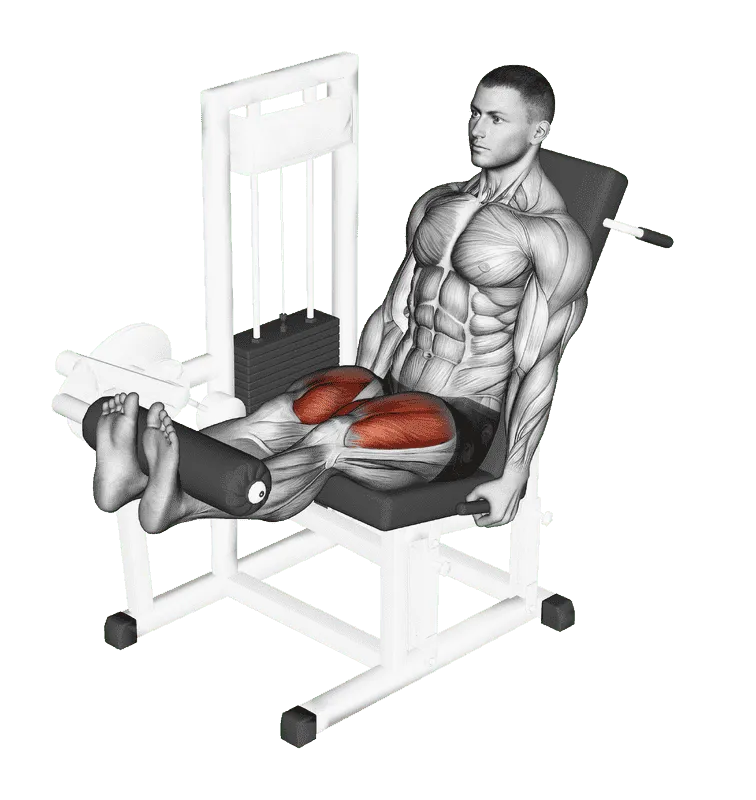
- Sets
- 3–4
- Reps
- 10–12
- Rest
- 90 s
- Tempo
- 2–0–1
2. Muscle Hypertrophy and Body Composition
Muscular hypertrophy was assessed using precision anthropometric measurements across key muscle groups:
- Arm Muscle Circumference: The ashwagandha group gained 8.6 cm² of arm muscle area, compared to 5.3 cm² in the placebo group.
- Chest Muscle Circumference: The ashwagandha group expanded their chest size by 3.3 cm, compared to 1.4 cm for placebo lifters.
- Body Fat Percentage: Lifters supplementing with ashwagandha lost 3.5% body fat, whereas the placebo group lost only 1.5%, indicating superior nutrient partitioning and body recomposition.
3. Serum Testosterone and Cortisol Dynamics
Hormonal profiles revealed a profound shift toward anabolism. The ashwagandha group experienced a significant increase in serum testosterone concentrations (an average increase of 96.2 ng/dL over baseline), whereas the placebo group experienced an increase of only 18.0 ng/dL.[1]
Crucially, this hormonal elevation occurred alongside marked reductions in exercise-induced muscle damage. Serum creatine kinase concentrations were significantly lower post-exercise in the ashwagandha cohort (indicating less structural damage and superior membrane preservation), and self-reported exercise recovery scores were markedly superior.
While lifters should remain grounded—ashwagandha is an adaptogen, not an anabolic steroid—these robust data confirm that by mitigating excessive cortisol, attenuating muscle membrane damage, and improving sleep quality, ashwagandha provides a statistically meaningful advantage in strength progression and lean mass retention.
Comparing Ashwagandha Formulations: KSM-66 vs. Sensoril vs. Shoden
Not all ashwagandha products on the market are created equal. The raw root of Withania somnifera contains a relatively low concentration of active withanolides (often less than 1% by dry weight). To achieve therapeutic, performance-enhancing outcomes, athletes should utilize clinically validated, standardized extracts rather than unstandardized root powders.
The three primary patented extracts available in sports supplements include:
| Extract Type | Plant Parts Used | Withanolide Concentration | Best Athletic Application |
|---|---|---|---|
| KSM-66® | 100% Root Only | 5% Withanolides (HPLC) | Gold standard for athletes: Best clinical backing for strength, testosterone support, muscle size, and daytime focus without sedation. |
| Sensoril® | Root + Leaves | 10% Withanolides | Best for nighttime & stress: Higher withaferin A content; significantly more sedating, making it ideal for severe insomnia or evening recovery. |
| Shoden® | Root + Leaves | 35% Withanolides | High-potency micro-dose: Highly concentrated; potent for sleep restoration and vitality at lower milligram dosages (120–240 mg). |
| Raw Root Powder | Whole Root | Unstandardized (<1%) | Inconsistent: Requires large gram-level dosages (3–6 g), variable potency, higher incidence of gastrointestinal distress. |
For strength training, physique development, and athletic conditioning, KSM-66 remains the preferred formulation. Because it is extracted exclusively from the root using traditional green extraction methods without chemical solvents, it provides a full-spectrum profile that mirrors natural root ratios while eliminating the cytotoxic levels of withaferin A found in leaf-heavy extracts.

Practical Dosing, Timing, and Stacking Protocols
To extract the maximum ergogenic and recovery benefits from ashwagandha, you must execute a systematic dosing and timing strategy aligned with your training schedule and circadian biology.
Recommended Daily Dosage
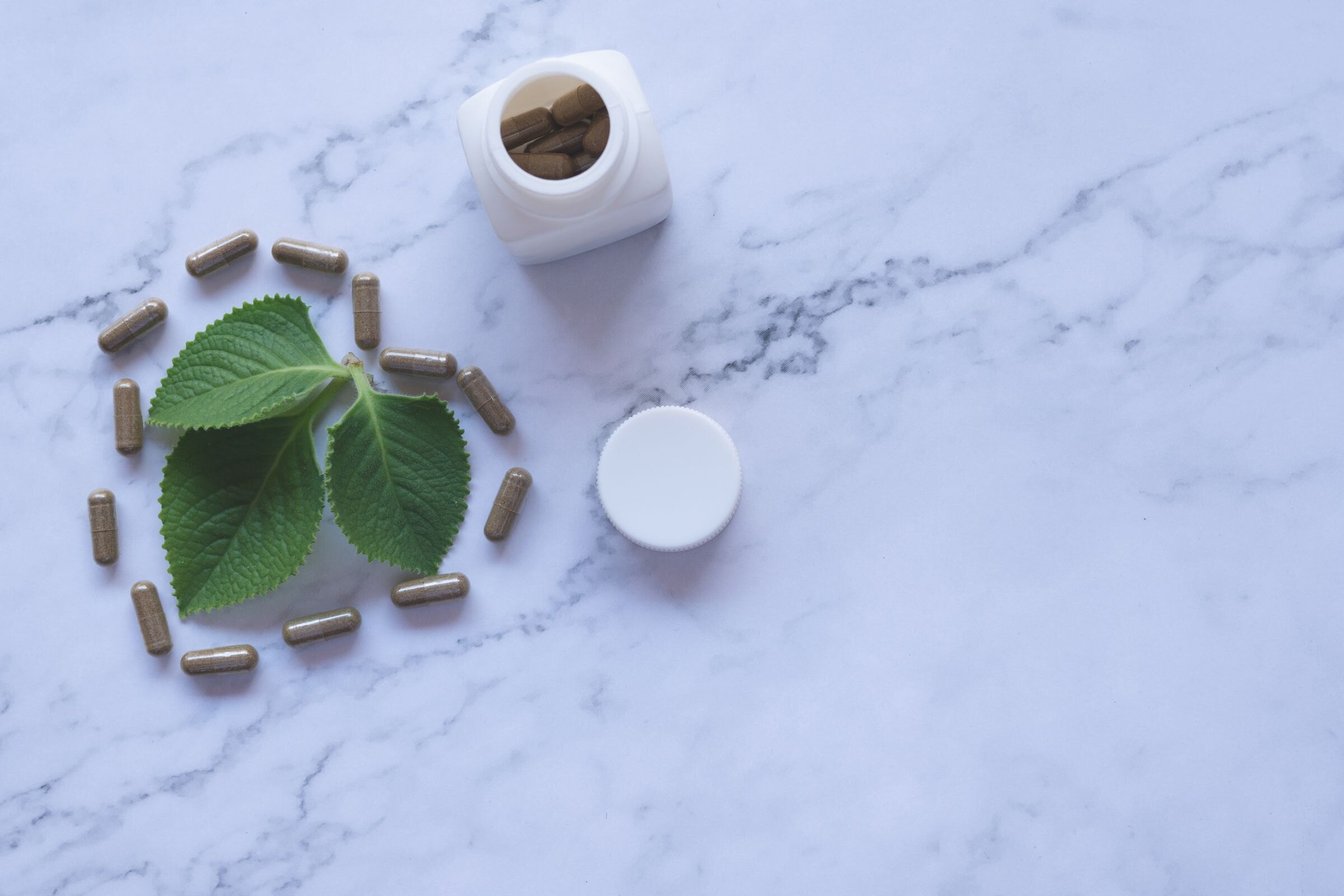
- Standardized Root Extract (5% withanolides, e.g., KSM-66): 500 mg to 600 mg per day. This is the exact dosage utilized in the vast majority of positive clinical exercise trials.
- Sensoril (10% withanolides): 250 mg to 500 mg per day, ideally reserved for evening administration due to its more pronounced sedative characteristics.
- Split Dosing Option: Lifters dealing with high daytime stress can divide their 600 mg KSM-66 intake into two 300 mg doses: one with breakfast and one with dinner or before bed.
Timing Considerations: Morning vs. Pre-Workout vs. Bedtime
Unlike stimulants such as caffeine, ashwagandha does not produce acute, instantaneous performance spikes. Its adaptogenic benefits accrue cumulatively over several weeks of consistent cellular saturation. However, the timing of your dose can subtlely modulate its physiological effects:
- Evening Administration (Recommended for Most Lifters): Taking your full dose (500–600 mg) approximately 60 to 90 minutes before bedtime leverages ashwagandha's GABAergic properties to calm the central nervous system, lower evening cortisol, and facilitate deep slow-wave sleep.
- Morning Administration: Ideal for athletes experiencing high daytime cognitive anxiety, elevated workplace stress, or those who find that evening doses cause vivid dreams.
- Pre-Workout Timing: Generally unnecessary. While some pre-workout formulas include ashwagandha, its calming neurochemical profile can occasionally reduce aggressive autonomic arousal needed for maximum 1RM attempts. Reserve it for post-workout meals or bedtime.
Synergistic Supplement Stacking
Ashwagandha pairs exceptionally well with other scientifically substantiated recovery compounds:
- With Magnesium: Combining 600 mg of ashwagandha with 200–400 mg of elemental magnesium (such as magnesium bisglycinate) produces profound neuromuscular relaxation, cramps prevention, and enhanced sleep architecture. For a comprehensive breakdown of mineral optimization, consult our guide to magnesium for athletes.
- With Creatine Monohydrate: Pairing ashwagandha with 3–5 g of daily creatine monohydrate supports both phosphagen energy regeneration and cellular hydration alongside systemic stress reduction. Read our comprehensive creatine guide to optimize saturation protocols.
- With Sleep Hygiene Protocols: Supplementation cannot compensate for erratic sleep habits. Pair your adaptogenic protocol with the physiological sleep strategies outlined in our sleep and muscle growth masterclass.
Cycling and Long-Term Adherence: Do You Need to Cycle Ashwagandha?
A common question among strength athletes is whether ashwagandha requires periodic cycling. Because withanolides interact with neuroendocrine pathways and neurotransmitter receptors, continuous, uninterrupted use over many months may lead to subtle receptor downregulation or psychological emotional blunting (an occasional side effect colloquially termed "emotional flatness" or anhedonia).
To preserve receptor sensitivity and maintain maximum adaptogenic efficacy, adopt an intentional cycling protocol:
- Standard Protocol: 8 to 12 weeks of daily supplementation, followed by a 2- to 4-week wash-out phase.
- Periodized Training Alignment: Align your ashwagandha cycles with your most demanding training blocks. Initiate supplementation at the onset of an intensive volume or overreaching phase, maintain it through your peak intensity block, and initiate your wash-out period during a scheduled deload or active recovery phase. To learn how to systematically plan your training blocks, explore our detailed muscle recovery guide.
Integrating Ashwagandha into Your Weekly Training Routine
To see how ashwagandha fits into a balanced, high-performance training lifestyle, consider how recovery supplements interface with structured programming. Whether you are running a push-pull-legs split, an upper-lower rotation, or a full-body routine, your recovery strategy must match the mechanical demands placed upon your musculoskeletal system.
By establishing these foundational habits first, supplementing with 600 mg of standardized ashwagandha serves as a potent multiplier—accelerating muscle membrane repair, reducing unnecessary catabolic stress, and unlocking your true physical potential.
Frequently asked questions
Can women take ashwagandha for athletic training?
Yes. Ashwagandha is completely safe and effective for female athletes. Rather than artificially elevating male sex hormones to supra-physiological levels, ashwagandha acts as an adaptogen that optimizes endogenous hormonal balance by lowering excessive cortisol, supporting thyroid health, and enhancing deep sleep quality.
How long does it take to notice the benefits of ashwagandha?
Improvements in sleep latency, perceived stress, and nighttime relaxation often appear within 7 to 14 days of consistent daily use. However, statistically significant adaptations in compound lifting strength, muscle hypertrophy, and hormonal balance typically require 6 to 8 weeks of daily supplementation combined with progressive resistance training.
Will ashwagandha make me sleepy if I take it during the day?
High-quality full-spectrum root extracts like KSM-66 generally do not cause daytime drowsiness; they promote focused calmness and mental resilience under stress. However, if you are particularly sensitive to GABAergic botanicals or use a leaf-heavy extract like Sensoril, schedule your entire daily dose 60 to 90 minutes before bed.
Does ashwagandha boost testosterone in healthy young men?
Ashwagandha does not act like synthetic testosterone. Instead, by significantly reducing chronic cortisol and oxidative stress in the testes, it removes the physiological brakes on natural endocrine production. In clinical trials on stressed or heavily trained men, this stress reduction resulted in modest but statistically significant increases in serum testosterone within normal physiological ranges.
Sources
- Wankhede S, Langade D, Joshi K, Sinha SR, Bhattacharyya S. Examining the effect of Withania somnifera supplementation on muscle strength and recovery: a randomized controlled trial. Journal of the International Society of Sports Nutrition. 2015. doi.org/10.1186/s12970-015-0104-9 ↩