
When lifters evaluate their nutritional and supplemental strategies for maximizing muscle growth and recovery, their attention gravitates almost exclusively toward macronutrients. Grams of protein, carbohydrate cycling, and creatine monohydrate dominate the conversation. Yet, beneath the surface of cellular physiology, thousands of chemical reactions depend on an unsung mineral cofactor: magnesium. Without adequate intracellular magnesium, your body cannot synthesize new contractile proteins, produce cellular energy, or relax muscle fibers following high-tension contractions.
Magnesium is the second most abundant intracellular cation in the human body and serves as an obligatory cofactor in more than 300 enzymatic reactions.[1] Despite its foundational biological importance, active lifters frequently suffer from subclinical magnesium deficiency. High-intensity resistance training and metabolic conditioning accelerate magnesium losses through profuse perspiration and urinary clearance, while modern agricultural processing strips natural magnesium from everyday whole foods.
When your magnesium levels decline, the consequences for athletic performance are immediate and compounding: cellular energy turnover falters, muscular cramping and twitching increase, resting cortisol remains elevated, and restorative slow-wave sleep is compromised. Mastering your magnesium intake is one of the most cost-effective, scientifically substantiated strategies to unlock deeper sleep, accelerate between-session recovery, and sustain long-term hypertrophy.
The Bioenergetics of Magnesium: Fueling the Mg-ATP Engine
To appreciate why magnesium is irreplaceable for strength athletes, you must examine the bioenergetics of muscular contraction at the molecular level. Lifters often discuss adenosine triphosphate (ATP) as the universal energy currency of cellular work. Whenever you drive up out of the hole in a heavy barbell full squat, your myosin heads hydrolyze ATP to generate mechanical force.
However, biologically speaking, free ATP (ATP4-) is unstable and biologically inert within muscle fibers. Inside human cells, virtually all biological ATP is bound to a divalent magnesium cation (Mg2+), forming the Mg-ATP complex.[1]
Beyond ATP stabilization, magnesium is an essential cofactor for the rate-limiting enzymes of glycolysis and oxidative phosphorylation:
- Hexokinase: The very first step of glucose metabolism inside skeletal muscle cells requires magnesium to phosphorylate glucose into glucose-6-phosphate.
- Phosphofructokinase (PFK): The primary rate-limiting regulatory enzyme of anaerobic glycolysis depends on magnesium to phosphorylate fructose-6-phosphate, controlling the speed at which your muscles generate rapid energy during high-rep sets.
- Creatine Kinase: The phosphagen system, which re-synthesizes ATP during explosive efforts lasting under ten seconds, relies on magnesium to transfer high-energy phosphate groups from phosphocreatine to adenosine diphosphate (ADP).
When skeletal muscle magnesium concentrations drop, enzymatic velocity declines across all three metabolic energy pathways.[1] Your muscles fatigue faster during working sets, force production diminishes under heavy loads, and post-workout glycogen resynthesis slows down.
Neuromuscular Excitability and the Calcium-Magnesium Dynamic
Muscle movement is governed by an exquisite electrical and mechanical dance between two primary mineral ions: calcium (Ca2+) and magnesium (Mg2+). Understanding their interplay clarifies why magnesium deficiency triggers debilitating muscle cramps, involuntary fasciculations (eyelid or muscle twitches), and prolonged muscular tension.
1. Excitation-Contraction Coupling
When an action potential travels down a motor neuron and depolarizes the muscle cell membrane (sarcolemma), voltage-gated channels trigger the rapid release of stored calcium from the sarcoplasmic reticulum into the sarcoplasm. Calcium binds to troponin C on the actin filament, inducing a conformational change that pulls tropomyosin away from the active binding sites. Myosin cross-bridges immediately latch onto actin, driving filament sliding and generating tension.
2. Relaxation and Cross-Bridge Detachment
For a muscle fiber to relax after a contraction, calcium must be swiftly pumped out of the sarcoplasm back into the sarcoplasmic reticulum against an intense concentration gradient. This vital task is executed by the SERCA pump (Sarcoplasmic/Endoplasmic Reticulum Calcium-ATPase). The SERCA pump requires substantial amounts of Mg-ATP to drive this active transport mechanism.
Furthermore, magnesium directly competes with calcium for regulatory binding sites on troponin. In a resting muscle cell with healthy mineral ratios, high intracellular magnesium concentrations prevent calcium from prematurely docking onto troponin, keeping the muscle fiber in a fully relaxed, pliable state.
3. The Pathophysiology of Cramping and Spasms
When an athlete is depleted of intracellular magnesium, this regulatory brake is removed. Intracellular calcium remains elevated within the sarcoplasm, causing sustained cross-bridge attachment and impaired muscular relaxation. The result is involuntary motor unit firing, hyper-reflexia, and excruciating muscle cramps—frequently occurring in high-workload muscles like the gastrocnemius, hamstrings, and spinal erectors following heavy sets of barbell Romanian deadlift or sled 45° leg press.
Why Hard Training Drains Magnesium Reserves
Sedentary individuals who eat a balanced diet can often maintain basic magnesium homeostasis. Hard-training lifters, endurance competitors, and strength athletes, however, operate under vastly different metabolic demands. Extensive athletic research documents that regular intense exercise systematically drains systemic magnesium reserves through three distinct physiological mechanisms:[1]


- Sets
- 3–4
- Reps
- 6–8
- Rest
- 180 s
- Tempo
- 3–1–1
1. Cutaneous Perspiration Losses
During vigorous resistance training or conditioning in warm environments, athletes can sweat anywhere from 1.0 to 2.5 liters of fluid per hour. While sodium and chloride are the predominant electrolytes lost in sweat, perspiration also contains meaningful concentrations of ionized magnesium (ranging from 0.2 to 1.5 mmol/L). An athlete training intensely 5 to 6 days per week can lose hundreds of milligrams of elemental magnesium through sweat alone, outstripping standard dietary intake over weeks of training.
2. Accelerated Renal Excretion
Intense muscular exertion induces temporary alterations in renal hemodynamics. Elevated circulating catecholamines (epinephrine and norepinephrine) along with transient exercise-induced acidosis temporarily decrease renal tubular reabsorption of filtered magnesium. Consequently, urinary magnesium excretion spikes during the immediate hours following exhaustive lifting sessions.[1]
3. Shift into Active Erythrocytes and Myocytes
During prolonged muscular work, circulating serum magnesium is rapidly redistributed into active red blood cells and contracting skeletal myocytes to sustain elevated glycolytic flux and aerobic respiration.[1] If dietary replenishment does not match this accelerated turnover, systemic stores gradually deplete, drawing mineral reserves out of skeletal bone matrices and soft tissue.
Magnesium and Sleep Architecture: The Master Regulator of Recovery
No facet of recovery has a more profound impact on long-term muscular hypertrophy and hormonal health than restorative sleep. As detailed in our comprehensive guide to sleep and muscle growth, the vast majority of daily growth hormone (GH) secretion and myofibrillar protein synthesis occurs during stages of deep, uninterrupted slumber.
Magnesium serves as nature's primary neurochemical tranquilizer, directly orchestrating the central nervous system transitions required for sound sleep:
1. GABA Receptor Modulation
Gamma-aminobutyric acid (GABA) is the chief inhibitory neurotransmitter in the human brain. When GABA binds to its receptors on post-synaptic neurons, it promotes hyperpolarization by opening chloride channels, dampening central nervous system excitability. Magnesium binds allosterically to GABAA receptors, stabilizing their active conformation and magnifying the soothing, sleep-inducing actions of endogenous GABA.
2. Antagonism of NMDA Receptors
While GABA provides inhibitory signals, glutamate provides the brain's primary excitatory neurotransmission. Under conditions of chronic mental stress or overreaching, excess glutamate binds to N-methyl-D-aspartate (NMDA) receptors, flooding neurons with calcium and keeping the brain in a state of racing hyper-vigilance. Magnesium acts as a physical plug inside the ion channel of NMDA receptors, preventing unwarranted calcium influx and quietening nocturnal cognitive chatter.
3. Downregulation of Evening Cortisol and ACTH
Intense physical training elevates the activity of the hypothalamic-pituitary-adrenal (HPA) axis. If sympathetic overdrive persists into the evening, cortisol levels remain elevated, blunting melatonin production and fragmenting sleep architecture. Clinical trials demonstrate that regular magnesium supplementation moderates the secretion of adrenocorticotropic hormone (ACTH) and helps normalize diurnal cortisol curves, allowing lifters to drop off to sleep faster and spend greater time in restorative Stage 3 slow-wave sleep.

Evaluating the Forms: Which Magnesium Delivers Maximum Bioavailability?
One of the most pervasive mistakes lifters make when supplementing with magnesium is treating all commercial formulations as identical. In reality, the specific molecule bonded to the elemental magnesium ion fundamentally dictates its water solubility, gastrointestinal absorption rate, biological tissue affinity, and potential side effects.
Magnesium must be chemically bound to a chelating ligand or an inorganic salt. The strength and characteristics of that bond determine how much elemental mineral reaches your bloodstream versus how much remains in your gut to cause osmotic distress.
| Chemical Form | Elemental Mg % | Bioavailability | Primary Biological Target | Ideal Timing |
|---|---|---|---|---|
| Magnesium Bisglycinate | ~14% | Very High | Central nervous system, sleep, muscle relaxation | 30–60 min before sleep |
| Magnesium Malate | ~15% | High | Cellular energy (Krebs cycle), muscle fatigue | Morning or with pre-workout meal |
| Magnesium Citrate | ~16% | Moderate–High | General repletion, bowel regularity | With a daytime meal |
| Magnesium L-Threonate | ~8% | High (Crosses BBB) | Cognitive function, neural plasticity, focus | Morning or evening |
| Magnesium Taurate | ~9% | High | Cardiovascular health, vascular tone, calming | Morning or evening |
| Magnesium Oxide | ~60% | Extremely Low (~4%) | Acute antacid or laxative only (Avoid for athletes) | Not recommended for recovery |
1. Magnesium Bisglycinate (Glycinate)
In this fully chelated form, one magnesium atom is bound to two molecules of the amino acid glycine. Because this structure utilizes peptide absorption pathways in the small intestine rather than competing for standard mineral ion transporters, it boasts exceptional bioavailability and virtually zero gastrointestinal irritation. Furthermore, glycine itself is an inhibitory neurotransmitter that lowers core body temperature and promotes calm, making magnesium bisglycinate the gold standard for nighttime recovery and muscular relaxation.
2. Magnesium Malate
Here, magnesium is bonded to malic acid, an essential organic compound in the citric acid (Krebs) cycle. Malate plays an active role in cellular ATP synthesis, making this form exceptionally energizing for lifters experiencing systemic fatigue or chronic muscular soreness. It is best ingested in the morning or early afternoon alongside whole-food carbohydrates.
3. Magnesium Citrate
Bound to citric acid, this is one of the most widely available and economical forms on the market. It offers respectable bioavailability; however, at doses exceeding 250 mg of elemental magnesium, its osmotic drawing of water into the colon can trigger loose stools. If your digestive tract is sensitive, bisglycinate is a superior choice.
4. Magnesium Oxide: The Ineffective Trap
Many cheap multivitamins and budget mineral supplements utilize magnesium oxide because it boasts an enticingly high percentage of elemental magnesium by weight (roughly 60%). However, its tight ionic bond makes it virtually insoluble in human digestive fluids. Controlled human trials demonstrate that magnesium oxide has an absorption rate of merely 4%. The remaining 96% passes unabsorbed into the large intestine, where it draws water into the colon and acts as an aggressive osmotic laxative without restoring depleted muscular or neural stores.
Dietary Sources: Building a Magnesium-Rich Whole Food Foundation
While high-quality chelation supplements provide convenient, reliable mineral insurance, your primary nutritional defense against deficiency must be built on magnesium-dense whole foods. Incorporating these nutrient-dense staples guarantees that you receive complementary micronutrients, such as dietary potassium, fiber, and antioxidant polyphenols, that synergistically enhance mineral retention.
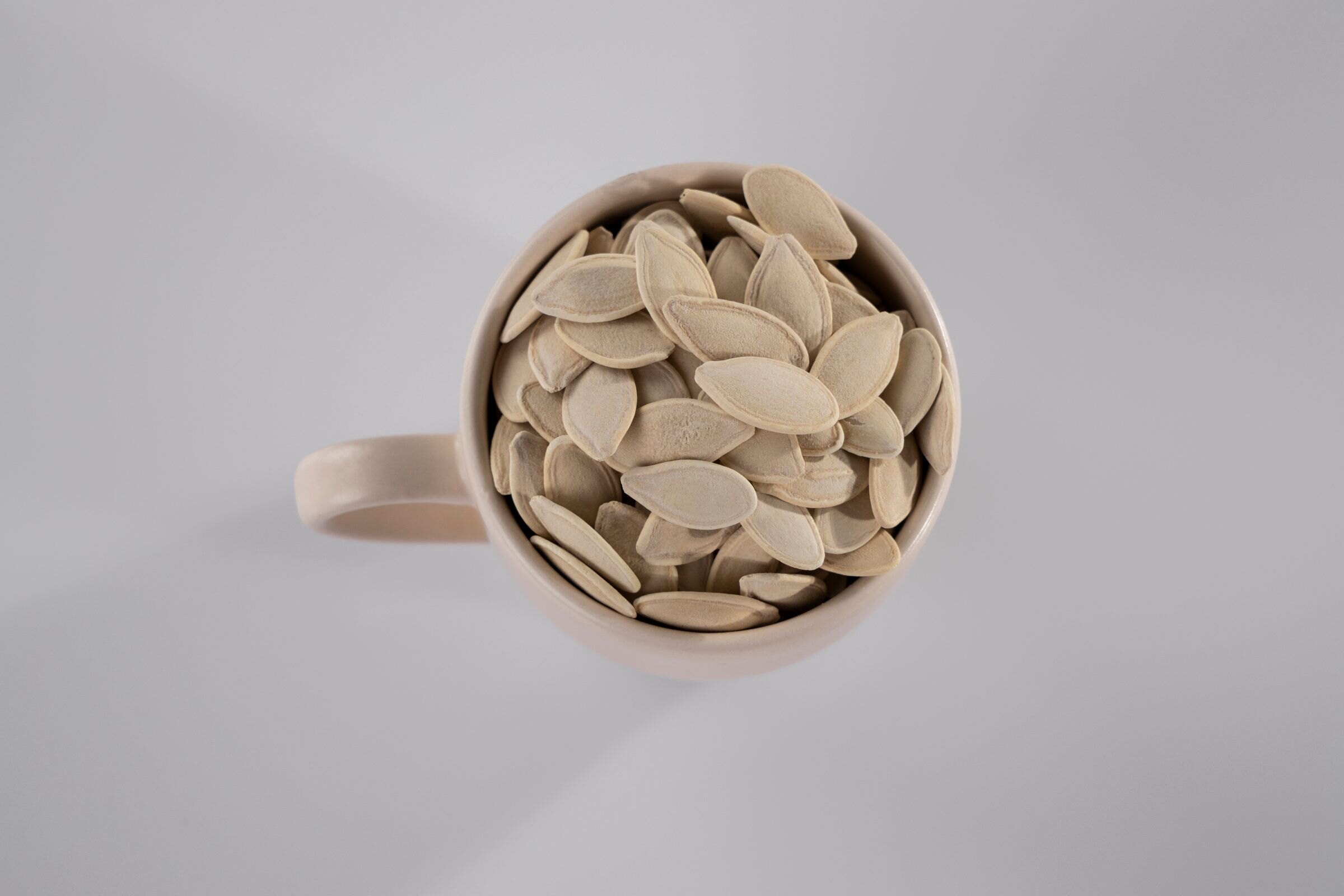
Here are the highest whole-food sources of dietary magnesium to include in your meal prep:
| Food Source | Serving Size | Elemental Magnesium | Protein |
|---|---|---|---|
| Pumpkin Seeds (Pepitas) | 30 g (1 oz / ~2 tbsp) | ~156 mg (37% DV) | 9 g |
| Spinach (Boiled/Cooked) | 1 cup cooked (180 g) | ~157 mg (37% DV) | 5 g |
| Swiss Chard (Cooked) | 1 cup cooked (175 g) | ~150 mg (36% DV) | 3 g |
| Dark Chocolate (70–85%) | 50 g (~1.75 oz) | ~114 mg (27% DV) | 4 g |
| Black Beans (Cooked) | 1 cup cooked (172 g) | ~120 mg (28% DV) | 15 g |
| Almonds (Raw or Roasted) | 30 g (1 oz / ~23 nuts) | ~80 mg (19% DV) | 6 g |
| Quinoa (Cooked) | 1 cup cooked (185 g) | ~118 mg (28% DV) | 8 g |
| Avocado | 1 medium fruit (200 g) | ~58 mg (14% DV) | 3 g |
The Evidence-Based Supplementation Protocol for Athletes
To optimize your cellular magnesium status without causing digestive disturbance, follow this structured, research-backed protocol designed specifically for resistance-trained athletes:
1. Determining Your Elemental Target
The baseline Recommended Dietary Allowance (RDA) for adult males is 400 to 420 mg per day, and 310 to 320 mg per day for adult females. However, active athletes sustaining regular sweat and metabolic turnover thrive on an intake of 400 to 500 mg of total elemental magnesium per day, combining dietary sources and supplemental intake.[1]
When dosing your supplement:
- Baseline Athletic Supplemental Dose: 200 to 300 mg of elemental magnesium daily.
- Heavy Training / High Sweat Load: Up to 400 mg of elemental magnesium daily, split into morning and evening doses.
2. Timing for Optimal Recovery
- Evening Protocol (Sleep & Relaxation): Ingest 200 to 300 mg of magnesium bisglycinate approximately 30 to 60 minutes before your planned bedtime. This coordinates mineral delivery with peak GABA receptor activation and naturally declining evening core temperature.
- Split Dosing Option (Neuromuscular & Energy): If taking 400 mg total, consume 150 mg of magnesium malate with your breakfast or pre-workout meal to support glycolytic ATP turnover, and take 250 mg of magnesium bisglycinate prior to sleep.
3. Nutrient Synergies and Interactions
- Vitamin B6 (Pyridoxal-5-Phosphate): Vitamin B6 acts as an active cofactor for cellular magnesium uptake, facilitating the transport of extracellular magnesium ions across the cell membrane into the intracellular compartment. Look for formulations containing active P5P.
- Separation from High-Dose Calcium: Do not consume high-dose calcium supplements (exceeding 500 mg) at the exact same meal as your magnesium. Divalent cations utilize overlapping mucosal transport channels; massive calcium boluses can competitively inhibit magnesium absorption.
- Zinc Balance: Moderate zinc intake (15 to 30 mg) pairs harmoniously with magnesium, but extreme mega-doses of zinc (over 100 mg) impair magnesium absorption.
Integrating Magnesium into Your Complete Recovery Blueprint
While optimizing your magnesium levels delivers noticeable benefits for sleep quality and muscular relaxation, no single micronutrient functions in isolation. Micronutrient adequacy must be paired with structured training principles and systemic recovery habits to yield transformative physical results:
- Progressive Resistance Training: Magnesium ensures cellular bioenergetics are primed, but mechanical tension remains the primary driver of muscle hypertrophy. Ground your workouts in progressive overload across compound exercises such as squats, deadlifts, and presses.
- Comprehensive Muscle Recovery: Combine your mineral protocol with the foundational tenets outlined in our muscle recovery guide, prioritizing adequate daily caloric intake, intelligent training splits, and sufficient between-session rest.
- Macro Balancing: Pair your micronutrient optimization with proven macronutrient protocols. As discussed in our breakdown of protein for muscle gain, building lean tissue requires consistent daily amino acid availability alongside enzymatic mineral cofactors.
- Smart Post-Workout Habits: Avoid blunting your body's natural adaptive signaling. As detailed in our muscle recovery guide, prioritizing nutritional replenishment, cellular hydration, active mobility, and quality sleep supported by magnesium creates an optimal environment for muscular remodeling.
Frequently Asked Questions
Frequently asked questions
How do I know if I have a magnesium deficiency if standard blood tests show normal levels?
Standard serum magnesium tests are notoriously misleading because less than 1% of total body magnesium resides in your bloodstream. Your body tightly defends serum magnesium concentrations by pulling minerals out of bones and muscle tissue when levels drop. If you experience persistent muscle twitches, frequent cramping, restless sleep, or chronic fatigue despite normal serum test results, request a Red Blood Cell (RBC) Magnesium test, which provides a far more accurate assessment of intracellular mineral status.
Can taking too much magnesium be dangerous or cause side effects?
In individuals with healthy kidney function, excess dietary and supplemental magnesium is efficiently filtered and excreted in urine. The most common side effect of excessive supplemental intake is osmotic diarrhea or abdominal cramping, which occurs when unabsorbed mineral draws water into the colon. However, individuals with kidney disease or impaired renal function must consult their physician before supplementing, as impaired filtration can lead to hypermagnesemia.
Does magnesium help reduce delayed onset muscle soreness (DOMS)?
Magnesium does not directly eliminate the microscopic structural sarcomere disruption caused by intense lifting. However, by accelerating cross-bridge detachment, reducing neuromuscular hyper-excitability, and improving slow-wave sleep quality where systemic tissue repair occurs, consistent magnesium intake meaningfully reduces the subjective severity and duration of muscle stiffness between workouts.
Should I take magnesium in the morning or at night before bed?
If you are taking magnesium bisglycinate for sleep enhancement, stress reduction, and muscular relaxation, taking it 30 to 60 minutes before bed is ideal. If you are using magnesium malate to support cellular ATP production and counteract daytime muscular fatigue, take it in the morning or early afternoon with a meal. Splitting a higher daily dose between morning and evening is also highly effective.
Sources
- Volpe SL. Magnesium and the athlete. Current Sports Medicine Reports. 2015;14(4):279-283. doi.org/10.1249/JSR.0000000000000178 ↩