You have been diligently hitting your workouts, passing on dessert, and tracking your meals. For the first few weeks, the numbers on the scale dropped with satisfying predictability. Then, without warning, the needle stopped moving. Two weeks turn into three, then four, and your body weight refuses to budge by even a fraction of a kilogram. Frustration sets in, self-doubt creeps in, and you begin to wonder if your metabolism has permanently crashed.
Here is the definitive truth from exercise physiology and metabolic science: your metabolism is not broken, and your fat loss journey is far from over. Hitting a weight loss plateau is a universal biological response to prolonged energy restriction. When you reduce caloric intake and lose body mass, your physiology initiates a coordinated survival response known as adaptive thermogenesis to defend your fat stores.
Overcoming a plateau does not require starving yourself on 800 calories or punishing your joints with endless hours of exhausting cardio. By understanding the physiological mechanisms behind adaptive thermogenesis, identifying whether your plateau is real or masked by fluid retention, and applying structured refeeds and diet breaks, you can systematically break through any stall while protecting your hard-earned lean muscle mass.
Is It a True Plateau or an Illusion?
Before making drastic adjustments to your nutrition or workout routine, you must determine whether you are facing a genuine metabolic stall or an illusion created by fluid dynamics. Many lifters prematurely slash calories or abandon their diets simply because they mistake temporary water retention for stalled fat loss.
The Diagnostic Definition of a True Plateau
In scientific research and evidence-based coaching, a true weight loss plateau is defined as:
- A stall lasting 3 to 4 consecutive weeks: Daily body weight fluctuations of 1 to 2 kg (2 to 4.5 lb) are completely normal. True adipose loss occurs on the scale of weeks, not 48-hour windows.
- No reduction in circumference measurements: If your scale weight has not moved for 21 days, but your waist circumference has dropped by 1.5 centimeters, you are still actively losing visceral and subcutaneous fat while retaining water or gaining lean tissue.
- No change in progress photographs: Visual comparisons under identical lighting and posture often reveal distinct changes in abdominal definition and muscle separation even when the scale is stationary.
- Verified dietary consistency: You have accurately weighed and logged your food intake, including weekends, condiments, and liquid calories.
The Cortisol and Water Retention Trap
When you sustain a calorie deficit, your body perceives energy restriction as an environmental stressor. This chronic stress elevates circulating levels of cortisol, the primary glucocorticoid hormone produced by the adrenal cortex.
Cortisol binds to mineralocorticoid receptors in the kidneys, promoting significant sodium and water reabsorption. As a result, you can lose 500 grams of body fat over a two-week period while simultaneously retaining 600 grams of intracellular and extracellular water. On the bathroom scale, your weight appears identical—or may even tick upward—convincing you that your progress has completely halted.
This phenomenon explains the well-documented "whoosh effect": after a restful weekend, a high-carbohydrate refeed, or a reduction in training fatigue, systemic cortisol levels plunge. Within 24 to 48 hours, the kidneys flush the retained water through increased urination, and the scale suddenly registers a dramatic multi-kilogram drop.
Menstrual Cycle Fluid Shifts
For female lifters, hormonal shifts across the menstrual cycle exert a massive influence on water balance. Progesterone and estrogen fluctuations during the luteal phase (the two weeks leading up to menstruation) frequently induce 1 to 3 kg of cyclical fluid retention. A female athlete who is losing fat steadily may appear to plateau for two straight weeks every single month. Tracking scale averages month-over-month across identical cycle phases—rather than day-to-day—is vital for an accurate assessment.
Glycogen and Digestive Waste Fluctuations
Every gram of stored glycogen in your liver and skeletal muscle binds roughly 3 to 4 grams of water. If you consume a higher-carbohydrate meal or a salty dinner at a restaurant, your body temporarily replenishes glycogen stores and retains fluid to maintain osmotic equilibrium. Furthermore, high-volume foods rich in dietary fiber take 24 to 72 hours to pass through the gastrointestinal tract, adding physical stool weight that has nothing to do with adipose tissue.
| Metric | True Plateau | Hidden (False) Plateau | Action Required |
|---|---|---|---|
| Duration | 4+ weeks with zero drop | 1–3 weeks of stagnation | Wait 7–10 days before adjusting |
| Waist Circumference | Unchanged | Decreasing | Continue current protocol |
| Hunger & Fatigue | Extreme, unrelenting | Moderate | Keep protein high, rest well |
| Dietary Tracking | 100% verified with scale | Unweighed oils, weekend snacks | Re-calibrate food tracking |
| Cortisol Indicators | High stress, insomnia | Sore muscles, poor recovery | Implement a 2-day diet refeed |
The Physiology of Metabolic Adaptation
If you have confirmed that your plateau has persisted for more than three to four weeks despite strict adherence, your body has entered a state of metabolic adaptation.
Metabolic adaptation—often termed adaptive thermogenesis—refers to a disproportionate reduction in energy expenditure that exceeds what can be predicted based solely on changes in fat-free mass and fat mass. It is not a malfunction; it is an evolutionarily preserved survival mechanism designed to prevent death from starvation during prolonged food scarcity.
To understand why your fat loss stalled, we must examine how a prolonged deficit alters the four distinct components of Total Daily Energy Expenditure (TDEE).
1. Basal Metabolic Rate (BMR)
Basal Metabolic Rate accounts for approximately 60% to 70% of total daily energy expenditure in sedentary to moderately active individuals. It represents the calories required to keep your vital organs functioning at complete rest.
As you lose weight, your BMR declines naturally because a smaller body possesses less cellular tissue to oxygenate and maintain. A lifter who drops from 90 kg to 80 kg simply requires fewer maintenance calories.
However, during chronic dieting, the body downregulates BMR beyond the loss of physical mass. Cellular mitochondrial efficiency increases, uncoupling proteins decrease, and active thyroid hormone ($T_3$) levels drop while reverse $T_3$ ($rT_3$) rises. These endocrine shifts force individual cells to expend less energy per minute.
2. The Dominant Factor: Non-Exercise Activity Thermogenesis (NEAT)
While most lifters blame their BMR or workout routine, the primary driver of stalled fat loss is an unconscious collapse in Non-Exercise Activity Thermogenesis (NEAT).
NEAT encompasses all energy expended for everything that is not sleeping, eating, or deliberate sports exercise: fidgeting, pacing on phone calls, taking the stairs, typing, and maintaining upright posture. In free-living humans, NEAT can vary by up to 2,000 calories per day between individuals.
When you enter a persistent energy deficit, your brain's hypothalamus perceives declining energy availability and attempts to conserve resources. Unconsciously, you stop fidgeting, you sit on the couch instead of pacing, you park closer to the grocery store entrance, and you take the elevator. Studies utilizing wearable accelerometers reveal that dieters frequently reduce their daily spontaneous physical activity by 300 to 600 calories per day without ever realizing it.
If your initial prescribed deficit was 400 calories per day, an unperceived 350-calorie decline in NEAT completely erases your deficit, bringing your net energy balance back to maintenance.
3. Thermic Effect of Food (TEF)
The Thermic Effect of Food represents the energetic cost of digesting, absorbing, and assimilating nutrients—roughly 10% of total daily caloric intake. Because you are eating significantly fewer total grams of food during a diet, your TEF naturally drops. If you cut your daily intake from 2,800 to 2,000 calories, you burn roughly 80 fewer calories each day purely through reduced digestion.
4. Exercise Activity Thermogenesis (EAT)
Exercise Activity Thermogenesis is the energy expended during structured workouts. As you lose weight, moving your lighter body through space requires less mechanical energy. Running a mile or performing a set of lunges at 75 kg burns fewer calories than performing the exact same activity at 85 kg.
Furthermore, cumulative central and peripheral fatigue often causes lifters to subconsciously reduce their workout intensity: resting longer between sets, lifting lighter loads, or dropping their cadence during cardiovascular training.
Calorie calculator (TDEE)
- Resting energy (BMR)
- kcal/day
- Maintenance calories (TDEE)
- kcal/day
- For fat loss (about −20%)
- kcal/day
- For muscle gain (about +10%)
- kcal/day
Mifflin–St Jeor equation. Treat the number as a starting point and adjust it after two to three weeks of tracking your weight.
The Sneaky Culprit: Caloric Drift and Tracking Creep
Before concluding that extreme adaptive thermogenesis has halved your metabolic rate, honesty compels us to examine the behavioral side of energy balance: caloric drift.
Human beings are notoriously inaccurate at estimating food intake. Groundbreaking clinical trials assessing dietary reporting have repeatedly demonstrated that both untrained individuals and certified fitness professionals underestimate their daily caloric intake by 20% to 45%, while simultaneously overestimating their physical activity expenditure by up to 50%.

During the initial phase of a fat loss program, motivation is high, and measuring is meticulous. But after 6 to 10 weeks of dieting, "measurement fatigue" sets in. Common sources of unrecorded calories include:
- Unmeasured Cooking Oils: Pouring olive oil or butter into a pan "by eye" often adds 15 to 25 grams of fat—an untracked 135 to 225 calories per meal.
- Condiments and Sauces: Mayonnaise, creamy salad dressings, barbecue sauces, and sugary marinades quickly add hundreds of hidden calories.
- The Heaping Spoon Phenomenon: A level tablespoon of peanut butter is 16 grams (roughly 95 calories). A heaping tablespoon scooped straight from the jar frequently weighs 35 to 45 grams, surreptitiously doubling the calories.
- Nibbles and Taste Tests: Tasting food while cooking, finishing leftovers from your child's plate, or grabbing a handful of almonds from the break room can easily add 200 to 300 calories per day.
- Weekend Inconsistencies: Adhering to a strict 500-calorie deficit Monday through Friday creates a 2,500-calorie weekly deficit. An untracked social dinner, three cocktails, and a dessert on Saturday can easily total 3,000 calories, completely erasing your entire week of hard work.
Eliminating caloric drift by weighing all foods on a digital kitchen scale for just seven days is often all it takes to restart stalled fat loss without changing your planned macronutrient targets.
The Power of Diet Breaks: The Science of the MATADOR Study
When a plateau is genuinely caused by severe metabolic adaptation and elevated diet fatigue, the intuitive impulse is to cut calories even further—dropping from 1,800 to 1,400 calories per day, or doubling daily cardio.
This approach is often counterproductive. Slashing calories deeper into the red accelerates the loss of lean muscle tissue, triggers uncontrollable hunger, spikes insomnia, and drives NEAT down further. The solution lies in doing the exact opposite: implementing a structured diet break.

The Landmark MATADOR Clinical Trial
In a groundbreaking clinical trial titled the MATADOR study (Minimising Adaptive Thermogenesis And Deactivating Obesity Rebound), researchers led by Nuala M. Byrne investigated whether intermittent energy restriction could outsmart metabolic adaptation.[1]
The researchers divided 51 obese men into two groups for a total of 16 weeks of active energy restriction:
- Continuous Restriction Group: Maintained an unbroken 33% caloric deficit for 16 consecutive weeks.
- Intermittent Restriction (Diet Break) Group: Alternated two weeks of a 33% caloric deficit with two weeks of eating at energy maintenance, repeating the cycle for 30 weeks total (yielding the identical 16 weeks of caloric restriction).
The results were remarkable: the diet break group achieved significantly greater total fat loss (an average of 12.3 kg vs. 8.0 kg) and exhibited substantially less reduction in resting metabolic rate compared to the continuous dieting group.[1] Crucially, at a six-month follow-up after completing the intervention, participants who utilized structured two-week diet breaks maintained significantly greater fat loss and experienced less weight regain.[1]
What a Diet Break Is—and What It Is Not
A diet break is a planned, controlled period—typically lasting 7 to 14 days—where you deliberately increase your daily caloric intake back to your current maintenance level.
- It is NOT a cheat week: You do not abandon healthy foods, binge on processed junk food, or stop logging your intake.
- Protein stays high: Keep your daily protein target at 1.6 to 2.2 g/kg of body weight to support muscle protein synthesis (protein for muscle gain).
- Carbohydrates are increased: The surplus calories come predominantly from complex carbohydrates (rice, oats, potatoes, fruits, whole grains). Elevating carbohydrate intake replenishes depleted liver and muscle glycogen stores, drives down systemic cortisol, and signals the brain to increase circulating leptin.
- Fat intake remains moderate: Keep dietary fats stable to support hormone synthesis without promoting fat storage.
By temporarily bringing your body back into energy balance, you alleviate central nervous system fatigue, boost thyroid output, restore spontaneous daily physical movement (NEAT), and provide massive psychological relief. When you resume your deficit after a 7- to 14-day break, your body is primed to burn fat efficiently once again.
The 5-Step Protocol to Break Any Weight Loss Plateau
When you hit a verified fat loss stall, avoid emotional reactions. Follow this systematic, five-step clinical protocol to reboot your progress safely.
Step 1: Conduct an Uncompromising 7-Day Nutrition Audit
Before touching your calorie targets, eliminate the possibility of caloric drift. For seven consecutive days:
- Weigh every single food item, snack, and beverage on a digital kitchen scale in grams (do not use measuring cups or spoons).
- Log all cooking oils, butter, salad dressings, and coffee creamers.
- Track every weekend beverage, dessert, and alcoholic drink honestly.
If your weight begins moving again during this 7-day audit, you did not have a broken metabolism—you simply had untracked calories that crept into your daily routine.
Step 2: Establish a Floor for Daily Step Count (NEAT Anchor)
Because an involuntary drop in daily movement is the most potent driver of adaptive thermogenesis, you must consciously anchor your NEAT.
Purchase or use a basic pedometer or smartphone tracker and establish a non-negotiable daily step floor. If your current daily average is 5,000 steps, set a target of 8,000 to 10,000 steps per day.
Spreading these steps throughout the day—taking a 15-minute walk after each meal, parking further away, and taking stairs—replaces the spontaneous fidgeting your body unconsciously suppressed. This adjustment alone can burn an additional 200 to 350 calories daily without inflicting neuromuscular fatigue or driving up ravenous appetite.
Step 3: Prioritize Heavy Compound Resistance Training
The biggest mistake lifters make when fat loss stalls is dropping their heavy lifting in favor of high-rep "toning" circuits or punishing cardio sessions (cardio vs weights for fat loss).
When you diet, muscle tissue is metabolically expensive for the body to maintain. If you fail to challenge your muscles with high mechanical tension, your body will catabolize skeletal muscle for energy, reducing your lean mass and permanently lowering your BMR (how to lose fat without losing muscle).
Base your training on progressive overload (progressive overload) using heavy multi-joint free-weight and machine exercises.


- Sets
- 3–4
- Reps
- 8–12
- Rest
- 120 s
- Tempo
- 3–1–1
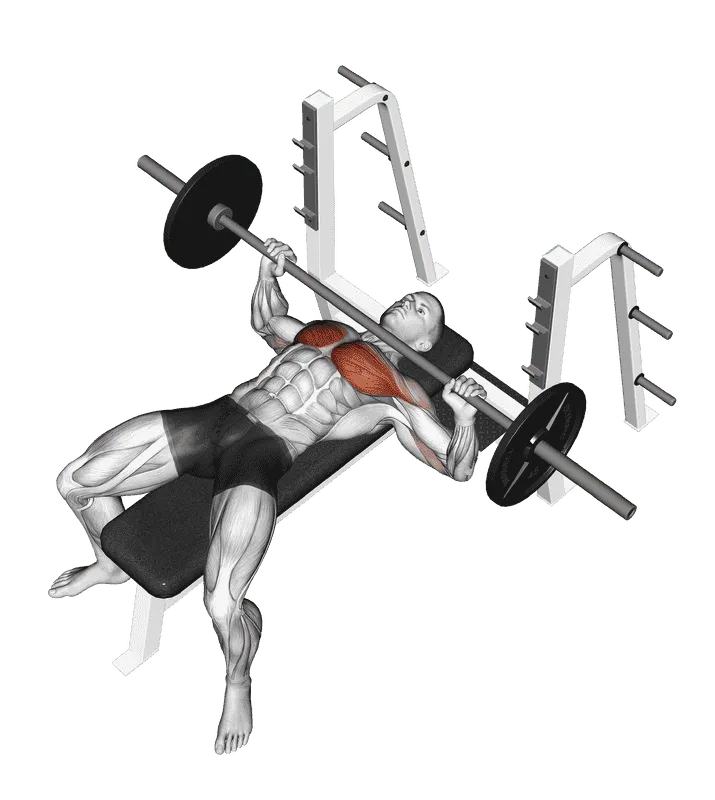
Include demanding compound movements like the Barbell Romanian Deadlift, Barbell Full Squat, Barbell Bench Press, Dumbbell Lunge, and Sled 45° Leg Press. Strive to maintain your strength on these core lifts; retaining your lifting performance is the single most reliable proxy for muscle mass preservation during a cut.
Step 4: Implement a 10- to 14-Day Maintenance Diet Break
If you have been dieting continuously for 8 to 12 weeks and your weight has stalled for three straight weeks despite clean tracking, your body is begging for energy balance.
Recalculate your current maintenance calories using our integrated TDEE calculator or the guide on how to set your macros. For the next 10 to 14 days:
- Increase daily calories by 300 to 500 kcal directly up to maintenance.
- Channel roughly 70% of those additional calories into complex carbohydrates.
- Maintain your normal resistance training routine and step goals.
- Expect your scale weight to rise by 0.5 to 1.5 kg during the first 3 days; this is purely water and muscle glycogen replenishment, not body fat.
By day 10, your sleep quality will improve, your gym strength will rebound, your cravings will subside, and your thyroid and leptin levels will partially recover.
Step 5: Make a Surgical, Conservative Deficit Adjustment
When you resume your fat loss phase following the diet break, do not make the mistake of slashing 700 calories. Your new body is smaller and requires less food than when you started your diet months ago.
Apply a surgical reduction of only 150 to 250 calories per day, or combine a 150-calorie dietary trim with an extra 2,000 daily steps. A modest, controlled deficit of 350 to 500 calories below your current maintenance is optimal. This moderate pace protects muscle tissue, keeps leptin stable, and allows you to diet for another 8 to 12 weeks without crashing into another wall.
| Category | Typical Male Body Fat | Typical Female Body Fat | Recommended Deficit | Diet Break Frequency |
|---|---|---|---|---|
| Higher Body Fat | > 25% | > 35% | 500–700 kcal/day | Every 12–16 weeks |
| Moderate Body Fat | 15%–24% | 24%–34% | 350–500 kcal/day | Every 8–10 weeks |
| Athletic / Lean | 10%–14% | 18%–23% | 250–350 kcal/day | Every 4–6 weeks |
| Very Lean / Contest | < 10% | < 18% | 150–250 kcal/day | Every 2–4 weeks (or 2-day refeeds) |
Frequently Asked Questions
Frequently asked questions
How long does a true weight loss plateau typically last?
A real biological plateau lasts at least three to four consecutive weeks with zero change in scale weight or body circumference measurements. Stalls lasting less than three weeks are almost always caused by transient water retention masking continuous fat loss.
Will eating more food really help me lose weight?
Yes, in the context of a structured diet break. Temporarily increasing calories to maintenance lowers elevated cortisol, which flushes stubborn water retention, while restoring involuntary movement (NEAT) and thyroid function so you burn fat more efficiently when you resume your deficit.
Should I do more cardio when my fat loss stalls?
Generally, no. Adding excessive high-intensity cardio increases systemic cortisol, elevates fatigue, and spikes hunger, which often causes dieters to compensate by moving less outside the gym. Increasing daily walking steps (NEAT) is far more effective and less fatiguing.
How often should I schedule a diet break?
Leaner individuals (under 15% body fat for men, under 24% for women) should implement a 1- to 2-week diet break every 4 to 8 weeks. Individuals carrying more body fat can diet continuously for 12 to 16 weeks before requiring a break.
Can drinking more water break a weight loss plateau?
Yes, adequate hydration helps the kidneys excrete excess sodium and reduces fluid retention caused by dehydration stress. Aim for 3 to 4 liters of water daily, especially when dieting and training intensely.
Sources
- Byrne NM, Sainsbury A, King NA, et al. Intermittent energy restriction improves weight loss efficiency in obese men: the MATADOR study. International Journal of Obesity. 2018. doi.org/10.1038/ijo.2017.206 ↩