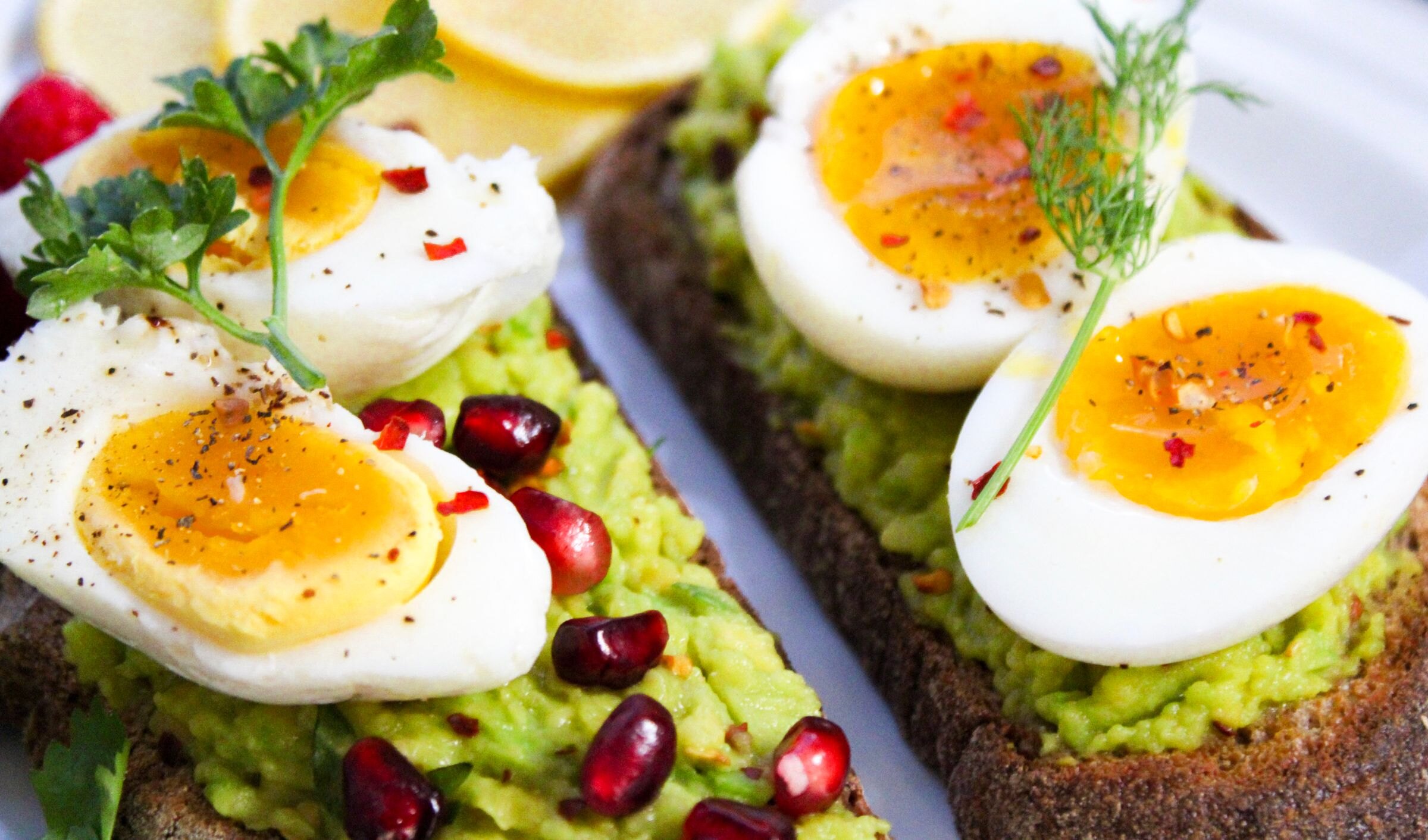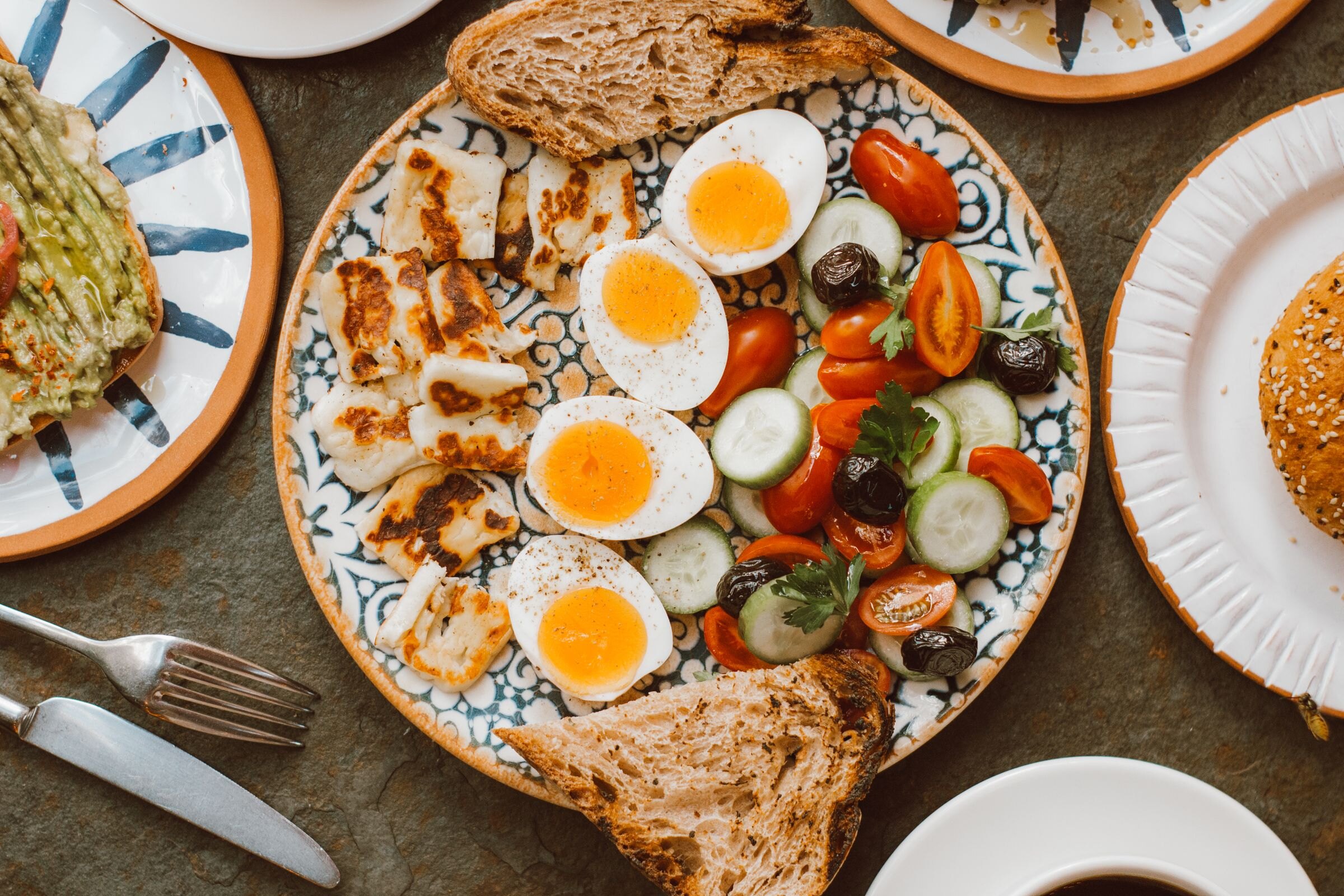
Understanding the link between ultra-processed foods and weight loss explains why two diets with identical macro targets on paper can feel effortless in one kitchen and miserable in another. When most of your menu comes from industrial formulations—boxed cereals, commercial snack bars, deli meats, flavored yogurts, and bottled sauces—soft textures and concentrated calories outrun your gut's fullness signals. In a landmark inpatient trial at the National Institutes of Health (NIH), adults given unlimited access to ultra-processed meals spontaneously ate 508 more calories per day and gained weight, then lost weight automatically when switched to minimally processed whole foods.[1]
You do not need an obsessive ban on every packaged ingredient to get lean. What works is shifting the foundation of your grocery cart so whole and minimally processed foods do the heavy lifting for appetite control. Below is how food processing alters hunger physiology, how to spot misleading "fitness" labels, and which practical swaps protect your calorie deficit and gym performance.
What Counts as Ultra-Processed? The 4-Tier Food Continuum
A common mistake in fitness culture is treating the word "processed" as an insult. Washing spinach, freezing wild berries, fermenting milk into plain strained yogurt, and pressing olives into oil are all forms of food processing—and every one of them makes healthy eating easier.
Nutrition researchers using the NOVA classification system separate everyday groceries not by whether a machine touched them, but by how far the original cellular matrix has been dismantled and chemically reassembled. Thinking along a four-tier continuum keeps your grocery shopping practical and stress-free.
| Processing Tier | Everyday Examples | Physical & Nutritional Traits | Role in a Fat-Loss Diet |
|---|---|---|---|
| 1. Unprocessed & Minimally Processed | Fresh or frozen meat, poultry, fish, eggs, plain yogurt, fruits, vegetables, oats, rice, dried lentils, raw nuts | Intact cellular walls, high water volume, native fiber, slow chewing speed | 75%–85% of intake (daily meal foundation) |
| 2. Culinary Ingredients | Extra-virgin olive oil, butter, vinegar, sea salt, honey, culinary herbs and spices | Pressed, refined, or mined single ingredients used to season and cook Tier 1 foods | Measure mindfully to cook whole meals |
| 3. Simple Processed Foods | Canned beans or tuna in water, freshly baked sourdough bread, plain cheese, salted roasted nuts, tomato paste | Tier 1 foods preserved with salt, heat, or fermentation; short ingredient lists | Convenient staples that fit lean macros easily |
| 4. Ultra-Processed Formulations | Chips, pastries, sugary cereals, soda, reconstituted deli meats, candy-style protein bars, instant noodles | Industrial isolates, refined starches, seed oils, emulsifiers, flavorings, zero intact matrix | Limit to 10%–15% so appetite stays predictable |
You can identify a Tier 4 product in ten seconds without memorizing chemical names. Flip the package over and ask one question: Could I buy every ingredient on this label at a normal grocery store and cook this in my own pot? When a label lists hydrolyzed protein isolates, maltodextrin, modified food starch, interesterified oils, mono- and diglycerides, artificial flavors, and gums stitched together to mimic crunch or creaminess, you are holding an ultra-processed formulation.
The Science of Ultra-Processed Foods and Weight Loss
For years, strict macro trackers argued that food quality is irrelevant for fat loss as long as total calories and protein match. Thermodynamically, energy balance always governs weight change—a principle we break down in our complete calorie deficit guide. Biologically, however, the physical form of your food dictates how hard your brain has to fight to stay inside that calorie budget.
In 2019, physiologist Kevin Hall and colleagues at the NIH put this debate to the ultimate test.[1] Twenty weight-stable adults (mean age 31.2 years, average BMI 27 kg/m²) moved into a locked metabolic clinical research ward for 28 consecutive days. Each participant was randomly assigned to eat either an ultra-processed diet or an unprocessed whole-food diet for two weeks, followed immediately by two weeks on the opposite diet.[1]
Crucially, the kitchen staff matched the menus presented to participants across total calories, energy density, macronutrients, sugar, sodium, and total dietary fiber. Participants wore loose clothing, could not see their scale weight, and were simply told to eat as much or as little as they wanted.
The outcome reshaped modern nutrition coaching:
- Spontaneous Overconsumption: On the ultra-processed menu, participants voluntarily ate 508 ± 106 kcal per day more than they did on the unprocessed menu.[1]
- Carbohydrate and Fat Drift: Nearly all the surplus came from extra carbohydrates (+280 kcal/day) and extra dietary fat (+230 kcal/day), while protein intake remained virtually identical (-2 kcal/day).[1]
- Automatic Weight Reversal: Participants gained 0.9 ± 0.3 kg (about 2 lb) during the two ultra-processed weeks and spontaneously lost 0.9 ± 0.3 kg (about 2 lb) during the two whole-food weeks—without ever trying to diet.[1]
Four overlapping physiological mechanisms explain why industrial formulations drive this passive calorie creep.
1. Soft Textures and Eating Rate Outrun Gut-Brain Fullness
Whole foods demand mechanical work. Chewing a 180 g grilled chicken breast alongside roasted carrots and boiled potatoes takes real jaw effort and saliva production, keeping each bite in your mouth longer. Industrial extrusion, puffing, and emulsification pre-chew food before it ever reaches your fork.
When texture is soft, slippery, and lubricated by refined oils or sauces, your eating rate—measured in kilocalories swallowed per minute—accelerates dramatically. Because it takes roughly 15 to 20 minutes for nutrients entering your small intestine to stimulate enteroendocrine L-cells to release glucagon-like peptide-1 (GLP-1) and peptide YY (PYY), eating twice as fast lets you pack away an extra 300 to 500 calories before fullness ever registers in your hypothalamus. Slowing that oral-to-gut clock is also why the pacing habits in our mindful eating guide pair so powerfully with whole foods.
2. Cellular Water Loss Spikes Non-Beverage Calorie Density
Intact fruits, vegetables, cooked grains, potatoes, and lean meats are mostly water trapped inside cellular scaffolding. A 200 g baked potato carries roughly 185 calories and fills a sizable portion of your stomach, stretching gastric mechanoreceptors along the vagus nerve.
Industrial manufacturing evaporates nearly all of that bound water to extend shelf life and prevent microbial spoilage. Once dehydrated and fried or baked with oil, 200 g of potato chips or snack crackers packs more than 1,000 calories into a bag you can finish during one television episode without triggering meaningful stomach stretch.
3. Hyper-Palatable Combinations and Protein Dilution
In nature, foods are almost never rich in both concentrated carbohydrates and concentrated fat at the same time. Fruit, honey, and tubers supply carbohydrates with virtually zero fat; nuts, seeds, avocados, and animal cuts supply fat and protein with minimal sugar.
Ultra-processed formulations deliberately combine refined flour or sugar with vegetable oils and sodium—think glazed donuts, tortilla chips, frozen pizza, cookies, and creamy pasta bowls. Neuroimaging research shows that pairing fat and refined carbohydrates produces a supra-additive dopamine surge in the brain's striatum, overriding homeostatic fullness signals. At the same time, these foods dilute dietary protein as a percentage of calories. Under the protein leverage effect observed in the NIH trial, your body keeps nudging you back to the pantry until its baseline amino acid requirement is met, dragging hundreds of surplus carb and fat calories along for the ride.[1] Hitting the targets in our guide on how much protein you need to build muscle shuts that hunger loop down early in the day.
4. Intact Food Matrix vs. Refined Isolates
Even when a nutrition label lists identical grams of fat and fiber, an intact almond behaves differently in your digestive tract than finely ground almond flour blended into a commercial snack bar. Rigid plant cell walls in whole nuts, seeds, legumes, and coarse grains encapsulate microscopic lipid droplets and starch granules.
A modest percentage of those trapped calories resists enzymatic digestion in the small intestine and travels down to the colon, where beneficial gut bacteria ferment intact fibers into short-chain fatty acids (such as butyrate and propionate) that reinforce gut barrier health and stimulate endogenous GLP-1 release. Pulverizing grains into superfine flour and adding isolated fiber powders destroys that physical barrier, making nearly 100% of the calories rapidly absorbable in the upper gut.
5 "Health Halo" Fitness Foods That Quietly Stall Fat Loss
You probably already know that soda, pastries, and fast-food fries are ultra-processed. What trips up dedicated lifters are health-halo products—ultra-processed formulations dressed in matte-black athletic packaging with bold front-of-box claims like "20g Protein," "Keto Friendly," "Plant-Based," or "Made with Whole Grains."
Watch out for these five common gym-bag traps:
- Candy-Bar "Protein" Cookies and Brownies: Many commercial protein cookies pack 380 to 440 calories, palm kernel oil, chicory root syrups, sugar alcohols, and low-leucine collagen or wheat gluten for just 15 to 18 grams of incomplete protein—nearly the calorie load of a full chicken-and-rice meal with a fraction of the fullness.
- Boxed "Protein" Granolas and Instant Flavored Oats: Clusters glued together with brown rice syrup, cane sugar, and sunflower oil routinely hit 450 calories per 100 g. A normal cereal bowl easily pours double the tiny 45 g label serving.
- Fruit-on-the-Bottom and "Dessert" Fit Yogurts: Sweetened yogurts often combine modified cornstarch, carrageenan, food dyes, and 14 to 22 grams of added sugar, turning a high-protein staple into a fast-digesting dessert.
- Bottled "Light" Salad Dressings and Zero-Sugar Sauces: When manufacturers strip fat out of dressings, they replace mouthfeel with high-fructose syrups, maltodextrin, soybean oil blends, and xanthan gum—turning a crisp vegetable bowl into a vehicle for hidden calories.
- Extruded Veggie Straws and Cheese-Dusted Rice Crisps: Despite pictures of spinach and tomatoes on the bag, veggie straws are mostly potato starch and oil puffed under high heat, carrying almost the exact same calorie density and rapid eating rate as regular potato chips.
Smart Whole-Food Swaps for Effortless Appetite Control
The fastest way to put the NIH trial findings to work is upgrading the 6 or 7 foods you buy every single week. Rather than overhauling your entire culture or cooking gourmet recipes from scratch, trade soft, low-water packaged items for high-volume whole equivalents—building on the substitutions in our healthy food swaps guide and portable ideas from our high-protein snacks guide.
| Meal Moment | Ultra-Processed Habit | Minimally Processed Upgrade | Satiety & Calorie Payoff |
|---|---|---|---|
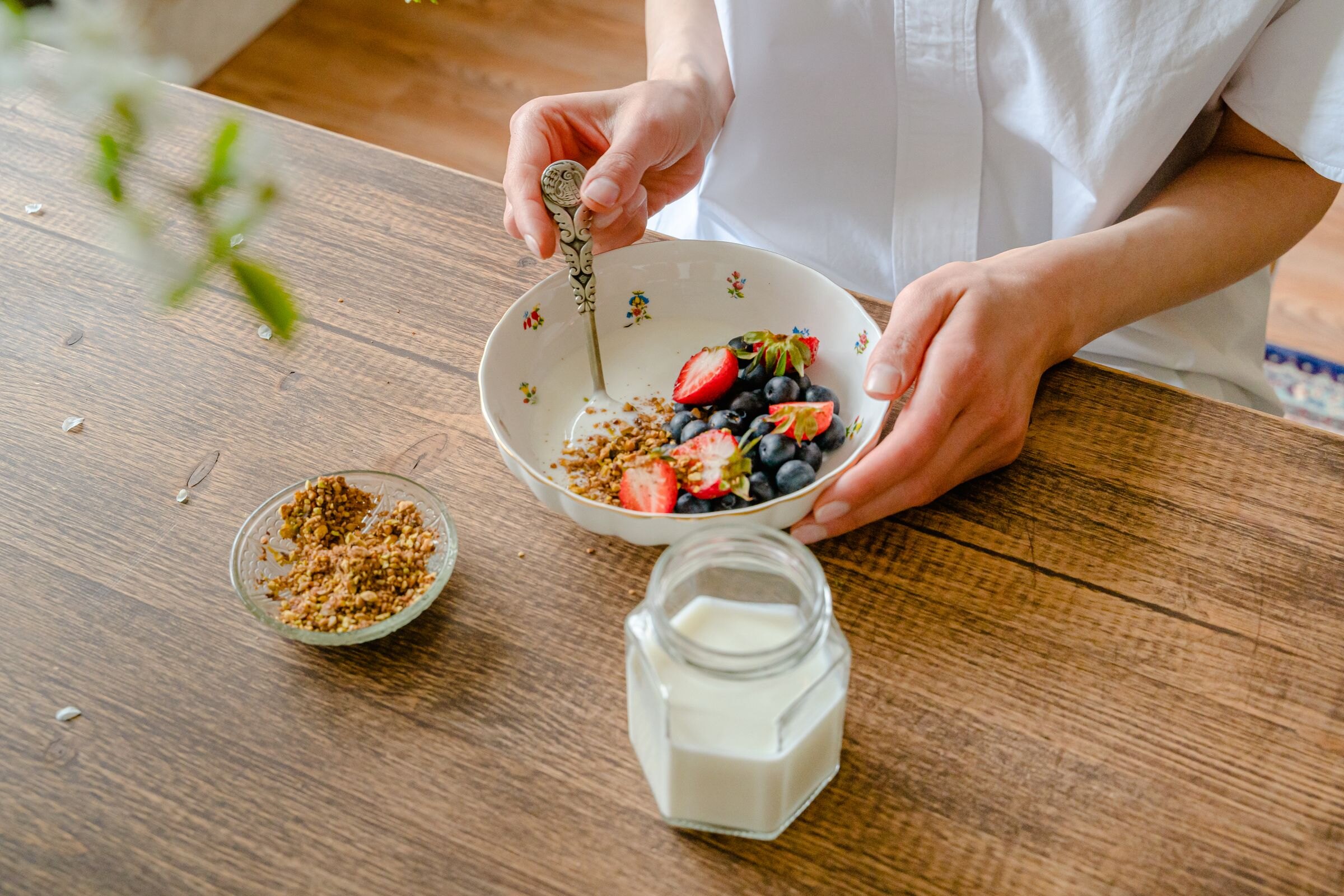
| Breakfast | Sugary cereal or commercial granola clusters (80 g + milk: ~430 kcal) | Rolled oats cooked with milk, topped with berries and 2 boiled eggs (~370 kcal) | Triples chew time, adds soluble beta-glucan fiber, and crosses the leucine threshold |
| Mid-Morning | Flavored fruit-cup yogurt (170 g: ~180 kcal, 8 g protein) | Plain strained Greek yogurt with diced apple and cinnamon (200 g: ~175 kcal, 20 g protein) | Cuts 15 g added sugar and more than doubles satiating casein and whey protein |
| Quick Lunch | Packaged deli meat sub on soft white roll with mayo (~680 kcal) | Grilled chicken breast on sprouted or whole-grain bread with tomato, greens, and mustard (~440 kcal) | Eliminates nitrates and refined emulsified fats while saving ~240 kcal |
| Afternoon Crunch | Bag of potato chips or cheese puffs (60 g: ~320 kcal) | Air-popped popcorn or roasted chickpeas plus a handful of raw almonds (~210 kcal) | Intact hulls and fiber fill the stomach for 3x longer per calorie |
| Post-Workout | 400 kcal "protein cookie" loaded with palm oil and polyols | Whey isolate in water or milk alongside a medium banana (~225 kcal) | Faster amino acid delivery to muscle with ~175 fewer filler calories |
| Dinner Sauce | Creamy bottled dressing or sweetened barbecue glaze (3 tbsp: ~180 kcal) | 1 tsp extra-virgin olive oil, fresh lemon juice, garlic, herbs, and Greek yogurt (~65 kcal) | Keeps crisp flavor while trimming ~115 invisible liquid calories |
| Beverages | Sweetened iced tea, energy drinks, or syrupy coffee lattes (~200–350 kcal) | Sparkling water with citrus, unsweetened tea, or black coffee with a splash of milk (~15 kcal) | Removes liquid sugar that completely bypasses gastric stretch receptors |
The 60-Minute Weekend Environment Reset
Ultra-processed foods win on Tuesday night at 8:30 PM for one reason: zero friction. When you open the fridge exhausted and see raw chicken breasts that need thawing and trimming alongside a ready-to-eat frozen pizza, convenience beats intentions every time.
Neutralize that friction with three simple batch habits from our step-by-step meal prep guide:
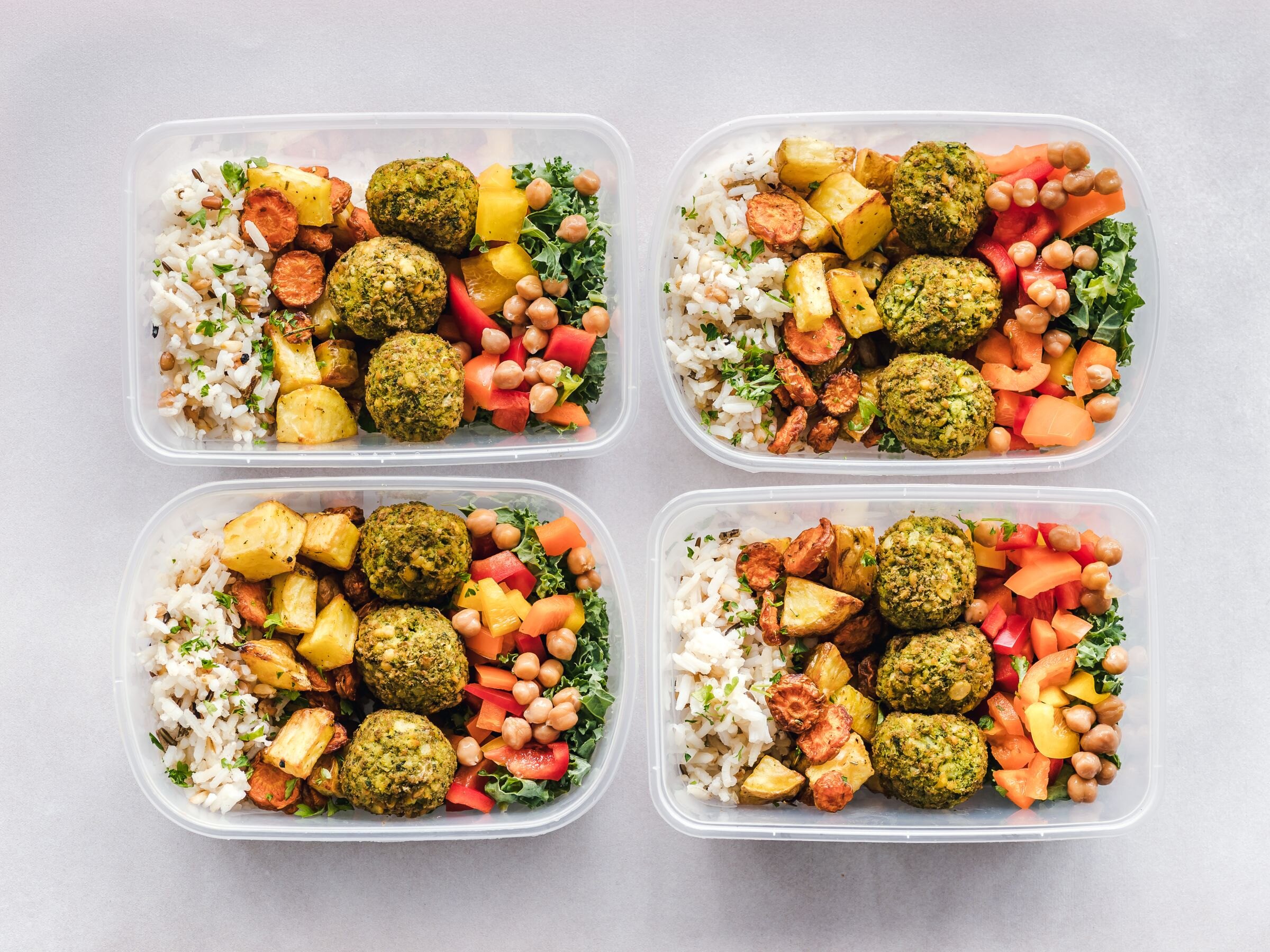
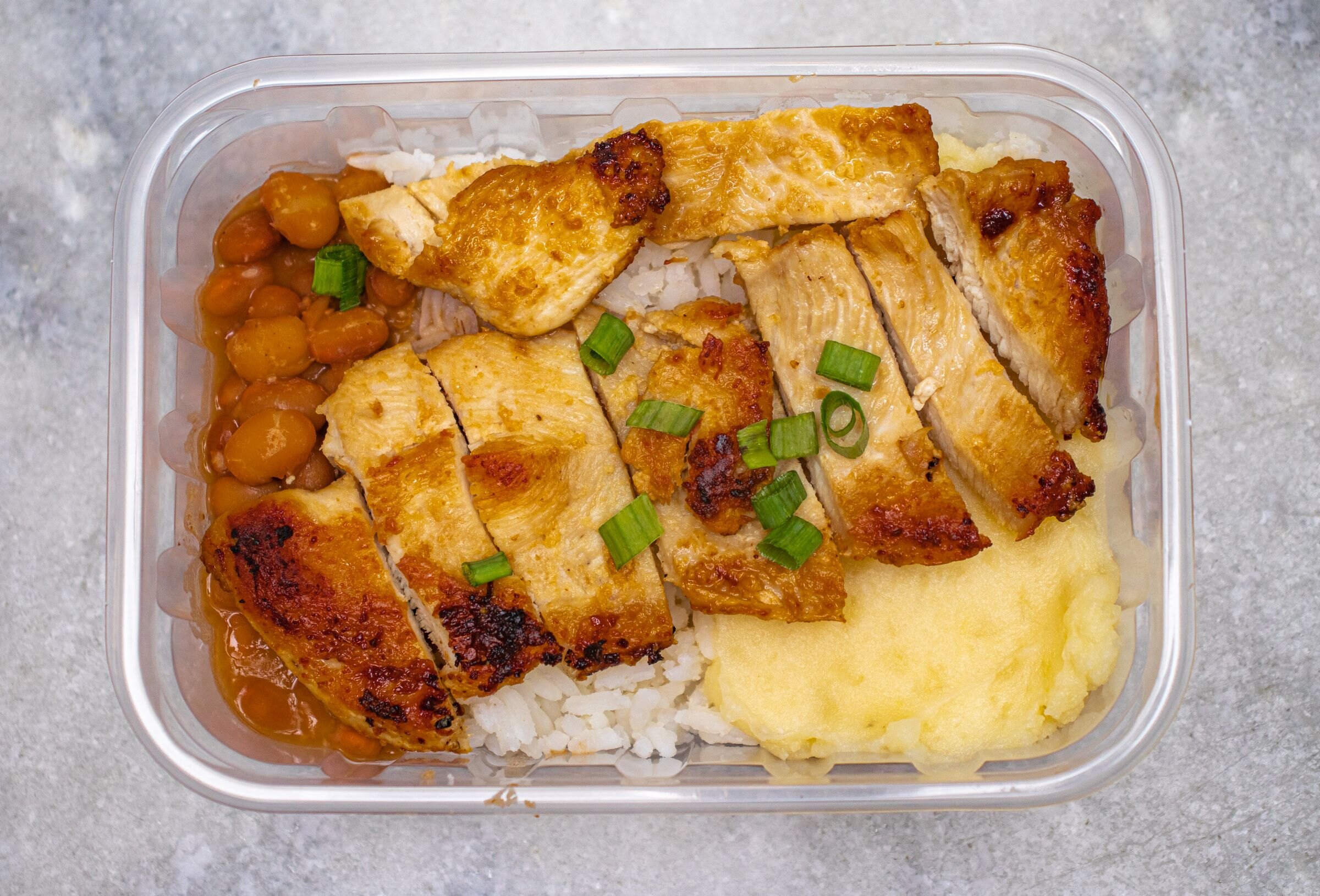
- Batch-Cook Two Lean Proteins: Roast 1 kg (2.2 lb) of seasoned chicken breast or lean ground beef on a sheet pan while boiling a dozen eggs. Having cooked protein ready in glass containers makes assembling a 40 g protein meal faster than ordering delivery.
- Pre-Cook One High-Volume Starch and Legume: Simmer a pot of rice, lentils, or baby potatoes. Chilling cooked potatoes and rice overnight even increases resistant starch, gently blunting post-meal blood glucose spikes when reheated.
- Keep Washed Crunch at Eye Level: Store washed cucumbers, cherry tomatoes, berries, apples, and plain strained yogurt on the middle shelf of your fridge—and move any packaged treats into opaque bins on a high cupboard shelf out of immediate sight.
Use the calculator below to estimate your daily maintenance calories (TDEE). For most lifters, subtracting 350 to 500 kcal per day—roughly the exact calorie drop participants experienced naturally when removing ultra-processed foods in the NIH trial—produces steady, sustainable fat loss of 0.5% to 0.8% of body weight per week.[1]
Calorie calculator (TDEE)
- Resting energy (BMR)
- kcal/day
- Maintenance calories (TDEE)
- kcal/day
- For fat loss (about −20%)
- kcal/day
- For muscle gain (about +10%)
- kcal/day
Mifflin–St Jeor equation. Treat the number as a starting point and adjust it after two to three weeks of tracking your weight.
Protect Your Muscle: Pairing Whole Foods with Compound Lifting
Cleaning up food quality makes creating an energy deficit dramatically easier, yet diet alone cannot tell your body which tissue to burn. Without high-tension resistance training, losing weight through calorie reduction alone can pull 20% to 30% of lost mass from metabolically active skeletal muscle, leaving you lighter on the scale but softer in the mirror.
Progressive lifting flips that partitioning switch. Mechanical tension across muscle fibers activates mechanistic target of rapamycin complex 1 (mTORC1) signaling, instructing your body to spare contractile protein and draw energy almost exclusively from stored adipose triglycerides. Meanwhile, trading refined snacks for whole potatoes, rice, oats, legumes, eggs, poultry, and dairy supplies steady intramuscular glycogen and micronutrients—iron, magnesium, potassium, and zinc—so bar speed never craters mid-session.
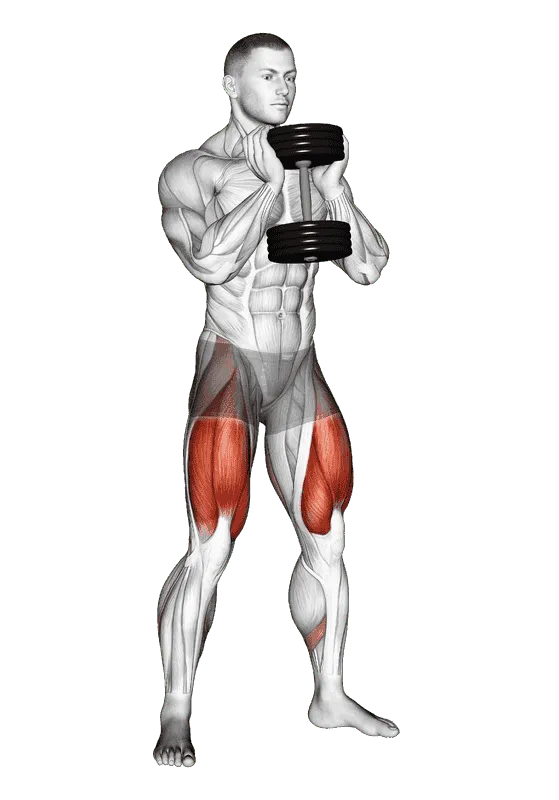
Anchor your week around multi-joint movements that recruit maximum muscle mass per set.

- Sets
- 3–4
- Reps
- 8–12
- Rest
- 90 s
- Tempo
- 3–1–1
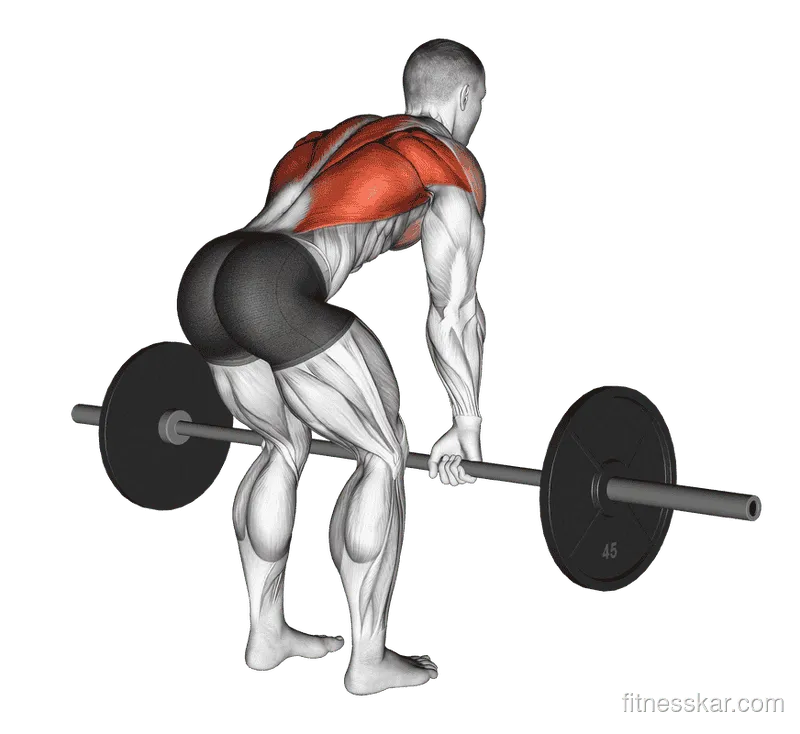
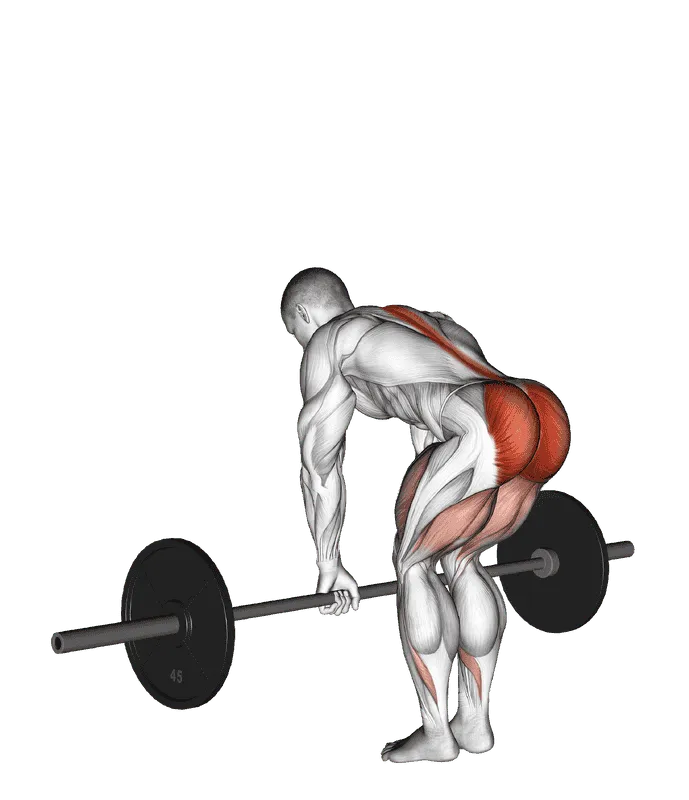
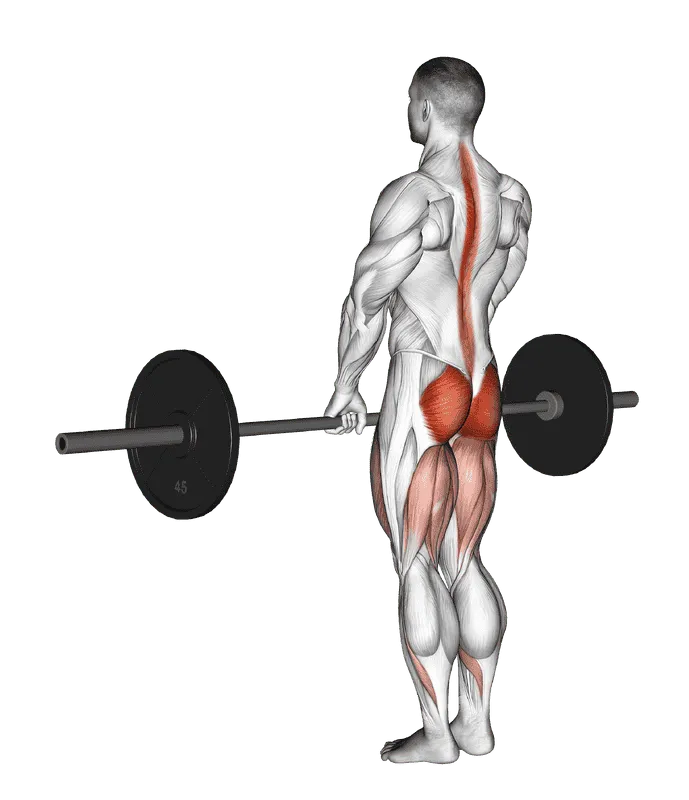
Pair knee-dominant squatting with a loaded hip hinge so your entire posterior chain—glutes, hamstrings, and spinal erectors—receives a strong muscle-retaining stimulus every week.
- Sets
- 3–4
- Reps
- 8–10
- Rest
- 120 s
- Tempo
- 3–1–1
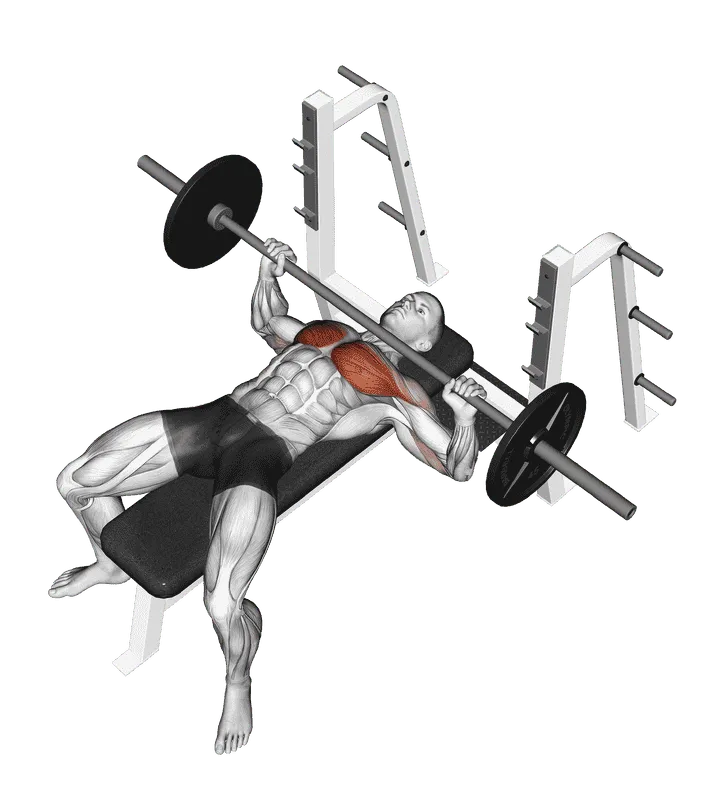
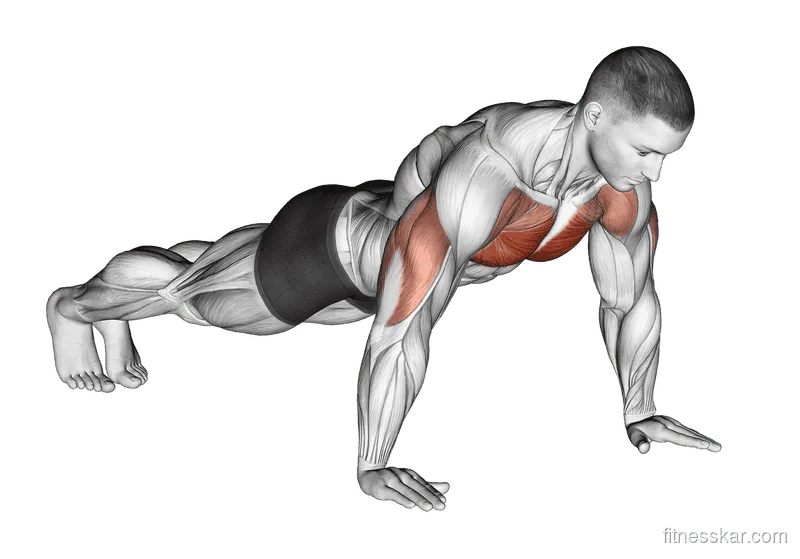
Round out your training split with foundational upper-body and lower-body compounds—such as the barbell full squat, barbell bench press, barbell bent-over row, and controlled bodyweight push-up—taking working sets within 1 to 2 reps of technical failure. If you are new to structured lifting during a cut, start with the free program below; intermediate lifters can step up to our 4-Day Muscle Mass Builder or the 8-Week Advanced Fat Loss System.
Frequently Asked Questions
Frequently asked questions
Are whey protein powder and plain Greek yogurt considered ultra-processed foods?
Plain strained Greek yogurt is a minimally processed whole food made simply by fermenting and straining milk. Unflavored or lightly sweetened whey isolate is technically an extracted protein ingredient, but unlike hyper-palatable junk foods, it is almost pure protein with high satiety per calorie and fits seamlessly into the 15% flexible portion of an athlete's diet.
Can you still lose weight if you eat some ultra-processed foods?
Yes. Fat loss is governed by sustained calorie deficit, so eating 10% to 15% of your calories from convenient packaged foods will not block weight loss as long as your daily calories and protein stay on target. Problems arise when ultra-processed items make up the majority of your meals, making hunger far harder to control.
How long does it take for cravings to fade after cutting back on ultra-processed snacks?
Most people notice noticeably calmer evening cravings and steadier afternoon energy within 10 to 14 days. Controlled taste-adaptation research shows that reducing hyper-sweet and hyper-salty formulations allows your palate receptors to recalibrate, making whole fruits, roasted vegetables, and lightly salted meals taste far more satisfying.
Is eating minimally processed whole foods much more expensive?
Not when you build meals around budget staples rather than specialty "health store" brands. Eggs, dried lentils, chickpeas, canned tuna, rolled oats, bags of potatoes, rice, frozen vegetables, seasonal fruit, and whole chicken thighs cost less per gram of protein and per satiating meal than commercial protein bars, deli meats, and takeout.
Why did participants in the NIH study eat 500 extra calories a day on ultra-processed meals?
Even though both menus offered the same total macros, sugar, sodium, and fiber, the ultra-processed non-beverage items had higher calorie density, softer textures that increased eating speed, and lower protein concentration per bite.[1] Participants ate faster and continued eating carbs and fats until they satisfied their daily protein needs.
Sources
- Hall KD, Ayuketah A, Brychta R, et al. Ultra-Processed Diets Cause Excess Calorie Intake and Weight Gain: An Inpatient Randomized Controlled Trial of Ad Libitum Food Intake. Cell Metabolism. 2019. doi.org/10.1016/j.cmet.2019.05.008 ↩