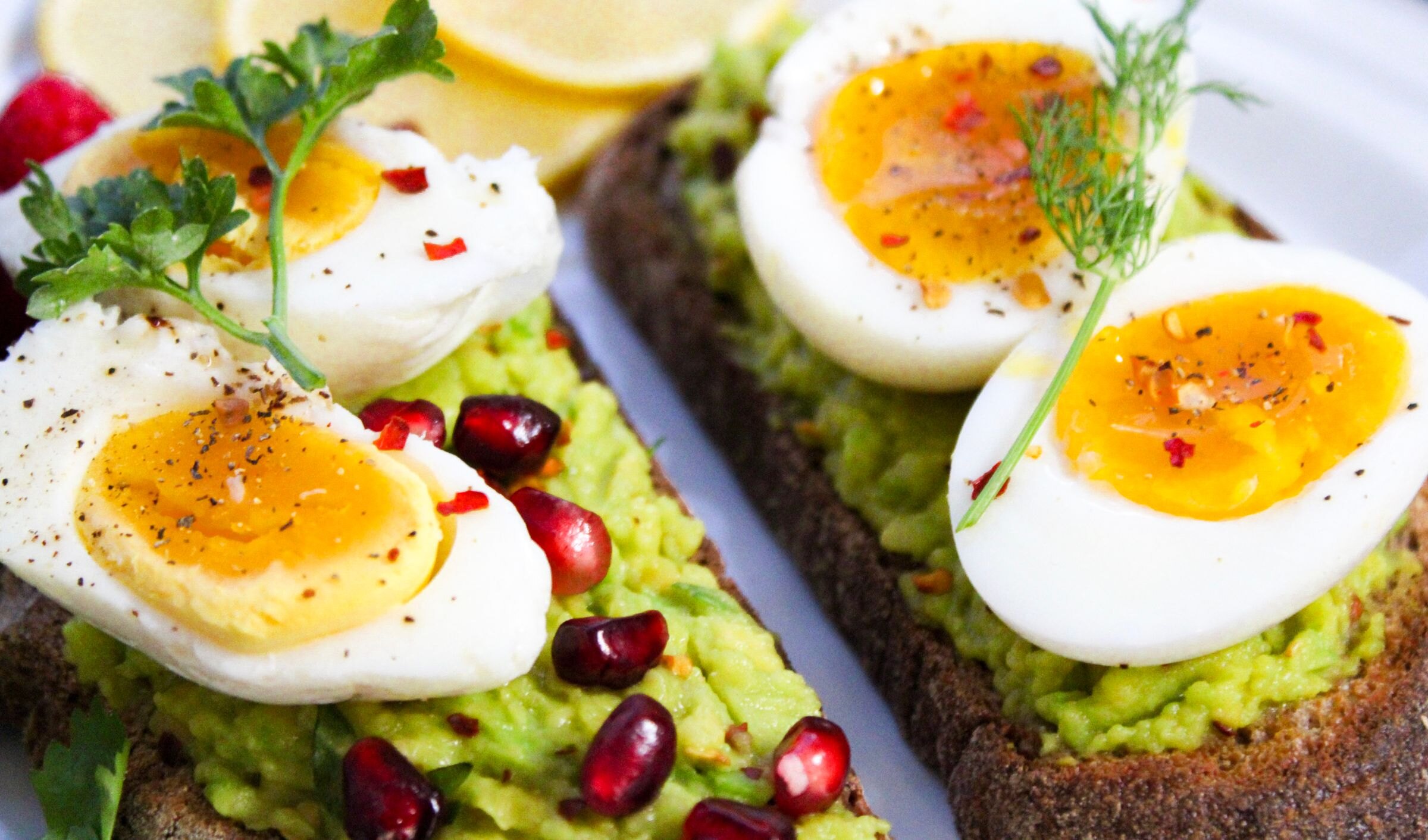
Starting your day with a high-protein breakfast is one of the most effective nutritional strategies to accelerate fat loss, preserve lean muscle tissue, and eliminate mid-morning energy crashes. While traditional morning routines rely heavily on refined carbohydrates like pastries, sugary cereals, and bagels, human metabolism is uniquely primed after an overnight fast to utilize amino acids. Consuming between 30 and 50 grams of high-quality protein within two hours of waking stimulates muscle protein synthesis, stabilizes blood glucose, and suppresses appetite through the evening hours. Here is the comprehensive, evidence-based guide on how morning protein alters your physiology, how to calculate your personal target, and the exact recipes to make execution seamless.
The Science: Why Morning Protein Dominates Appetite and Metabolism
For decades, nutritional dogma labeled breakfast simply as an optional eating window or an excuse to consume dessert-like grain products. Modern exercise physiology and metabolic research demonstrate that the macronutrient composition of your first meal dictates hormonal signaling, neurochemical food cravings, and metabolic rate for the subsequent 12 to 16 hours. When you understand the underlying physiological mechanisms, shifting to a high-protein breakfast becomes an indispensable cornerstone of your fitness journey.
1. Breaking the Catabolic Window via the Leucine Threshold
During sleep, your body enters a fasting state where endogenous amino acid levels in the blood drop. While muscle protein breakdown does not occur at alarming rates overnight, the net protein balance remains negative until you consume dietary protein. To flip muscle metabolism from a catabolic (breakdown) state into an anabolic (building and repair) state, you must activate the mechanistic target of rapamycin complex 1 (mTORC1) pathway.
The primary molecular trigger for mTORC1 activation is the essential branched-chain amino acid leucine. Exercise science research established the concept of the "leucine threshold": you must ingest approximately 2.5 to 3.5 grams of leucine in a single sitting—equivalent to roughly 30 to 40 grams of intact high-quality animal protein or 40 to 50 grams of plant protein—to fully saturate muscle protein synthesis (MPS). Consuming a meager 10 to 15 grams of protein from a single egg or a splash of milk in coffee fails to reach this threshold, leaving your musculature in an idling, suboptimal recovery state. By hitting 35 to 45 grams of protein at breakfast, you jumpstart systemic protein synthesis at the earliest point of your active day, reinforcing the guidelines in our detailed masterclass on how much protein you need to build muscle.
2. Neurohormonal Appetite Regulation and Ghrelin Suppression
The most transformative daily benefit of a high-protein breakfast is its profound impact on satiety hormones. When protein enters the stomach and upper gastrointestinal tract, the breakdown of peptide chains stimulates enteroendocrine cells to release powerful anorexigenic (satiety-inducing) peptides:
- Peptide YY (PYY): Slows gastric emptying and signals the hypothalamus that energy needs have been satisfied.
- Glucagon-Like Peptide-1 (GLP-1): Enhances insulin sensitivity, delays intestinal transit, and promotes prolonged fullness.
- Cholecystokinin (CCK): Stimulates digestive enzyme secretion and signals meal termination.
Simultaneously, dietary protein exerts the strongest inhibitory effect on acylated ghrelin—the orexigenic peptide produced primarily by the stomach that drives acute feelings of ravenous hunger. In a landmark randomized controlled clinical crossover trial conducted by Leidy and colleagues, researchers evaluated the hormonal and neural responses of participants who consumed either a high-protein breakfast (35 g protein), a normal-protein cereal breakfast (13 g protein), or skipped breakfast entirely.[1]
The results demonstrated that the high-protein breakfast led to voluntary reductions in daily caloric intake, prolonged suppression of hunger ratings throughout the afternoon, and sustained elevations in circulating PYY concentrations.[1] Furthermore, functional magnetic resonance imaging (fMRI) scans revealed that the high-protein breakfast significantly dampened neural activation in brain regions responsible for food motivation and reward (such as the insula, amygdala, and striatum), directly blunting the evening cravings for high-fat, high-sugar snacks that frequently sabotage fat-loss diets.[1]
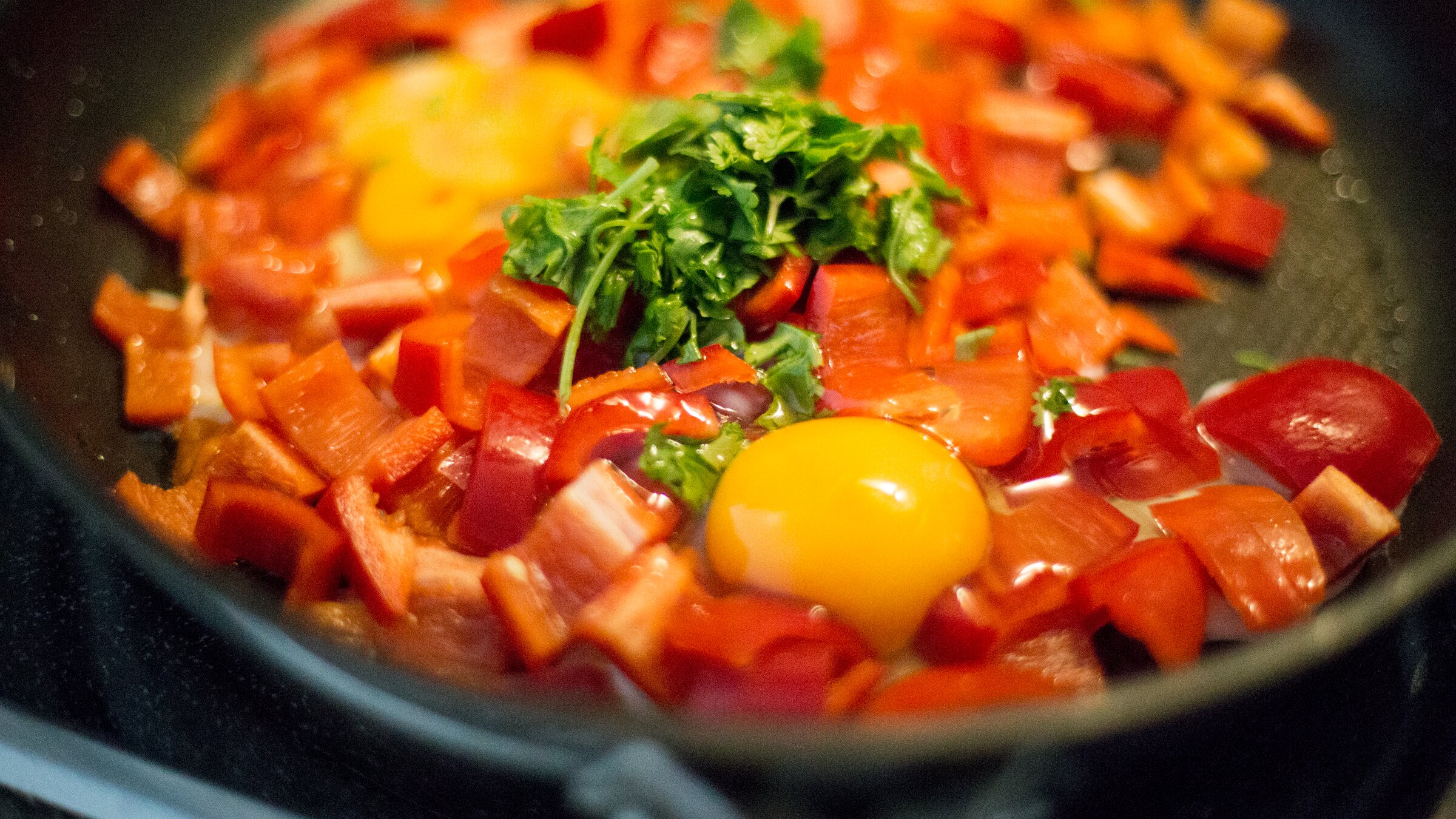
3. Thermic Effect of Food (TEF) and Metabolic Acceleration
Not all calories are processed by human physiology with equal efficiency. The thermic effect of food (TEF)—also known as diet-induced thermogenesis—represents the caloric cost required to digest, absorb, transport, and metabolize ingested nutrients:
- Dietary Protein: 20% to 30% of ingested calories are burned off as heat during assimilation.
- Dietary Carbohydrates: 5% to 10% of ingested energy is expended.
- Dietary Fats: Only 0% to 3% of ingested energy is lost to metabolic processing.
When you consume 40 grams of protein (160 calories) at breakfast, between 32 and 48 of those calories are dissipated directly as metabolic heat simply through the energetic cost of peptide bond hydrolysis, gluconeogenesis, and urea synthesis. In contrast, an equivalent 160 calories derived from a pastry or bagel burns fewer than 12 calories during digestion. Over months of consistent execution, this daily thermic advantage compounds, making maintaining a moderate calorie deficit substantially easier to sustain without hunger.
4. The Second-Meal Effect and Glycemic Stability
Refined carbohydrate breakfasts cause rapid spikes in postprandial blood glucose, followed by an aggressive surge in pancreatic insulin secretion. Within 90 to 120 minutes, blood glucose plummets below baseline—a condition known as reactive hypoglycemia. The brain perceives this sharp drop in circulating glucose as an energy emergency, triggering sudden lethargy, brain fog, and an irresistible urge to consume high-glycemic snacks before lunch.
Protein, when consumed in substantial quantities, stimulates glucagon secretion alongside moderate insulin, maintaining stable euglycemia. Furthermore, morning protein initiates what nutritional researchers term the "second-meal effect": by slowing overall gastric motility and improving peripheral insulin sensitivity, a high-protein breakfast significantly blunts the glycemic spike of whatever meal you eat 4 to 5 hours later at lunch.
The 30-to-50-Gram Rule: Calculating Your Morning Target
One of the most frequent mistakes made by athletes and fitness enthusiasts is assuming that any meal containing an egg or a cup of regular yogurt qualifies as a "high-protein" breakfast. A standard large whole egg provides approximately 6 grams of protein and 5 grams of fat. Eating two fried eggs delivers only 12 grams of protein—well below the 30-gram threshold required to stimulate muscle protein synthesis or evoke lasting neurochemical satiety.
To determine your ideal morning protein target, base your calculation on your total daily requirement and meal frequency:
| Goal & Profile | Daily Protein Target | Target Meals/Day | Morning Protein Target | Key Macro Focus |
|---|---|---|---|---|
| Fat Loss / Cutting | 1.8–2.4 g/kg body weight | 3–4 meals | 35–50 grams | High volume, low fat, maximum fiber |
| Muscle Hypertrophy | 1.6–2.2 g/kg body weight | 4–5 meals | 35–45 grams | Moderate fat, complex carbohydrates for gym performance |
| Body Recomposition | 1.8–2.2 g/kg body weight | 3–4 meals | 35–50 grams | Lean animal proteins, slow-digesting starches |
| Active General Health | 1.4–1.8 g/kg body weight | 3 meals | 30–40 grams | Whole food sources, balanced micronutrients |
For example, a lifter weighing 80 kg (176 lb) engaged in resistance training aiming for 2.0 grams of protein per kilogram requires 160 grams of daily protein. Dividing this evenly across four meals establishes a baseline of 40 grams per meal. Securing this 40-gram bolus first thing in the morning ensures that one-quarter of the day's structural requirements are locked in before the unpredictable stresses of daily life begin. To tailor your remaining carbohydrates and fats, review our comprehensive framework for setting your macronutrients.
Best High-Protein Breakfast Foods: The Power Rankings
Building a high-protein breakfast that remains enjoyable over months of daily repetition requires a deep repertoire of nutrient-dense ingredients. Use this tiered hierarchy to construct balanced, satisfying morning meals.
Tier 1: Gold-Standard Complete Animal Proteins
These foods possess exceptional biological value, complete essential amino acid profiles, and the highest concentration of leucine per gram:
- Egg Whites (Liquid or Separated): The ultimate tool for calorie-controlled volume. 100 grams of liquid egg whites delivers 11 grams of pure, fat-free protein with only 50 calories. Combining whole eggs with additional liquid whites allows you to capture the fat-soluble vitamins (A, D, E, K, choline) of the yolk while ramping up protein density.
- Greek Yogurt & Skyr (0% to 2% Fat): Strained yogurt contains double the protein of traditional yogurt because the watery whey is removed during processing. A single 200-gram serving of authentic plain Greek yogurt or Icelandic skyr supplies 20 to 24 grams of protein, rich in slow-digesting micellar casein.
- Low-Fat Cottage Cheese: Often overlooked, cottage cheese is a nutritional powerhouse. One cup (226 g) of 2% cottage cheese delivers an astonishing 28 grams of protein with minimal carbohydrate content, making it an ideal base for both sweet and savory bowls.
- Extra-Lean Poultry & Turkey Bacon: Preparing ground turkey breast (93% to 99% lean) or slicing pre-cooked chicken breast into morning scrambles provides dense, savory protein that keeps sodium and saturated fat within healthy ranges.
- Wild-Caught Smoked Salmon: Provides 20 grams of protein per 100 grams alongside anti-inflammatory omega-3 fatty acids (EPA and DHA) that enhance muscle membrane fluidity and joint durability.
Tier 2: Plant-Based Powerhouses and High-Protein Starches
While plant proteins generally possess lower leucine concentrations than animal proteins, combining complementary sources achieves a complete amino acid profile:
- High-Protein Oats & Spelt Flakes: Rolled oats contain roughly 6 grams of protein per 50-gram dry serving. Upgrading to sprouted oats or mixing oats with soy or pea protein isolate elevates the protein yield while providing beta-glucan soluble fiber for cardiac health.
- Organic Firm Tofu & Tempeh: Crumbled firm tofu seasoned with nutritional yeast, turmeric, and black salt creates a scramble that mimics eggs while delivering 15 to 20 grams of plant-based protein per cup.
- Hemp Hearts & Chia Seeds: Adding two tablespoons of hemp hearts to an oatmeal bowl contributes 6 grams of complete protein and essential minerals like magnesium and zinc.
Tier 3: High-Quality Protein Supplements
While whole foods should form the foundation of your diet, high-quality supplements offer unmatched speed and convenience when time is limited:
- Whey Protein Isolate: Rapidly digested, exceptionally high in leucine (approximately 11% to 12% leucine by weight), and dissolves easily into oats, smoothies, or homemade pancake batters.
- Micellar Casein: Forms a slow-digesting gel in the stomach, releasing amino acids steadily over 6 to 8 hours. Perfect for overnight puddings or smoothies consumed before long work meetings.
- Multi-Source Plant Protein Powder: Blends of pea, brown rice, and pumpkin seed protein eliminate single-source amino acid deficiencies and digest comfortably for those with dairy sensitivities.
For smart swaps to upgrade your current grocery cart, explore our detailed guide on healthy food swaps.
5 High-Protein Breakfast Blueprints & Meal Prep Recipes
To turn physiological theory into daily practice, here are five proven breakfast protocols designed to satisfy diverse palates, cooking timelines, and dietary preferences. Each recipe is calibrated to hit 35 to 45 grams of protein.
Recipe 1: The Classic Anabolic Morning Scramble (Ready in 8 Minutes)
Nutrition profile: 410 calories, 42 g protein, 14 g fat, 28 g carbs
Key ingredients:
- 2 large whole eggs plus 150 ml liquid egg whites
- 50 g baby spinach and 40 g diced bell peppers
- 30 g low-fat feta or crumbled goat cheese
- 1 slice toasted sourdough or Ezekiel sprouted grain bread
- Cooking spray or 3 ml extra virgin olive oil
Preparation protocol: Whisk whole eggs and whites together with sea salt, black pepper, and garlic powder. Sauté peppers and spinach in a non-stick skillet over medium heat for 2 minutes until wilted. Pour in the egg mixture and gently fold with a spatula for 3 to 4 minutes until fluffy. Top with crumbled feta and serve alongside warm sourdough toast.
Recipe 2: High-Protein Overnight Proats (Grab-and-Go Batch Prep)
Nutrition profile: 445 calories, 38 g protein, 9 g fat, 53 g carbs
Key ingredients:
- 50 g rolled oats (old-fashioned)
- 1 scoop (30 g) vanilla whey protein isolate or plant protein blend
- 120 g 0% fat plain Greek yogurt
- 150 ml unsweetened almond milk
- 10 g chia seeds
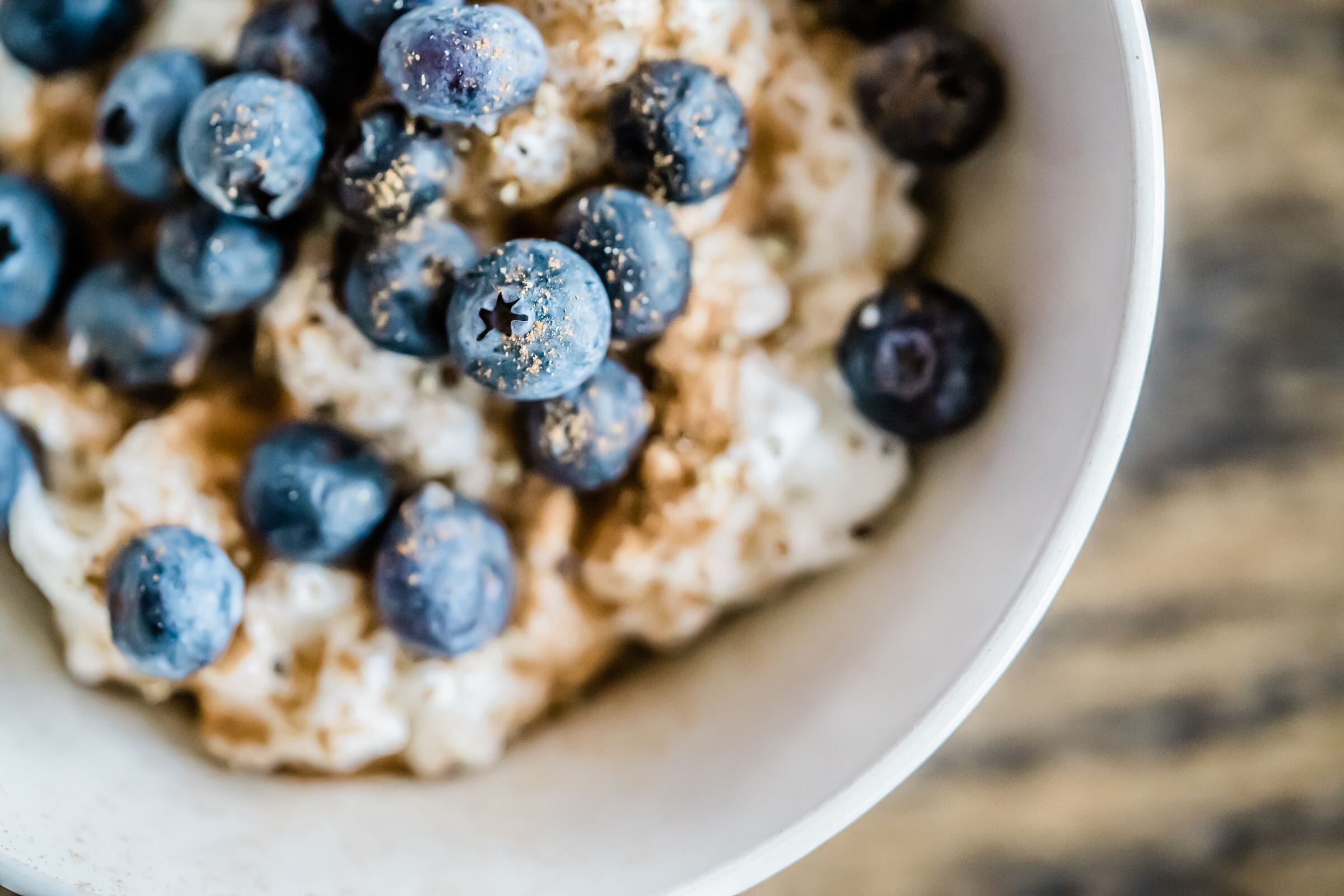
- 50 g fresh blueberries and a dash of ground cinnamon
Preparation protocol: In an airtight glass mason jar, combine oats, chia seeds, cinnamon, and protein powder. Add Greek yogurt and almond milk; stir vigorously with a fork until the powder is fully dissolved. Seal the jar and refrigerate overnight (or prepare 4 jars on Sunday for Monday through Thursday). In the morning, stir once, top with blueberries and sliced almonds, and enjoy cold. For more batching strategies, review our batch-cooking meal prep guide.
Recipe 3: Savory Cottage Cheese Mediterranean Bowl (Zero Cooking Required)
Nutrition profile: 360 calories, 36 g protein, 10 g fat, 28 g carbs
Key ingredients:
- 250 g low-fat (2%) cottage cheese
- 1/2 medium cucumber, diced
- 8 cherry tomatoes, halved
- 30 g kalamata olives, pitted and sliced
- 1 whole-wheat pita pocket (warmed)
- Fresh oregano, cracked black pepper, and 3 ml extra virgin olive oil
Preparation protocol: Spoon the cottage cheese into a wide bowl. Arrange the diced cucumber, halved cherry tomatoes, and sliced olives over the top. Drizzle with olive oil and dust generously with dried oregano and coarse black pepper. Tear pieces of warm whole-wheat pita to scoop up the savory mixture.
Recipe 4: Baked Turkey & Spinach Breakfast Egg Muffins (4-Day Fridge Stash)
Nutrition profile (per 3 muffins): 330 calories, 35 g protein, 11 g fat, 18 g carbs
Key ingredients (makes 12 muffins for 4 servings):
- 6 large whole eggs plus 400 ml liquid egg whites
- 300 g extra-lean ground turkey breast (browned in a skillet)
- 100 g chopped steamed broccoli florets
- 80 g diced red onions
- 60 g shredded low-fat cheddar cheese
- Sea salt, smoked paprika, and Italian herb blend
Preparation protocol: Preheat oven to 190°C (375°F). Spray a 12-cup silicone muffin pan thoroughly. Evenly distribute the cooked ground turkey, broccoli, and red onion into the bottom of each cup. In a large bowl, whisk together the eggs, egg whites, herbs, and salt; pour evenly over the fillings. Sprinkle shredded cheddar over each cup. Bake for 22 to 25 minutes until eggs are set and golden. Cool completely on a rack before storing in an airtight glass container in the refrigerator for up to 4 days. Reheat 3 muffins in the microwave for 60 seconds on busy mornings.
Recipe 5: Post-Workout Berry Surge Smoothie (Liquid Fast Digestion)
Nutrition profile: 420 calories, 44 g protein, 8 g fat, 42 g carbs
Key ingredients:
- 35 g whey protein isolate (vanilla or unflavored)
- 150 g pasteurized liquid egg whites or 150 g low-fat Greek yogurt
- 100 g frozen dark berries (strawberries, blueberries, blackberries)
- 1/2 frozen medium banana
- 10 g flaxseed meal
- 200 ml cold water or coconut water
Preparation protocol: Add liquids to blender first, followed by berries, banana, flaxseed, and protein powder. Blend on high speed for 45 to 60 seconds until completely smooth. Consuming this within 60 minutes after a morning lifting session delivers rapid glycogen replenishment and immediate amino acid influx to recovering muscle tissue.
Common Morning Nutrition Pitfalls and How to Fix Them
Even health-conscious individuals frequently fall into traps that undermine their body composition goals:
Pitfall 1: Relying Exclusively on Whole Eggs
Whole eggs are among the most micronutrient-dense foods on Earth, packed with lutein, zeaxanthin, vitamin B12, and choline. However, getting 35 grams of protein from whole eggs alone requires cracking six large eggs, which brings along 30 grams of fat and roughly 450 calories before adding any cooking oil, bread, or sides. For someone operating in a tight fat-loss deficit, this disproportionate fat intake severely restricts remaining daily calories.
- The Fix: Adopt the 1:2 or 1:3 ratio. Combine one or two whole eggs with 100 to 150 ml of liquid egg whites to maintain flavor and micronutrients while doubling protein density and keeping fats controlled.
Pitfall 2: Falling for "Protein-Enriched" Ultra-Processed Cereals
Food manufacturers routinely market breakfast cereals and instant oatmeal packets with prominent "Good Source of Protein" banners. A close examination of the nutrition panel usually reveals a modest 8 to 10 grams of inferior soy or wheat gluten protein accompanied by 35 to 45 grams of refined carbohydrates and 15 grams of added cane sugar.
- The Fix: Build your breakfast around single-ingredient whole proteins first (eggs, Greek yogurt, cottage cheese), and add unrefined carbohydrates (rolled oats, berries, sprouted bread) secondarily.
Pitfall 3: Fasting Until Noon Without a Structured Plan
Intermittent fasting can be an effective behavioral tool for caloric restriction, but skipping breakfast haphazardly often backfires. For individuals who experience intense evening hunger, delaying the first meal until midday frequently results in overeating high-calorie convenience foods at night. Furthermore, skipping morning protein prolongs muscle catabolism following overnight rest, particularly for resistance-trained athletes who lift early in the day.
Fueling Morning Workouts: Training & Timing Protocols
If you train in the morning, the timing of your high-protein breakfast requires strategic adjustment based on workout intensity and digestive comfort:
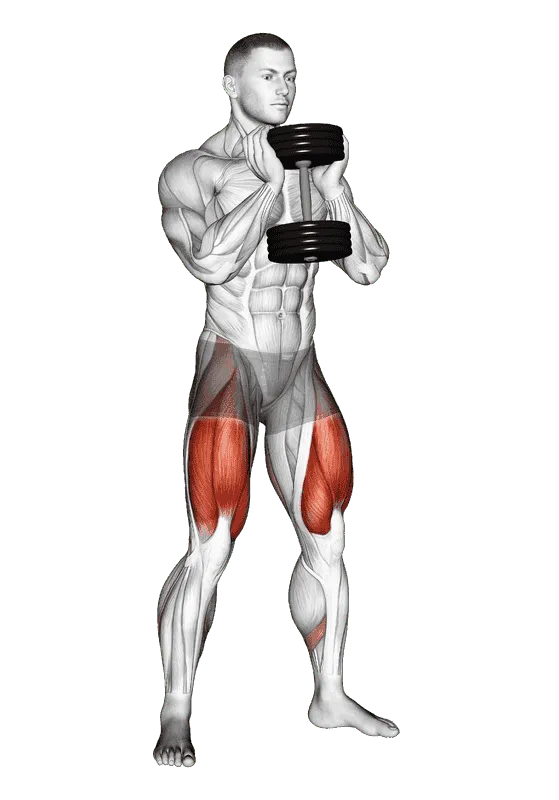

- Sets
- 3–4
- Reps
- 10–12
- Rest
- 90 s
- Tempo
- 3–0–1
Protocol A: Training Within 45 Minutes of Waking
Digesting a heavy whole-food meal containing 40 grams of protein and dietary fat requires substantial splanchnic blood flow. Exercising with a full stomach can trigger severe gastrointestinal distress, nausea, and sluggish performance.
- Pre-Workout (30–45 min prior): Consume 15 to 20 grams of rapid-digesting protein (half a scoop of whey isolate or essential amino acids) with 20 to 30 grams of fast carbohydrates (a ripe banana, applesauce, or a slice of white sourdough with honey).
- Post-Workout (within 60 min after): Eat your full high-protein breakfast—such as Recipe 1 (Anabolic Scramble) or Recipe 3 (Mediterranean Cottage Cheese Bowl)—to supply structural amino acids and restock glycogen.
Protocol B: Training 90 to 120 Minutes After Breakfast
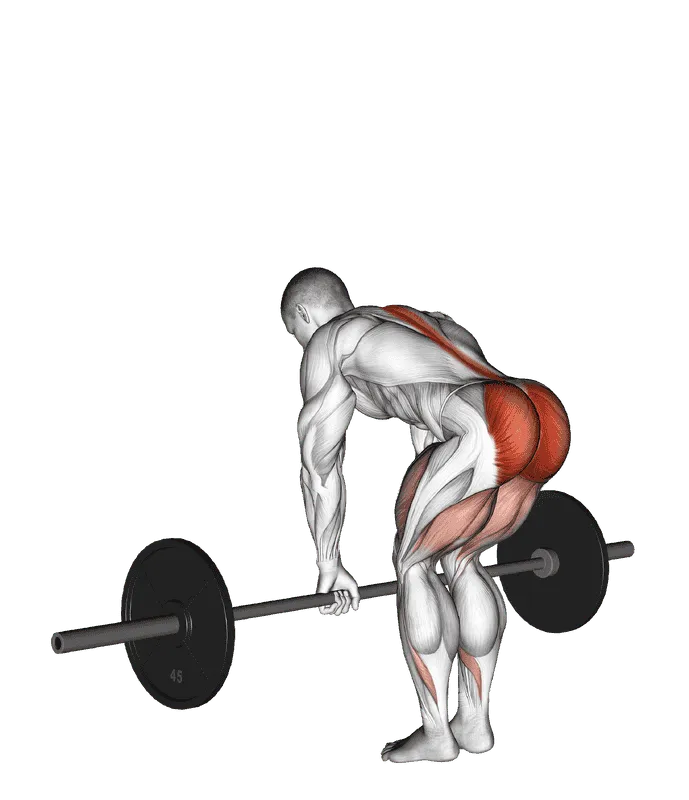
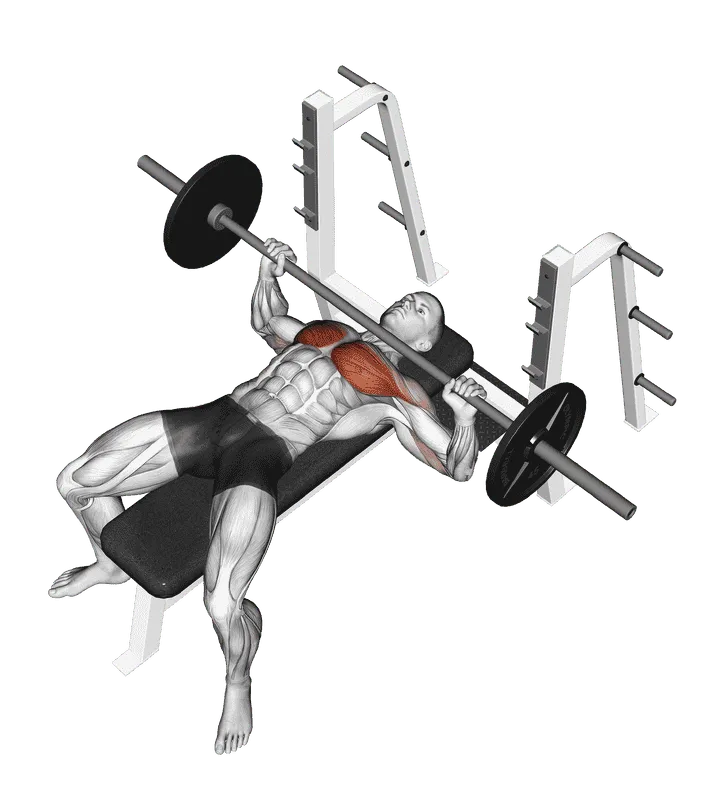
If your schedule allows a two-hour buffer before training, consume your complete solid-food breakfast first. Focus on easily digestible starches like cream of rice or oats paired with egg whites and Greek yogurt. This ensures amino acids and glucose are actively circulating in your bloodstream during heavy multi-joint movements like the Barbell Romanian Deadlift, Barbell Bench Press, and Push-Up.
Frequently Asked Questions
Frequently asked questions
Is eating 40 grams of protein in one meal wasted?
No. While early research suggested the body could only absorb 20 to 25 grams of protein per sitting for muscle protein synthesis, modern kinetic trials show that larger protein doses take longer to digest and continue releasing amino acids into the bloodstream over several hours, enhancing whole-body net protein balance.
Can I just drink a protein shake for breakfast?
Yes. A protein shake made with whey isolate or plant protein is an effective, convenient option when you are pressed for time. However, whole-food proteins like eggs, Greek yogurt, and cottage cheese digest more slowly, promoting greater satiety and providing essential micronutrients like choline, calcium, and B vitamins.
How do I get 40 grams of protein if I am vegetarian or vegan?
Combine a scrambled block of firm tofu (20 g protein) with 2 tablespoons of nutritional yeast (8 g protein), hemp hearts (6 g protein), and a slice of sprouted Ezekiel bread (5 g protein), or enjoy a bowl of protein oatmeal made with soy milk and a high-grade pea-and-rice protein powder.
Will a high-protein breakfast cause kidney damage in healthy lifters?
No. Decades of controlled clinical trials confirm that high-protein diets (up to 2.8 to 3.3 g/kg of body weight) do not cause renal dysfunction or impair glomerular filtration rate in individuals with healthy kidneys. Individuals with pre-existing renal disease must consult their doctor.
Sources
- Leidy HJ, Ortinau LC, Douglas SM, Hoertel HA. Beneficial effects of a higher-protein breakfast on the appetitive, hormonal, and neural signals controlling energy intake regulation in overweight/obese, "breakfast-skipping," late-adolescent girls. The American Journal of Clinical Nutrition. 2013. doi.org/10.3945/ajcn.112.053116 ↩