Understanding how to lose visceral fat starts with one encouraging physiological fact: although deep abdominal fat surrounding your internal organs carries the highest cardiometabolic risk, it is also the very first fat depot your body mobilizes when you combine regular exercise with a moderate calorie deficit. Pairing 150 to 250 minutes of weekly aerobic conditioning, two to three multi-joint strength workouts, a 300 to 500 kcal daily deficit rich in protein and soluble fiber, and 7 to 9 hours of sleep consistently shrinks visceral adipose tissue—even during weeks when your scale weight barely moves.[1]
Unlike the soft layer of fat you can pinch between your fingers, visceral fat sits hidden behind your abdominal wall, packed tightly around your liver, pancreas, and intestines. Because you cannot see it directly in the mirror, many active adults underestimate how much they carry—while others panic and resort to endless sit-ups, crash diets, or "belly-fat burner" pills that fail clinical testing.
When you strip away fitness marketing and examine CT and MRI imaging trials, clearing deep abdominal fat is remarkably predictable. Below, we break down the exact endocrine and portal-vein mechanisms that make visceral fat behave differently, how to track it accurately at home, and the complete training and nutrition blueprint to reduce it permanently.
Visceral Fat vs. Subcutaneous Fat: Why Deep Organ Fat Acts Differently
Not all abdominal fat shares the same cellular biology. Human body fat in the midsection is divided by your abdominal muscle wall into two distinct compartments that differ in blood supply, hormone receptors, and metabolic behavior.
| Feature | Subcutaneous Fat (SAT) | Visceral Fat (VAT) |
|---|---|---|
| Anatomical Location | Directly beneath the skin, superficial to the abs | Deep inside the peritoneal cavity around liver and gut |
| Physical Feel | Soft, pinchable layer over the waist, hips, and thighs | Firm, non-pinchable fullness pushing the belly wall outward |
| Share of Total Body Fat | Roughly 80%–90% of total adipose stores | Roughly 10%–20% in men and 5%–10% in women |
| Venous Drainage | Enters systemic circulation | Drains via the hepatic portal vein straight into the liver |
| Response to Exercise | Mobilizes gradually (slower in lower-body depots) | Mobilizes rapidly due to high catecholamine sensitivity |
1. The Portal Vein Effect and Insulin Resistance
Subcutaneous fat—especially around the hips and glutes—functions largely as a safe, passive energy buffer that traps excess calories away from vital organs. Visceral fat behaves more like an overactive endocrine organ.
Blood leaving omental and mesenteric visceral fat deposits empties directly into the hepatic portal vein, which leads straight into your liver. When visceral fat cells enlarge (hypertrophy), they continuously leak unesterified free fatty acids (FFAs), glycerol, and inflammatory signaling proteins—such as interleukin-6 (IL-6) and tumor necrosis factor-alpha (TNF-α)—directly into hepatic tissue, while producing less adiponectin, a protective hormone that enhances insulin sensitivity.
Flooded with incoming fatty acids, liver cells accumulate intrahepatic lipid droplets, become resistant to insulin's signal to suppress glucose output, and export excess very-low-density lipoprotein (VLDL) triglycerides into your bloodstream. Over time, that cascade raises fasting blood glucose, triglycerides, and blood pressure.
2. Why Your Body Burns Visceral Fat First
The exact anatomical traits that make visceral fat metabolically active also make it your easiest fat tissue to lose once you change your daily habits:
- Higher capillary blood flow and nerve supply: Visceral adipose tissue receives denser sympathetic nervous system innervation and higher blood perfusion than superficial fat under the skin.
- More lipolytic beta-receptors, fewer alpha-2 brakes: Fat mobilization depends on the tug-of-war between beta-adrenergic receptors (which trigger fat release when stimulated by adrenaline and noradrenaline) and alpha-2 adrenergic receptors (which block fat release). Stubborn subcutaneous hip and lower-belly fat carries a high density of alpha-2 "brake" receptors, whereas visceral adipocytes are packed with beta-1, beta-2, and beta-3 "accelerator" receptors.
- Disproportionate early shrinkage: Because catecholamines unlock visceral fat cells so readily during exercise and energy deficits, losing just 5% to 10% of your total body weight routinely shrinks visceral fat volume by 15% to 30% on medical imaging scans.
How to Measure Visceral Fat Risk at Home (Beyond BMI)
Computed tomography (CT) and magnetic resonance imaging (MRI) are the clinical gold standards for quantifying visceral fat cross-sectional area, while dual-energy X-ray absorptiometry (DXA) provides validated estimates. Outside research clinics, however, you do not need expensive scans—and you should not rely on Body Mass Index (BMI) alone.
BMI divides weight by height squared, meaning a muscular lifter can classify as "overweight" with very low visceral fat, while a sedentary adult with low muscle mass can have a "normal" BMI yet carry dangerous levels of intra-abdominal fat—a phenotype clinicians call normal-weight central obesity.
The Clinical Waist Circumference and Waist-to-Height Protocol
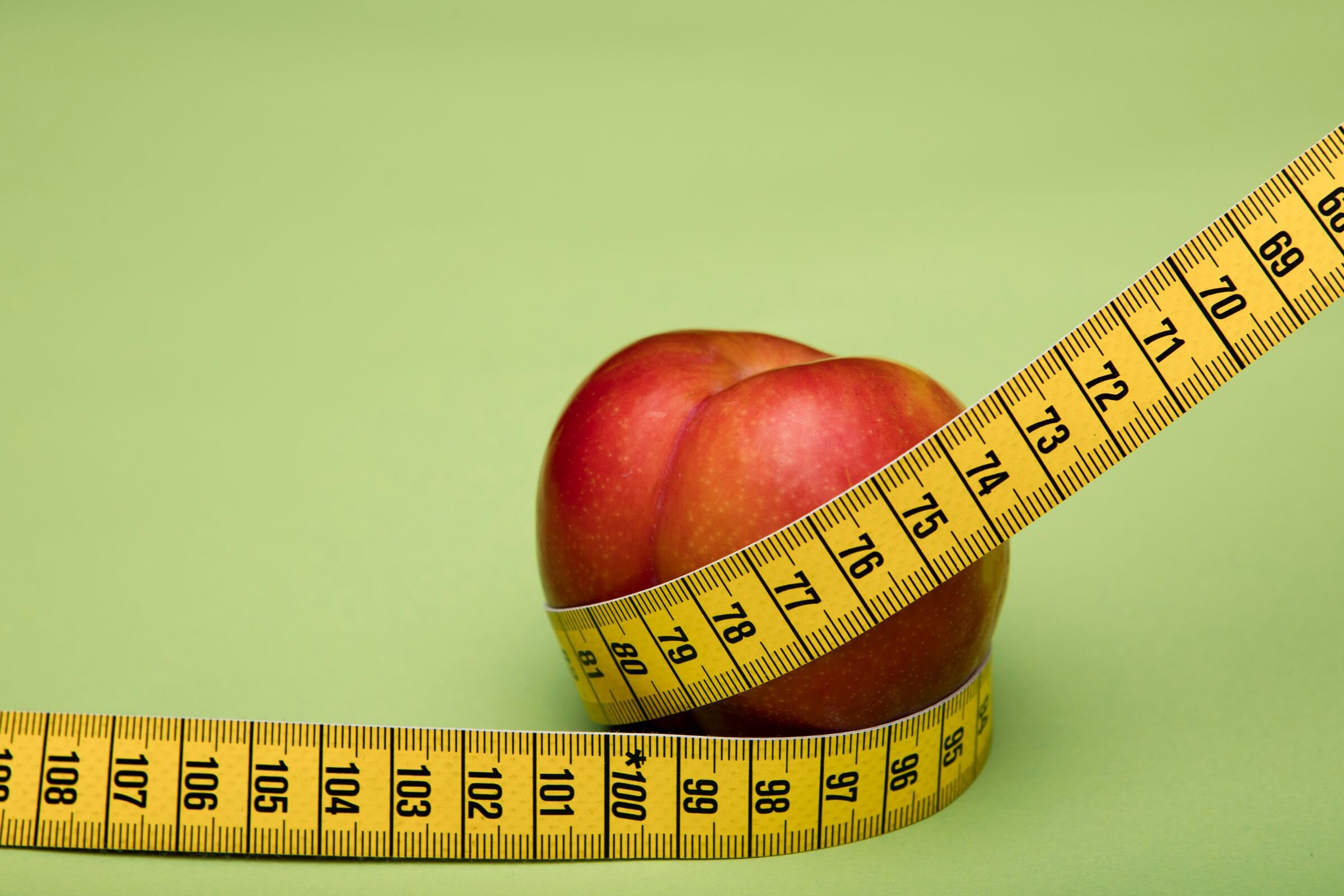
Major medical authorities, including the Mayo Clinic and the National Heart, Lung, and Blood Institute, recommend tracking waist circumference alongside your waist-to-height ratio (WHtR) every two to four weeks under identical morning conditions:
- Stand upright after using the bathroom in the morning: Measure against bare skin before breakfast.
- Locate the top of your hipbones (iliac crest): Wrap a flexible, non-stretch fiberglass tape horizontally around your abdomen just above your hipbones—roughly in line with your navel—ensuring the tape stays level all the way around your back.
- Breathe out naturally and read without pulling tight: Take a normal breath in, exhale gently without sucking your stomach inward, and record the number where the tape rests snugly against the skin without indenting it.
Use two benchmarks to interpret your baseline:
- Absolute waist cutoffs: Cardiometabolic risk rises noticeably above 94 cm (37 in) for men and 80 cm (31.5 in) for women, and crosses into high-risk territory above 102 cm (40 in) for men and 88 cm (35 in) for women (with South Asian and East Asian clinical guidelines using stricter cutoffs of 90 cm for men and 80 cm for women).
- Waist-to-Height Ratio (WHtR under 0.50): Divide your waist measurement by your height in the same unit (centimeters divided by centimeters). Keeping your waist less than half your height (below 0.50) is one of the simplest, stature-independent markers of healthy visceral fat levels.
As we detailed in our guide on whether ab exercises burn belly fat, doing hundreds of crunches strengthens the rectus abdominis muscle wall outside the peritoneal cavity, but does nothing to oxidize the visceral lipid stores underneath. Shrinking your waist measurement requires systemic metabolic demand.
How to Lose Visceral Fat With Exercise: What 117 Imaging Studies Show
If you want to know how to lose visceral fat as efficiently as possible, exercise is far more than a way to burn extra calories—it directly alters how your liver and abdominal fat cells handle fuel.
In a landmark systematic review and meta-analysis published in Obesity Reviews, researcher R. J. H. M. Verheggen and colleagues pooled 117 controlled clinical studies encompassing 4,815 adults whose visceral fat was measured directly via CT or MRI imaging before and after either hypocaloric dieting or structured exercise training.[1] Their findings revealed a critical distinction between scale weight and organ fat:
- Both interventions work powerfully: Both calorie-restricted diets and structured exercise programs produced highly statistically significant reductions in visceral adipose tissue (p < 0.0001).[1]
- Diet moves the scale more; exercise targets visceral fat aggressively: While dieting alone produced greater total body weight loss than exercise alone (p = 0.04), exercise training showed a trend toward a greater percentage reduction in visceral fat (p = 0.08).[1]
- Visceral fat drops even when scale weight stays flat: Most strikingly, when participants experienced zero net weight loss on the scale, structured exercise training still reduced visceral adipose tissue by 6.1%, whereas a weight-stable diet produced virtually no change (1.1%).[1]
Pillar 1: Moderate-to-Vigorous Aerobic Conditioning (150–250 Minutes Weekly)
Across radiographic trials, aerobic exercise demonstrates the strongest dose-dependent relationship with visceral fat clearance. Aim for 150 to 250 minutes per week spread across three to five sessions, using two complementary intensity zones:
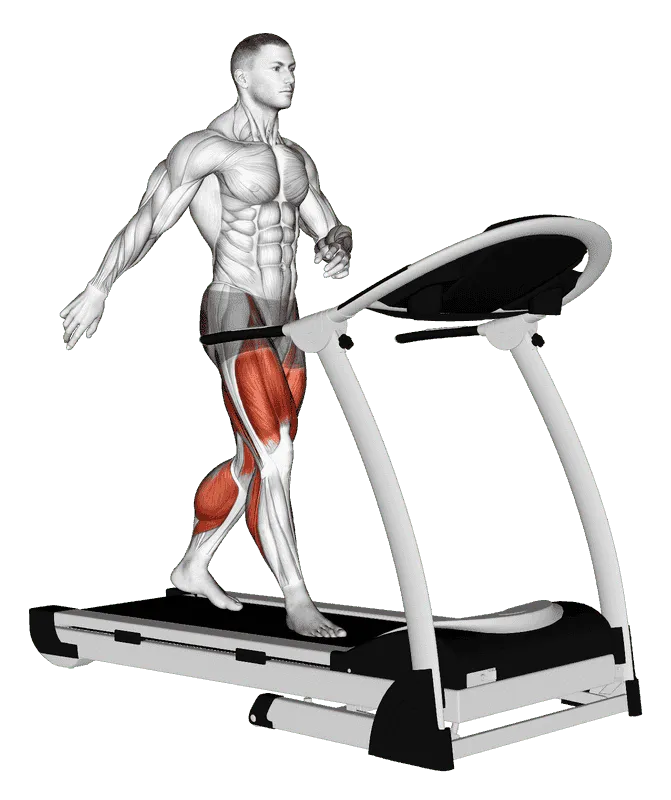
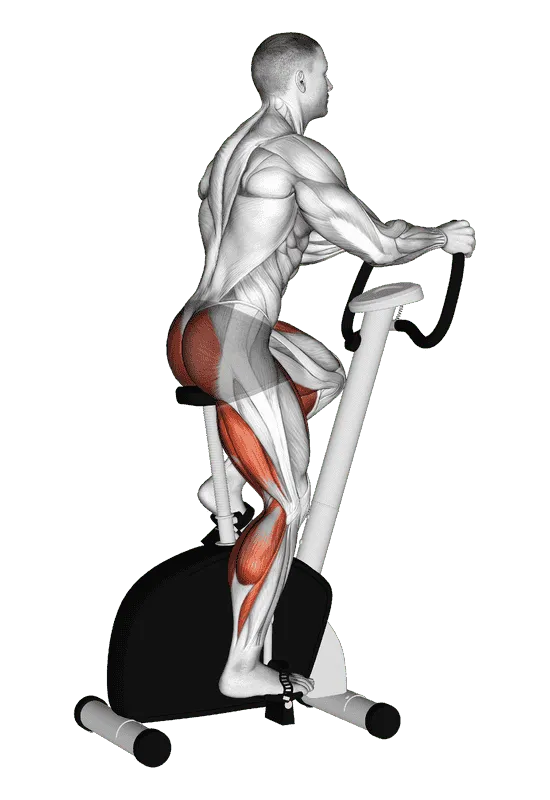
- Zone 2 steady-state foundation (75%–80% of cardio time): Brisk incline Walking on Treadmill (4% to 8% grade at 5.0 to 6.0 km/h), smooth cadences on a Stationary Bike, or rhythmic strokes on Rowing (with rowing machine) at 60% to 70% of maximum heart rate (a pace where you can speak in full sentences) build mitochondrial density and oxidize fatty acids with minimal joint wear or recovery debt.
- Targeted vigorous intervals (20%–25% of cardio time): Adding one to two short sessions per week—such as 6 to 8 rounds of 60 seconds hard (80%–90% max heart rate) followed by 90 seconds easy on a bike or rower—triggers potent post-exercise catecholamine surges that accelerate visceral lipid mobilization. For protocol options, review our breakdown of HIIT vs. steady-state cardio.
Pillar 2: Multi-Joint Resistance Training (2–3 Days Weekly)
Dieting or doing endless cardio without lifting weights sacrifices skeletal muscle—the largest site of insulin-stimulated glucose disposal in the human body. Multi-joint strength training preserves lean mass, expands glycogen storage capacity, and keeps resting energy expenditure resilient while your waist shrinks.
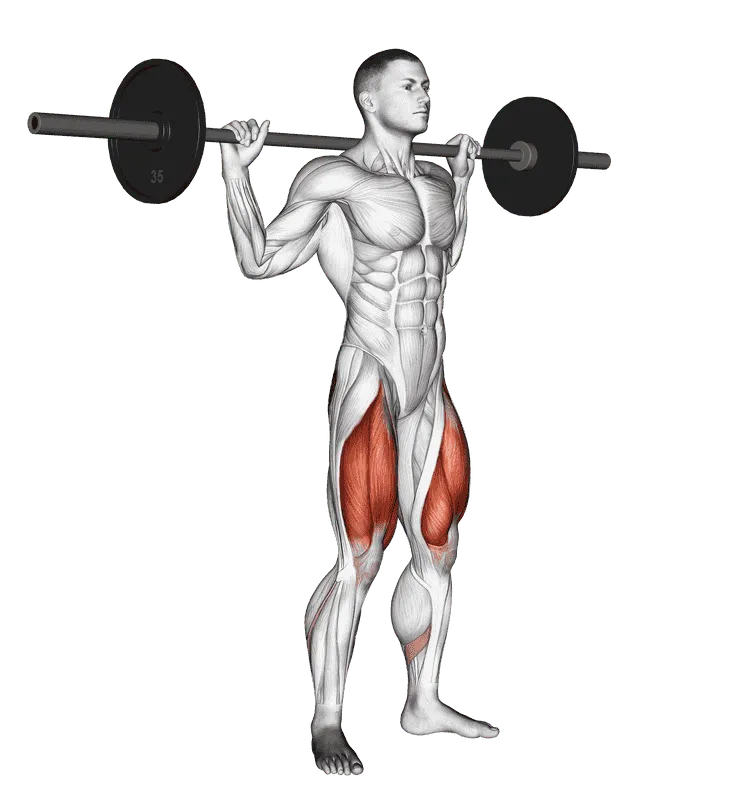
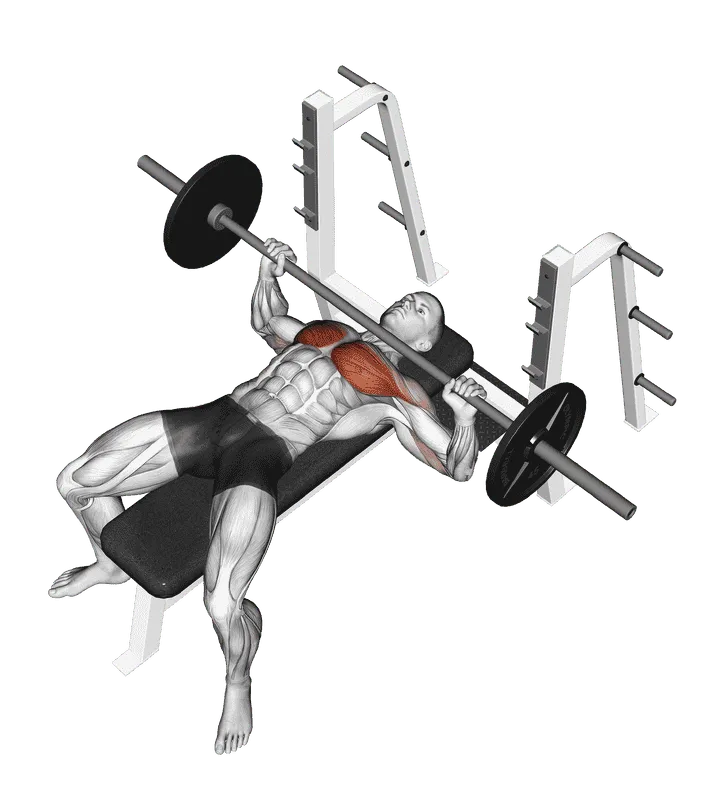
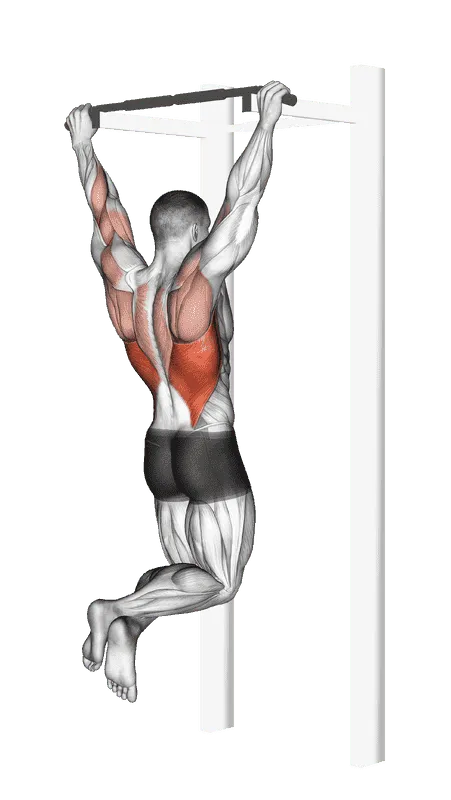
Build your two to three weekly strength sessions around big compound movements that recruit the legs, glutes, back, and chest simultaneously—such as the Barbell Full Squat, Barbell Bench Press, and Pull-Up—alongside the three foundational metabolic movements below.
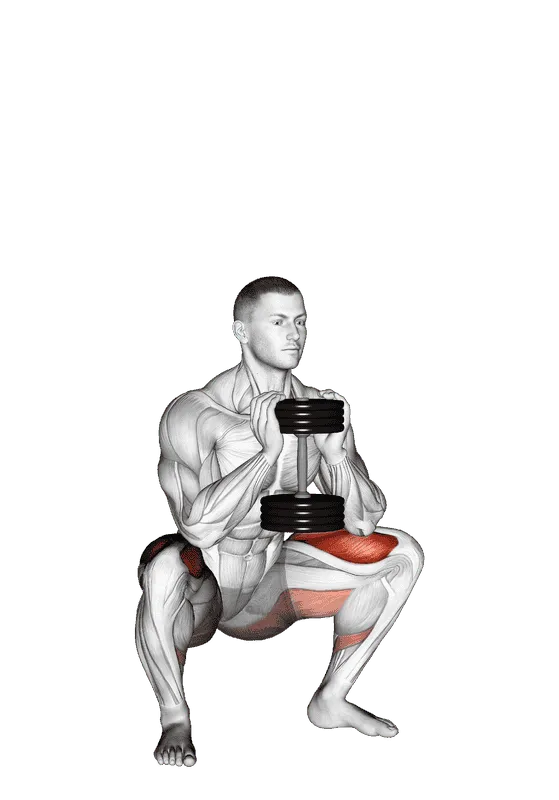
- Sets
- 3–4
- Reps
- 8–12
- Rest
- 90 s
- Tempo
- 3–1–1
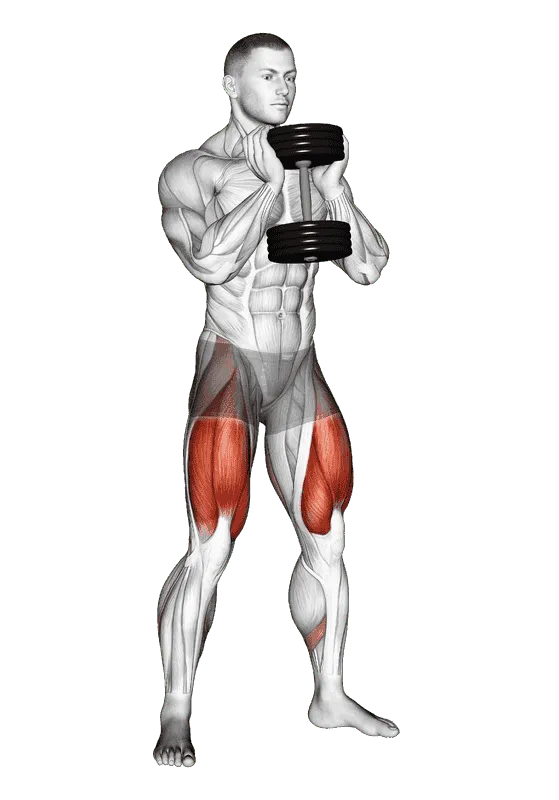
The Dumbbell Goblet Squat recruits your quadriceps, glutes, adductors, and anterior core in a single spine-friendly pattern. Anterior load placement naturally encourages upright thoracic posture and deep knee flexion, generating high muscular glucose demand without excessive lower-back strain.
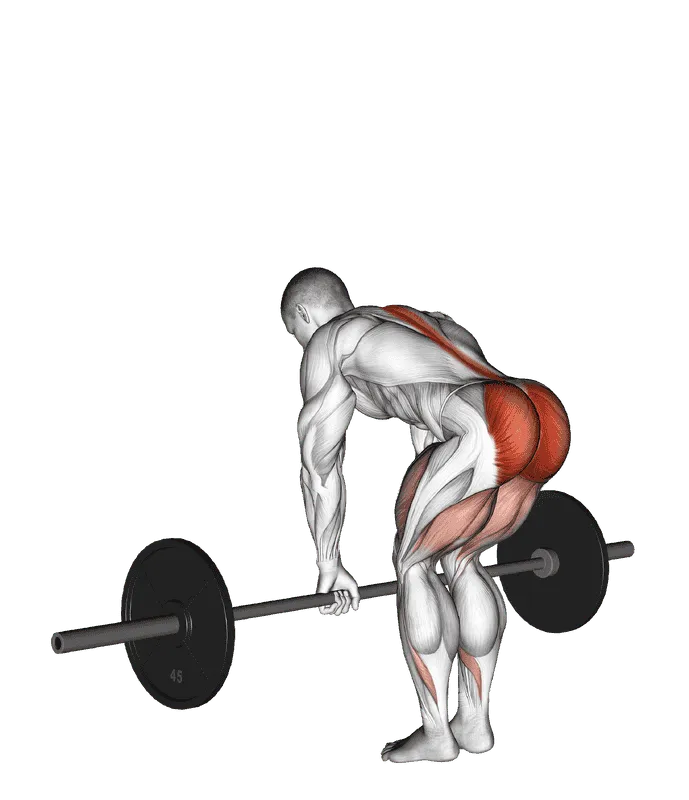
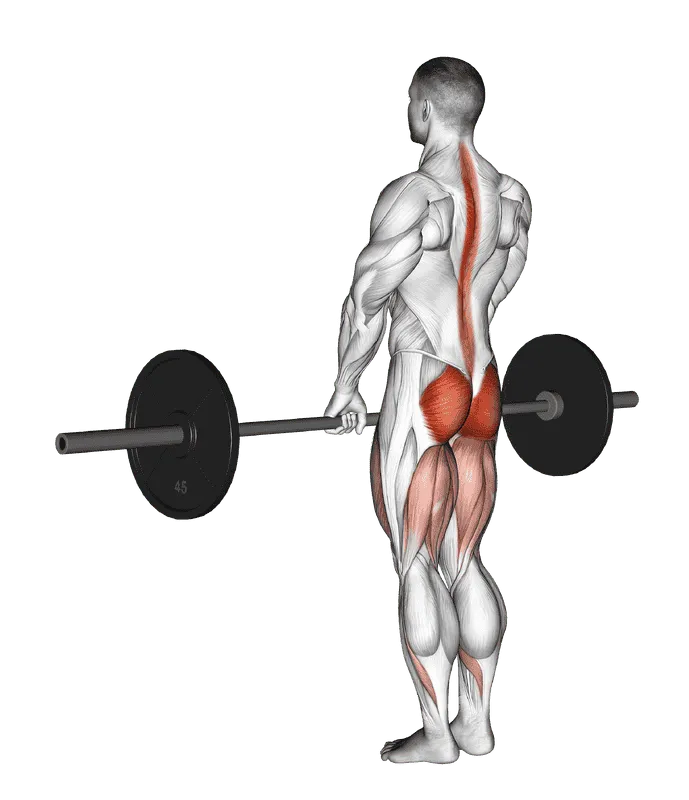
- Sets
- 3–4
- Reps
- 8–10
- Rest
- 120 s
- Tempo
- 3–1–1
The Barbell Romanian Deadlift loads the entire posterior chain—glutes, hamstrings, erector spinae, and lats—under controlled eccentric tension. Training large posterior muscle groups creates a powerful anabolic retention signal during a calorie deficit while dramatically improving whole-body insulin sensitivity.
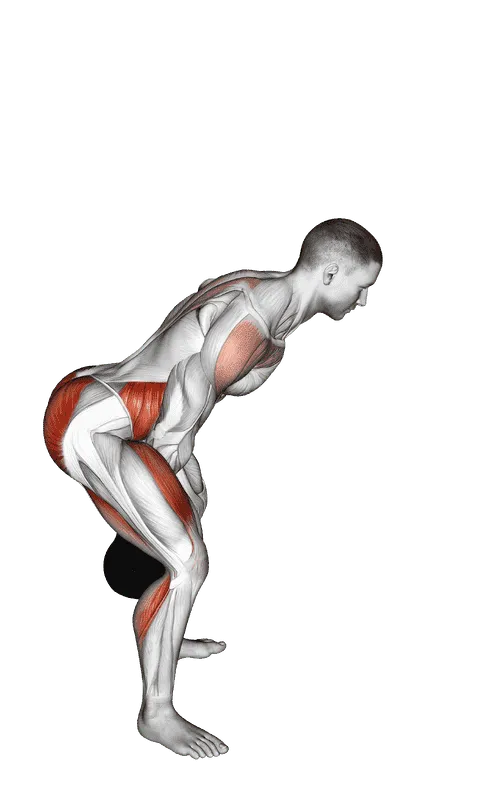
- Sets
- 4
- Reps
- 15–20
- Rest
- 60 s
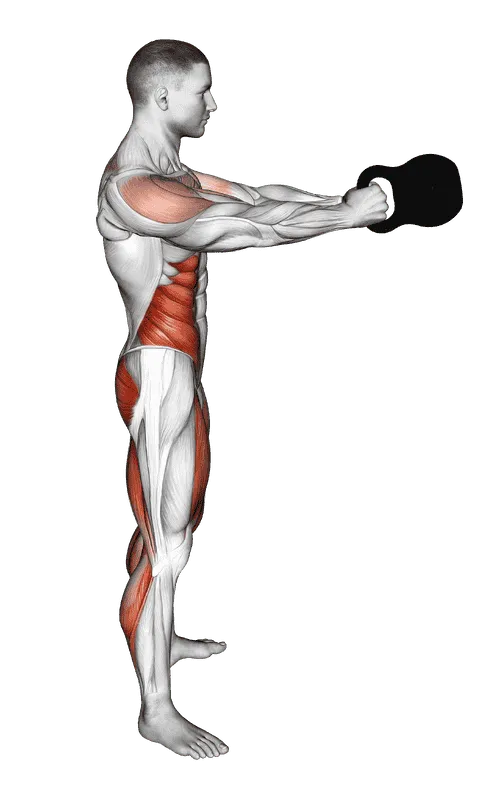
Used at the end of a strength workout or on conditioning days, the Kettlebell Swing bridges resistance training and high-output cardiovascular intervals. Four crisp sets of 15 to 20 explosive hip-hinge repetitions drive heart rate into the vigorous aerobic zone while sparing knee and ankle joints from pavement impact.
Nutritional Architecture: Deficit Size, Soluble Fiber, Fructose, and Protein
Exercise unlocks visceral fat even at maintenance calories, but pairing training with targeted nutrition multiplies your rate of waist reduction. Four dietary levers govern how quickly intra-abdominal and liver fat clear.
1. Set a Moderate, Muscle-Sparing Calorie Deficit (300–500 kcal)
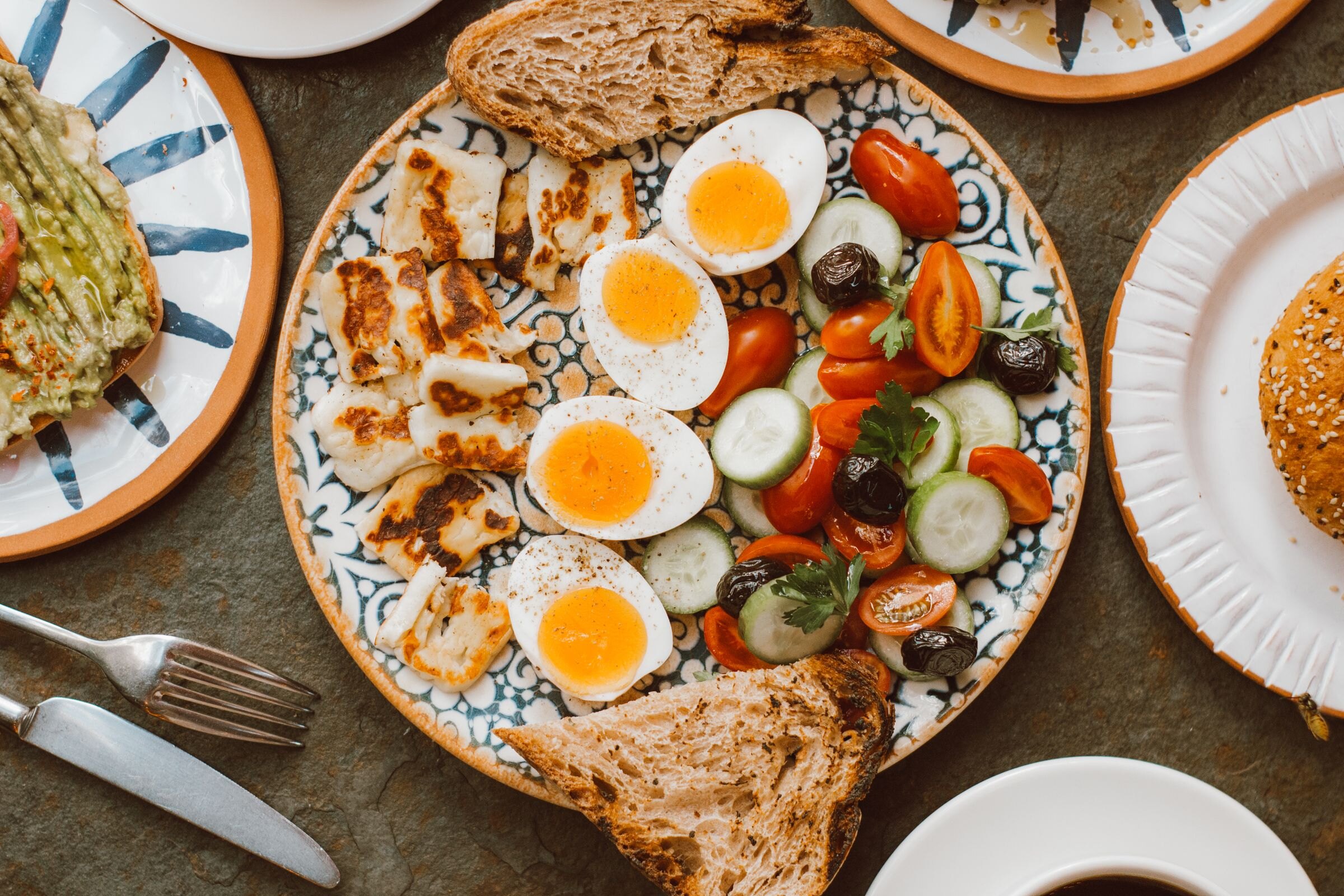
Estimate your Total Daily Energy Expenditure (TDEE) below and subtract 300 to 500 kcal per day—aiming to lose 0.5% to 1.0% of your total body weight per week. Aggressive crash diets (slashing 1,000+ kcal daily) spike fatigue, suppress spontaneous daily movement, and strip away metabolically active muscle tissue. Follow the step-by-step math in our calorie deficit guide.
Calorie calculator (TDEE)
- Resting energy (BMR)
- kcal/day
- Maintenance calories (TDEE)
- kcal/day
- For fat loss (about −20%)
- kcal/day
- For muscle gain (about +10%)
- kcal/day
Mifflin–St Jeor equation. Treat the number as a starting point and adjust it after two to three weeks of tracking your weight.
2. Eliminate Liquid Sugars and Limit Ultra-Processed Fructose Loads
Calorie for calorie, excess liquid sugar and refined fructose—found in sodas, sweetened coffees, energy drinks, bottled fruit juices, and commercial pastries—is uniquely potent at expanding liver and visceral fat.
Whereas dietary glucose is used across every muscle and organ under tight enzymatic feedback control, fructose is extracted almost exclusively by the liver. When large boluses of liquid sucrose or high-fructose syrups hit the portal vein rapidly, they bypass the liver's main rate-limiting glycolytic checkpoint (phosphofructokinase-1) and fuel hepatic de novo lipogenesis—synthesizing brand-new fatty acids that pack around liver cells and export into visceral adipose depots. Swapping sugary beverages for water, sparkling water, unsweetened tea, or black coffee—and replacing packaged snacks as explained in our guide to ultra-processed foods and weight loss—immediately relieves hepatic lipid overload.
3. Hit 30–38 g of Daily Fiber (Prioritizing Viscous Soluble Fiber)
Longitudinal cohort tracking shows that higher daily intake of viscous soluble fiber is independently associated with slower visceral fat gain and faster waist reduction. Soluble fiber—abundant in rolled oats, barley, lentils, chickpeas, black beans, ground flaxseed, chia seeds, apples, citrus fruits, berries, carrots, and Brussels sprouts—absorbs water in the digestive tract to form a thick gel.
That gel slows gastric emptying, flattens post-meal glucose and insulin excursions, binds bile acids, and reaches the colon where beneficial gut bacteria ferment it into short-chain fatty acids (butyrate, propionate, and acetate). Those metabolites stimulate intestinal L-cells to release natural GLP-1 and peptide YY (PYY), curbing evening hunger without willpower battles. Aim for 25 to 30 g of total fiber daily for women and 30 to 38 g for men, including at least 10 to 15 g from soluble sources (increase gradually over two weeks alongside adequate water).
4. Anchor Protein at 1.6–2.2 g/kg and Upgrade Fat Quality
Consuming 1.6 to 2.2 g of protein per kilogram of body weight per day (roughly 25 to 40 g per meal across three to four meals) elevates the thermic effect of food, suppresses ghrelin, and protects lean mass—principles covered in depth in how to lose fat without losing muscle.
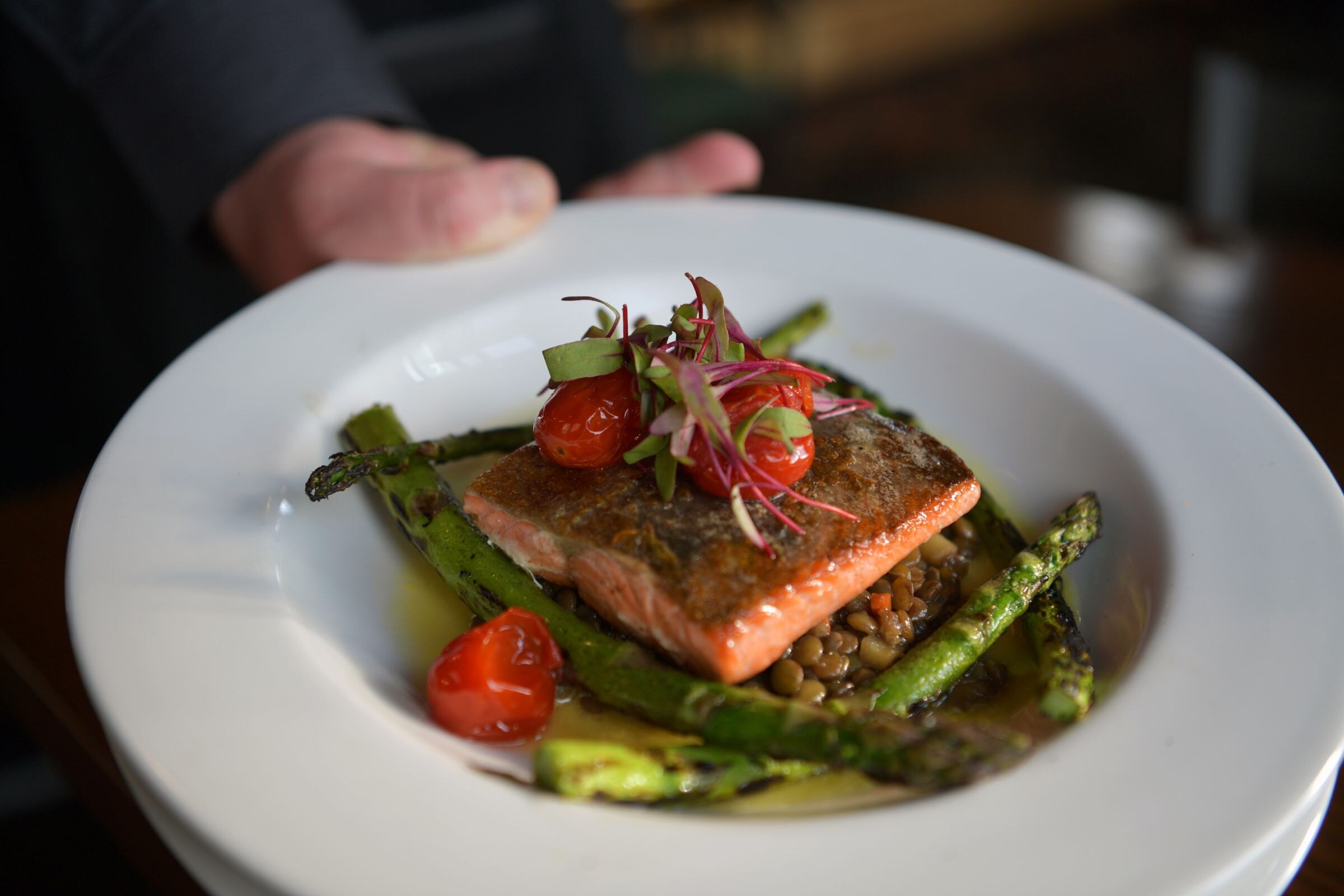
Equally important is dietary fat quality. Controlled human overfeeding and isocaloric substitution trials demonstrate that high intakes of saturated fatty acids (fatty processed meats, butter, palm oil, deep-fried foods) and industrial trans fats preferentially promote liver and visceral fat storage, whereas monounsaturated and omega-3 polyunsaturated fats (salmon, sardines, extra-virgin olive oil, walnuts, avocado) favor fat oxidation and lower hepatic triglycerides.
Cortisol, Sleep Debt, and Alcohol: The Hidden Drivers of Visceral Storage
Two people eating identical calories can store fat in very different ratios depending on sleep duration, chronic psychological stress, and alcohol intake.
1. Chronic Cortisol and the 11β-HSD1 Enzyme
Visceral adipocytes contain up to four times more intracellular glucocorticoid receptors than subcutaneous fat cells. Worse, omental fat tissue expresses high levels of an enzyme called 11β-hydroxysteroid dehydrogenase type 1 (11β-HSD1), which converts inactive circulating cortisone back into active cortisol locally inside the abdominal cavity. When chronic psychological stress, relentless overtraining, and high insulin coexist, local cortisol amplifies lipoprotein lipase (LPL) activity—preferentially shuttling circulating triglycerides straight into deep belly storage.
2. Sleep Restriction Shifts Fat Into the Visceral Cavity
Sleeping fewer than 6 hours per night impairs peripheral insulin sensitivity within days, elevates evening cortisol, boosts hunger-inducing ghrelin, and dampens leptin. Controlled clinical inpatient studies show that sleep-restricted adults gain disproportionately more intra-abdominal visceral fat than well-rested controls, and dieters sleeping 5.5 hours lose far more lean muscle and far less body fat than dieters sleeping 8.5 hours on the exact same calorie deficit. Protecting 7 to 9 hours of consistent nightly sleep—detailed in our sleep and muscle growth guide—is non-negotiable for shrinking your waist.
3. How Ethanol Pauses Hepatic Fat Burning
Alcohol supplies 7 kcal per gram with zero satiety, and because the body cannot store ethanol, your liver treats its clearance as an immediate metabolic emergency. Hepatic oxidation of alcohol into acetaldehyde and acetate dramatically raises the liver's NADH-to-NAD+ ratio, which directly shuts down mitochondrial beta-oxidation of fatty acids for hours while promoting triglyceride synthesis. Limiting or eliminating alcohol is one of the fastest ways to shrink waist circumference within four to six weeks.
Your Complete 7-Day Visceral Fat Reduction Blueprint
Consistency beats punishing intensity every single week. Pair the structured weekly schedule below with a daily baseline of 8,000 to 10,000 steps—using the habits in our NEAT for fat loss guide so subconscious sedentary drift never erases your deficit.
| Day | Primary Training Session | Daily Movement Target | Nutrition & Recovery Focus |
|---|---|---|---|
| Monday | Full-Body Strength A (Squat, Bench, Row — 45 min) | 8,000+ steps | 300–500 kcal deficit + 35 g protein per meal |
| Tuesday | Zone 2 Cardio: 40 min Incline Treadmill Walk | 9,000+ steps | 10+ g soluble fiber (oats, berries, lentils) |
| Wednesday | Full-Body Strength B (RDL, Overhead, Pull — 45 min) | 8,000+ steps | Zero liquid sugar; olive oil & whole grains |
| Thursday | Intervals: 20 min Rower or Bike (6 × 1 min hard / 90s easy) | 8,000+ steps | Omega-3 rich dinner + wind-down before bed |
| Friday | Full-Body Strength C + Kettlebell Swings (45 min) | 8,000+ steps | 1.6–2.2 g/kg daily protein + high vegetables |
| Saturday | Zone 2 Cardio: 45 min Stationary Bike or Brisk Hike | 10,000+ steps | Alcohol-free weekend + consistent meal timing |
| Sunday | Active Recovery & Mobility | 7,500+ steps | Weekly meal prep & 7.5–9 hours of sleep |
Want every set, rep, and conditioning bout mapped out automatically inside your workout log? Intermediate lifters can run our 4-day 8-Week Advanced Fat Loss System, while beginners building foundational gym habits can start with our accessible 21-Day Beginner Fat Loss Split.
Frequently Asked Questions
Frequently asked questions
How long does it take to lose visceral fat?
Measurable reductions in visceral fat begin within the first 2 to 4 weeks of combining regular aerobic exercise, resistance training, and a 300 to 500 kcal daily calorie deficit, even before major visual changes appear elsewhere. Most adults see clinically meaningful reductions of 15% to 25% in visceral fat volume—and 3 to 6 cm off their waist circumference—over 8 to 12 weeks of consistent habits.
Does brisk walking burn visceral fat, or do you have to run?
Brisk walking—especially on a slight outdoor hill or a 4% to 8% treadmill incline for 35 to 45 minutes four to five times per week—effectively reduces visceral adipose tissue when paired with calorie control. You do not need high-impact running; elevating your heart rate into a steady, conversational Zone 2 effort mobilizes intra-abdominal fatty acids safely for your knees and ankles.
Why can thin people still have high visceral fat?
Having a normal BMI alongside elevated internal organ fat ("normal-weight central obesity" or TOFI—"thin outside, fat inside") typically stems from low skeletal muscle mass combined with physical inactivity, high intake of refined sugars or alcohol, poor sleep, and genetic predisposition. Building muscle through strength training while replacing refined carbohydrates with protein and fiber directly corrects this ratio.
What foods cause visceral fat to accumulate the fastest?
Sugar-sweetened beverages (sodas, energy drinks, sweetened juices), refined ultra-processed pastries, industrial trans fats, excessive saturated fats, and heavy alcohol intake drive visceral and liver fat fastest. Liquid fructose and ethanol overload hepatic metabolism directly via the portal vein, triggering rapid fat synthesis around internal organs.
Is HIIT or steady-state cardio better for losing visceral fat?
Both reduce visceral fat effectively when weekly energy expenditure and dietary intake match. High-intensity intervals can produce similar visceral fat reductions in slightly less time via strong catecholamine surges, while moderate steady-state Zone 2 cardio is easier on joints and recovery—making a blend of mostly Zone 2 cardio plus one weekly interval session ideal for most lifters.
Sources
- Verheggen RJ, Maessen MF, Green DJ, et al. A systematic review and meta-analysis on the effects of exercise training versus hypocaloric diet: distinct effects on body weight and visceral adipose tissue. Obesity Reviews. 2016;17(8):664-690. doi.org/10.1111/obr.12406 ↩