
When people embark on a cutting phase, their immediate instinct is to overhaul their structured gym routine. They add punishing high-intensity interval training (HIIT) sessions, spend grueling hours on the stairmaster, and slash their dietary energy intake. Yet after several weeks of intense effort, fat loss stalls, chronic fatigue accumulates, and the bathroom scale refuses to budge.
What went wrong? In almost every case of an unexpected fat loss plateau, the culprit is not a broken thyroid or a failing workout routine. The true driver is an involuntary, subconscious crash in NEAT for fat loss—non-exercise activity thermogenesis.
NEAT encompasses every single calorie you burn through physical movement outside of sleeping, eating, and deliberate athletic exercise. It includes walking to your car, pacing while on the phone, fidgeting at your desk, climbing stairs, taking out the trash, and maintaining upright posture throughout the day. While a punishing 45-minute gym session accounts for a modest 5% to 10% of your Total Daily Energy Expenditure (TDEE), NEAT accounts for 15% to over 50% of your daily caloric burn.
By understanding the neurobiology and biomechanics of non-exercise activity thermogenesis, you can systematically optimize your daily energy expenditure, bypass adaptive metabolic slowdown, and achieve rapid, sustainable fat loss without joint pain or central nervous system exhaustion.
The Bioenergetics of Energy Balance: Where Your Calories Actually Go
To appreciate why non-exercise activity thermogenesis exerts such a commanding influence on body composition, we must analyze the four physiological components that constitute your Total Daily Energy Expenditure (TDEE):
Calorie calculator (TDEE)
- Resting energy (BMR)
- kcal/day
- Maintenance calories (TDEE)
- kcal/day
- For fat loss (about −20%)
- kcal/day
- For muscle gain (about +10%)
- kcal/day
Mifflin–St Jeor equation. Treat the number as a starting point and adjust it after two to three weeks of tracking your weight.
- Basal Metabolic Rate (BMR) (~60%–70% of TDEE): The baseline energy required to sustain vital autonomic cellular life at complete rest—including hepatic protein synthesis, renal filtration, cardiac output, central nervous system signaling, and ion gradient maintenance across cell membranes.
- Thermic Effect of Food (TEF) (~8%–10% of TDEE): The obligatory energy cost of digesting, absorbing, transport, and metabolizing nutrients. As explained in our breakdown on how to set your macros, dietary protein demands the highest thermic cost (20%–30%), followed by carbohydrates (5%–10%) and dietary fats (0%–3%).
- Exercise Activity Thermogenesis (EAT) (~5%–10% of TDEE): The caloric expenditure produced during structured, deliberate physical exercise, such as weightlifting, running, or swimming. Because most lifters train for only 45 to 75 minutes per day—and spend several minutes resting between heavy working sets—EAT represents a surprisingly small slice of total 24-hour energy output.
- Non-Exercise Activity Thermogenesis (NEAT) (~15%–50% of TDEE): The cumulative energy expended across all incidental physical activities during waking hours.
Because BMR and TEF remain relatively static for any given body mass and dietary intake, NEAT is the single most variable, flexible, and modifiable component of human energy expenditure.
Why NEAT Plummets During a Diet: The Biology of Adaptive Thermogenesis
When you establish a sustained calorie deficit to shed adipose tissue, your body does not perceive your physique goals as an aesthetic endeavor; it interprets energy restriction as an environmental famine. To protect your evolutionary survival, the central nervous system activates a coordinated neuroendocrine defense known as adaptive thermogenesis.

The Hypothalamic Energy Sensor and Orexinergic Tone
As fat stores shrink, circulating levels of leptin—the primary satiety hormone secreted in direct proportion to adipocyte mass—fall precipitously. Low leptin concentrations signal the arcuate nucleus of the hypothalamus that energy availability is compromised. In response, the hypothalamus initiates several neurochemical adaptations:
- Suppression of Orexin-A: Orexin (hypocretin) is a neuropeptide that regulates spontaneous physical activity, wakefulness, and motor vigor. Reduced leptin signaling suppresses orexinergic tone, making you feel physically lethargic and involuntarily reducing unconscious spontaneous movement (such as fidgeting, leg-bouncing, and upright posture).
- Thyroid Axis Downregulation: Circulating triiodothyronine (T3) drops, blunting mitochondrial uncoupling protein activity and cellular respiration.
- Enhanced Muscular Work Efficiency: Prolonged caloric restriction increases the mechanical efficiency of skeletal muscle fibers. Mitochondria become more tightly coupled, meaning contracting myocytes consume fewer ATP molecules to execute the exact same mechanical workload. A 10-minute walk that burned 60 kcal in a fed state may burn only 45 kcal after months in a caloric deficit.
The Subconscious Movement Thief
This neuroendocrine suppression explains why lifters frequently experience unexplained fat loss stalls. You may believe you are maintaining an identical 500 kcal daily deficit because your food intake has not changed and you have not skipped a single gym session. However, your brain has compensated behind your back:
- Instead of taking the stairs at work, you wait for the elevator.
- Instead of pacing while speaking on a business call, you collapse into an armchair.
- You park closer to grocery store entrances.
- You fidget less during meetings.
- You spend your evening lying motionless on the sofa instead of working around the house.
Cumulatively, these subconscious reductions can decrease your daily non-exercise energy expenditure by 300 to 800 kcal per day.[1] Without you ever realizing it, your 500-calorie deficit has evaporated into thin air. You are now eating at maintenance, experiencing intense hunger, yet losing zero grams of adipose tissue. As we detail in our guide on how to break a weight loss plateau, this is precisely how metabolic adaptation creates the illusion of a broken metabolism.
NEAT vs. Cardio: Why Steps Beat the Treadmill for Fat Loss
When fat loss slows, standard fitness advice instructs you to add cardiovascular exercise. While cardiovascular conditioning offers undeniable cardiometabolic benefits, relying heavily on formal cardio as your primary calorie-burning vehicle presents distinct physiological drawbacks for resistance-trained athletes.
The table below contrasts the physiological impact of formal cardiovascular exercise versus high-frequency NEAT:
| Physiological Factor | High-Intensity / Prolonged Cardio | Optimized NEAT (Daily Walking) | Impact on Body Composition |
|---|---|---|---|
| Systemic Fatigue | High; stresses central nervous system and glycogen stores | Virtually zero; relies on slow-twitch Type I aerobic fibers | High NEAT spares energy for heavy lifting |
| Appetite Stimulation | High; intense glycogen depletion spikes acute acylated ghrelin | Minimal; gentle movement blunts hunger and stabilizes insulin | NEAT significantly enhances dietary compliance |
| Muscle Sparing (Anabolism) | Risk of catabolism if recovery is inadequate | Completely muscle-sparing; non-eccentric loading | Preserves fat-free mass throughout a cut |
| Subconscious Compensation | High; post-cardio exhaustion leads to sedentary hours | Low; distributed evenly throughout the entire day | Cardio often causes compensatory couch time |
| Joint Longevity | High impact on ankles, knees, and lumbar spine | Low impact; promotes synovial fluid circulation | Protects connective tissues during dieting |
Rather than subjecting your knees and hips to punishing treadmill sessions, elevating daily NEAT through walking provides the ultimate non-fatiguing metabolic engine. It incinerates substantial calories, mobilizes free fatty acids via low-intensity aerobic oxidation, and leaves your central nervous system completely fresh for heavy training in the gym.
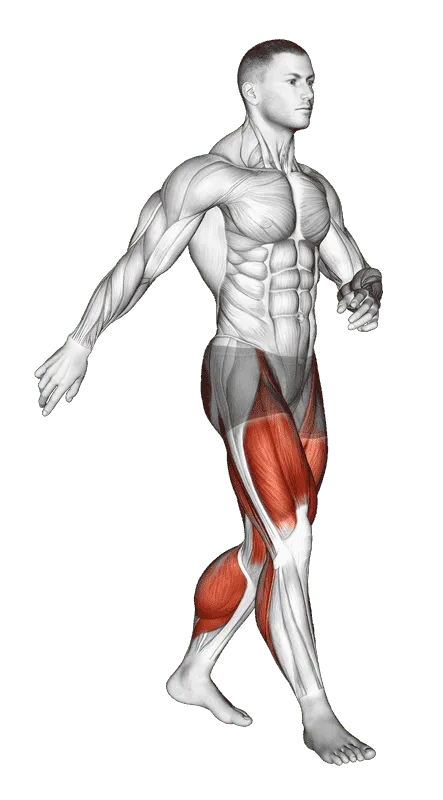
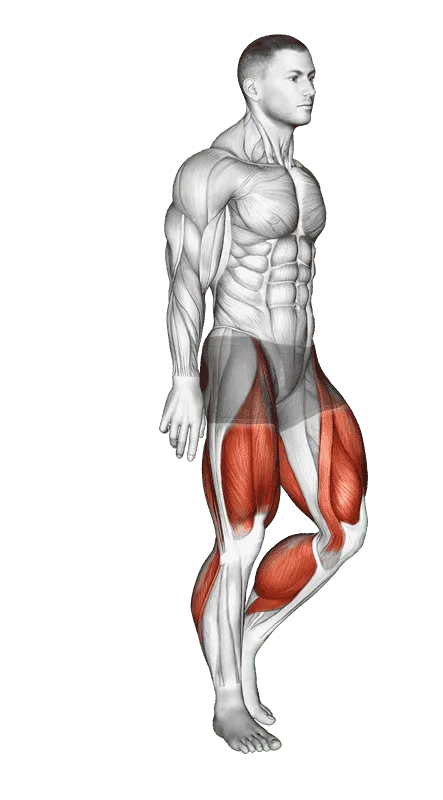
- Sets
- 1–2 sessions
- Reps
- 20–45 min
Daily Energy Expenditure of Common Physical Activities
Every physical activity possesses a specific metabolic equivalent of task (MET), which defines the rate of energy expenditure relative to quiet resting sitting (1 MET $\approx$ 1 kcal per kilogram of body weight per hour).
The table below demonstrates the profound caloric difference that daily occupational and lifestyle choices make across a 70 kg (154 lb) and an 85 kg (187 lb) individual:
| Activity / Movement | MET Value | Calorie Burn: 70 kg Person (1 hr) | Calorie Burn: 85 kg Person (1 hr) | Impact Over 8-Hour Workday |
|---|---|---|---|---|
| Lying Supine / Sleeping | 0.9 | 63 kcal | 77 kcal | ~500–615 kcal |
| Sedentary Desk Sitting | 1.3 | 91 kcal | 110 kcal | ~728–880 kcal |
| Active Standing at Desk | 1.8 | 126 kcal | 153 kcal | ~1,008–1,224 kcal (+280–344 kcal) |
| Slow Stroll (2.5 km/h / 1.5 mph) | 2.3 | 161 kcal | 196 kcal | Massive cumulative burn |
| Brisk Walking (5.0 km/h / 3.1 mph) | 3.5 | 245 kcal | 298 kcal | ~490–596 kcal in 2 hours |
| Climbing Stairs | 8.0 | 560 kcal | 680 kcal | High short-burst output |
| Light Household Cleaning / Cooking | 2.5 | 175 kcal | 213 kcal | ~350–425 kcal across 2 hours |
Notice the remarkable difference between seated desk work (1.3 METs) and standing desk work (1.8 METs). Over an 8-hour workday, simply standing for half the day burns an additional 140 to 180 kcal. Over a full work week, that single behavioral adjustment expends approximately 700 to 900 kcal—equivalent to running nearly 10 kilometers without ever lacing up running shoes.

The NEAT Step Hierarchy: Establishing Your Target
To defeat subconscious adaptive thermogenesis, you must eliminate guesswork by establishing an objective behavioral metric. The most accessible, accurate, and scalable proxy for daily NEAT is daily step count.
Tracking your steps with a smartwatch, fitness tracker, or smartphone establishes an unshakeable physiological floor that prevents your brain from stealing calories through sedentary behavior.
Daily Step Activity Tiers
- Sedentary (<5,000 steps/day): Typical for desk workers with short commutes. Associated with elevated systemic inflammation, poor postprandial glucose clearance, and rapid metabolic adaptation during a diet.
- Low Active (5,000–7,499 steps/day): Baseline daily movement for most suburban adults. Adequate for basic health, but leaves significant metabolic potential on the table during a fat loss phase.
- Somewhat Active (7,500–9,999 steps/day): A solid target that protects cardiovascular health and preserves metabolic rate during moderate caloric restriction.
- Active (10,000–12,499 steps/day) — The Fat Loss Sweet Spot: The optimal range for most lifters cutting body fat. It generates a predictable 400 to 600 kcal daily burn without imposing systemic orthopedic fatigue or demanding hours of scheduled cardio.
- Highly Active (12,500+ steps/day): Typical for postal workers, healthcare professionals, or dedicated athletes preparing for physique competitions. At this volume, monitor lower-body joint wear and foot recovery.
Preserving Muscle Mass: Why NEAT Must Be Paired with Lifting
Elevating non-exercise activity thermogenesis accelerates fat loss dramatically, but NEAT alone does not dictate what type of tissue you lose. If you establish a significant caloric deficit through high activity and reduced calories without providing a potent anabolic stimulus, your body will readily catabolize skeletal muscle tissue alongside adipose stores.
As outlined in our guide on how to lose fat and keep muscle, mechanical tension from progressive resistance training is the non-negotiable physiological signal that convinces your body that muscle tissue is functionally indispensable.
To optimize body composition, anchor your weekly routine to heavy compound movements that recruit vast amounts of skeletal muscle:
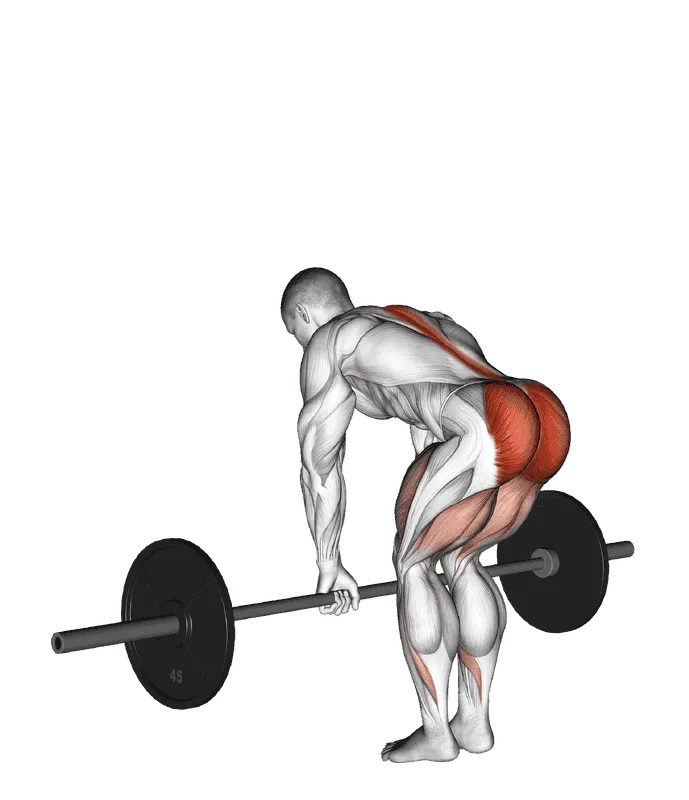
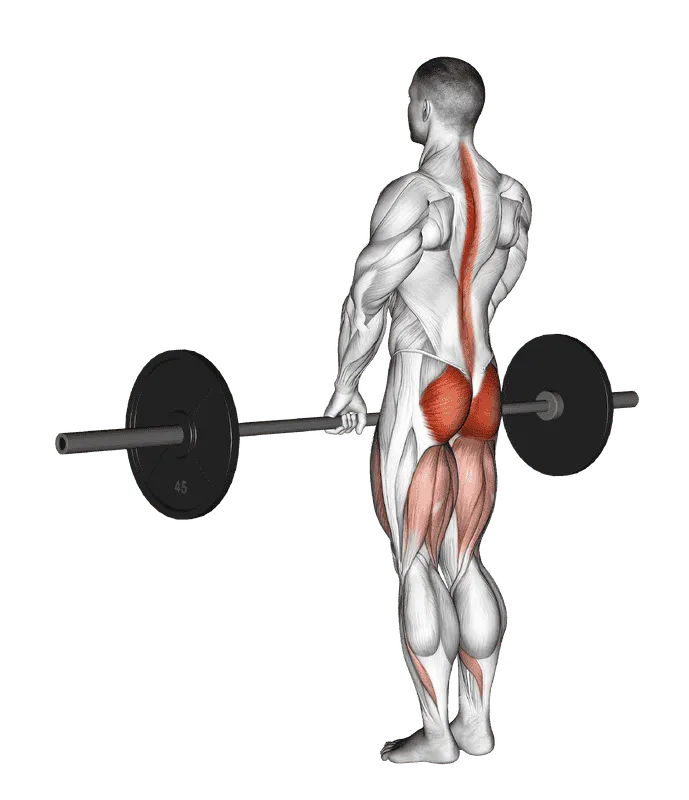
- Sets
- 3–4
- Reps
- 8–10
- Rest
- 120 s
- Tempo
- 3–0–1
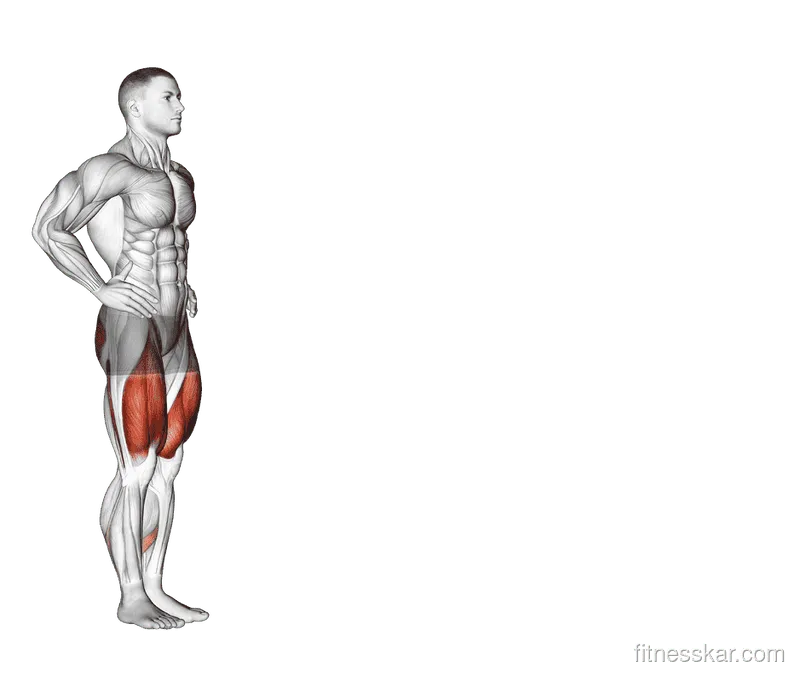
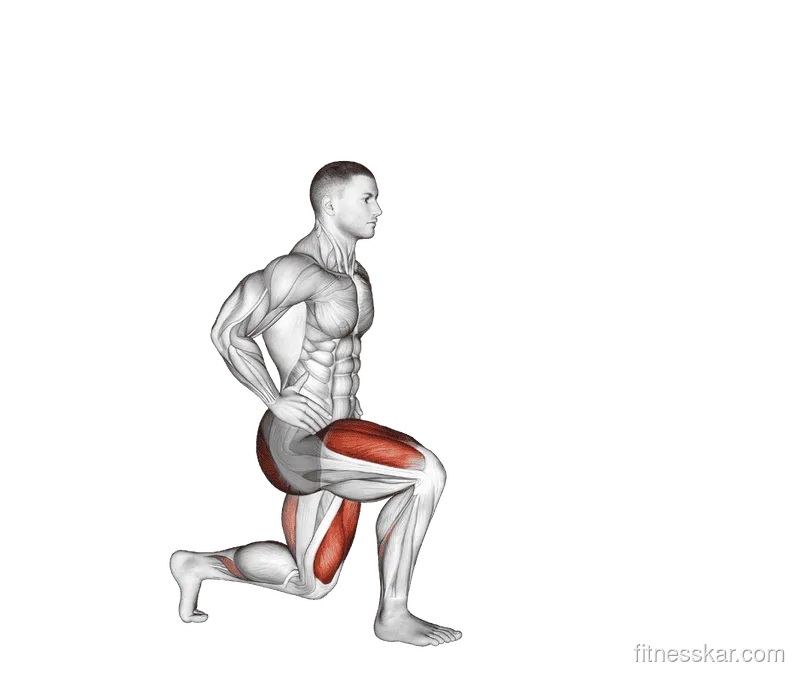
- Sets
- 3
- Reps
- 10–12 per leg
- Rest
- 90 s
Pairing an aggressive NEAT target with a structured multi-day resistance routine provides the ultimate combination: high daily energy expenditure paired with maximal lean mass retention.
7 Behavioral Strategies to Maximize NEAT in a Sedentary World
In modern society, our physical environments are engineered to minimize human energy expenditure. Escalators, motorized scooters, drive-through windows, automated vacuum cleaners, and remote work eliminate the natural physical friction that once kept humans lean.
To win the metabolic battle, you must consciously introduce productive friction into your daily routine:
1. The Postprandial 10-Minute Walk Habit
Commit to walking for exactly 10 minutes immediately after breakfast, lunch, and dinner. Beyond accumulating 3,000 to 4,000 easy steps daily, postprandial ambulation enhances skeletal muscle GLUT4 translocation, blunting post-meal glucose spikes and improving insulin sensitivity without requiring extra insulin secretion.
2. Implement an Active Workstation Setup
If you work from home or in a modern office, invest in a height-adjustable standing desk and an under-desk walking pad treadmill. Walking at an easy pace of 1.5 to 2.0 km/h (1.0 to 1.2 mph) allows you to type, attend video calls, and review documents without elevated heart rate or breathlessness, while accumulating 5,000 to 8,000 steps before lunchtime.
3. Implement the Pomodoro Movement Rule
For every 50 minutes of deep desk work, set an alarm to stand up and move for 5 minutes. Perform 20 bodyweight calf raises, take a lap around your office floor, or walk up two flights of stairs. This brief stimulus clears metabolic stagnation, stimulates venous return from the lower extremities, and re-energizes mental concentration.
4. Pace During Audio Calls and Meetings
Establish an inviolable personal rule: whenever your phone rings or you enter a voice-only meeting, you must stand up and pace. A single 45-minute conference call translates into roughly 3,500 to 4,500 steps when pacing back and forth across a room.
5. Commute Actively
Whenever practical, transform passive commuting into active travel. Exit public transit one stop early and walk the remaining kilometer. If driving, intentionally park at the farthest perimeter of the lot. Choose the stairs over the elevator without hesitation; stair climbing burns nearly 10 times more energy per minute than riding in an elevator.
6. Perform Active Chores Daily
Reclaim manual household tasks. Washing your car by hand, vacuuming the house, tending to a garden, and carrying your grocery baskets instead of pushing a cart represent functional NEAT that expends significant metabolic energy while improving your immediate living environment.
7. Active Leisure and Socializing
Replace passive entertainment with active socialization. Instead of sitting in a coffee shop or cinema with friends, invite them on a weekend hike, an urban walking tour, or a stroll through a botanical park.
The NEAT Fat Loss Protocol: Step-by-Step Implementation
To systematize non-exercise activity thermogenesis in your current cutting plan, follow this four-phase operational blueprint:
Phase 1: Establish Your Baseline (Week 1)
Wear a fitness tracker or keep your phone in your pocket for 7 consecutive days without deliberately trying to increase your activity. Calculate your true 7-day average step count. This reveals your natural unmanipulated NEAT baseline.
Phase 2: Set Your Initial Step Floor (Weeks 2–3)
Add 2,000 steps to your baseline average. If your baseline was 5,500 steps, set your daily minimum floor at 7,500 steps. Ensure you hit this target 7 days a week, regardless of whether it is a training day or a rest day.
Phase 3: Climb to the Fat Loss Optimal Zone (Weeks 4–8)
Progressively increase your daily floor by 1,000 steps every two weeks until you reach the optimal fat loss window of 10,000 to 12,000 steps per day. Pair this with a moderate 300 to 500 kcal dietary deficit and structured resistance training.
Phase 4: Defend Your NEAT When Calories Drop (Weeks 9+)
As your cut progresses and body fat drops into lower ranges, your brain's adaptive thermogenesis mechanisms will aggressively attempt to pull down your activity. Keep your step floor strictly non-negotiable. If you find your spontaneous daily steps dropping to 8,000 due to fatigue, schedule two 15-minute walks to deliberately hit your 10,000-step target. Defending your NEAT floor prevents you from having to slash dietary calories to dangerously low, nutrient-deficient levels.
Frequently Asked Questions
Frequently asked questions
Can I replace lifting with high NEAT to lose fat?
No. While walking and high NEAT burn substantial calories to create a deficit, they do not provide the high mechanical tension required to signal muscle preservation. Without resistance training, up to 30% to 40% of the weight you lose will come from skeletal muscle rather than body fat.
Is walking on an incline considered NEAT or cardio?
A slow, casual walk on a gentle incline (e.g., 2%–3% at 3.5 km/h) falls within the upper boundaries of NEAT. However, steep incline treadmill walking (e.g., 12% incline at 5 km/h) elevates your heart rate into Zone 2 or Zone 3 cardiovascular training, crossing into Exercise Activity Thermogenesis (EAT). Both are valuable, but steep incline walking imposes higher localized calf and hamstring fatigue.
How many calories does 10,000 steps really burn?
For most adults weighing between 65 and 85 kg (143 to 187 lb), 10,000 steps expends roughly 350 to 500 kcal, depending on walking speed, stride length, terrain, and individual body mass. A heavier individual burns significantly more energy per step because the metabolic cost of moving a larger mass across space is inherently higher.
Do fitness trackers accurately measure NEAT calories?
Consumer fitness trackers are remarkably good at counting steps and detecting movement, but they often overestimate absolute calorie expenditure by 15% to 30%. Use your fitness tracker as a consistent relative gauge for daily steps rather than an absolute gospel for calories burned.
Does fidgeting really burn meaningful calories?
Yes. Clinical metabolic chamber studies by Dr. James Levine show that spontaneous fidgeting, foot-tapping, and postural adjustments can burn an extra 100 to 300 kcal per day compared to sitting completely motionless. Over months of dieting, this spontaneous movement accounts for significant fat loss differences.
Sources
- Levine JA. Non-exercise activity thermogenesis (NEAT). Best Practice & Research Clinical Endocrinology & Metabolism. 2002. doi.org/10.1053/beem.2002.0227 ↩