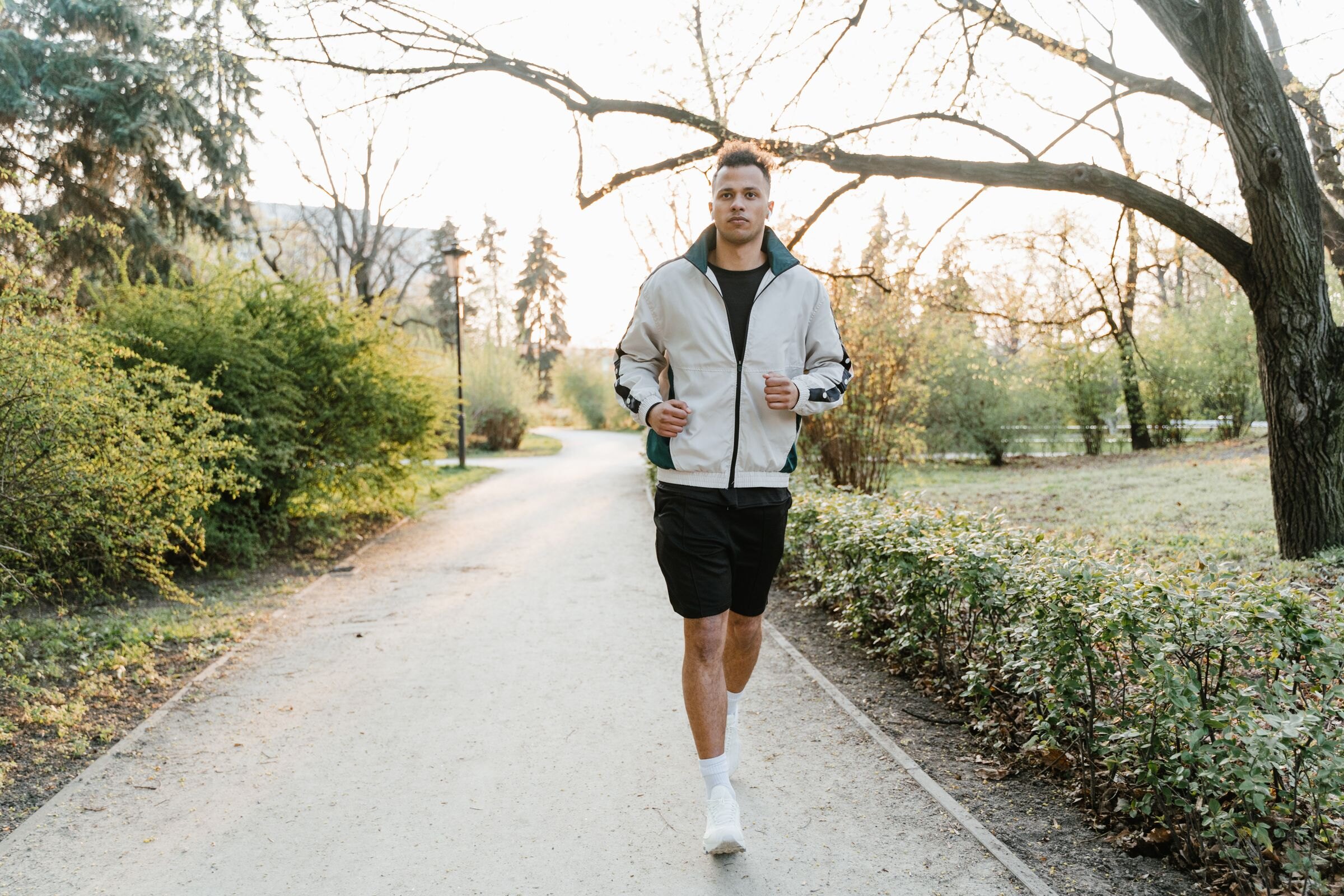
Performing fasted cardio for fat loss does not melt away more body fat over weeks and months than doing the exact same cardio session after a meal, provided your daily calorie intake and protein target are matched. While exercising after an overnight fast undeniably burns a higher percentage of fat during the workout itself, human metabolism dynamically adjusts fuel usage across the remaining 23 hours of the day, meaning your 24-hour energy balance—not whether your stomach is empty at 6:00 AM—dictates long-term fat loss.[1]
Few rituals in physique culture carry as much mystique as waking up before dawn, drinking a glass of water or black coffee, and stepping onto a treadmill on an empty stomach. Competitive bodybuilders have sworn by morning fasted walks for decades, arguing that low morning insulin levels force the body to tap directly into stubborn fat stores. At the same time, modern sports nutritionists warn that training depleted can flatten high-intensity output and elevate muscle breakdown.
So where does the physiology actually land? Understanding the difference between acute fat oxidation inside a single workout and net adipose tissue loss across weeks frees you from unnecessary morning misery—or helps you run empty-stomach sessions safely if they genuinely fit your schedule. Below, we break down the cellular mechanisms, controlled clinical evidence, muscle-preservation rules, and exact weekly protocols.
Why Fasted Cardio for Fat Loss Became Popular: Acute Lipolysis vs. 24-Hour Balance
To see why fasted cardio for fat loss became a staple in locker rooms and fat-loss plans, you have to trace what happens inside your bloodstream between dinner and the following morning.
1. The Overnight Post-Absorptive State
Roughly 8 to 12 hours after your evening meal, your digestive tract finishes absorbing nutrients and enters the post-absorptive (fasted) state. During this overnight window, three coordinated hormonal shifts occur:
- Basal insulin declines: Because no dietary glucose or amino acids are entering the portal vein, pancreatic beta cells reduce insulin secretion to baseline levels. Since insulin strongly inhibits fat release from fat cells, low morning insulin removes the brake on fat mobilization.
- Liver glycogen drops: Your brain relies continuously on glucose while you sleep, drawing down hepatic (liver) glycogen reserves by roughly 40% to 60% overnight, even while skeletal muscle glycogen remains largely intact if you rested the evening before.
- Catecholamines rise upon movement: As soon as you begin brisk walking or cycling in the morning, sympathetic nerve endings release norepinephrine and adrenal glands secrete epinephrine, alongside a natural morning peak in cortisol.
2. Lipolysis vs. Beta-Oxidation
Inside subcutaneous and visceral adipocytes (fat cells), epinephrine and norepinephrine bind to beta-adrenergic receptors. Coupled with low insulin, this activates two key enzymes—adipose triglyceride lipase (ATGL) and hormone-sensitive lipase (HSL)—which cleave stored triglycerides into glycerol and free fatty acids (FFAs). Those FFAs enter circulation, travel bound to albumin toward working muscles, cross into the mitochondria via the carnitine shuttle, and undergo beta-oxidation to generate ATP.
In exercise physiology laboratories, scientists measure fuel selection using indirect calorimetry and the respiratory exchange ratio (RER). During submaximal aerobic exercise at 50% to 65% of maximal oxygen uptake (VO2max), overnight-fasted subjects consistently display a lower RER than carbohydrate-fed subjects—proving they oxidize significantly more grams of fat during that 30-to-60-minute window.
3. The 24-Hour Substrate Compensation Trap
If you burn more fat during a fasted workout, why do you not lose more body fat by the end of the month? Because the human body is a continuous 24-hour closed thermodynamic system, not a 45-minute snapshot.
Substrate utilization obeys dynamic reciprocity:
- Burn fat now, burn carbs later: When you oxidize more fat and spare glycogen during a fasted morning walk, your body responds after you eat breakfast and lunch by shifting toward higher carbohydrate oxidation and lower fat oxidation across the afternoon and evening.
- Burn carbs now, burn fat later: Conversely, if you eat oatmeal and fruit before cardio, rising insulin blunts acute fat mobilization during the workout, so you burn mostly carbohydrate during the session. Because you depleted more glycogen during exercise, your muscles preferentially oxidize more fatty acids over the next 12 to 20 hours while replenishing glycogen stores from subsequent meals.
- Re-esterification of unused fatty acids: Mobilizing FFAs out of fat cells (lipolysis) is not the same as permanently destroying them (oxidation). During fasted exercise, lipolysis often exceeds actual mitochondrial energy demand; once you stop moving, circulating FFAs that were never burned for ATP are simply re-esterified back into triglycerides and stored right back in adipose tissue.
Over any 24-hour cycle, net fat loss equals total fat oxidized minus total fat synthesized and stored—which is governed almost entirely by setting a sustainable calorie deficit.
What Controlled Trials and Meta-Analyses Show
When researchers move beyond single-morning metabolic measurements and track real body-composition changes over multiple weeks, the supposed fat-burning magic of empty-stomach training disappears.
In a systematic review and meta-analysis published in the Journal of Functional Morphology and Kinesiology, sports scientists Daniel Hackett and Amanda Hagstrom pooled controlled comparative interventions evaluating overnight-fasted exercise against fed exercise across healthy adults over multi-week training periods.[1] Their pooled analysis revealed no statistically meaningful differences between fasted and fed groups in body mass loss, percentage body fat reduction, or lean mass retention.[1]
Even in tightly controlled hypocaloric trials—such as four-week protocols assigning young women to an identical daily calorie deficit while performing one hour of steady-state treadmill cardio three days per week either completely fasted or immediately after a standardized shake (with the fasted group drinking that exact same shake right after finishing)—both groups lost significant body weight and fat mass, with virtually identical changes between groups.
Fasted vs. Fed Cardio: Metabolic and Performance Trade-Offs
Although 24-hour fat loss is a tie when calories are equated, fasted and fed sessions feel and perform differently depending on workout intensity, duration, and gastrointestinal sensitivity.
| Factor | Overnight Fasted Cardio | Pre-Workout Fed Cardio | Primary Physiological Mechanism | Better Choice |
|---|---|---|---|---|
| Acute Fat Oxidation | Higher during the session | Lower during the session | Low insulin and elevated catecholamines boost HSL/ATGL | Fasted (short-term only) |
| 24-Hour Net Fat Loss | Equal when calories match | Equal when calories match | Post-exercise substrate reciprocity balances fuel use | Tie (deficit decides) |
| High-Intensity Output | Reduced past 75% max effort | Superior peak power and pace | Circulating glucose and liver glycogen sustain glycolytic flux | Fed |
| Digestive Comfort | Minimal cramping or reflux | Can cause sloshing if meal is heavy | Empty stomach avoids splanchnic blood-flow competition | Fasted (or light snack) |
| Sessions Over 60 Min | Higher fatigue and amino acid breakdown | Better endurance and lower RPE | Exogenous carbs prevent central nervous system hypoglycemia | Fed |
As shown in our comparison of HIIT vs. steady-state cardio, high-intensity intervals rely heavily on fast glycolysis—the rapid breakdown of carbohydrate to fuel forceful contractions at 80% to 95% of maximum heart rate. Attempting demanding sprints or long endurance bouts on depleted liver glycogen raises perceived exertion, blunts power output, and lowers the total calories you actually burn during the session.
On the other hand, if you practice intermittent fasting or wake up with zero appetite and hate exercising with food in your stomach, a brisk 35-minute morning walk or easy spin requires very little glycolytic flux and feels effortless without breakfast.
Protecting Muscle Mass: Cortisol, Nitrogen Balance, and Intensity Caps
A frequent concern among lifters during a cutting phase is whether fasted morning cardio causes muscle loss ("catabolism"). That worry has a real biochemical basis, though context determines whether it actually harms your physique.
Cortisol naturally peaks 30 to 45 minutes after waking as part of the human circadian rhythm (the cortisol awakening response). Cortisol helps mobilize energy stores, including stimulating hepatic gluconeogenesis—creating glucose from non-carbohydrate precursors such as glycerol, lactate, and glucogenic amino acids (like alanine and glutamine). During prolonged or intense fasted exercise, nitrogen excretion increases compared to fed exercise, indicating higher acute muscle protein breakdown (MPB).
However, just as acute fat oxidation does not equal net 24-hour fat loss, a brief rise in morning protein breakdown does not automatically cause muscle loss—if you respect three strict guardrails:
- Cap intensity at Zone 2 (conversational pace): Keep fasted sessions at 50% to 65% of maximum heart rate (an effort of 4 to 6 out of 10, where you can speak in complete sentences without gasping). At this modest intensity, ATP demand is met smoothly by fatty acids and modest glycogen use without triggering runaway stress-hormone spikes.
- Cap duration at 30 to 45 minutes (60 minutes maximum): Once fasted aerobic exercise stretches past 60 to 75 minutes, liver glycogen depletion accelerates amino acid oxidation and central fatigue.
- Hit your daily protein target and eat soon afterward: As outlined in our guide on how to lose fat without losing muscle, consuming 1.6 to 2.2 g of protein per kilogram of body weight per day—and eating a meal containing 25 to 40 g of high-quality protein within 30 to 60 minutes after fasted training—flips net muscle protein balance squarely back into positive territory. For exact meal timing windows, review pre- and post-workout nutrition.
Best Cardio Modalities for Fasted Sessions (And Lifts to Keep Fueled)
Not all exercises treat your joints, central nervous system, and muscle fibers equally when you wake up stiff and unfed. Smart programming pairs low-impact, concentric-friendly cardio options for morning sessions with fueled, heavy resistance training later in the day or on alternate days.
Optimal Low-Impact Modalities for Morning Fasted Cardio
- Duration
- 30–45 min
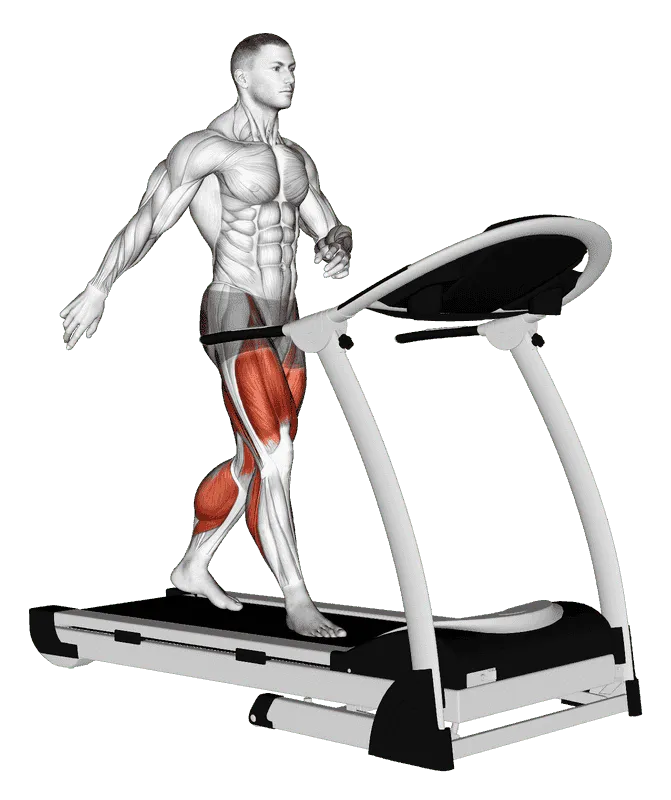
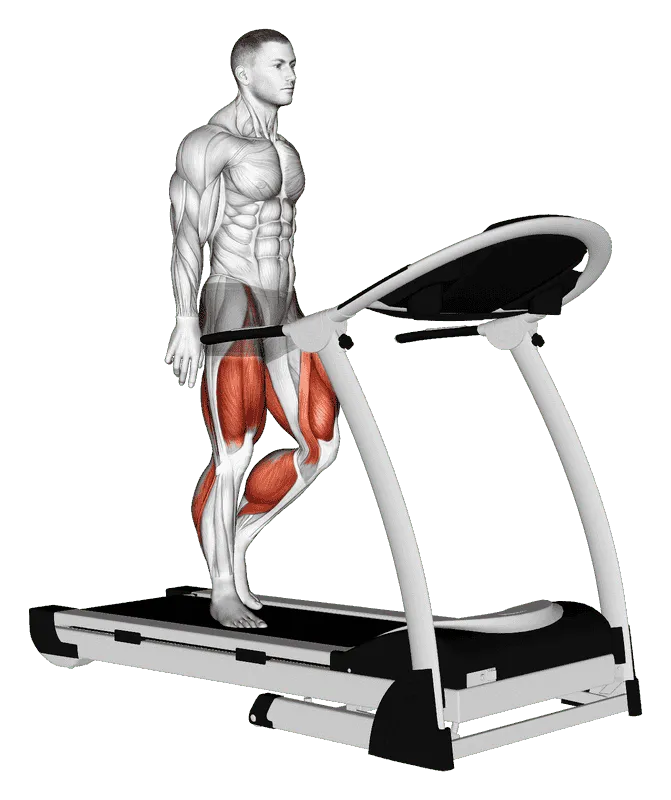
Incline Walking on Treadmill is the gold-standard choice for morning fasted cardio. Raising the deck gradient elevates cardiovascular oxygen demand into the fat-oxidative Zone 2 sweet spot without the repetitive eccentric impact forces of pavement running—leaving your knees, ankles, and quadriceps fresh for leg day.
- Duration
- 30–40 min
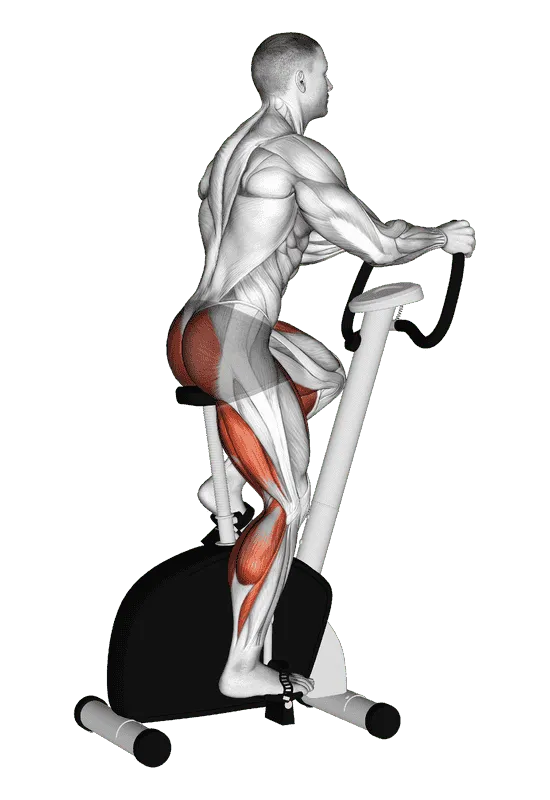
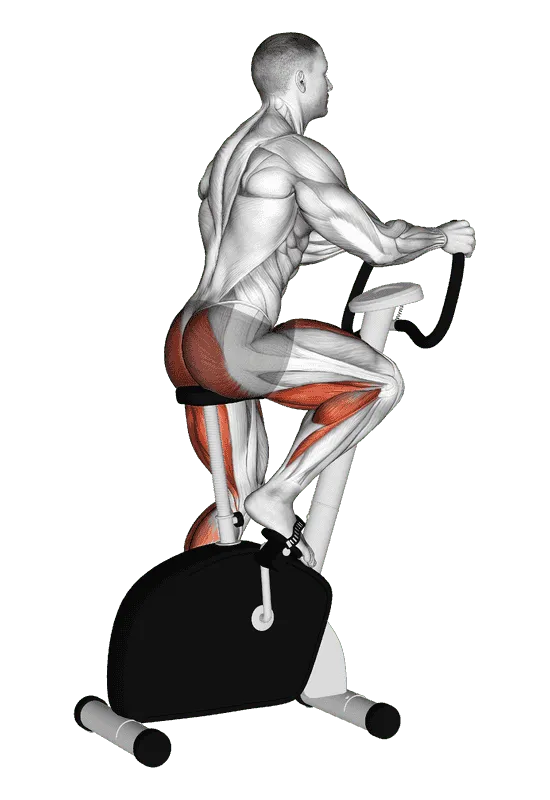
Pedaling on a Stationary Bike is predominantly concentric, meaning your quadriceps and glutes shorten under load without forceful eccentric braking. In concurrent-training research, cycling produces markedly less interference with lower-body hypertrophy and strength recovery than running.
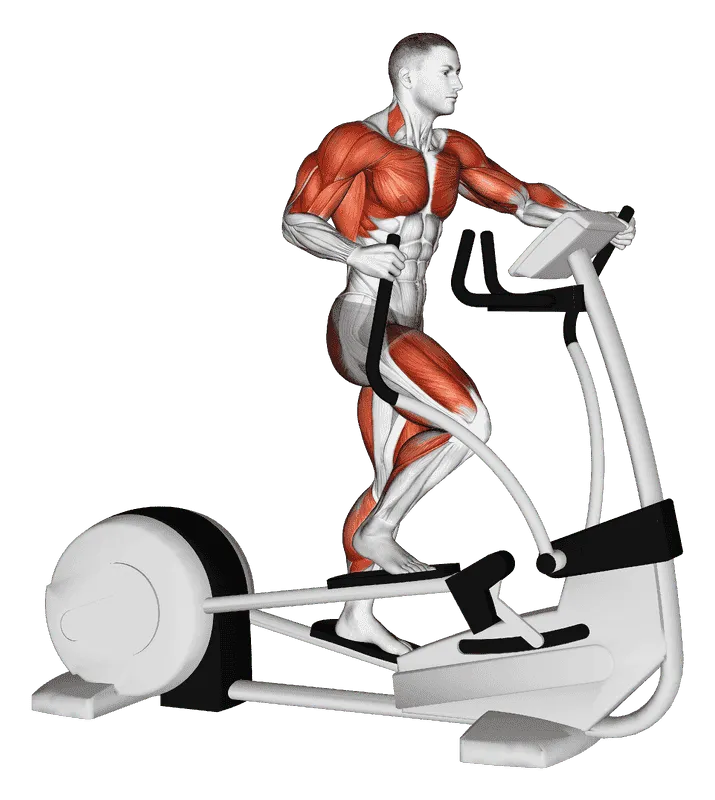
If you prefer full-body rhythm without joint pounding, gliding on the Elliptical Cross Trainer distributes effort across both upper and lower limbs at a controlled heart rate. Lifters who enjoy technical pacing can also use steady Zone 2 strokes on Rowing (with rowing machine) at 18 to 22 strokes per minute, provided lower-back fatigue does not clash with upcoming hinge sessions.
Keep Heavy Resistance Lifts Fueled
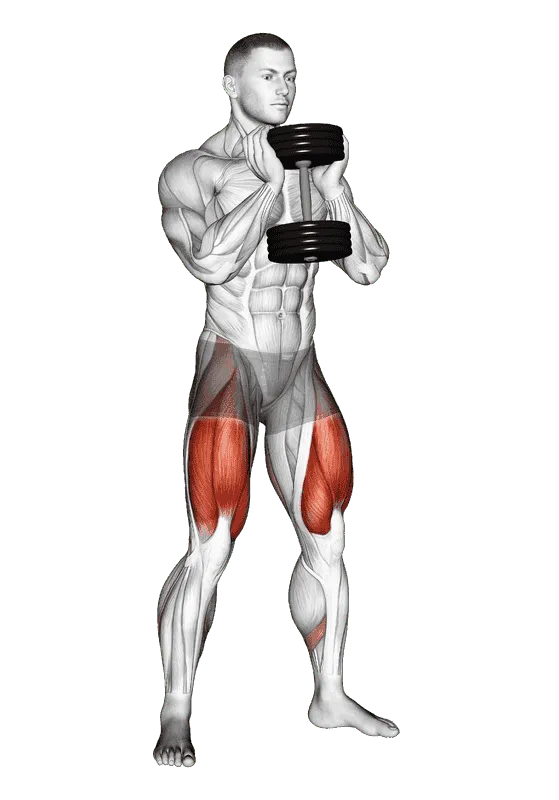
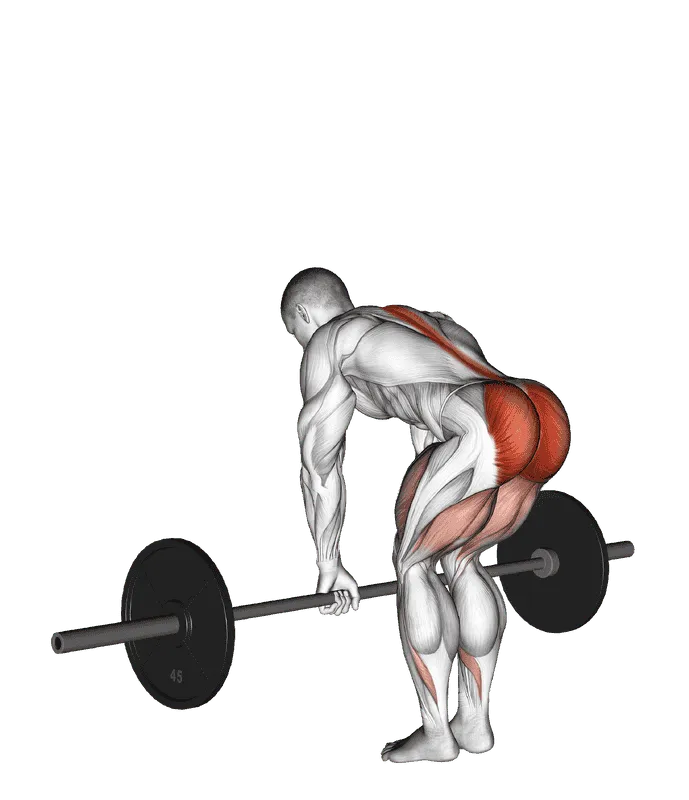
While easy cardio works well on an empty stomach, do not drag heavy hypertrophy workouts into a depleted state if your goal is preserving every gram of lean mass during a cut. Progressive mechanical tension on compound movements like the Dumbbell Goblet Squat and Barbell Romanian Deadlift is the primary biological signal telling your body to spare muscle tissue while dieting. Eating at least 30 to 60 g of digestible carbohydrates and 25 to 35 g of protein 1 to 2 hours before lifting stabilizes blood glucose, maximizes motor-unit recruitment, and lets you push within 1 to 2 reps of failure safely.
Practical Protocol: Programming Your Fat-Loss Week
Before deciding when to do cardio, establish the number that actually drives 95% of your progress: your daily energy budget. Estimate your maintenance calories (Total Daily Energy Expenditure, or TDEE) and subtract 300 to 500 kcal per day to lose roughly 0.5% to 1.0% of your body weight per week.
Calorie calculator (TDEE)
- Resting energy (BMR)
- kcal/day
- Maintenance calories (TDEE)
- kcal/day
- For fat loss (about −20%)
- kcal/day
- For muscle gain (about +10%)
- kcal/day
Mifflin–St Jeor equation. Treat the number as a starting point and adjust it after two to three weeks of tracking your weight.
Morning Fasted Cardio Checklist
If early-morning steady-state cardio fits your lifestyle best, follow this four-step routine:
- Rehydrate immediately upon waking: You lose 300 to 500 mL of fluid overnight through respiration and perspiration. Drink 350 to 500 mL (12–16 oz) of water—optionally with a tiny pinch of salt (about 1/8 teaspoon)—10 to 15 minutes before stepping onto your machine to restore plasma volume and prevent orthostatic lightheadedness.
- Use caffeine strategically (optional): Plain black coffee, unsweetened green tea, or espresso (roughly 100–200 mg of caffeine, under 5 kcal) preserves the fasted state, lowers perceived exertion, and mildly enhances catecholamine-driven FFA mobilization. Skip sugar, syrups, cream, and butter/MCT oils—liquid fats contain 100 to 200+ kcal that your body simply burns instead of stored body fat.
- Stay in Zone 2 for 30 to 45 minutes: Maintain 50% to 65% of estimated max heart rate (220 - age as a rough guide), keeping breathing nasal or conversational.
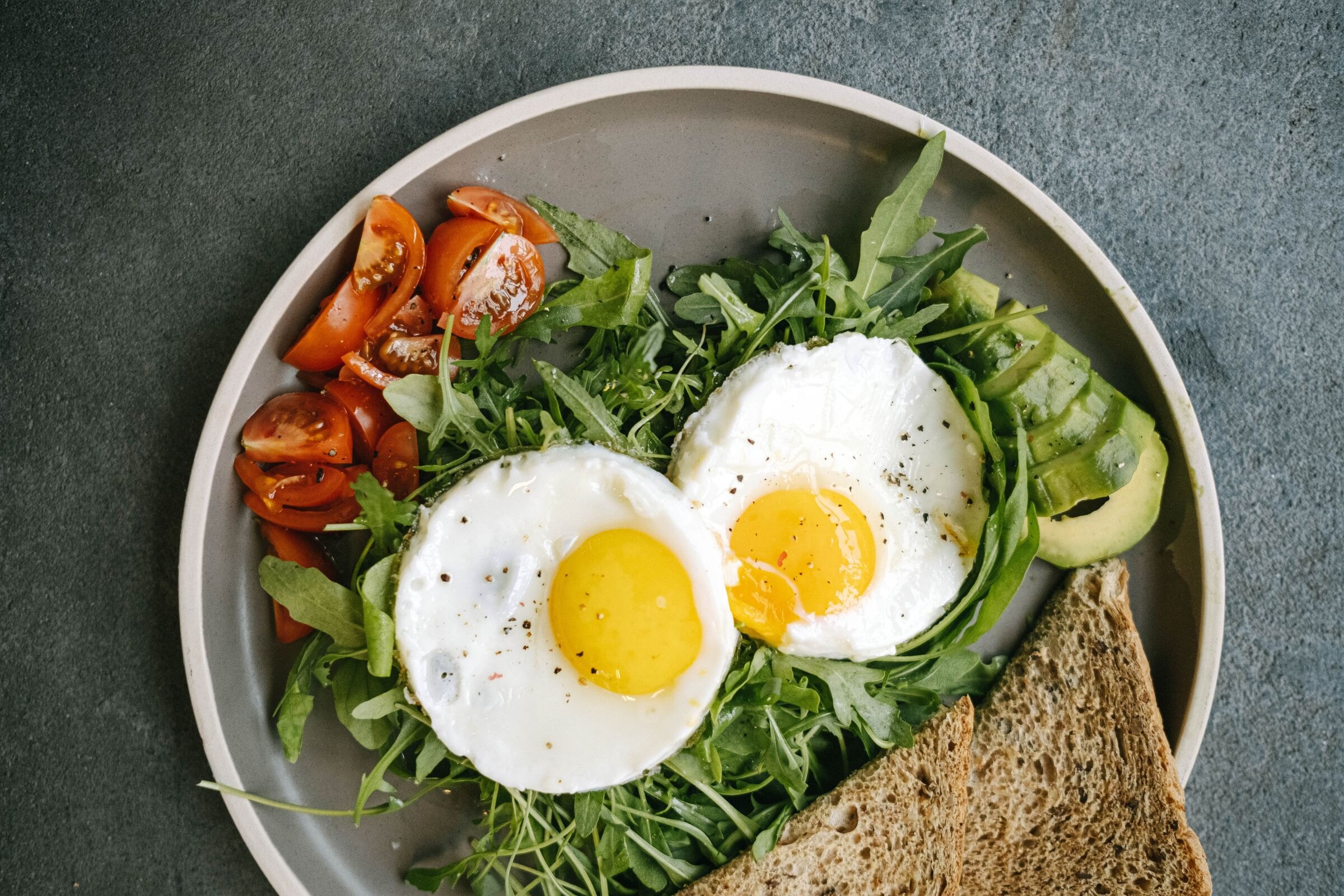
- Eat a high-protein recovery meal within 60 minutes: Anchor your first meal with 30 to 40 g of complete protein (such as 3 whole eggs plus egg whites or low-fat Greek yogurt) alongside fiber-rich carbohydrates (oats, berries, or whole-grain toast).
Sample Weekly Fat-Loss Schedule (Fueled Lifting + Optional Fasted Cardio)
| Day | Morning Session (Optional Fasted) | Afternoon / Fueled Session | Nutritional Focus |
|---|---|---|---|
| Monday | Rest or 15 min outdoor walk | Upper Body Resistance (45–60 min) | Pre-lift carbs + 1.8 g/kg daily protein |
| Tuesday | 35 min Incline Treadmill Walk (Zone 2) | Rest | 35 g protein breakfast within 60 min |
| Wednesday | Rest | Lower Body Resistance (45–60 min) | Pre-lift carbs + moderate 400 kcal deficit |
| Thursday | 35 min Stationary Bike (Zone 2) | Rest | Hydrate on waking + whole-food meals |
| Friday | Rest | Full Body / Hypertrophy (45–60 min) | Pre- and post-workout protein + carbs |
| Saturday | 40 min Outdoor Brisk Walk or Elliptical | Rest | Consistent daily calorie target |
| Sunday | Complete Recovery & Mobility | Rest | Meal prep & 7–9 hours of sleep |
Prefer a ready-made training blueprint that pairs progressive resistance workouts with structured fat-burning conditioning? Intermediate lifters can jump straight into our 4-day 8-Week Advanced Fat Loss System, while newcomers building gym habits can start with our free 21-Day Beginner Fat Loss Split.
Frequently Asked Questions
Frequently asked questions
Does fasted cardio burn more belly fat than fed cardio?
No. While overnight-fasted exercise mobilizes slightly more fatty acids during the workout itself, controlled human trials and meta-analyses show identical reductions in waist circumference and total body fat compared to fed cardio when daily calories are matched. Stubborn abdominal and visceral fat shrink in response to a sustained multi-week calorie deficit, not empty-stomach timing.
Does black coffee break your fast before morning cardio?
Plain black coffee, espresso, or unsweetened tea contains fewer than 5 calories and negligible carbohydrates or protein, so it does not trigger an insulin response or break a metabolic fast. However, adding milk, sugar, flavored creamers, collagen powder, or butter/MCT oil adds calories that blunt stored fat oxidation.
Will 30 minutes of fasted walking burn muscle?
No. Thirty to forty-five minutes of brisk walking or easy cycling at a conversational Zone 2 pace places minimal stress on muscle glycogen and will not cause muscle loss, provided you lift weights regularly and consume 1.6 to 2.2 g of protein per kilogram of body weight across the day.
Should I do HIIT on an empty stomach for faster fat loss?
High-intensity interval training (HIIT) is generally less effective on an empty stomach because all-out sprints depend heavily on rapid carbohydrate metabolism. Eating a small, easily digestible carbohydrate snack—such as a banana or slice of toast—30 to 60 minutes before HIIT helps you hit higher power outputs and burn more total energy.
How soon should I eat after fasted cardio?
Aim to eat a balanced meal containing 25 to 40 g of complete protein and moderate carbohydrates within 30 to 60 minutes after finishing your fasted session. Because you started training 8 to 12 hours after your last meal, prompt post-workout protein intake shifts your muscles out of protein breakdown and into recovery.
Sources
- Hackett D, Hagstrom AD. Effect of Overnight Fasted Exercise on Weight Loss and Body Composition: A Systematic Review and Meta-Analysis. Journal of Functional Morphology and Kinesiology. 2017;2(4):43. doi.org/10.3390/jfmk2040043 ↩