If you have spent any time searching for sustainable nutritional strategies, you have encountered claims that intermittent fasting for fat loss is either a metabolic miracle or an overrated scheduling trick. The physiological truth sits firmly in the realm of clinical endocrinology and bioenergetics: intermittent fasting is neither magic nor useless. It is a powerful, evidence-based behavioral framework that optimizes hormonal signaling, enhances insulin sensitivity, and simplifies caloric management.
At its physiological core, intermittent fasting is not a diet that dictates what you eat, but an eating pattern that establishes structured boundaries for when you consume food. By alternating defined periods of voluntary fasting with dedicated feeding windows, you allow circulating insulin levels to plummet, activate cellular lipolysis, and tap into stored adipose tissue for energy.
Crucially, when matched for total caloric intake and daily protein, intermittent fasting yields similar total fat loss to traditional continuous energy restriction. However, its immense real-world power lies in behavioral adherence: condensing your daily food intake into an 8-hour window makes a substantial calorie deficit feel effortless, curbs mindless evening snacking, and spares you the psychological burden of eating miniature, unsatisfying meals every three hours.
The Bioenergetics of Fasting: The Metabolic Switch Explained
To understand how intermittent fasting influences body composition, we must analyze how human metabolism transitions between the fed (absorptive) and fasted (post-absorptive) states.
When you consume a meal containing carbohydrates, proteins, and fats, your digestive tract breaks these macronutrients down into glucose, amino acids, and fatty acids. In response to rising systemic blood sugar, pancreatic beta cells secrete insulin. Insulin acts as a potent anabolic storage hormone: it drives glucose into myocytes and hepatocytes for glycogen storage, shuttles amino acids into muscular tissue, and stimulates lipoprotein lipase to store surplus energy in adipocytes.
Importantly, elevated circulating insulin completely suppresses hormone-sensitive lipase (HSL)—the intracellular enzyme responsible for mobilizing stored triglycerides from fat cells. In a fed state, your body operates almost exclusively on exogenous glucose and circulating fatty acids; systemic lipolysis is effectively locked down.
Calorie calculator (TDEE)
- Resting energy (BMR)
- kcal/day
- Maintenance calories (TDEE)
- kcal/day
- For fat loss (about −20%)
- kcal/day
- For muscle gain (about +10%)
- kcal/day
Mifflin–St Jeor equation. Treat the number as a starting point and adjust it after two to three weeks of tracking your weight.
From Glycogen Depletion to Fatty Acid Oxidation
Following your final evening meal, your body spends approximately 3 to 5 hours digesting and absorbing nutrients. Once absorption is complete, circulating insulin returns to baseline, and your liver begins breaking down stored glycogen (glycogenolysis) to maintain euglycemia (stable blood glucose).
After roughly 12 to 16 hours of continuous fasting, hepatic glycogen stores become progressively depleted. This triggers what researchers term the metabolic switch: a profound bioenergetic pivot where cells shift from utilizing glucose as their primary fuel to mobilizing free fatty acids and hepatic-derived ketone bodies (such as beta-hydroxybutyrate).[1]
As insulin levels drop to basal levels, inhibition on hormone-sensitive lipase is lifted. Adipocytes release free fatty acids into systemic circulation, where they are transported into skeletal muscle and liver mitochondria for beta-oxidation. Concurrently, systemic counter-regulatory hormones rise:
- Growth Hormone (GH) Surge: Fasting elicits a significant pulsatile spike in human growth hormone secretion, which directly protects structural lean tissue against proteolysis and accelerates lipolytic activity.
- Mild Sympathetic Activation: A modest release of norepinephrine and epinephrine maintains resting energy expenditure, preventing the immediate metabolic lethargy commonly feared by beginners.
- Autophagy Activation: With cellular energy sensors detecting low nutrient availability, the mechanistic target of rapamycin (mTOR) pathway is suppressed and AMP-activated protein kinase (AMPK) is phosphorylated, stimulating autophagy—an intracellular quality-control process that recycles damaged organelles and misfolded proteins.[1]
Does Fasting Burn More Fat Than Continuous Calorie Restriction?
A persistent fitness myth suggests that intermittent fasting somehow defies the laws of thermodynamics, burning significantly more adipose tissue than an identical caloric deficit spread evenly across six small meals. Decades of tightly controlled metabolic ward studies have debunked this claim.
When daily energy intake, dietary protein, and energy expenditure are rigorously matched between groups, intermittent energy restriction and continuous energy restriction yield virtually identical rates of total fat loss and lean body mass retention.
Why, then, do millions of individuals achieve superior, long-term fat loss success with intermittent fasting? The answer lies in human behavioral psychology, neurochemical appetite regulation, and satiety dynamics:
- Larger, Satisfying Meals: On a conventional 1,800-calorie cutting diet split across five meals, each serving amounts to an unsatisfying 360 calories. You never feel genuinely full. With 16/8 fasting, you can allocate those 1,800 calories into two robust 800-calorie meals and a 200-calorie snack, triggering substantial gastric distension and postprandial satiety hormone release (such as peptide YY and GLP-1).
- Elimination of Late-Night Snacking: Mindless snacking between 9:00 PM and midnight is the single greatest saboteur of fat loss efforts. By establishing an ironclad rule that the feeding window closes at 8:00 PM, you eliminate hundreds of unbudgeted, hyper-palatable calories from chips, sweets, and alcohol.
- Enhanced Insulin Sensitivity: Prolonged fasting periods improve peripheral insulin sensitivity and glycemic control, making your body more efficient at partitioning nutrients toward skeletal muscle rather than adipose tissue once you refeed.
- Simplicity and Mental Freedom: You no longer need to carry meal-prep Tupperware containers everywhere or interrupt your productive morning hours thinking about food.
The Most Popular Intermittent Fasting Protocols
Not all fasting schedules suit every individual lifestyle. Here is an evidence-based breakdown of the primary protocols utilized in sports nutrition:
| Fasting Protocol | Fasting Window | Feeding Window | Best Suited For | Practical Considerations |
|---|---|---|---|---|
| 16/8 (Leangains) | 16 Hours | 8 Hours | Resistance-trained athletes, lifters, busy professionals | The gold standard; simple, highly sustainable, minimal impact on social life |
| 14/10 (Gentle Fast) | 14 Hours | 10 Hours | Beginners, women sensitive to aggressive fasting, endurance trainees | Excellent entry point; allows an early breakfast and reasonable dinner |
| 5:2 Diet | 2 Days (500 kcal) | 5 Days (Maintenance) | Non-athletes seeking metabolic flexibility | Hard training on fasting days is difficult; can trigger rebound bingeing |
| Alternate-Day (ADF) | 24–36 Hours | 12–24 Hours | Rapid clinical weight loss under supervision | Highly disruptive to athletic performance, strength training, and sleep |
| OMAD (One Meal A Day) | 23 Hours | 1 Hour | Advanced fasters, extreme schedules | Difficult to hit adequate daily protein (120–160g) in a single sitting without GI distress |
For athletes, bodybuilders, and anyone engaged in serious resistance training, the 16/8 protocol remains undisputed as the premier methodology. It provides sufficient fasting duration to trigger the metabolic switch and suppress appetite, while reserving an 8-hour window that comfortably accommodates 2 to 3 high-protein feedings to optimize muscle protein synthesis.
How to Protect Lean Muscle Mass While Fasting
The greatest anxiety for resistance-trained individuals contemplating intermittent fasting is the fear of muscle wasting (catabolism). Skeletal muscle is metabolically expensive tissue, and preserving it while dieting is crucial for sustaining your resting metabolic rate and achieving an aesthetic, athletic physique.
As we emphasize in our guide on how to lose fat keep muscle, muscle loss during a diet is governed by three primary variables: the magnitude of your caloric deficit, total daily protein intake, and the presence of a progressive resistance training stimulus. Fasting frequency itself does not cause sarcopenia if these three variables are respected.
1. Optimize Total Daily Protein Intake
To maximize muscle retention during an energy deficit, aim for 1.6 to 2.2 grams of protein per kilogram of body weight daily (roughly 0.73 to 1.0 grams per pound). If you weigh 75 kg (165 lb), your daily target sits between 120 and 165 grams of complete protein.
In an 8-hour eating window, avoid attempting to consume all your protein in a single massive sitting. While the digestive tract can absorb vast quantities of amino acids, the intracellular threshold for maximizing muscle protein synthesis (MPS)—the "leucine trigger"—peaks at approximately 0.40 to 0.55 g/kg of high-quality protein per meal.
Distribute your daily intake across at least two major meals and one supplemental shake:
- Meal 1 (12:00 PM): 40–50 g protein (e.g., grilled chicken breast, lentils, eggs).
- Snack / Pre-Workout (4:00 PM): 30–35 g protein (e.g., Greek yogurt, whey isolate, handful of almonds).
- Meal 2 (7:30 PM): 45–55 g protein (e.g., salmon or lean beef, quinoa, mixed vegetables).
Our detailed guide on protein for muscle gain outlines the highest-quality whole-food protein sources and leucine thresholds.
2. Prioritize Heavy Compound Resistance Training
Dieting signals to your body that energy is scarce; heavy lifting signals that muscle tissue is non-negotiable for survival. Without progressive tension on skeletal muscle fibers, your body will readily catabolize contractile proteins to liberate amino acids for gluconeogenesis.
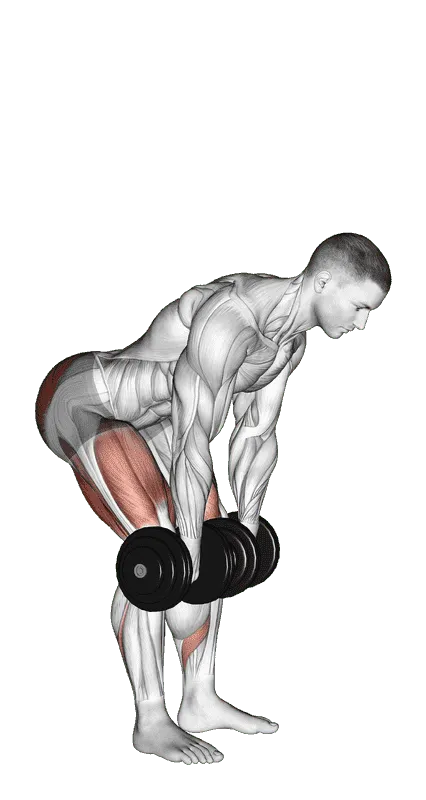
Incorporate multi-joint compound exercises such as the Barbell Full Squat, Barbell Deadlift, and Dumbbell Romanian Deadlift into your weekly routine 3 to 4 times per week:
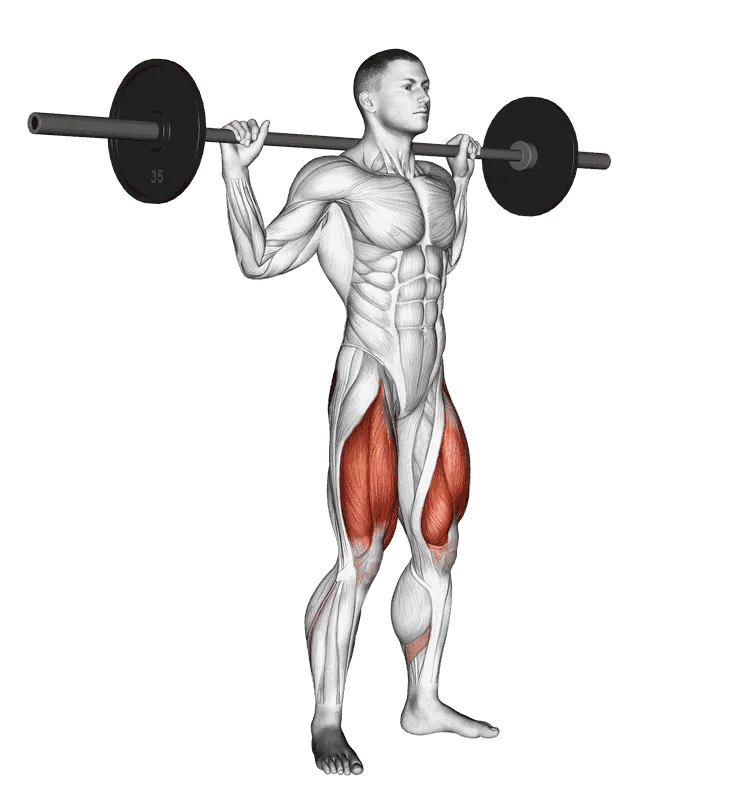

- Sets
- 3–4
- Reps
- 6–8
- Rest
- 150 s
- Tempo
- 3–0–1
Pair heavy lifting with an objective baseline of non-exercise movement. As explained in our breakdown of NEAT for fat loss, tracking 8,000 to 10,000 steps daily prevents involuntary metabolic slowdown without interfering with your gym recovery.
What Breaks a Fast? The Strict Zero-Calorie Rules
A common point of confusion among beginners is knowing precisely what foods and beverages can be consumed during the fasting window without compromising lipolysis or gut rest.

To maintain a true physiological fast, your consumption during the fasting window must adhere to a strict zero-calorie, zero-insulin standard:
Permitted During Fasting Hours (Green Light)
- Water: Plain, sparkling, or mineral water. Hydration is critical; aim for 2.5 to 3.5 liters throughout the day.
- Black Coffee: Plain brewed coffee or espresso without sugar, milk, creamer, or MCT oil. Coffee contains chlorogenic acids that support insulin sensitivity and caffeine that temporarily blunts appetite.
- Unsweetened Tea: Black tea, green tea, herbal chamomile, or peppermint tea with no honey or milk additions. Green tea contains epigallocatechin gallate (EGCG), which modestly promotes lipid oxidation.
- Electrolytes: Pure sodium, potassium chloride, and magnesium malate dissolved in water without caloric fillers or dextrose. Fasting naturally increases renal sodium excretion; a pinch of salt in morning water often eliminates headaches and fatigue.
Prohibited During Fasting Hours (Red Light)
- Milk and Creamers: Even a single splash of milk (30–50 kcal) contains lactose and milk proteins that trigger an insulin response and halt hepatic fasting pathways.
- Branched-Chain Amino Acids (BCAAs): Many lifters mistakenly sip BCAAs during morning fasted workouts. Leucine is intensely insulinogenic; consuming free-form amino acids immediately breaks your fast.
- Fruit Juices and Bone Broth: Any caloric liquid containing carbohydrates or collagen peptides halts fasting physiology.
- "Bulletproof" Coffee: Blending butter, coconut oil, or MCT oil into morning coffee introduces 300 to 500 calories of pure dietary fat. While it keeps insulin low, your body burns that ingested dietary fat instead of liberating stored adipose tissue, defeating the purpose of fat loss.
Structuring Your Feeding Window: The 16/8 Blueprint
The transition from a 16-hour fast into your feeding window sets the tone for your daily energy levels, digestion, and micronutrient intake.

Breaking a fast with ultra-processed carbohydrates or high-glycemic sugar causes a massive blood glucose spike followed by a precipitous crash, leaving you lethargic and ravenous by mid-afternoon. Instead, construct your meals around whole foods, high fiber, and high protein as detailed in our guide on how to set your macros.
Sample Daily Schedule: The 12:00 PM – 8:00 PM Window
- 7:00 AM: Wake up. Drink 500 ml of cold water with a pinch of sea salt.
- 8:30 AM: 1 cup black coffee or unsweetened green tea. Morning work and light movement.
- 10:30 AM: Sparkling water or herbal tea to sustain hydration and focus.
- 12:00 PM (Meal 1 – Break Fast): 180 g grilled chicken breast, 1 baked sweet potato, and a large mixed greens salad with olive oil (~45g protein, ~45g carbs, ~18g fat, 520 kcal).
- 3:30 PM (Pre-Workout Snack): 200 g Greek yogurt with 1 cup mixed berries and walnuts (~25g protein, ~25g carbs, ~14g fat, 330 kcal).
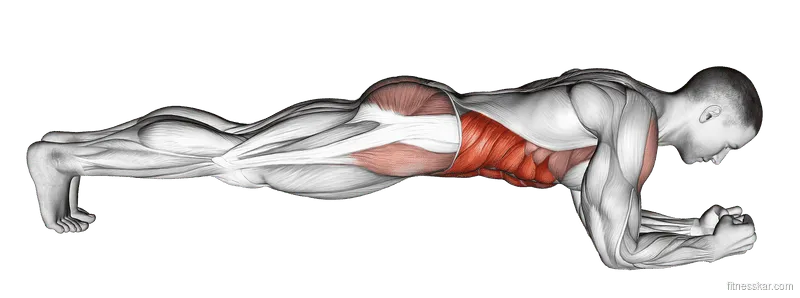
- 5:00 PM – 6:15 PM: Progressive resistance training session focusing on compound lifts and core work such as the Front Plank.
- 7:30 PM (Meal 2 – Dinner): 200 g baked salmon, 1 cup cooked quinoa, steamed broccoli, and roasted asparagus (~48g protein, ~40g carbs, ~20g fat, 530 kcal).
- 8:00 PM: Feeding window closes. Evening fast begins.
- 9:30 PM: Chamomile or peppermint tea. Rest and sleep preparation.
If your progress ever plateaus after several months of fat loss, consult our diagnostic protocol on how to break a weight loss plateau to assess metabolic adaptation and make appropriate adjustments.
Safety, Contraindications, and Who Should Avoid Fasting
While intermittent fasting offers profound metabolic benefits for healthy adults, it is not universally appropriate for everyone. Fasting represents a mild physiological stressor that must be applied intelligently.
Women should pay close attention to menstrual cycle regularity. If aggressive fasting combined with a heavy training volume causes menstrual irregularities, sleep disruption, or thyroid sluggishness, widen the eating window immediately to a 14/10 or 12/12 schedule and increase daily carbohydrate intake.
Frequently Asked Questions
Frequently asked questions
Will intermittent fasting slow down my metabolic rate?
No. Short-term fasting (up to 36–48 hours) does not reduce resting metabolic rate. In fact, mild surges in norepinephrine can slightly elevate calorie burn. Metabolic slowdown only occurs if your overall calorie deficit is excessively severe or maintained for too many consecutive months.
Can I take my daily supplements during the fasting window?
Fat-soluble vitamins (A, D, E, K), fish oil, and multivitamin complexes should be taken with your first meal to ensure proper intestinal absorption and avoid nausea. Water-soluble vitamins (vitamin C, B-complex) and unflavored creatine monohydrate can technically be taken during fasting hours.
Can I workout in the morning while fasting?
Yes, provided your workout consists of moderate-volume lifting or steady-state cardio. If you train heavy in the morning, stay well hydrated with electrolytes. If you experience dizziness or a drop in strength, shift your workout closer to your first meal or train during your eating window.
Does diet soda or stevia break intermittent fasting?
Zero-calorie artificial sweeteners do not contain macronutrients and technically will not halt fat loss. However, some sweeteners can stimulate cephalic phase insulin release or trigger intense sugar cravings in sensitive individuals. Plain water and black coffee remain the gold standard.
Sources
- de Cabo R, Mattson MP. Effects of Intermittent Fasting on Health, Aging, and Disease. New England Journal of Medicine. 2019. doi.org/10.1056/NEJMra1905136 ↩