
Reverse dieting is the structured, stepwise process of gradually increasing your caloric intake following an extended calorie deficit, designed to restore suppressed metabolic rate and normalize endocrine function while minimizing body fat regain. When you conclude a fat loss phase, your daily energy expenditure is at its lowest point, hunger hormones are raging, and your body is primed for rapid lipid storage. Rather than jumping abruptly from a restrictive 1,500-calorie cutting diet straight into an uncontrolled surplus, a reverse diet incrementally introduces 50 to 150 calories per week, primarily from carbohydrates and fats, providing your metabolism with the precise physiological runway needed to adapt upward.
By strategically elevating your caloric ceiling, reverse dieting enables you to transition from fat loss into a sustainable maintenance phase or a muscle-building phase without the demoralizing post-diet weight rebound that plagues over 80 percent of dieters. When combined with structured resistance training and progressive overload, this gradual caloric increase channels newly available nutrients into muscle glycogen replenishment and lean tissue synthesis rather than visceral or subcutaneous adipose depots.
Here is the exhaustive, evidence-based masterclass on the physiology of reverse dieting, the science of adaptive thermogenesis, and the exact protocols to restore your metabolism and lock in your physique for the long term.
The Physiology of Energy Restriction: What Happens to Your Body
To master the mechanics of reverse dieting, you must first understand the coordinated physiological cascade triggered by sustained energy deprivation. Human physiology evolved under conditions of frequent food scarcity; consequently, your body does not view intentional fat loss as a cosmetic achievement. Instead, it interprets a chronic energy deficit as an existential threat to survival.

When you restrict calories and shed adipose tissue over multiple months, your neuroendocrine system orchestrates a comprehensive defense mechanism known to sports scientists as adaptive thermogenesis.[1]
The Components of Daily Energy Expenditure
Your Total Daily Energy Expenditure (TDEE) is comprised of four distinct components:
- Basal Metabolic Rate (BMR): The energy required to sustain life at rest (organ function, respiration, cellular turnover). This accounts for 60 to 70 percent of daily burn.
- Thermic Effect of Food (TEF): The caloric cost of digesting, absorbing, and metabolizing nutrients, representing roughly 8 to 12 percent of intake.
- Exercise Activity Thermogenesis (EAT): The energy expended during purposeful athletic training, typically comprising 5 to 10 percent of total expenditure.
- Non-Exercise Activity Thermogenesis (NEAT): The calories burned during spontaneous, non-deliberate physical activity—such as pacing, posture maintenance, typing, fidgeting, and walking throughout daily life.
During an extended cutting phase, all four components of energy expenditure drop simultaneously. While a portion of this reduction is predictable due to carrying less total body weight (a smaller body burns fewer calories moving through space), a significant fraction is non-linear and adaptive. Studies show that adaptive thermogenesis frequently suppresses daily energy expenditure by an additional 200 to 500 calories below what would be predicted purely by mass loss alone.
The Neuroendocrine Crash
This metabolic slowdown is driven by profound alterations in circulating endocrine signals:
- Leptin Suppression: Secreted predominantly by adipose tissue, leptin serves as the master signaling hormone informing the hypothalamus about total stored energy reserves. As fat cells shrink and dietary energy plummets, circulating leptin levels drop precipitously. This triggers intense neurogenic hunger signals, lowers basal body temperature, and suppresses the autonomic nervous system.
- Thyroid Hormone Downregulation: In an energy deficit, the liver and peripheral tissues downregulate the conversion of thyroxine (T4) into the biologically active triiodothyronine (T3). Decreased circulating T3 slows mitochondrial respiration, reducing overall heat generation and cellular caloric expenditure.
- Ghrelin Hyper-Secretion: Produced by the fundus of the stomach, ghrelin increases as meals become smaller and less frequent. High ghrelin levels amplify food preoccupation, increase salivation, and heighten the hedonic reward value of calorie-dense, palatable foods.
- Sex Hormone Reduction: Prolonged deficits inhibit the hypothalamic-pituitary-gonadal (HPG) axis, leading to suppressed testosterone in men and reduced estrogen and progesterone in women, impairing recovery, mood, and sleep quality.
- Elevated Cortisol: The chronic physiological strain of low calories combined with intense training elevates systemic cortisol, leading to intracellular and extracellular fluid retention that often obscures physical progress on the bathroom scale.
Increased Mitochondrial Efficiency
Beyond endocrine suppression, skeletal muscle becomes markedly more energy-efficient during a deficit. The proton leak across the inner mitochondrial membrane is curtailed, and the cellular machinery optimizes its ATP production per unit of oxygen and substrate consumed. In simple terms: your muscle fibers learn to perform the same amount of mechanical work while burning significantly fewer calories.
When you finish your diet, you possess an energy-efficient metabolic engine operating with suppressed hormones and heightened hunger. If you immediately return to your pre-diet caloric intake, the severe mismatch between incoming energy and suppressed energy expenditure leads to rapid, hyperplastic fat cell replenishment—a phenomenon known as the post-starvation rebound.
Macro calculator
- Protein
- g
- Fat
- g
- Carbohydrates
- g
Protein 1.6–2.2 g per kg of body weight, fat about 25% of calories, carbohydrates fill the rest.
Reverse Dieting: Separating Science from Mythology
The fitness industry has generated both passionate advocates and skeptical critics of reverse dieting. To apply this methodology with clinical precision, we must separate empirical metabolic reality from speculative marketing hype.
What Reverse Dieting Actually Achieves
- Restores Endocrine Function and Energy Availability: As caloric intake rises, rising insulin levels signal the brain to resume normal gonadotropin-releasing hormone (GnRH) pulsation, restoring sex steroids, normal thyroid hormone conversion, and systemic cellular vitality.
- Stimulates the NEAT Rebound: When food energy enters the system, the subconscious suppression of spontaneous movement vanishes. Lifters find themselves fidgeting more, walking briskly, taking stairs effortlessly, and maintaining better posture. Because NEAT is the most dynamic component of human energy expenditure, this behavioral surge can increase daily caloric expenditure by 200 to 500 calories without adding a single minute of planned cardio.
- Elevates the Thermic Effect of Food: Eating more food naturally increases TEF; every extra 100 grams of protein and complex carbohydrate burns 15 to 25 calories merely through digestive and assimilative biochemical reactions.
- Protects Psychological Well-Being: Transitioning out of a diet with rigid structure prevents the catastrophic binge-restrict cycles that often occur when an athlete goes from extreme restriction to completely unmonitored eating.
- Fuels Muscle Hypertrophy and Training Capacity: Restoring intra-muscular glycogen allows you to produce higher mechanical tension during workouts, turning a vulnerable post-cut state into an anabolic window for lean mass gains.
Debunking Common Myths
- Myth 1: "Reverse dieting permanently increases your metabolic rate beyond normal limits." Reality: Reverse dieting does not bestow superhuman metabolic qualities. It simply recovers your natural, unsuppressed resting metabolic rate and allows your active expenditure to match your heightened intake. You cannot "train" your basal metabolism to burn 4,000 calories at rest if your predicted genetic baseline is 2,000.
- Myth 2: "You will gain zero body fat during a reverse diet." Reality: While reverse dieting minimizes unnecessary adipose accumulation compared to uncontrolled bingeing, achieving true hormonal recovery and building new muscle tissue requires reaching energy equilibrium or a mild surplus. A modest, controlled increase in adipose tissue is normal and physiologically necessary for long-term health.
The 3 Proven Reverse Dieting Protocols
Depending on your current body composition, competitive status, psychological relationship with food, and immediate fitness goals, one of three distinct reverse dieting protocols will suit your needs best.
| Protocol | Weekly Caloric Addition | Target Audience | Metabolic Trajectory | Timeframe |
|---|---|---|---|---|
| Conservative Reverse | +50 to +80 kcal/week | Physique athletes, photo shoot preps, highly lean lifters | Slowest hormonal recovery; minimal fat gain | 10 to 16 weeks |
| Moderate Reverse | +100 to +150 kcal/week | General fitness athletes, recreational lifters | Balanced hormonal recovery; steady metabolic rebound | 6 to 10 weeks |
| Rapid Metabolic Jump | +250 to +400 kcal upfront, then +100/week | Chronically fatigued lifters, amenorrheic females | Rapid endocrine recovery; minor initial weight fluctuation | 4 to 8 weeks |
Protocol 1: The Conservative Reverse (+50 to +80 Calories Weekly)
This protocol is tailored specifically for competitive bodybuilders, physique athletes, and fitness models who must remain exceptionally lean following a stage appearance or professional photoshoot.
- Step 1: Establish your final deficit baseline. For instance, if you finished your diet consuming 1,600 calories per day, this is your starting point.
- Step 2: Add 50 to 80 calories per day for the first week (e.g., jumping from 1,600 to 1,660 kcal). Allocate this almost exclusively to carbohydrates (15 grams of carbohydrates = 60 calories).
- Step 3: Monitor your 7-day average scale weight and waist circumference. If your average weight remains flat or drops (indicating a NEAT surge that swallowed the extra calories), introduce another 60 to 80 calories the following week.
- Step 4: Continue this micro-progression until you reach your estimated maintenance level.
Drawback: Because the caloric increase is microscopic, your body remains in a moderate energy deficit for several weeks. Hormonal recovery, sleep restoration, and reproductive health take significantly longer to normalize under this conservative approach.
Protocol 2: The Moderate Controlled Reverse (+100 to +150 Calories Weekly)
For the vast majority of lifters who have successfully completed a weight loss phase, the moderate reverse is the gold standard. It strikes an optimal balance between rapid physiological relief and strict body fat containment.
- Step 1: Add 100 to 150 calories per day during Week 1 (e.g., moving from 1,800 to 1,925 kcal). This is achieved by adding roughly 20 to 25 grams of carbohydrates and 3 to 5 grams of dietary fat.
- Step 2: Maintain this intake for 7 full days while logging daily morning body weight under identical conditions (fasted, post-void).
- Step 3: Evaluate the weekly trend: If your 7-day average scale weight increases by less than 0.25 kg, add another 100 to 150 calories for the next week. If your weight holds completely flat, add 150 calories. If your weight jumps by more than 0.5 kg beyond the initial water blip, hold intake steady for an additional week to allow fluid retention to dissipate and metabolic rate to catch up before adding more calories.
- Step 4: Continue until you hit your calculated maintenance energy expenditure.
Protocol 3: The Rapid Metabolic Jump
If you have been dieting on brutally low calories for an extended duration, experiencing chronic fatigue, disrupted sleep, loss of menstrual cycle (hypothalamic amenorrhea), or unbearable brain fog, staying in a prolonged deficit through micro-additions is counterproductive.
- Step 1: Calculate your estimated new maintenance level using a TDEE formula based on your new, lower body weight.
- Step 2: Immediately jump your caloric intake halfway between your deficit calories and your estimated maintenance on Day 1. For example, if you were dieting on 1,400 calories and your estimated maintenance is 2,000 calories, immediately increase intake to 1,700–1,750 calories.
- Step 3: Hold this intake for two weeks. You will experience a rapid 1 to 2 kg jump on the scale; this is virtually 100% water and stored glycogen.
- Step 4: Once the scale stabilizes, proceed with the moderate reverse (+100 kcal per week) until full maintenance and vitality are achieved.
Macronutrient Allocation During a Reverse Diet
Increasing calories indiscriminately without attention to macronutrient breakdown will sub-optimize your metabolic recovery. Each macronutrient serves a unique biochemical purpose during the transition out of a deficit.

1. Protein: Anchor the Foundation
During a cutting phase, protein for muscle gain is often elevated to 2.2 to 2.6 grams per kilogram of body weight to prevent muscle catabolism under severe energy restriction. As total calories increase during a reverse diet, you enter an energy-sufficient state where carbohydrates and fats exert an inherent protein-sparing effect.
- Set your protein intake between 1.8 and 2.2 grams per kilogram of body weight (0.8 to 1.0 g/lb).
- Maintain this protein level as a fixed constant throughout your reverse diet. There is no physiological need to continually increase protein as calories rise; excess amino acids will simply be oxidized as fuel.
2. Carbohydrates: The Engine of Metabolic Recovery
Carbohydrates should constitute 70 to 80 percent of all newly added calories during a reverse diet. The reasons are rooted in endocrine biology:
- Insulin and Leptin Synergy: Carbohydrate ingestion induces insulin secretion, which directly stimulates adipocytes to upregulate leptin gene expression and secretion. Dietary fat ingestion has virtually no acute stimulatory effect on leptin.
- Thyroid Reactivation: Peripheral conversion of thyroxine (T4) into active triiodothyronine (T3) in the liver requires hepatic glycogen availability. Supplying ample carbohydrates for muscle growth reactivates circulating T3 levels.
- Glycogen Supercompensation: Glycogen depletion from prolonged cutting dampens intracellular cellular hydration and downregulates mTOR signaling. Refilling glycogen reserves swells muscle fibers, sending a potent mechanical and biochemical signal to synthesize new contractile proteins.
3. Dietary Fats: Restoring Essential Hormones
During an aggressive cut, dietary fat is frequently driven down to unhealthily low levels (under 15–20% of total calories) to make room for protein. This starves the body of essential fatty acids and cholesterol substrates required for steroidogenesis.
- Ensure your baseline dietary fat intake reaches at least 0.7 to 1.0 grams per kilogram of body weight (or roughly 20 to 25 percent of total calories).
- Emphasize monounsaturated fats (extra virgin olive oil, avocados) and polyunsaturated omega-3 fatty acids (fatty fish, walnuts) to dampen systemic inflammation and support membrane fluidity.
- Once this healthy hormonal threshold is reached, allocate the majority of subsequent caloric increases to carbohydrates.
Resistance Training and Cardio Adjustments
Your nutritional strategy is only half of the reverse dieting equation. How you manipulate training volume and cardiovascular exercise determines whether your surplus calories are partitioned into functional skeletal muscle or stored as adipose tissue.
Tapering Cardiovascular Work
Many lifters rely on excessive cardiovascular training (daily 45-minute incline walks, grueling HIIT sessions) to force fat loss at the tail end of a cut. Continuing this high volume of cardio while increasing food intake causes significant problems:
- The Interference Effect: High-volume concurrent endurance training activates AMPK, which inhibits the mTORC1 pathway responsible for muscle protein synthesis.
- Elevated Cortisol: Excessive cardio sustains high cortisol levels, worsening fluid retention and fatigue.
- Blunted NEAT: Exhausting cardio sessions lead dieters to collapse on the couch for the rest of the day, ironically reducing their total 24-hour NEAT.
The Cardio Taper Protocol:
- Reduce high-intensity interval training (HIIT) first, replacing it with low-impact walking.
- Cut weekly steady-state cardio duration by 15 to 20 percent each week.
- If you were performing 5 sessions of 40 minutes (200 minutes total), reduce to 160 minutes in Week 1, 130 minutes in Week 2, 100 minutes in Week 3, eventually stabilizing at a healthy cardiovascular maintenance volume of 45 to 60 minutes per week.
Harnessing Glycogen for Progressive Overload
With muscle glycogen levels replenished, you will experience enhanced vascular fullness, better pumps, and dramatically greater force production in the gym. This is the ideal window to achieve new personal records in strength.
Focus your training on heavy, compound movements that recruit massive motor unit pools and impose high mechanical tension on large muscle groups. Incorporate foundational movements like the barbell squat and the Romanian deadlift to maximize muscle protein synthesis and demand high energy expenditure from incoming calories.
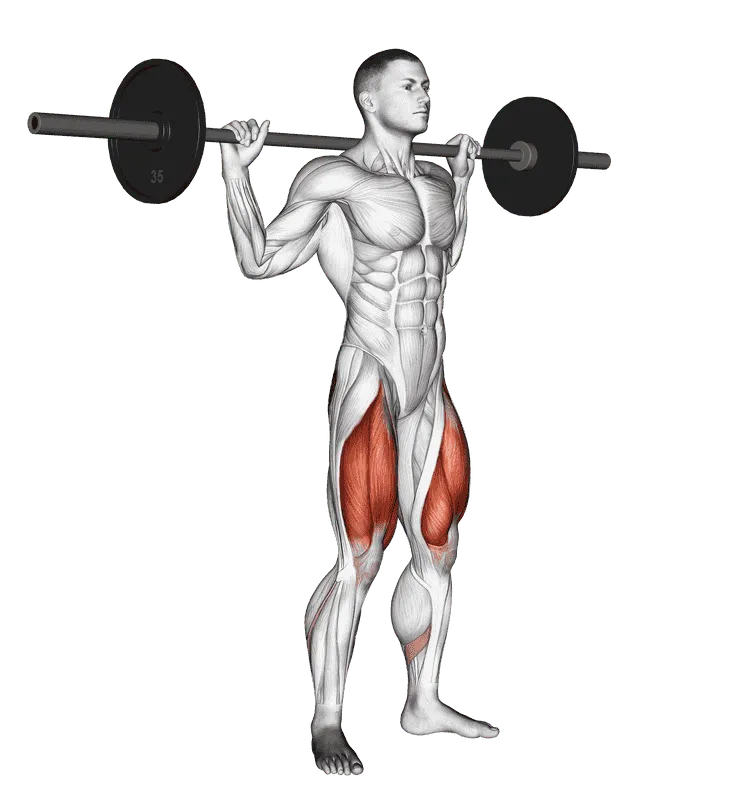
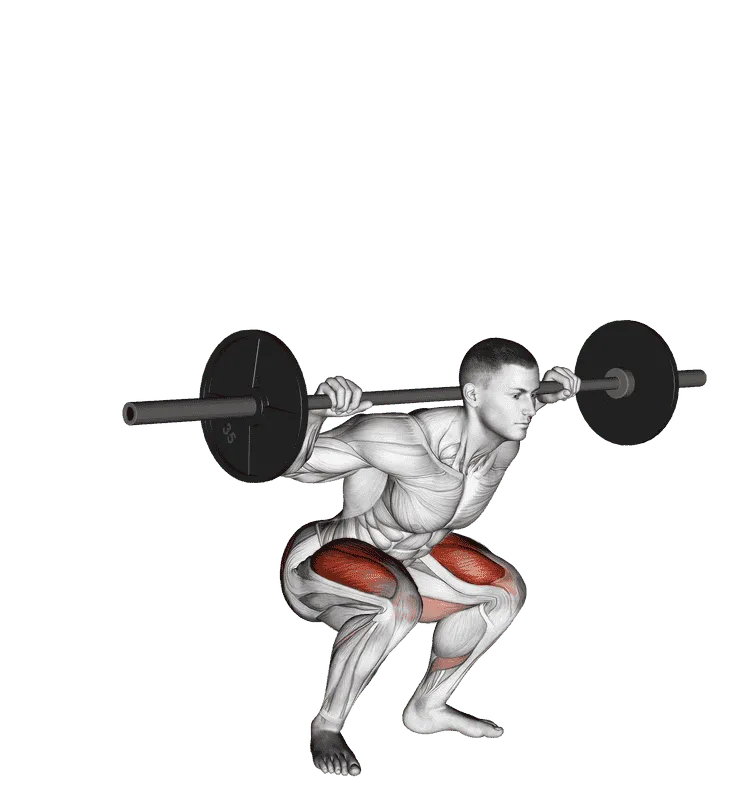
- Sets
- 3–4
- Reps
- 6–8
- Rest
- 120 s
- Tempo
- 3–1–0
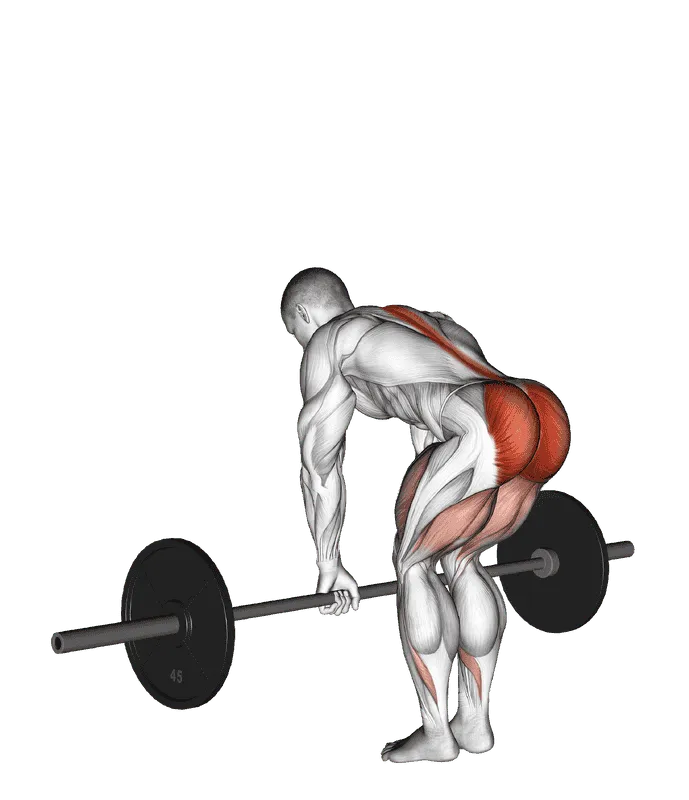
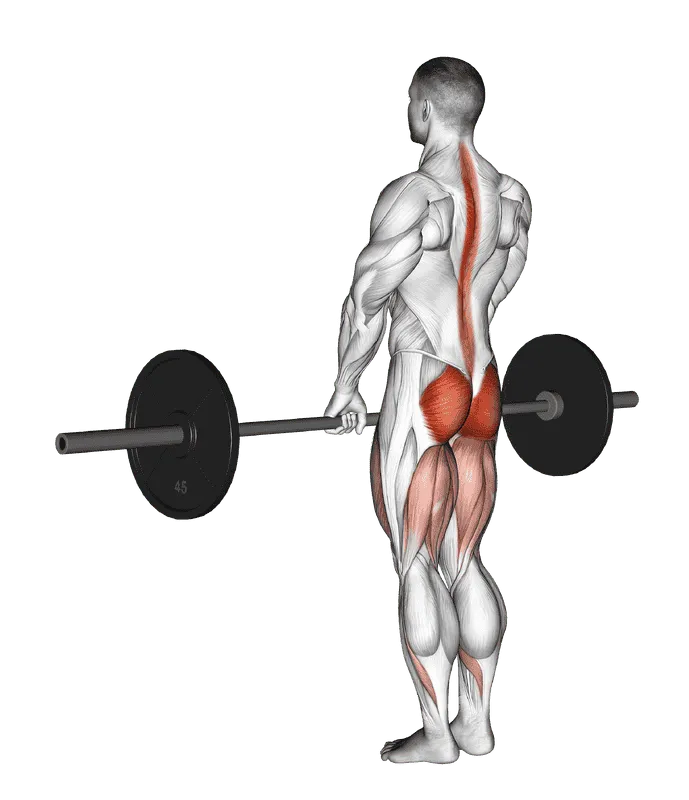
- Sets
- 3
- Reps
- 8–10
- Rest
- 90 s
- Tempo
- 3–1–1
To structure your training efficiently during this phase, pair your reverse diet with an evidence-based training split such as the 8-Week Advanced Fat Loss System for conditioning or transition into the 8‑Week Muscle Mass Accelerator to begin building serious lean tissue.
How to Read the Scale: Water, Glycogen, and True Fat Gain
The psychological hurdle of reverse dieting is managing the inevitable fluctuations on the bathroom scale. Many individuals panic and prematurely slash calories because they misinterpret normal physiological fluid shifts as adipose regain.
Understanding the 1:3 Glycogen-to-Water Ratio
Every single gram of glucose stored in skeletal muscle and liver tissue as glycogen binds between 3 and 4 grams of intracellular water.
When you increase your carbohydrate intake by 50 to 100 grams per day, your depleted muscle tissue absorbs this glucose like a sponge. Storing 300 to 400 grams of new glycogen across your muscular system pulls an accompanying 900 to 1,600 grams of water into the muscle cells. As a result, the scale can easily jump by 1.2 to 2.0 kilograms (2.5 to 4.5 pounds) in the first 7 to 10 days of a reverse diet.
This intracellular water retention is entirely benign; in fact, it is anabolic. It increases cellular volume, improves muscular firmness, enhances gym performance, and does not represent a single gram of stored adipose fat.
The Diagnostic Decision Matrix
To navigate the scale without emotional bias, rely on weekly averages and objective body measurements:
- Calculate 7-Day Rolling Averages: Weigh yourself every morning after waking and using the restroom, before consuming water or food. Sum the seven numbers and divide by 7. Compare weekly averages, never isolated daily weigh-ins.
- Measure Waist Circumference Weekly: Measure at the narrowest point of your torso and at the level of the umbilicus once per week. If your scale weight increases by 1 kg but your waist circumference remains unchanged or decreases, you are storing intracellular water and glycogen while muscle tissue swells, so continue your reverse progression. Conversely, if your scale weight increases by more than 0.5 kg for two consecutive weeks and your waist circumference increases by more than 1 cm, you have surpassed your current maintenance threshold and are accumulating adipose tissue. In that scenario, hold your calories at their current level for 2 to 3 weeks until your weight stabilizes and your metabolic rate adapts before considering further additions.
When to Stop Reverse Dieting: Transitioning to Maintenance or a Lean Bulk
A reverse diet is an intermediary phase, not a permanent lifestyle. It is designed to navigate the metabolic chasm between a deficit and long-term nutritional stability. You should conclude your reverse diet when you achieve the following milestones:
- Hormonal and Vitality Markers Have Normalized: Your energy levels are robust, sleep quality has deepened (see our guide to sleep and muscle growth), brain fog has cleared, and natural libido and menstrual function have completely returned.
- Hunger Cravings Are Subdued: The constant, obsessive preoccupation with food has diminished, replaced by predictable, healthy appetite cues.
- You Have Reached a Healthy, Sustainable Maintenance: You are consuming a robust amount of daily calories (e.g., 2,200 to 2,800 kcal depending on body size and activity) while your body weight remains stable within a 1-kilogram band.
At this junction, you have successfully repaired your metabolic rate and broken the cycle of weight regain. You can choose to remain at this new maintenance level indefinitely, or transition smoothly into a lean bulking phase by introducing a deliberate 200 to 300 calorie surplus to prioritize maximal hypertrophy, as detailed in our comprehensive breakdown of bulking vs. cutting.
Frequently asked questions
Will reverse dieting make me gain weight immediately?
You will likely notice a 1 to 2 kilogram increase on the scale within the first week or two, but this is almost exclusively intracellular water and glycogen binding within your muscle tissue. Because each gram of stored glycogen binds roughly 3 to 4 grams of water, this initial weight reflects fuller, better-hydrated muscles rather than body fat.
How long should a reverse diet take?
A typical reverse diet lasts between 6 and 12 weeks, depending on the severity and duration of your previous calorie deficit. If you followed a moderate cut, 6 to 8 weeks is usually sufficient to return to maintenance calories; if you completed an extreme physique contest prep, a conservative reverse may take 12 to 16 weeks.
Can I jump straight to my calculated maintenance calories instead of reverse dieting?
Yes, this is known as the rapid metabolic jump protocol. If you are experiencing severe hormonal suppression, chronic exhaustion, or amenorrhea, jumping immediately to your estimated maintenance is often preferable. However, expect a sharper initial spike in water weight and ensure you do not overshoot into an uncontrolled surplus.
What should I do if my weight spikes dramatically during a reverse diet?
If your weekly average weight increases by more than 0.5 to 1 kilogram for two consecutive weeks—accompanied by an increase in waist circumference—pause your caloric increases. Hold your current caloric intake steady for two to three weeks to allow your metabolic rate and NEAT to adapt to the new energy level before adding further calories.
Do I need to continue tracking macros strictly while reverse dieting?
Yes. Because reverse dieting involves systematic, precise weekly adjustments of 50 to 150 calories, tracking your macronutrients with a digital food scale is essential. Eyeballing portions during a reverse diet easily introduces a 300-calorie margin of error, which can cause unwanted fat accumulation before your metabolic rate has fully recovered.
Sources
- Trexler ET, Smith-Ryan AE, Norton LE. Metabolic adaptation to weight loss: implications for the athlete. Journal of the International Society of Sports Nutrition. 2014;11(1):7. doi.org/10.1186/1550-2783-11-7 ↩