If you have ever downed a pre-workout drink and felt an intense, prickling sensation creeping across your face, ears, and neck within fifteen minutes, you have encountered beta-alanine. In the fitness industry, this sensation—known clinically as paresthesia—is often treated as a marketing gimmick to make lifters feel that their supplement is kicking in. Yet beneath this harmless tingling lies one of the most rigorously researched, clinically validated performance supplements in sports science.
Beta-alanine is not a direct stimulant, and it does not build contractile muscle protein on its own. Instead, it serves as the physiological rate-limiting precursor to carnosine, a dipeptide heavily concentrated inside human skeletal muscle tissue. By elevating intramuscular carnosine concentrations by 40 to 80 percent, beta-alanine functions as an intracellular acid buffer.[1] It neutralizes accumulating hydrogen ions during exhaustive muscular contractions, delaying neuromuscular fatigue and allowing you to grind out extra repetitions during high-intensity training.
Whether your goal is maximizing muscle hypertrophy through high-rep drop sets, crushing high-intensity interval training (HIIT), or breaking plateaus on grueling compound movements, mastering beta-alanine supplementation can transform your training capacity. Here is the definitive, research-backed guide to how beta-alanine works, who truly benefits from it, how to dose it for maximum cellular saturation, and how to prevent the tingles completely.
The Cellular Science: How Carnosine Buffers Muscular Fatigue
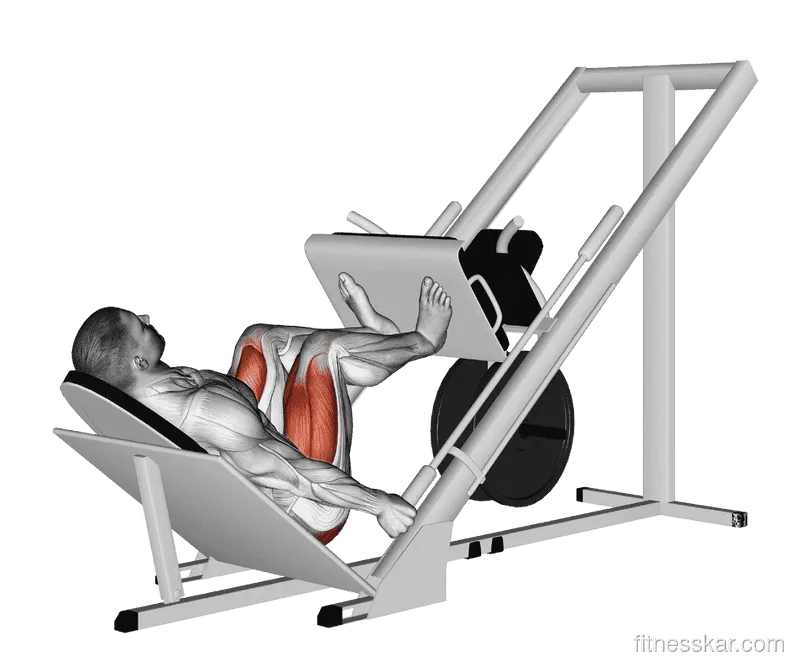
To understand why beta-alanine is so potent, you must look at what happens inside your muscle fibers when you push a set to muscular failure. Whenever you perform demanding resistance exercises like the sled 45° leg press or barbell full squat, your muscle cells demand rapid adenosine triphosphate (ATP) resynthesis to power cross-bridge cycling.
While your phosphagen system provides instantaneous energy for the first 5 to 10 seconds of maximal effort, any sustained set lasting beyond 15 seconds forces your body to rely primarily on fast anaerobic glycolysis. During this metabolic pathway, glycogen is broken down into pyruvate to rapidly produce ATP.
This state of intracellular acidosis sabotages muscle performance through three distinct biochemical mechanisms:
- Inhibition of Glycolytic Enzymes: The drop in pH directly inhibits phosphofructokinase (PFK), the principal rate-limiting enzyme governing glycolysis. When PFK is suppressed, your cells cannot break down glucose rapidly enough to resynthesize ATP, causing a severe cellular energy crisis.
- Impairment of Calcium Release and Binding: Muscle contraction requires calcium ions ($Ca^{2+}$) to be released from the sarcoplasmic reticulum and bind to troponin C, pulling tropomyosin aside so actin and myosin can connect. Excess hydrogen ions competitively bind to troponin C and blunt sarcoplasmic reticulum calcium release, severely diminishing force production.
- Disruption of Cross-Bridge Cycling: Acidosis slows the rate of cross-bridge detachment and ADP release, leaving the muscle fiber unable to cycle through explosive contractions.
This is where carnosine steps in. Carnosine (beta-alanyl-L-histidine) is an intracellular dipeptide consisting of two amino acids: L-histidine and beta-alanine. Carnosine possesses an imidazole ring with a chemical dissociation constant ($pK_a$) of approximately 6.83. Because this $pK_a$ sits directly within the physiological pH range of exercising skeletal muscle, carnosine acts as a molecular proton sponge. It absorbs incoming $H^+$ ions, blunting the drop in pH and preserving muscular contractility far longer into an exhaustive set.[1]

- Sets
- 3–4
- Reps
- 12–15
- Rest
- 90 s
- Tempo
- 3–0–1
Why Not Supplement with Carnosine Directly?
If carnosine is the active buffer, lifters naturally wonder why they cannot simply take oral carnosine pills. The answer lies in human digestive enzymatic pathways.
When you consume pure carnosine orally, it enters the gastrointestinal tract and blood circulation, where it encounters the enzyme serum carnosinase (CN1). Carnosinase instantly hydrolyzes the dipeptide back into its constituent amino acids: L-histidine and beta-alanine. Only a negligible fraction of intact carnosine ever reaches skeletal muscle tissue intact, making oral carnosine supplementation biologically inefficient and financially wasteful.
Furthermore, within your skeletal muscle tissue, L-histidine is present in vast, saturating physiological concentrations. Beta-alanine, on the other hand, exists in extremely scarce quantities. As a consequence, beta-alanine is the rate-limiting substrate for the enzyme carnosine synthase.
When you supplement with exogenous beta-alanine, it easily bypasses serum carnosinase, enters the muscle cell via specific sodium- and chloride-dependent taurine/beta-alanine transporters (TauT and PAT1), and joins with abundant intracellular histidine to synthesize new carnosine.[1] Research demonstrates that dietary beta-alanine supplementation increases muscle carnosine content by 40% to 60% within 4 to 6 weeks, and up to 80% with sustained 10-week protocols.
The Performance Window: Who Actually Benefits?
One of the most critical aspects of sports nutrition is matching the supplement to the exact metabolic demands of your sport. Beta-alanine is not a universal performance enhancer for every type of physical exertion. A comprehensive meta-analysis of over 40 clinical trials established that beta-alanine exhibits an unambiguous performance window:[1]
| Duration of Maximal Effort | Primary Energy System | Impact of Beta-Alanine | Practical Athletic Examples |
|---|---|---|---|
| 0 to 60 seconds | Phosphagen (ATP-CP) & early glycolysis | Negligible to Minimal | 1RM to 5RM powerlifting, Olympic weightlifting, 60m sprint |
| 60 to 240 seconds | High-Rate Anaerobic Glycolysis | Substantial (Peak Ergogenic Window) | 12–20+ rep hypertrophy sets, drop sets, 400m–800m track, 200m swim |
| 240 to 600+ seconds | Mixed Glycolytic and Aerobic Respiration | Moderate to Meaningful | 2000m rowing, combat sports rounds, CrossFit metcons |
| > 10 minutes | Pure Aerobic Metabolism | Negligible | Long-distance running, road cycling, marathon training |
How Bodybuilders and Hypertrophy Lifters Benefit
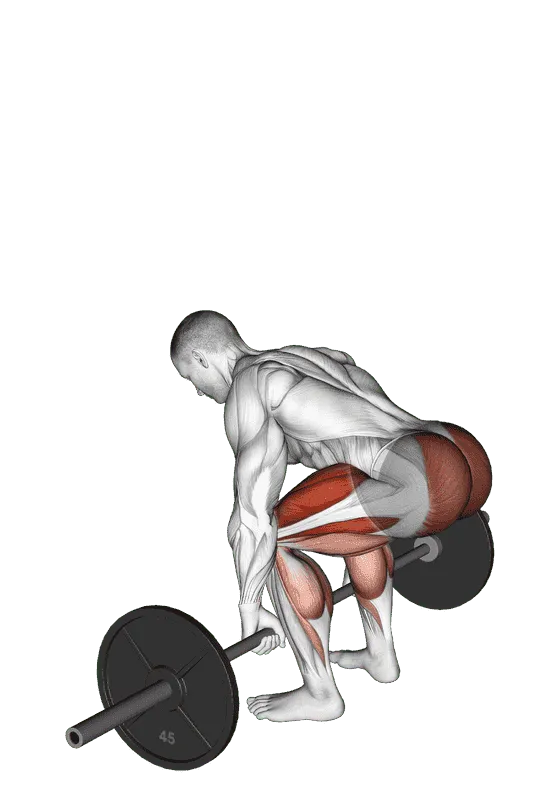
If your workouts consist solely of heavy triples or 5-rep sets with 4 minutes of rest—such as during a strict strength block focusing on the barbell deadlift—hydrogen ion accumulation is rarely the limiting factor terminating your set; central nervous system fatigue and mechanical tension dominate.
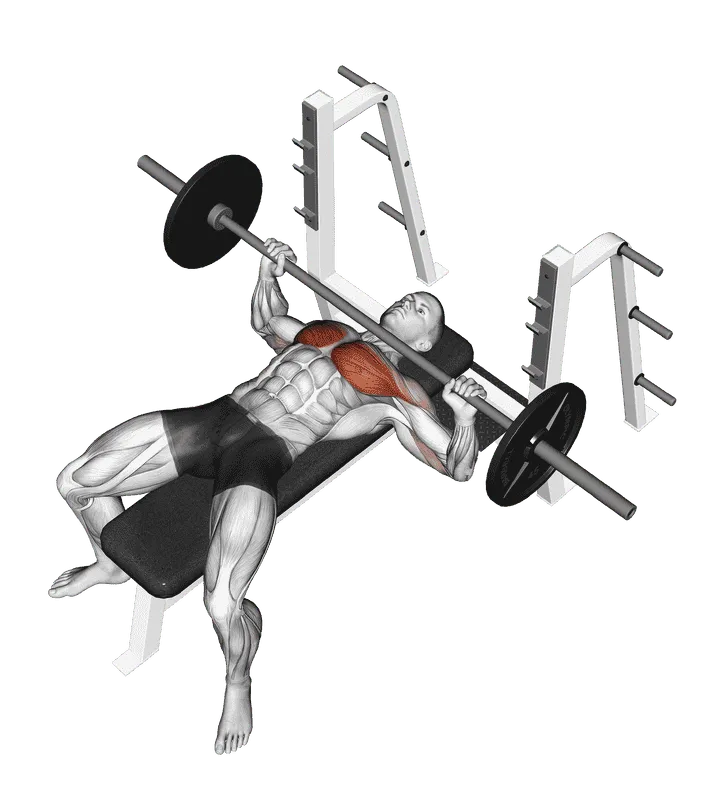
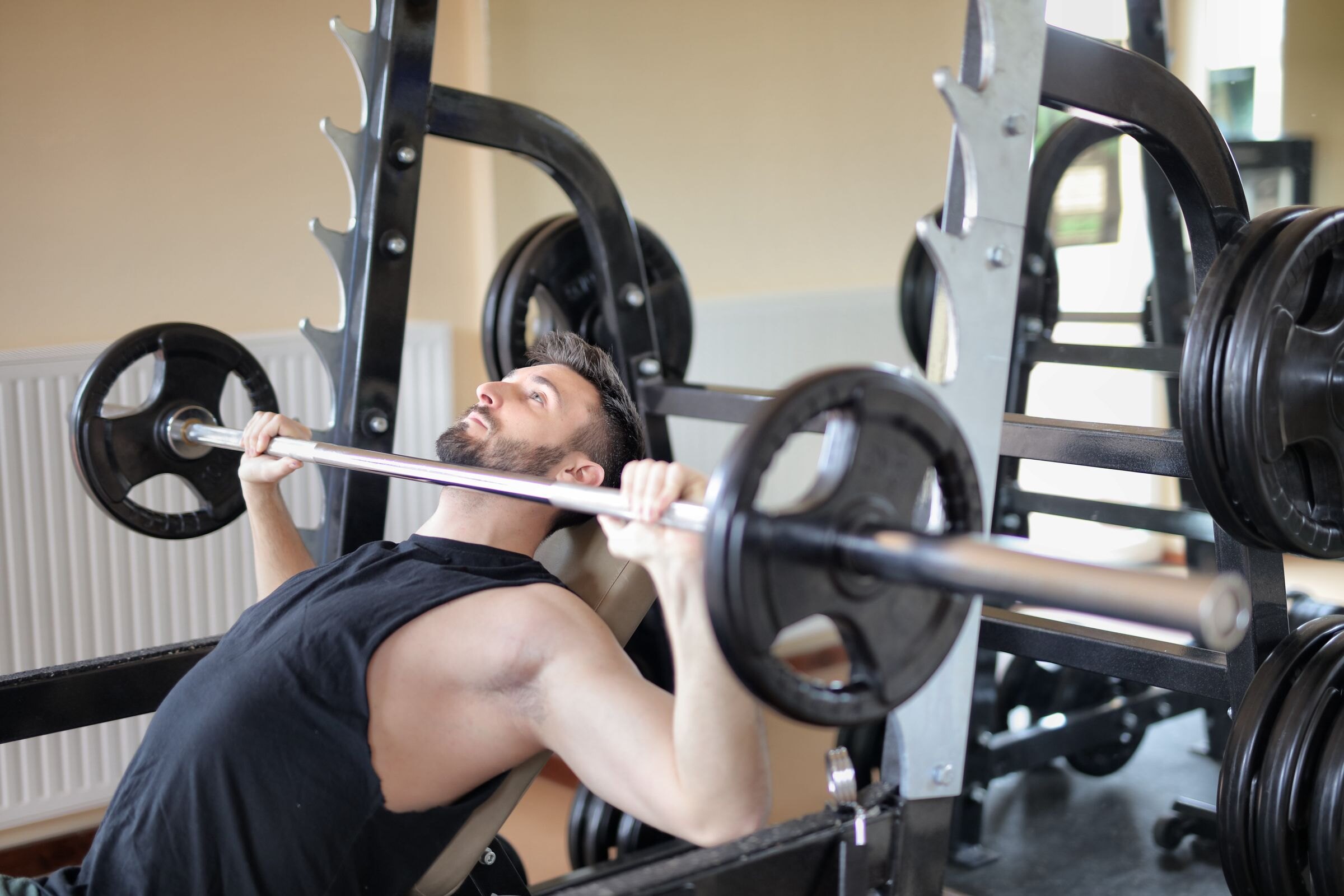
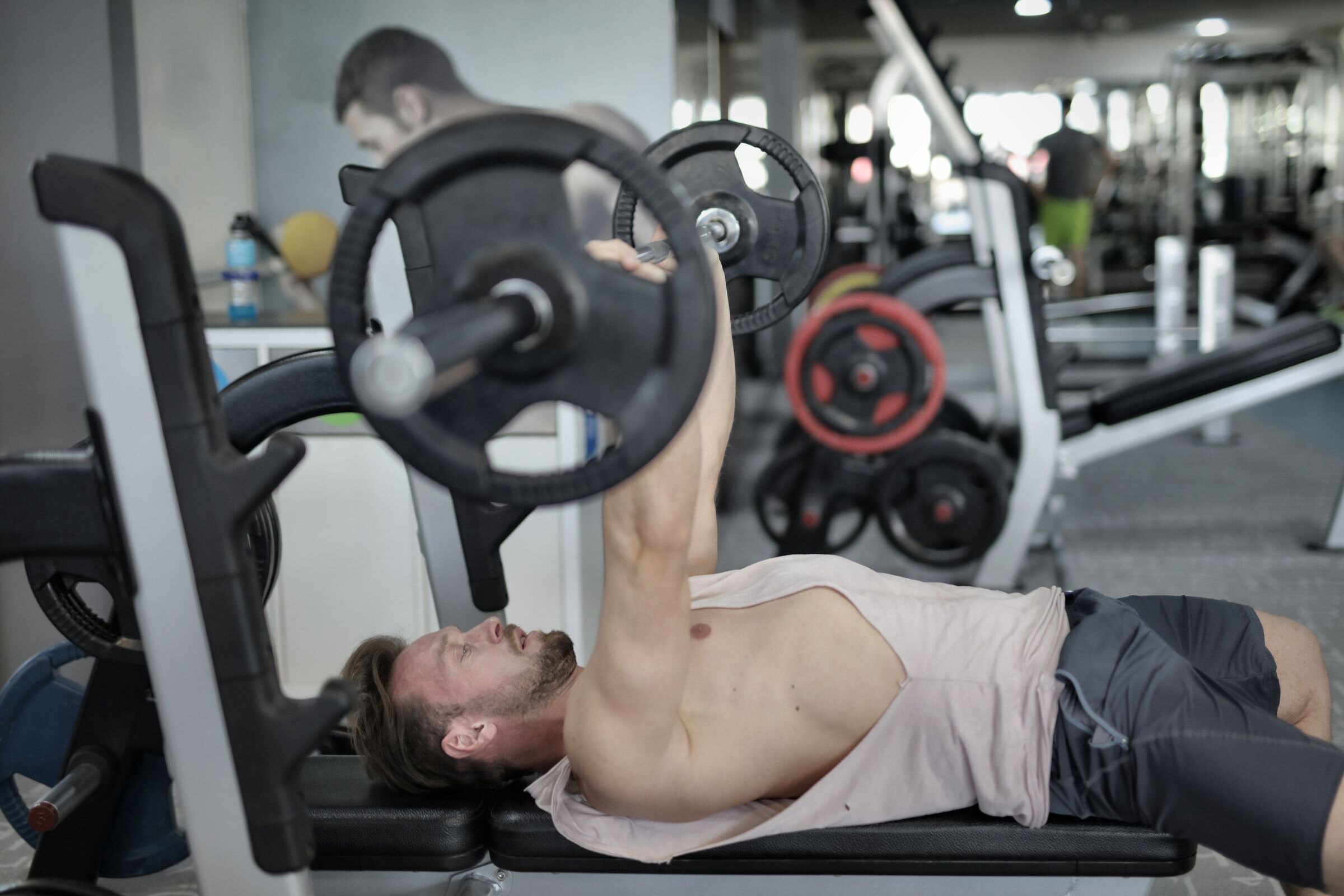
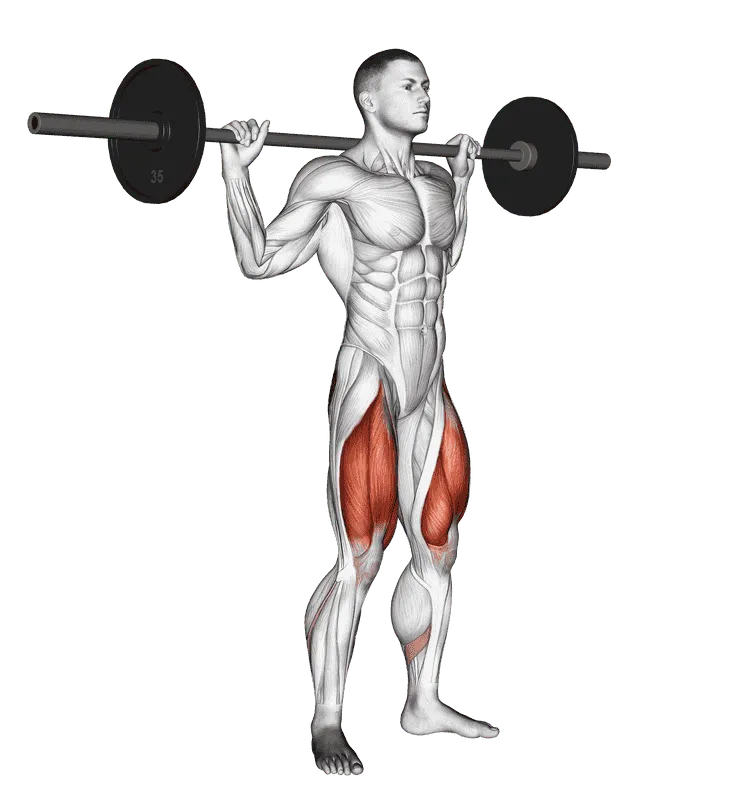
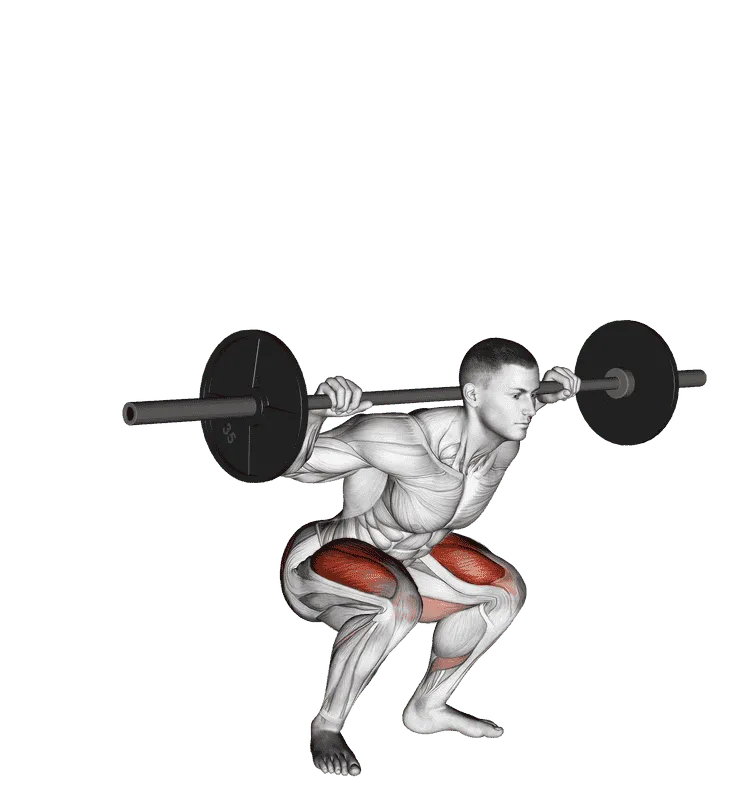
However, modern hypertrophy science proves that muscle growth is maximized by accumulating high-quality volume across diverse repetition spectrums, including moderate to high rep ranges (8 to 15+ reps) taken close to concentric failure. When executing high-tension movements like barbell full squats, dumbbell lunges, or the barbell bench press to near-failure, intramuscular acidosis creates intense pain and premature contractile cessation.
- Sets
- 3–4
- Reps
- 8–12
- Rest
- 120 s
- Tempo
- 3–1–1
By expanding your intracellular buffering capacity, beta-alanine allows you to achieve 1 to 3 additional high-quality repetitions at the end of a demanding set before acidosis shuts down motor unit firing.[1] Over weeks and months of progressive overload, those extra repetitions represent thousands of pounds of added mechanical volume and greater metabolic stress—two vital drivers of myofibrillar hypertrophy.
To learn more about optimizing your proximity to muscular failure, read our detailed guide on training to failure.
Understanding Paresthesia: Why Does Beta-Alanine Cause Tingling?
No discussion of beta-alanine is complete without addressing the infamous "tingles." Clinically termed paresthesia, this sensation feels like harmless pins, needles, or mild itching across the skin, primarily concentrated on the face, forehead, hands, and upper torso.
The Neurobiological Mechanism
For decades, the exact biological trigger behind paresthesia remained a mystery. In recent years, neuroscientists discovered that beta-alanine activates a specific family of sensory receptors known as MrgprD (Mas-related G-protein coupled receptor member D).
These receptors are expressed almost exclusively on non-peptidergic, small-diameter primary sensory neurons situated within the dorsal root ganglia. These sensory nerves terminate directly in the epidermal layers of human skin. When a sudden surge of beta-alanine enters the bloodstream and binds to MrgprD receptors, it triggers localized action potentials in cutaneous sensory nerves, which the brain interprets as a prickling or tingling sensation.
How to Stop the Tingles Completely
While some lifters enjoy the psychological sensation before stepping onto the gym floor, others find it uncomfortable or distracting. If you want the full performance benefits of beta-alanine without any paresthesia, use these two simple strategies:
- Split Your Daily Dose: Paresthesia is dose-dependent and triggered only when plasma beta-alanine concentrations spike rapidly. A single dose of 1.6 grams or less rarely triggers detectable MrgprD receptor stimulation. By splitting your daily 3.2 to 6.4 g intake into 2 to 4 smaller servings (e.g., 1.6 g morning, lunch, and dinner), you prevent the plasma spike while maintaining identical muscle saturation.
- Use Sustained-Release (SR) Formulations: Sustained-release tablets release beta-alanine gradually into the bloodstream over several hours, keeping plasma levels below the threshold of sensory nerve activation while achieving identical muscle carnosine loading.
Dosing Protocol and Saturation Kinetics
Unlike caffeine, which exerts immediate central nervous system stimulation within 45 minutes of consumption, beta-alanine is an accumulative supplement, functioning almost identically to creatine monohydrate.
Consuming beta-alanine 30 minutes before your workout has zero acute impact on muscle carnosine levels during that training session. Performance improvements depend entirely on elevating your total intramuscular carnosine pool over weeks of consistent daily supplementation.
The Cumulative Loading Model
Extensive dose-response investigations demonstrate that muscle carnosine accumulation is directly proportional to your cumulative ingested dose.[1]
To achieve an optimal 40% to 60% elevation in muscle carnosine, an athlete needs a total cumulative intake of approximately 179 grams of beta-alanine. How quickly you reach that threshold depends on your chosen daily dosage:
| Protocol Stage | Daily Dosage | Serving Strategy | Duration | Objective & Saturation Level |
|---|---|---|---|---|
| Standard Loading | 3.2 to 4.0 g / day | 2 servings of 1.6–2.0 g (morning & evening) | 6 to 8 weeks | Reaches ~179 g cumulative dose; 40–50% carnosine increase |
| Rapid Loading | 6.4 g / day | 4 servings of 1.6 g (spaced 3–4 hours apart) | 4 weeks | Accelerated saturation; 60–65% carnosine increase; ideal for upcoming competition |
| Maintenance Phase | 1.2 to 2.4 g / day | 1 serving daily with any meal | Indefinite | Prevents carnosine washout; maintains elevated intramuscular buffering |
| Washout (if ceased) | 0 g / day | None | 6 to 15 weeks | Muscle carnosine gradually returns to pre-supplementation baseline (~2% drop per week) |
Should You Take Beta-Alanine with Meals?
Yes. Co-ingesting beta-alanine with a carbohydrate- or protein-rich meal significantly enhances muscle carnosine retention. Insulin secretion stimulated by dietary carbohydrates and amino acids upregulates sodium-potassium pump activity, accelerating the transport of beta-alanine into skeletal myocytes via sodium-dependent TauT transporters.
Synergistic Stacking: Creatine, Caffeine & Sodium Bicarbonate
While beta-alanine is an exceptional standalone ergogenic aid, combining it strategically with complementary sports supplements produces additive, multi-pathway performance enhancements:
1. The Creatine-Beta-Alanine Power Stack
Creatine and beta-alanine represent the ultimate bioenergetic combination for strength and physique athletes.
- Creatine monohydrate saturates phosphocreatine stores, fueling maximal, explosive muscular contractions during the first 1 to 10 seconds of effort.
- Beta-alanine takes over where creatine leaves off, buffering hydrogen ions when your muscles transition into anaerobic glycolysis (from 15 to 120+ seconds).
By stacking 5 grams of creatine monohydrate with 3.2 to 4.8 grams of beta-alanine daily, you expand your functional work capacity across both primary anaerobic energy systems. Multiple clinical studies have demonstrated that this combination produces greater gains in lean body mass, bench press strength, and training volume than creatine alone.
2. Beta-Alanine and Caffeine
Combining beta-alanine with acute doses of caffeine (3 to 6 mg per kilogram of body weight taken 45 minutes prior to training) pairs central nervous system arousal and motor unit recruitment with peripheral intracellular buffering. While caffeine reduces perceived exertion and blunts central fatigue, carnosine delays peripheral biochemical failure in the muscle fibers themselves. Learn more in our comprehensive analysis of caffeine and exercise.
3. Dual-Compartment Buffering: Sodium Bicarbonate
While carnosine buffers hydrogen ions inside the muscle cell (intracellularly), sodium bicarbonate (baking soda) increases blood bicarbonate concentrations, buffering protons in the extracellular fluid. Stacking beta-alanine with acute pre-workout sodium bicarbonate protocols creates a dual-compartment buffering system that dramatically accelerates proton clearance during high-intensity intervals and sprint repetitions.
Practical Programming: Putting Beta-Alanine to Work
To maximize the physiological benefits of beta-alanine, your resistance training program should strategically incorporate sets that enter the glycolytic fatigue window. Training blocks featuring moderate to high repetitions, short rest intervals, and metabolic finishers will experience the most noticeable performance boost.
Combine beta-alanine supplementation with compound training splits that balance heavy neurological work with high-density hypertrophy sets, such as our four-day training split:
High-Rep Buffering Protocol for Muscle Hypertrophy
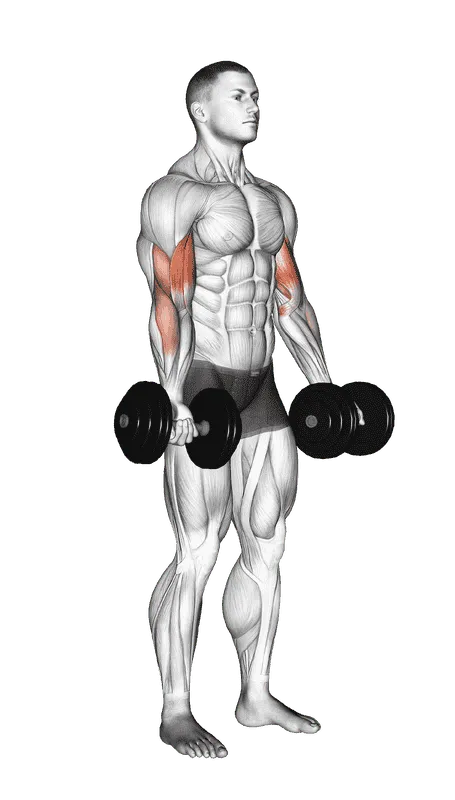
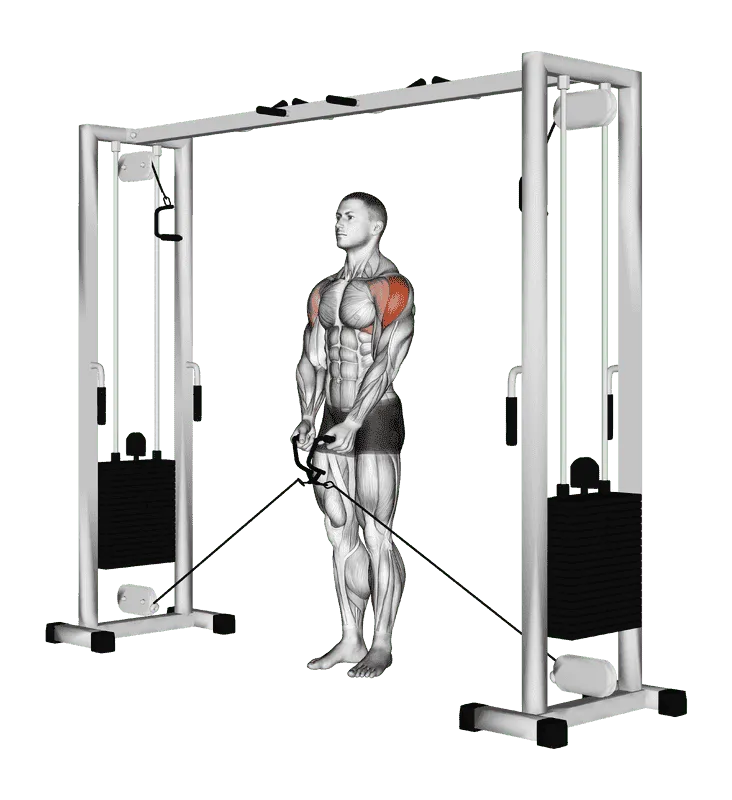
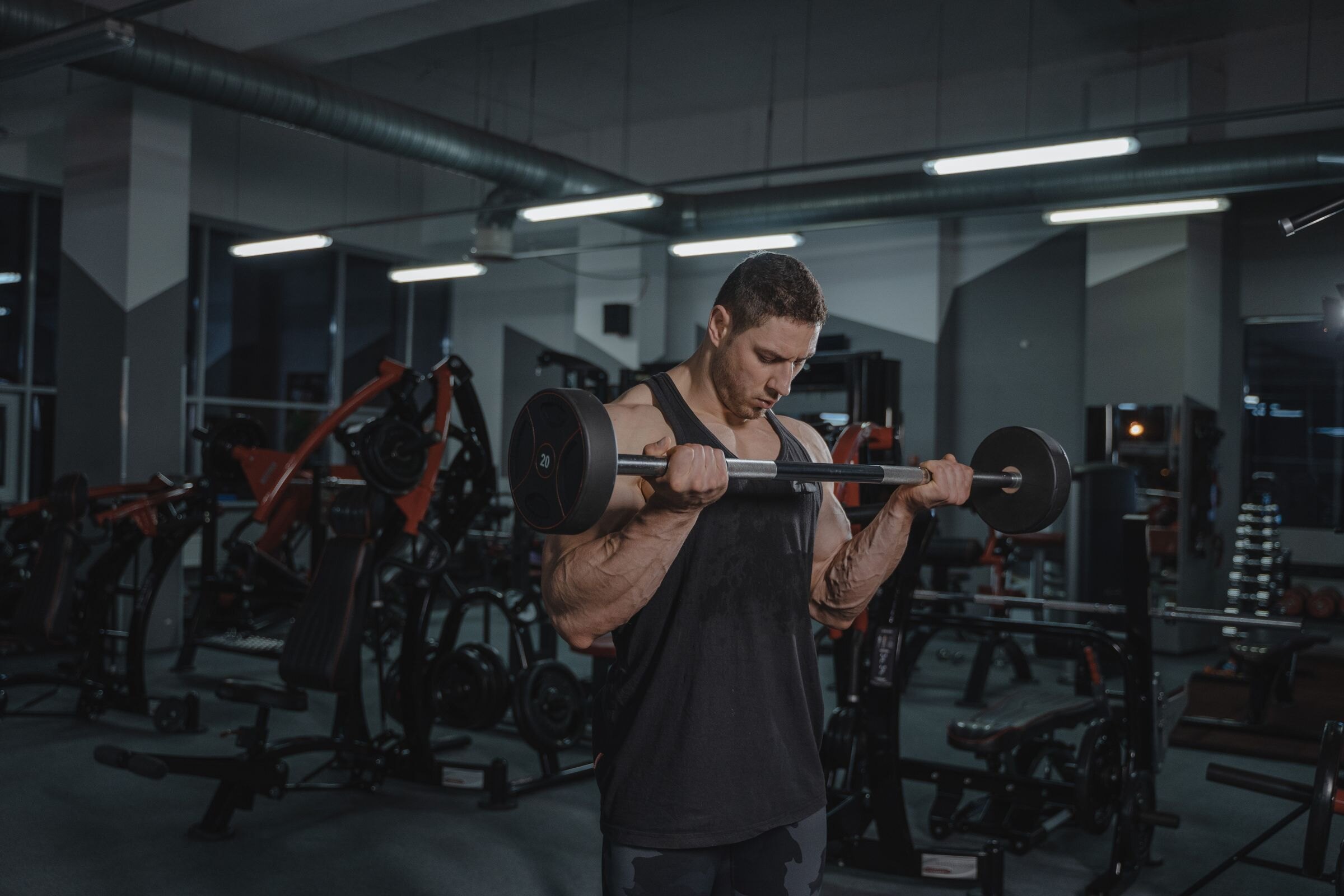
Incorporate this high-density isolation and machine circuit into your upper-body training days. Movements like dumbbell biceps curls and cable lateral raises generate severe local acidosis, allowing beta-alanine to shine:
- Movement 1: Barbell Bench Press — 3 sets of 6–8 reps, 2 minutes rest (Mechanical tension).
- Movement 2: Incline Dumbbell Press — 3 sets of 10–12 reps, 90 seconds rest.
- Movement 3: Cable Lateral Raise — 3 sets of 15–20 reps with a 10-second rest-pause on the final set.
- Movement 4: Dumbbell Biceps Curl — 3 sets of 12–15 reps taken to concentric failure.
For more guidance on systemic post-workout recovery, visit our muscle recovery guide.
Clinical Safety and Long-Term Health Profile
With the exception of harmless, transient paresthesia, beta-alanine boasts an immaculate safety record across human clinical research. Longitudinal trials lasting up to one year of continuous supplementation have reported no adverse alterations in renal markers (creatinine, BUN, eGFR), hepatic enzymes (AST, ALT), or cardiovascular biomarkers.
What About the Taurine Depletion Concern?
A theoretical concern occasionally raised in animal literature involves taurine depletion. Because beta-alanine and taurine share the same cellular transporter (TauT), excessive concentrations of beta-alanine could theoretically compete with taurine uptake, potentially depleting intracellular taurine in cardiac and skeletal tissue.
However, multiple human clinical trials administering up to 6.4 grams of beta-alanine daily for 24 continuous weeks found no measurable reduction in muscle or plasma taurine concentrations, and no signs of cardiac dysfunction or cramping. Human transporter dynamics and dietary taurine intake from meat and seafood maintain robust intracellular homeostasis under standard athletic dosing protocols.
Frequently Asked Questions
Frequently asked questions
Does beta-alanine build muscle directly?
No. Beta-alanine does not directly stimulate muscle protein synthesis like dietary protein. Instead, it elevates muscle carnosine to buffer lactic acid and fatigue, enabling you to complete more reps and volume per workout, which drives long-term hypertrophy.
Do I have to take beta-alanine every day, even on rest days?
Yes. Beta-alanine works through chronic muscle saturation, similar to creatine. You must take it every day—including rest days—to maintain elevated muscle carnosine concentrations.
How long does it take for beta-alanine to work?
Noticeable performance improvements typically appear after 2 to 4 weeks of consistent daily supplementation (once cumulative intake surpasses roughly 100 grams), peaking around weeks 6 to 10 at approximately 179 grams of total intake.
Can I take beta-alanine if I hate the tingling feeling?
Absolutely. To eliminate the tingling sensation completely, split your daily dose into 2 to 4 smaller servings of 1.2 to 1.6 grams taken throughout the day, or switch to sustained-release beta-alanine tablets.
Sources
- Saunders B, Elliott-Sale K, Artioli GG, et al. β-alanine supplementation to improve exercise capacity and performance: a systematic review and meta-analysis. British Journal of Sports Medicine. 2017. doi.org/10.1136/bjsports-2016-096396 ↩