In the hierarchy of physique nutrition, dietary protein rightfully commands the spotlight. Lifters track every gram of chicken breast, whey, and egg whites to ensure their muscles have the amino acid building blocks required for repair. Yet when it comes to fuel, an intense ideological debate persists across gym locker rooms and social feeds: are carbohydrates for muscle growth truly mandatory, or can you build an elite physique on a low-carbohydrate or ketogenic diet?
The physiological reality is unequivocal: while dietary protein provides the raw structural substrate for tissue remodeling, dietary carbohydrates provide the high-energy fuel that powers high-volume, high-tension resistance training. Intensive weight training relies almost exclusively on the fast anaerobic glycolytic energy system. Depriving your body of dietary carbohydrates compromises muscular glycogen stores, reduces repetition performance during high-effort sets, degrades barbell velocity, and attenuates cellular anabolic signaling.
Understanding how to strategically calibrate your carbohydrate intake transforms your training performance and body composition. Here is an exhaustive, research-backed masterclass on carbohydrate physiology, optimal daily gram targets per kilogram of body weight, workout nutrient timing, and the highest-yield whole food carbohydrate sources for athletes.
The Bioenergetics of Lifting: Why Muscle Glycogen Drives Hypertrophy
To understand why carbohydrates are indispensable for maximizing muscle hypertrophy, we must look at how working skeletal muscle fibers produce cellular energy during resistance exercise.
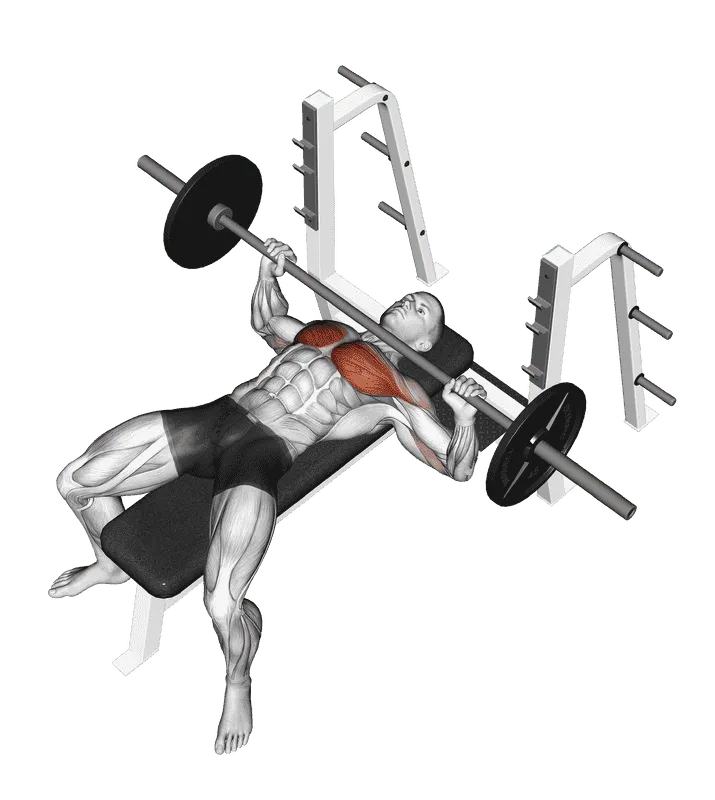
During a heavy set of barbell squats or barbell bench presses, your motor units contract with intense force over a 20- to 60-second window. At this high exercise intensity, oxidative phosphorylation (aerobic metabolism utilizing fatty acids) is far too slow to meet the sky-high cellular demand for adenosine triphosphate (ATP). Instead, your muscle fibers rely almost entirely on anaerobic glycolysis—the rapid enzymatic breakdown of intracellular glucose-6-phosphate derived directly from stored intramuscular glycogen.
When you enter a training session with chronically depleted glycogen stores, several physiological detriments occur simultaneously:
- Premature Fatigue in the Effective Repetition Window: The last 3 to 5 repetitions of a challenging set—the "stimulating repetitions" that recruit high-threshold motor units and produce the greatest mechanical tension—are the first to suffer when intracellular glycogen is compromised.
- Reduced Total Work Capacity: A lifter who could ordinarily complete 4 sets of 10 repetitions on the barbell bent-over row might manage 10 reps on set one, but drop to 7, 6, and 5 reps on subsequent sets due to impaired ATP resynthesis.
- Elevated Central and Peripheral Perception of Effort: Glycogen depletion amplifies subjective Ratings of Perceived Exertion (RPE), making submaximal loads feel disproportionately punishing.
- Blunted Intracellular Anabolic Signaling: Intracellular glycogen acts as an energy sensor within myocytes. Depleted glycogen states activate 5'-adenosine monophosphate-activated protein kinase (AMPK), an enzyme that acts as a cellular fuel gauge. High AMPK activity inhibits the mechanistic target of rapamycin complex 1 (mTORC1), downregulating muscle protein synthesis.
A comprehensive 2022 systematic review by Henselmans and colleagues analyzing 49 resistance training studies confirmed that while single-set maximum strength (1RM) can often be maintained with lower carbohydrate intakes, multi-set resistance training performance and total training volume capacity are consistently preserved or improved with adequate carbohydrate availability.[1]

Insulin and Muscle Protein Balance: Separating Myth from Physiology
For decades, bodybuilding culture promoted the concept of the "post-workout insulin spike," asserting that massive doses of simple carbohydrates were mandatory immediately post-workout to shuttle amino acids into muscle cells and drive muscle protein synthesis. Modern exercise physiology reveals a more nuanced, yet equally valuable, mechanism.
The Direct Effect: Amino Acids Drive Synthesis, Not Insulin
Clinical tracer studies demonstrate that amino acids—specifically the essential amino acid L-leucine—are the primary trigger for stimulating muscle protein synthesis (MPS). When you consume adequate high-quality dietary protein (yielding 2.5 to 3.5 grams of leucine), MPS is elevated to near-maximal levels regardless of whether carbohydrates or insulin are present. As detailed in our guide on protein for muscle gain, elevating serum insulin beyond modest basal levels (approximately 15–30 mU/L, easily reached with a standard protein shake or mixed meal) does not further accelerate the fractional synthetic rate of contractile myofibrillar proteins.
The True Anabolic Power of Insulin: Suppressing Protein Breakdown
Net muscle protein balance is governed by a fundamental dynamic equilibrium:
$$\text{Net Protein Balance} = \text{Muscle Protein Synthesis (MPS)} - \text{Muscle Protein Breakdown (MPB)}$$
While insulin does not supercharge MPS above baseline protein stimulation, insulin is the most potent physiological suppressor of muscle protein breakdown (MPB). In the post-exercise state, MPB is naturally elevated due to microstructural cellular damage and elevated cortisol. When you consume dietary carbohydrates alongside your protein, the resultant insulin secretion suppresses MPB by up to 50%.
By curbing protein degradation while protein elevates protein synthesis, dietary carbohydrates create a significantly more favorable net anabolic environment. Furthermore, carbohydrates spare dietary amino acids from being deaminated and oxidized as glucose via hepatic gluconeogenesis, ensuring that incoming dietary protein is partitioned strictly toward muscle tissue repair.
Daily Carbohydrate Requirements for Lifters: The Volume-Calibrated Model
Generic dietary guidelines recommending 45% to 65% of daily calories from carbohydrates often fail athletes because they do not account for absolute body weight or specific training volume. In sports nutrition, carbohydrate needs are calculated as grams per kilogram of body weight per day (g/kg/day).
Your precise carbohydrate requirement depends on three primary variables:
- Weekly Training Volume: Trainees performing 12 to 20 hard sets per muscle group across a structured full-body workout split demand substantially more carbohydrate fuel than those performing low-volume minimalist routines.
- Energy Balance Phase: During a caloric surplus (hypertrophic bulking), high carbohydrate intakes fuel peak gym performance and maximize muscle fullness. During a caloric deficit (cutting), carbohydrates must be strategically balanced against higher protein targets, as outlined in our guide on how to set your macros.
- Cardiovascular & Daily Non-Exercise Activity (NEAT): Athletes who combine heavy lifting with conditioning, sprint intervals, or physical occupations burn substantially more glycogen daily.
The table below outlines optimal daily carbohydrate targets based on training demands:
| Athletic Training Profile | Daily Volume & Activity | Recommended Daily Intake (g/kg) | Recommended Daily Intake (g/lb) | Example Target: 75 kg (165 lb) Lifter | Example Target: 90 kg (198 lb) Lifter |
|---|---|---|---|---|---|
| Low Volume / Rest Days | 0–6 sets, sedentary desk work | 2.5–3.5 g/kg | 1.1–1.6 g/lb | 190–260 g | 225–315 g |
| Moderate Volume / Standard Hypertrophy | 8–16 working sets, 45–60 min lifting | 3.5–5.0 g/kg | 1.6–2.3 g/lb | 260–375 g | 315–450 g |
| High Volume / Dedicated Bodybuilding | 16–25 working sets, 75–90 min lifting | 5.0–6.5 g/kg | 2.3–3.0 g/lb | 375–490 g | 450–585 g |
| Two-a-Day / Concurrent Endurance Training | Lifting plus intense HIIT or sports | 6.5–8.0+ g/kg | 3.0–3.6+ g/lb | 490–600 g | 585–720 g |
Strategic Nutrient Timing: Fueling and Replenishing Glycogen
While total daily carbohydrate intake accounts for roughly 80% of your physiological adaptations, nutrient timing provides the critical 20% competitive edge for workout stamina, cellular hydration, and recovery speed.
1. Pre-Workout Nutrition: The Priming Window
The primary objective of pre-workout nutrition is to top off liver glycogen, sustain normal circulating blood glucose, and provide steady cellular energy without causing digestive distress.
- The Main Pre-Workout Meal (2 to 3 Hours Before): Consume 1.0 to 1.5 g/kg of complex, low-to-moderate glycemic carbohydrates paired with 25 to 40 grams of lean protein and minimal dietary fat (under 10–15 grams to avoid delayed gastric emptying). Examples include rolled oats with whey protein and sliced banana, or jasmine rice with grilled chicken breast.
- The Pre-Workout Snack (30 to 60 Minutes Before): If you train early in the morning or several hours after your last meal, consume 25 to 40 grams of rapid-digesting, low-fiber carbohydrates. High-glycemic fruits like ripe bananas, Medjool dates, cream of rice, or rice cakes provide immediate circulating glucose with zero gastrointestinal heaviness. For detailed timing strategies, review our breakdown of pre- and post-workout nutrition.


- Sets
- 3–4
- Reps
- 6–8
- Rest
- 180 s
- Tempo
- 3–1–1
2. Intra-Workout Carbohydrates: When Are They Necessary?
For the vast majority of gym sessions lasting under 60 minutes, plain water and electrolytes are entirely sufficient. Intramuscular glycogen stores established in the preceding 24 hours comfortably fuel that volume.
However, intra-workout carbohydrate supplementation becomes highly advantageous when:
- Your lifting session exceeds 75 to 90 minutes of high-density training.
- You train in an early-morning fasted state.
- You perform two workouts in a single calendar day (e.g., morning lifting and evening conditioning).
In these scenarios, sipping 20 to 40 grams of fast-acting, high-molecular-weight carbohydrates (such as highly branched cyclic dextrin, maltodextrin, or simple dextrose) mixed with essential amino acids and sodium preserves blood glucose, blunts central nervous system fatigue, and prevents performance degradation late in the session.
3. Post-Workout Glycogen Resynthesis: The 24-Hour Recovery Window
Immediately following intense resistance training, skeletal muscle enters a state of heightened insulin-independent glucose uptake mediated by the translocation of Glucose Transporter Type 4 (GLUT4) vesicles to the myocyte cell membrane. Furthermore, glycogen synthase activity is maximally stimulated.

Best Whole Food Carbohydrate Sources for Muscle Hypertrophy
Not all carbohydrate sources interact with the human gastrointestinal tract and metabolic pathways identically. For serious lifters, the goal is to balance nutrient density, micronutrient content, and digestive ease so that you can hit high daily gram targets without chronic bloating or lethargy.
Tier 1: The Foundational Clean Starches
These foods provide dense, steady-digesting complex carbohydrates rich in potassium, B vitamins, and magnesium:
- Jasmine and Basmati White Rice: Exceptional digestibility, virtually zero gut irritation, and rapid gastric emptying make white rice the gold standard carbohydrate for bodybuilders needing 400+ grams of daily carbs.
- Rolled and Steel-Cut Oats: Rich in beta-glucan soluble fiber, providing sustained energy release and sustained satiety for morning meals.
- Sweet Potatoes and White Potatoes: Loaded with potassium (essential for intracellular water retention and muscle pumps) and complex starch. Cold or reheated potatoes also contain resistant starch, which nourishes beneficial gut microbiota.
- Whole Wheat Pasta and Quinoa: Excellent calorie-dense options offering moderate plant protein and sustained glucose release.
Tier 2: Performance Fruits and Fast Glycogen Reloaders
Ideal for peri-workout windows (pre-, intra-, and immediately post-workout):
- Ripe Bananas and Medjool Dates: Concentrated natural glucose and fructose that rapidly replenish both hepatic (liver) and skeletal muscle glycogen.
- Berries (Blueberries, Strawberries, Blackberries): Packed with polyphenols and anthocyanins that combat exercise-induced oxidative damage without spiking digestive distress.
- Cream of Rice / Baby Rice Cereal: An ultra-smooth, hypoallergenic starch that digests effortlessly within 45 minutes, making it the ultimate modern pre-workout meal base.
Tier 3: Legumes, Pulses, and Fibrous Vegetables
- Lentils, Chickpeas, and Black Beans: High-protein, high-fiber carbohydrate sources ideal for satiety, steady digestion, and gut microbiome diversity.
- Leafy Greens, Broccoli, and Asparagus: Essential for micronutrients and digestive regularity, though their low caloric density means they should supplement, rather than serve as, your primary energy fuel.
Low-Carb and Ketogenic Diets vs. High-Carb for Muscle Growth
Proponents of ketogenic and very low-carbohydrate diets frequently argue that ketones can fully replace glucose during resistance training. While the human body can achieve remarkable metabolic flexibility through ketoadaptation, exercise science demonstrates significant limitations for maximum muscular hypertrophy:
- Maximum Glycolytic Flux Cannot Be Matched by Ketones: Beta-hydroxybutyrate and acetoacetate (ketone bodies) are oxidized through aerobic mitochondrial respiration. They cannot be metabolized through fast substrate-level phosphorylation in the cytoplasm. Therefore, during maximum-effort lifting sets where energy turnover is near-instantaneous, ketone oxidation cannot match the rapid ATP turnover rate of anaerobic glycolysis.
- Cellular Hydration and Intramuscular Osmolality: Every gram of stored muscle glycogen binds approximately 3 to 4 grams of intracellular water. A fully glycogen-saturated muscle cell experiences elevated intracellular osmotic pressure. This cellular swelling acts as a direct mechanical stimulus, stimulating protein synthesis and suppressing proteolysis. In contrast, glycogen-depleted muscles appear flat, lose mechanical leverage, and experience reduced cellular fullness.
- Training Quality and Progressive Overload: Muscle hypertrophy is fundamentally driven by progressive overload—systematically adding weight, repetitions, or quality sets over time. When lifters shift to ketogenic diets, repetition strength in the 8–15 rep bracket frequently declines by 10% to 20%, directly truncating the hypertrophic stimulus.
Frequently Asked Questions
Frequently asked questions
Will eating carbohydrates at night make me gain body fat?
No. Body fat accumulation is dictated by total net energy balance over time (consuming more calories than you burn), not by the clock on the wall. Consuming carbohydrates in your evening meal does not inherently store them as fat; in fact, evening carbohydrates support serotonin and melatonin synthesis, promoting deeper sleep quality and nocturnal neuromuscular recovery.
Do simple sugars cause insulin resistance in athletes?
No, in lean, active individuals who train hard, physical activity dramatically enhances insulin sensitivity via muscular contraction-induced GLUT4 translocation. When you lift weights, your muscles clear circulating glucose from the bloodstream rapidly without requiring excessive insulin. Consuming simple carbohydrates around workout windows is safely partitioned into glycogen replenishment rather than adipose tissue.
How many carbs should I eat on my rest days?
On non-training days, your direct glycogen expenditure is lower, so you can modestly reduce your carbohydrate intake by 20% to 30% (e.g., from 4.5 g/kg down to 3.0–3.5 g/kg) while slightly increasing healthy dietary fats to keep total calories at maintenance. However, do not drop carbs to zero, as rest days are when your skeletal muscles actively rebuild tissue and complete full glycogen restoration for your next training session.
Can I build muscle if I only eat 100 grams of carbs per day?
Yes, beginners can build modest muscle on low carbohydrates because their threshold for hypertrophic adaptation is low. However, as an intermediate or advanced lifter, restricting carbs to 100 grams per day will severely limit your training volume, compromise high-intensity set performance, and stunt long-term muscular hypertrophy compared to an optimal intake of 3 to 6 g/kg.
Sources
- Henselmans M, Bjørnsen T, Hedderman R, Vårvik FT. The effect of carbohydrate intake on strength and resistance training performance: a systematic review. Nutrients. 2022;14(4):856. doi.org/10.3390/nu14040856 ↩