When lifters map out their training calendar, they are often bombarded by conflicting dogma. Traditional bodybuilding culture champions the once-per-week "bro split," where an athlete obliterates their chest on Monday, back on Tuesday, and legs on Friday. Meanwhile, dedicated gym enthusiasts advocate for rigorous six-day routines such as the push pull legs split or a four-day upper lower split. Yet across decades of exercise physiology and clinical trials, one training structure has consistently delivered world-class muscular hypertrophy while offering unmatched scheduling flexibility: the full-body workout split.
A full-body workout split trains all major muscle groups—quadriceps, hamstrings, back, chest, shoulders, arms, and core—within every single workout session. Rather than cramming your entire weekly volume for a given muscle into an exhausting single afternoon, a full-body routine distributes that work across three (or occasionally four) non-consecutive training days. By stimulating every muscle group multiple times per week, you capitalize on elevated rates of muscle protein synthesis, execute every working set with higher neuromuscular output, and eliminate the counterproductive metabolic fatigue of junk volume.
Whether you are a novice lifter seeking rapid foundational strength, an intermediate athlete balancing demanding work commitments, or an advanced trainee looking to maximize the stimulus-to-fatigue ratio of your training, the full-body split provides a scientifically validated roadmap for sustained muscular growth. Here is the physiological science behind high-frequency training, how to structure volume landmarks, and an exhaustive three-day programming blueprint designed to maximize muscle mass.
The Physiology of Training Frequency: Why Full-Body Stimulates Maximum Hypertrophy
To understand why spreading volume across a full-body framework accelerates muscular development, we must examine the molecular dynamics of Muscle Protein Synthesis (MPS). When skeletal muscle fibers experience sufficient mechanical tension, mechanosensors trigger the intracellular phosphorylation cascade mediated by the mechanistic target of rapamycin complex 1 (mTORC1). This anabolic signaling pathway accelerates ribosomal translation, instructing myocytes to assemble circulating amino acids into new sarcomeric contractile proteins.
However, the post-exercise surge in muscle protein synthesis is strictly time-bound. In untrained lifters, MPS rates can remain elevated for 48 to 72 hours. But in resistance-trained athletes, the anabolic window is remarkably brief: MPS peaks approximately 18 to 24 hours post-workout and plummets back toward baseline levels within 36 to 48 hours.
A landmark 2024 systematic review and meta-analysis confirmed that when total weekly volume is equated, full-body resistance training yields equivalent or superior muscular hypertrophy and strength adaptations compared to body-part split routines, with notable hypertrophic advantages in upper-body musculature under high-frequency conditions.[1] Beyond the molecular duration of mTORC1 activation, dividing your training across the week fundamentally enhances the biomechanical quality of every repetition you perform.
Sessional Volume Thresholds: Eradicating "Junk Volume"
One of the greatest hazards of high-volume, single-muscle workout days is the rapid accumulation of sessional fatigue. In traditional bodybuilding splits, lifters often perform 15 to 20 sets for a single muscle group in a single 90-minute workout. While the first few sets produce a powerful stimulus, subsequent sets suffer from steep physiological diminishing returns.
The hypertrophic dose-response curve within a single training session follows an inverted-U trajectory:
- The Maximum Stimulus Window (Sets 1–4): The initial working sets recruit the highest-threshold motor units, establish intense mechanical tension, and trigger the sharpest rise in anabolic signaling.
- The Plateau Window (Sets 5–8): Additional sets continue to contribute to mechanical tension, but each successive set delivers progressively smaller fractional increases in protein synthesis.
- The Junk Volume Zone (Sets 9+): Beyond approximately 8 to 10 hard sets per muscle group in a single workout, localized muscular exhaustion and central neural fatigue cause motor unit recruitment to drop. Bar speed slows dramatically, form degrades, and the muscle accumulates excessive structural microtrauma without generating any additional mTORC1 signaling.
When you perform 15 sets of chest in one afternoon, your final 7 sets are performed under profound local metabolic exhaustion. Your mechanical tension output is compromised, yet you incur substantial muscle damage and delayed-onset muscle soreness (DOMS) that can take up to a week to clear.

Managing Systemic and Axial Fatigue in Full-Body Training
While a full-body split eliminates localized junk volume, it introduces a different physiological challenge: systemic central nervous system fatigue and axial loading.
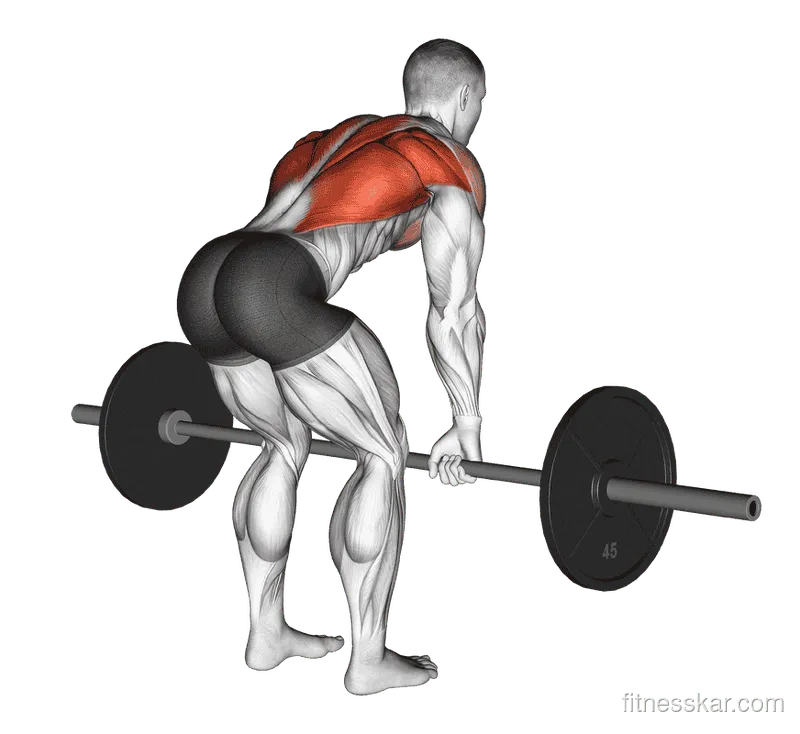
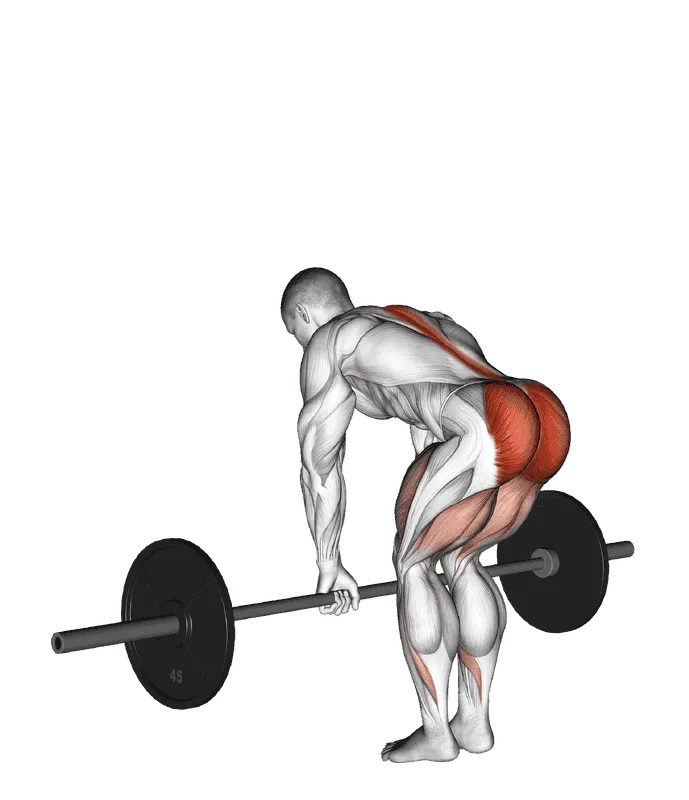
Axial loading refers to compressive forces placed directly down the spinal column. Foundational compound lifts like the barbell squat, conventional deadlift, standing military press, and bent-over barbell row all impose significant axial stress on the vertebrae, erector spinae, and core stabilizing musculature. If you attempt to program heavy back squats, deadlifts, and overhead presses within the same session three days a week, your spinal erectors and central nervous system will quickly become overwhelmed, leading to degraded movement mechanics and heightened injury risk.
To build a sustainable full-body mesocycle, you must apply three core fatigue-management rules:
1. Rotate Primary Axial Movers
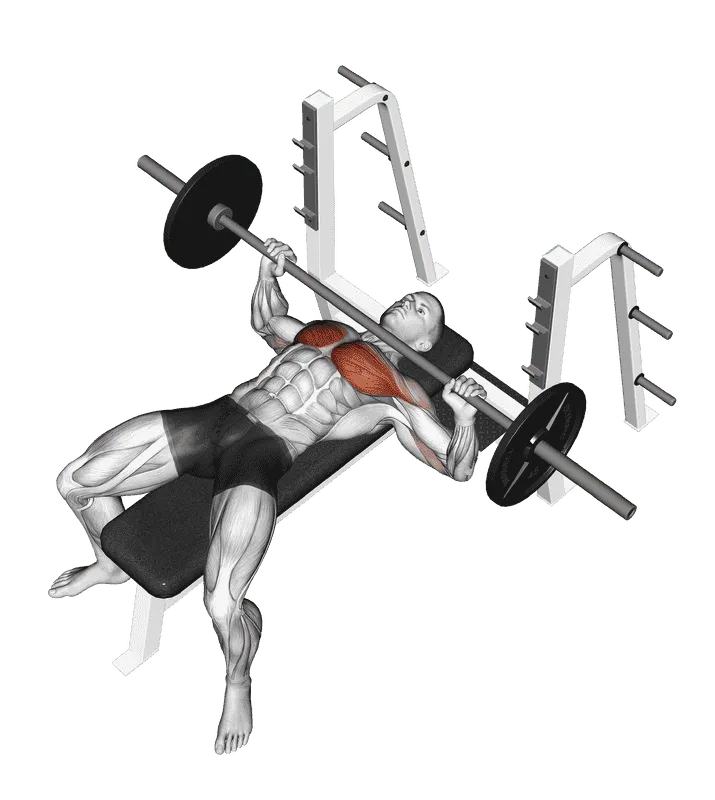
Never program two maximum axial-loading exercises on the same day. If Monday features heavy back squats, select a chest-supported row or lat pulldown for back, and an incline dumbbell press or bench press for chest. On Wednesday, when you program a hip-hinge movement like the Romanian deadlift, pair it with leg presses, hack squats, or split squats for quads to minimize lumbar strain.
2. Alternate Movement Planes and Joint Kinetics
Vary your mechanical angles across the training week:
- Horizontal Pressing: Barbell Bench Press on Monday, flat dumbbell press on Friday.
- Vertical Pressing: Dumbbell Standing Overhead Press on Wednesday.
- Horizontal Pulling: Barbell Bent-Over Row on Wednesday, chest-supported machine row on Friday.
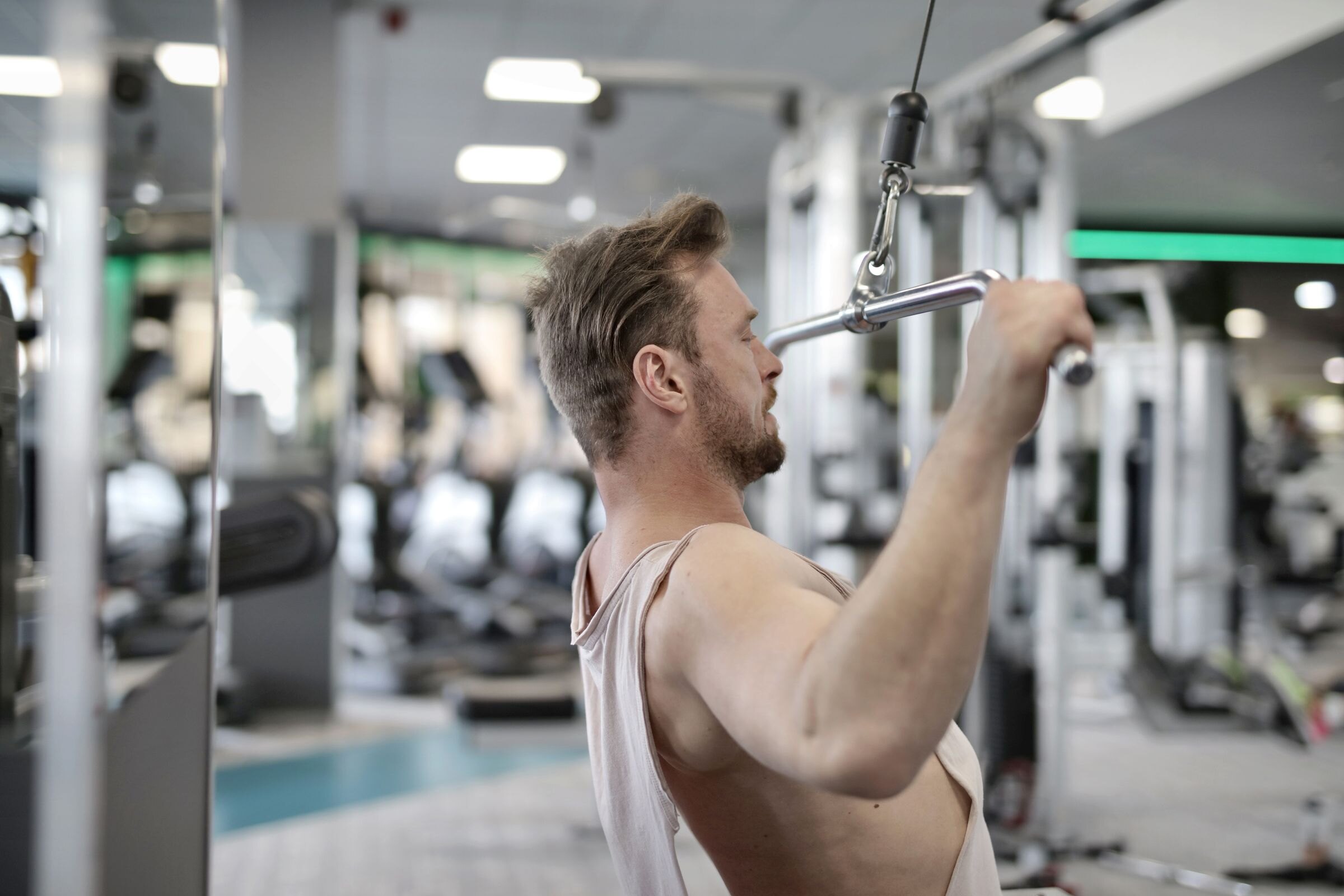
- Vertical Pulling: Pull-Up or Lat Pulldown on Monday.
3. Modulate Rep Ranges and Relative Intensity
Do not train every lift in the 5-rep strength bracket. Anchor your primary compound movement of the day in the 6–8 rep range at 2 to 3 Repetitions in Reserve (RIR), while training your secondary multi-joint exercises in the 8–12 rep range, and smaller isolation movements (biceps, triceps, lateral delts, calves) in the 12–15 rep range closer to failure. This distribution maximizes mechanical tension while sparing your articular joints.
Full-Body vs. Upper/Lower vs. Push/Pull/Legs: Comparative Breakdown
Choosing the right training split requires evaluating your training experience, weekly schedule, and recovery tolerance. Below is how the full-body workout split compares to other evidence-based training layouts:
| Programming Parameter | 3-Day Full-Body Split | 4-Day Upper/Lower Split | 6-Day Push/Pull/Legs (PPL) |
|---|---|---|---|
| Weekly Training Days | 3 days (e.g., Mon / Wed / Fri) | 4 days (e.g., Mon / Tue / Thu / Fri) | 6 days (e.g., Mon through Sat) |
| Frequency per Muscle | 3 times per week | 2 times per week | 2 times per week |
| Sessional Duration | 65–80 minutes | 60–75 minutes | 50–65 minutes |
| Effective Set Quality | Extremely high (3–5 sets/muscle) | High (6–8 sets/muscle) | Moderate to High (6–10 sets/muscle) |
| Systemic Fatigue / Day | Moderate-High (total body) | Moderate (localized halves) | Low-Moderate (isolated patterns) |
| Spinal Axial Recovery | 48–72 hours between sessions | 72–96 hours between sessions | 72 hours between sessions |
| Schedule Adherence | Outstanding for busy lifestyles | Very high for consistent lifters | Challenging; vulnerable to missed days |
| Best Target Audience | Beginners, busy lifters, athletes | Intermediates, strength athletes | Advanced trainees with high recovery |
If your lifestyle permits only three gym sessions per week, a full-body routine is unquestionably superior to attempting a 3-day push/pull/legs rotation. On a 3-day PPL schedule, each muscle is stimulated only once every seven days—a frequency that leaves vast windows of potential muscle protein synthesis untapped. Conversely, a 3-day full-body plan ensures that every single muscle group is stimulated with optimal weekly frequency.
The Complete 3-Day Full-Body Hypertrophy Blueprint
The following structured mesocycle distributes weekly volume across three non-consecutive days (for example, Monday, Wednesday, and Friday). It systematically rotates movement priorities so that each major muscle group is trained under fresh neurological conditions at least once per week.
Workout A (Monday): Quad Dominance & Horizontal Pressing
Workout A anchors lower-body volume in knee flexion through deep squats, while targeting the upper body through heavy horizontal pushing and vertical pulling.
| Exercise | Target Muscles | Working Sets | Rep Range | Rest Interval | Intensity (RIR) |
|---|---|---|---|---|---|
| Barbell Full Squat | Quads, Glutes, Core | 3–4 | 6–8 | 150–180 sec | 2–3 RIR |
| Barbell Bench Press | Pectorals, Anterior Delts, Triceps | 3–4 | 6–8 | 120–150 sec | 1–2 RIR |
| Lat Pulldown | Latissimus Dorsi, Teres Major, Biceps | 3 | 8–10 | 90–120 sec | 1–2 RIR |
| Dumbbell Romanian Deadlift | Hamstrings, Glutes, Erector Spinae | 3 | 10–12 | 90–120 sec | 2 RIR |
| Dumbbell Lateral Raise | Lateral Deltoids | 3 | 12–15 | 60–90 sec | 0–1 RIR |
| Incline Dumbbell Bicep Curl | Biceps Brachii | 3 | 10–12 | 60–90 sec | 1 RIR |


- Sets
- 3–4
- Reps
- 6–8
- Rest
- 150 s
- Tempo
- 3–0–1
Workout B (Wednesday): Posterior Chain & Vertical Pressing
Workout B shifts lower-body emphasis to the posterior chain with a hip hinge, while the upper body focuses on vertical shoulder pressing and horizontal rowing.
| Exercise | Target Muscles | Working Sets | Rep Range | Rest Interval | Intensity (RIR) |
|---|---|---|---|---|---|
| Barbell Romanian Deadlift | Hamstrings, Glutes, Lower Back | 3–4 | 6–8 | 150–180 sec | 2–3 RIR |
| Dumbbell Standing Overhead Press | Deltoids, Upper Pectorals, Triceps | 3–4 | 8–10 | 120–150 sec | 1–2 RIR |
| Barbell Bent-Over Row | Upper Back, Lats, Rhomboids | 3–4 | 8–10 | 120–150 sec | 1–2 RIR |
| Leg Press (or Goblet Squat) | Quadriceps, Glutes | 3 | 10–12 | 90–120 sec | 1–2 RIR |
| Cable Triceps Pushdown | Triceps (Lateral & Medial Heads) | 3 | 12–15 | 60–90 sec | 0–1 RIR |
| Standing Calf Raise | Gastrocnemius, Soleus | 3 | 12–15 | 60 sec | 0–1 RIR |

- Sets
- 3–4
- Reps
- 6–8
- Rest
- 150 s
- Tempo
- 2–0–1
Workout C (Friday): Hypertrophy Specialization & Density
Workout C utilizes joint-friendly machine and unilateral exercises to accumulate high-volume metabolic tension without excessive axial spinal fatigue before the weekend.
| Exercise | Target Muscles | Working Sets | Rep Range | Rest Interval | Intensity (RIR) |
|---|---|---|---|---|---|
| Leg Press | Quadriceps, Adductors | 3–4 | 10–12 | 120 sec | 1–2 RIR |
| Incline Dumbbell Press | Clavicular Pectorals, Deltoids | 3–4 | 8–10 | 90–120 sec | 1–2 RIR |
| Pull-Up (or Assisted Pull-Up) | Latissimus Dorsi, Biceps | 3 | 6–10 | 120 sec | 1–2 RIR |
| Lying Leg Curl | Hamstrings (Knee Flexion) | 3 | 10–12 | 90 sec | 0–1 RIR |
| Cable Face Pull | Posterior Deltoids, Rotator Cuff | 3 | 15–20 | 60 sec | 1 RIR |
| Cable Overhead Tricep Extension | Triceps (Long Head) | 3 | 12–15 | 60 sec | 0–1 RIR |

Progressive Overload and Volume Progression Rules
Structuring a brilliant workout split is futile without a systematic protocol for progressive tension overload. To guarantee long-term muscle hypertrophy:
The Double Progression Model
For each exercise, establish a target rep range (for example, 6–8 reps). Choose a load you can execute for 3 sets of 6 clean reps with 2 RIR. Keep that weight constant across workouts until you can perform all 3 sets for 8 complete reps with impeccable form. Once you achieve 3 × 8, increase the working weight by 2.5 to 5 kg (5 to 10 lb) on compound lifts or 1 to 2 kg on isolation exercises, dropping back to 6 reps, and repeat the cycle. For an in-depth breakdown of loading protocols, consult our guide on progressive overload.
Volume Landmarks
For intermediate lifters, maximum hypertrophy occurs between 10 and 18 total working sets per muscle group per week, as detailed in our guide on sets per muscle per week. A 3-day full-body split automatically hits this sweet spot by distributing 3 to 5 sets per muscle group across three workouts (9 to 15 weekly sets), keeping volume high while avoiding cellular exhaustion.
RIR and Proximity to Failure
Take isolation exercises (such as lateral raises, bicep curls, and tricep pushdowns) to 0–1 RIR or technical failure, as they impose negligible systemic fatigue. However, keep compound barbell lifts (squats, deadlifts, bench presses) at 1–3 RIR. As research demonstrates in our analysis of training to failure, taking heavy compound movements to absolute muscular failure increases central nervous system fatigue by over 200% without providing any additional hypertrophic stimulus.
Nutritional Synergies: Fueling High-Frequency Hypertrophy
Training every muscle group three times per week demands meticulous nutritional recovery. Because muscle protein synthesis is stimulated across multiple bouts, your skeletal muscle tissue requires continuous substrate availability:
- Daily Protein Targets: Consume 1.6 to 2.2 grams of protein per kilogram of body weight daily (0.73 to 1.0 g/lb), distributed evenly across 3 to 5 meals. Spreading your protein intake provides circulating essential amino acids—specifically leucine—to trigger ribosomal MPS following each full-body session, as outlined in our guide to protein for muscle gain.
- Energy Balance & Carbohydrates: To maximize glycogen resynthesis during your 48-hour recovery windows, maintain a modest caloric surplus of 200 to 300 kcal above maintenance (or eat at maintenance if pursuing body recomposition). Prioritize complex carbohydrates (oats, rice, potatoes, whole grains) around your workout windows to sustain intramuscular glycogen.
- Hydration & Mineral Homeostasis: Adequate intracellular hydration and electrolyte balance (sodium, potassium, magnesium) are vital to support the high motor unit recruitment demanded by full-body sessions.
Frequently Asked Questions
Frequently asked questions
Can advanced lifters build muscle on a full-body workout split?
Absolutely. While full-body splits are popular for beginners, advanced lifters benefit immensely from the higher average movement quality and elevated weekly frequency. Advanced trainees can distribute 15 to 18 weekly sets per muscle across three or four sessions, avoiding the severe performance drop-off that occurs during the second half of a 20-set single-muscle workout.
Will training full body three days a week cause overtraining?
No, provided that sessional volume is properly managed. Overtraining stems from excessive volume per session, relentless failure on heavy compound lifts, and inadequate sleep or nutrition. In a 3-day full-body routine, you perform only 3 to 5 sets per muscle per session and have 4 full days of complete rest each week, providing ample time for neuromuscular recovery.
How long should a full-body workout take?
A well-designed full-body session should take between 65 and 80 minutes. By warming up efficiently, utilizing antagonist supersets where appropriate (such as pairing a horizontal press with a row), and keeping rest intervals to 2 to 3 minutes on compound lifts and 60 to 90 seconds on isolations, you can comfortably complete 18 to 22 total working sets without rushing.
Is a full-body split effective during a fat loss phase?
Yes, full-body routines are exceptionally effective during a caloric deficit. Because training frequency per muscle group remains high, full-body workouts send frequent anabolic signals to preserve lean muscle tissue. Furthermore, performing multi-joint compound exercises across the entire body demands significant energy expenditure and elevates post-exercise oxygen consumption (EPOC).
Sources
- Ramos-Campo DJ, Benito-Peinado PJ, Andreu-Caravaca L, Rojo-Tirado MA, Rubio-Arias JÁ. Efficacy of split versus full-body resistance training on strength and muscle growth: a systematic review with meta-analysis. Journal of Strength and Conditioning Research. 2024;38(6):1147-1157. doi.org/10.1519/JSC.0000000000004784 ↩