An effective dynamic warm-up for lifting takes 8 to 12 minutes and follows the four-phase RAMP protocol—Raise, Activate, Mobilize, and Potentiate—to elevate muscle temperature, lubricate joint cartilage, switch on key stabilizers, and ramp up barbell weight without draining your energy. Walking slowly on a treadmill for ten minutes barely prepares your hips or shoulders for heavy resistance, while holding long passive floor stretches right before your top sets can temporarily blunt peak force output.[1] A targeted dynamic sequence ensures your very first working set feels grooved, stable, and strong.
Walk into almost any weight room and you will spot two equally flawed pre-workout rituals. Half the room strolls onto a flat treadmill while scrolling on a phone, swings both arms across the chest twice, and jumps straight under a cold working weight on the bench press or squat rack. The other half spends twenty minutes holding passive hamstring and chest stretches on a mat until their muscles feel loose—yet sluggish—under the barbell.
Neither extreme prepares dense connective tissue or high-threshold motor units for heavy mechanical tension. Below, we break down the physiology of tissue preparation, what peer-reviewed research actually says about static versus dynamic stretching, and two plug-and-play 10-minute warm-up templates for upper- and lower-body strength days.
Why You Need a Dynamic Warm-Up for Lifting: Temperature, Synovial Fluid, and Neural Drive
Treating your warm-up as a casual time-filler ignores what happens inside cold skeletal muscle, tendon collagen, and hyaline joint cartilage during the first five minutes of loading. A structured dynamic warm-up for lifting triggers three distinct physiological upgrades before you ever touch a heavy working set.
1. Intramuscular Temperature and Viscoelastic Pliability
At rest, skeletal muscle and surrounding fascia exhibit higher viscous stiffness—much like cold rubber. Elevating deep muscle temperature by just 1 to 2 °C through rhythmic, multi-joint movement lowers internal viscous friction, allowing actin and myosin filaments to slide past one another smoothly and absorb eccentric stretch with far less micro-strain.
Warmer muscle tissue also upgrades cellular bioenergetics on the spot. Higher tissue temperature accelerates ATPase and glycolytic enzyme activity, speeds action-potential transmission along peripheral nerves, and triggers a rightward shift in the oxyhemoglobin dissociation curve (the Bohr effect), enabling red blood cells to unload oxygen into working muscle fibers more rapidly.
2. Synovial Fluid Lubrication and Cartilage Nutrition
Unlike muscle bellies, the smooth hyaline cartilage lining your knees, hips, and shoulders has no direct blood supply. Instead, cartilage depends on synovial fluid inside the joint capsule for both shock absorption and nutrient delivery.
When you sit at a desk or in a car all day, synovial fluid remains thick and unevenly distributed across joint surfaces. Cyclic, unloaded dynamic motion acts like a mechanical sponge: gentle joint compression squeezes metabolic waste out of articular cartilage, and decompression draws fresh, nutrient-rich fluid back in. At the same time, movement warms and thins synovial fluid so opposing joint surfaces glide with minimal shear stress—a foundational principle we explore further in our joint durability and functional conditioning guide.
3. Motor Unit Recruitment and Proprioceptive Calibration
Strength is a neuromuscular skill before it is a muscular capacity. Jumping straight into heavy loads when your central nervous system is still in "desk mode" leads to sluggish motor unit firing rates, poor bar path coordination, and delayed reflex stabilization around vulnerable joints. Dynamic movement prep wakes up joint mechanoreceptors and primes alpha-motor neurons so your core, glutes, and scapular stabilizers fire on time from rep one.
Static vs. Dynamic Stretching Before Lifting: What the Research Actually Shows
For decades, gym class wisdom taught lifters to hold long, stationary stretches before touching weights to "prevent pulls." Modern sports science overturned that habit—while also adding nuance that rigid social-media rules often miss.
In a landmark systematic review published in Applied Physiology, Nutrition, and Metabolism, exercise scientists David Behm, Anthony Blazevich, Anthony Kay, and Malachy McHugh analyzed controlled studies comparing static stretching, dynamic stretching, and proprioceptive neuromuscular facilitation (PNF) performed immediately before physical performance testing.[1]
Their pooled data revealed a clear divergence in acute neuromuscular output:
- Static stretching performed immediately before testing reduced subsequent strength, power, and speed performance by an average of 3.7% overall, while PNF stretching reduced performance by 4.4%.[1]
- Dynamic stretching—moving limbs actively and rhythmically through full ranges of motion—produced a small-to-moderate 1.3% performance improvement when completed within minutes of the main activity.[1]
- Crucially, static stretching showed a clear dose-response threshold: holding passive stretches for 60 seconds or longer per muscle group caused an average 4.6% performance drop, whereas brief holds lasting under 60 seconds produced a minimal 1.1% change.[1]
Why do prolonged passive holds temporarily dull strength? Holding a muscle at end-range tension for a full minute or more reduces acute musculotendinous stiffness (making the tendon slightly more slack at transmitting rapid force) and dampens persistent inward currents in spinal motor neurons, lowering voluntary neural drive for several minutes afterward.[1]
| Stretching Method | Typical Pre-Lift Dose | Acute Effect on Strength & Power | Best Place in Your Routine |
|---|---|---|---|
| Dynamic Stretching | 6–10 active reps per side | +1.3% boost; primes neural drive[1] | Every pre-lifting warm-up (Phases 2–3) |
| Brief Static Stretch | 20–30 s on 1 tight muscle | Minimal (−1.1%); cleared by ramp sets[1] | Only on specific mobility bottlenecks |
| Long Static Stretch | 60–120 s passive holds | −4.6% drop in force and power[1] | Post-workout cool-downs or off-days |
| PNF Contract-Relax | Multi-set partner/band holds | −4.4% acute drop in output[1] | Dedicated standalone mobility sessions |
The 4-Phase RAMP Protocol Explained
Developed by strength and conditioning scientist Dr. Ian Jeffreys and widely adopted across athletic performance organizations, the RAMP method turns a scattered warm-up into a crisp, repeatable system: Raise, Activate, Mobilize, and Potentiate.
Phase 1: Raise (2 to 4 Minutes)
The goal of the Raise phase is simple: elevate core temperature, heart rate (roughly 110 to 130 beats per minute), respiration rate, and blood flow until you feel a light bead of warmth at your temples—while still breathing comfortably through your nose or speaking in full sentences.
Instead of trudging flat on a treadmill while staring at your phone, pick a modality that moves both the upper and lower limbs when possible:
- Full-body cardio machines: 3 minutes of smooth rowing ergometer strokes, dual-action air bike pedaling, or brisk incline walking (4% to 6% grade).
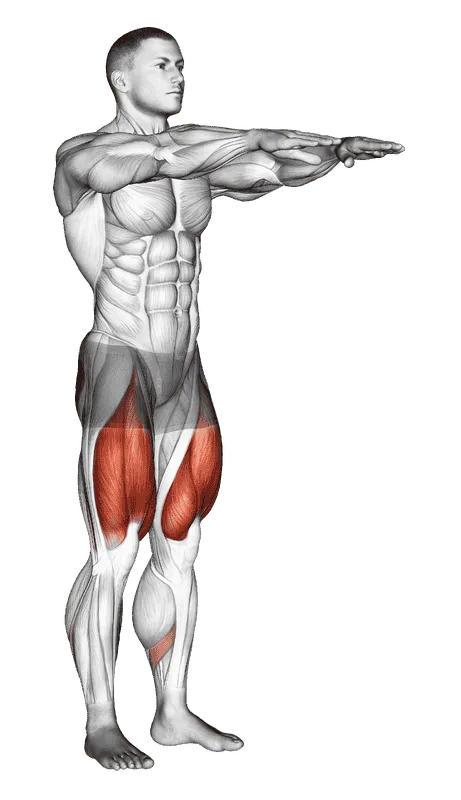
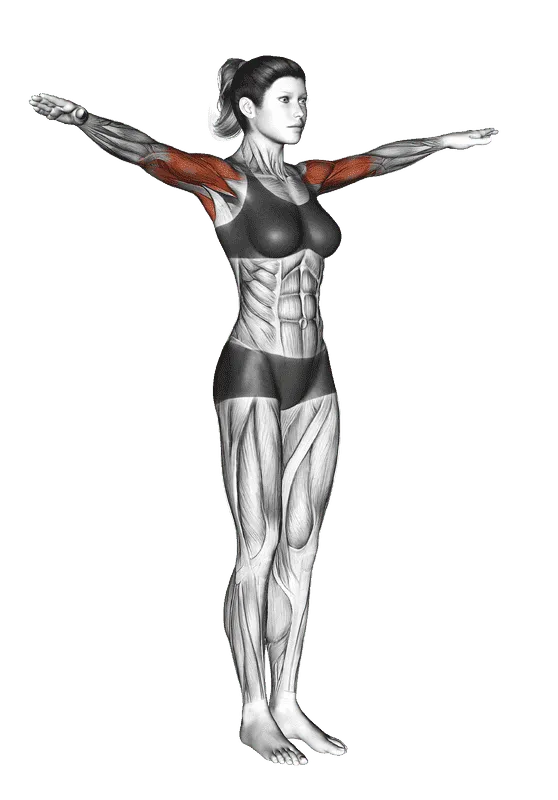
- Equipment-free gym floor option: Alternate 30 seconds of brisk marching or light jumping jacks, 10 controlled Bodyweight Squat reps, and 15 forward-and-backward Arm Circles for two continuous rounds.

Phases 2 and 3: Activate and Mobilize (4 to 5 Minutes)
In practice, experienced coaches blend Activation (switching on key postural and joint stabilizers) and Mobilization (moving restricted joints actively through the exact shapes your workout demands) into one seamless 4-to-5-minute circuit. Focus on three universal hubs: your trunk, hips, and shoulder girdle.
1. Trunk Stiffness and Segmental Spine Motion
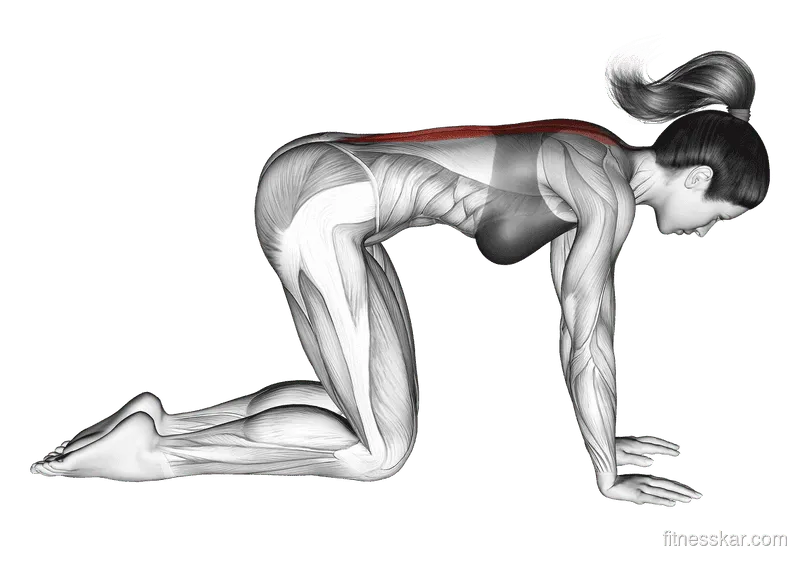
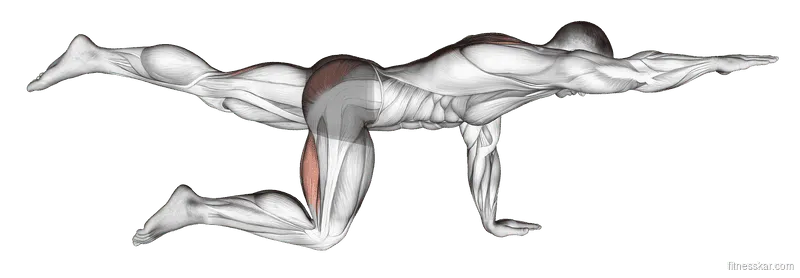
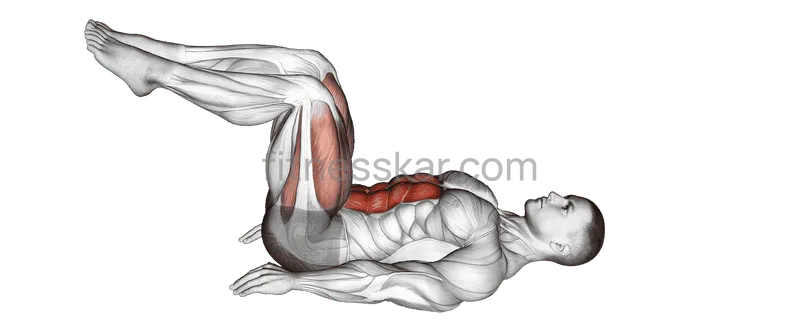
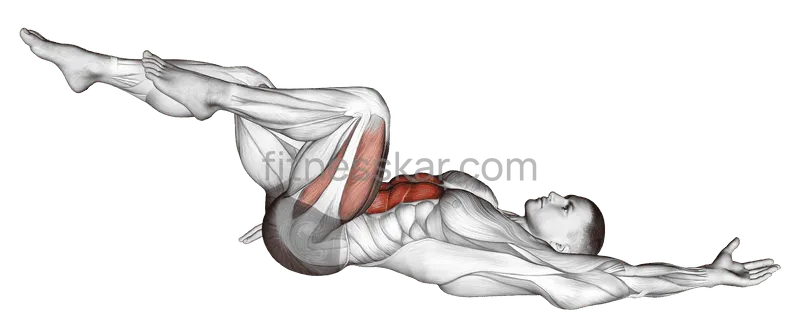
Start on the mat with 6 to 8 slow reps of the Cat Stretch to gently lubricate the thoracic and lumbar facet joints after hours of sitting. Immediately follow joint motion with anti-extension and anti-rotation core bracing—a cornerstone of our lower back durability guide—using either the quadruped Bird Dog or the supine Dead Bug.
- Sets
- 1–2
- Reps
- 12–16
- Rest
- 30 s
- Tempo
- 3–1–1
Performing one crisp set of the Dead Bug teaches your transverse abdominis and obliques to lock your ribcage over your pelvis while your arms and legs move—the exact motor pattern needed to protect your spine during heavy squats, deadlifts, and overhead presses.
2. Hip Extension and Multi-Planar Lower-Body Mobility
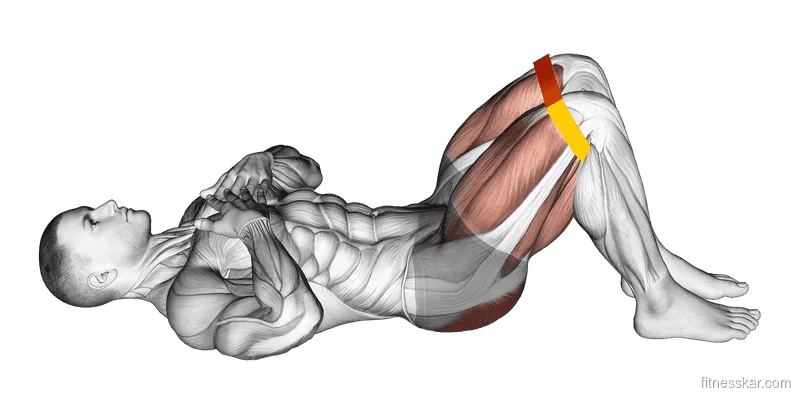
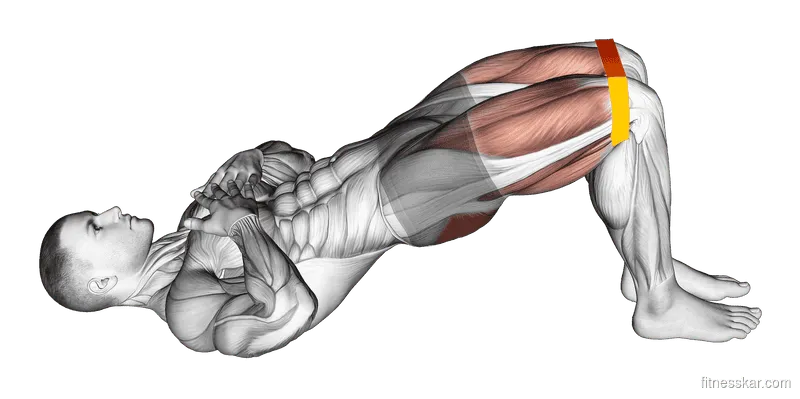
Prolonged sitting leaves the hip flexors stiff and the glutes sluggish (often called "dormant butt" in gym slang, though neurologically it is simple reciprocal inhibition and under-recruitment). Wake up your primary hip extensors and abductors before loading a bar across your back.
- Sets
- 1–2
- Reps
- 10–12
- Rest
- 30 s
- Tempo
- 2–2–1
Pairing the Resistance Band Glute Bridge with 6 to 8 controlled steps per side of the Walking Lunge simultaneously fires the gluteus maximus and gluteus medius while actively lengthening the rear-leg hip flexors and loading front-ankle dorsiflexion. Lifters with extra hip pinching at the bottom of squats can inspect our complete hip mobility guide for targeted rotational drills.
3. Scapular Control and Rotator Cuff Activation
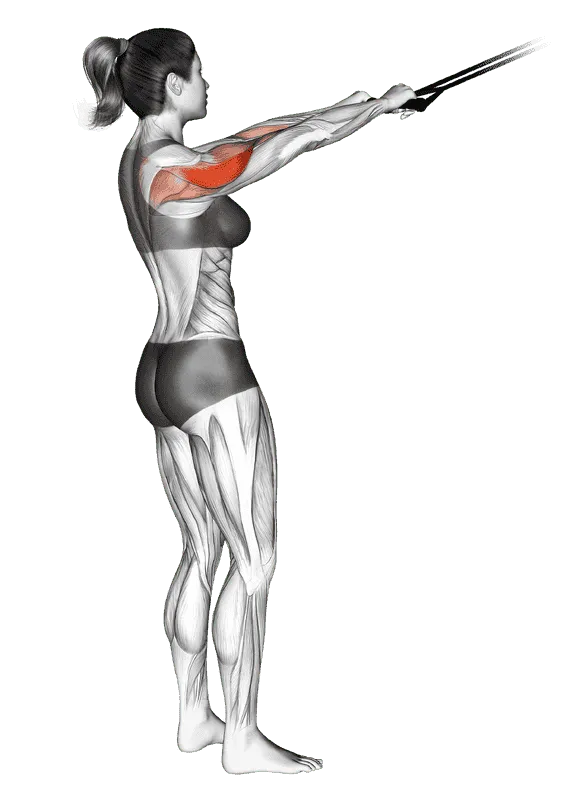
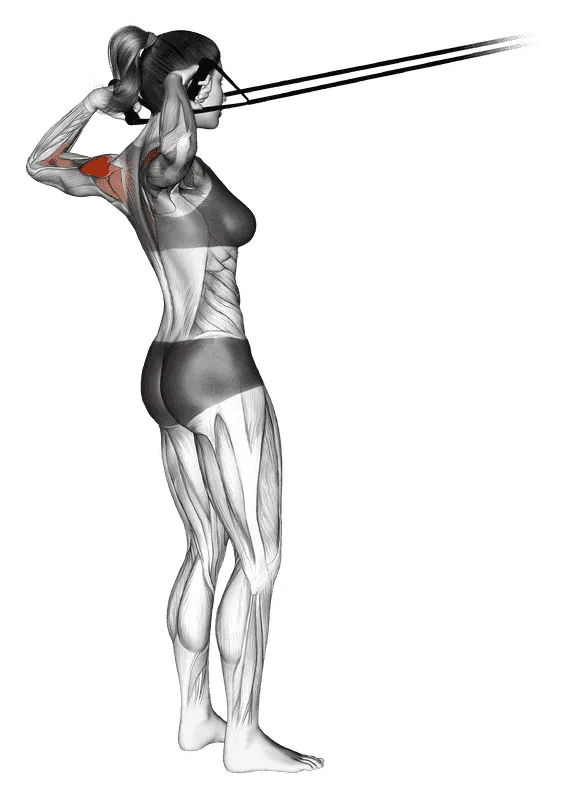
Your shoulder joint sits on a floating platform: the shoulder blade (scapula). Before pressing a barbell off your chest or pulling heavy rows, you must wake up the muscles that anchor and upward-rotate that platform—namely the lower trapezius, rhomboids, serratus anterior, and external rotators (infraspinatus and teres minor).
- Sets
- 2
- Reps
- 12–15
- Rest
- 30 s
- Tempo
- 2–1–2
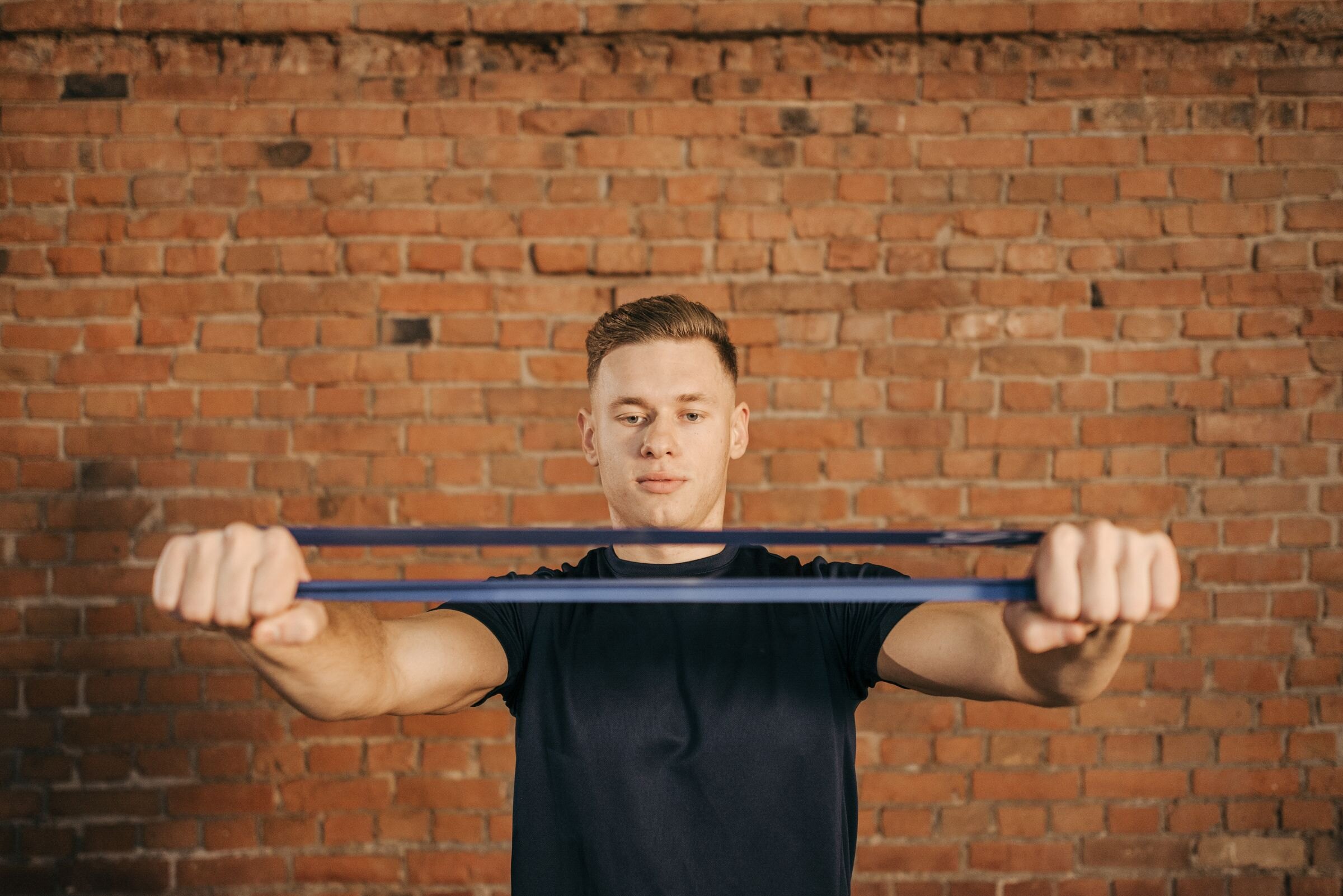
Alternate or pair the Band Face Pull with 15 crisp reps of the Band Pull Apart on pressing days. On back or pull-up days, add 6 to 8 straight-arm reps of the Scapular Pull-Up—hanging from the bar and depressing your shoulder blades away from your ears without bending your elbows—to prime your lats and lower traps for heavy vertical pulling.
Phase 4: Potentiate — How to Program Barbell Ramp-Up Sets (3 to 5 Minutes)
The final letter of RAMP—Potentiate—is where general movement prep turns into lift-specific strength. Even after your body is warm and mobile, unracking 85% of your max right away feels crushing because your nervous system has not calibrated force output to the exact bar path yet.
Progressive barbell ramp-up sets harness post-activation performance enhancement (PAPE): brief, progressively heavier exposures increase calcium sensitivity inside muscle fibers and recruit high-threshold fast-twitch motor units, making your first working set feel noticeably lighter and faster.
The golden rule of ramp-up sets is inverse volume scaling: as weight climbs toward your working load, repetitions must drop sharply so you generate zero metabolic fatigue or muscle burn before your real sets begin.
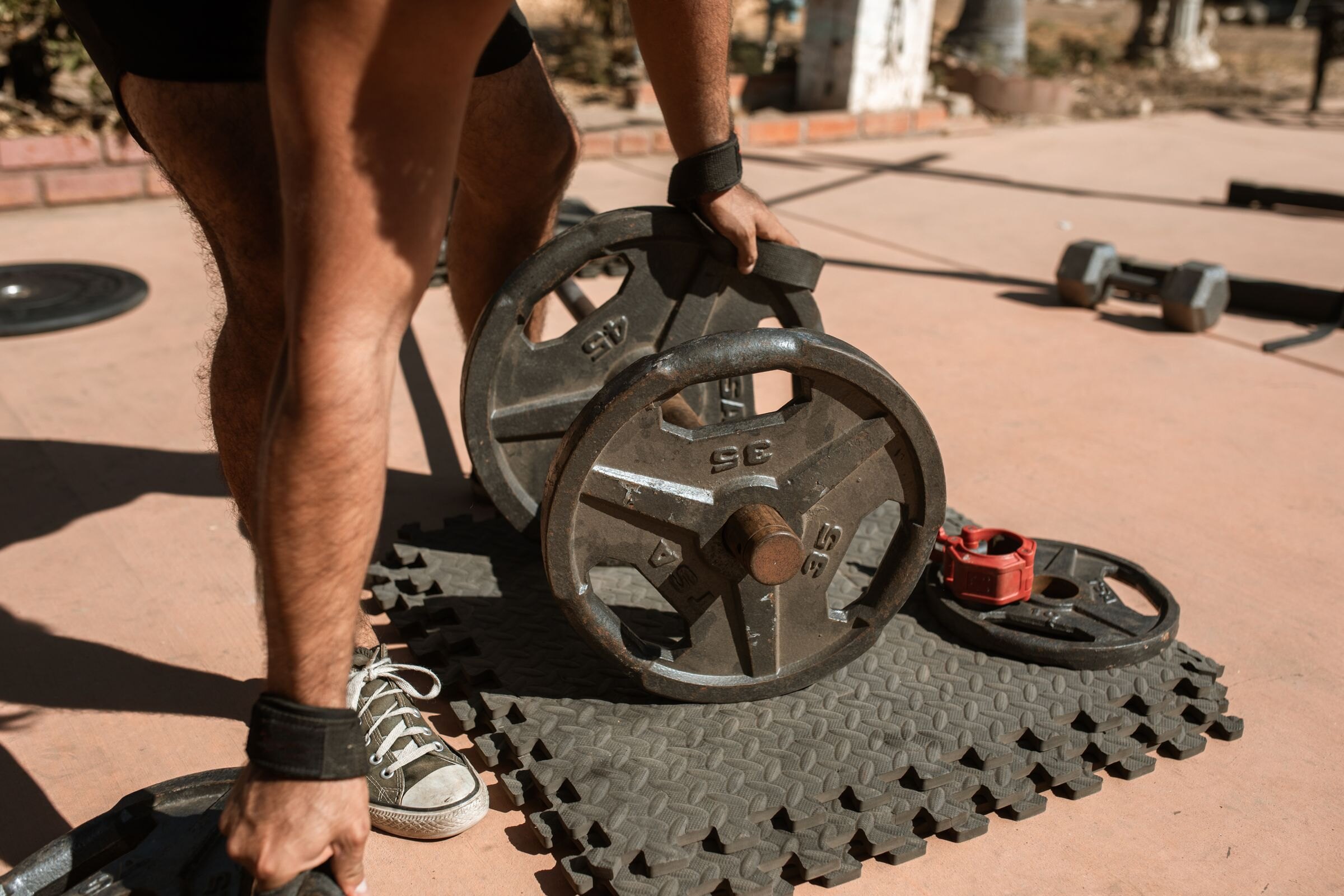
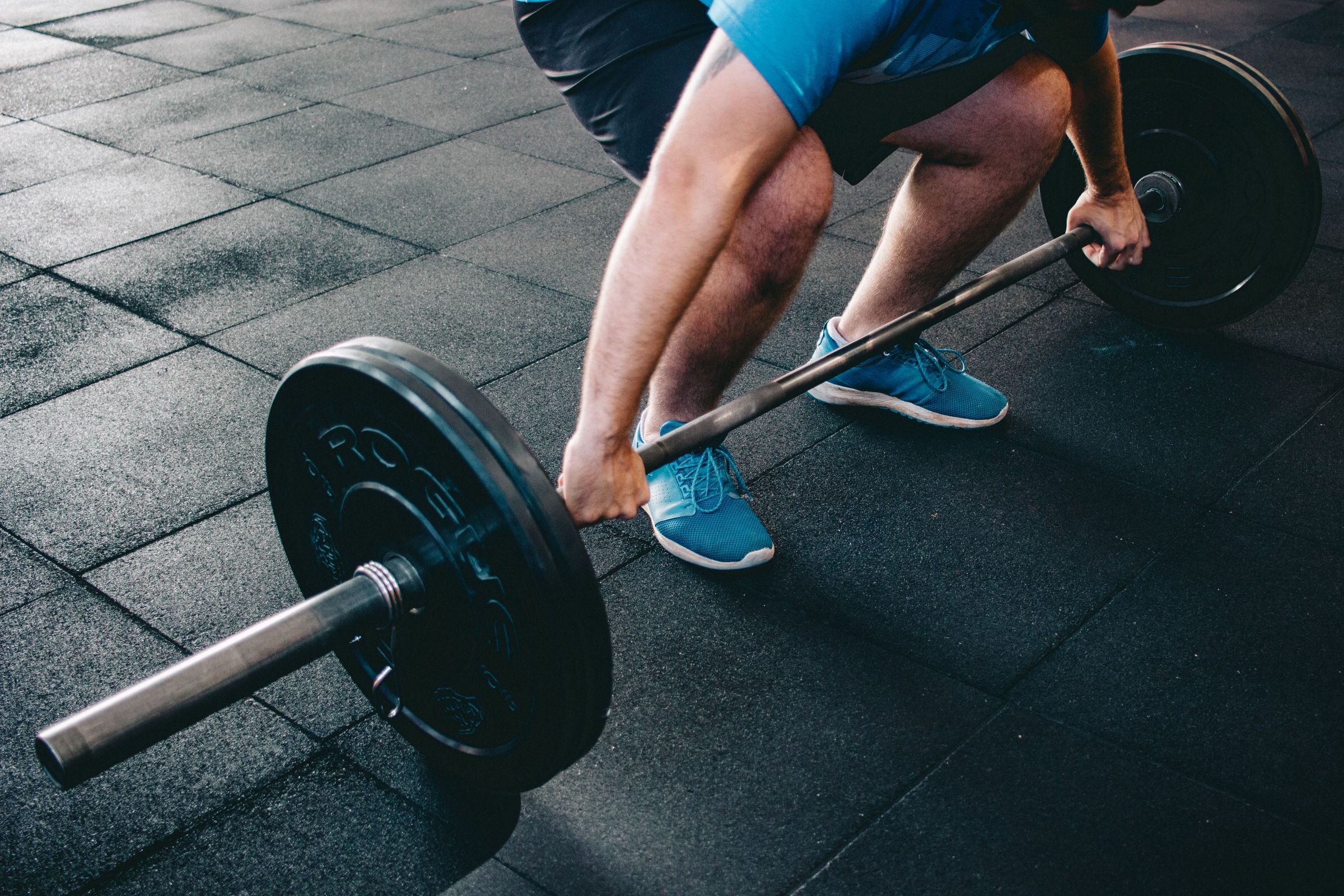
Here is the exact 4-set potentiation blueprint to use before your primary compound lift of the session—illustrated for a lifter whose first working set on the Barbell Full Squat, Barbell Bench Press, or Barbell Deadlift is 100 kg (220 lb):
| Ramp Set | % of Working Weight | Example Load (for 100 kg) | Reps | Rest After Set | Coaching Focus |
|---|---|---|---|---|---|
| Ramp 1 | Empty Bar (~20%) | 20 kg (45 lb) | 8–10 | 45–60 s | Groove stance, grip width, and full range |
| Ramp 2 | ~50% of Working Set | 50 kg (110 lb) | 5–6 | 60 s | Crisp concentric bar speed; check symmetry |
| Ramp 3 | ~70% of Working Set | 70 kg (155 lb) | 3 | 60–90 s | Brace hard as if lifting max weight |
| Ramp 4 | ~85% of Working Set | 85 kg (185 lb) | 1–2 | 90–120 s | Fast neural primer (PAPE); zero grind |
| Work Set 1 | 100% Working Load | 100 kg (220 lb) | Target reps | Full rest | Execute top set for progressive overload |
Notice how Ramp Sets 3 and 4 use only 3 reps and 1 to 2 reps. Doing 10 reps at 70% and 8 reps at 85% turns your warm-up into junk-volume working sets that rob reps from your actual hypertrophy or strength top sets! Conversely, if your working weight is lighter—say 40 to 50 kg (90–110 lb)—two or three smaller jumps (empty bar × 8, 30 kg × 5, 40 kg × 2) are plenty.
Ready-to-Use 10-Minute Warm-Up Templates
Stop guessing what to do when you walk onto the gym floor. Run Template A before lower-body or full-body squat/hinge days, and Template B before upper-body push or pull sessions.
Template A: Lower-Body Squat and Deadlift Warm-Up (10 Minutes)
| Phase | Movement | Prescription | Primary Target |
|---|---|---|---|
| 1. Raise | Incline Walk, Rower, or Air Bike | 3 min easy-moderate | Core temp & lower-limb blood flow |
| 2. Mobilize | Cat Stretch | 1 × 6 slow breaths | Thoracic & lumbar facet lubrication |
| 3. Activate | Dead Bug | 1 × 6 reps per side | 360° anterior core & pelvic control |
| 4. Activate | Resistance Band Glute Bridge | 1 × 12 (2-sec hold) | Glute max & glute medius recruitment |
| 5. Mobilize | Walking Lunge + Bodyweight Squat | 6 lunges/side + 8 squats | Active hip flexor, ankle & squat groove |
| 6. Potentiate | Barbell Full Squat or Barbell Deadlift | 3–4 progressive ramp sets | Lift-specific PAPE & bar speed |
Template B: Upper-Body Press and Pull Warm-Up (10 Minutes)
| Phase | Movement | Prescription | Primary Target |
|---|---|---|---|
| 1. Raise | Rower, Air Bike, or Arm Circles | 3 min light rhythm | Upper-body temp & glenohumeral fluid |
| 2. Mobilize | Cat Stretch + Bird Dog | 6 reps + 6 reps/side | Thoracic extension & trunk stability |
| 3. Activate | Band Pull Apart | 1 × 15 controlled reps | Rear delts & rhomboid retraction |
| 4. Activate | Band Face Pull | 1 × 12–15 (thumbs back) | External rotators & lower traps |
| 5. Activate | Scapular Pull-Up | 1 × 6–8 straight-arm reps | Lat engagement & scapular depression |
| 6. Potentiate | Barbell Bench Press (or primary lift) | 3–4 progressive ramp sets | Scapular setup, wrist stack & PAPE |
Plug these exact 10-minute sequences right in front of a structured training split. If you are building your gym foundation, pair them with our 3-day Beginner Gym Starter for Every Body Type; if you are an intermediate lifter pushing heavier compound numbers across upper and lower sessions, run Template B on upper days and Template A on lower days inside our 4-Day Muscle & Strength Builder.
Frequently Asked Questions
Frequently asked questions
How long should a dynamic warm-up take before lifting weights?
Aim for 8 to 12 minutes total: roughly 3 minutes to raise body temperature, 4 to 5 minutes of targeted activation and dynamic mobility drills, and 3 to 4 minutes of progressive barbell ramp-up sets on your first lift. If your warm-up stretches past 20 minutes, trim redundant drills so you save your focus and energy for heavy working sets.
Is walking on a treadmill for 10 minutes enough to warm up for squats or bench press?
No. Walking slowly on a flat treadmill mildly warms your calves and elevates heart rate slightly, but it never moves your hips into squat depth, unlocks your thoracic spine, activates your rotator cuff, or calibrates your nervous system to stabilize a loaded barbell. Keep general cardio to 3 minutes and spend the rest of your warm-up on movement-specific mobility and ramp-up sets.
Should I foam roll before lifting weights, and does it hurt strength?
Brief foam rolling—30 to 45 seconds on 1 or 2 tight areas like your quads, lats, or upper back—does not reduce strength output and can temporarily ease perceived stiffness so you hit cleaner positions. Keep pre-workout rolling under 2 minutes total, avoid rolling directly over bony joints or the lower lumbar spine, and follow it immediately with active mobility drills.
Do I need 4 warm-up sets for every single exercise in my workout?
No. You only need a full 3-to-4-set progressive ramp-up before your first heavy compound movement of each muscle group or pattern. Once your chest, shoulders, and triceps are thoroughly warm from Barbell Bench Press, a secondary exercise like incline dumbbell presses or cable pushdowns only requires 1 light feeler set of 6 to 8 reps to check your setup and groove.
When is the best time to do long static stretches if I want better flexibility?
Save long passive static stretches (60 seconds or more per muscle group) for your post-workout cool-down, evening wind-down, or rest days. Performing sustained static stretching after lifting or in separate sessions builds long-term joint flexibility without blunting the musculotendinous stiffness and neural drive you need for heavy top sets.
Sources
- Behm DG, Blazevich AJ, Kay AD, McHugh M. Acute effects of muscle stretching on physical performance, range of motion, and injury incidence in healthy active individuals: a systematic review. Applied Physiology, Nutrition, and Metabolism. 2016;41(1):1-11. doi.org/10.1139/apnm-2015-0235 ↩