Fat loss
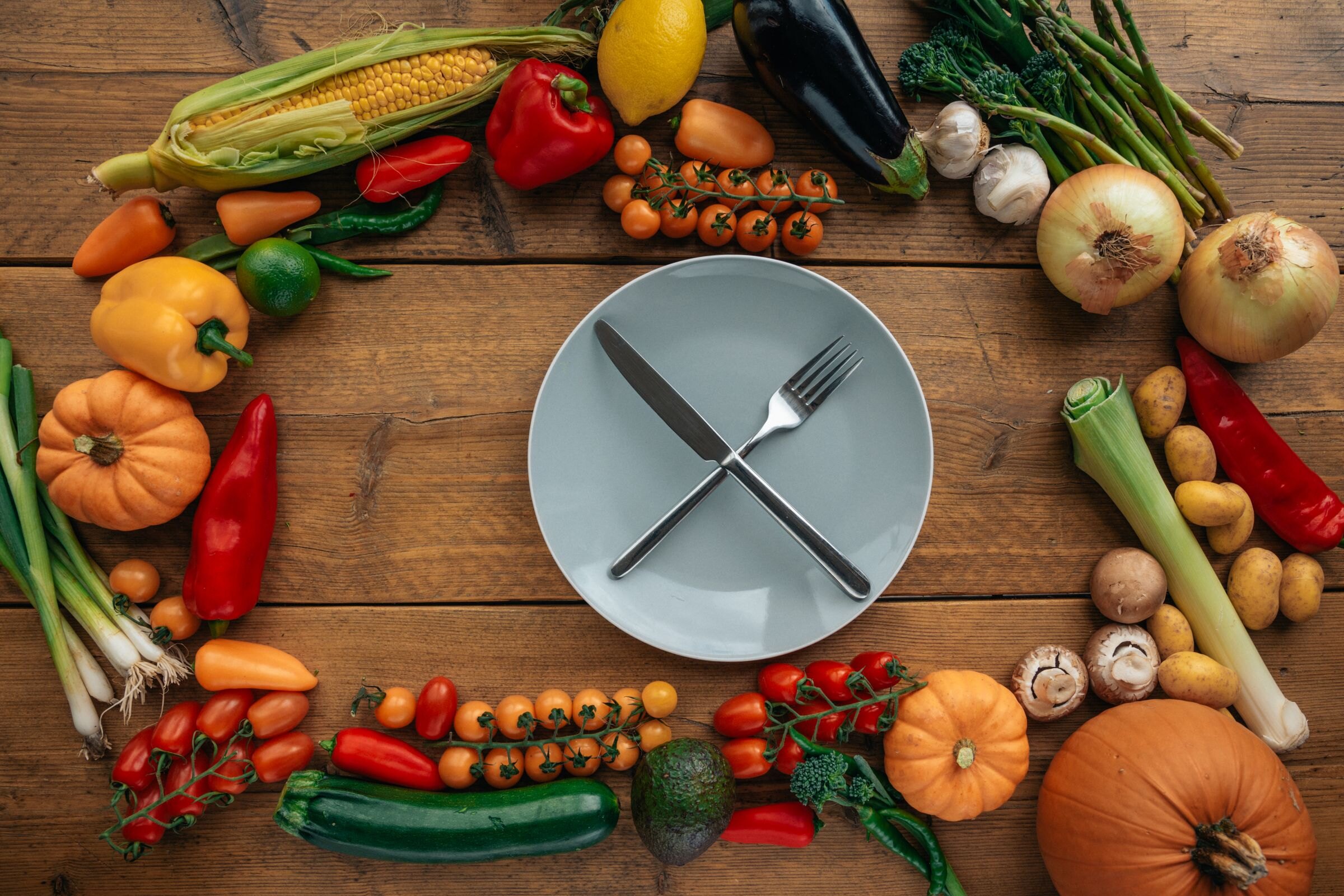
Nutrition Intermittent Fasting for Fat Loss: The Science-Based Guide
Learn how intermittent fasting for fat loss works: 16/8 protocols, metabolic switching, insulin sensitivity, preserving lean muscle, and daily meal plans.

Training NEAT for Fat Loss: The Complete Science and Practical Guide
Discover how NEAT (non-exercise activity thermogenesis) burns hundreds of daily calories, why it plummets during diets, and how to optimize it for fat loss.

Nutrition Body Recomposition Guide: How to Build Muscle and Lose Fat
Can you build muscle and lose fat at the same time? Here is the metabolic science, calorie and macro targets, and workout protocol for body recomposition.
Fat loss How to Break a Weight Loss Plateau: The Complete Guide
Stuck at the same weight for weeks? Learn the science of metabolic adaptation, how to spot hidden plateaus, and how to restart fat loss safely.
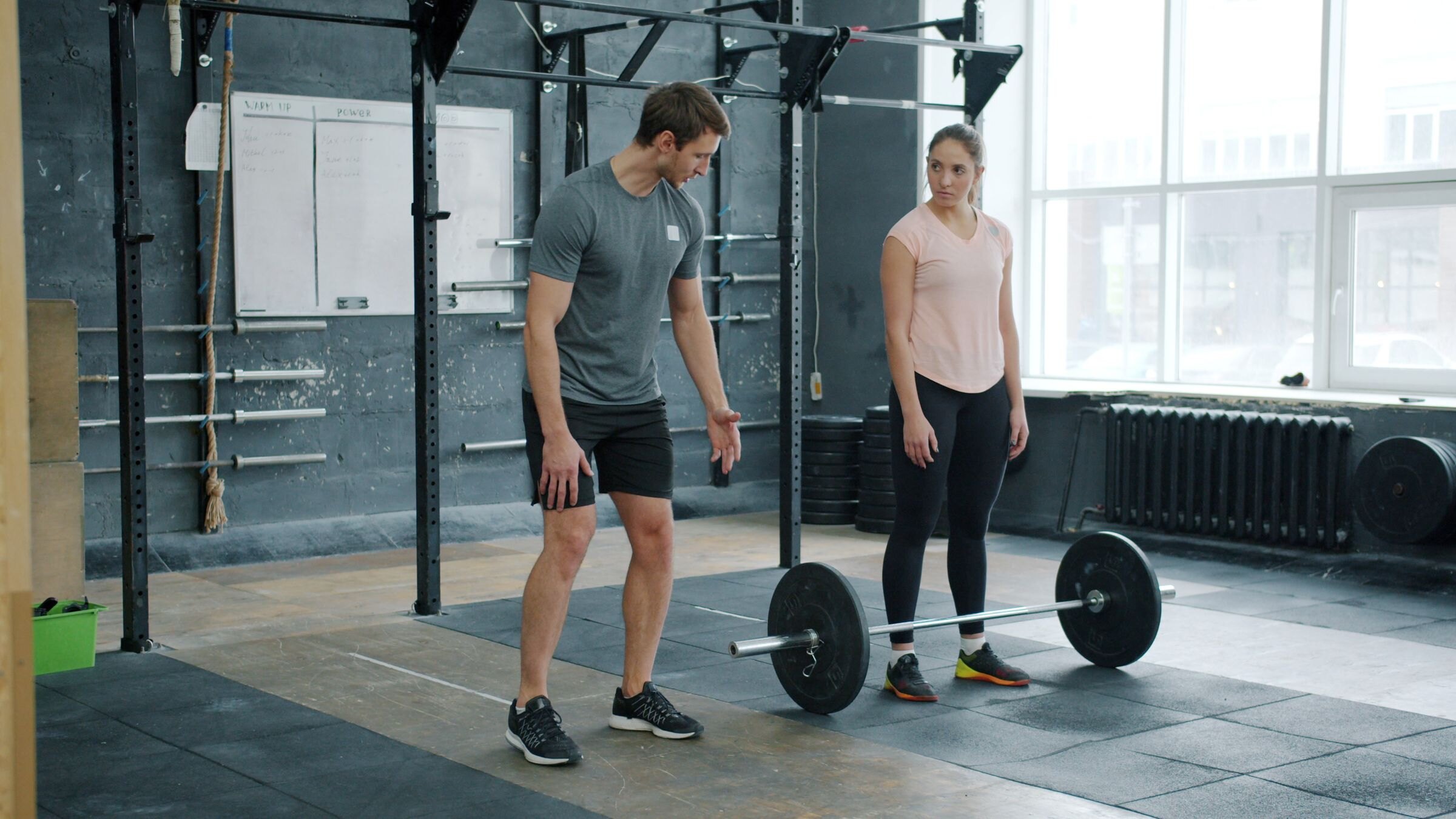
Fat loss How to Lose Fat Without Losing Muscle
How to keep your hard-earned muscle while you diet: the right deficit, how much protein to eat, how to train and why sleep matters.

Fat loss Can You Lose Belly Fat With Ab Exercises? What Actually Works
Ab exercises strengthen your core but don't burn belly fat. What studies show about spot reduction, visceral fat and what actually shrinks your waist.

Fat loss HIIT vs. Steady-State Cardio: Which Burns More Fat?
Does HIIT burn more fat than steady cardio? Meta-analyses find similar results. How the two differ on time, recovery and fitness, with sample sessions.

Fat loss The Best Workout Plan for Fat Loss
A research-backed weekly plan for fat loss: three strength workouts, two cardio sessions and daily steps, with sample workouts and routines to follow.
Fat loss Cardio vs. Weights for Fat Loss: What the Research Shows
Cardio burns more calories per session; weights protect muscle and improve body composition. What the trials show, and how to combine both for fat loss.
Fat loss Calorie Deficit Explained: How Much to Eat to Lose Fat
What a calorie deficit is, how to estimate your maintenance calories, how big a deficit is safe, why progress slows and how to track without guesswork.