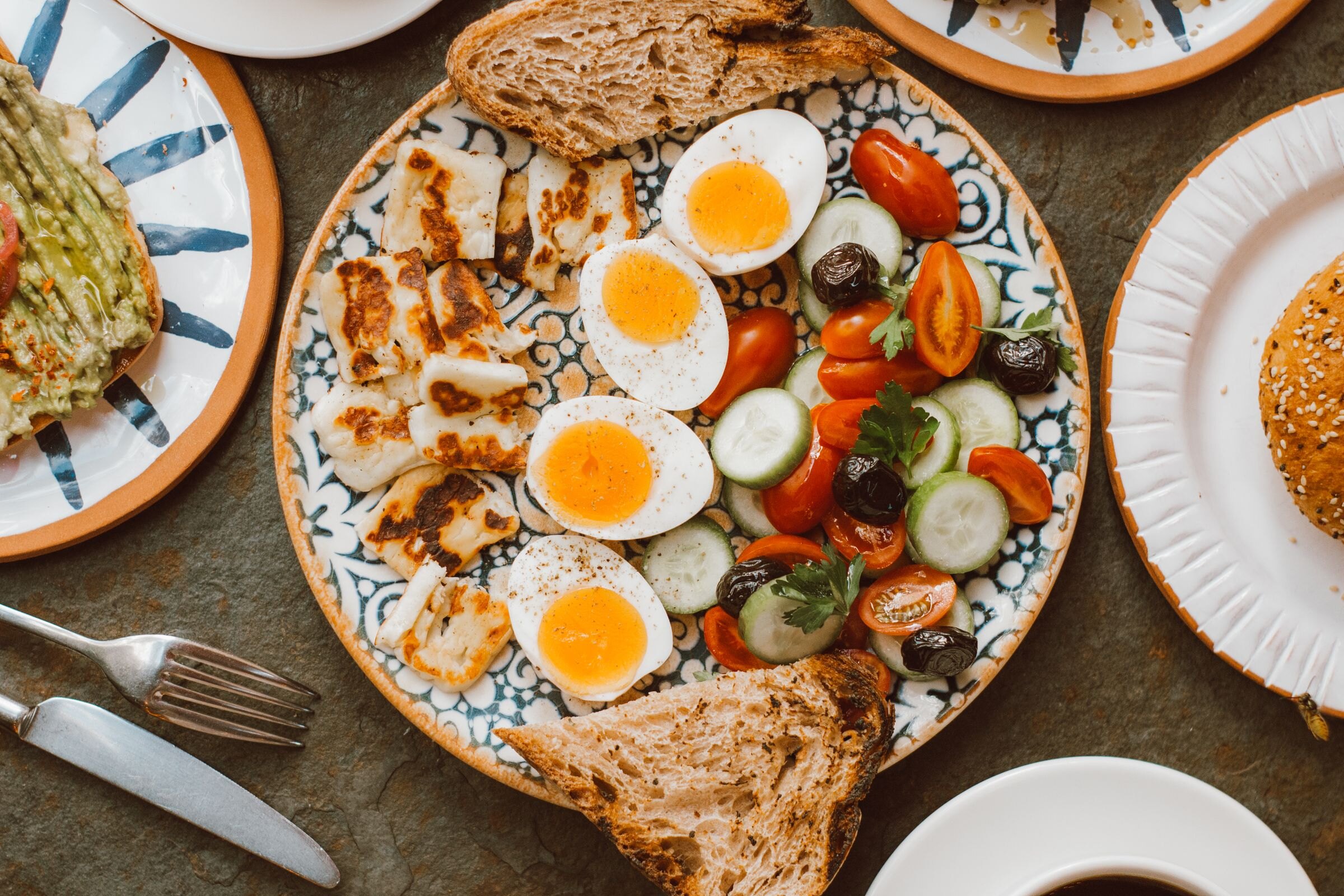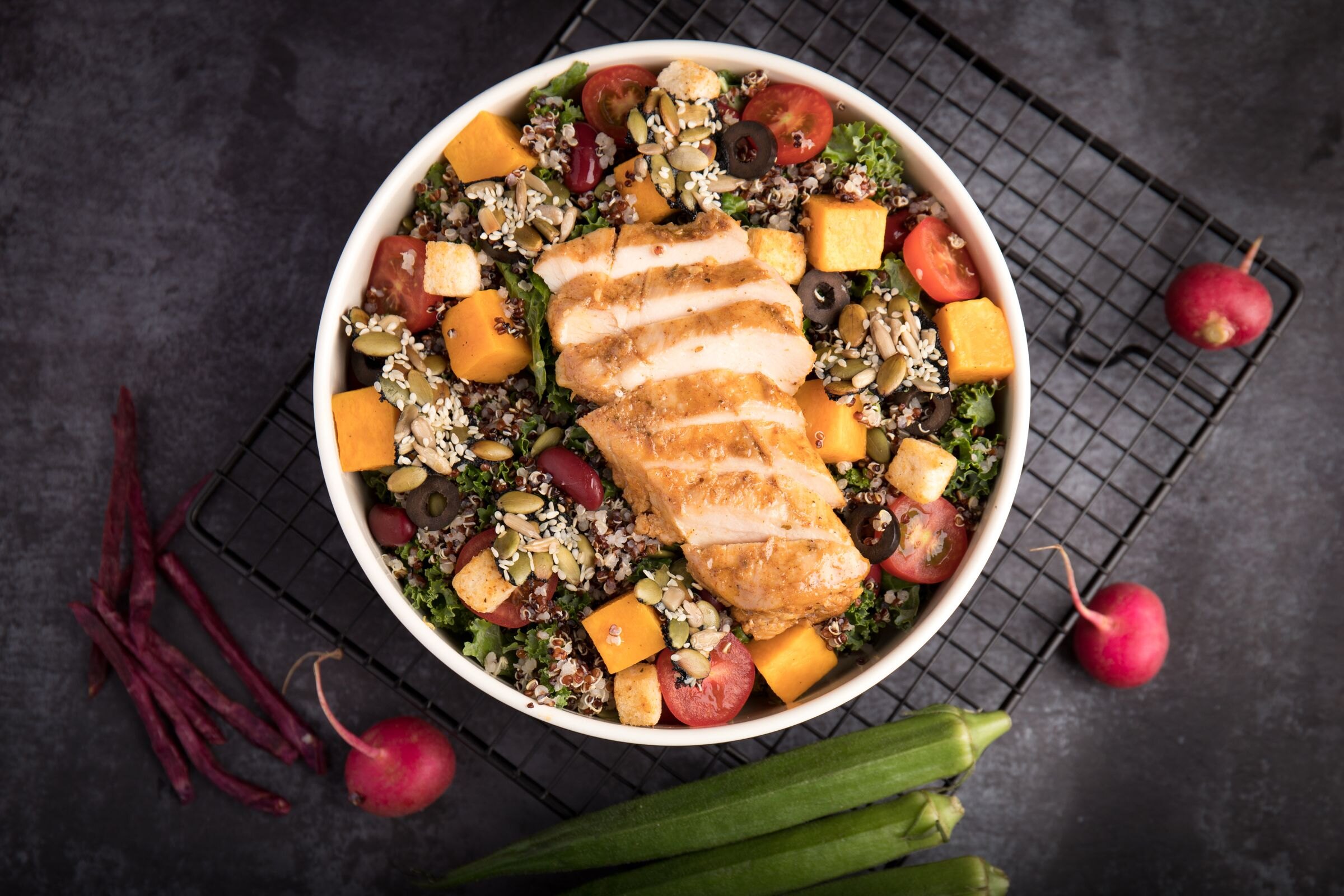
Building a balanced high-protein lunch that delivers 35 to 45 grams of complete protein alongside fibrous vegetables and controlled complex carbohydrates is the nutritional hinge of an athletic day. Most busy lifters treat midday eating as an afterthought—grabbing a refined-bread sandwich, a light green salad with minimal protein, or a greasy takeout box—and try to catch up on their macro targets with an oversized dinner. In a controlled crossover trial published in The Journal of Nutrition, healthy adults who distributed their daily protein evenly across breakfast, lunch, and dinner (~30 g per meal) achieved a 25% higher 24-hour muscle protein synthesis rate than when they ate the exact same total daily protein skewed heavily toward dinner.[1]
Getting your midday meal right does far more than protect lean tissue. It stabilizes post-meal blood glucose, keeps wakefulness neurons firing through afternoon meetings, shuts down 4:00 PM snack cravings, and stocks your muscles with glycogen and amino acids for after-work training. Below is the complete physiological breakdown, macro blueprints by body weight, six hot and cold meal-prep templates, and effortless restaurant swaps.
Why a High-Protein Lunch Governs 24-Hour Muscle Growth and Fat Loss
Many people assume that hitting their daily calorie and protein totals by midnight is all that matters. Total daily intake is indeed the foundation of our guide on how much protein you need to build muscle, yet how you space those amino acids across waking hours shapes muscle remodeling, cognitive alertness, and evening hunger.
1. Evening Skewing vs. Even Distribution: Crossing the Midday Leucine Threshold
Skeletal muscle is in constant turnover, oscillating between muscle protein synthesis (MPS) and muscle protein breakdown (MPB). Unlike body fat or liver glycogen, your body has no passive storage tank where surplus dinner protein can sit waiting to build muscle the next afternoon. Each time you eat a protein-rich meal, MPS rises for roughly three to five hours before returning to baseline.
To trigger that anabolic wave maximally, a meal must supply roughly 2.5 to 3.5 grams of the essential amino acid L-leucine, which activates the mechanistic target of rapamycin complex 1 (mTORC1) pathway inside muscle fibers. Reaching that leucine threshold typically requires 30 to 45 grams of high-quality whole-food protein.
In 2014, researcher Madonna Mamerow and colleagues tested what happens when midday protein falls short of this mark.[1] Healthy adult men and women completed two 7-day isoenergetic, isonitrogenous diet phases in a randomized crossover design, consuming roughly 90 to 94 grams of total protein per day in both conditions:
- Skewed Pattern: 10.7 g of protein at breakfast, 16.0 g at lunch, and 63.4 g at dinner.[1]
- Even Pattern: 31.5 g of protein at breakfast, 29.9 g at lunch, and 32.7 g at dinner.[1]
Even though both diets supplied the exact same daily protein and calories, direct muscle biopsy tracer measurements revealed that 24-hour mixed muscle fractional synthesis rates were 25% higher on the evenly distributed schedule ($0.077%/\text{h}$ vs. $0.056%/\text{h}$ after seven days of habituation).[1] Sixteen grams of protein at noon—about what you get from two thin slices of deli turkey on bread or a café salad—leaves midday mTORC1 signaling under-stimulated, forfeiting one of your main daily growth pulses. Locking in a solid morning meal from our high-protein breakfast guide and following it four to five hours later with a 35 to 45 g lunch keeps muscle protein balance positive all day.
2. Beating the 3:00 PM Slump: Blood Glucose and Orexin Neurons
If you routinely fight heavy eyelids and brain fog between 2:30 PM and 4:00 PM, your lunch composition—not a lack of willpower or coffee—is usually to blame. Two biological mechanisms drive post-lunch drowsiness:
- Glycemic Rollercoaster: A lunch centered on refined starches (white baguettes, pizza, large plates of white rice, or sweetened drinks) digests rapidly into glucose, triggering a steep insulin surge. Within 90 to 120 minutes, circulating blood sugar dips rapidly, leaving your brain foggy and irritable.
- Hypothalamic Orexin Suppression: Inside your lateral hypothalamus, specialized orexin (hypocretin) neurons fire to keep you awake, focused, and physically alert. Neurophysiological research shows that sudden spikes in extracellular glucose silence orexin neurons, whereas circulating dietary amino acids directly stimulate them and block glucose-induced drowsiness. At the same time, protein supplies L-tyrosine, the amino acid precursor your brain uses to synthesize focus-driving catecholamines (dopamine and norepinephrine).
Anchoring lunch around 35 to 45 grams of lean protein plus intact vegetable fiber slows gastric emptying, flattens your post-meal glucose curve, and keeps orexin pathways active through the second half of your workday.
3. Gut-Brain Satiety Hormones and Preventing Nighttime Overeating
Nearly every 9:00 PM kitchen binge starts at 12:30 PM. When you skip lunch because meetings run late or grab a low-protein pastry on the run, stomach cells pump out rising waves of acylated ghrelin, your primary hunger hormone, throughout the afternoon. By the time you walk through your front door exhausted, elevated ghrelin collides with depleted mental self-control, making calorie-dense takeout and snacks almost impossible to resist.
A high-protein, high-volume lunch flips that hormonal script. As intact protein peptides and viscous plant fibers enter your small intestine, enteroendocrine cells release cholecystokinin (CCK), glucagon-like peptide-1 (GLP-1), and peptide YY (PYY). Together with physical stretch receptors along your stomach wall, these gut hormones quiet hypothalamic hunger centers for four to five hours—making it effortless to stay inside a sustainable calorie deficit without raiding the pantry at night.
Midday Macro Blueprints by Goal and Body Weight
Your ideal lunch depends on your body size, daily activity, and whether you are cutting body fat, maintaining, or building muscle mass. As a practical rule, lunch should supply 25% to 35% of your daily calories and 0.4 to 0.55 grams of protein per kilogram of body weight.
| Profile & Goal | Protein Target | Smart Carbohydrates | Healthy Fats | Target Lunch Calories |
|---|---|---|---|---|
| 60 kg (132 lb) Fat Loss | 30–35 g | 25–35 g (berries, beans, greens, small grain serving) | 10–12 g | ~340–400 kcal |
| 75 kg (165 lb) Fat Loss | 38–45 g | 35–45 g (quinoa, boiled potatoes, sprouted bread) | 12–15 g | ~420–495 kcal |
| 75 kg (165 lb) Muscle Gain | 38–45 g | 65–85 g (rice, pasta, oats, sweet potato, fruit) | 15–20 g | ~560–680 kcal |
| 90 kg (198 lb) Fat Loss | 45–52 g | 40–55 g (lentils, rice-and-veggie mix, whole wrap) | 14–18 g | ~485–590 kcal |
| 90 kg (198 lb) Muscle Gain | 45–55 g | 80–110 g (jasmine rice, potatoes, whole-grain bread) | 18–24 g | ~680–840 kcal |
Notice what changes between a fat-loss cut and a muscle-building surplus: your protein anchor stays rock-steady, while carbohydrates and added fats scale up or down to match your energy needs. Use the macro calculator below to dial in your full 24-hour targets, then divide protein across three to four meals.
Macro calculator
- Protein
- g
- Fat
- g
- Carbohydrates
- g
Protein 1.6–2.2 g per kg of body weight, fat about 25% of calories, carbohydrates fill the rest.
6 Workday High-Protein Lunch Blueprints (Reheat and Cold Options)
The biggest barrier to consistent midday nutrition is workplace logistics. Some days you have a kitchen microwave; other days you are eating between client calls, in a university lecture hall, or in a parked car. Batching two repeatable options from our step-by-step meal prep guide—one hot bowl and one cold no-microwave lunch—removes daily decision fatigue completely.
3 Reheat-Friendly Meal-Prep Bowls
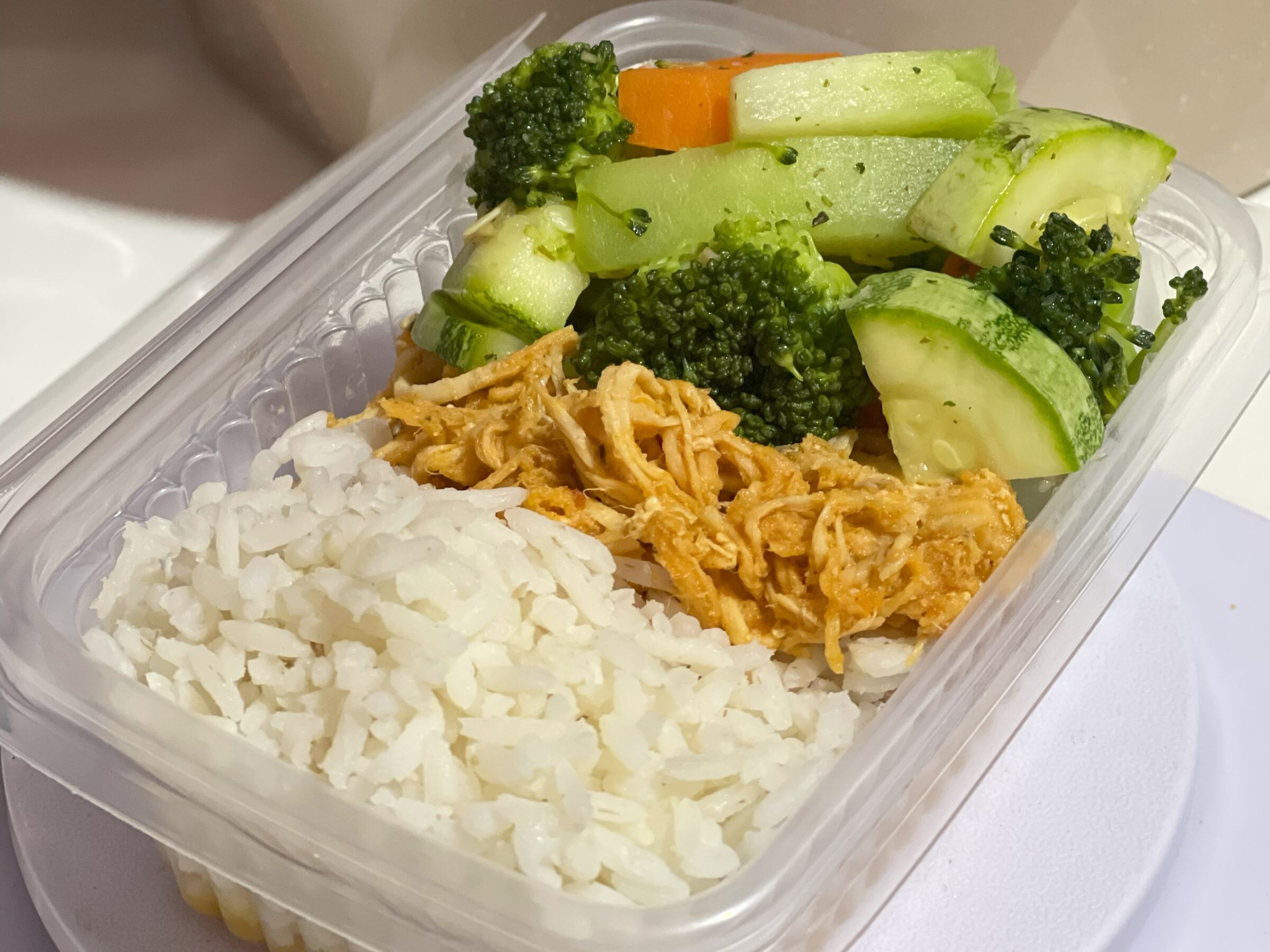
- Lemon-Herb Chicken, Rice, and Broccoli Box (~465 kcal | 44 g protein | 46 g carbs | 10 g fat): Combine 150 g (cooked weight) of diced grilled chicken breast with 130 g of cooked jasmine or basmati rice, 150 g of steamed broccoli florets and zucchini, and 1 teaspoon of extra-virgin olive oil tossed with lemon zest, garlic powder, and oregano. Add a splash of water before microwaving for 90 seconds so the rice steams fresh instead of drying out.
- Extra-Lean Beef, Lentil, and Roasted Pepper Bowl (~490 kcal | 43 g protein | 48 g carbs | 13 g fat): Brown 130 g of 93%-lean ground beef with cumin, smoked paprika, tomato paste, and diced onions. Layer over 100 g of cooked green lentils and 120 g of roasted bell peppers and carrots. Combining lean red meat with lentils delivers heme iron, zinc, and 9 grams of slow-burning soluble fiber.
- Garlic-Ginger Turkey and Half-Cauliflower Rice Skillet (~410 kcal | 41 g protein | 36 g carbs | 10 g fat): Sauté 150 g of extra-lean ground turkey breast with grated ginger, garlic, scallions, edamame, and reduced-sodium soy sauce. Serve over a 50/50 blend of 80 g cooked white rice and 120 g riced cauliflower to keep bowl volume huge while trimming 120 starch calories.
3 Zero-Microwave Cold Office Lunches
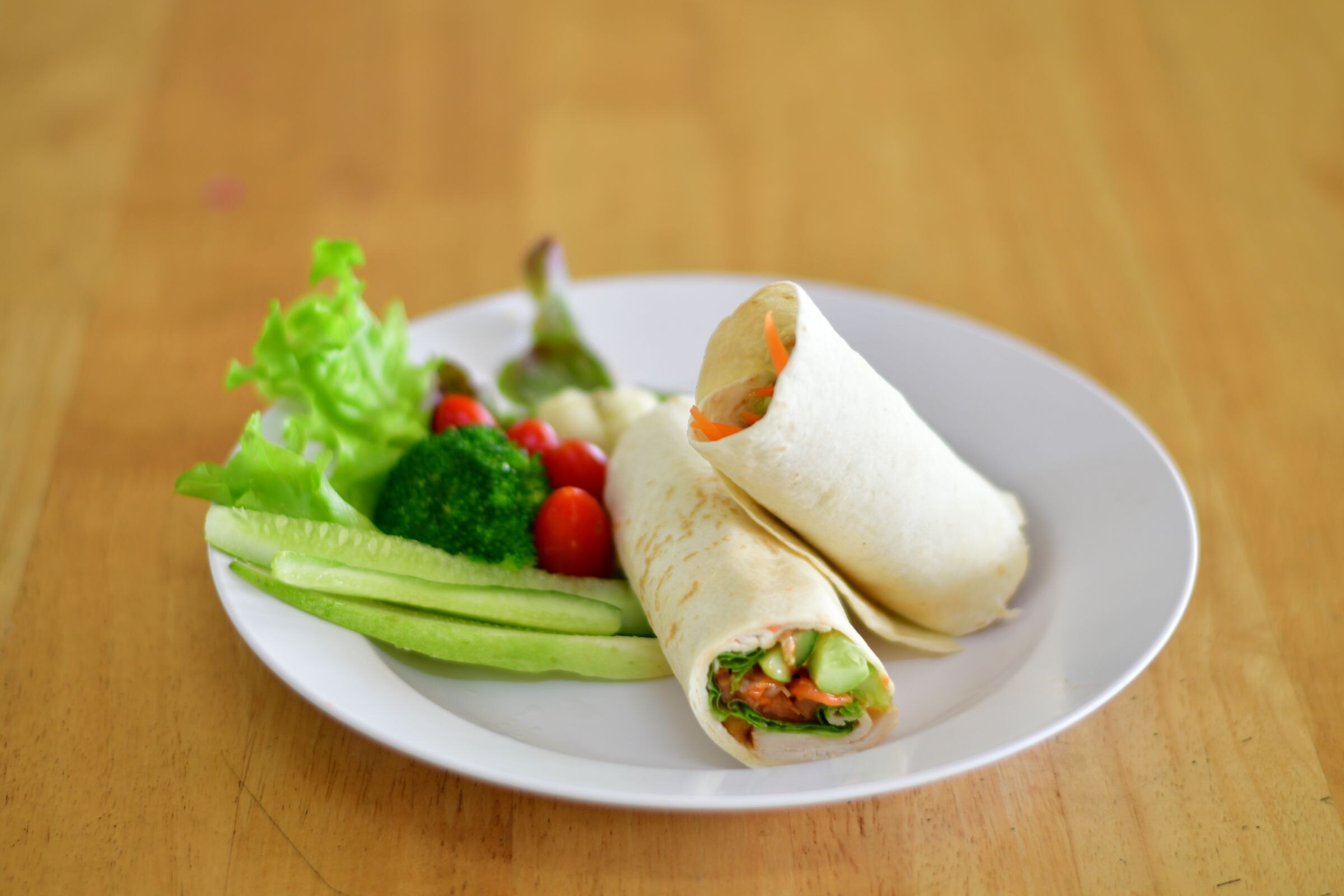
- Greek Yogurt Chicken Salad Wrap (~430 kcal | 42 g protein | 38 g carbs | 11 g fat): Shred 140 g of cooked chicken breast and fold it into 60 g of plain 0% strained Greek yogurt mixed with 1 teaspoon of Dijon mustard, diced celery, dill pickles, black pepper, and lemon juice. Roll tightly inside a high-fiber whole-wheat tortilla with crisp romaine lettuce and cucumber spears. Pack wet tomato slices separately until lunchtime so the wrap never turns soggy.
- Mediterranean Tuna, White Bean, and Crunch Box (~425 kcal | 40 g protein | 39 g carbs | 10 g fat): Drain one 140 g can of skipjack or chunk light tuna packed in water (~32 g protein) and toss with 100 g of rinsed cannellini or chickpea beans, halved cherry tomatoes, diced Persian cucumbers, red onion, parsley, fresh lemon juice, and 1 teaspoon of olive oil. No heating, zero fishy microwave odor in the office breakroom, and ready in three minutes.
- Cottage Cheese, Hard-Boiled Egg, and Smoked Salmon Bento (~415 kcal | 39 g protein | 28 g carbs | 15 g fat): Pack a three-compartment container with 150 g of low-fat cottage cheese, two large hard-boiled eggs, 50 g of smoked salmon, whole-grain rye crackers, radish slices, and bell pepper strips. If your afternoon stretches past six hours before dinner, pair your lunch bag with one portable backup from our high-protein snacks guide.
High-Protein Lunch Swaps for Sandwiches, Salads, and Eating Out
You do not need to bring Tupperware every single day to stay lean. Restaurant menus, delis, and office cafeterias become easy to navigate once you spot where hidden oils, refined breads, and low-protein portions hide—the core skill taught in our healthy food swaps guide and portion control without counting calories.
| Common Midday Trap | Typical Macros | High-Protein Upgrade | Macro & Energy Payoff |
|---|---|---|---|
| Deli turkey & cheese sub with mayo + bag of chips | ~860 kcal, 28 g protein | Grilled chicken breast wrap with Greek-yogurt mustard spread + crisp apple | ~445 kcal, 42 g protein (saves ~415 kcal) |
| Restaurant Chicken Caesar with croutons & creamy dressing | ~790 kcal, 32 g protein | Double grilled chicken salad with chickpeas, veggies, and lemon-olive oil on the side | ~460 kcal, 48 g protein (saves ~330 kcal) |
| Takeout fried rice or greasy lo mein noodle box | ~920 kcal, 22 g protein | Steamed rice (half portion) + double chicken/shrimp & mixed steamed broccoli in light garlic sauce | ~490 kcal, 44 g protein (saves ~430 kcal) |
| Cream of broccoli soup in a bread bowl | ~740 kcal, 18 g protein | Lentil or chicken-vegetable broth soup + side of plain strained Greek yogurt | ~390 kcal, 36 g protein (saves ~350 kcal) |
| Two large slices of pepperoni pizza + regular soda | ~880 kcal, 26 g protein | Thin-crust grilled chicken vegetable flatbread + side garden salad + sparkling citrus water | ~480 kcal, 39 g protein (saves ~400 kcal) |
| Tuna melt loaded with 3 tbsp mayo & melted cheddar | ~760 kcal, 31 g protein | Water-packed tuna mixed with mashed avocado, lemon, and herbs on toasted sprouted grain bread | ~420 kcal, 38 g protein (saves ~340 kcal) |
Fueling Afternoon Workouts: Pairing Midday Protein with Compound Lifting
For anyone who trains between 4:30 PM and 7:30 PM, lunch is far more important for gym performance than a quick pre-workout drink taken in the locker room. Replenishing muscle and liver glycogen from whole starches takes three to five hours of enzymatic digestion, intestinal absorption, and insulin-mediated transport via GLUT4 into muscle fibers. Eating a balanced lunch around 12:30 PM or 1:00 PM gives your stomach plenty of time to empty completely so you feel light and braced under heavy loads while circulating amino acids shield working muscle from catabolism.
If more than four and a half hours pass between lunch and your first warm-up set, add a light, fast-digesting bridge—such as a banana or a small handful of dates 30 to 45 minutes before lifting—following the timing strategies in our pre- and post-workout nutrition guide.
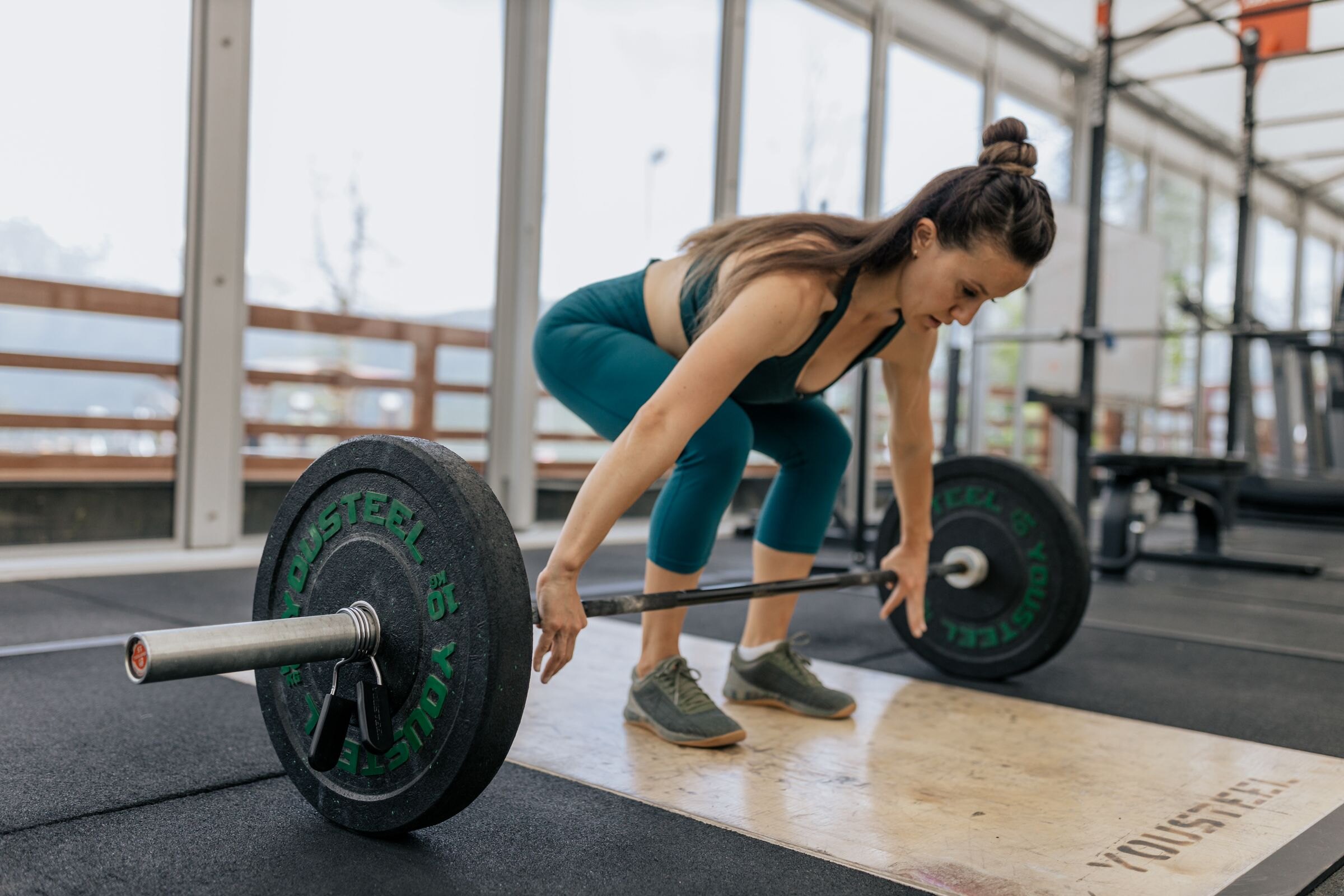
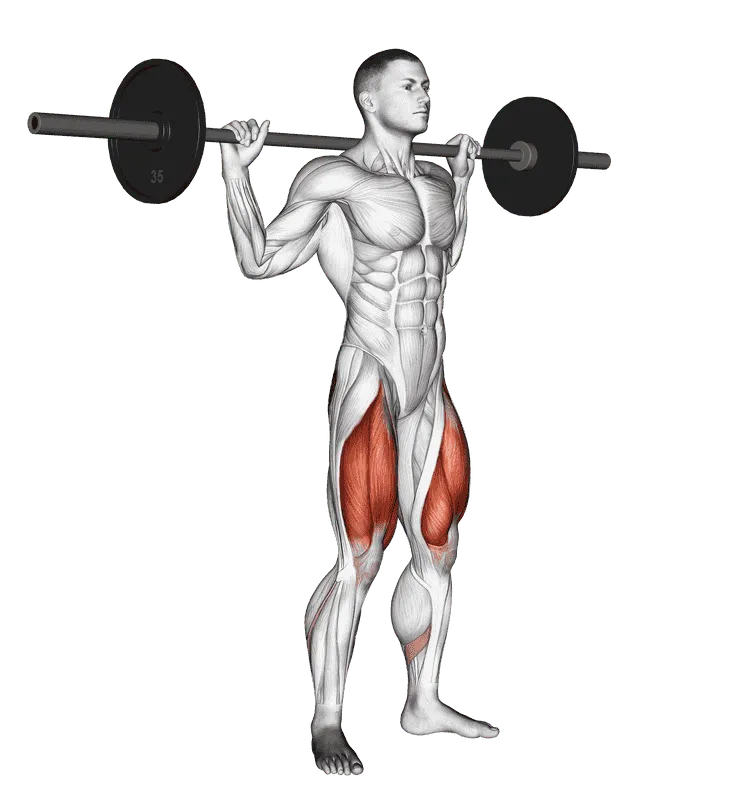
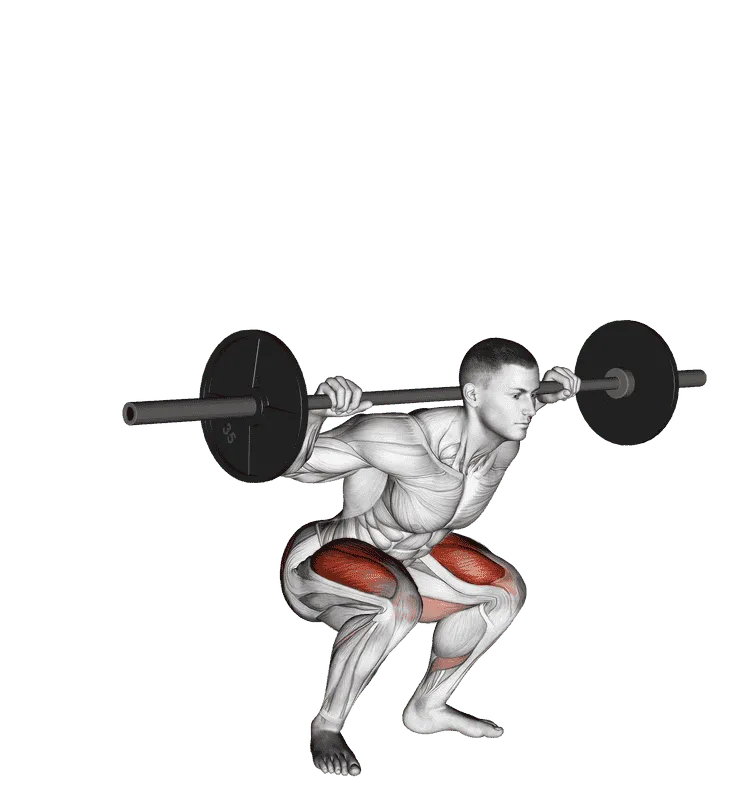
Put that midday fuel to work on progressive multi-joint lifts that recruit maximum skeletal muscle mass and drive long-term strength adaptation.
- Sets
- 3–4
- Reps
- 6–10
- Rest
- 150 s
- Tempo
- 3–1–1
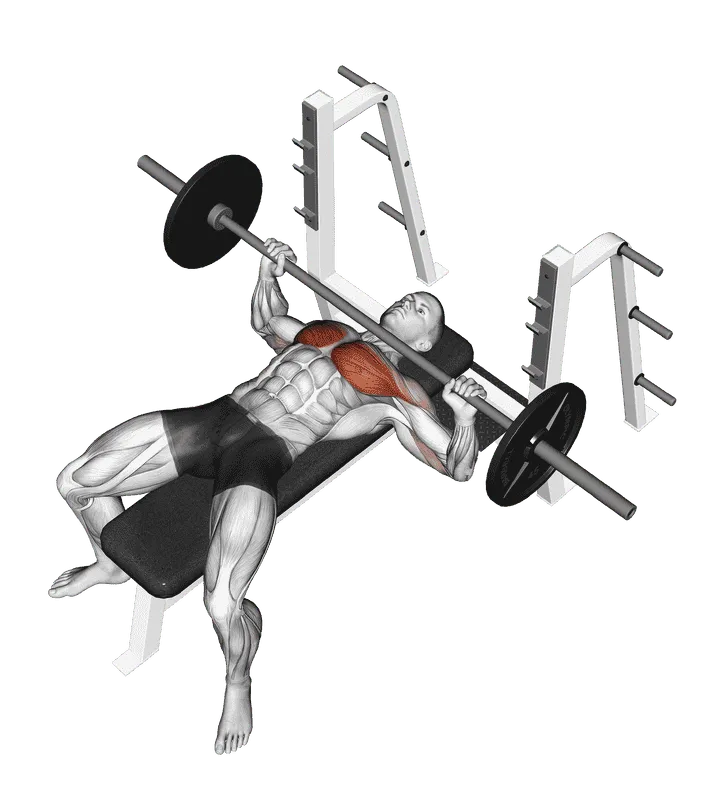
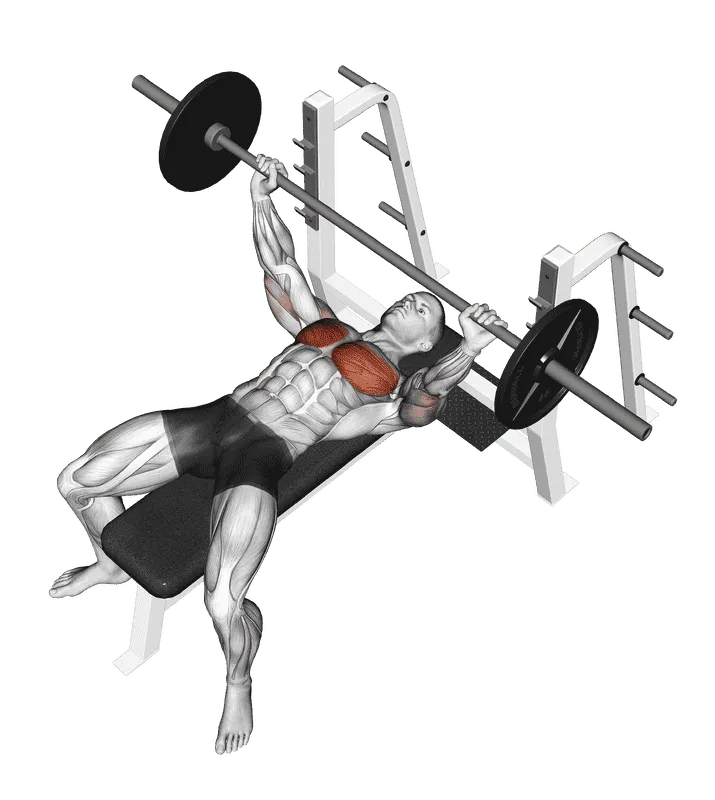
Balance lower-body squatting tension with heavy horizontal pressing to stimulate your pectorals, anterior deltoids, and triceps while your afternoon energy and focus are at their peak.
- Sets
- 3–4
- Reps
- 6–10
- Rest
- 150 s
- Tempo
- 3–1–1
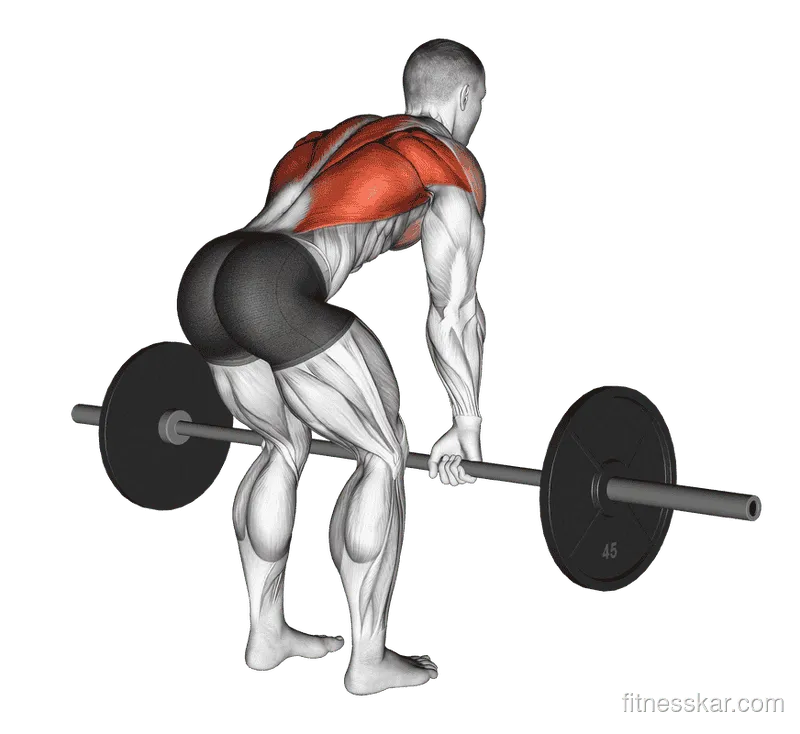
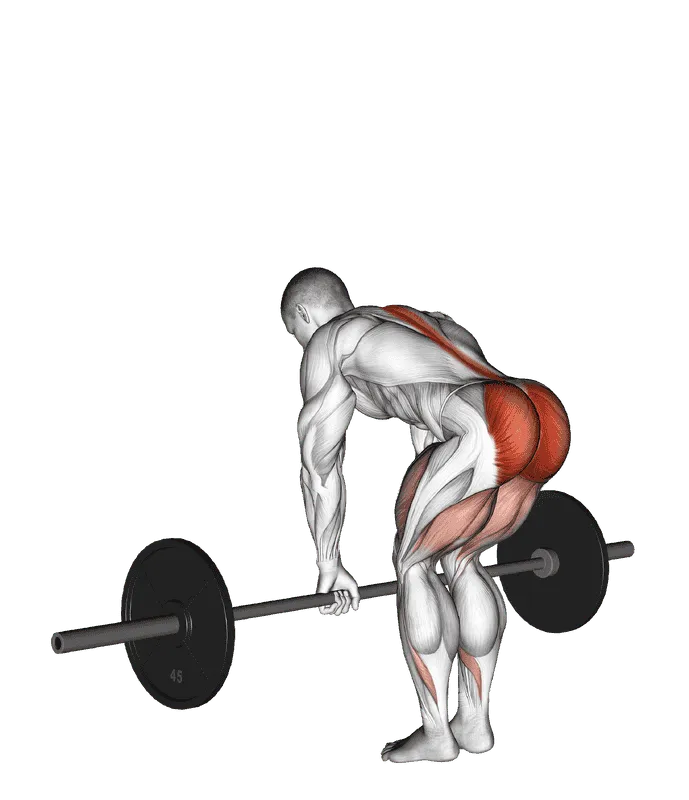
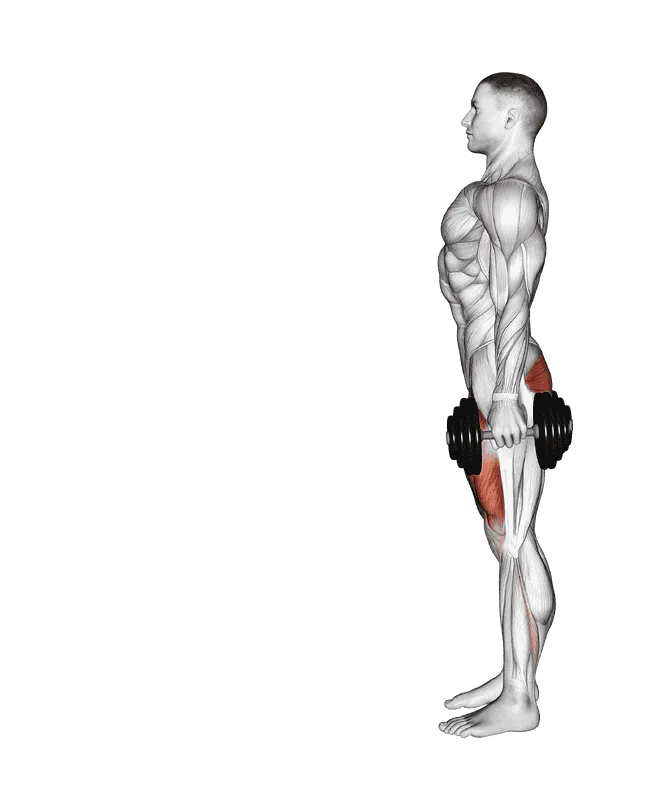
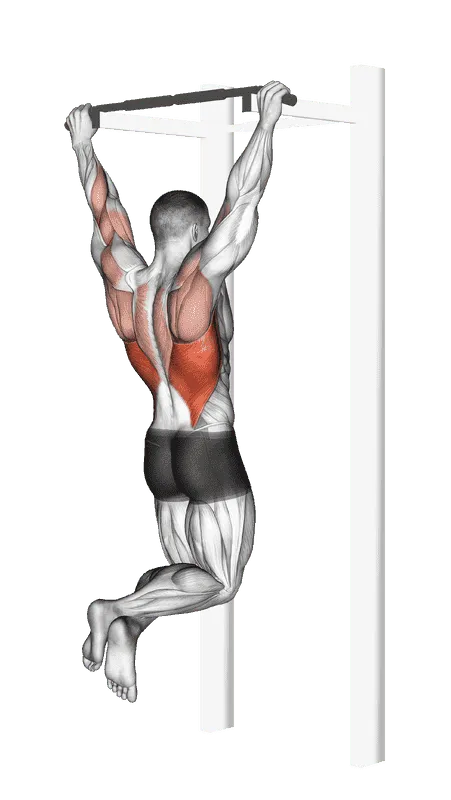
Build the rest of your weekly training around complementary compound patterns—including the barbell bent-over row, barbell Romanian deadlift, dumbbell seated shoulder press, dumbbell lunge, and strict pull-up—working within 1 to 2 reps of technical failure. Lifters focused on building lean size can plug these lifts directly into the structured 4-day split below, while those prioritizing fat loss can run our 21-Day Beginner Fat Loss Split or step up to the 8-Week Advanced Fat Loss System.
Frequently Asked Questions
Frequently asked questions
How much protein should you eat at lunch to build muscle and lose fat?
Most active adults should aim for 30 to 45 grams of complete protein at lunch, or roughly 0.4 to 0.55 grams per kilogram of body weight. Controlled tracer research shows that hitting at least ~30 grams at midday—rather than eating a small lunch and saving protein for dinner—supports 25% higher 24-hour muscle protein synthesis while keeping afternoon hunger hormones suppressed.[1]
What are the best high-protein lunches that do not need a microwave?
Water-packed canned tuna or salmon mixed with white beans and lemon, shredded chicken salad bound with plain strained Greek yogurt and Dijon mustard inside a high-fiber wrap, and bento boxes combining low-fat cottage cheese, hard-boiled eggs, smoked salmon, and raw vegetables all deliver 35 to 42 grams of protein cold—provided you store them in a fridge or insulated lunch bag with an ice pack.
Why do I get so sleepy after lunch, and how does protein stop it?
Heavy, refined-carbohydrate lunches spike blood glucose and insulin, which subsequently suppresses wakefulness-promoting orexin neurons in your hypothalamus and triggers a mid-afternoon blood sugar dip. Centering lunch on 35 to 45 grams of lean protein and fibrous vegetables slows digestion, flattens your glucose curve, and supplies amino acids that directly stimulate orexin neurons for steady afternoon focus.
How long do meal-prepped chicken, fish, and egg lunches last in the fridge?
Cooked poultry, lean beef, and cooked grains keep safely for 3 to 4 days in airtight containers at or below 4°C (40°F), while cooked seafood is best eaten within 2 to 3 days and unpeeled hard-boiled eggs last up to 7 days. For Thursday and Friday work lunches, freeze cooked portions right after prepping and move them to the refrigerator 24 hours before eating.
What should my lunch look like if I lift weights right after work?
Eat lunch 3 to 4.5 hours before your workout, combining 35 to 45 grams of lean protein (such as chicken breast, turkey, or white fish) with 45 to 80 grams of easy-to-digest carbohydrates (rice, potatoes, quinoa, or whole-grain bread) and moderate fat (10 to 15 g). That window lets your stomach empty comfortably while fully stocking muscle glycogen for heavy afternoon sets.
Sources
- Mamerow MM, Mettler JA, English KL, et al. Dietary protein distribution positively influences 24-h muscle protein synthesis in healthy adults. The Journal of Nutrition. 2014. doi.org/10.3945/jn.113.185280 ↩