Ask almost any regular gym-goer how to build visible abdominal muscles, and you will inevitably hear the familiar gym cliché: "Abs are made in the kitchen." While it is indisputable that uncovering the abdominal wall requires reaching a low enough body fat percentage through a sustained calorie deficit, nutritional restriction alone cannot build muscular tissue. Just like your quadriceps, latissimus dorsi, or biceps brachii, the muscles of your abdominal wall are skeletal muscles governed by the exact same physiological laws of mechanical tension, metabolic stress, and muscle protein synthesis.
If your rectus abdominis lacks muscular development, getting lean will merely leave you with a flat, undefined midsection rather than the dense, three-dimensional "brick-like" segmentation of a well-developed six-pack. Conversely, when you deliberately train your abdominal wall for muscular hypertrophy, you expand the thickness of the muscle bellies between the tendinous inscriptions. This allows your abs to visibly push outward through subcutaneous fat, creating distinct definition at significantly higher and more comfortable body fat levels.
Building truly impressive abdominal musculature requires moving beyond high-rep bodyweight flutter kicks, mindless planks, and endless unweighted sit-ups. You must treat your midsection as a primary muscle group deserving of intelligent exercise selection, lengthened-state mechanical loading, and systematic progressive overload. Here is the definitive, research-based masterclass on the biomechanics, physiological mechanisms, and programming protocols required to maximize abdominal hypertrophy.
The Anatomy and Biomechanics of the Abdominal Wall
To stimulate maximum muscle growth, you must understand the exact functional anatomy of the anterior and lateral core musculature. The abdominal wall is not a single uniform sheet of muscle, but rather an intricate architectural system of four distinct muscle layers working across multiple planes of motion.
1. Rectus Abdominis
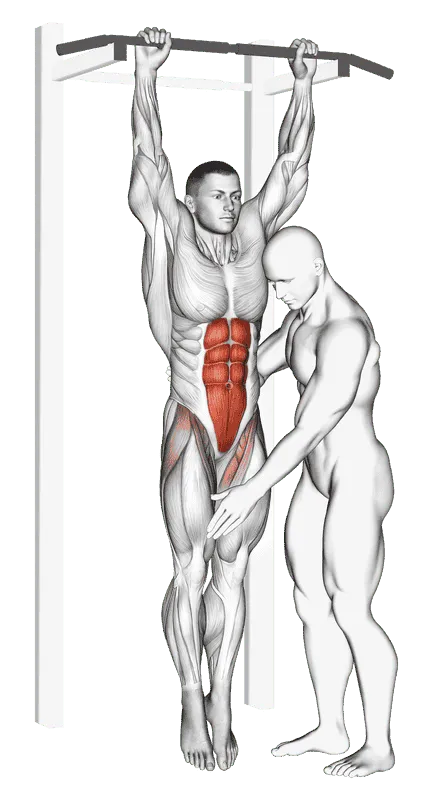
The rectus abdominis is the prominent, vertical muscle extending from the crest of the pubis up to the xiphoid process and the cartilages of the fifth, sixth, and seventh ribs. Its primary biomechanical function is spinal flexion—drawing the rib cage toward the pelvis or curling the pelvis upward toward the sternum (posterior pelvic tilt). It also assists in lateral spinal flexion and stabilizes the lumbar spine against anterior shear forces.
2. External and Internal Obliques
Flanking the rectus abdominis on either side, the external and internal obliques run diagonally across the torso in opposite directions, resembling a crisscrossed web. The external obliques originate on the lower eight ribs and insert onto the iliac crest and abdominal aponeurosis. The internal obliques sit beneath them, originating on the lumbar fascia and iliac crest. Working together, they govern lateral trunk flexion (side bending), trunk rotation (twisting), and compressive intra-abdominal pressure.
3. Transverse Abdominis (TVA)
The deepest muscular layer of the abdominal wall, the transverse abdominis acts as the body's internal corset. Its horizontal fibers run across the torso, wrapping around the viscera. While the TVA does not flex or rotate the spine and cannot create visible surface segmentation, it generates intra-abdominal pressure (IAP) to stabilize the spine during heavy lifting and draws the abdominal wall inward, preventing distension.
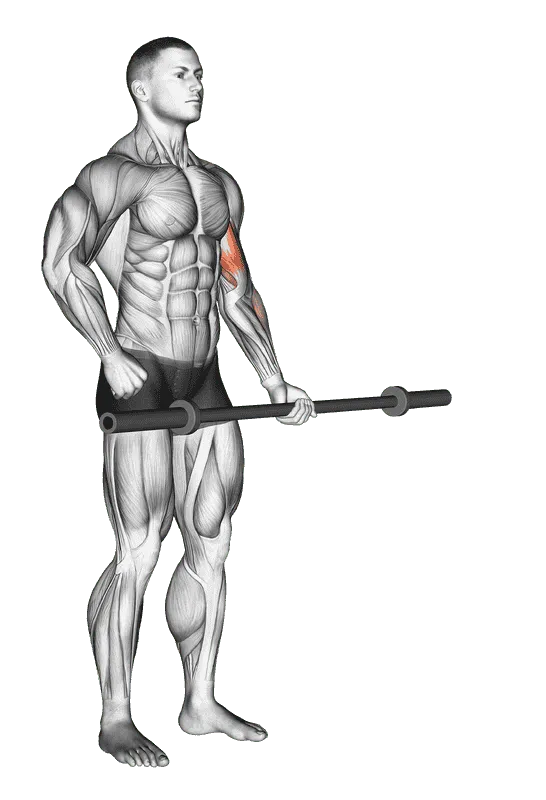
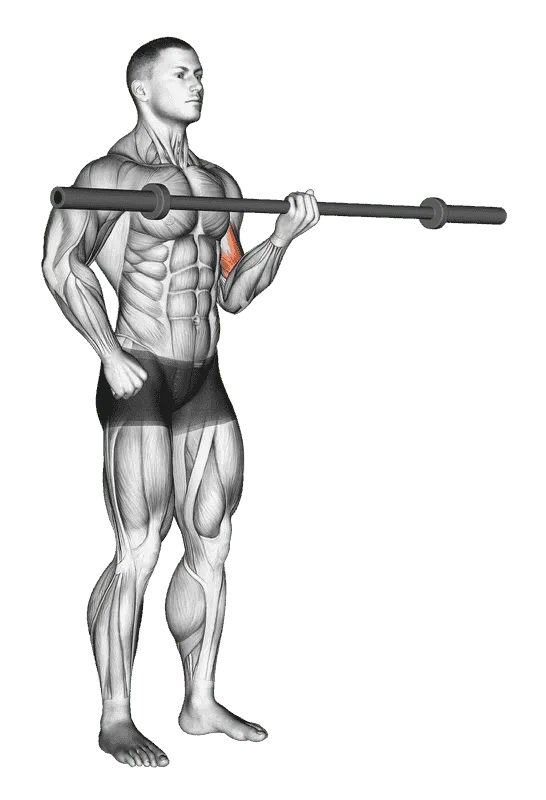
- Sets
- 3–4
- Reps
- 10–12
- Rest
- 90 s
- Tempo
- 3–1–1
The Critical Distinction: Spinal Flexion vs. Hip Flexion
The single most widespread technical flaw in core training is confusing hip flexion with spinal flexion. This biomechanical misunderstanding accounts for why millions of lifters perform hundreds of daily sit-ups or leg lifts yet never develop appreciable abdominal thickness.
The primary hip flexors—predominantly the iliopsoas (psoas major and iliacus) and the rectus femoris of the quadriceps—originate on the lumbar spine and pelvis and insert onto the femur. Their job is to pull the thigh upward toward the torso.
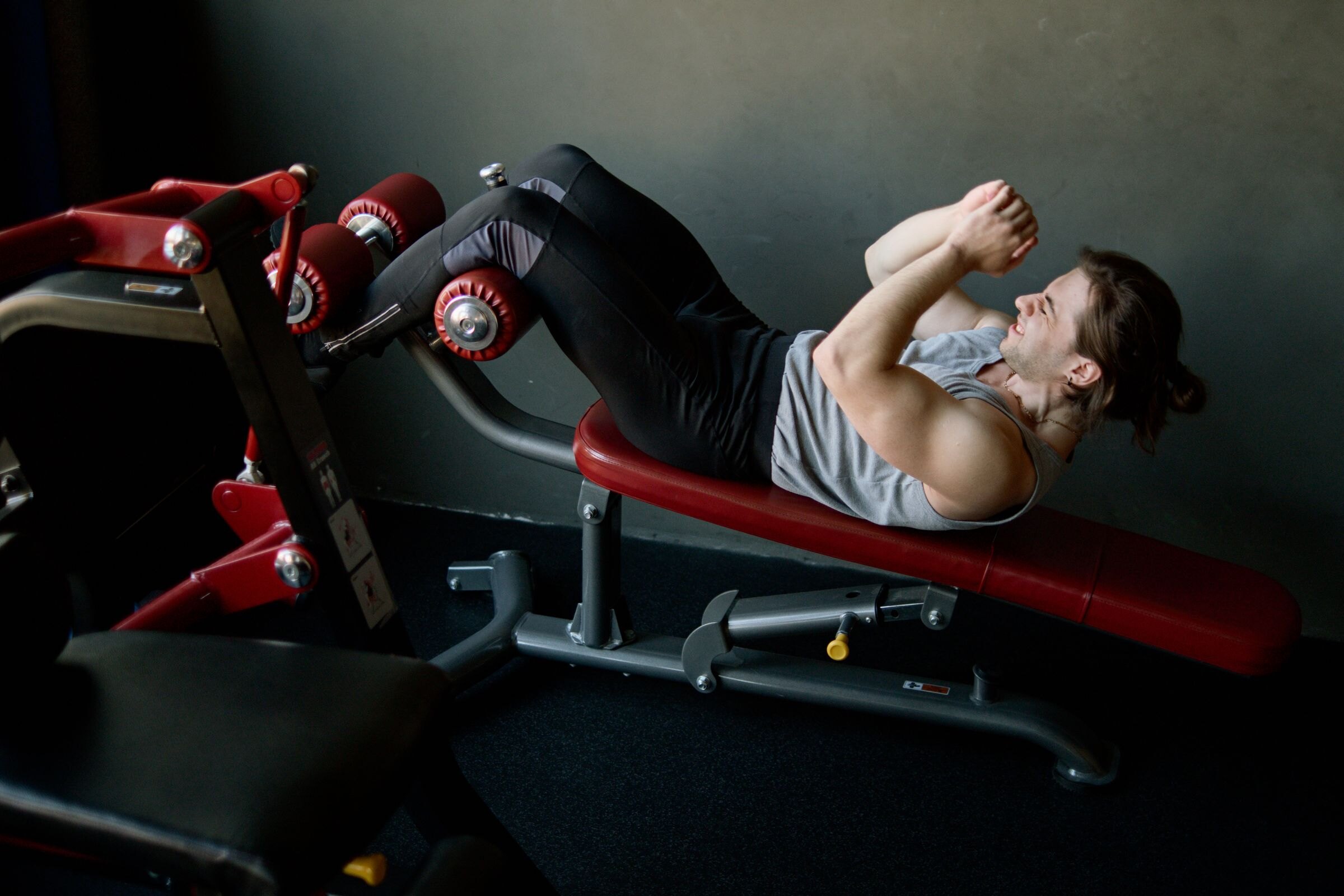
When you anchor your feet on a decline bench and perform a standard sit-up with a rigid, flat spine, the rotation occurs almost entirely at the acetabulofemoral (hip) joints. In this scenario:
- The iliopsoas performs the dynamic concentric and eccentric work against gravity.
- The rectus abdominis is forced into an isometric contraction, stabilizing the torso without undergoing significant length changes.
To induce true skeletal muscle hypertrophy in the rectus abdominis, the muscle must actively shorten and lengthen through its full functional excursion. This means your spine must actually bend—rounding into thoracic and lumbar flexion as you contract, and extending back toward neutral or slight hyperextension during the eccentric phase.
When performing hanging leg raises, for example, simply lifting your straight legs to a 90-degree angle with your pelvis stationary is pure hip flexion. To turn the movement into a premier abdominal hypertrophy exercise, you must continue the movement by curling your pelvis upward toward your chest, rolling your hips into posterior tilt and shortening the rectus abdominis from the bottom up.[1]

Why Heavy Compound Lifts Are Not Enough for Max Abs
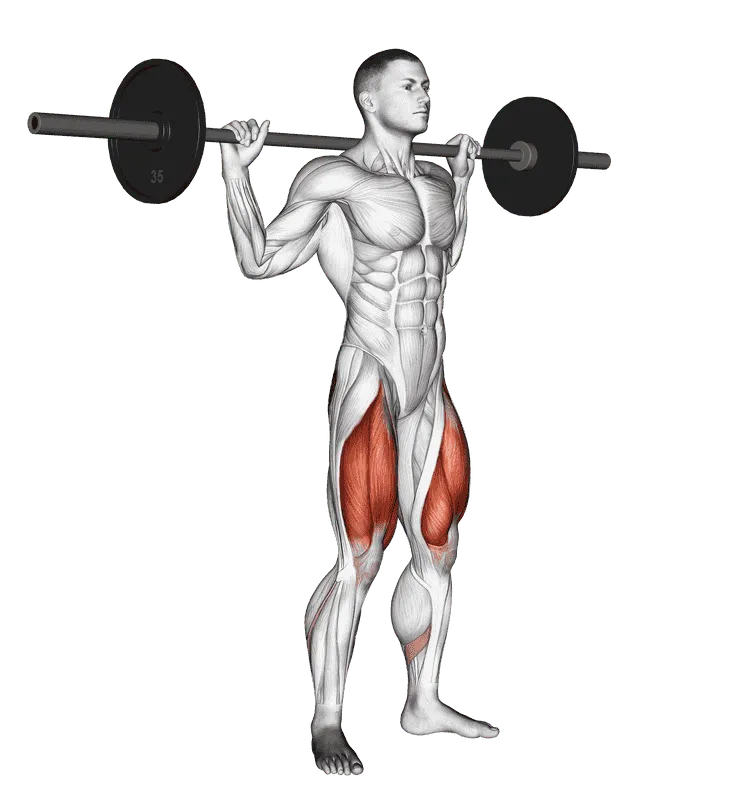
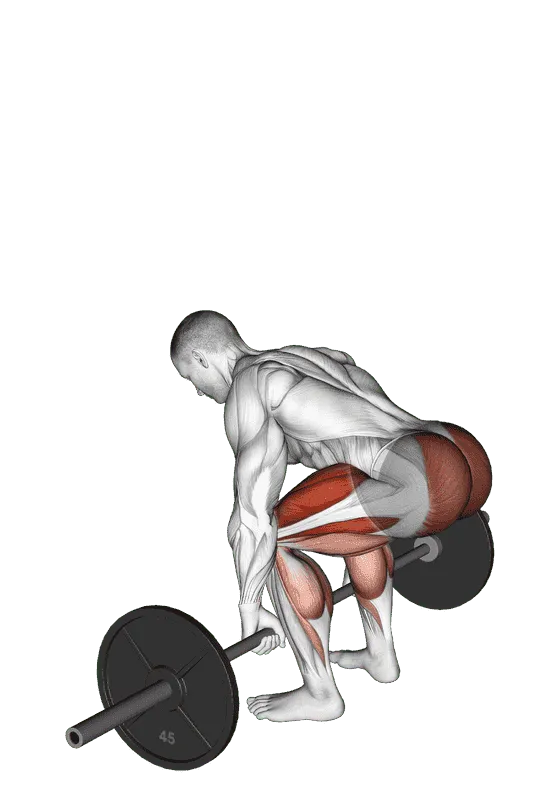
A persistent belief in modern strength circles asserts that direct abdominal isolation is redundant if you regularly perform heavy compound exercises like the barbell full squat, barbell deadlift, and overhead presses. The theory suggests that bracing hard under heavy barbell loads provides all the stimulus your abs need to grow.
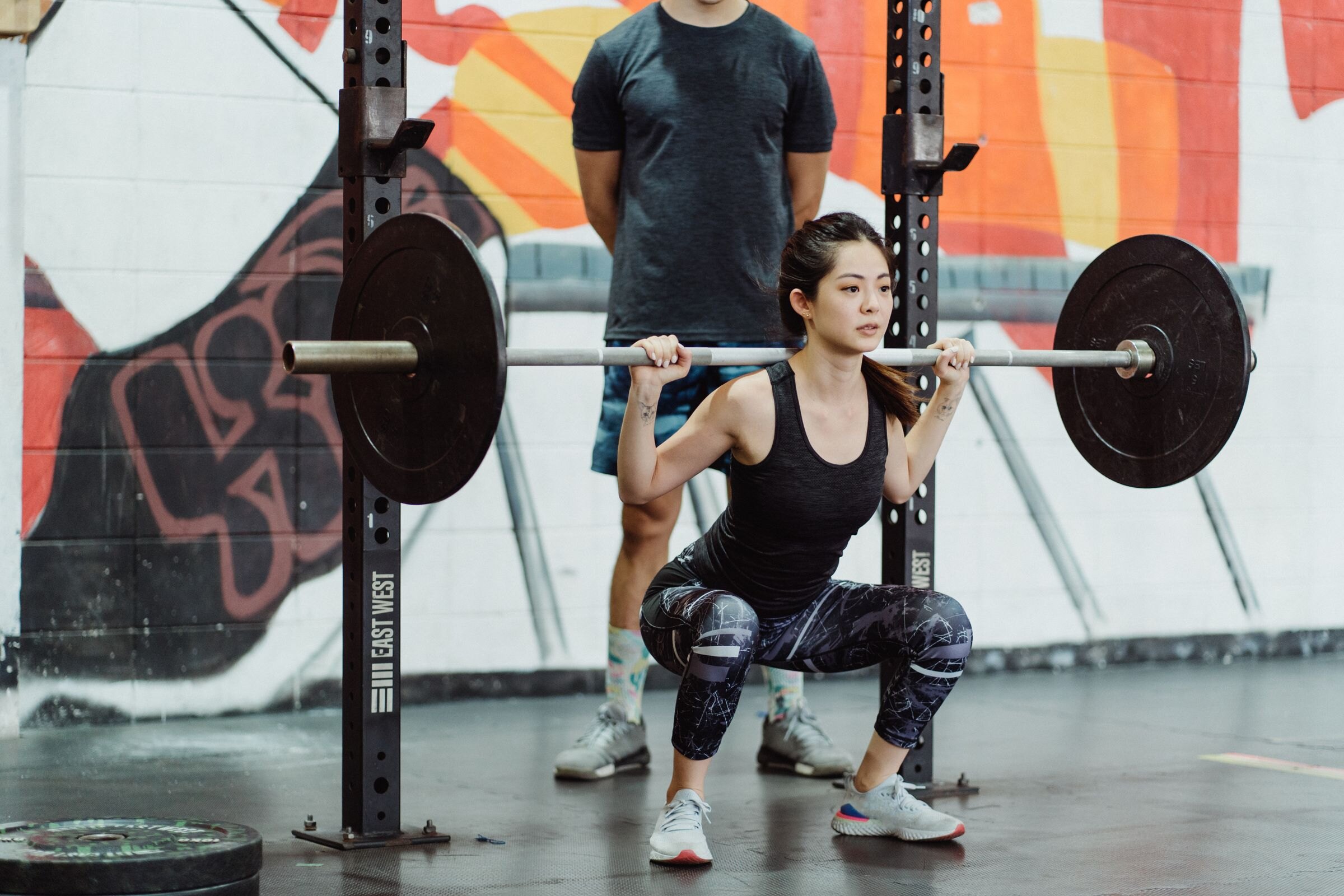
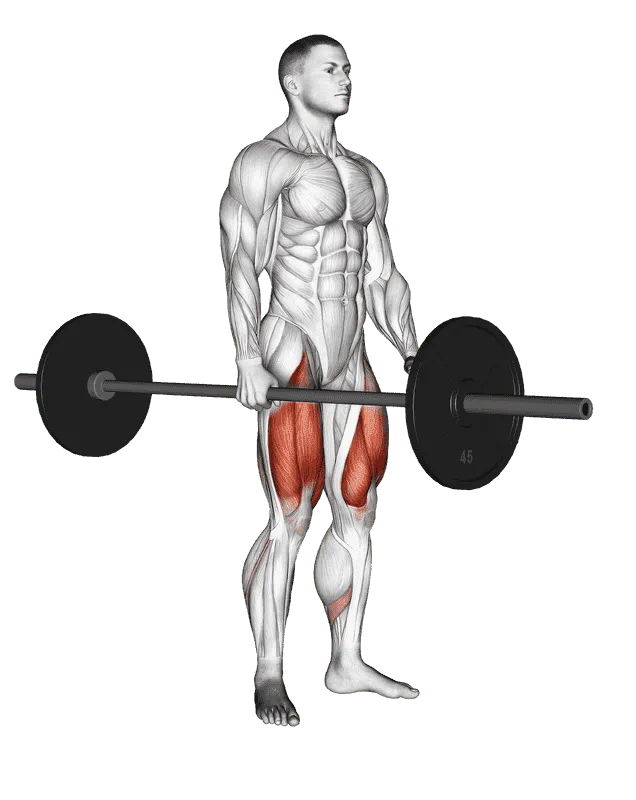
Exercise science research has thoroughly dismantled this myth. Electromyographic (EMG) studies comparing core activation patterns reveal that while heavy squats and deadlifts demand high neuromuscular recruitment of the spinal erectors and posterior core musculature to prevent lumbar collapse, anterior abdominal recruitment (rectus abdominis and external obliques) is remarkably modest.[1]
| Movement Type | Primary Core Role | Rectus Abdominis Stimulus | Hypertrophic Limitation |
|---|---|---|---|
| Heavy Barbell Squat | Anti-flexion & IAP generation | Isometric (Low to Moderate) | Zero dynamic shortening/lengthening; limited mechanical stretch |
| Conventional Deadlift | Anti-flexion & anti-shear | Isometric (Low to Moderate) | Focuses primarily on lumbar erectors and deep glute/hamstring tension |
| Overhead Press | Anti-extension | Isometric (Moderate) | Static stabilization against backward lean; no concentric excursion |
| Loaded Cable Crunch | Dynamic spinal flexion | Dynamic (Very High) | Direct loaded eccentric stretch and full concentric shortening |
| Hanging Leg/Pelvic Raise | Dynamic posterior pelvic tilt | Dynamic (Very High) | High peak tension in lower abdominal fibers through active pelvic curling |
Furthermore, hypertrophy requires muscles to be exposed to mechanical tension through dynamic cycles of eccentric stretching and concentric shortening under load. Static isometric contractions produce noticeably less muscle growth than full range-of-motion dynamic resistance exercise.
Relying solely on squats and deadlifts for abdominal development is the physiological equivalent of relying on deadlift grip demands to build maximal forearm hypertrophy, or relying on bench pressing alone to build your triceps. Compound lifts provide a solid baseline of core stability, but maximizing abdominal hypertrophy demands dedicated, direct training.
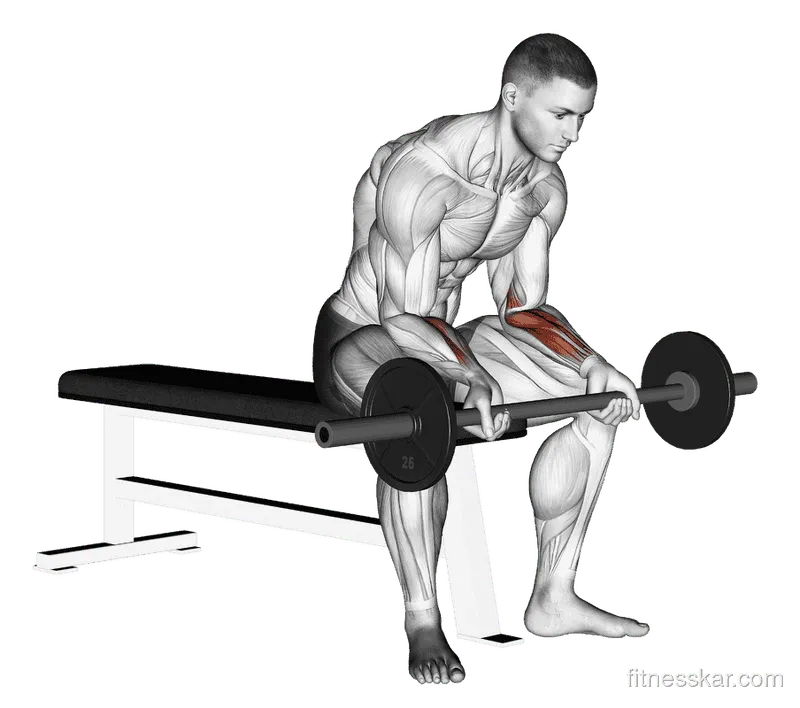
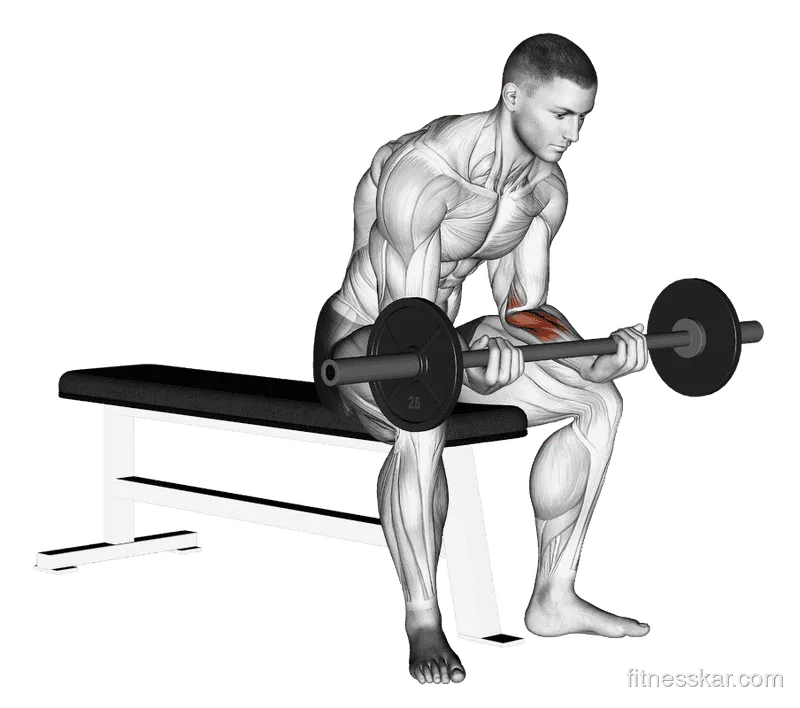
- Sets
- 3–4
- Reps
- 10–15
- Rest
- 90 s
- Tempo
- 2–1–2
The Three Pillars of Ab Hypertrophy: Loading, Stretch, and Progressive Overload
Treating your abs like an endurance muscle by performing 50 unweighted crunches on an exercise mat violates every foundational principle of muscle hypertrophy. To force the rectus abdominis and obliques to adapt by packing on structural protein, you must apply the three foundational pillars of muscle growth:
1. Progressive Overload and Resistance
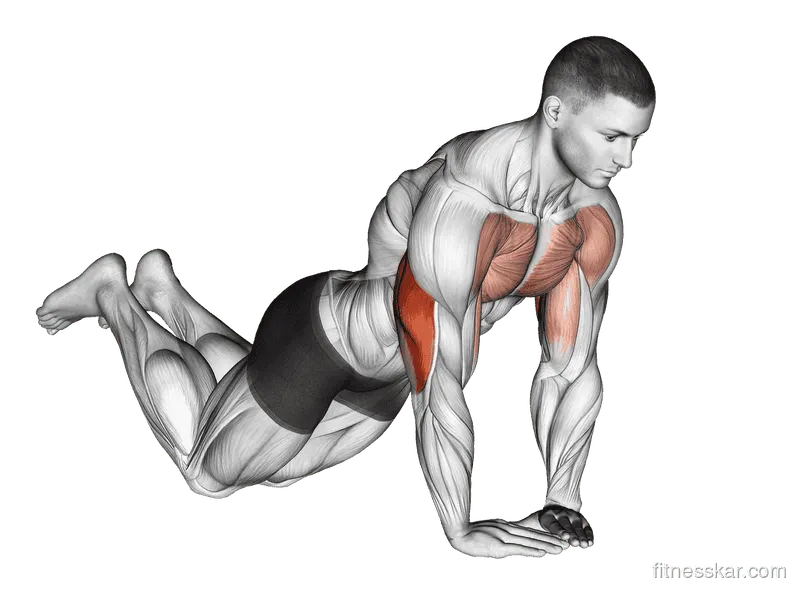
Just as you would not expect your chest to grow by doing the same 20 unweighted push-ups every week indefinitely, you cannot expect your abdominal wall to thicken if the external load never increases. You must apply progressive overload by:
- Adding external resistance over time (e.g., micro-loading the pin on the cable crunch or using ankle weights on hanging leg raises).
- Increasing repetitions within a fixed target range before advancing the load.
- Improving movement quality and cadence, enforcing strict 2-to-3-second eccentric descents and deliberate 1-to-2-second peak isometric contractions.
2. Loading the Muscle at Long Muscle Lengths
Emerging exercise physiology indicates that mechanical tension placed upon a muscle at lengthened positions (stretch-mediated hypertrophy) produces superior hypertrophic signaling compared to contractions performed strictly in shortened states.
Most floor crunches begin at neutral spine and curl upward into shortening, completely missing the loaded lengthened position. Exercises like the kneeling cable crunch or decline bench crunches allow you to safely extend your spine slightly past neutral at the top of the eccentric phase, pre-stretching the rectus abdominis against active resistance before initiating the contraction.[1]
3. Training with Sufficient Proximity to Muscular Failure
Because the abdominal wall assists in respiration and postural maintenance throughout daily life, it possesses high oxidative endurance. To recruit the higher-threshold, fast-twitch type II motor units capable of significant growth, your working sets must be taken within 1 to 3 repetitions of true concentric failure (an RIR of 1 to 3), or occasionally taken to absolute technical failure on machine variations.[1] Check our in-depth guide on training to failure for strategic implementation.
Evidence-Based Exercise Selection: The Premier Hypertrophy Movements
Not all core exercises are created equal. Based on biomechanical efficiency, loading potential, and electromyographic confirmation, the following movements represent the gold standard for abdominal hypertrophy:
Tier 1: The Loaded Flexion Masterclass
- Cable Rope Crunch: The undisputed king of loaded abdominal flexion. Performing this kneeling facing or facing away from a high pulley allows you to anchor your hips, eliminate the hip flexors, and overload the rectus abdominis through a full range of spinal extension and deep spinal flexion with seamless progressive resistance.
- Decline Crunch: Set a decline bench to a 30-to-45-degree angle. By keeping your hips open and focusing exclusively on rolling your sternum toward your belly button, you create intense eccentric tension against gravity. Hold a weight plate across your chest to progressively overload the movement.
- Ab Crunch Machine: A properly designed plate-loaded or selectorized crunch machine provides a fixed axis of rotation that isolates spinal flexion without demanding complex balance, making it an exceptional tool for pushing sets to absolute concentric failure.
Tier 2: Lower-Abdominal and Pelvic Rotation
- Hanging Leg Raise / Hanging Knee Raise: When executed by flexing the lumbar spine and driving the pubis upward toward the chin, this exercise produces exceptional activation across the inferior portions of the rectus abdominis.
- Decline Reverse Crunch: Lying on a decline bench with your head at the high end, grip the handles and curl your pelvis up off the pad. This movement removes grip fatigue as a limiting factor while delivering an intense lengthened-to-shortened pelvic curl.
Tier 3: Anti-Extension and Dynamic Stability
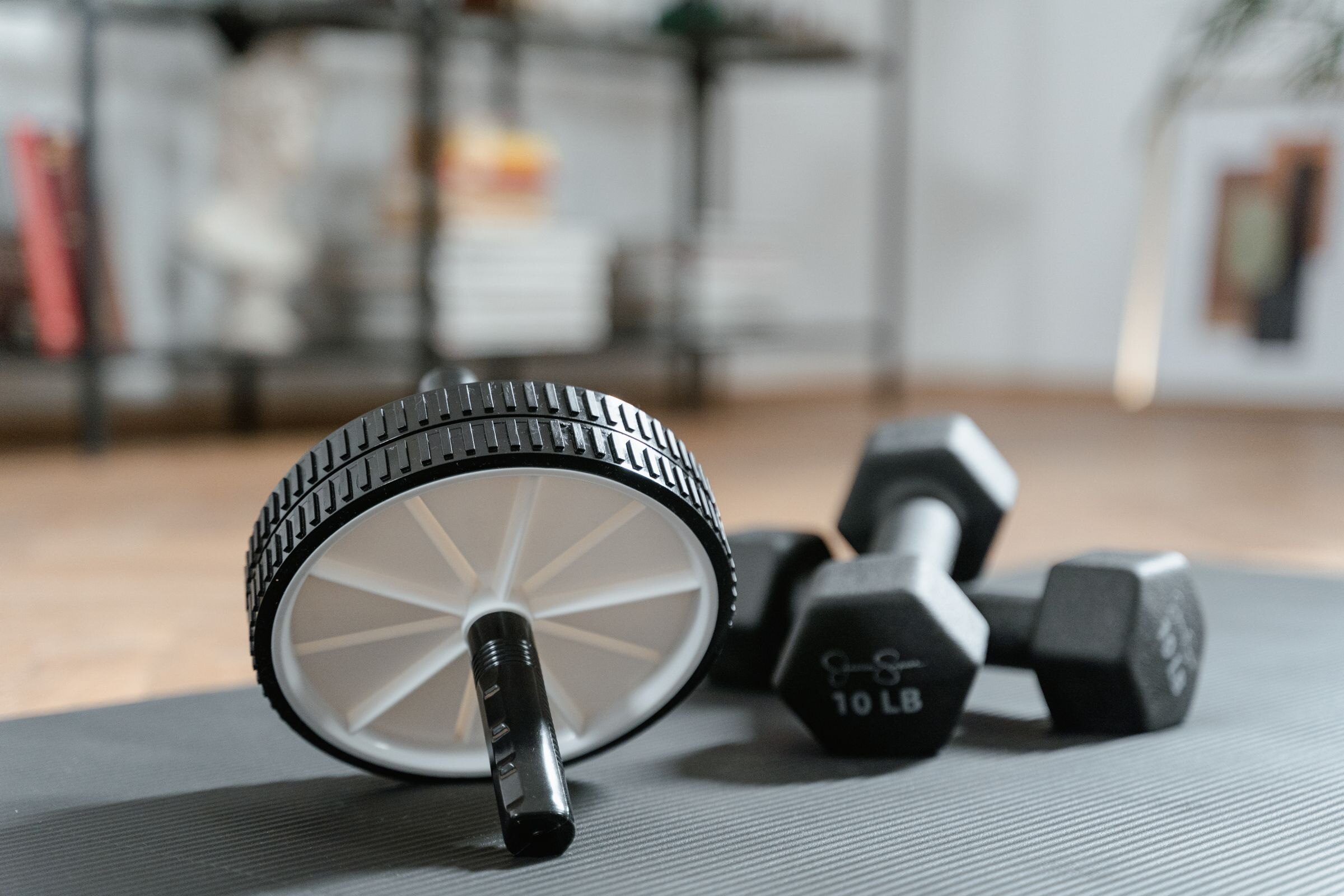
- Barbell Ab Rollout on Knees: An elite anti-extension exercise that places immense eccentric mechanical tension on the rectus abdominis as the levers lengthen. Focus on maintaining a slight hollow-body position and pulling back through the core rather than the lats.
- Plank: While static planks become inefficient once you can hold them for more than 60 seconds, high-tension RKC planks (actively squeezing your glutes, quads, and pulling your elbows toward your toes) provide excellent motor control for beginners.

- Sets
- 3
- Reps
- 12–15
- Rest
- 90 s
- Tempo
- 3–1–1
Volume, Frequency, and Programming Landmarks
To optimize recovery and adaptation, your abdominal programming should align with the established scientific volume landmarks from hypertrophy literature:
Ideal Repetition Ranges and Loading Strategies
The rectus abdominis responds exceptionally well to a dual-spectrum repetition approach:
- Primary Strength-Hypertrophy Zone (8 to 12 reps): Emphasize heavier, loaded movements like the cable crunch or ab crunch machine. Use a load that brings you to 1–2 RIR within this bracket.
- Metabolic Stress Zone (12 to 20 reps): Emphasize bodyweight and leverage-manipulated movements like hanging leg raises, decline reverse crunches, or barbell rollouts.
For a complete breakdown of how to structure weekly volume for lagging muscle groups, review our guide on sets per muscle group per week.
Weekly Sample Microcycle: 2-Day Ab Hypertrophy Routine
Seamlessly integrate this targeted split into the end of your upper/lower or push/pull/legs workouts:
Session A (Upper Abs & Midline Loaded Flexion)
- Cable Rope Crunch — 4 sets of 10–12 reps (3-second eccentric, 1-second squeeze at the bottom, 90 seconds rest).
- Hanging Knee-to-Chest Raise — 3 sets of 12–15 reps (smooth cadence, full pelvic roll at the top, 60 seconds rest).
Session B (Lengthened Overload & Lower Ab Emphasis)
- Decline Crunch with Weight — 3 sets of 12–15 reps (holding a 5–10 kg plate, 90 seconds rest).
- Barbell Ab Rollout on Knees — 3 sets of 8–10 reps (slow, controlled descent stopping just short of spinal sagging, 90 seconds rest).
Nutritional Realities: Fat Loss vs. Muscle Density
No discussion of abdominal development is complete without contextualizing the interplay between muscle hypertrophy and body fat reduction. A common point of confusion is whether one should focus on burning fat or building muscle first.
If you are currently carrying higher body fat levels, combine your direct ab hypertrophy training with a moderate caloric deficit (300 to 500 kcal below maintenance) and high protein intake (1.6 to 2.2 g/kg). Our detailed guides on how to lose belly fat and body recomposition lay out the exact nutritional frameworks needed to strip away subcutaneous fat while simultaneously building muscle tissue beneath.
Frequently Asked Questions
Frequently asked questions
Can direct ab workouts burn belly fat locally?
No. Targeted fat loss—known scientifically as spot reduction—is a physiological myth. Training your abdominal muscles builds and thickens the underlying skeletal muscle tissue, but fat oxidation occurs systemically across the entire body in response to a sustained caloric deficit.
How often should I train abs for maximum growth?
Training your abdominal wall 2 to 3 times per week with 3 to 6 high-intensity sets per session is optimal for most lifters. Like other skeletal muscles, the rectus abdominis requires 48 hours to recover and synthesize new contractile protein following demanding loaded sessions.
Are sit-ups bad for your lower back?
Traditional full sit-ups with anchored feet generate high compressive and shear loads on the lumbar spine due to excessive hip flexor recruitment. Replacing sit-ups with spinal-flexion movements like cable crunches and hanging pelvic raises places greater tension on your abs with significantly lower spinal shear stress.
Why do my hip flexors hurt more than my abs during leg raises?
If your hip flexors tire out first, you are likely pivoting from the hip joints with a flat lumbar spine rather than curling your pelvis upward. To engage the rectus abdominis, focus on posteriorly tilting your pelvis and pulling your belt buckle toward your ribcage at the top of the movement.
Sources
- Escamilla RF, Babb E, DeWitt R, et al. Electromyographic analysis of traditional and nontraditional abdominal exercises: implications for rehabilitation and training. Physical Therapy. 2006. doi.org/10.1093/ptj/86.5.656 ↩