In the landscape of physique nutrition, dietary protein and carbohydrates receive relentless attention. Lifters meticulously count every gram of whey to satisfy leucine thresholds, while timing carbohydrates to fuel high-intensity glycogen replenishment. Yet for decades, dietary fat has remained one of the most misunderstood and polarized macronutrients in sports nutrition. Many lifters still cling to outdated low-fat dogma from the 1990s, slashing their lipid intake to near-zero levels during a cut in the mistaken belief that eating dietary fat inevitably leads to gaining body fat. Conversely, the rise of ketogenic and carnivore trends has swung the pendulum to the opposite extreme, urging athletes to consume massive quantities of saturated fat at the expense of performance-enhancing carbohydrates.
The biological reality is clear: dietary fat for muscle growth is an irreplaceable physiological requirement. Dietary lipids are not merely an energy reserve; they serve as the indispensable molecular foundation for endocrine health, steroidal hormone synthesis, cell membrane fluidity, joint lubrication, and the bioavailability of essential micronutrients. Chronic dietary fat deprivation sabotages muscle protein synthesis, blunts natural testosterone production, disrupts thyroid signaling, causes joint irritation, and leaves lifters chronically fatigued.
Whether your primary goal is maximizing hypertrophy during a structured muscle-building phase, maintaining lean mass in a caloric deficit, or optimizing long-term metabolic health, calibrating your dietary fat intake is mandatory. Here is an exhaustive, research-backed masterclass detailing how dietary fat regulates hormones, optimal daily gram targets per kilogram of body weight, how to structure fat intake during bulking versus cutting phases, and the highest-yield whole-food fat sources for lifters.
The Endocrine Science: How Dietary Lipids Drive Hormone Synthesis
To appreciate why dietary fat is vital for anyone who lifts weights, we must understand the cellular biology of steroidogenesis—the physiological process through which your body manufactures steroid hormones.
Every steroid hormone in the human body—including testosterone, dihydrotestosterone (DHT), estrogen, progesterone, and cortisol—is structurally derived from cholesterol. While your liver synthesizes a baseline amount of cholesterol endogenously, dietary lipid intake directly influences circulating lipoprotein concentrations, luteinizing hormone (LH) pulsatility, and the delivery of esterified cholesterol to the Leydig cells located within the testes.
The Pitfalls of the Ultra-Low-Fat Diet
When lifters embark on an aggressive cutting phase to achieve low body fat, their first instinct is often to eliminate oils, egg yolks, nuts, and red meat, driving fat intake down to 10% to 15% of total daily calories. The rationale seems straightforward: because dietary fat contains 9 calories per gram compared to 4 calories per gram for protein and carbohydrates, cutting fat appears to be the most efficient way to carve out a caloric deficit while keeping protein high.
However, scientific research shows that this approach comes with severe endocrine consequences. A landmark systematic review and meta-analysis of intervention studies published by Whittaker and Wu demonstrated that low-fat diets (≤20% of total calories) significantly decrease resting testosterone concentrations in healthy men compared to higher-fat diets (≥30% to 40% of calories).[1] On average, men consuming low-fat diets experienced an average 10% to 15% reduction in total testosterone, with even more pronounced drops in bioavailable and free testosterone.
When dietary fat drops below critical thresholds, several physiological disruptions occur simultaneously:
- Suppression of Free Androgens: Low-fat diets elevate sex hormone-binding globulin (SHBG) in some contexts while decreasing overall androgen production, leaving less bioactive, unbound testosterone available to interact with skeletal muscle androgen receptors.
- Thyroid Hormone Downregulation: Severe lipid and energy restriction blunts the peripheral conversion of inactive thyroxine (T4) to active triiodothyronine (T3), causing a drop in basal metabolic rate and persistent cold intolerance.
- Impaired Fat-Soluble Vitamin Assimilation: Vitamins A, D, E, and K are fat-soluble micronutrients. They require dietary lipid micelles for intestinal absorption. Without sufficient dietary fat, your body cannot efficiently absorb vitamin D3—a seco-steroid hormone essential for muscular force production, immune defense, and testosterone regulation.
- Joint Discomfort and Connective Tissue Stress: Fatty acids serve as precursors for eicosanoids and resolvins that regulate systemic inflammation. Depriving the body of essential fatty acids impairs synovial fluid replenishment and connective tissue recovery, leaving joints dry, stiff, and vulnerable to overuse injuries during heavy lifting.
Anatomy of Dietary Fats: Saturated, Monounsaturated, and Polyunsaturated
Not all dietary fats function identically in the human body. Dietary lipids are classified according to their biochemical carbon chain length and the number of double bonds present along the fatty acid backbone. Achieving the ideal balance between these distinct lipid categories is essential for maximizing athletic performance, hormonal balance, and cardiovascular longevity.
1. Monounsaturated Fatty Acids (MUFAs)
Monounsaturated fats possess a single double bond in their carbon chain. The most prevalent MUFA in the human diet is oleic acid (an omega-9 fatty acid), found in high concentrations in extra virgin olive oil, avocados, almonds, and macadamia nuts.
From an athletic standpoint, MUFAs are the undisputed champions of dietary lipids. Research consistently indicates that diets rich in monounsaturated fats improve cellular insulin sensitivity, enhance endothelial vasodilation by promoting nitric oxide bioavailability, and support healthy testosterone production without elevating atherogenic apolipoprotein B (ApoB) particles. Lifters should make MUFAs the largest single fraction of their daily fat intake.
2. Polyunsaturated Fatty Acids (PUFAs): The Essential Omega-3s and Omega-6s
Polyunsaturated fats contain two or more double bonds in their chemical structure. Because the human body lacks the enzymatic machinery to insert double bonds at the carbon-3 and carbon-6 positions, these lipids are classified as essential fatty acids (EFAs)—they must be obtained directly from your diet.
- Omega-3 Fatty Acids (Alpha-Linolenic Acid, EPA, DHA): Eicosapentaenoic acid (EPA) and docosahexaenoic acid (DHA) are long-chain marine omega-3s found in oily fish such as salmon, mackerel, and sardines. In skeletal muscle, EPA and DHA incorporate directly into the phospholipid bilayer of the sarcolemma (muscle cell membrane). This enhances membrane fluidity and insulin receptor sensitivity, facilitating efficient amino acid and glucose transport into muscle cells. Furthermore, EPA and DHA produce specialized pro-resolving mediators (SPMs) that temper excessive exercise-induced inflammation, reducing delayed-onset muscle soreness (DOMS) after grueling training sessions.
- Omega-6 Fatty Acids (Linoleic Acid, Arachidonic Acid): Omega-6 fats are found in poultry, eggs, seeds, and vegetable oils. While modern ultra-processed Western diets often feature an excessively high ratio of omega-6 to omega-3 (often exceeding 15:1), omega-6s are not inherently harmful. Arachidonic acid is necessary for initiating the localized inflammatory cascade that signals muscle repair and hypertrophy following mechanical tension. The goal is not to eradicate omega-6s, but to bring the dietary ratio closer to 3:1 or 4:1 by deliberately increasing omega-3 consumption.
3. Saturated Fatty Acids (SFAs)
Saturated fats contain no double bonds, rendering their carbon chains fully "saturated" with hydrogen atoms. Found predominantly in animal fats, whole eggs, butter, cheese, and tropical oils (coconut and palm), SFAs provide structural stability to cell membranes and serve as stable substrates for steroidogenesis.
Multiple observational studies have observed a positive correlation between saturated fat intake and resting testosterone levels in male lifters. However, more is not necessarily better. Excessive saturated fat intake—particularly when consumed in a hypercaloric surplus—can upregulate LDL receptor degradation and increase circulating ApoB concentrations, elevating long-term cardiovascular disease risk. The evidence-based sweet spot is to consume enough saturated fat to support steroid hormone synthesis (roughly 7% to 10% of total daily calories) without crowding out health-promoting unsaturated fats.
4. Trans Fatty Acids: The Sole Category to Eliminate
Industrial trans fats are formed through partial hydrogenation of vegetable oils. They distort cell membrane architecture, induce systemic endothelial inflammation, reduce insulin sensitivity, and worsen cardiovascular risk markers. Natural ruminant trans fats (such as conjugated linoleic acid, or CLA, found in grass-fed beef and dairy) do not share these negative properties, but artificial industrial trans fats should be strictly zero in an athlete's diet.
| Fat Type | Chemical Structure | Primary Dietary Sources | Main Biological Functions in Lifters | Recommended Share of Total Fat |
|---|---|---|---|---|
| Monounsaturated (MUFA) | 1 double bond (omega-9) | Extra virgin olive oil, avocados, almonds, olives | Enhances insulin sensitivity, supports testosterone, improves endothelial blood flow | 40% – 50% of total daily fat |
| Polyunsaturated (Omega-3) | Multiple double bonds (first at C-3) | Wild salmon, sardines, mackerel, chia seeds, walnuts | Enhances sarcolemma fluidity, blunts DOMS, supports muscle protein synthesis | 15% – 20% of total daily fat |
| Polyunsaturated (Omega-6) | Multiple double bonds (first at C-6) | Whole eggs, poultry, pumpkin seeds, sunflower seeds | Structural cell membrane component, facilitates acute localized inflammatory repair | 15% – 20% of total daily fat |
| Saturated (SFA) | 0 double bonds (fully saturated) | Whole eggs, grass-fed beef, aged cheese, dark chocolate, coconut | Substrate for steroidogenesis, cell membrane rigidity, fat-soluble vitamin carrier | 20% – 25% (keep <10% total calories) |
| Industrial Trans Fats | Hydrogenated double bonds | Commercial fried foods, shelf-stable pastries, margarine | Induces systemic inflammation, degrades insulin signaling, elevates ApoB | 0% (strictly avoid) |
Daily Fat Targets: How Much Dietary Fat Do You Need?
Determining your optimal daily fat intake requires balancing two competing demands: providing sufficient lipids to optimize hormones and cellular recovery, while leaving enough caloric room for adequate protein (protein for muscle gain) and performance-fueling carbohydrates (carbohydrates for muscle growth).
Baseline Recommendation for Muscle Building (Hypertrophy)
For active individuals and lifters undergoing regular resistance training, the optimal daily dietary fat intake is:
$$\mathbf{0.8\text{ to }1.2\text{ grams of fat per kilogram of body weight daily (0.36 to 0.55 g/lb)}}$$
For an 80 kg (176 lb) lifter, this equates to 64 to 96 grams of dietary fat per day. Within an average maintenance diet of 2,600 to 2,800 calories, this represents approximately 22% to 31% of total daily energy intake—providing ample substrates for steroidogenesis while allowing 2.0 g/kg of protein and 4.0 to 5.0 g/kg of carbohydrates.
Fat Intake During a Caloric Deficit (Fat Loss)
During a fat-loss phase (how to lose fat without losing muscle), calories must decrease to establish a negative energy balance. Because maintaining high protein (2.0–2.4 g/kg) is critical for sparing lean muscle tissue, and maintaining moderate carbohydrates is essential for preserving gym performance, dietary fat is inevitably reduced.
However, you must never breach the physiological safety floor:
$$\mathbf{\text{Absolute Minimum Safety Floor: } 0.5\text{ to }0.6\text{ g/kg of body weight (or 15% to 20% of total calories)}}$$
Dropping below 0.5 g/kg for extended periods dramatically accelerates the decline of testosterone, leptin, and thyroid output, compounding the hormonal suppression already induced by low energy availability. If your fat target drops below this threshold during an aggressive cut, it is far safer to increase your daily energy expenditure through low-impact activity (NEAT for fat loss) rather than further starving your body of essential lipids.
Fat Intake During a Hypercaloric Surplus (Bulking)
When bulking (bulking vs. cutting), total energy intake exceeds maintenance by 200 to 500 calories per day. While it is tempting to consume large amounts of dietary fat because of its high caloric density, dietary fat is stored as adipose tissue with near 97% energetic efficiency when consumed in a caloric surplus.
In contrast, carbohydrates are stored as glycogen first and undergo energetically costly de novo lipogenesis before being stored as body fat. Therefore, during a mass-gaining phase, maintain your fat intake at a stable 1.0 to 1.2 g/kg, channeling the remaining surplus calories into carbohydrates to drive progressive overload in the gym.
| Body Weight | Minimum Fat Floor (Cutting) | Standard Target (Maintenance) | Hypertrophy Surplus (Bulking) | Daily Fat Calories (Standard) |
|---|---|---|---|---|
| 60 kg (132 lb) | 30 – 36 g | 48 – 60 g | 60 – 72 g | 432 – 540 kcal |
| 70 kg (154 lb) | 35 – 42 g | 56 – 70 g | 70 – 84 g | 504 – 630 kcal |
| 80 kg (176 lb) | 40 – 48 g | 64 – 80 g | 80 – 96 g | 576 – 720 kcal |
| 90 kg (198 lb) | 45 – 54 g | 72 – 90 g | 90 – 108 g | 648 – 810 kcal |
| 100 kg (220 lb) | 50 – 60 g | 80 – 100 g | 100 – 120 g | 720 – 900 kcal |
Our comprehensive macro calculation guide provides detailed step-by-step instructions for pairing your fat numbers with personalized protein and carbohydrate ratios.
Top 10 Nutrient-Dense Fat Sources for Athletes
Meeting your daily fat target is not an invitation to consume commercial fast food, deep-fried snacks, or refined seed oils. Focus on nutrient-dense whole foods that provide fat alongside essential vitamins, minerals, and bioactive phytochemicals.
- Whole Eggs: The undisputed gold standard of physique nutrition. Egg yolks contain almost all the egg's micronutrients, including highly bioavailable lutein, zeaxanthin, vitamin D, choline (vital for acetylcholine neurotransmission and liver lipid transport), and cholesterol for steroidogenesis.
- Fatty Cold-Water Fish (Salmon, Sardines, Mackerel): The premier source of preformed marine omega-3s (EPA and DHA). Consuming 2 to 3 servings weekly meets all essential omega-3 requirements for muscle membrane health and joint recovery.
- Extra Virgin Olive Oil (EVOO): Exceptionally rich in oleic acid and oleocanthal—a natural phenolic compound with documented anti-inflammatory actions similar to low-dose ibuprofen. Drizzle EVOO raw over salads, vegetables, or rice.
- Avocados: Packed with monounsaturated fats, soluble dietary fiber, and more potassium than bananas. Potassium is an essential intracellular electrolyte that works alongside sodium to regulate muscular contractions and maintain intracellular hydration.
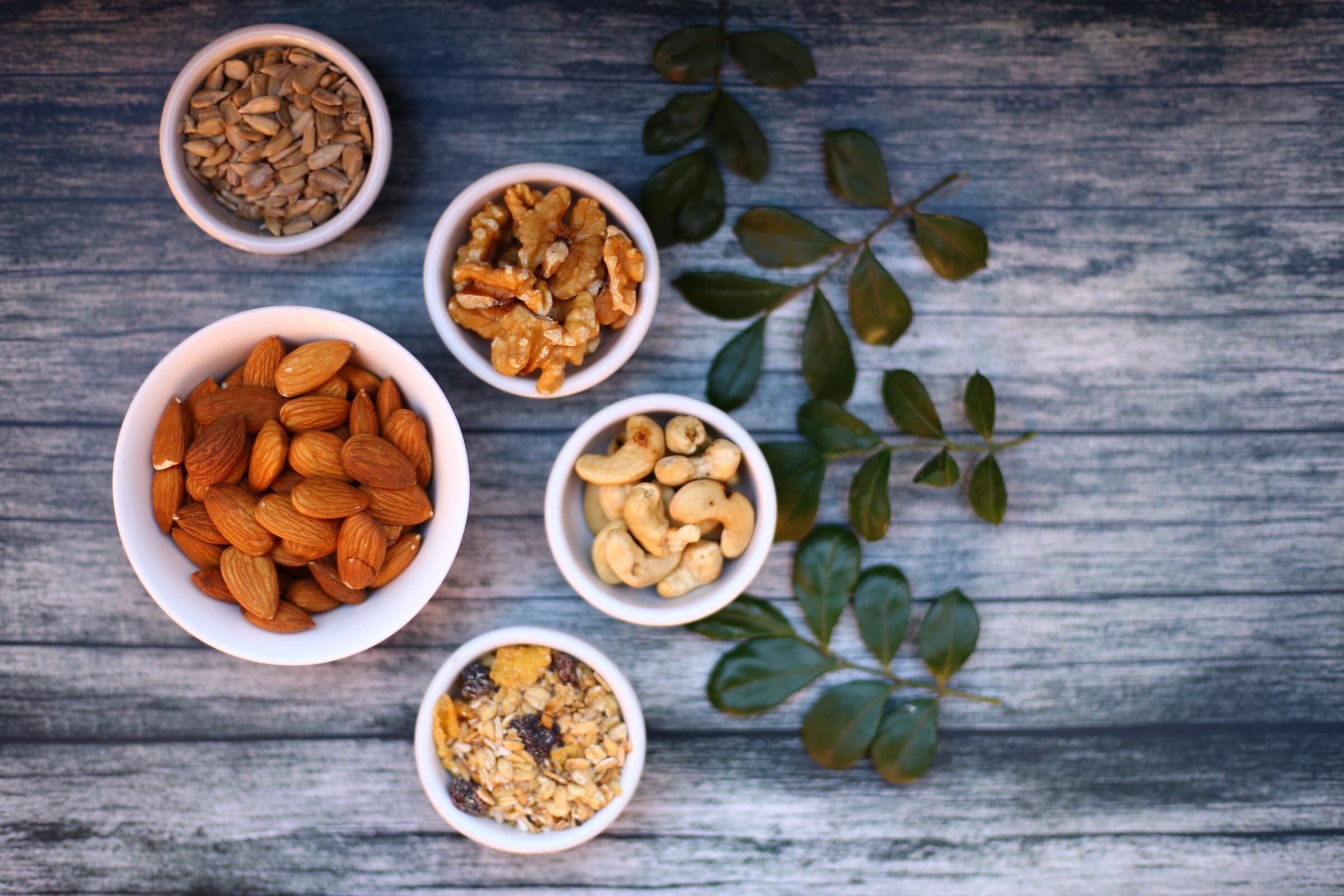
- Raw Walnuts: The nut with the highest concentration of plant-based alpha-linolenic acid (ALA) omega-3, along with potent polyphenol antioxidants that protect cellular membranes from oxidative damage.
- Almonds and Almond Butter: Loaded with monounsaturated lipids, dietary fiber, magnesium, and alpha-tocopherol (the most biologically active form of vitamin E), which acts as a powerful antioxidant protecting muscle tissue from lipid peroxidation.
- Chia Seeds and Ground Flaxseeds: Excellent plant-based sources of soluble mucilage fiber, calcium, and ALA fatty acids. They easily blend into morning protein oatmeal or post-workout smoothies.
- Dark Chocolate (85%+ Cacao): Rich in stearic acid (a unique saturated fat that has a neutral effect on cardiovascular LDL levels) and cacao flavanols that stimulate nitric oxide production and enhance muscular blood flow.
- Full-Fat Greek Yogurt and Aged Cheeses: Fermented dairy products supply bioavailable calcium, high-quality micellar casein protein, and natural menaquinones (vitamin K2), which direct calcium into bones and teeth rather than arterial walls.
- Olives: A classic Mediterranean staple providing monounsaturated oleic acid, squalene, and potent polyphenols with minimal carbohydrate impact.
Nutrient Timing: When to Eat Dietary Fats
Unlike carbohydrates, which undergo rapid enzymatic breakdown to replenish glycogen before and after training, dietary fats have distinctly slow digestive kinetics. Fats delay gastric emptying, stimulate the release of cholecystokinin (CCK), and slow down the absorption of co-ingested macronutrients.
Strategic timing of your daily fat intake ensures optimal digestion and maximum athletic performance:
The Pre-Workout Window (1 to 2 Hours Before Training)
Keep dietary fats low. Consuming a high-fat meal prior to resistance training delays stomach emptying, potentially causing feelings of heaviness, bloating, and gastrointestinal reflux during heavy compound lifts like squats and deadlifts. Furthermore, during intense exercise, blood flow is diverted away from the splanchnic circulation (digestive tract) to working skeletal muscle; undigested fat sitting in the stomach during heavy training leads to nausea and diminished performance.
Pre-workout rule: Focus on fast-digesting protein and carbohydrates (pre- and post-workout nutrition), limiting fat to under 5 to 10 grams in the 90 minutes leading up to your session.
The Post-Workout Window (Within 1 to 2 Hours After Training)
There is a long-standing gym myth that consuming dietary fat immediately after a workout "blunts the anabolic response" by slowing down amino acid absorption. While high fat does slightly slow gastric emptying, scientific studies have shown that whole-food protein sources containing natural lipids (such as whole milk or whole eggs) actually stimulate greater net muscle protein synthesis than isolated fat-free sources like skim milk or pure egg whites.
That said, you do not need to dump massive amounts of oil into your post-workout meal. A balanced meal containing 30–45 g of protein, 60–100 g of carbohydrates, and a moderate 10 to 20 grams of healthy fat (from whole eggs, salmon, or avocado) is optimal for recovery.
Evening and Rest Days: The Ideal Windows for Healthy Fats
The best times to consume the bulk of your dietary fats are during your main breakfast, lunch, and dinner, as well as before bed:
- Sustained Satiety: Consuming healthy fats with fibrous vegetables and lean proteins slows digestion, stabilizing blood sugar and providing prolonged satiety across 4 to 6 hours.
- Overnight Hormone Secretion: Consuming a slow-digesting meal rich in fats and protein (such as full-fat Greek yogurt with walnuts) before sleep supplies a steady stream of amino acids and lipid substrates across the overnight fasting period, supporting nocturnal growth hormone and testosterone release.
- Rest Days: On non-training days when your carbohydrate expenditure is lower, you can slightly elevate your fat intake (by 10–20 grams) to replace a portion of your training carbs while keeping total daily calories aligned with your goals.
Strength Training Protocols to Maximize Hormone Utilization
Consuming dietary fats to support testosterone production is only half of the physiological equation. To translate circulating androgens into measurable muscular hypertrophy, you must provide the mechanical tension required to upregulate androgen receptor density within skeletal muscle fibers.
Heavy, progressive compound lifting forces your motor units to adapt, stimulating myofibrillar protein synthesis and optimizing nutrient partitioning. Prioritize multi-joint barbell and dumbbell movements that load large muscle masses through complete ranges of motion.


- Sets
- 3–4
- Reps
- 6–8
- Rest
- 180 s
- Tempo
- 3–1–0
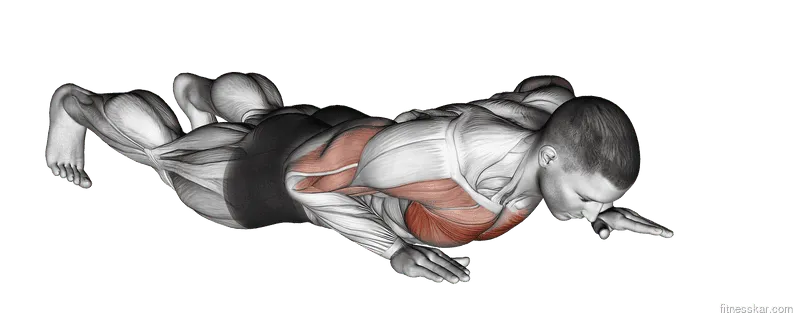
Pair heavy back squats with foundational pressing and pulling compound movements:
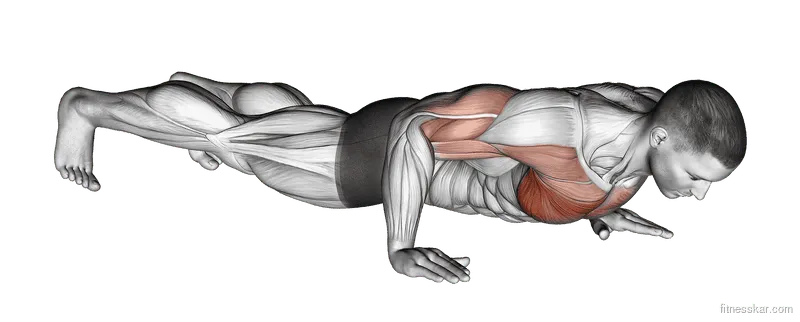
- Sets
- 3–4
- Reps
- 6–10
- Rest
- 150 s
- Tempo
- 2–1–1
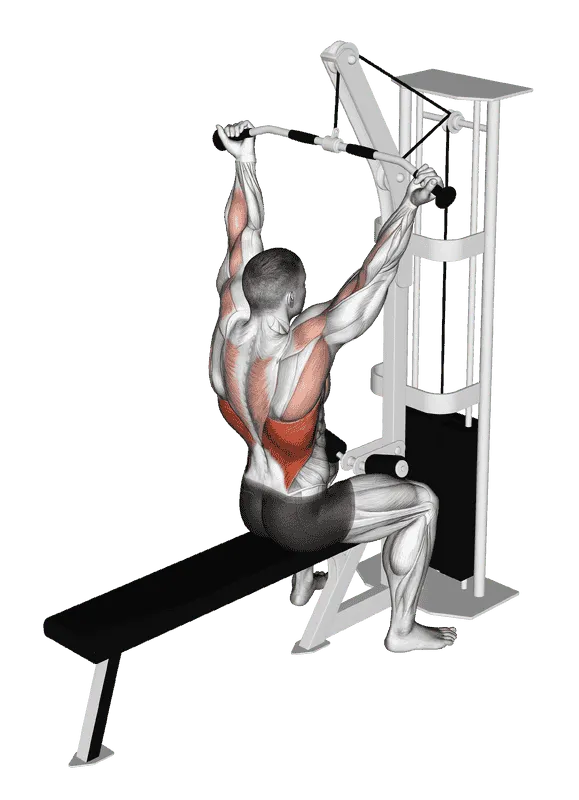
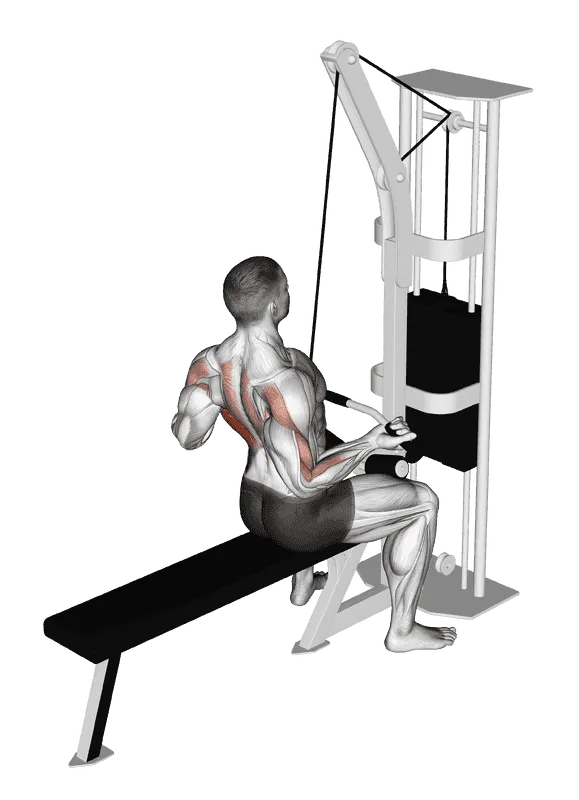
- Sets
- 3
- Reps
- 5
- Rest
- 180 s
- Tempo
- 2–1–1
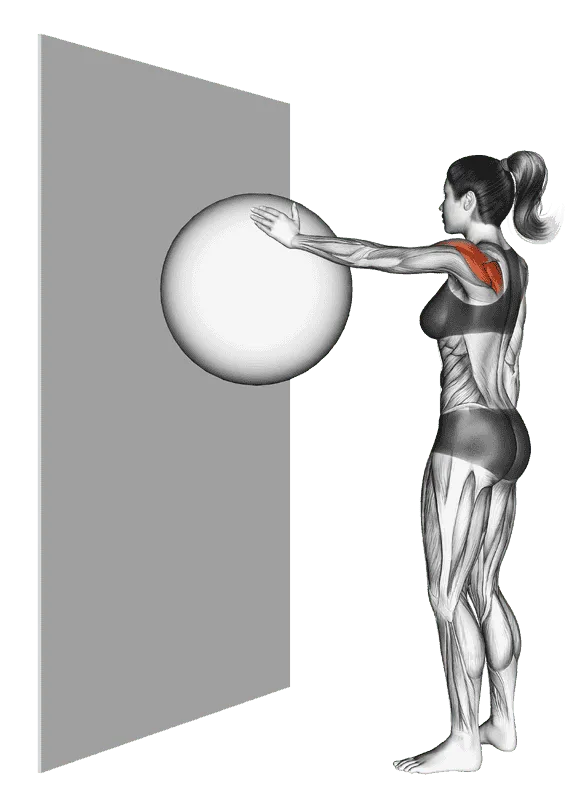
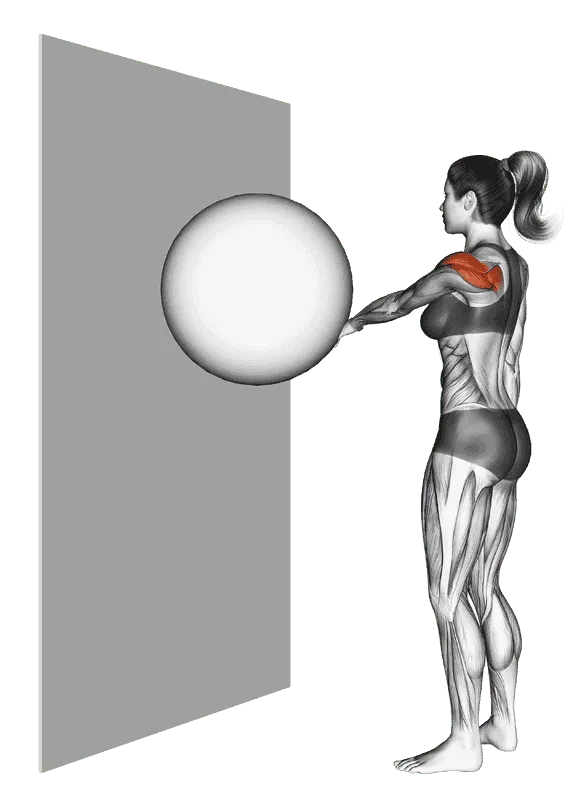
- Sets
- 3
- Reps
- 8–10
- Rest
- 120 s
- Tempo
- 3–1–1
To integrate these compound movements into a periodized, research-backed training split, follow our complete 10-Week Mass Builder.
Frequently Asked Questions
Frequently asked questions
Does eating dietary fat make you fat?
No. Dietary fat alone does not cause body fat accumulation. Body fat is gained when you consume more total calories than your body expends over time (a caloric surplus). While fat is energy-dense at 9 calories per gram, dietary lipids support satiety, hormone regulation, and cellular recovery when consumed within your daily caloric target.
Can I build muscle on a low-fat diet (under 15% of calories)?
While it is possible to build muscle on a low-fat diet if protein and resistance training stimulus are adequate, it is sub-optimal. Slashing dietary fat below 15% to 20% of total calories significantly reduces circulating free and total testosterone levels, decreases fat-soluble vitamin absorption, and frequently leads to joint discomfort and persistent lethargy.
What is the best type of fat for joint health and recovery?
Long-chain omega-3 polyunsaturated fatty acids (EPA and DHA), found abundantly in fatty cold-water fish like salmon and mackerel, are the most effective fats for joint recovery. They serve as biological precursors to specialized pro-resolving mediators (SPMs) that temper chronic exercise-induced inflammation and alleviate joint stiffness.
Should I completely avoid saturated fat to protect my heart?
No. Saturated fat should not be eliminated entirely, as it serves as a structural component of cell membranes and a substrate for steroidogenesis. The evidence-based recommendation for athletes is to maintain saturated fat intake at approximately 7% to 10% of total daily calories, prioritizing monounsaturated and polyunsaturated fats for the remainder of your intake.
Does consuming fat immediately after a workout ruin muscle protein synthesis?
No. Adding a moderate amount of dietary fat (10 to 20 grams) to your post-workout meal will not impede muscle growth. While fat slows gastric emptying slightly, research demonstrates that whole-food protein sources containing natural fats (such as whole eggs or whole milk) stimulate equal or superior muscle protein synthesis compared to isolated fat-free proteins.
Sources
- Whittaker J, Wu K. Low-fat diets and testosterone in men: Systematic review and meta-analysis of intervention studies. The Journal of Steroid Biochemistry and Molecular Biology. 2021. doi.org/10.1016/j.jsbmb.2021.105878 ↩