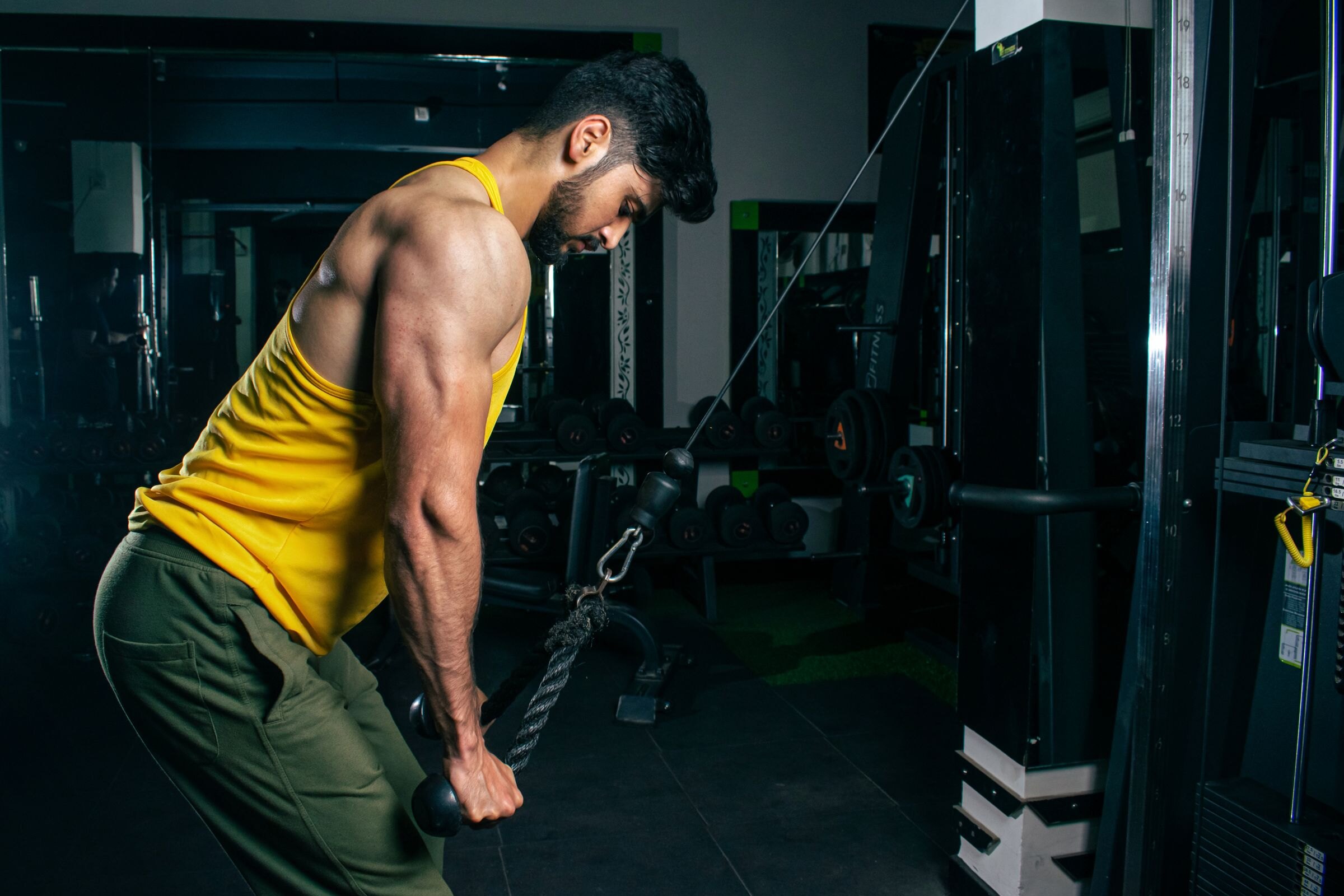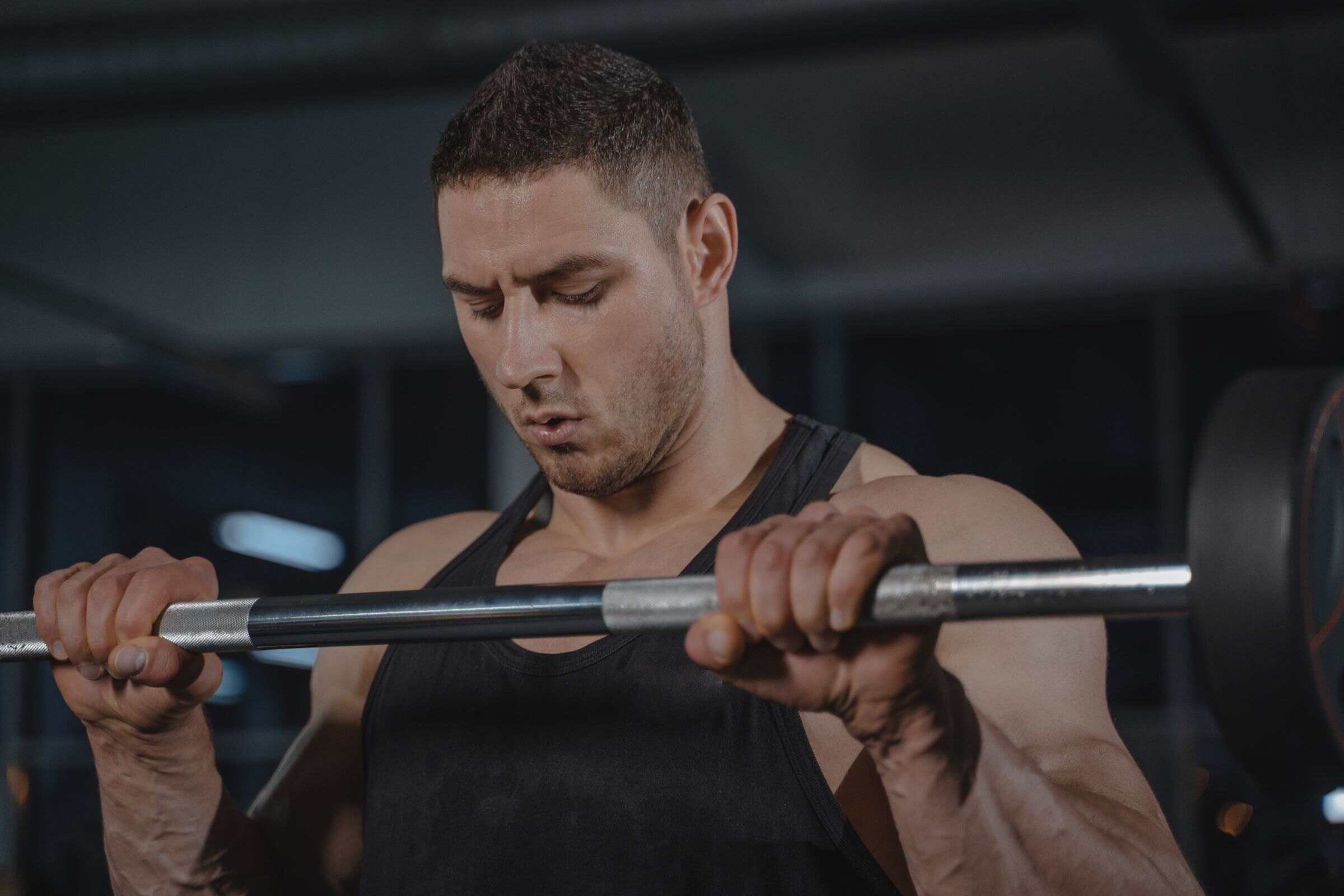
Maximizing forearm hypertrophy requires training the lower arm as three distinct anatomical systems rather than relying on passive grip work during back day. To build thick, balanced mass from elbow to wrist, combine pronated and neutral-grip elbow curls for the brachioradialis, full-excursion palms-up wrist curls that roll into the fingers for the anterior flexors, and controlled reverse wrist curls for the posterior extensors.[1] Spreading 8 to 14 direct weekly sets per compartment across two to four sessions delivers rapid lower-arm growth without overloading your elbow tendons.
Walk into almost any gym and ask how to build bigger forearms, and you will hear the same advice repeated like gospel: ditch your lifting straps, pull heavy deadlifts, and let rows take care of the rest. Yet plenty of lifters who deadlift more than twice their body weight still look disproportionately narrow from the elbow down whenever they roll up their sleeves.
That visual gap is pure biomechanics, not bad genetics. Clamping your fingers motionless around a barbell trains static grip endurance, but skeletal muscle fibers grow fastest when moved dynamically through deep loaded stretches and full concentric contractions. Once you match your exercise selection to the distinct fiber architecture of your lower arm, stubborn forearms respond remarkably fast.
Functional Anatomy of Forearm Hypertrophy: Three Distinct Compartments
Unlike the upper arm, which is dominated by two large muscle groups, the human forearm packs roughly twenty individual muscles layered tightly around two rotating bones: the radius (thumb side) and the ulna (pinky side). Trying to stimulate all twenty muscles with a single exercise makes no more sense than expecting leg extensions to build your hamstrings and calves.
Effective forearm hypertrophy starts by grouping this intricate web into three actionable training targets based on the joints they cross and the direction their fibers pull.
| Functional Division | Key Muscles | Primary Joint Action | Fiber Architecture | Primary Training Movements |
|---|---|---|---|---|
| Posterolateral Ridge | Brachioradialis | Elbow flexion (strongest in neutral or pronated grip) | Long parallel fibers, low pennation angle[1] | Reverse curls, hammer curls, rope hammer curls |
| Anterior (Volar) Belly | Flexor carpi radialis & ulnaris, flexor digitorum superficialis & profundus, pronator teres | Wrist flexion, finger curling, forearm pronation | Shorter pennated fibers, large physiological cross-section[1] | Seated palms-up wrist curls, behind-the-back wrist curls |
| Posterior (Dorsal) Sweep | Extensor carpi radialis longus & brevis, extensor digitorum, extensor carpi ulnaris | Wrist extension, finger opening, radial/ulnar stability | Moderate fiber length, high postural endurance[1] | Reverse wrist curls, wrist rollers |
1. The Brachioradialis: The Upper-Outer Sweep
Visually, the brachioradialis is the showpiece muscle of the upper forearm. It originates above the elbow joint on the lateral supracondylar ridge of the humerus and runs down the thumb side of your forearm to insert near the wrist on the styloid process of the radius. When well developed, it creates the wide, meaty taper right below the elbow crease that makes arms look thick from both the front and side.
Here is the anatomical detail many lifters miss: the brachioradialis does not cross the wrist joint at all. Doing endless sets of wrist curls will not add a millimeter to it. It is strictly an elbow flexor.
In a landmark anatomical investigation published in The Journal of Hand Surgery, biomechanist Richard Lieber and colleagues used laser diffraction across 154 muscle specimens from 21 human arm and forearm muscles to map exact fiber lengths, pennation angles, and physiological cross-sectional areas (PCSA).[1] Comparing the brachioradialis against the nearby pronator teres revealed a striking design contrast: although both muscles have nearly identical total mass, the brachioradialis is constructed from long, nearly parallel fibers at a small pennation angle, yielding only one-third the PCSA of the short-fibered pronator teres.[1]
In plain gym terms, long parallel fibers are built for large angular excursion. Static holds barely tap into the brachioradialis's growth potential; it needs dynamic, full-range elbow flexion with your palms facing inward (neutral) or downward (pronated), where the biceps brachii sits at a mechanical disadvantage, as we covered in our biceps hypertrophy guide.
2. Anterior Compartment: Wrist Flexors, Finger Flexors, and Pronator Teres
Turn your palm upward and look at the inner curve of your forearm from your inner elbow down toward your wrist. That dense belly of tissue belongs to the anterior (volar) compartment, arranged in superficial, intermediate, and deep layers:
- Superficial Wrist Flexors & Pronator Teres: The flexor carpi radialis, palmaris longus, and flexor carpi ulnaris flex the wrist joint directly and tilt it toward the thumb or pinky side. Nestled diagonally across the upper inner forearm sits the pronator teres, whose short, highly pennated fibers pack roughly triple the force-producing cross-section of the brachioradialis to rotate the palm downward and assist elbow flexion.[1]
- Intermediate and Deep Finger Flexors: Beneath and between the wrist flexors lie the massive multi-bellied flexor digitorum superficialis and flexor digitorum profundus, which travel through the carpal tunnel to curl your fingers closed.[1] Together, the wrist and digital flexors represent the single largest pool of untapped muscle volume on the underside of your forearm.
Because the finger flexors cross both the wrist and the finger joints, keeping your fist clamped tightly shut during wrist curls leaves half of those deep fibers only partially shortened. Letting the handle roll safely toward your distal finger creases before curling your fingers and flexing your wrist unlocks the entire anterior compartment.
3. Posterior Compartment: Wrist and Finger Extensors
Along the hairy top and outer aspect of your forearm sit the posterior (dorsal) extensors—chiefly the extensor carpi radialis longus, extensor carpi radialis brevis, extensor digitorum, and extensor carpi ulnaris. Their job is to draw the back of your hand upward (wrist extension) and stabilize the wrist joint during forceful gripping.
Try making the tightest fist you possibly can right now while bending your wrist fully forward toward your palm; you will immediately feel your grip strength evaporate. To clamp down forcefully on a heavy barbell, your posterior extensors must contract hard to hold the wrist in slight extension so your finger flexors maintain optimal length-tension leverage. Direct extensor training adds crisp detail across the back of your forearm while shielding the outer elbow from chronic overuse.
Why Heavy Pulling Alone Rarely Maximizes Lower-Arm Size
Lifters often point to competitive strongmen or manual laborers as proof that direct wrist training is unnecessary. What that comparison overlooks is volume and movement variety: someone turning wrenches, hammering, twisting, and lifting awkward objects for eight hours a day performs thousands of dynamic wrist flexions, extensions, pronations, and deviations—very different from holding a knurled bar motionless for four sets of eight reps.
Isometric Clamping vs. Dynamic Mechanical Tension
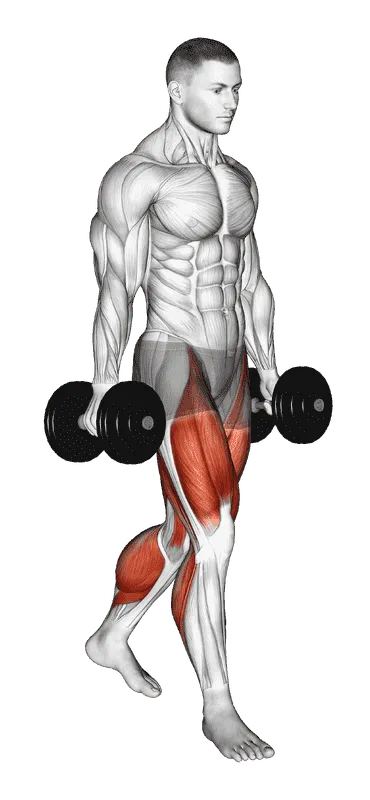
During deadlifts, pull-ups, rows, and movements like the farmer's walk featured in our loaded carries guide, your finger flexors contract isometrically. Your joints do not move; your muscles act as static hooks resisting gravity so the bar does not pry your fingers open.
Isometric gripping is fantastic for building neural drive, crushing grip strength, and dense connective tissue. However, when the goal is maximal cross-sectional muscle size, pure isometrics fall short of dynamic concentric and eccentric loading. As we explored in our breakdown of stretch-mediated hypertrophy, skeletal muscle fibers experience their strongest anabolic signaling when lengthened under active load and then contracted through a full excursion. Neither your wrist flexors nor your wrist extensors experience loaded stretching when locked rigid around a deadlift bar.
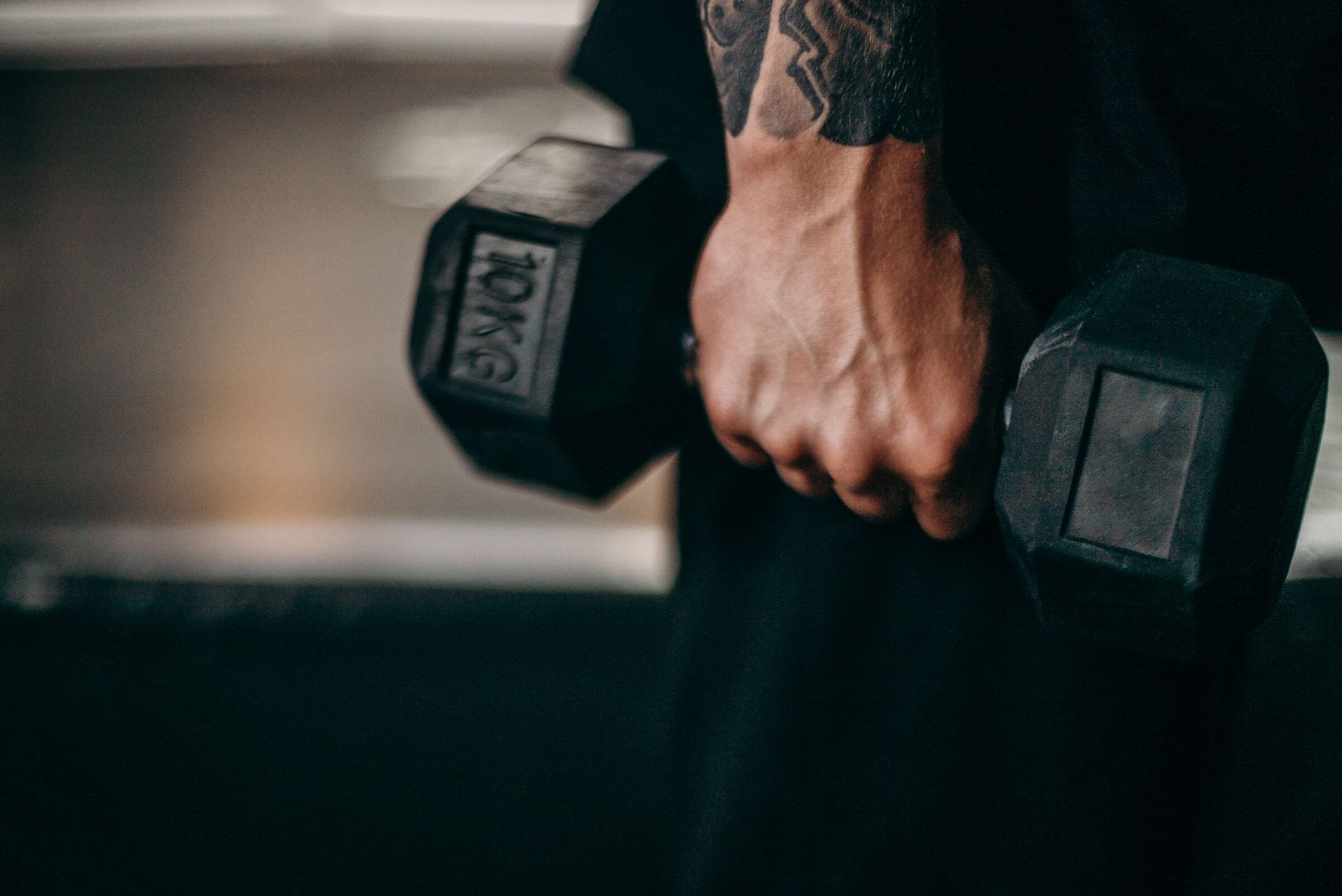
The Lifting Straps Rule: Never Starve Your Back or Your Grip
One of the oldest debates in bodybuilding is whether lifting straps ruin forearm development. Both extremes get it wrong:
- Never using straps: Your smaller finger flexors fatigue long before your lats, traps, hamstrings, and glutes reach failure. Refusing straps on heavy Romanian deadlifts or high-rep rows simply turns a great back workout into a mediocre forearm hold.
- Strapping up for every single set: Wrapping straps around the bar from your first 60 kg (135 lb) warm-up set onward strips away thousands of kilograms of cumulative raw grip stimulus over a training year.
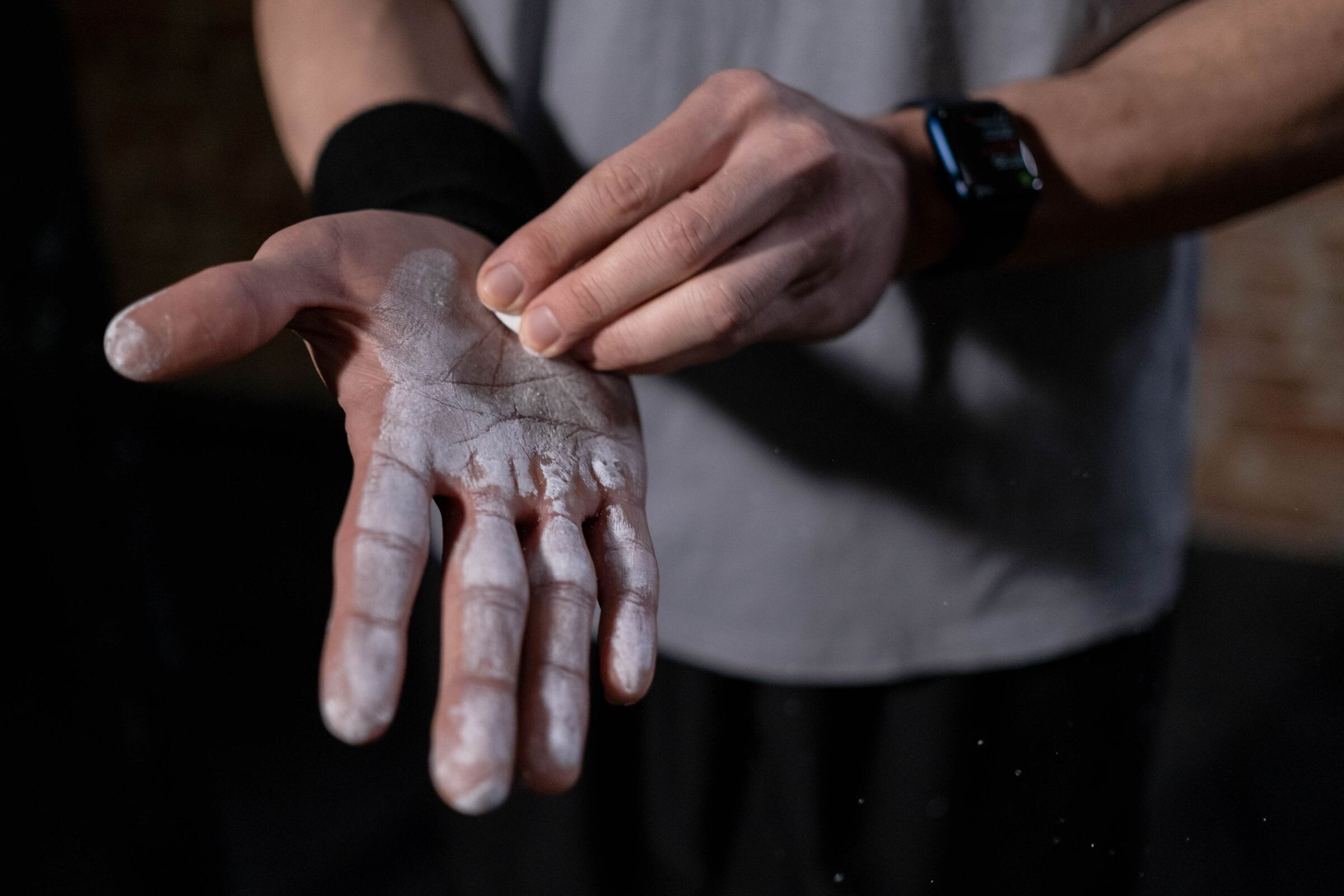
Use a balanced two-tier rule instead. Perform all warm-up sets, pull-ups, moderate-rep rows, and arm exercises raw (using dry gym chalk if sweaty palms are the issue). Pull out your lifting straps only on your heaviest top sets of hinges, shrugs, and rows where grip failure would terminate the set before the target back or posterior-chain muscle is fully taxed—then finish the workout with 6 to 8 minutes of dedicated dynamic forearm isolation.
The Best Exercises for Complete Forearm Mass
You do not need ten novelty grip gadgets to build standout lower arms. Covering all three anatomical divisions requires just one pronated or neutral elbow-flexion movement, one full-range wrist curl, and one controlled wrist extension variation.
1. Pronated and Neutral Curls for the Brachioradialis
When you turn your palms face-down (pronation), the radius crosses over the ulna and wraps the distal biceps tendon partially around the bone, reducing the biceps brachii's mechanical line of pull. Your nervous system compensates by driving forceful recruitment into the brachioradialis and the underlying brachialis, while your posterior wrist extensors work hard isometrically to keep your knuckles from drooping under the bar.
For most lifters, an EZ-curl bar beats a straight barbell on reverse curls because its angled camber matches your natural carrying angle, relieving rotational shear on the distal radioulnar joint at the wrist.
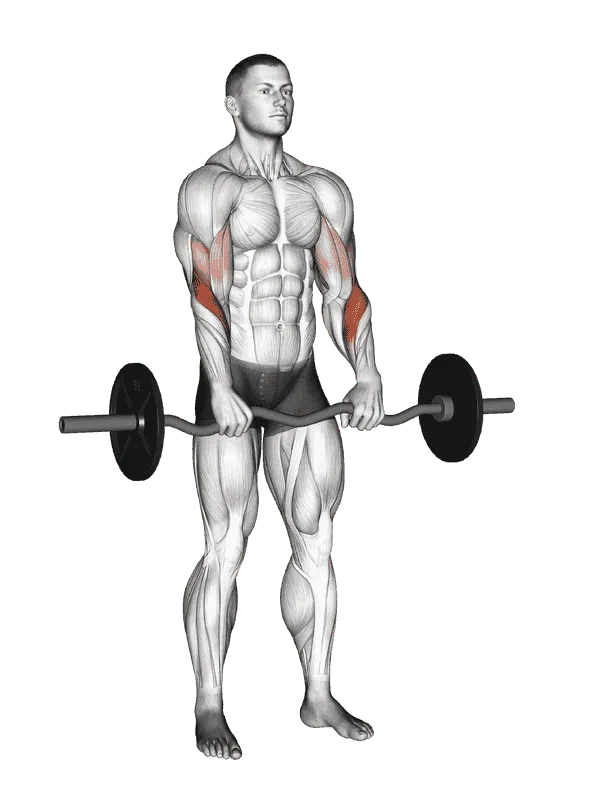
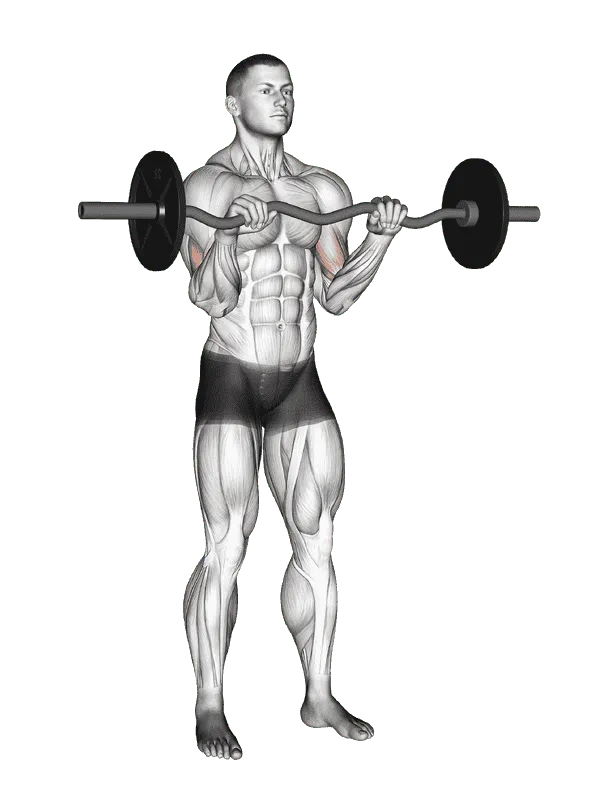
- Sets
- 3–4
- Reps
- 10–15
- Rest
- 75 s
- Tempo
- 3–0–1
Rotate or pair your overhand work with neutral-grip variations that allow heavier absolute loading:
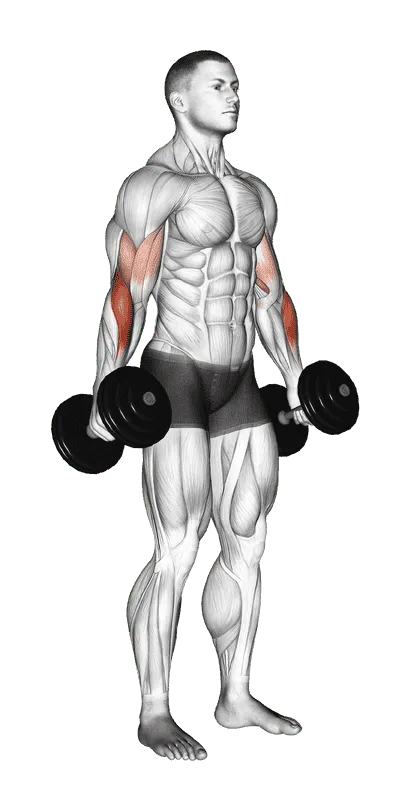
- Dumbbell Hammer Curl: Keeping your palms facing each other aligns resistance cleanly with the brachioradialis's peak moment arm across midrange elbow flexion and lets you handle substantially more weight than a fully pronated grip.
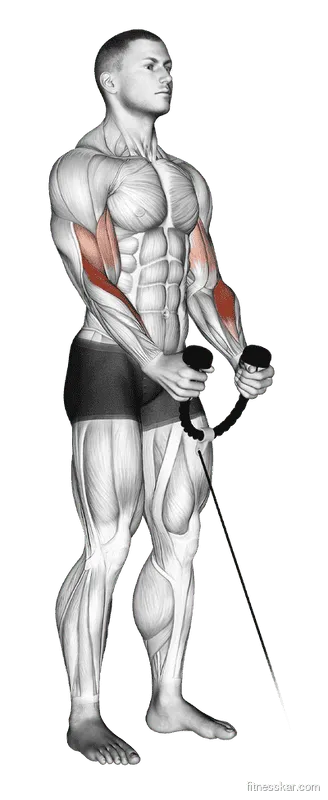
- Cable Hammer Curl (with rope): Attaching a rope to a low pulley provides smooth, uninterrupted tension at the bottom and top of the arc. Keep the rope ends pressed neutral or pull them slightly apart at the top without letting your elbows drift forward.
- Dumbbell Standing Reverse Curl: Allows each wrist and elbow to travel along an independent, natural path, eliminating side-to-side strength dominance.
2. Full-Stretch Wrist Curls for Inner-Forearm Thickness
To thicken the underside of your forearm, isolate the anterior compartment on a stable surface so your upper arms cannot swing the weight up with momentum. The classic seated barbell wrist curl remains the gold standard for bilateral loading efficiency.
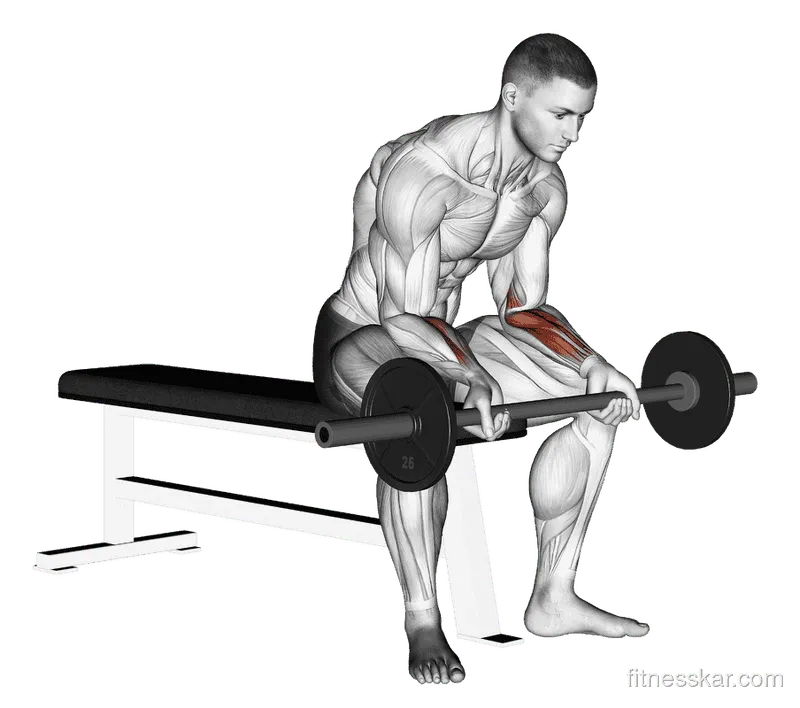
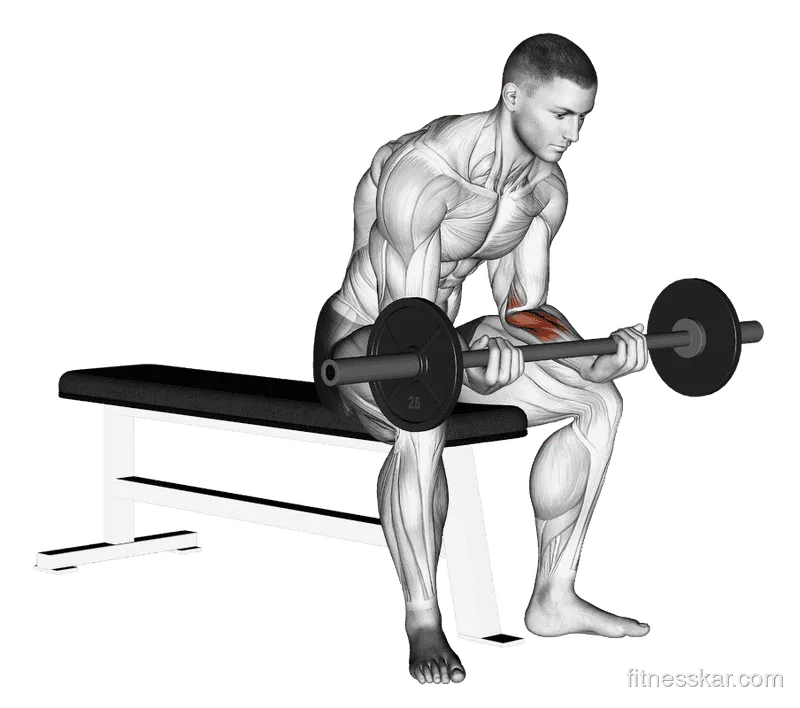
- Sets
- 3–4
- Reps
- 12–20
- Rest
- 60 s
- Tempo
- 2–1–1
Depending on your wrist comfort and gym layout, three variations offer distinct mechanical advantages:
- Barbell Standing Back Wrist Curl: Holding a barbell behind your glutes changes the angle of gravity relative to your forearm, reducing wrist hyperextension stress at the bottom while loading peak contraction hard as you curl the bar upward and slightly inward.
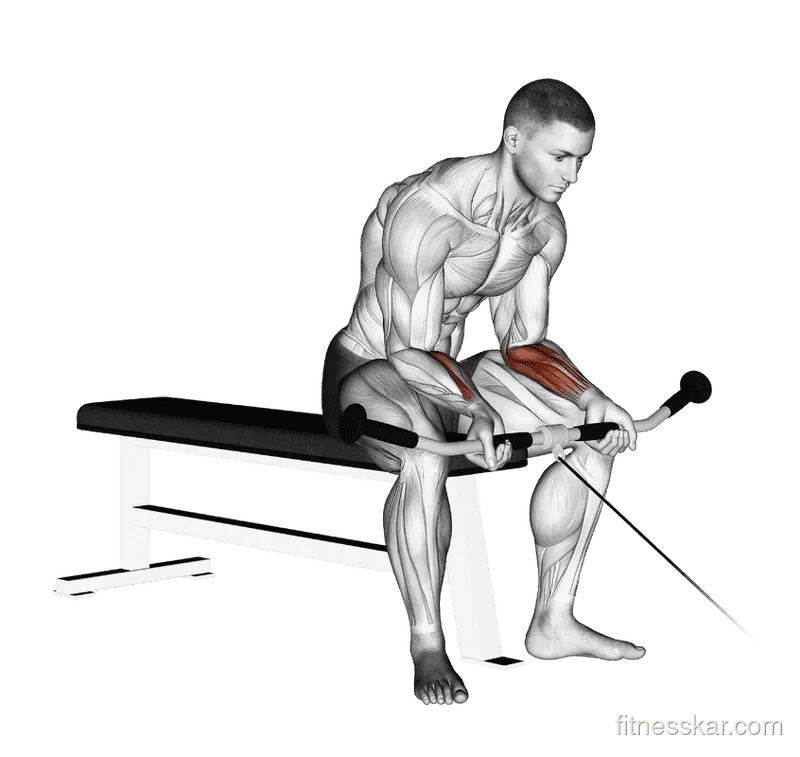
- Cable Wrist Curl: Sitting in front of a low pulley keeps tension constant across the entire arc of wrist flexion rather than dropping off at the very top.
- Dumbbell One-Arm Wrist Curl: Training one arm at a time lets you align your forearm directly in front of your shoulder at a comfortable angle, preventing the ulnar wrist discomfort some lifters feel on a straight bar.
3. Reverse Wrist Curls and Wrist Rollers for Dorsal Density
Because the posterior wrist extensors have smaller individual muscle bellies and shorter moment arms than the anterior flexors, heavy ego weights quickly ruin form and irritate the outer elbow. Leave your ego at the rack, cut the weight roughly in half compared to your palms-up wrist curls, and chase crisp, full-range repetitions.
- Barbell Reverse Wrist Curl: Sit with your forearms supported along your thighs and your palms facing the floor, wrists just past your knees. Lower the bar under strict control into full wrist flexion to stretch the dorsal compartment, then drive your knuckles smoothly toward the ceiling and pause briefly at peak extension.
- Wrist Roller: Few finishers match the skin-splitting metabolic pump of winding a suspended weight plate all the way up and lowering it under control—every crank alternates deep eccentric and concentric tension across both extensors and flexors. Coach's adjustment: Holding a wrist roller with straight arms at shoulder height often fatigues your front deltoids before your forearms fail; keep a soft bend in your elbows slightly lower in front of your ribcage, or rest the roller shaft across a power-rack safety pin set at chest height to isolate your lower arms completely.
Programming Forearm Hypertrophy: Volume, Frequency, and Split Placement
Because the muscles of the forearm are relatively small, richly capillarized, and conditioned by daily gripping tasks, they clear local fatigue and repair myofibrillar microtrauma faster than large prime movers like your quads or lats—typically within 24 to 48 hours.
Instead of blasting your forearms once a week with 15 rushed sets that leave your wrists aching for four days, divide smaller doses of high-quality work across 2 to 4 training days per week.
Weekly Volume Landmarks by Compartment
Count direct, dedicated sets separately for each functional division (indirect gripping from rows and deadlifts provides background maintenance, not direct isolation volume):
| Forearm Division | Maintenance (MV) | Minimum Effective (MEV) | Optimal Growth (MAV) | Target Reps & Effort |
|---|---|---|---|---|
| Brachioradialis (Reverse / Hammer Curls) | 2–4 sets/wk | 4–6 sets/wk | 8–12 sets/wk | 8–15 reps @ 1–2 RIR |
| Anterior Wrist & Finger Flexors | 2–3 sets/wk | 4–6 sets/wk | 8–12 sets/wk | 12–20 reps @ 0–2 RIR |
| Posterior Wrist Extensors | 3–4 sets/wk | 5–8 sets/wk | 8–14 sets/wk | 15–25 reps @ 0–2 RIR |
Start Week 1 of a training block near Minimum Effective Volume (for example, 2 sessions of 2–3 sets per movement), then add a rep, 1 to 2.5 kg (2.5 to 5 lb), or one extra weekly set over 4 to 6 weeks as long as your elbow and wrist joints feel completely pain-free.
Where to Place Forearms in Your Weekly Split
Follow one non-negotiable sequencing rule: never train direct forearm isolation immediately before heavy back, deadlift, or bicep compound lifts. Pre-exhausting your finger flexors and brachioradialis right before pull-ups or rows guarantees weaker back performance.
Use either of these smart split placements:
- End of Pull, Upper, or Arm Sessions: Slot 2–3 exercises as a focused 8-minute finisher at the very end of your workout in a balanced 4-Day Muscle Mass Builder or dedicated 8-Week Arm Blaster.
- Push or Leg Day Pairing (Zero Interference): Perform reverse/hammer curls at the end of Pull day, and move your palms-up and reverse wrist curls between calf or lateral-raise sets on Push or Leg day—your wrists are 100% fresh and your next pulling workout stays completely unaffected.
Complete 10-Minute Forearm Hypertrophy Finisher (Run 2–3x/Week)
-
1 EZ Barbell Reverse Grip Curl - Sets
- 3
- Reps
- 10–12
- Rest
- 75 s
-
2 Barbell Wrist Curl - Sets
- 3
- Reps
- 15–20
- Rest
- 45 s
-
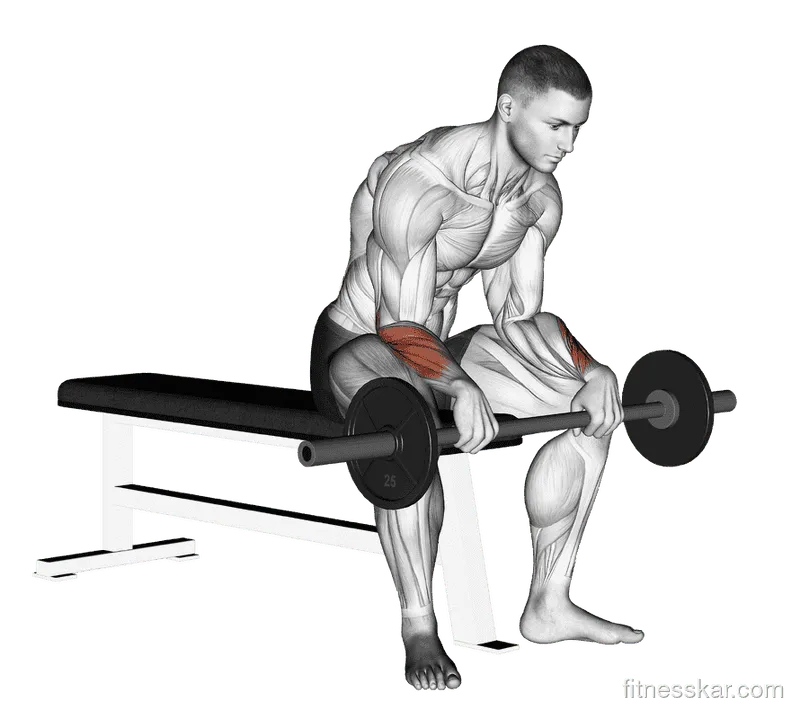
3 Barbell Reverse Wrist Curl - Sets
- 3
- Reps
- 15–25
- Rest
- 45 s

If overall arm size—from upper-arm peak down through the forearm taper—is your primary goal over the next month, pair this finisher with a structured arm specialization split:
Tendon Longevity: Preventing Golfer's and Tennis Elbow
Nearly all superficial wrist flexors merge into a single common flexor tendon anchored to a small bony bump on the inside of your elbow (medial epicondyle), while your superficial extensors converge onto the common extensor tendon on the outside (lateral epicondyle). Because skeletal muscle bellies gain strength in weeks while dense tendon collagen remodels over months, jumping straight from zero direct wrist work to twenty heavy sets a week is a classic trigger for golfer's elbow or tennis elbow.
Keep your connective tissues resilient with three habits we detail further in our guide to resolving elbow pain from lifting:
- Match Flexor Volume With Extensor Volume: Never run palms-up wrist curls month after month without reverse wrist curls; balanced dorsal strength stabilizes the wrist and unloads the elbow joint.
- Progress by Reps Before Weight Jumps: Going from a 10 kg (22 lb) dumbbell to a 12.5 kg (27.5 lb) dumbbell on a single-arm wrist curl is a massive 25% load jump. Master the top of a 12-to-20 rep range with strict pauses before moving up in weight.
- Swap Straight Bars for Dumbbells or Cables When Needed: If a straight barbell twists your wrists uncomfortably, switch immediately to an EZ-bar, rope cable attachment, or single dumbbells so your radioulnar joints rotate freely.
Frequently Asked Questions
Frequently asked questions
Can you actually make your wrists thicker with forearm workouts?
The wrist joint itself is encircled by bone, ligaments, and thin tendons with almost no muscle belly, so bony wrist circumference changes very little in adults. However, building dense mass across the brachioradialis, wrist flexors, and extensors just above the wrist creates a dramatic visual taper that makes your entire lower arm look substantially thicker and more powerful.
Are deadlifts and farmer's walks enough for forearm hypertrophy?
For most lifters, no. Heavy pulls and carries hold the fingers in a static isometric clamp without moving the wrist joint through flexion or extension, leaving significant hypertrophy on the table compared to dynamic wrist curls and reverse curls performed through a full range of motion.
How many times a week should I train forearms for maximum growth?
Two to four times per week works best for most lifters. Because forearm muscles are small and recover within 24 to 48 hours, splitting 8 to 14 weekly sets per compartment into short 6-to-10-minute sessions produces better growth and far less tendon irritation than one marathon workout.
Should I use heavy weights and low reps or light weights and high reps for forearms?
Use moderate loads of 8 to 15 reps on brachioradialis movements like reverse curls and hammer curls, and lighter, controlled loads of 12 to 25 reps on wrist curls and reverse wrist curls. Ultra-heavy 5-rep wrist curls usually force upper-arm cheating and strain small wrist ligaments without improving muscle fiber recruitment.
Sources
- Lieber RL, Jacobson MD, Fazeli BM, et al. Architecture of selected muscles of the arm and forearm: anatomy and implications for tendon transfer. The Journal of Hand Surgery. 1992. doi.org/10.1016/0363-5023(92)90444-T ↩