Reaching for high-protein snacks between your primary meals is one of the most effective, research-backed nutritional habits for accelerating fat loss, preserving lean muscle tissue, and permanently extinguishing mid-afternoon energy crashes. While conventional snack culture revolves around hyper-palatable, ultra-processed carbohydrates and hidden industrial seed oils—such as chips, pastries, pretzels, and granola bars—these convenience foods create rapid spikes in blood glucose followed by precipitous insulin surges and reactive hypoglycemia. Consuming a structured snack that delivers 20 to 30 grams of high-quality protein triggers the digestive secretion of potent satiety hormones, stimulates muscle protein synthesis, and stabilizes systemic energy levels. Here is the exhaustive, evidence-based masterclass on the physiology of high-protein snacking, the exact macronutrient blueprints you need, and practical whole-food snack ideas to optimize your daily nutrition.
The Physiology of Snacking: How Protein Alters Your Metabolic State
For decades, mainstream fitness dogma promoted the myth that eating every two hours "stokes the metabolic fire." While total 24-hour energy expenditure is primarily dictated by total calories, basal metabolic rate, and physical activity rather than meal frequency, the macronutrient composition of the food you consume between major meals profoundly influences hormonal signaling, amino acid kinetics, and neurochemical appetite control.
When you understand the biochemical mechanisms underlying nutrient processing, smart snacking shifts from an undisciplined grazing habit into a precision athletic tool.
1. Re-Igniting Muscle Protein Synthesis via the Leucine Threshold
Skeletal muscle tissue is in a perpetual state of dynamic turnover, balanced between muscle protein breakdown (MPB) and muscle protein synthesis (MPS). Following a robust protein-rich breakfast, systemic circulating essential amino acids peak and activate the mechanistic target of rapamycin complex 1 (mTORC1) pathway. However, after approximately 3 to 4 hours, intracellular signaling enters what exercise physiologists term the "muscle full" refractory period: circulating amino acid concentrations may remain moderately elevated, yet muscle protein synthesis declines back toward baseline.
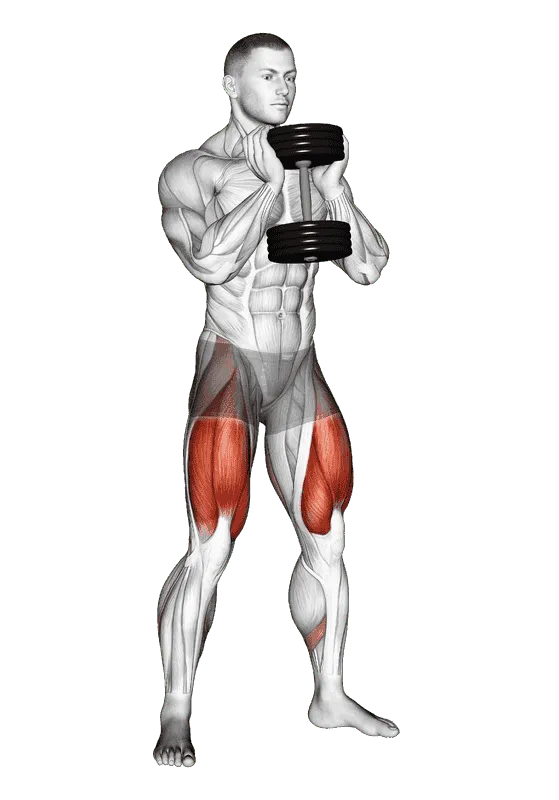
- Sets
- 3–4
- Reps
- 10–12
- Rest
- 90 s
- Tempo
- 3–0–1
To re-sensitize the intracellular translational machinery and initiate a second distinct wave of muscle protein synthesis during the afternoon, you must provide a fresh influx of essential amino acids that reaches the "leucine threshold." Research demonstrates that approximately 2.5 to 3.0 grams of leucine—contained within roughly 20 to 30 grams of intact, high-quality animal or complementary plant protein—is required to turn the mTORC1 switch back on. Consuming a low-protein snack like a standard apple (0.3 g protein) or a handful of pretzels fails to trigger this cascade. Conversely, a protein-dense snack supplies the structural substrates required for continuous muscular remodeling, reinforcing the principles outlined in our comprehensive guide on how much protein you need to build muscle.
2. Neurohormonal Satiety Signaling and Ghrelin Suppression
The primary reason calorie deficits fail is unrelenting, distracting hunger. When food leaves the upper gastrointestinal tract, the stomach lining produces and releases acylated ghrelin, an orexigenic peptide that travels across the blood-brain barrier to bind to growth hormone secretagogue receptors in the hypothalamus, generating intense cravings and an acute urge to consume energy-dense foods.
Consuming protein exerts the most profound inhibitory effect on ghrelin of any macronutrient, while simultaneously triggering the release of three powerful anorexigenic (satiety-inducing) peptides from intestinal enteroendocrine cells:
- Peptide YY (PYY): Synthesized by L-cells in the ileum and colon, PYY acts as an "ileal brake," delaying gastric emptying and suppressing central appetite signals.
- Glucagon-Like Peptide-1 (GLP-1): Enhances glucose-dependent insulin secretion, slows gastrointestinal motility, and generates lasting postprandial fullness.
- Cholecystokinin (CCK): Released by I-cells in the duodenum in response to dietary peptides and amino acids, CCK stimulates digestive enzyme secretion and signals meal satiation.
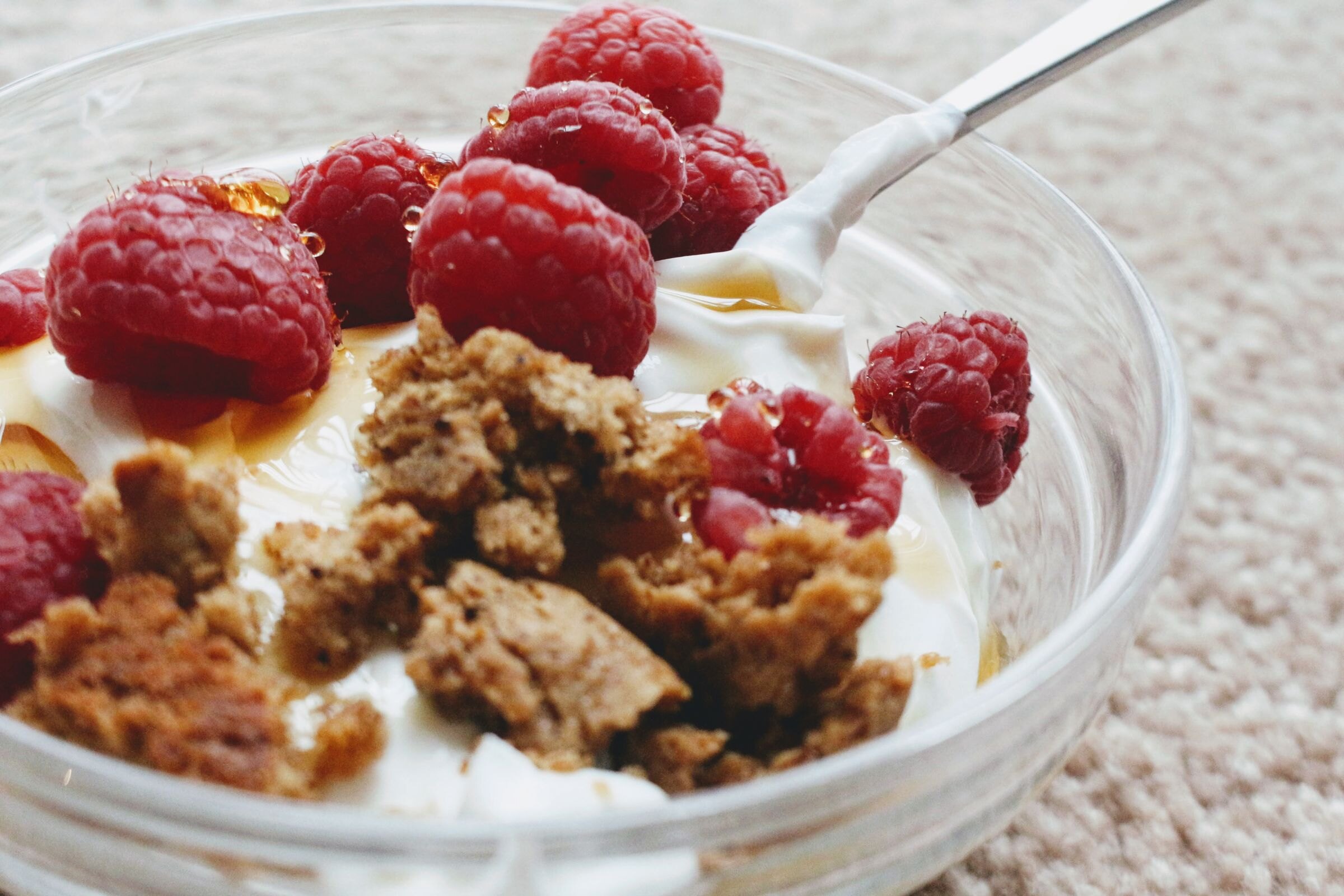
In a landmark randomized clinical trial led by Dr. Laura Ortinau and Dr. Heather Leidy, researchers evaluated the effects of consuming an afternoon high-protein yogurt snack (containing 24 grams of protein) compared to an iso-caloric high-fat chocolate snack or a high-fat cracker snack in healthy adult females.[1]
The physiological results were decisive: consumption of the high-protein snack led to significantly greater reductions in afternoon hunger, maintained elevated circulating fullness ratings, and delayed voluntary dinner initiation by approximately 30 minutes compared to the high-fat snacks.[1]
Most importantly, despite consuming identical calories at the afternoon snack feeding, participants who consumed the high-protein snack voluntarily ate roughly 100 fewer calories at dinner, without reporting any subjective feelings of deprivation.[1]
3. The Thermic Effect of Food (TEF) and the Protein Leverage Hypothesis
Every gram of food you ingest requires biological energy to chew, swallow, break down, transport across the intestinal barrier, and metabolize. This metabolic cost is termed the Thermic Effect of Food (TEF) or diet-induced thermogenesis:
- Dietary Protein: 20% to 30% of total caloric value is expended during processing.
- Dietary Carbohydrates: 5% to 10% of total caloric value is expended.
- Dietary Fats: 0% to 3% of total caloric value is expended.
When you consume a 200-calorie high-protein snack providing 30 grams of protein, your body immediately expends between 40 and 60 calories simply assimilating the amino acids into circulation. In contrast, an iso-caloric 200-calorie snack of potato chips (composed almost exclusively of refined starches and industrial vegetable oils) expends fewer than 10 calories in digestive processing, allowing 190+ calories to enter storage pathways.
Furthermore, evolutionary biologists have established the Protein Leverage Hypothesis, which posits that human physiology maintains a strong biological drive to consume a specific absolute mass of protein each day. When your snacks consist of low-protein, carbohydrate-dense or fat-dense options, your appetite remains stimulated, compelling you to overconsume total calories until your intrinsic protein requirement is met. By anchoring snacks around concentrated protein sources, you satisfy this primal drive early, making adherence to your target calorie deficit substantially easier.
4. Glycemic Stabilization: Eliminating the 3:00 PM Energy Slump
The infamous mid-afternoon cognitive slump—characterized by brain fog, yawns, and sudden sugar cravings around 3:00 PM—is rarely caused by actual physical exhaustion. Instead, it is the classic metabolic consequence of reactive hypoglycemia. A standard lunch dominated by simple starches (white bread sandwiches, pasta, or sugary beverages) causes a rapid surge in blood glucose, prompting the pancreas to oversecrete insulin. As insulin clears glucose into tissues, blood sugar plummets below baseline.
Consuming a mid-afternoon snack based on whole-food proteins and fibrous micronutrients blunts this glycemic volatility. Amino acids stimulate a balanced co-secretion of glucagon alongside minor insulin pulses, stabilizing hepatic glucose output. By preventing glucose crashes, high-protein snacks sustain continuous executive cognitive function, mental focus, and workout readiness.
The Anatomy of an Elite High-Protein Snack: The 10-to-1 Rule
Before exploring specific recipes and food options, you must master how to evaluate any potential snack in the grocery store aisle or office breakroom. Food manufacturers frequently exploit consumer desire for wellness by plastering "High Protein" labels on items that are fundamentally candy bars or glorified grain crisps.
To optimize body composition and health markers, an elite high-protein snack should satisfy three fundamental criteria:
- High Protein Purity: At least 40% to 60% of total calories should derive directly from protein.
- Low Glycemic Impact: Minimal refined added sugars (ideally under 4 grams per serving) to prevent insulin surges.
- High Satiety Volume: Rich in dietary fiber, moisture content, or structural chewiness to physically fill the stomach and engage gastric mechanoreceptors, mirroring the strategies found in our guide on healthy food swaps.
Tier 1: Zero-Prep Portable Grab-and-Go Snacks
When your schedule is packed and you have neither the time nor the facilities to cook, rely on these non-perishable or minimal-prep whole-food staples:
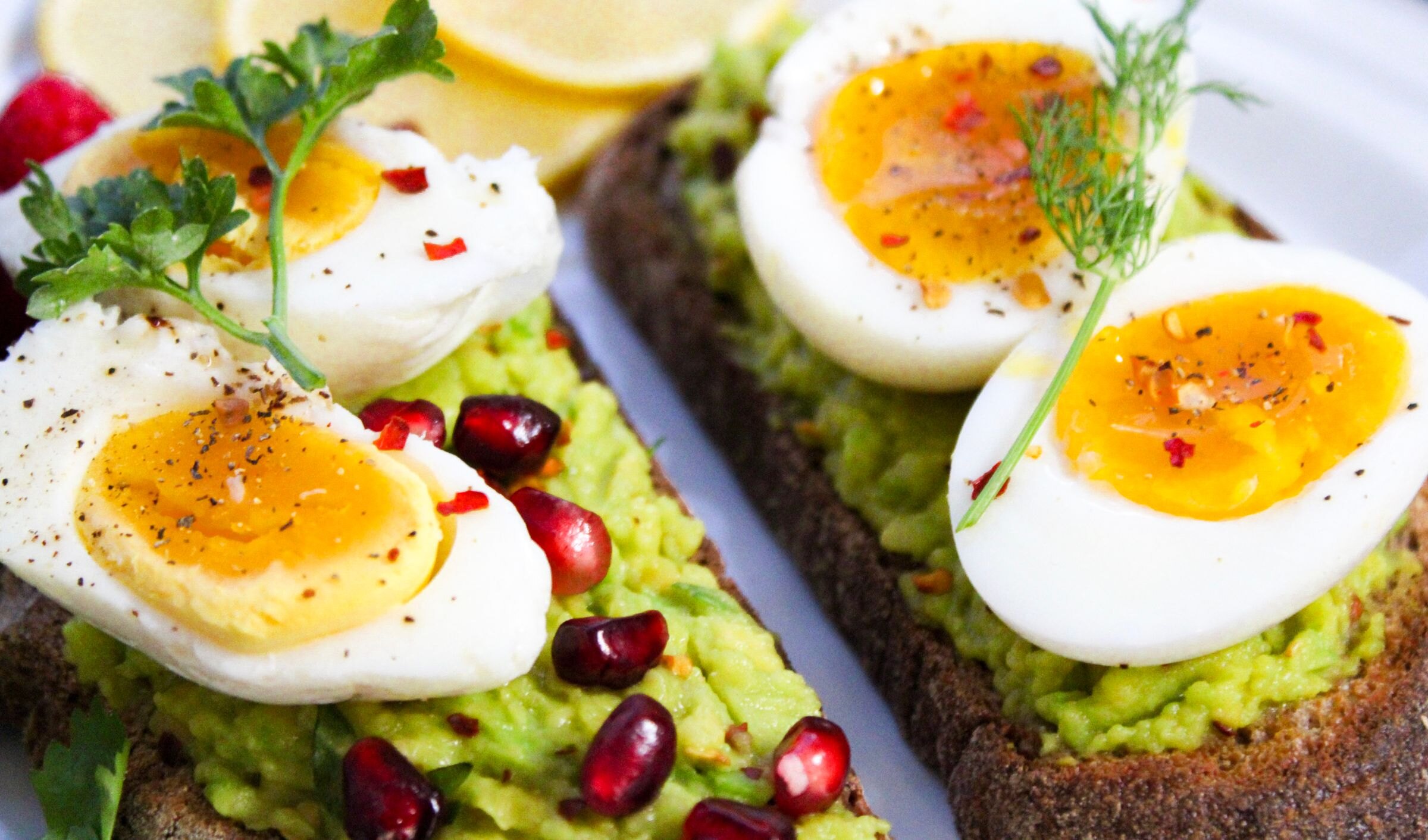
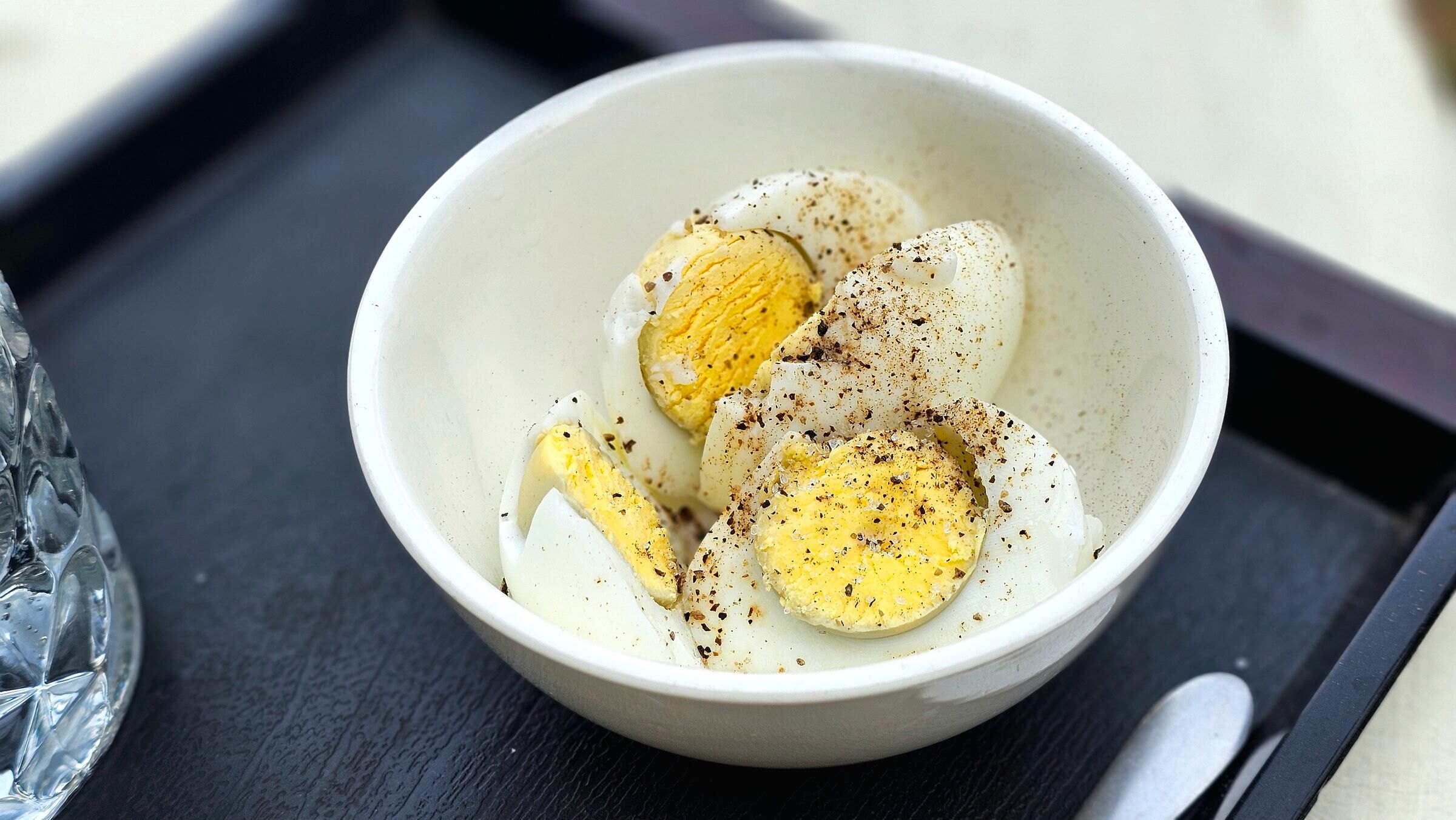
1. Hard-Boiled Eggs with Cracked Pepper & Sea Salt
Eggs represent the gold standard of biological protein value, boasting a complete amino acid profile with exceptional bioavailability. Two large hard-boiled eggs provide 12 to 14 grams of complete protein alongside essential choline, lutein, and vitamin B12.
- Macros (2 large whole eggs): 140 calories, 12 g protein, 1 g carbs, 10 g fat.
- The Optimization Hack: For enhanced protein density with fewer calories, consume one whole egg paired with two hard-boiled egg whites. This yields 14 grams of protein for just 95 calories and 5 grams of fat.
2. Low-Sodium Turkey or Beef Jerky (Biltong)
Minimally processed, artisanal beef jerky or traditional South African biltong is air-dried lean meat stripped of almost all moisture and fat. It is completely shelf-stable, making it the ultimate travel companion for gym bags, carry-on luggage, or office desk drawers.
- Macros (50 g serving): 130 calories, 26 g protein, 2 g carbs, 2 g fat.
- Selection Tip: Avoid commercial brands cured in high-fructose corn syrup, brown sugar, and artificial nitrates. Look for brands with zero added sugar and transparent ingredient lists.
3. Steamed Edamame in the Pod
Edamame (young green soybeans) is one of the rare plant foods that offers a complete amino acid profile containing all nine essential amino acids in meaningful concentrations. A single cup of steamed edamame in pods delivers 17 grams of plant protein accompanied by 8 grams of prebiotic dietary fiber.
- Macros (1 cup in pods / ~155 g beans): 190 calories, 17 g protein, 14 g carbs (8 g net carbs, 6 g fiber), 8 g healthy monounsaturated fat.
- Preparation: Steam frozen pods in the microwave for 3 minutes, then sprinkle with coarse sea salt and smoked paprika.
4. Single-Serve Canned Chunk Light Tuna or Salmon Pouches
Wild-caught tuna and pink salmon packaged in foil pouches require no can opener, no draining, and zero refrigeration before opening. A 3-ounce pouch delivers an astonishing 20 to 22 grams of pure muscle-building protein, bioavailable selenium, and anti-inflammatory omega-3 fatty acids with zero carbohydrates.
- Macros (85 g pouch tuna in water): 90 calories, 20 g protein, 0 g carbs, 1 g fat.
- Flavor Pairing: Eat directly with a fork, or squeeze with fresh lemon juice and a dash of hot sauce.
Tier 2: 5-Minute High-Protein Kitchen Bowls
If you have access to a refrigerator and five minutes to spare, these whole-food combinations deliver superior satiety, rich micronutrient profiles, and gourmet flavors:
1. The Greek Power Bowl (Sweet Satiety)
Non-fat plain Greek yogurt is strained repeatedly during manufacturing to remove liquid whey, resulting in a dense, velvety dairy matrix concentrated in micellar casein and whey proteins.
- Ingredients: 200 g plain 0% Greek yogurt, 50 g fresh blueberries or blackberries, 10 g crushed raw walnuts, a dash of ground Ceylon cinnamon, and 2 drops of liquid stevia.
- Macros: 195 calories, 22 g protein, 14 g carbs (3 g fiber), 6 g healthy fats.
- Why It Works: Greek yogurt delivers live active probiotic cultures that support gut microbiome health and tight-junction barrier integrity, while the cinnamon improves cellular insulin sensitivity.
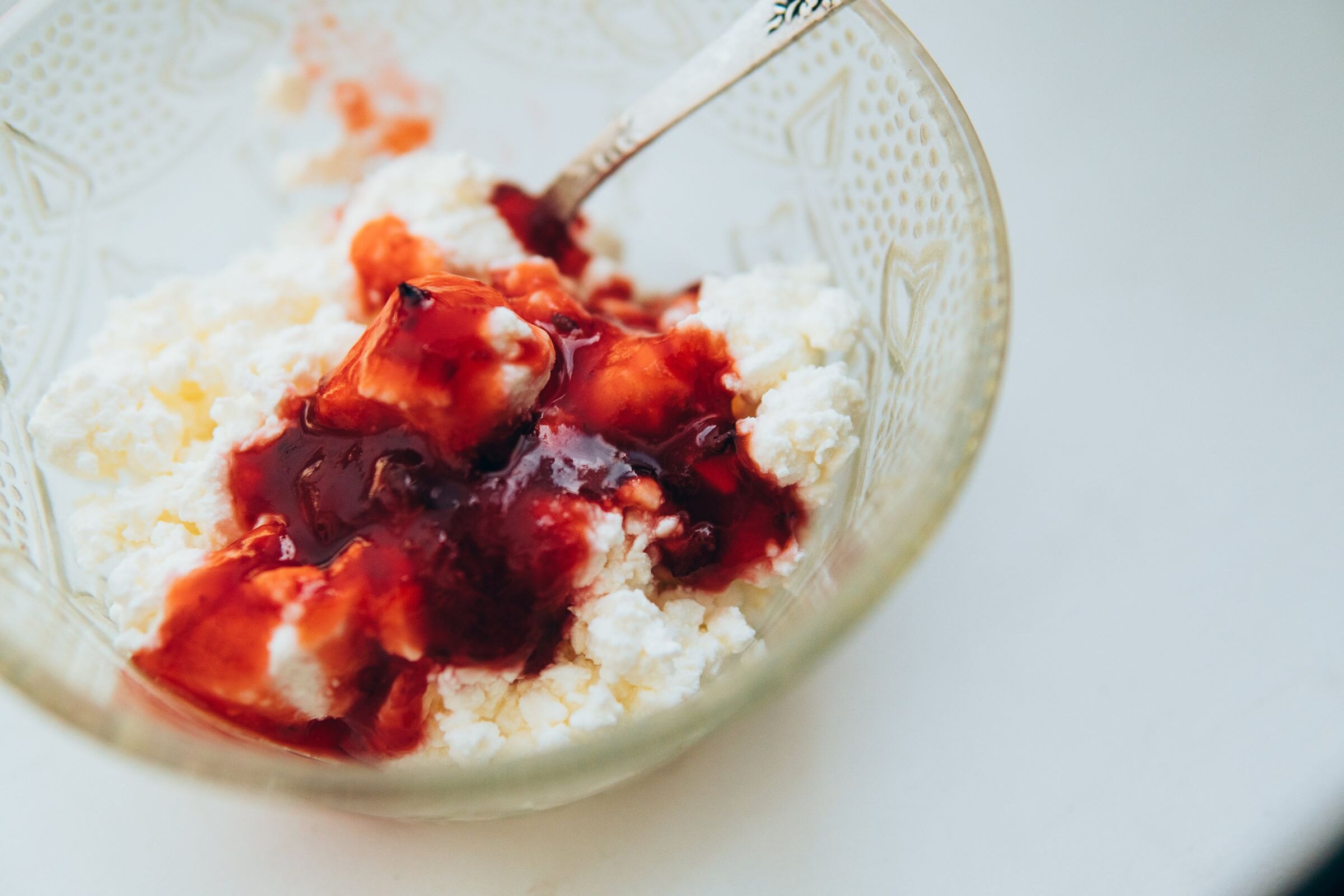
2. Savory Whipped Cottage Cheese & Cucumber Boats
Cottage cheese has experienced a massive resurgence in sports nutrition, and for good reason: it is predominantly composed of slow-digesting micellar casein, which forms a gentle gel clot in the acidic environment of the stomach, releasing amino acids steadily into the bloodstream over several hours.
- Ingredients: 200 g 2% low-fat cottage cheese, 1 medium English cucumber sliced lengthwise into boats, 5 halved cherry tomatoes, sprinkled generously with everything bagel seasoning.
- Macros: 180 calories, 24 g protein, 9 g carbs (2 g fiber), 5 g fat.
- The Culinary Upgrade: Blend the cottage cheese in a food processor with a pinch of garlic powder and lemon juice for 60 seconds to create an ultra-smooth whipped dip that rivals commercial spreads.
3. Smoked Salmon & Cream Cheese Celery Rolls
Wild-caught smoked salmon provides rich, bioavailable protein and long-chain EPA and DHA fatty acids that attenuate exercise-induced muscle soreness and enhance membrane fluidity.
- Ingredients: 85 g smoked wild salmon slices, 30 g light whipped cream cheese or Greek yogurt cream spread, 3 crisp stalks of celery, fresh dill sprigs, and capers.
- Macros: 165 calories, 18 g protein, 4 g carbs (2 g fiber), 8 g fat.
- Texture Profile: The extreme crunch and high water volume of celery perfectly balances the rich savory salinity of the smoked salmon.
Tier 3: Batch-Prep Snack Recipes
When integrated into your weekly meal prep for fitness, preparing high-protein snacks in advance guarantees nutritional compliance during demanding work weeks:
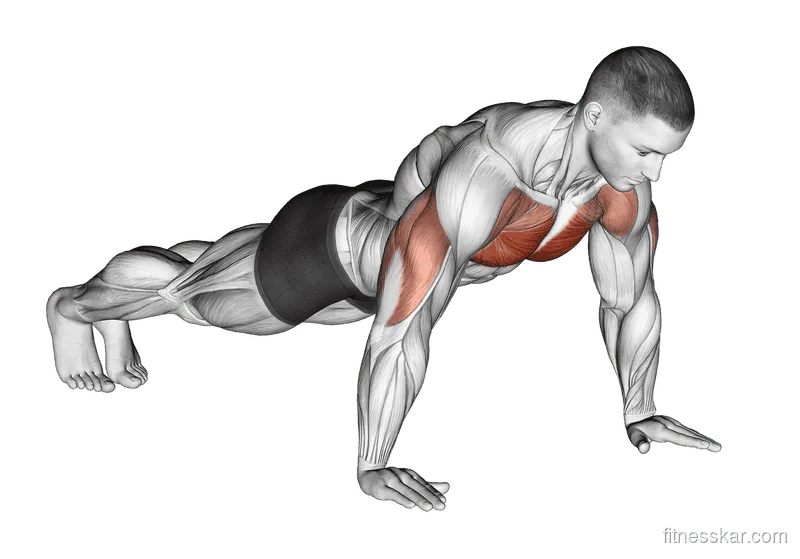
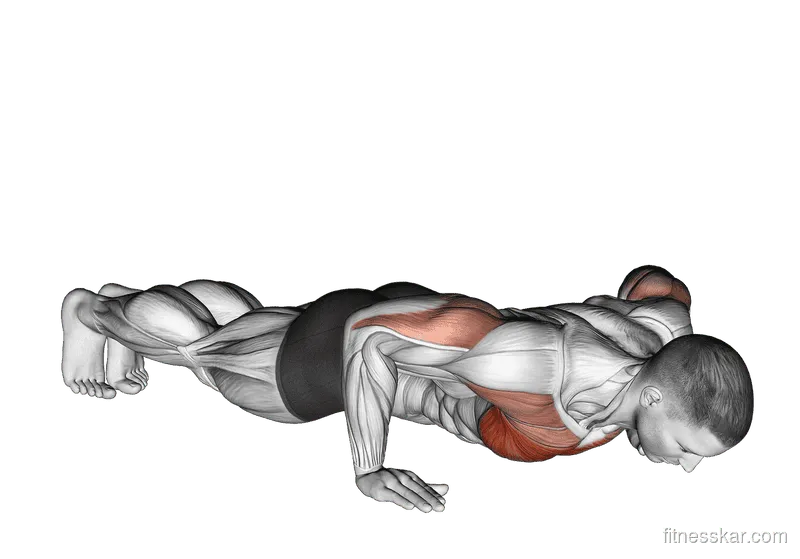
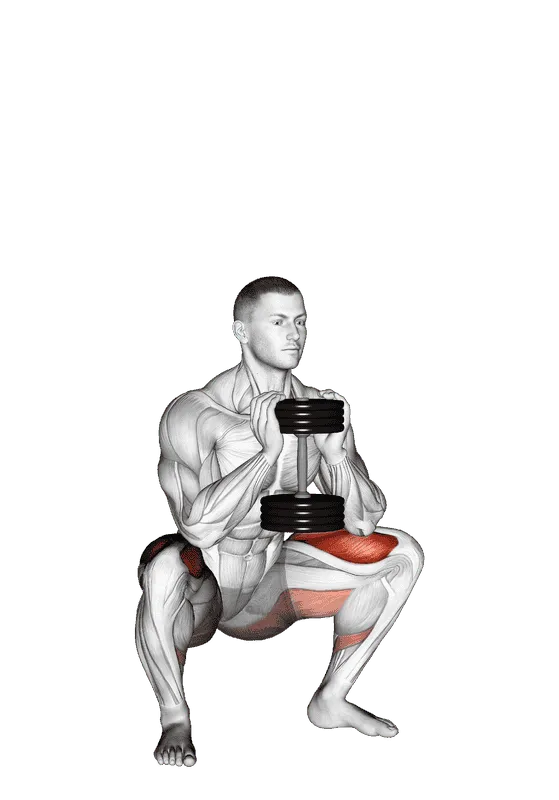
- Sets
- 3–4
- Reps
- 12–15
- Rest
- 60 s
- Tempo
- 2–0–1
1. High-Protein Baked Egg & Spinach Muffins
Baking a dozen savory egg muffins on Sunday evening provides ready-to-eat morning or afternoon snacks that reheat in 20 seconds.
- Batch Recipe (Makes 12 muffins; 2 muffins per serving): Whisk 6 whole eggs with 300 ml liquid egg whites, 100 g diced roasted turkey breast, 100 g chopped baby spinach, 50 g crumbled feta cheese, and diced red bell peppers. Pour evenly into a silicone 12-cup muffin tin and bake at 180°C (350°F) for 20 to 22 minutes until golden.
- Macros (Per 2-muffin serving): 160 calories, 21 g protein, 3 g carbs, 7 g fat.
- Storage: Keeps refrigerated in airtight glass meal prep containers for up to 5 days, or freeze for up to one month.
2. Crunchy Roasted Buffalo Chickpeas & Lupin Flakes
While standard legumes carry a relatively high carbohydrate load, roasting chickpeas at high heat creates an addictive, savory crunch that replaces potato chips while delivering clean plant protein and resistant starch.
- Preparation: Rinse and thoroughly dry two 400 g cans of chickpeas with paper towels. Toss with 1 tablespoon of extra virgin olive oil, 2 tablespoons of Frank's RedHot Buffalo sauce, garlic powder, and onion powder. Spread across a baking sheet lined with parchment paper and roast at 200°C (400°F) for 30 to 35 minutes until completely crunchy.
- Macros (Per 80 g cooked serving): 175 calories, 9 g protein, 24 g carbs (7 g fiber, 17 g net carbs), 4 g fat.
- Pro Tip: Blend in 30 g of roasted lupini beans to double the protein content without adding excess starch.
Tier 4: Bedtime & Pre-Sleep Anti-Catabolic Snacks
Eating prior to sleep is often unfairly demonized by conventional diet culture. While consuming high-glycemic carbohydrates or saturated fats immediately before bed can impair sleep architecture and delay gastric emptying, ingesting a targeted 25 to 40 grams of slow-digesting protein roughly 30 to 60 minutes before bed enhances overnight muscle recovery, stimulates muscle protein synthesis across the 8-hour sleeping window, and improves morning metabolic rate.
The Ultimate Micellar Casein Bedtime Sludge
- Why It Works: Unlike rapidly absorbed whey isolate, micellar casein protein digests at a leisurely rate of roughly 6 grams per hour, preventing nocturnal muscle catabolism and elevating overnight net protein balance without causing morning gastrointestinal heaviness.
- Recipe: Vigorously mix 35 g of micellar casein powder with 100 ml of cold unsweetened almond milk and 1 tablespoon of all-natural peanut butter or almond butter until a rich, thick pudding consistency forms. Top with a pinch of sea salt.
- Macros: 220 calories, 31 g protein, 5 g carbs (2 g fiber), 9 g healthy fat.
Master Comparison Table: High-Protein Snacks
Use this reference table to select the optimal high-protein snack for your exact caloric budget, lifestyle setting, and macronutrient targets:
| Snack Option | Serving Size | Protein (g) | Carbs (g) | Fat (g) | Calories (kcal) | Satiety Rating (1-10) | Prep Time |
|---|---|---|---|---|---|---|---|
| Non-Fat Greek Yogurt & Berries | 200 g yogurt + 50 g berries | 22 | 14 | 0.5 | 150 | 9.0 | 2 minutes |
| Low-Fat Cottage Cheese with Cucumber | 200 g cottage cheese + veg | 24 | 9 | 5 | 180 | 9.5 | 3 minutes |
| Hard-Boiled Eggs (1 whole + 2 whites) | 3 eggs total | 14 | 1 | 5 | 105 | 8.5 | 0 min (pre-cooked) |
| Wild Tuna / Salmon Foil Pouch | 85 g pouch | 21 | 0 | 1 | 95 | 8.0 | 0 min (shelf-stable) |
| Grass-Fed Beef or Turkey Jerky | 50 g | 26 | 2 | 2 | 130 | 7.5 | 0 min (shelf-stable) |
| Steamed Edamame in Pods | 1 cup pods (155 g) | 17 | 14 | 8 | 190 | 8.5 | 4 minutes |
| Baked Egg & Spinach Muffins | 2 muffins | 21 | 3 | 7 | 160 | 9.0 | Batch cooked |
| Micellar Casein Bedtime Pudding | 35 g powder + 1 tbsp nut butter | 31 | 5 | 9 | 225 | 9.5 | 2 minutes |
| Whey Isolate Shake with Water | 1 scoop (30 g) | 25 | 1 | 0.5 | 110 | 6.5 | 1 minute |
Integrating High-Protein Snacking with Progressive Strength Training
Nutritional strategies cannot exist in a vacuum. To maximize the nutrient partitioning of dietary amino acids—ensuring they are directed toward muscle hypertrophy and structural tissue repair rather than oxidized as fuel or stored in adipocytes—you must provide an adaptive mechanical stimulus.
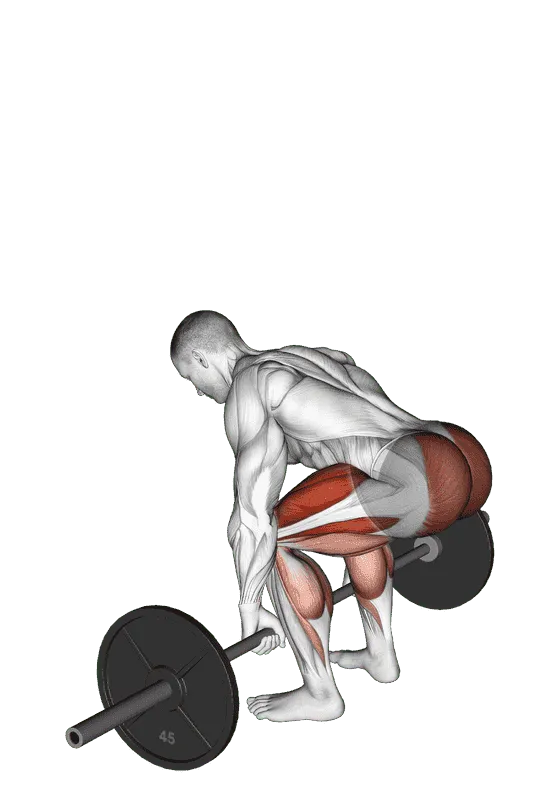
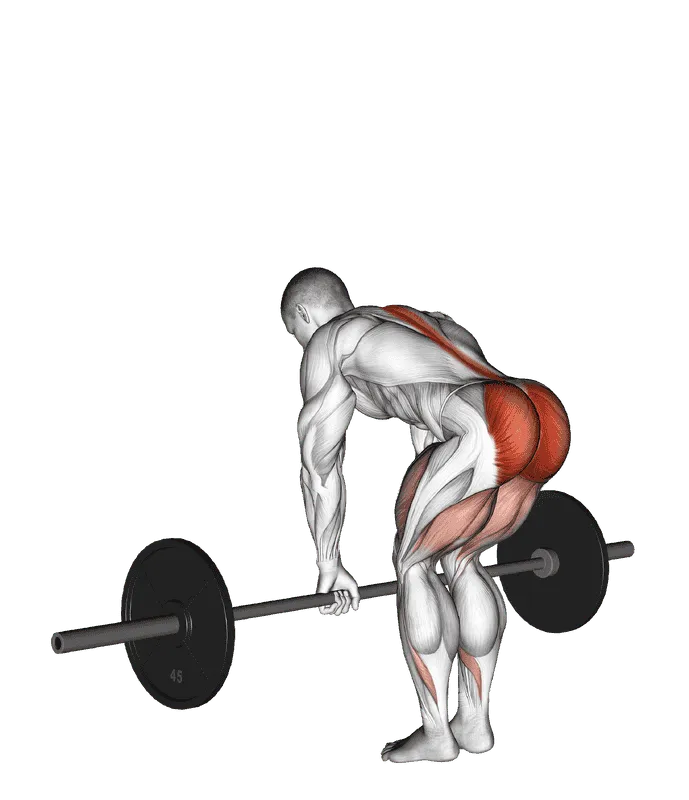
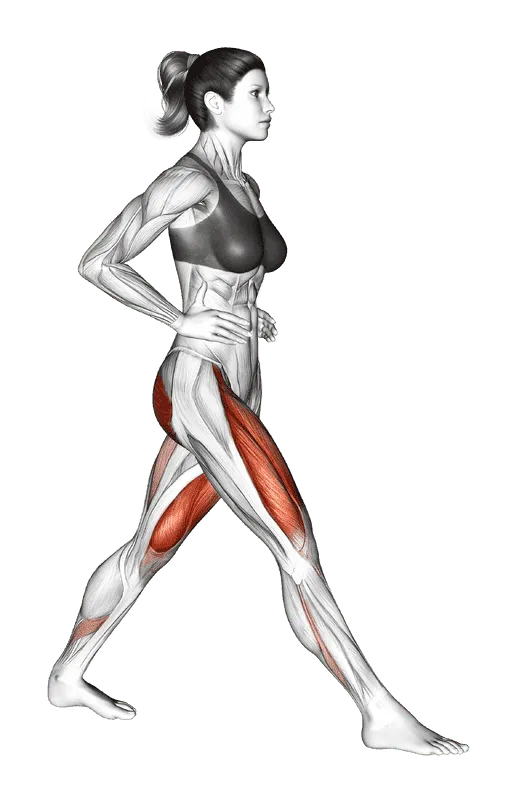
When you perform compound resistance exercises that demand multi-joint stabilization—such as the barbell deadlift, barbell Romanian deadlift, and lunge—muscle fibers experience mechanical tension and micro-trauma. This mechanical loading upregulates intracellular GLUT4 glucose transporters and sensitizes skeletal muscle ribosome biogenesis to circulating amino acids for up to 48 hours post-exercise.
Pairing structured training programs such as the Beginner Gym Starter or the 8-Week Full Body Fitness Builder with our pre- and post-workout nutrition guidelines and disciplined afternoon snacking ensures that your muscular system remains in a positive net nitrogen balance throughout the entire day.
Common Snacking Pitfalls & How to Avoid Them
Even dedicated athletes often fall into subtle dietary traps that compromise their progress:
Pitfall 1: Assuming All Nuts and Seeds are "High Protein"
Almonds, walnuts, and cashews are nutritious foods packed with heart-healthy monounsaturated fats, magnesium, and vitamin E. However, they are fundamentally fat sources, not protein sources. A standard 30-gram handful of almonds delivers 170 calories and 15 grams of fat, but only 6 grams of protein. Consuming multiple handfuls of nuts at your desk can easily add 500+ unmeasured calories to your day while providing minimal protein.
- The Fix: Treat nuts as a healthy fat source. Pair a small, measured 10-gram portion of nuts with a high-purity protein base like Greek yogurt or egg whites.
Pitfall 2: Relying on Commercial "Protein Cookies" and Snack Bars
Most commercial protein bars sold at convenience stores and gas stations are essentially candy bars fortified with a few grams of low-grade soy or collagen protein. They frequently pack 250 to 350 calories, 30 grams of carbohydrates, and 12 grams of saturated fat alongside a modest 10 to 15 grams of protein.
- The Fix: Apply the 10-to-1 rule. If a bar does not deliver at least 15 to 20 grams of protein for every 180 to 200 calories, leave it on the shelf.
Pitfall 3: Mindless Grazing Directly from Multi-Serving Containers
Eating snacks directly out of a large bag of jerky, a tub of roasted chickpeas, or a jar of nut butter prevents accurate portion tracking. The human brain consistently underestimates self-served snack portions by 30% to 50%.
- The Fix: Pre-portion snacks into individual single-serving glass containers or zip-top bags during your weekend food prep. When it is snack time, take one container and put the rest out of sight.
Frequently Asked Questions
Frequently asked questions
How many grams of protein should an ideal snack have?
An optimal high-protein snack should provide between 20 and 30 grams of protein. This quantity ensures you supply 2.5 to 3.0 grams of leucine, which is required to cross the threshold for stimulating muscle protein synthesis and suppressing hunger hormones.
Can I eat high-protein snacks if I am trying to lose weight?
Yes. High-protein snacks are especially valuable during fat loss because protein has a 20% to 30% thermic effect and suppresses the hunger hormone ghrelin. Choosing snacks with 15 to 25 grams of protein prevents evening overeating and protects lean muscle tissue in a calorie deficit.
What is the best high-protein snack to eat before bed?
Low-fat cottage cheese or micellar casein protein pudding is ideal before bed. Both foods are rich in slow-digesting micellar casein, which steadily releases amino acids into the bloodstream over several hours to support muscle recovery and prevent overnight muscle breakdown.
Are commercial protein bars healthy?
Many commercial protein bars contain excessive added sugars, saturated fats, and high total calories relative to their protein content. Check the nutrition label using the 10-to-1 rule: a 200-calorie bar should provide at least 20 grams of protein and minimal added sugars.
Macro calculator
- Protein
- g
- Fat
- g
- Carbohydrates
- g
Protein 1.6–2.2 g per kg of body weight, fat about 25% of calories, carbohydrates fill the rest.
Sources
- Ortinau LC, Hoertel HA, Douglas SM, Leidy HJ. Effects of high-protein vs. high-fat snacks on appetite control, satiety, and eating initiation in healthy women. Nutrition Journal. 2014. doi.org/10.1186/1475-2891-13-97 ↩