To maximize rest between sets for muscle growth, aim for 2 to 3 minutes (120 to 180 seconds) on compound multi-joint lifts and 90 to 120 seconds on single-joint isolation exercises. Rushing into your next set after only 30 to 45 seconds leaves intramuscular energy stores depleted and suppresses central neural drive, forcing sharp drops in weight or repetitions. Resting longer than 60 to 90 seconds preserves total volume load and high-threshold motor unit recruitment across every working set, delivering superior muscle hypertrophy without requiring marathon gym sessions.[1]
Walk through any commercial weight room and you will see two opposite extremes. In one corner, a lifter finishes a set of curls, stares at a stopwatch, and jumps back under the bar after 45 seconds—chasing a skin-splitting pump while their repetitions plummet from twelve down to five. Across the room, another lifter finishes a set of leg extensions and scrolls through their phone for seven minutes until their joints feel stiff.
For decades, gym folklore insisted that short 30-to-60-second rest intervals were mandatory for "size," while 3-minute breaks belonged exclusively to powerlifters. Modern exercise physiology and controlled hypertrophy trials have overturned that rigid divide. In this Fitnesskar guide, you will learn what actually recovers inside your muscles and nervous system between sets, what clinical meta-analyses reveal about the 60-to-90-second inflection point, how to assign exact rest targets to every movement in your program, and how to cut your workout duration by a third when your schedule is tight.
Why Rest Between Sets for Muscle Growth Matters Physiologically
Muscle hypertrophy does not happen because you feel out of breath or accumulate burning acidity in your limbs. Skeletal muscle grows when individual muscle fibers experience high mechanical tension while contracting actively near muscular failure, triggering mechanosensors that upregulate myofibrillar protein synthesis—the foundational mechanism behind progressive overload.
Every variable between your sets serves one primary biological goal: restoring your capacity to generate high mechanical tension on the next set. When you rack a barbell or set down a pair of dumbbells after a hard working set, four distinct physiological systems must recover at different speeds.
1. ATP-Phosphocreatine (PCr) Resynthesis Kinetics
Hard resistance training sets lasting 15 to 45 seconds rely heavily on the phosphagen system—specifically stored adenosine triphosphate (ATP) and phosphocreatine (PCr)—to fuel rapid, high-force actin-myosin cross-bridge cycling. By the final two repetitions of a set taken close to failure, intramuscular PCr inside recruited fast-twitch fibers is substantially depleted.
Phosphocreatine replenishment follows a classic biphasic curve driven by oxidative metabolism inside muscle mitochondria:
- At 30 seconds of rest: Roughly 50% of depleted phosphocreatine is restored.
- At 60 to 90 seconds of rest: Roughly 75% to 85% of phosphocreatine is restored.
- At 120 to 180 seconds of rest: Roughly 90% to 95%+ of phosphocreatine returns to baseline.
If you jump into your second set of presses after just 35 seconds, your muscles begin the set with half a tank of high-rate energy. You are forced to lean prematurely on anaerobic glycolysis, accelerating fatigue and cutting your set short several repetitions before your fibers experience an optimal volume of high-tension contractions.

2. Central Nervous System Fatigue and Motor Unit Recruitment
The largest, most growth-prone muscle fibers in your body—high-threshold Type II fast-twitch motor units—require strong electrical drive from your motor cortex and spinal motoneurons to switch on. Immediately after a demanding multi-joint set, central nervous system (CNS) fatigue temporarily blunts voluntary activation.
Group III and IV metaboreceptive nerve endings inside the fatigued muscle sense chemical byproducts and send inhibitory feedback straight up to your spinal cord and brain, acting like a biological governor that reduces neural drive. If you start your next set while central inhibition is still high, you physically cannot recruit all of your highest-threshold motor units—even if the set feels agonizingly hard. Waiting 90 to 180 seconds lets afferent inhibition subside so your nervous system can command full fast-twitch fiber recruitment again.
3. Peripheral Metabolite Clearance and Calcium Handling
Inside the muscle fiber itself, hard contractions generate inorganic phosphate (Pi), hydrogen ions (H+), and extracellular potassium shifts. Contrary to popular belief, lactic acid is not what locks up your muscles; rather, elevated inorganic phosphate directly interferes with actin-myosin cross-bridge force and enters the sarcoplasmic reticulum, where it binds with calcium ions and blunts calcium release during excitation-contraction coupling.
When calcium release falters, individual muscle fibers lose contractile force regardless of how hard you grit your teeth. Giving capillary blood flow 90 to 120+ seconds between sets flushes excess hydrogen ions and inorganic phosphate out of the muscle belly, restoring crisp excitation-contraction coupling for your next effort.
4. Cardiorespiratory Debt vs. Target Muscle Recovery
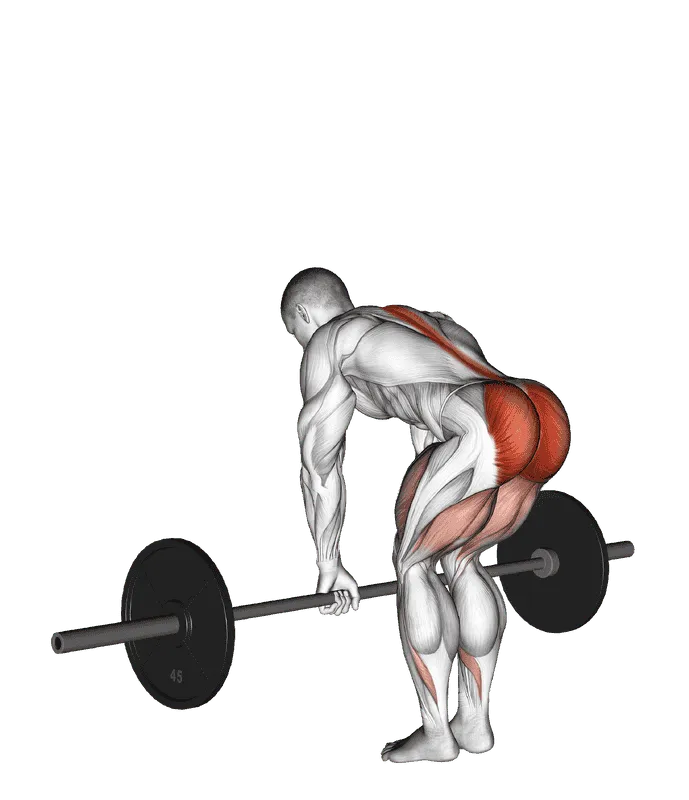
On smaller single-joint movements like curls or pushdowns, local muscle recovery is the only bottleneck. On heavy multi-joint lifts—such as the Barbell Full Squat or Barbell Romanian Deadlift—hundreds of kilograms of total muscle mass contract simultaneously while you brace your trunk against axial load.
After a 10-rep set of squats, your quadriceps phosphocreatine may be 85% restored at the 90-second mark, yet your heart rate is still pounding at 155 beats per minute and your diaphragm is working overtime to clear systemic carbon dioxide. Because the diaphragm doubles as a primary core stabilizer during intra-abdominal bracing, unracking a heavy bar while gasping for air compromises spinal stability and forces you to rack the weight early—not because your quads hit muscular failure, but because your lungs and trunk gave out first.
What Clinical Research Shows: The 60-to-90-Second Inflection Point
For years, individual trials comparing 1-minute versus 3-minute rest intervals sparked fierce arguments. Some studies found markedly better quad and chest thickness when lifters rested 3 minutes; others found minimal differences when exercises were machine-based or sets were adjusted.
To resolve those mixed findings, exercise scientists Alec Singer, Milo Wolf, Brad Schoenfeld, and colleagues published a comprehensive systematic review and Bayesian meta-analysis in Frontiers in Sports and Active Living, pooling 19 muscle hypertrophy outcomes across 9 randomized controlled trials in healthy adults where all other training variables were held constant.[1]
Their statistical breakdown revealed a clear, practical two-part curve:
- Resting longer than 60 seconds beats sub-minute breaks: When studies were grouped into short rests (60 seconds or less) versus longer rests (over 60 seconds), longer rest intervals consistently favored superior muscle growth in both the arms and the thighs, driven by better preservation of total volume load (weight × repetitions × sets).[1] Crucially, subgroup analysis showed this held true whether lifters trained all the way to momentary muscular failure or stopped slightly short of failure—confirming the principles we cover in our guide on training to failure vs. RIR.[1]
- Hypertrophy largely plateaus past ~90 to 120 seconds: When researchers divided rest durations into four tiers—short (≤60 s), intermediate (61–119 s), long (120–179 s), and very long (≥180 s)—they detected no appreciable hypertrophy advantage to resting far beyond 90 to 120 seconds on average across controlled protocols.[1] Once you cross the 90-to-120-second mark, severe performance drops flatten out for most movements.
The Set-Count Compensation Trap
You might wonder: Can I still build muscle with 45-to-60-second rests if I just add extra sets? Physiologically, yes—if you lose 30% of your effective repetitions per set due to rushed rest, adding two extra sets at the end of the exercise can bring your total stimulating repetitions back up to par.
In practice, however, this creates a poor recovery trade-off. Turning 3 crisp, well-rested sets of 10 repetitions (completed in 8 minutes with steady bar speed) into 5 fatigued, form-degrading sets of 10, 7, 6, 5, and 5 repetitions taxes your joints, tendons, and central recovery budget far harder for the exact same hypertrophic stimulus. When planning how many sets per muscle per week your body can recover from, resting adequately ensures every set you log is high-quality stimulus rather than fatigued filler.
Lift-by-Lift Rest Interval Prescription Table
Because central fatigue, recruited muscle mass, and breathing demands vary dramatically from a heavy back squat to a cable pushdown, applying one rigid stopwatch number to your entire workout wastes either performance or time. Match your inter-set rest to the biomechanical demands of the movement:
| Exercise Category | Optimal Rest | Example Movements | Primary Limiting Factor | Normal Rep Drop-Off |
|---|---|---|---|---|
| Free-Weight Axial Compounds | 3–4 min (180–240 s) | Squat, Deadlift, RDL, Barbell Row | Cardiorespiratory debt, CNS drive & trunk bracing | Lose at most 1–2 reps per set |
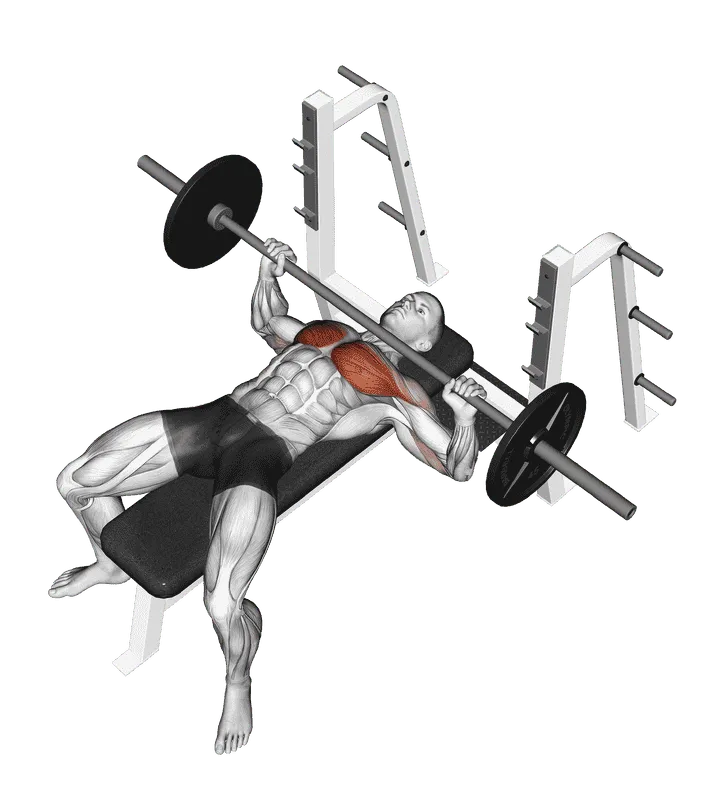
| Upper-Body Compound Presses & Pulls | 2–3 min (120–180 s) | Barbell Bench Press, Incline DB Press, Pull-Ups | Local PCr depletion & synergist (triceps/biceps) fatigue | Lose at most 1–2 reps per set |
| Machine & Cable Compounds | 90–150 s (1.5–2.5 min) | 45° Leg Press, Seated Cable Row, Lat Pulldown | Target muscle PCr & metabolite clearance | Lose 1–2 reps across sets |
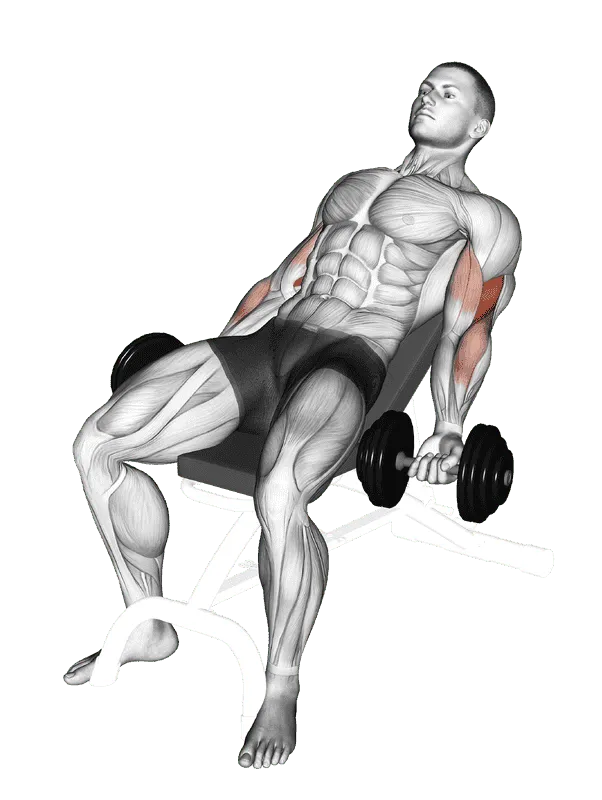
| Single-Joint Isolation Lifts | 60–120 s (1–2 min) | Lateral Raises, Incline Curls, Triceps Pushdowns | Local Pi/H+ accumulation in small muscle bellies | Lose 1–3 reps in high-rep ranges |
| Unilateral (Single-Limb) Lifts | 60–90 s between sides | Split Squats, One-Arm Rows, Single-Arm Curls | Systemic breathing while opposite limb works | Match left and right side reps |
Heavy Multi-Joint Lifts: Give Yourself 2.5 to 4 Minutes
When performing demanding free-weight compounds such as the Barbell Full Squat, Barbell Bench Press, or Barbell Romanian Deadlift across hypertrophy rep ranges for muscle growth (typically 5 to 10 repetitions), take 2.5 to 4 full minutes. Sit down rather than pacing around the gym floor, let your breathing slow down, and unrack only when your spine, grip, and prime movers feel solid.
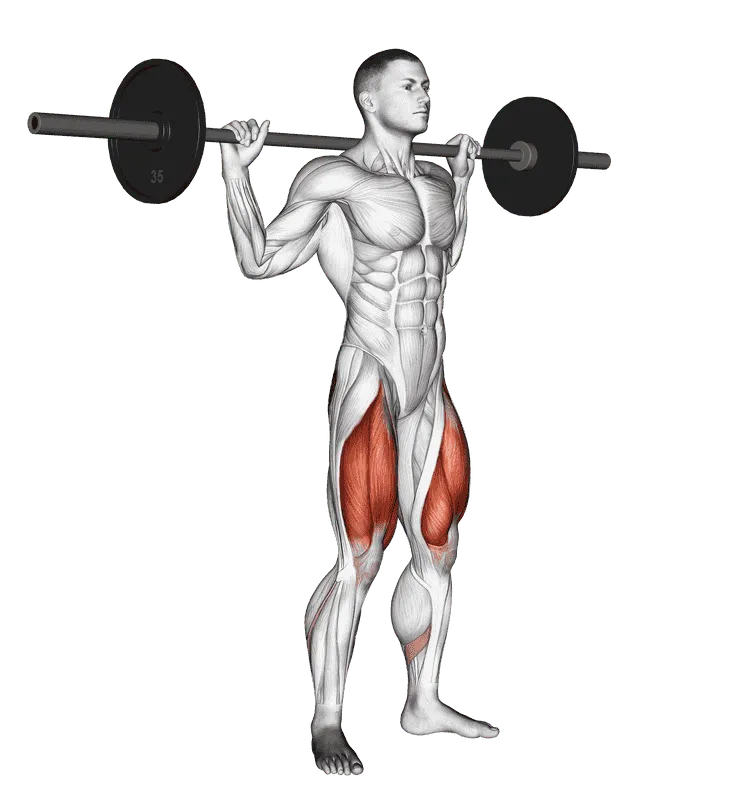
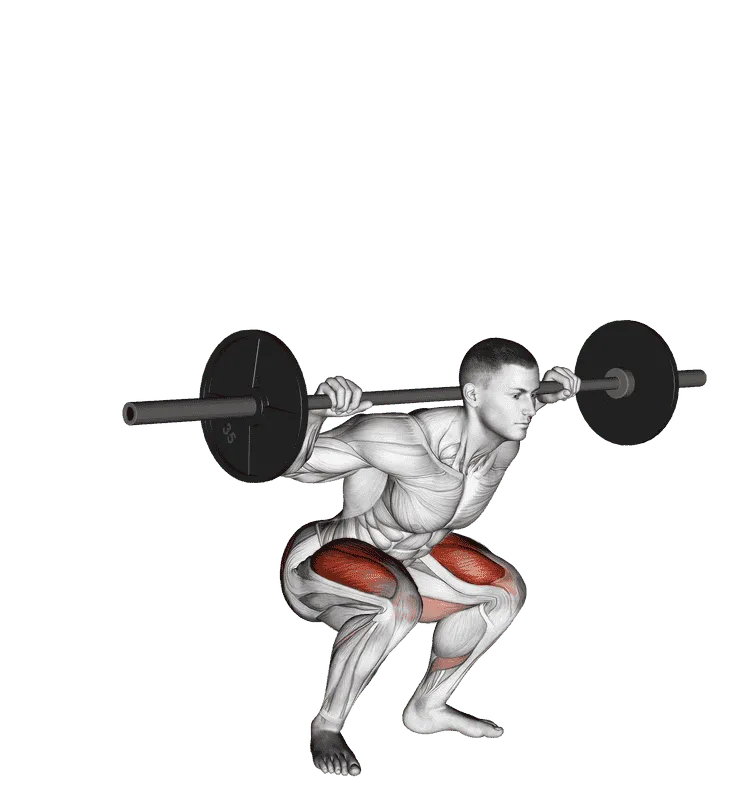
- Sets
- 3–4
- Reps
- 6–10
- Rest
- 180 s
- Tempo
- 3–1–1
Machine-stabilized compound exercises—such as the Sled 45° Leg Press or Cable Seated Row—remove much of the balance and spinal stabilization burden, though leg presses still tax your cardiovascular system heavily. Most lifters perform at peak output on machine rows and pulldowns with 90 to 150 seconds of rest, while heavy sets of 10 to 15 reps on the leg press often warrant a full 2.5 to 3 minutes.
Single-Joint Isolation Lifts: Efficiency at 60 to 120 Seconds
Smaller muscle groups with shorter ranges of motion—such as your lateral deltoids on the Dumbbell Lateral Raise, biceps on the Dumbbell Incline Curl, or triceps on the Cable Triceps Pushdown (V-bar attachment)—displace far less total mechanical work per repetition and create almost zero systemic cardiorespiratory debt. Capillary perfusion clears local metabolites rapidly, and central neural fatigue recovers quickly.
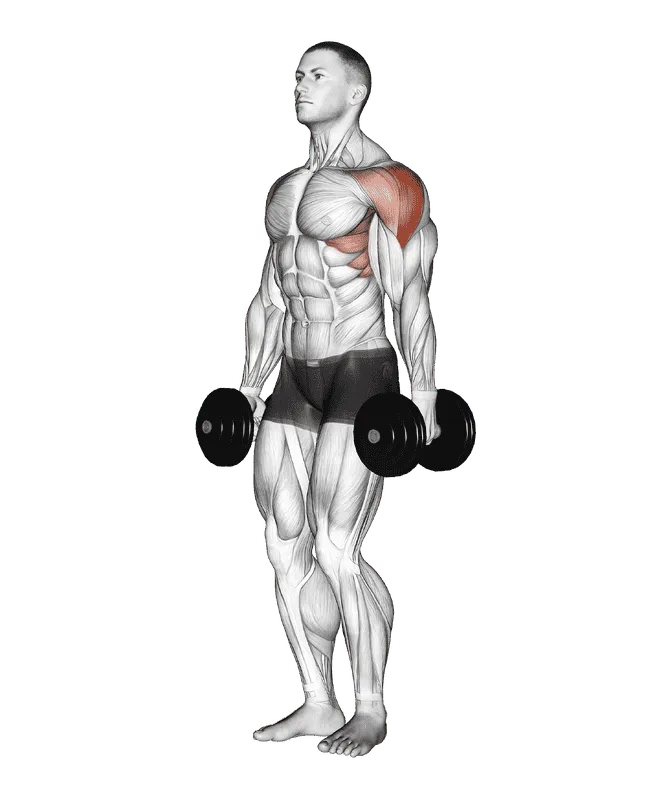
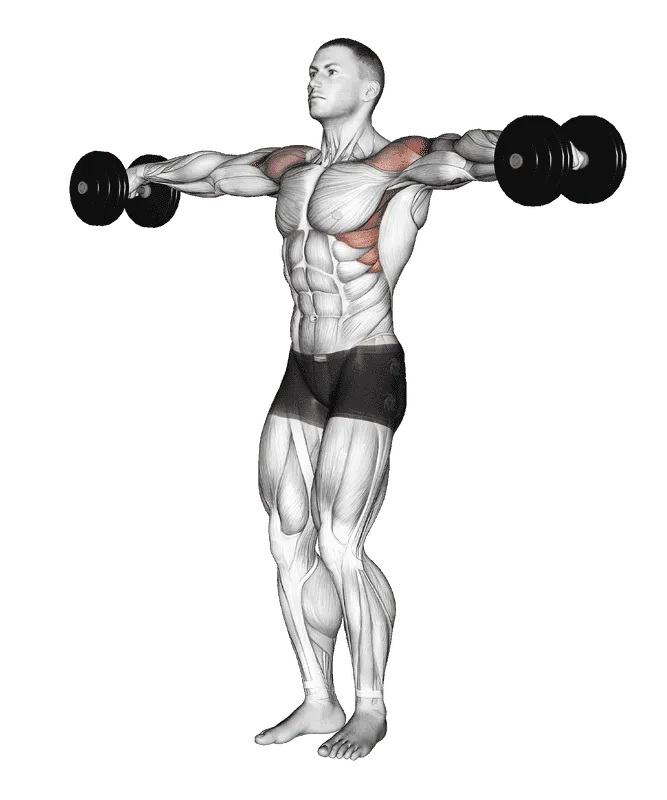
- Sets
- 3–4
- Reps
- 12–15
- Rest
- 75 s
- Tempo
- 2–0–1
Notice the nuance on unilateral movements too: if you perform a brutal set of single-leg split squats with your left leg and immediately switch to your right leg with zero pause, lingering systemic breathing debt and central fatigue will penalize whichever leg goes second! Resting 60 to 90 seconds between your left side and right side automatically gives each individual leg roughly 3 to 4 minutes of local recovery before its turn comes around again, while keeping both limbs equally strong.
The 4-Point Autoregulation Checklist: Know When You Are Ready
Fixed timer presets are a reliable baseline, yet your recovery speed fluctuates from day to day based on sleep, glycogen status, gym temperature, and how close to failure you pushed the preceding set. Rather than staring blindly at a countdown clock, combine a minimum timer floor with a 4-Point Readiness Check before starting your next set:
- Target Muscle Readiness: Has the deep, acute chemical burn inside the prime mover faded enough that you feel confident hitting within 1 to 2 reps of your previous set?
- Cardiorespiratory Calm: Can you breathe calmly through your nose or speak a complete sentence to a training partner without gasping between words?
- Synergist and Bracing Stability: Have smaller supporting muscles—your grip on rows, your lower back on hinges, or your anterior delts and triceps on chest presses—stopped feeling shaky?
- Psychological Intent: Are you mentally ready to attack the unrack aggressively rather than dreading the first repetition?
The moment all four answers are "yes"—whether that happens at 95 seconds on cable curls or 3 minutes and 30 seconds on heavy squats—pick up the weight and go. Waiting another three minutes past full readiness adds zero muscle growth and simply lets muscle temperature cool down.
Short on Time? How to Cut Workout Duration by 35% Without Losing Muscle
The single biggest real-world barrier to resting 2 to 3 minutes between sets is the clock. If your session contains 18 working sets and you rest 3 straight minutes after every set, you will spend nearly an hour just sitting on benches.
Fortunately, you never have to sacrifice muscle hypertrophy when your schedule limits you to 40 or 45 minutes. Use these two evidence-based density methods instead of rushing straight sets:
1. Paired Antagonist Supersets (The Gold Standard for Busy Lifters)
Instead of resting passively for 3 minutes between sets of chest presses, pair two non-competing antagonist movements—such as an upper-body push and an upper-body pull, or biceps flexion and triceps extension:
- 0:00 – 0:35: Perform Set 1 of Dumbbell Incline Bench Press (chest, front delts, triceps).
- 0:35 – 1:35: Rest 60 seconds while setting up at the cable row station.
- 1:35 – 2:10: Perform Set 1 of Cable Seated Row (lats, rhomboids, mid-traps, biceps).
- 2:10 – 3:10: Rest 60 seconds, then begin Set 2 of Dumbbell Incline Bench Press.
Look closely at the math: you are moving every 60 seconds, slashing total gym time by 35% to 45%, yet your chest and triceps received 2 minutes and 35 seconds of local recovery before their second set! Controlled trials consistently show that antagonist paired sets preserve—and via reciprocal neural facilitation sometimes slightly enhance—total volume load and long-term muscle growth compared with traditional straight sets.
Time-Efficient Upper-Body Antagonist Superset Block (28 Minutes Total)
-
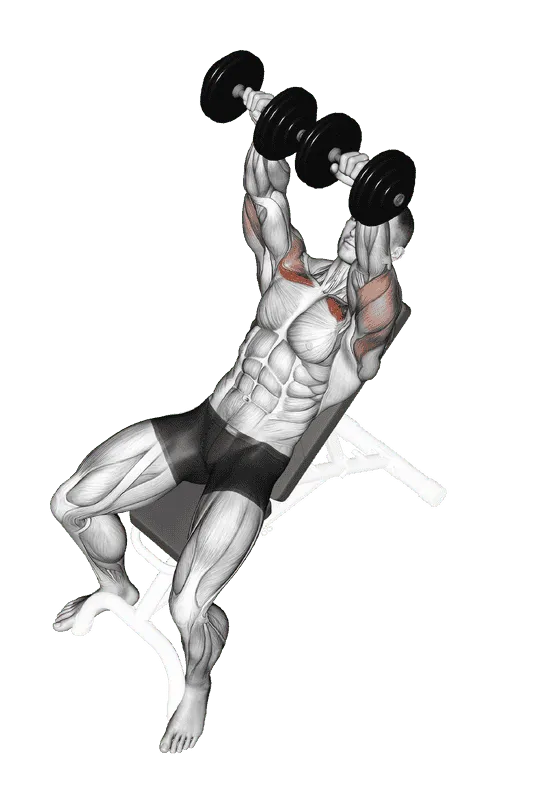
1 Dumbbell Incline Bench Press - Sets
- 3
- Reps
- 8–10
- Rest
- 60 s
-
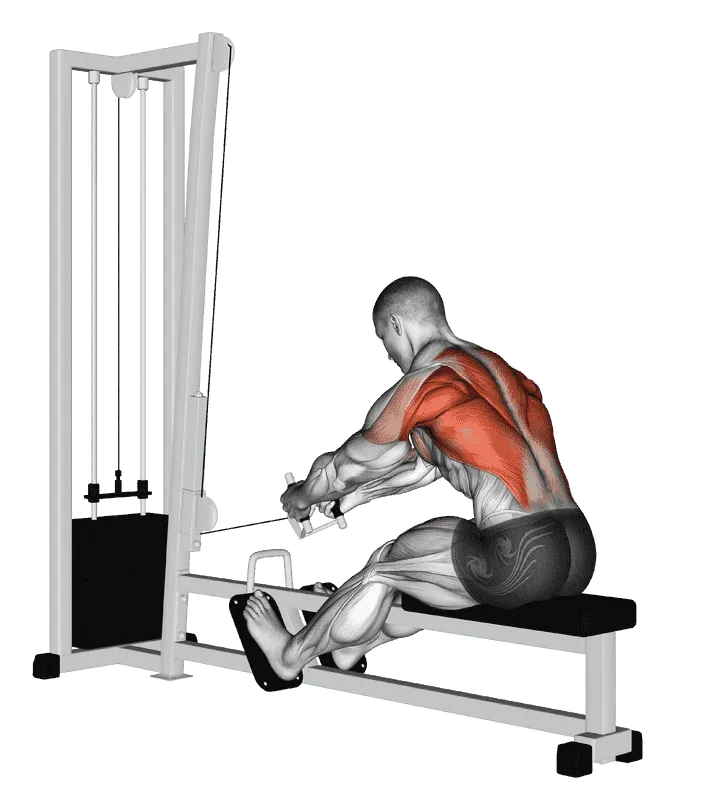
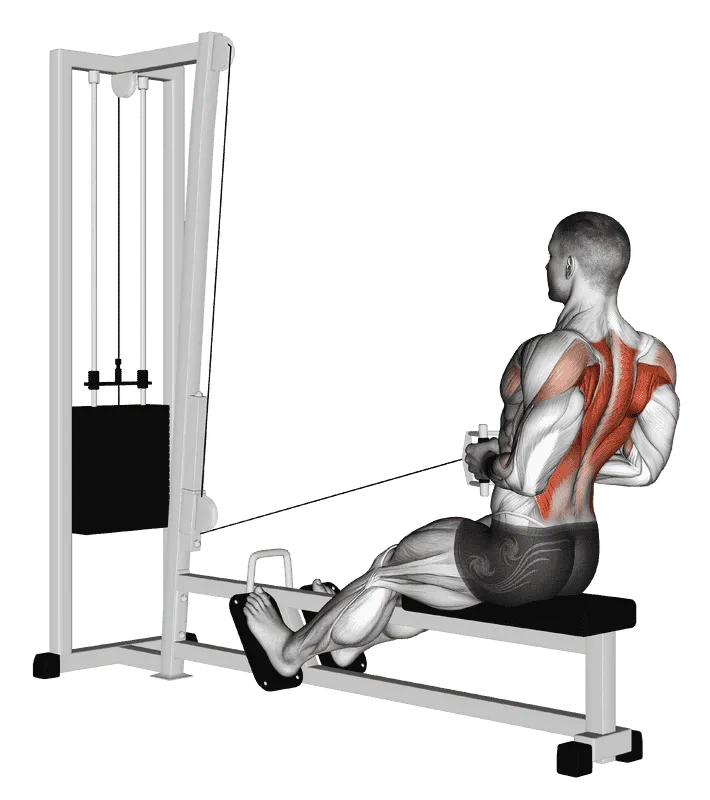
2 Cable Seated Row - Sets
- 3
- Reps
- 10–12
- Rest
- 75 s
-
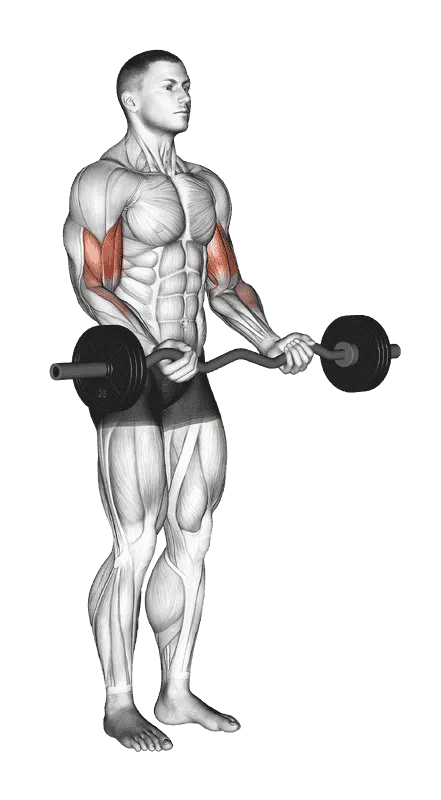
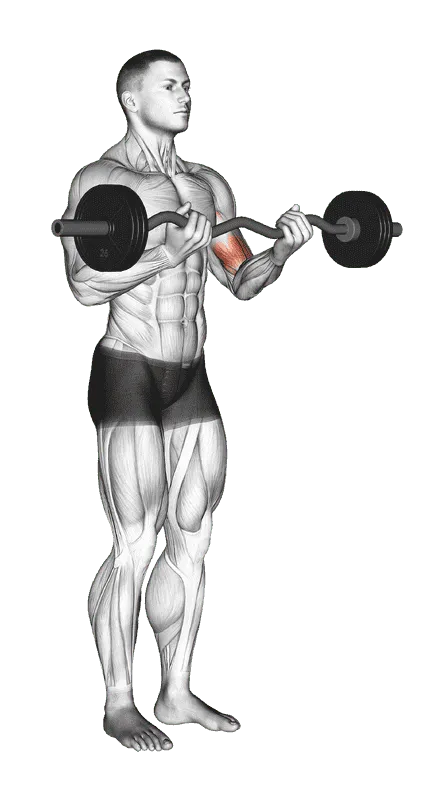
3 EZ Barbell Curl - Sets
- 3
- Reps
- 10–12
- Rest
- 45 s
-
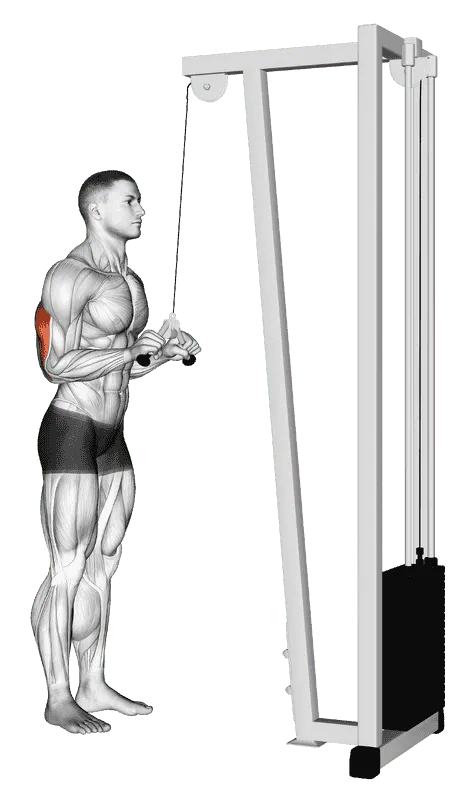
4 Cable Triceps Pushdown (V-bar attachment) - Sets
- 3
- Reps
- 12–15
- Rest
- 60 s


2. Rest-Pause and Myo-Reps for Isolation Finishers
When you have just 4 minutes left at the end of a session to finish side delts, calves, or arms, myo-reps (rest-pause sets) exploit the fact that high-threshold motor units are already fully recruited at the end of an initial near-failure "activation set":
- Choose a stable machine, cable, or dumbbell isolation lift (never heavy spinal compounds like squats or deadlifts) and perform 1 activation set of 12 to 15 reps to 0–1 RIR.
- Set the weight down and take 15 to 20 seconds (roughly 5 deep breaths), restoring ~35% to 40% of local phosphocreatine while keeping fast-twitch motor units primed.
- Perform mini-sets of 3 to 5 repetitions separated by 15-to-20-second pauses until you can no longer hit 3 clean reps (typically 3 to 4 mini-sets).
In under three minutes, you accumulate roughly 12 to 15 high-tension "effective repetitions"—roughly equivalent to three traditional straight sets—making rest-pause ideal for accessory finishers inside structured programs like the 4-Day Muscle Mass Builder or the 4-Day Muscle & Strength Builder.
Safety Considerations and Common Rest-Timing Mistakes
Managing inter-set recovery is straightforward, yet three everyday gym habits quietly sabotage progress or create avoidable risk:
- Turning Warm-Up Sets into Fatiguing Work Sets—or Rushing Before Your Top Set: Early warm-up sets at 40% to 60% of your working weight produce almost zero fatigue; changing the plates (45 to 60 seconds) is plenty of rest. However, after your final heavy "feeder" warm-up set at 85% of working weight, take a full 2 to 2.5 minutes before your first working set so you start Set 1 at 100% neural freshness.
- Phone-Induced "Cold Rests" Beyond 5 Minutes: Scrolling social media for 6 to 8 minutes between hypertrophy sets lets intramuscular temperature drop, synovial joint fluid stiffen, and post-activation potentiation fade—reducing force output and raising strain risk on sudden explosive unracks. Start a recurring timer the moment you rack the bar.
- Treating Hypertrophy Lifting as Circuit Cardio: Chasing heart-rate zones by jumping from squats to burpees or cutting rest to 25 seconds blunts mechanical tension and elevates technique breakdown on spinal lifts. Keep your cardio and conditioning separate from heavy hypertrophy sets.
Frequently Asked Questions
Frequently asked questions
Should rest periods change when cutting for fat loss versus bulking?
No—keep your rest intervals at 2 to 3 minutes on compounds and 90 to 120 seconds on isolation lifts even during a fat-loss cut. Shortening rest periods to 30 or 45 seconds to "burn extra calories" burns negligible additional energy while slashing your lifting weights and repetitions, stripping away the exact mechanical tension signal needed to preserve lean muscle in a calorie deficit.
Is 1 minute of rest between sets enough to build muscle?
One minute of rest can still build muscle, especially on smaller single-joint isolation exercises like curls, pushdowns, or lateral raises, but meta-analytic data show that resting longer than 60 seconds (typically 90 to 180 seconds) produces modestly better hypertrophy by preventing steep repetition drop-offs across sets. If you only rest 60 seconds on compound lifts, you usually need extra sets to compensate for lost volume load.
Should I sit down or walk around the gym between heavy sets?
For maximum performance on taxing lower-body or full-body lifts like squats, leg presses, and deadlifts, sitting calmly on a bench lowers heart rate, systemic oxygen consumption, and perceived exertion faster than pacing around the room. Save your daily step count for dedicated walks outside your lifting window so every ounce of recovery goes into your next working set.
Do beginners need as much rest between sets as advanced lifters?
Usually not at first. Because novices lift lighter absolute loads and recruit a smaller percentage of their motor unit pool per set, beginners often recover fully within 90 to 120 seconds even on multi-joint movements. As strength climbs over your first 6 to 12 months and working weights grow substantially heavier, gradually extend compound rest times toward 2.5 to 3+ minutes.
How long should I rest when switching from one exercise to the next?
Taking 2 to 4 minutes when transitioning between exercises—roughly the time needed to strip your plates, wipe down the bench, and perform 1 to 2 quick feeler warm-up reps on the new station—is ideal. If the next exercise targets a completely fresh muscle group (for example, moving from chest presses to hamstring curls), you can begin as soon as your breathing is calm and the equipment is set.
Sources
- Singer A, Wolf M, Generoso L, et al. Give it a rest: a systematic review with Bayesian meta-analysis on the effect of inter-set rest interval duration on muscle hypertrophy. Frontiers in Sports and Active Living. 2024. doi.org/10.3389/fspor.2024.1429789 ↩