Achieving substantial chest hypertrophy is the ultimate pursuit for physique athletes and recreational lifters alike, yet building a thick, square, and fully developed chest remains notoriously difficult. Many lifters grind through endless sets of flat barbell bench pressing week after week, only to end up with nagging shoulder pain, overdeveloped front deltoids, and a stubborn chest that refuses to grow. The problem is rarely a lack of effort; rather, it is a failure to align exercise selection with the functional anatomy and biomechanical realities of the pectoralis major.
Building maximum pectoral mass is not about moving maximum weight from point A to point B at all costs. It is an engineering problem governed by muscle fiber orientation, joint angles, the length-tension relationship, and the principle of progressive overload. When you understand how the clavicular (upper) and sternocostal (mid-to-lower) heads function, how arm path determines motor unit recruitment, and how loaded stretching triggers unique hypertrophic pathways, you can transform your chest development from frustratingly stagnant to exceptionally rapid.
This guide provides an evidence-based masterclass in pectoral hypertrophy. You will discover the structural divisions of the chest, the scientific reality behind upper and inner chest growth, how to eliminate front-delt dominance, and how to program an optimal weekly volume and exercise rotation for dramatic, injury-free muscle gains.
Functional Anatomy: The Architectural Divisions of the Pectoralis Major
To build an impressive chest, you must first understand the structural layout of the muscle fibers. The chest is primarily composed of the pectoralis major, a large, fan-shaped convergent muscle that spans the anterior thoracic wall, assisted underneath by the smaller pectoralis minor.
1. The Clavicular Head (Upper Chest)
The clavicular head originates on the anterior surface of the medial half of the clavicle (collarbone) and runs obliquely downward and laterally to insert onto the lateral lip of the bicipital groove of the humerus (upper arm bone).
Because its fibers run diagonally downward toward the arm, its primary anatomical functions are:
- Shoulder flexion: Raising the upper arm forward and upward.
- Horizontal adduction: Drawing the arm across the midline of the body along an upward diagonal path.
- Internal rotation: Rotating the humerus medially.
When lifters complain of a "flat upper chest," it is almost always because their routines rely exclusively on flat horizontal pressing. To preferentially recruit the clavicular fibers, you must perform pressing or flying movements along a low-to-high diagonal trajectory that matches their specific pennation angle.
2. The Sternocostal Head (Mid and Lower Chest)
The sternocostal head represents the vast majority of total pectoral muscle volume. It originates along the anterior surface of the sternum (breastbone), the superior six costal cartilages of the ribs, and the aponeurosis of the external oblique muscle.
Its fibers run horizontally and diagonally upward to twist underneath the clavicular fibers before inserting into the same humeral groove:
- Horizontal adduction: Drawing the arm directly across the chest (the primary movement pattern in flat bench pressing and horizontal flyes).
- Adduction and extension: Pulling the arm downward and across the body from an elevated position (predominantly the costal/abdominal fibers).
Because the sternocostal head possesses a massive cross-sectional area, it is capable of generating extraordinary force. It thrives on heavy horizontal and slight-decline pressing movements that place its broad fan of fibers under extreme mechanical tension.
3. The Pectoralis Minor: The Scapular Anchor
Lying deep beneath the pectoralis major is the pectoralis minor. Originating from the third, fourth, and fifth ribs and inserting into the coracoid process of the scapula, it does not attach to the arm bone at all. Instead, it serves to depress, protract, and downwardly rotate the shoulder blade.
While the pectoralis minor does not contribute directly to the visual fullness of your chest, its structural health is vital. Chronic tightness or overactivity in the pec minor pulls the shoulders forward and upward into anterior tilt, increasing the risk of subacromial impingement during heavy pressing exercises.
| Muscle Division | Origin Points | Primary Action | Target Pressing Angle | Key Exercise Examples |
|---|---|---|---|---|
| Clavicular Head (Upper) | Medial clavicle | Shoulder flexion & upward adduction | 15° to 30° incline | dumbbell incline bench press, low-to-high cable fly |
| Sternal Head (Mid) | Anterior sternum & upper ribs | Horizontal adduction | 0° (flat) | barbell bench press, push-up, flat dumbbell fly |
| Costal Head (Lower) | Lower ribs & oblique aponeurosis | Downward adduction & depression | 0° to 15° decline | chest dip, high-to-low cable crossover |
Biomechanics of Chest Training: Angles, Convergence, and Stretch
Effective chest training requires understanding the physical forces acting on the glenohumeral joint. Simply pushing weight away from your torso does not guarantee that the pectoralis major is bearing the tension.
The Myth of the "Inner Chest"
One of the most persistent gym myths is that you can build the "inner chest" using special close-grip pressing techniques or isometric squeezing. From an anatomical perspective, this is physically impossible.
Individual muscle fibers within the pectoralis major run continuously from the sternum to the humerus. A motor unit innervates a bundle of fibers throughout their entire horizontal length. When an electrical signal fires from the central nervous system, that muscle fiber contracts along its entire span—you cannot tell a single fiber to contract only on its medial end near the sternum while leaving its lateral end near the armpit relaxed.
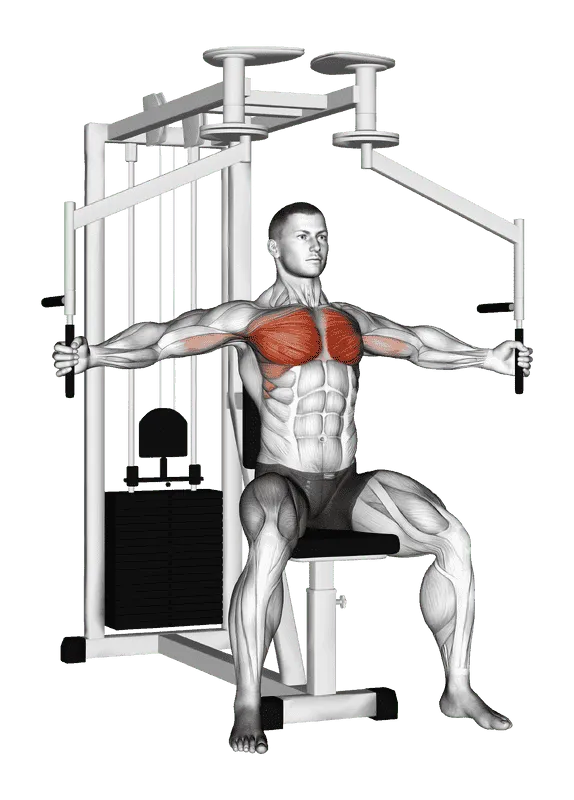
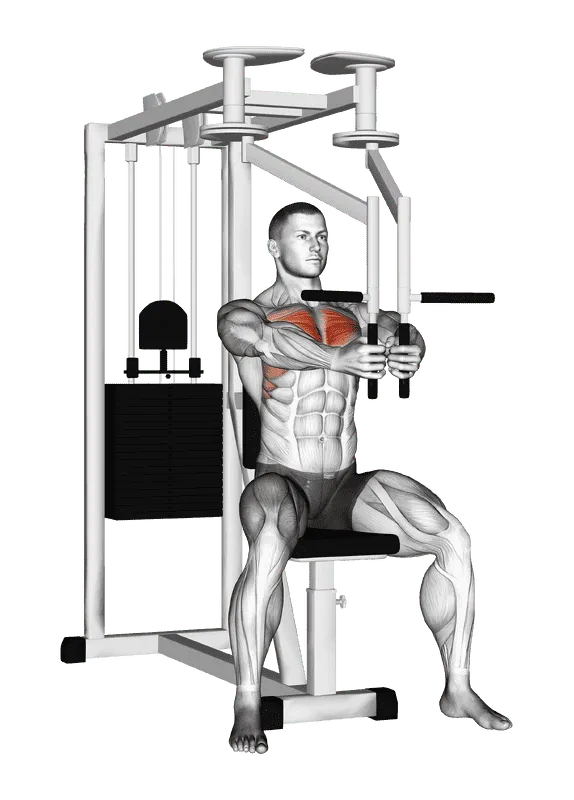
However, the reason many lifters perceive greater "inner chest" development from movements like cable crossovers and lever seated fly comes down to the resistance curve. During a standard barbell press, tension peaks at the bottom (where the arms are flared) and drops off near lockout as the joints stack. A cable or machine fly, conversely, maintains maximum tension at full horizontal adduction—where the hands meet in front of the body. This forces the sternal fibers into maximal active shortening, producing an intense contraction that lifters mistake for "inner chest isolation."
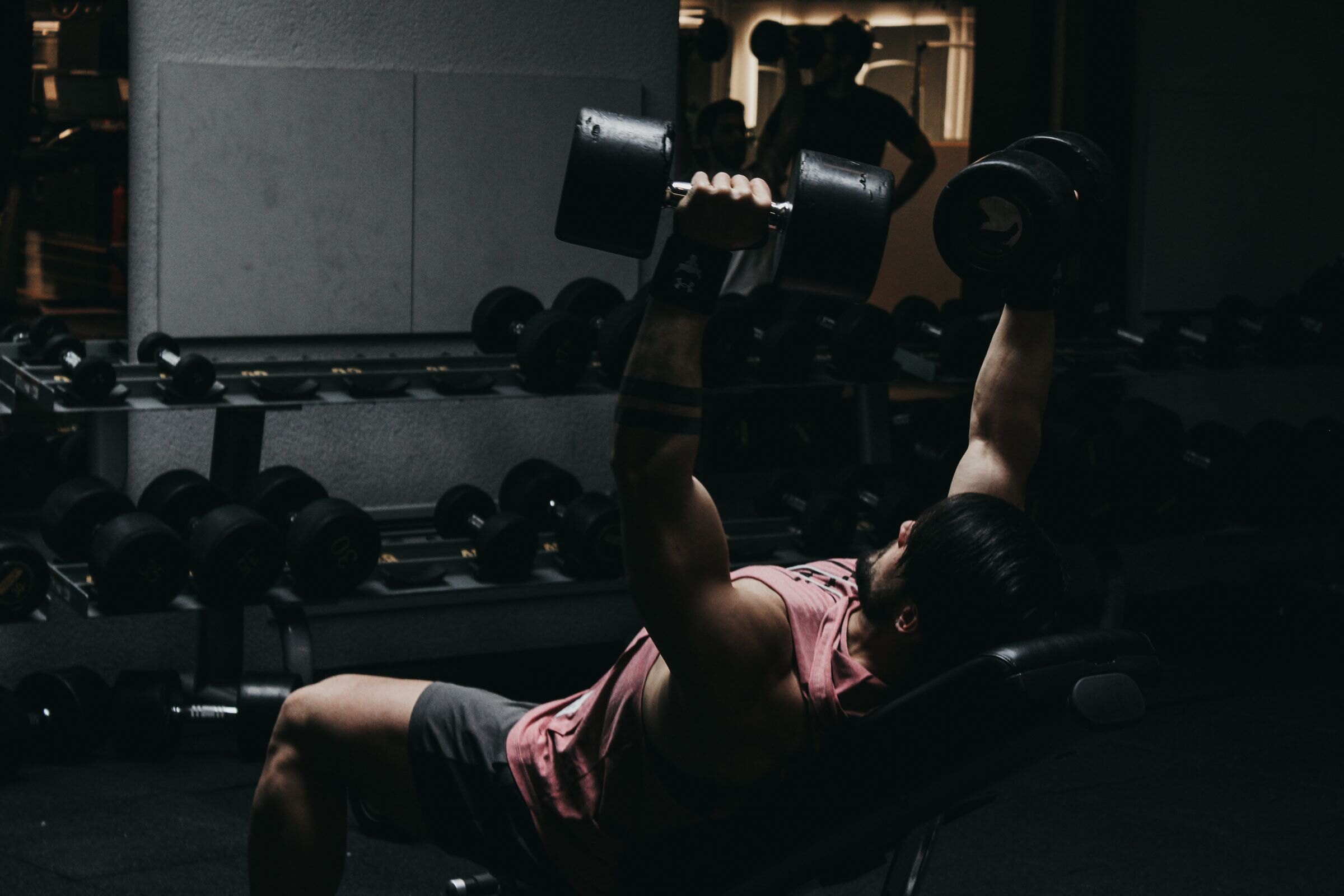
Optimal Incline Angles: The 15° to 30° Sweet Spot
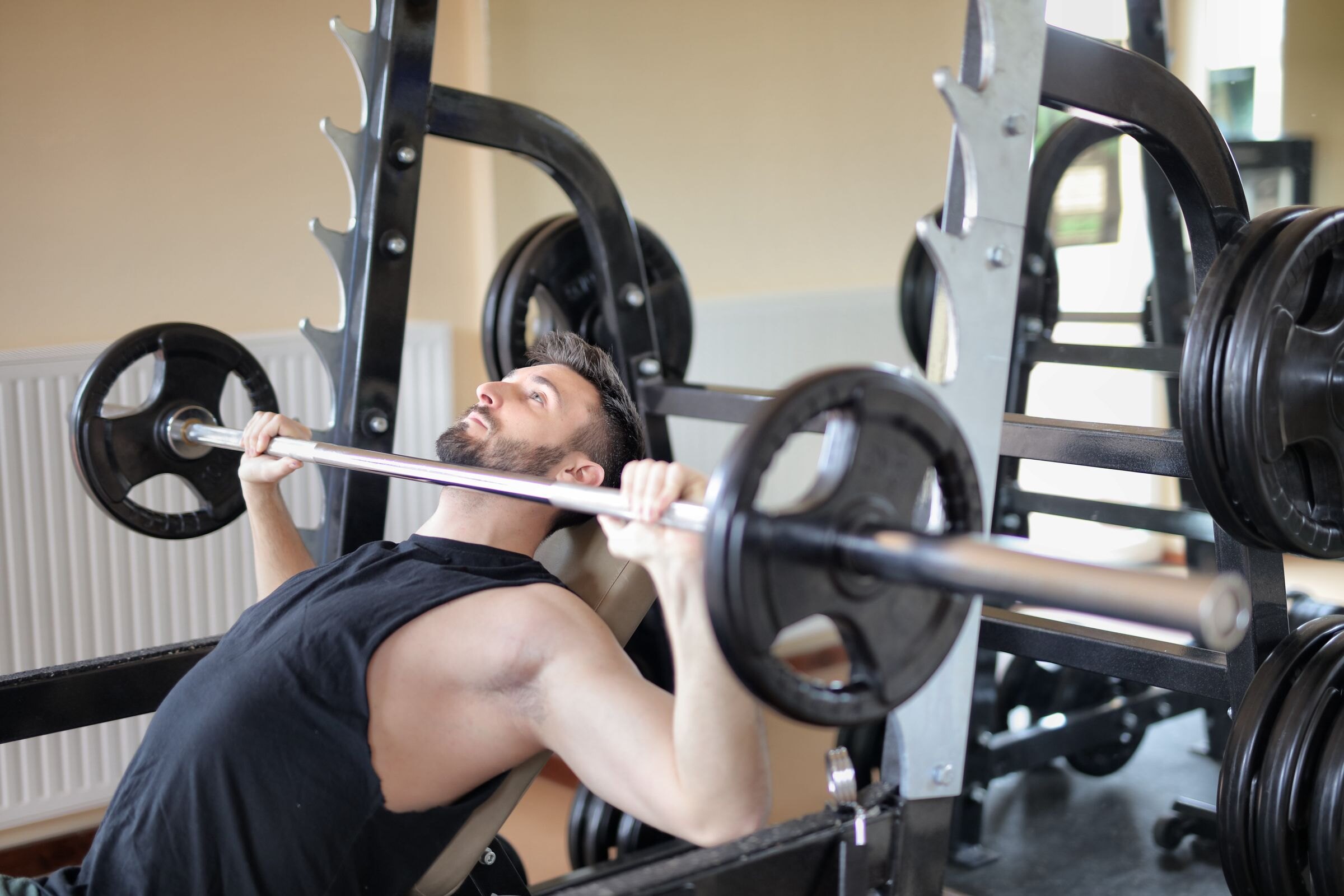
To target the upper chest, lifters instinctively head for the incline bench. Unfortunately, most commercial gym benches are locked at an aggressive 45-degree angle.
Biomechanical and electromyographic research demonstrates that 45 degrees is sub-optimal for chest development. In a landmark clinical trial investigating muscle recruitment across five bench press inclinations, researchers evaluated electromyographic (EMG) activity across the pectoralis major, anterior deltoid, and triceps brachii.[1]
The research revealed critical takeaways for physique programming:
- Upper Pec Peak at 30°: Clavicular head activation peaked at a 30-degree incline.
- Anterior Deltoid Takeover at 45°–60°: As the incline progressed to 45° and 60°, recruitment shifted dramatically away from the pectoralis major and onto the anterior deltoids and upper trapezius.
- Mid-Chest Preservation: A mild 15° to 30° incline maintained robust activation of the sternal head while significantly boosting upper chest recruitment.
If your gym features adjustable benches, set them to a 15-to-30-degree notch (typically the first or second hole above flat). This subtle adjustment directs mechanical tension precisely into the clavicular fibers without turning your chest press into a seated shoulder press.
The Phenomenon of Stretch-Mediated Hypertrophy
In recent years, exercise physiology has highlighted the unmatched potency of stretch-mediated hypertrophy. When a muscle contracts while its sarcomeres are extended into a lengthened position under load, passive structural proteins (notably titin) experience mechanical strain. This passive force, combined with active cross-bridge tension, triggers heightened anabolic signaling through the mTOR pathway and ribosomal biogenesis.
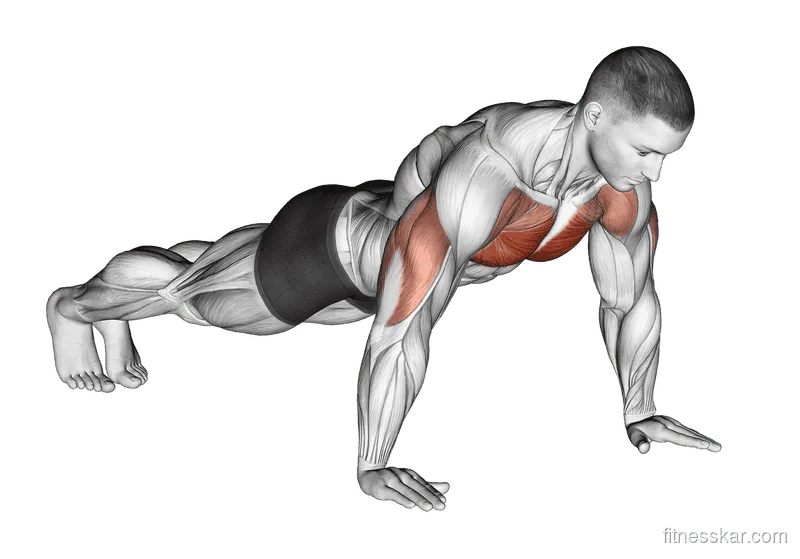
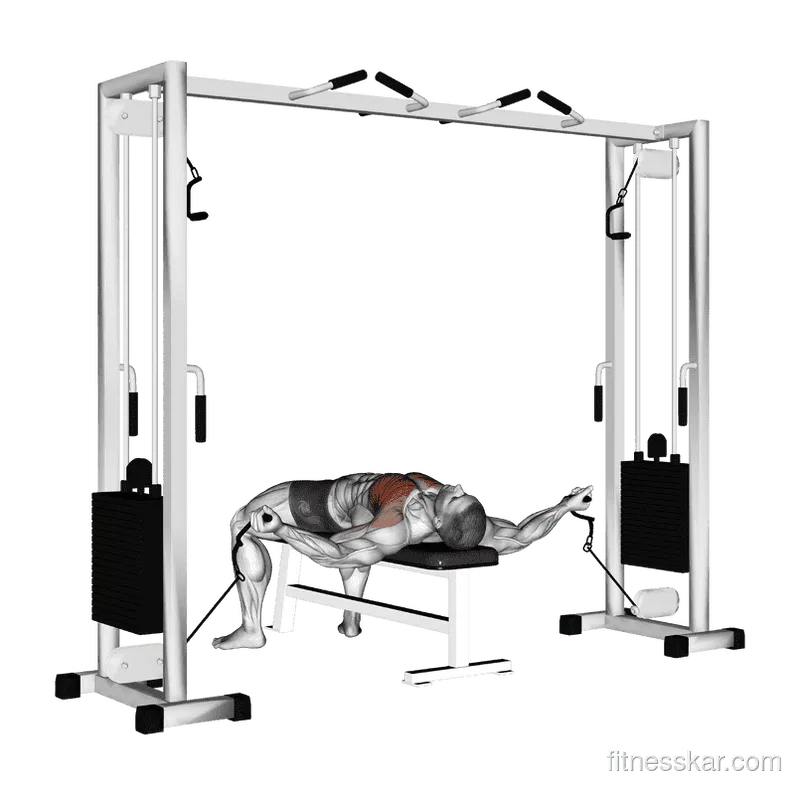
The pectoralis major is an ideal candidate for stretch-mediated growth because its fibers achieve a profound passive stretch at the bottom of horizontal adduction. Research indicates that exercises providing peak tension at long muscle lengths—such as deep dumbbell presses, deficit push-ups, and cable lying fly—induce superior regional muscle thickness compared to partial-range movements that only load the contracted midpoint.
To capitalize on this mechanism:
- Lower every repetition under strict 2-to-3-second control.
- Achieve a full, comfortable stretch at the bottom of every press and fly without letting your shoulders roll forward.
- Pause for a deliberate 1-second count in the lengthened position before initiating the concentric drive.
The Best Exercises for Maximum Chest Hypertrophy
A world-class chest routine blends heavy compound pressing with converging isolation exercises to subject the pectoralis major to both high mechanical tension and maximum metabolic stress.
1. The Heavy Compound Press: Barbell vs. Dumbbell
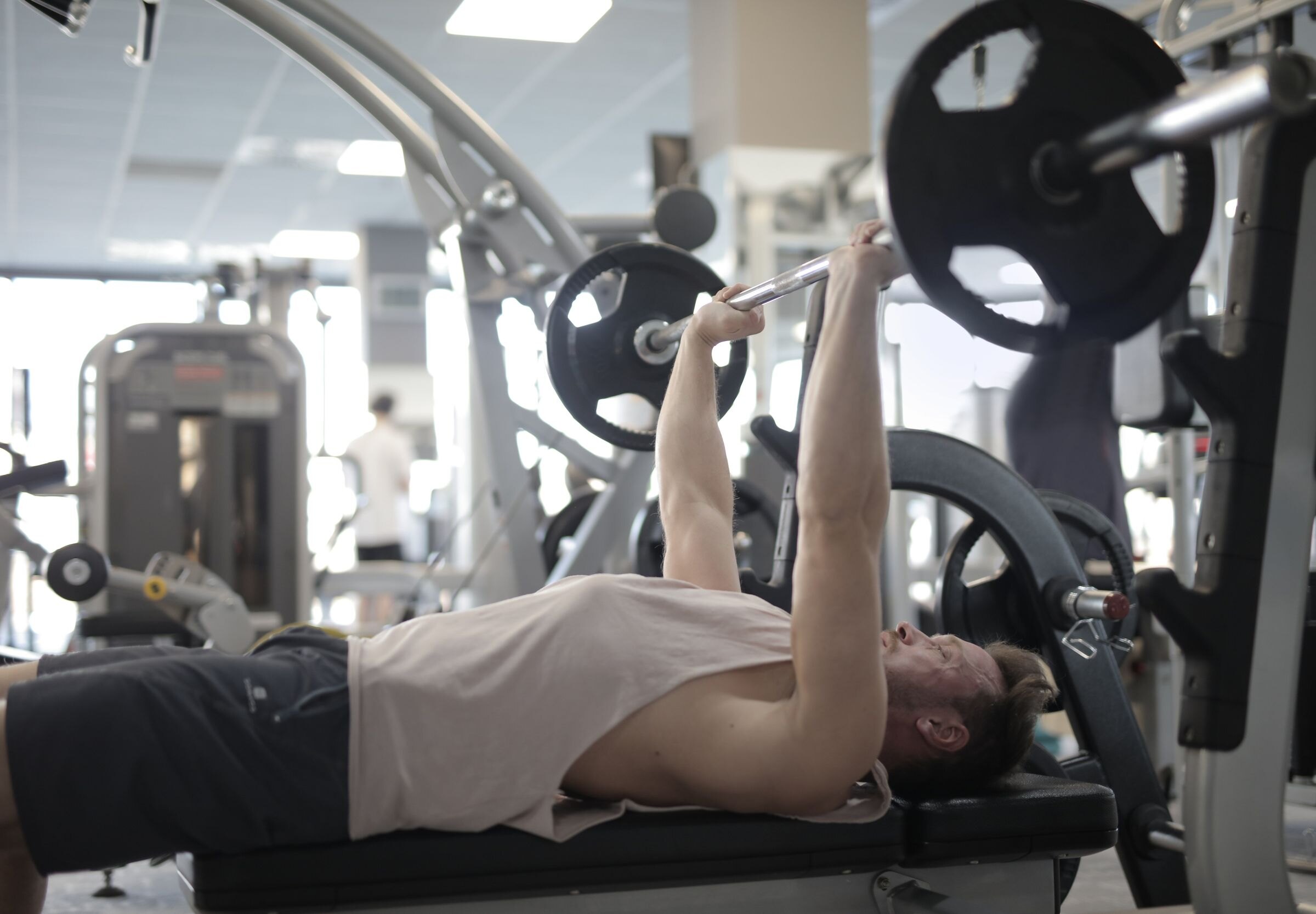
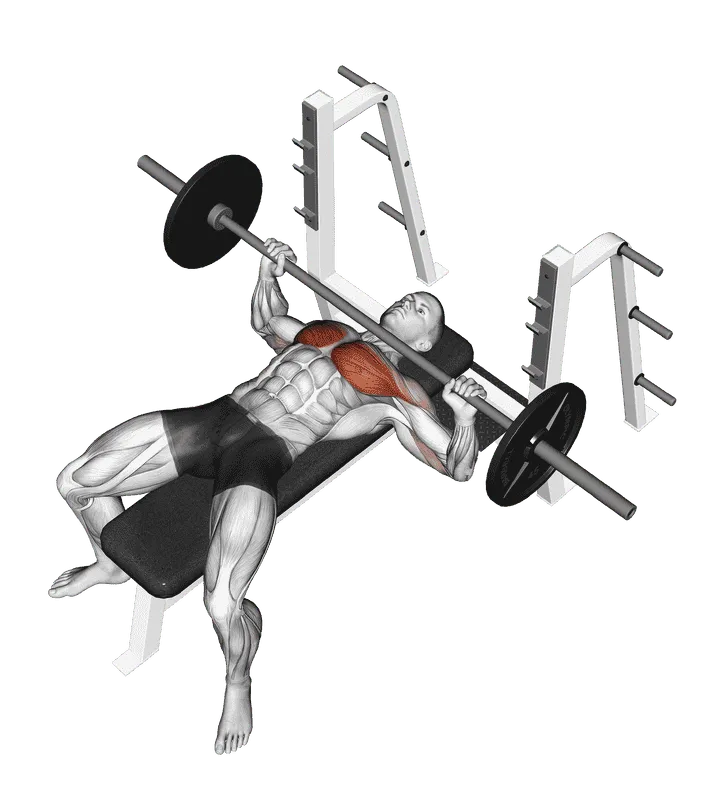
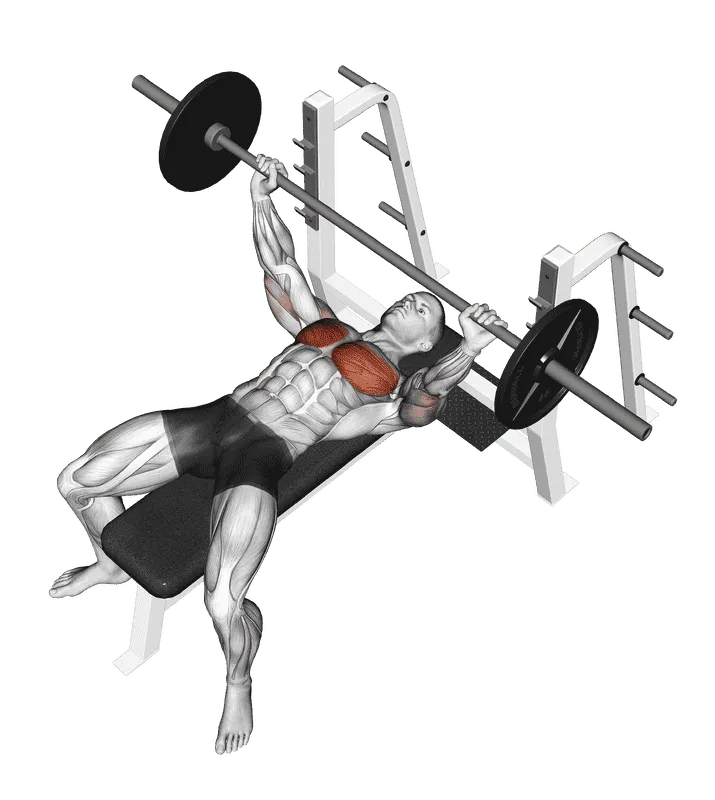
The barbell bench press is the undisputed king of absolute loading. Because the barbell locks your hands into a stable bilateral track, you can handle significantly heavier loads, creating massive whole-body neural drive and mechanical tension.
- Sets
- 3–4
- Reps
- 6–8
- Rest
- 180 s
- Tempo
- 3–1–0
However, the barbell has one distinct biomechanical limitation: the fixed straight bar prevents your hands from converging inward as you press, and the bar strikes your chest before your pectoral fibers achieve a complete stretch.
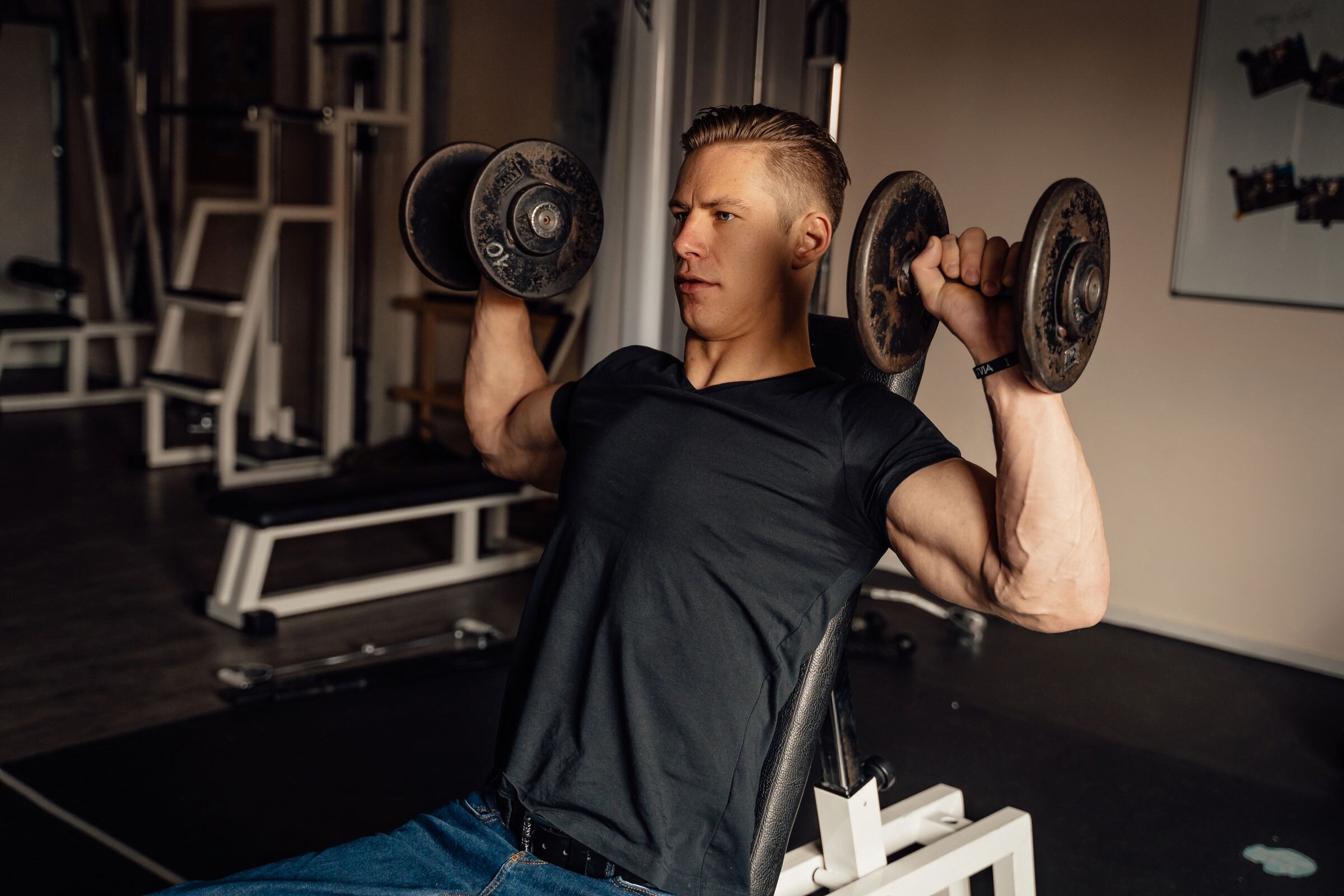
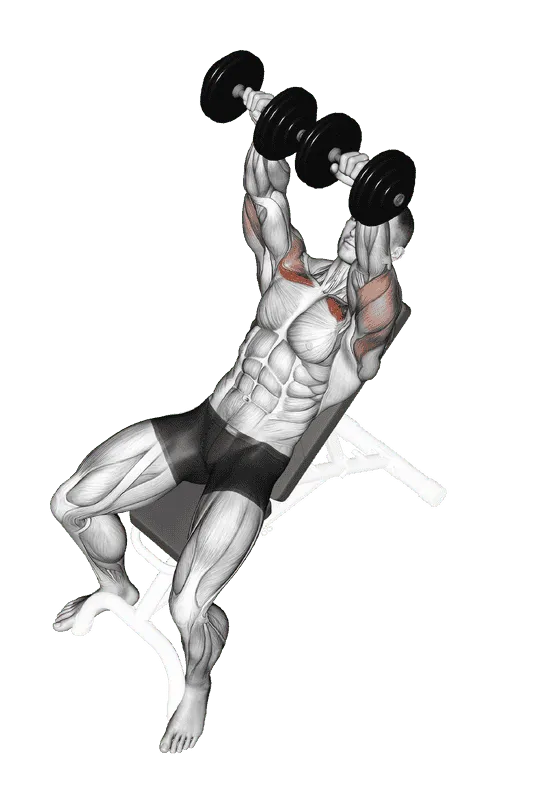
This is where the dumbbell incline bench press excels. Dumbbells allow your hands to travel along a natural converging arc that mirrors the anatomical orientation of the pectoral fibers. Furthermore, dumbbells permit you to descend slightly past the level of your chest, exposing the fibers to a superior lengthened stretch.

- Sets
- 3–4
- Reps
- 8–10
- Rest
- 120 s
- Tempo
- 3–1–1
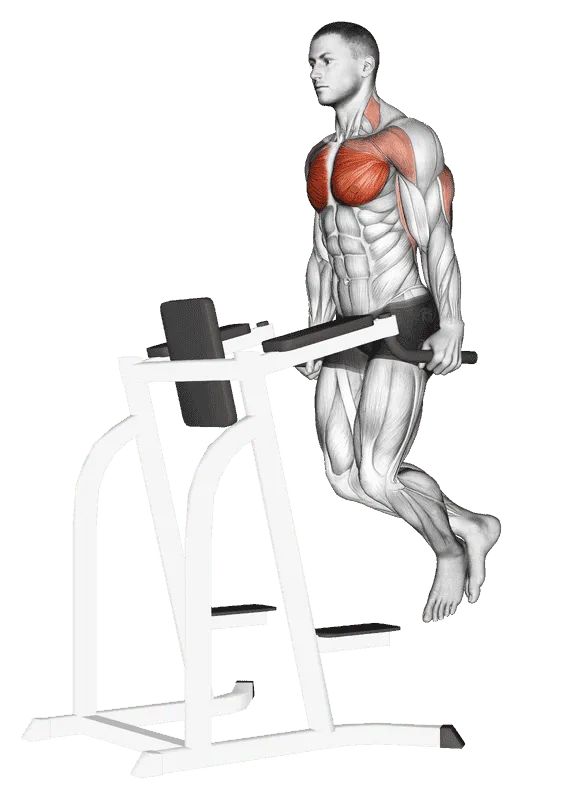
2. The Lower Chest Weapon: The Chest Dip
Often referred to as the "upper-body squat," the chest dip is an extraordinarily potent compound movement for the sternocostal and costal fibers.
To transform a standard triceps dip into a chest-dominant powerhouse:
- Lean your torso forward at a 30-to-45-degree angle.
- Flare your elbows out slightly to approximately 45 degrees rather than tucking them tightly against your ribs.
- Allow your knees to bend and cross your ankles behind your hips to maintain an aggressive forward center of gravity.
- Descend until your upper arms are roughly parallel to the floor, feeling an intense stretch across the lower pectorals before driving upward through your palms.
3. The Pure Adduction Isolator: Machine & Cable Flyes
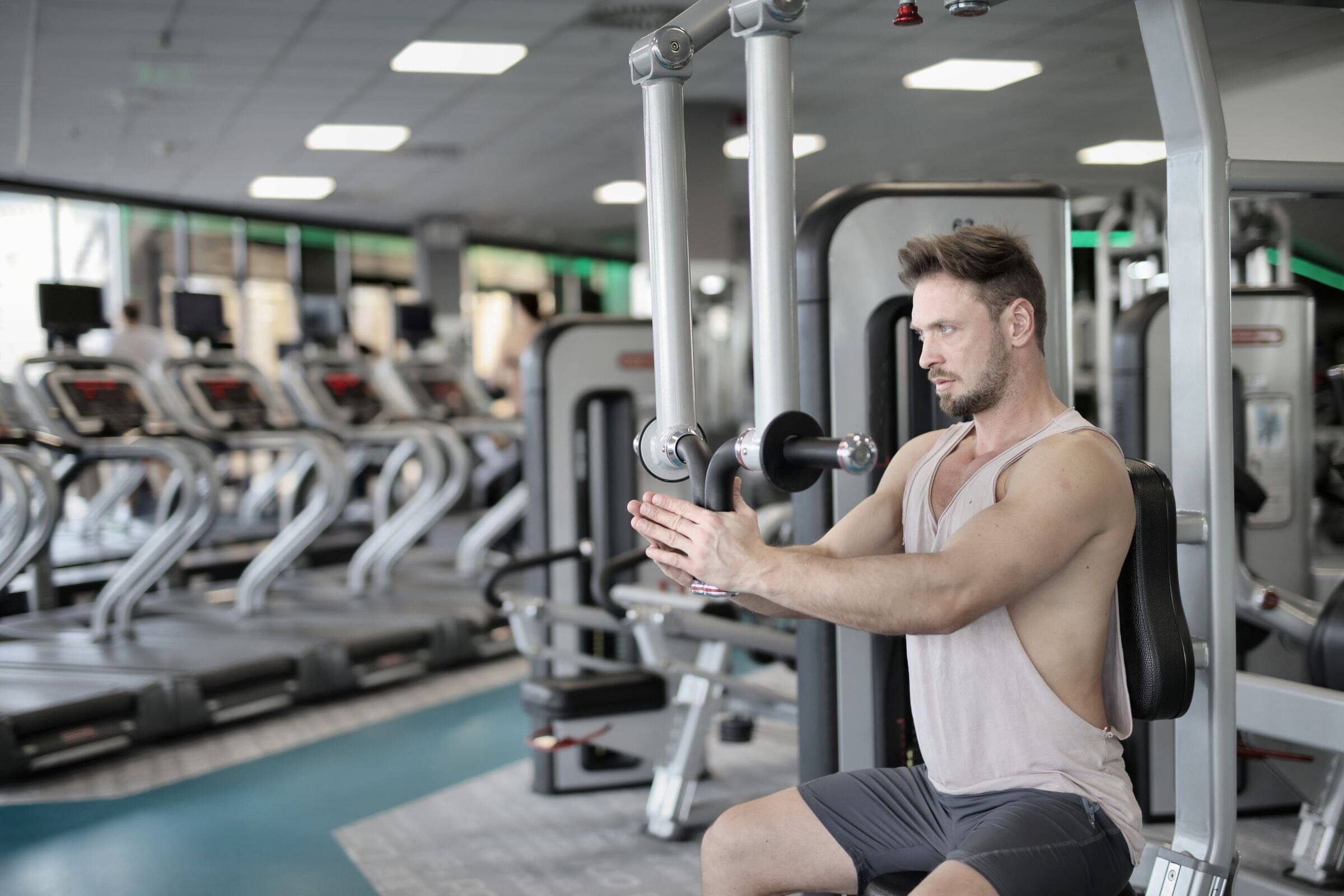
While presses build the foundation, they do not allow your pectorals to achieve full horizontal adduction against resistance. The lever seated fly (pec deck) and cable crossovers provide what free weights cannot: constant, uniform tension across the entire range of motion, particularly at peak contraction.
- Sets
- 3
- Reps
- 10–15
- Rest
- 90 s
- Tempo
- 2–1–2
When performing cable flyes, altering the pulley height allows you to selectively emphasize different divisions of the chest:
- Low-to-High Cables: Pulley set below knee height; press upward and inward to target the clavicular head.
- Mid-Height Cables: Pulley set at chest height; bring hands straight forward to torch the sternal fibers.
- High-to-Low Cables: Pulley set above head height; press downward and forward across the pelvis to emphasize the lower costal fibers.
Evidence-Based Chest Programming: Volume, Frequency, and Progression
Building muscle requires systematic progression, adequate recovery, and managing fatigue. Haphazardly blasting your chest with 25 sets on Monday will lead to severe muscle damage, prolonged soreness, and stunted growth.
Volume Landmarks (RP Framework)
Hypertrophy research, popularized by Dr. Mike Israetel and Renaissance Periodization, provides clear volume guidelines for the pectoralis major:
- Maintenance Volume (MV): ~6 sets per week for experienced lifters to maintain existing chest mass.
- Minimum Effective Volume (MEV): ~8 to 10 direct sets per week to stimulate measurable hypertrophy.
- Maximum Adaptive Volume (MAV): ~12 to 18 sets per week. This is the optimal "sweet spot" where the vast majority of lifters make their fastest gains.
- Maximum Recoverable Volume (MRV): ~20 to 22+ sets per week. Exceeding this threshold results in systemic fatigue, diminished performance, and an inability to recover before your next session.
To learn more about structuring your training across various muscle groups, consult our comprehensive guide on optimal weekly volume.
Frequency and Split Distribution
The pectoralis major recovers relatively quickly compared to massive muscle groups like the quadriceps and back. For optimal results, divide your weekly volume across two sessions per week rather than cramming all sets into a single "International Chest Day."
Splitting 14 weekly sets into two 7-set workouts:
- Keeps every working set at a significantly higher quality and mechanical output.
- Elevates Muscle Protein Synthesis (MPS) twice throughout the week rather than once.
- Protects the delicate anterior shoulder capsule from the excessive wear-and-tear of high single-session pressing volume.
Structure your chest work within a balanced push-pull-legs split or an upper-lower split to ensure adequate recovery time between workouts.
Proximity to Failure (RIR / RPE)
To recruit high-threshold motor units—the muscle fibers with the greatest capacity for growth—you must train with genuine intensity. However, training to absolute muscular failure on every compound press generates disproportionate central nervous system fatigue and dramatically increases injury risk.
- Heavy Compound Presses (Barbell Bench Press, Dumbbell Incline Bench Press): Train with 1 to 2 Repetitions in Reserve (RIR). End your sets when you could perform one or two more technically sound repetitions.
- Isolation Movements (Lever Seated Fly, Cable Crossovers): Train with 0 to 1 RIR, occasionally taking the final set to absolute failure or adding rest-pause repetitions to drive metabolic stress.
4 Common Chest Training Mistakes (And How to Fix Them)
1. Flaring Your Elbows to 90 Degrees
Pressing with your upper arms perpendicular to your torso (the "T-bar" position) places the shoulder joint in extreme internal rotation under load. This drastically narrows the subacromial space, pinching the supraspinatus tendon against the acromion process. The Fix: Tuck your elbows to a 45-to-60-degree angle relative to your torso (an "arrowhead" position). This perfectly aligns with the pectoral fibers while preserving long-term shoulder durability.
2. Bouncing the Bar Off the Sternum
Bouncing the barbell off your chest utilizes the elastic rebound of your ribcage rather than muscular tension to initiate the concentric phase. This robs your pectorals of the critical stretch-mediated hypertrophic stimulus at the bottom of the movement. The Fix: Lower the weight under complete control and pause for a crisp half-second on your chest before driving upward.
3. Neglecting the Clavicular Head
Relying exclusively on flat presses leaves the upper third of the chest flat and underdeveloped, resulting in a droopy, bottom-heavy aesthetic. The Fix: Place your primary incline pressing movement (set at 15°–30°) at the very beginning of your workout when your energy and neural drive are at their peak.
4. Overlooking Full Horizontal Adduction
Lifters often perform flyes with excessive weight, turning the movement into a sloppy press-fly hybrid that never allows the hands to cross or meet at the midline. The Fix: Reduce the weight on cable and machine flyes. Focus on driving your elbows across your torso to achieve a bone-crushing contraction on every single rep.
Frequently asked questions
How often should I train my chest to maximize muscle growth?
Most lifters achieve optimal chest hypertrophy by training the muscle twice per week. Distributing 10 to 16 weekly sets across two sessions maintains higher movement quality, stimulates muscle protein synthesis more frequently, and reduces joint fatigue compared to a single high-volume session.
Why do I feel the bench press mostly in my front shoulders instead of my chest?
This usually occurs due to poor scapular positioning or pressing with flared elbows. If your shoulder blades unlock and slide forward at the top of the press, your anterior deltoids take over the load. Keep your scapulae actively retracted and depressed throughout the entire set, and tuck your elbows to approximately 45 to 60 degrees.
Can you actually isolate the upper and inner chest?
You can preferentially target the clavicular (upper) head by performing presses and flyes on a 15-to-30-degree incline. However, you cannot isolate the "inner chest" independently because pectoral muscle fibers span continuously from the sternum to the upper arm; they contract along their entire horizontal length. Complete horizontal adduction maximizes overall sternal fiber recruitment.
Are dumbbells or barbells better for building chest mass?
Both offer unique advantages and should be included in a complete program. Barbells allow superior absolute loading and progressive overload tracking, while dumbbells provide a greater range of motion, a deeper stretch in the lengthened position, and a converging pressing path that closely matches pectoral anatomy.
Sources
- Rodríguez-Ridao D, Antequera-Vique JA, Martín-Fuentes I, Muyor JM. Effect of Five Bench Inclinations on the Electromyographic Activity of the Pectoralis Major, Anterior Deltoid, and Triceps Brachii during the Bench Press Exercise. International Journal of Environmental Research and Public Health. 2020. doi.org/10.3390/ijerph17197339 ↩