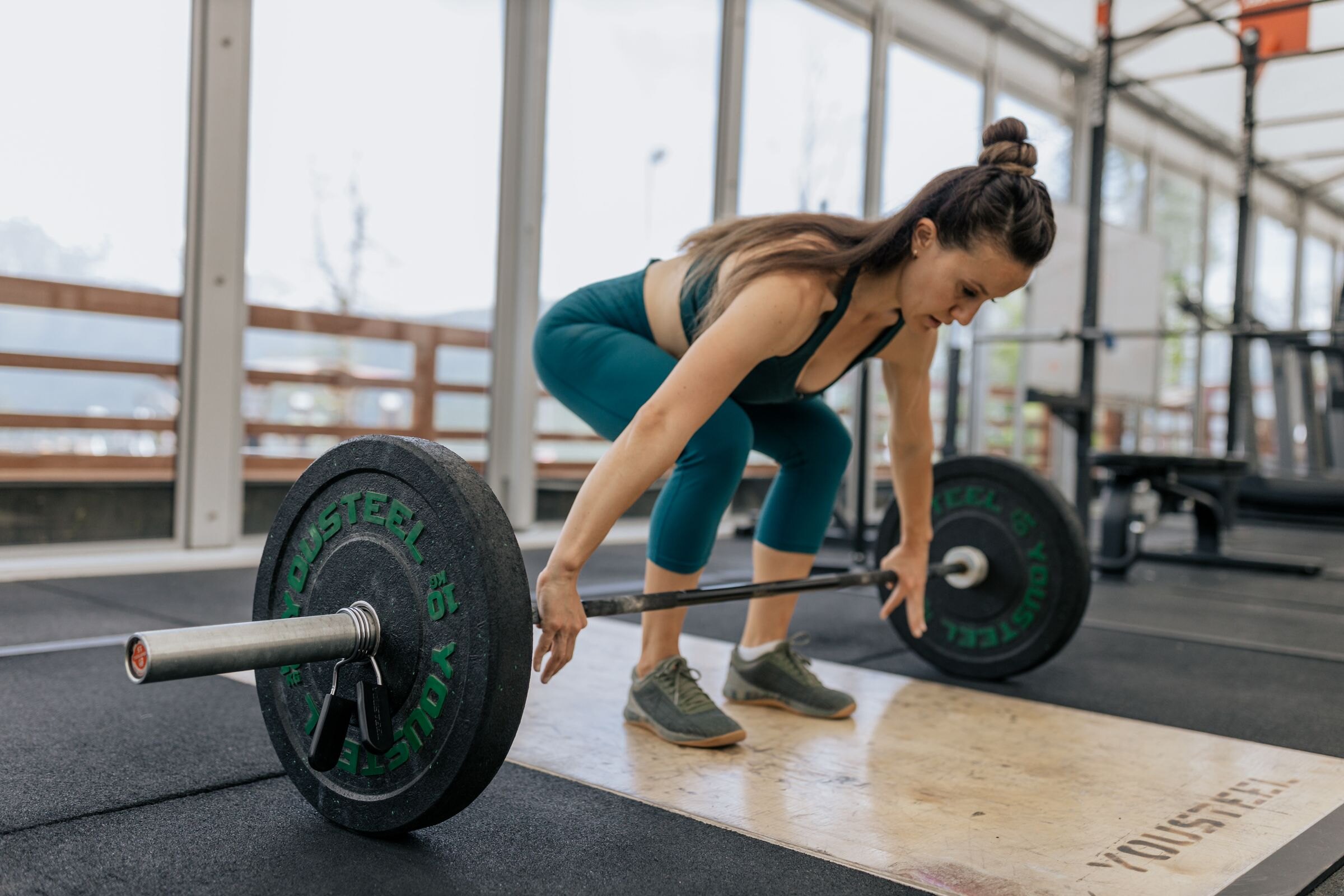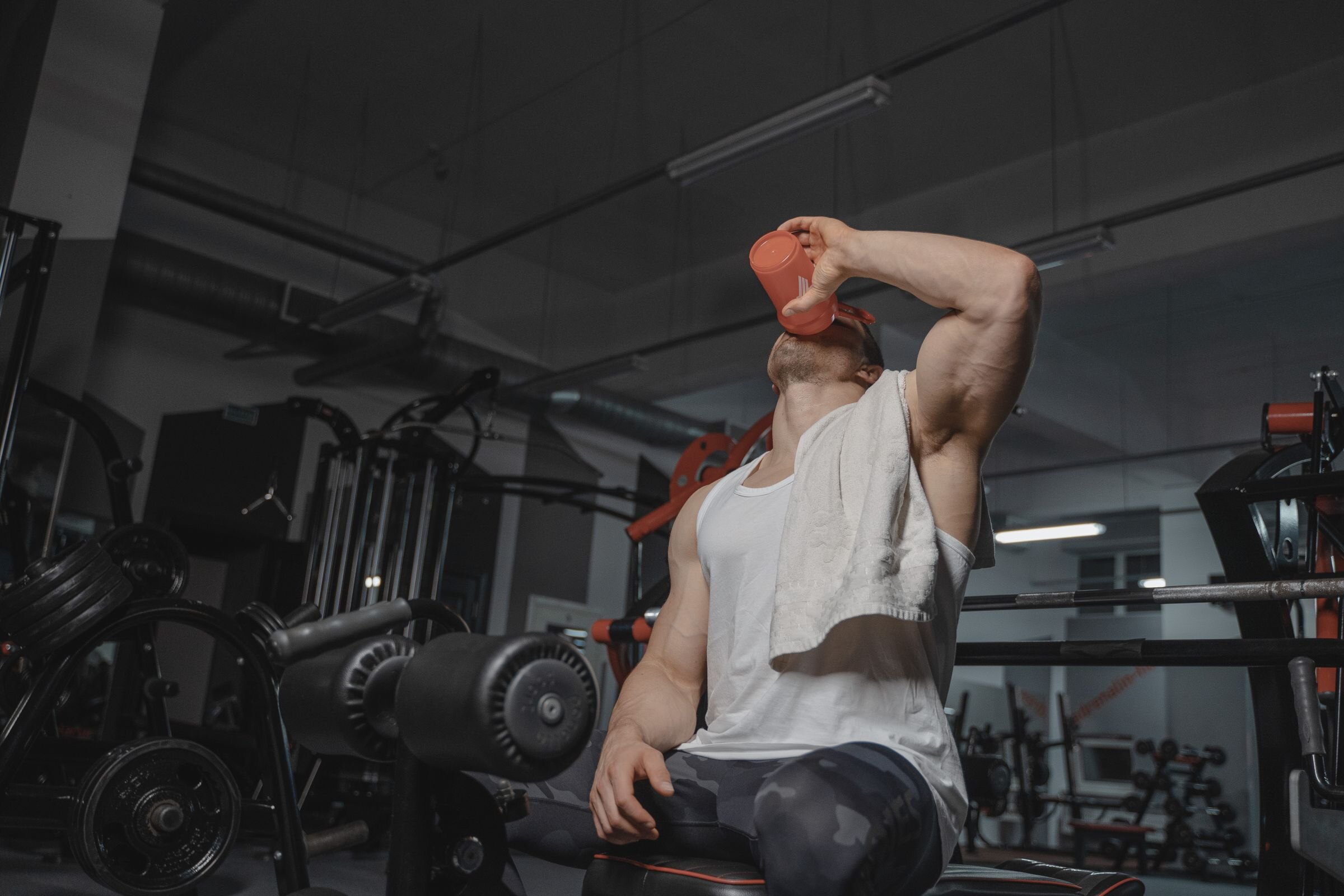
If you have ever purchased a pre-workout supplement designed to deliver skin-splitting muscle pumps and delay muscular fatigue, chances are you noticed citrulline malate listed near the top of the ingredient label. Over the last decade, citrulline malate has surged past older nitric oxide boosters to become one of the most clinically verified, popular, and effective ergogenic aids in sports nutrition. Yet despite its widespread popularity, many lifters remain confused about how it works, why it outperforms basic L-arginine, whether the malate component actually matters, and what dosage is required to elicit tangible physiological adaptations.
Citrulline malate is a synergistic compound composed of the non-essential amino acid L-citrulline chemically bonded or combined with malate (malic acid), an intermediate in the tricarboxylic acid (Krebs) cycle. Unlike stimulants that merely mask perceived exertion by artificially stimulating your central nervous system, citrulline malate directly alters peripheral muscular bioenergetics. It elevates circulating concentrations of plasma L-arginine, upregulates endothelial nitric oxide synthase (eNOS), amplifies vasodilation, promotes microvascular perfusion to working skeletal muscle, and accelerates the clearance of debilitating metabolic byproducts like ammonia.[1]
Whether your objective is maximizing cellular swelling and hyperemia during high-rep bodybuilding sessions, grinding out additional repetitions on grueling compound movements like the barbell bench press, or minimizing delayed-onset muscle soreness (DOMS) so you can train with higher frequency, mastering citrulline malate supplementation provides an undeniable edge. Here is the definitive, research-grounded guide to the physiology, clinical dosing, optimal timing, and strategic stacking protocols behind citrulline malate.
The Bioenergetic Science: How Citrulline Malate Drives Muscular Performance
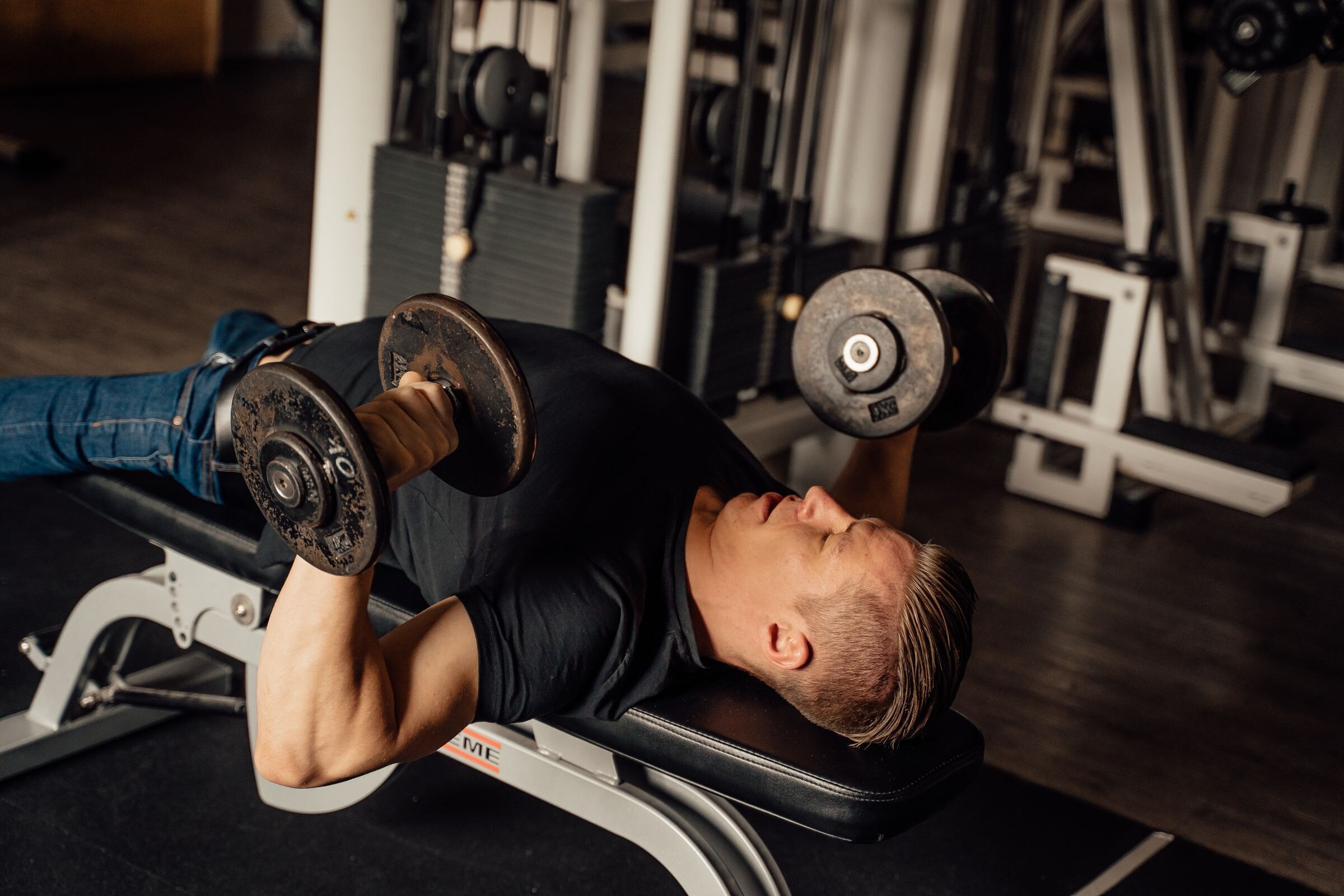
To understand why citrulline malate is so biologically potent, we must examine the physiological cascade that takes place when your muscle fibers contract against heavy external loads. As you perform a demanding set of dumbbell incline bench press or sled 45° leg press, the vascular beds feeding those active muscles require drastic vasodilation to deliver oxygen, glucose, and amino acids while flushing out protons and metabolic waste products.
Why L-Citrulline Outperforms L-Arginine
For decades, supplement manufacturers loaded pre-workout powders with pure L-arginine, assuming that delivering the direct substrate for eNOS was the most effective way to stimulate nitric oxide production. That assumption failed because human physiology possesses an aggressive metabolic hurdle known as hepatic first-pass metabolism.
When you ingest free-form L-arginine orally, the majority of the dose is immediately captured and degraded in the gut enterocytes and liver by the catabolic enzyme arginase. Only a negligible fraction ever escapes the splanchnic circulation to reach peripheral skeletal muscle tissue. In clinical trials, oral L-arginine supplementation frequently causes severe gastrointestinal distress (osmotic diarrhea) at high doses without producing meaningful elevations in plasma arginine concentrations.
L-citrulline, by contrast, operates through an ingenious metabolic bypass:
- Zero Hepatic Extraction: Enterocytes and hepatocytes do not express significant levels of the arginase enzyme that targets citrulline. As a result, orally ingested L-citrulline passes intact through the intestinal wall and liver into the systemic bloodstream without degradation.
- Renal Conversion to Arginine: Circulating citrulline travels directly to the kidneys, where vascular endothelial and renal tubule cells express the sequential enzymes argininosuccinate synthase (ASS) and argininosuccinate lyase (ASL).
- Sustained Systemic Surge: The kidneys steadily convert circulating citrulline into pure L-arginine, dumping high concentrations directly into arterial blood. Human pharmacokinetic studies prove that oral L-citrulline elevates plasma L-arginine levels far higher, and for a far longer duration, than an equimolar dose of L-arginine itself.
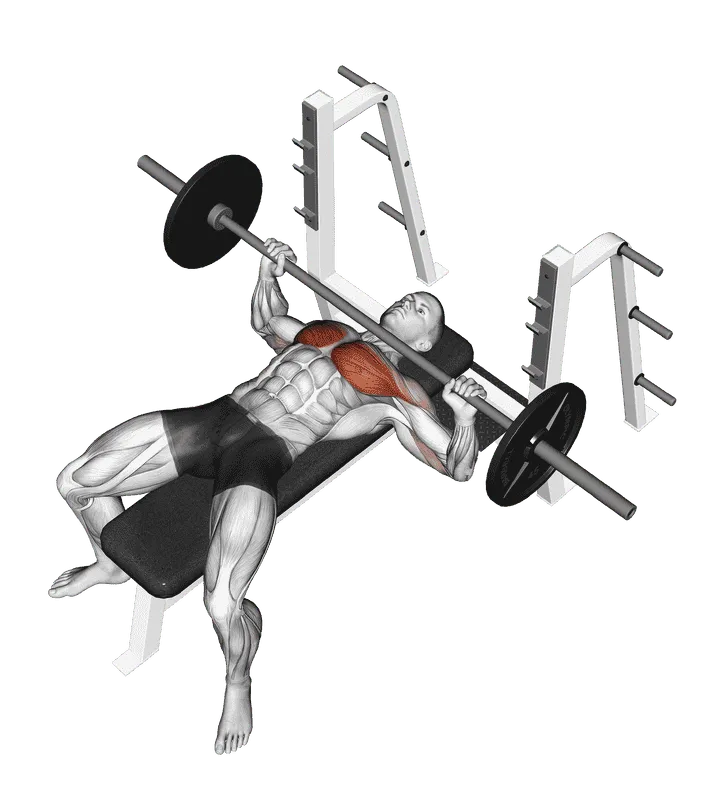
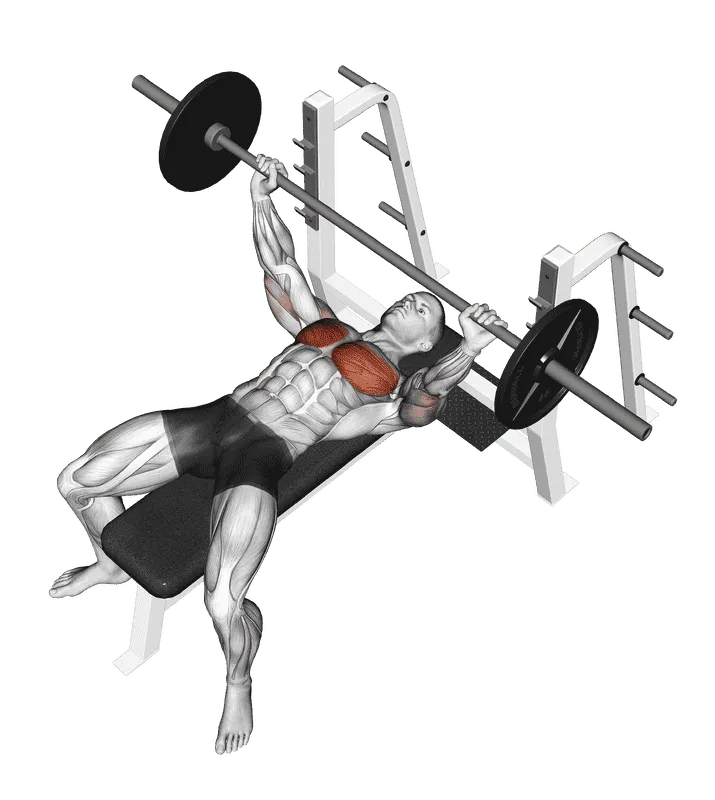
- Sets
- 3–4
- Reps
- 6–10
- Rest
- 120 s
- Tempo
- 2–0–1
The Metabolic Role of Malate in Energy Production
While L-citrulline handles vascular dilation, the malate half of the molecule performs a completely separate, equally critical bioenergetic role inside the mitochondria of your skeletal muscle myocytes.
Malate is an organic salt of malic acid and a fundamental intermediate in the Krebs cycle (also known as the citric acid cycle). During intense muscular contractions, your cellular demand for ATP outpaces mitochondrial respiration, causing anaerobic glycolysis to predominate. This leads to the rapid depletion of citric acid cycle intermediates and a steep rise in intramuscular lactic acid and hydrogen ions ($H^+$).
By providing an exogenous pool of malate, citrulline malate:
- Anaplerotic Support: Directly replenishes malate levels in the mitochondrial matrix, preventing the bottlenecking of the Krebs cycle during prolonged glycolytic exercise.
- Enhanced Aerobic ATP Resynthesis: Stimulates mitochondrial malate dehydrogenase, accelerating the conversion of malate to oxaloacetate and boosting nicotinamide adenine dinucleotide (NADH) production for the electron transport chain.
- Lactate and Ammonia Buffering: Facilitates the recycling of pyruvate and lactate into glucose precursors via hepatic gluconeogenesis, while accelerating the hepatic urea cycle to clear toxic ammonia ions generated by the breakdown of branched-chain amino acids and adenosine monophosphate (AMP).
By combining systemic nitric oxide vasodilation with mitochondrial Krebs cycle support, citrulline malate acts as a dual-mechanism fatigue fighter.
What Does the Clinical Research Actually Prove?
The scientific literature surrounding citrulline malate is robust, spanning dozens of randomized, double-blind, placebo-controlled human clinical trials across strength athletes, bodybuilders, and endurance competitors.
In a comprehensive systematic review and meta-analysis published in Sports Medicine, researchers examined the pooled effects of acute citrulline supplementation on high-intensity strength and power performance.[1] The researchers analyzed multiple controlled trials evaluating repetitions to muscular failure, peak power output, and total training volume load.
Repetitions to Failure and Total Volume Load
In landmark clinical studies evaluating resistance-trained athletes performing multi-set protocols on compound movements like the barbell bench press, leg press, and barbell squat, subjects ingesting 8 grams of citrulline malate achieved:
- Up to 53% more repetitions on late-stage sets (sets 3 through 6) compared to placebo. While the first set showed negligible differences between groups, subjects taking citrulline maintained their repetition output far longer as fatigue accumulated.
- Greater total volume load (sets $\times$ reps $\times$ weight), which is the single most predictive biomechanical metric driving myofibrillar muscle hypertrophy.
To learn more about how total weekly volume governs muscular adaptations, explore our in-depth guide on sets per muscle per week.
Dramatic Reduction in Delayed-Onset Muscle Soreness (DOMS)
One of the most remarkable findings in clinical trials was citrulline malate's impact on post-exercise recovery. Athletes who received 8 grams of citrulline malate experienced:
- A 40% reduction in muscle soreness at 24 hours post-workout.
- Up to a 41% reduction in muscle soreness at 48 hours post-workout.
This profound soreness-blunting effect is attributed to two distinct mechanisms: the rapid clearance of cellular metabolic waste products (ammonia and urea) during and immediately following exercise, and the acceleration of post-workout amino acid and nutrient delivery through dilated microvasculature. For athletes seeking to train muscle groups with higher weekly frequency, this recovery acceleration is invaluable. For broader systemic recovery tactics, consult our complete muscle recovery guide.
Citrulline Malate vs. Pure L-Citrulline: Which Is Better?
When shopping for supplements, you will encounter two primary formulations: pure L-citrulline (free form) and citrulline malate. Understanding the differences between these two compounds is vital for dosing accuracy and athletic goal alignment:
| Feature / Metric | Pure L-Citrulline | Citrulline Malate (2:1 Ratio) | Citrulline Malate (1:1 Ratio) |
|---|---|---|---|
| Composition | 100% pure L-Citrulline amino acid | ~66.7% L-Citrulline + ~33.3% Malic Acid | 50% L-Citrulline + 50% Malic Acid |
| Primary Biological Benefit | Nitric oxide elevation, arterial dilation, muscle pumps | Nitric oxide elevation + Krebs cycle ATP support + ammonia clearance | Lower citrulline yield per gram; often found in budget formulas |
| Effective Clinical Dose | 3.0 to 5.0 grams | 6.0 to 8.0 grams | 8.0 to 10.0+ grams |
| Taste Profile | Virtually neutral, slightly chalky | Sour, tart, citrus-like flavor (from malic acid) | Extremely sour |
| Optimal Use Case | Pure vascular pumps, standalone raw powder stacking | High-volume bodybuilding, CrossFit, multi-set strength endurance | General training (requires verifying label for exact ratio) |
The "Bonded vs. Blended" Myth
A frequent marketing debate centers on whether citrulline and malate are chemically bonded into a true salt or merely mixed in a physical blend. In an aqueous solution (such as your digestive tract or shaker cup), chemical bonds between an amino acid and organic acid dissociate almost immediately into free L-citrulline and free malate ions.
Consequently, whether the compound is chemically synthesized or co-blended, the physiological outcome remains identical—provided the 2:1 ratio is preserved and the raw ingredients are independently lab-verified for purity.

- Sets
- 3–4
- Reps
- 8–12
- Rest
- 90 s
- Tempo
- 3–1–1
Clinical Dosing, Timing & Administration Protocol
To unlock the ergogenic benefits demonstrated in sports science trials, you must adhere to rigorous dosing and timing parameters. Sub-dosing is the single most common reason lifters fail to feel the benefits of citrulline.
The Proven Dosing Framework
- For Citrulline Malate (2:1 Ratio): Consume 6 to 8 grams (6,000 to 8,000 mg). This provides approximately 4.0 to 5.3 grams of bioactive L-citrulline and 2.0 to 2.7 grams of malic acid.
- For Pure L-Citrulline: Consume 3 to 5 grams (3,000 to 5,000 mg).
- Timing: Ingest your dose 45 to 60 minutes prior to training. Pharmacokinetic trials reveal that plasma L-arginine and nitric oxide metabolites peak between 45 and 90 minutes post-ingestion.
- Acute vs. Chronic Usage: Unlike beta-alanine or creatine—which require weeks of daily loading to saturate muscular stores—citrulline malate is highly effective as an acute pre-workout ergogenic aid. You do not need to take it on rest days to experience its benefits during your next training session, although daily use may confer subtle cardiovascular and endothelial health benefits.
| Goal / Training Style | Optimal Formulation | Target Dosage | Timing Window | Expected Primary Benefit |
|---|---|---|---|---|
| Hypertrophy & Pump (8–15 Reps) | Citrulline Malate 2:1 | 8.0 grams | 45–60 min pre-workout | Maximum muscle fullness, cellular swelling, 1–3 extra reps per set |
| Heavy Strength / Powerlifting (1–5 Reps) | Citrulline Malate 2:1 | 6.0 to 8.0 grams | 60 min pre-workout | Reduced intra-set fatigue, improved recovery between heavy sets |
| Metcon / Functional Fitness | Citrulline Malate 2:1 | 8.0 grams | 45 min pre-workout | Enhanced ammonia clearance, delayed onset of severe glycolytic burn |
| Cardiovascular / Aerobic Endurance | Pure L-Citrulline | 4.0 to 6.0 grams | 60 min pre-workout | Improved flow-mediated dilation, lower oxygen cost of submaximal exercise |
Synergistic Pre-Workout Stacks: Maximizing the Ergogenic Effect
While citrulline malate delivers formidable standalone benefits, its true potential emerges when combined strategically with complementary ergogenic compounds that target distinct physiological pathways:
1. The Quad-Tier Ergogenic Stack (Citrulline + Creatine + Beta-Alanine + Caffeine)
Combining these four gold-standard compounds creates a comprehensive bioenergetic umbrella covering every phase of high-intensity muscular contraction:
- Creatine Monohydrate (5 grams daily): Saturates intracellular phosphocreatine reserves to fuel immediate, maximal ATP generation during the initial 1 to 10 seconds of high-tension output.
- Beta-Alanine (3.2 to 4.8 grams daily): Elevates intramuscular carnosine concentrations to buffer accumulating hydrogen ions during high-intensity efforts lasting 60 to 240 seconds.
- Citrulline Malate (6 to 8 grams 45 minutes pre-workout): Promotes nitric oxide vasodilation, Krebs cycle flux, microvascular blood flow, and ammonia removal throughout the entire workout.
- Caffeine (3 to 5 mg per kg body weight): Antagonizes adenosine receptors in the central nervous system, heightening motor unit firing frequency and blunting perceived exertion.
2. Citrulline Malate and Dietary Nitrates (Beetroot Extract)
Citrulline stimulates nitric oxide through the endothelial (eNOS / L-arginine) pathway, which is dependent on oxygen. Conversely, dietary nitrates (found in beetroot juice or sodium nitrate) synthesize nitric oxide through the nitrate-nitrite-NO pathway, which functions with maximum efficiency under hypoxic and acidic conditions (such as deep within fatigued skeletal muscle). Stacking 8 grams of citrulline malate with 400 to 600 mg of dietary nitrates provides dual-pathway nitric oxide generation that yields unprecedented muscle fullness and endurance.
Practical Programming: Putting Citrulline Malate to Work in the Gym
To capitalize on the enhanced blood volume and metabolite clearance generated by citrulline malate, your resistance training program should incorporate movements and volume structures that leverage cellular swelling and metabolic stress.
High-density hypertrophy splits that pair heavy compound foundation lifts with high-tension isolation movements thrive under citrulline supplementation. We recommend pairing your supplementation with our intermediate hypertrophy framework:
The Upper-Body Hypertrophy Protocol
Integrate this targeted upper-body hypertrophy session into your weekly rotation. By pushing these exercises to near-concentric failure, citrulline's buffering and vasodilatory properties will enable you to complete additional repetitions on your final sets:
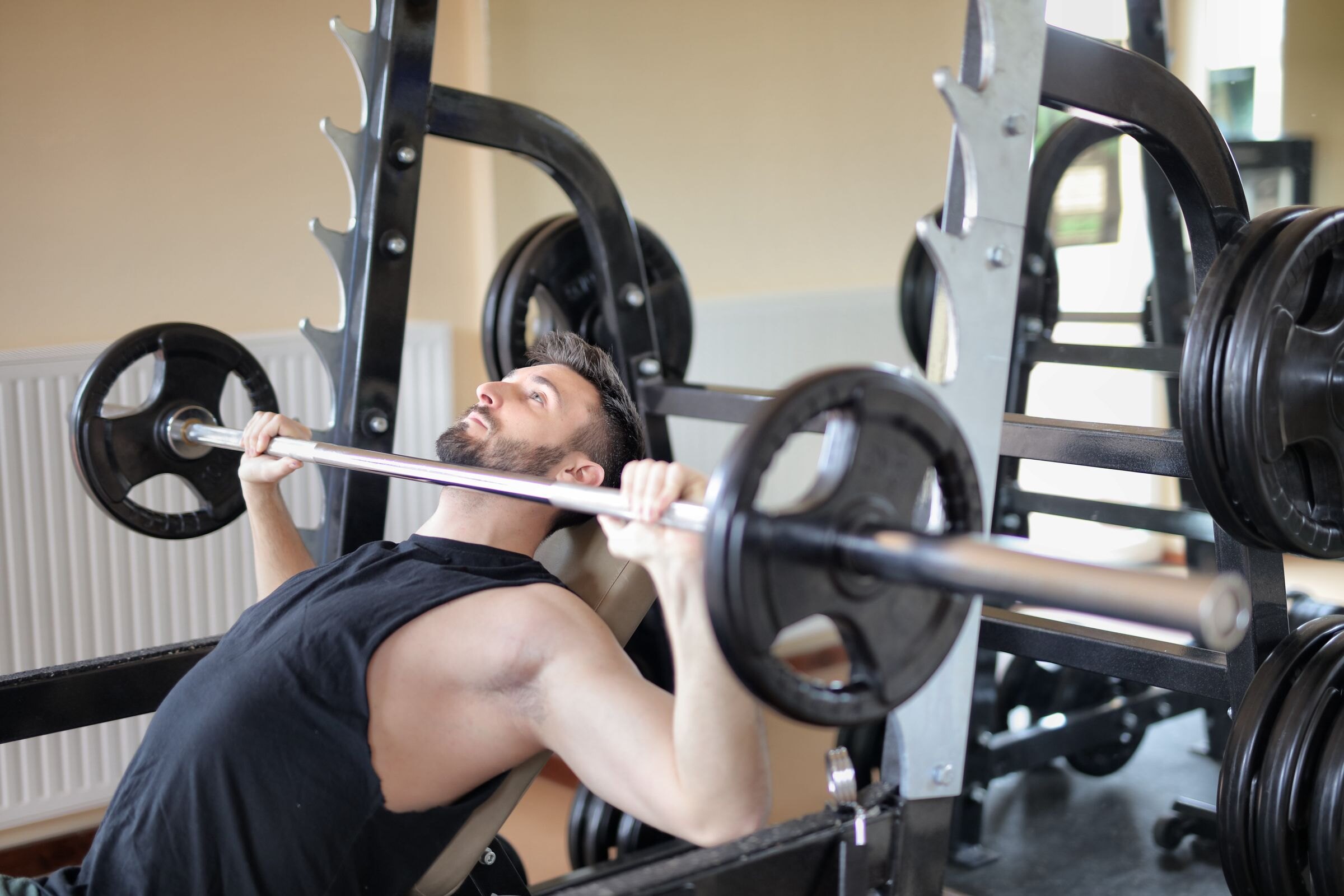
- Movement 1: Barbell Bench Press — 4 sets of 6–8 reps, 120 seconds rest (Mechanical tension foundation).
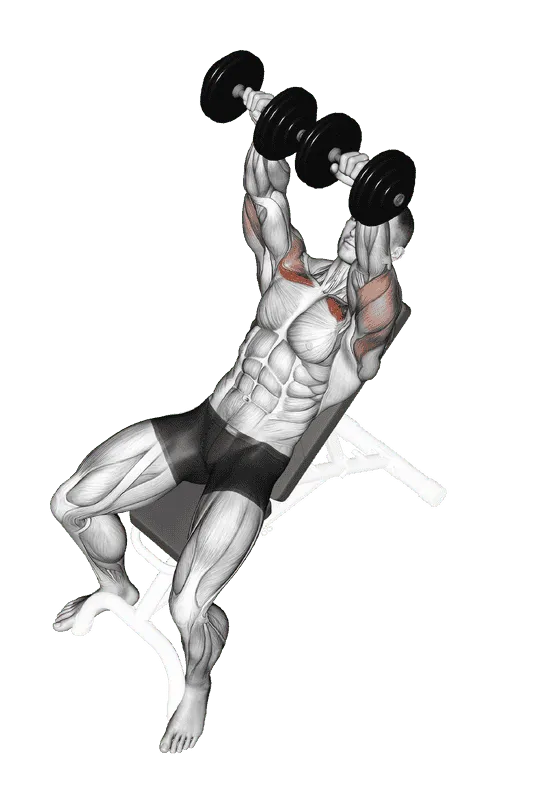
- Movement 2: Dumbbell Incline Bench Press — 3 sets of 8–12 reps, 90 seconds rest (Upper pectoral elongation and metabolic stress).
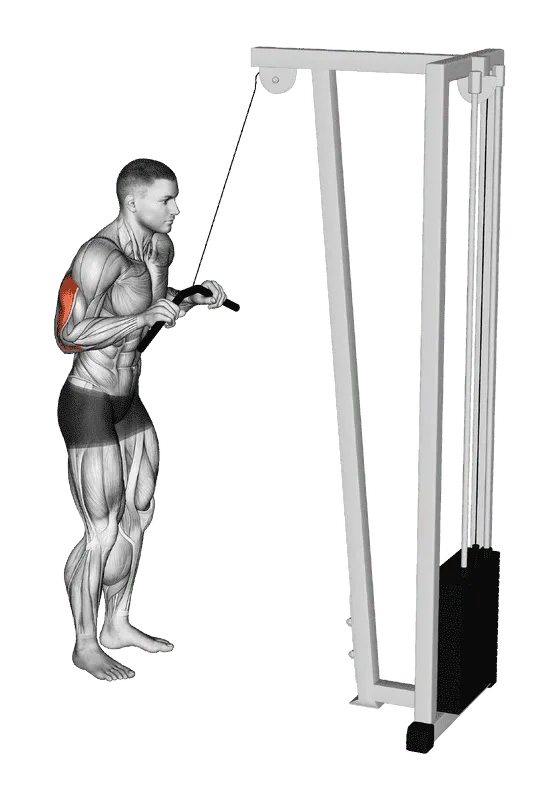
- Movement 3: Cable Pushdown — 3 sets of 12–15 reps, 60 seconds rest (Intense triceps cellular swelling).
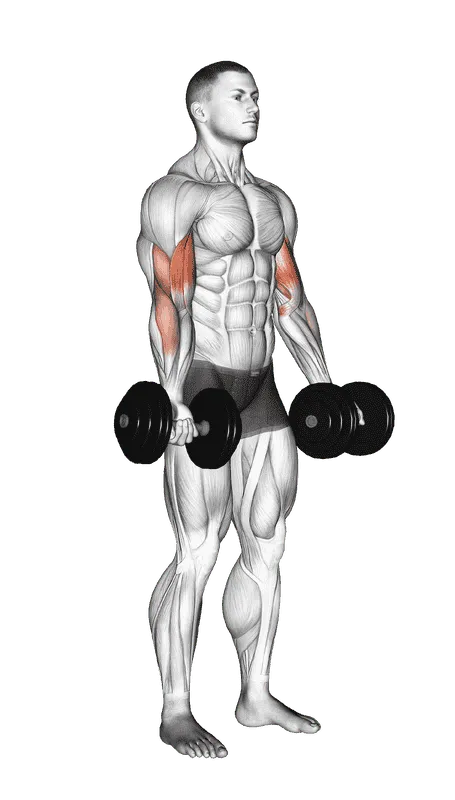
- Movement 4: Dumbbell Biceps Curl — 3 sets of 10–12 reps, 60 seconds rest (Peak blood pooling and brachii pump).
For a deeper understanding of navigating your sets relative to momentary muscular failure, read our complete coaching breakdown on training to failure and explore our comprehensive guide on the best chest exercises.
Safety, Side Effects and Long-Term Tolerability
Citrulline malate exhibits an outstanding safety and tolerability profile across human clinical literature. Because L-citrulline is an intermediate naturally produced in the human urea cycle and abundantly found in foods like watermelon (Citrullus lanatus), the human body metabolizes and excretes it efficiently.
Gastrointestinal Tolerance
Unlike oral L-arginine, which notoriously draws water into the intestinal lumen causing osmotic diarrhea, L-citrulline is absorbed via sodium-independent neutral amino acid transporters in the jejunum with remarkable ease. Doses up to 15 grams of pure L-citrulline have been administered in clinical studies without inducing significant gastrointestinal distress.
Occasionally, individuals ingesting large doses of citrulline malate (8+ grams) on an empty stomach may experience mild stomach upset or transient acid reflux. This is caused entirely by the high acidity of the malic acid component (which imparts a tart, sour taste), rather than the citrulline itself. If you possess a sensitive stomach, consuming citrulline malate with 16 to 20 ounces of water or alongside a light carbohydrate snack completely resolves any gastrointestinal irritation.
Blood Pressure and Medication Interactions
Because citrulline upregulates nitric oxide and improves systemic endothelial vasodilation, it can produce a mild, healthy reduction in resting systolic and diastolic blood pressure (typically 4 to 7 mmHg in hypertensive individuals). While this represents a notable cardiovascular health benefit for the vast majority of athletes, individuals currently taking prescription antihypertensive medications or PDE-5 inhibitors (such as sildenafil or tadalafil) should consult their physician before supplementing with high doses of citrulline malate, as additive hypotensive effects could theoretically occur.
Frequently Asked Questions
Frequently asked questions
What is the difference between L-citrulline and citrulline malate?
Pure L-citrulline is the free-form amino acid responsible for elevating blood arginine and stimulating nitric oxide production. Citrulline malate combines L-citrulline with malic acid (malate), an organic salt that participates in the Krebs cycle to enhance aerobic energy production, reduce lactic acid, and clear ammonia.
How long before my workout should I take citrulline malate?
Ingest citrulline malate 45 to 60 minutes before your workout. Clinical pharmacokinetic research demonstrates that circulating blood arginine and nitric oxide metabolites reach their highest peak concentrations approximately 45 to 90 minutes after ingestion.
Do I need to take citrulline malate on rest days?
No. Unlike creatine or beta-alanine, which require chronic daily loading to build and maintain saturated tissue concentrations, citrulline malate works primarily as an acute ergogenic aid. You only need to consume it on days when you perform resistance training or intense cardiovascular sessions.
Does citrulline malate cause the tingling feeling like beta-alanine?
No. The tingling and itching sensation (paresthesia) is caused exclusively by beta-alanine binding to MrgprD nerve receptors in the skin. Citrulline malate does not interact with these sensory nerve receptors and produces zero tingling or skin sensations.
Sources
- Trexler ET, Persky AM, Ryan ED, et al. Acute Effects of Citrulline Supplementation on High-Intensity Strength and Power Performance: A Systematic Review and Meta-Analysis. Sports Medicine. 2019. doi.org/10.1007/s40279-019-01091-z ↩