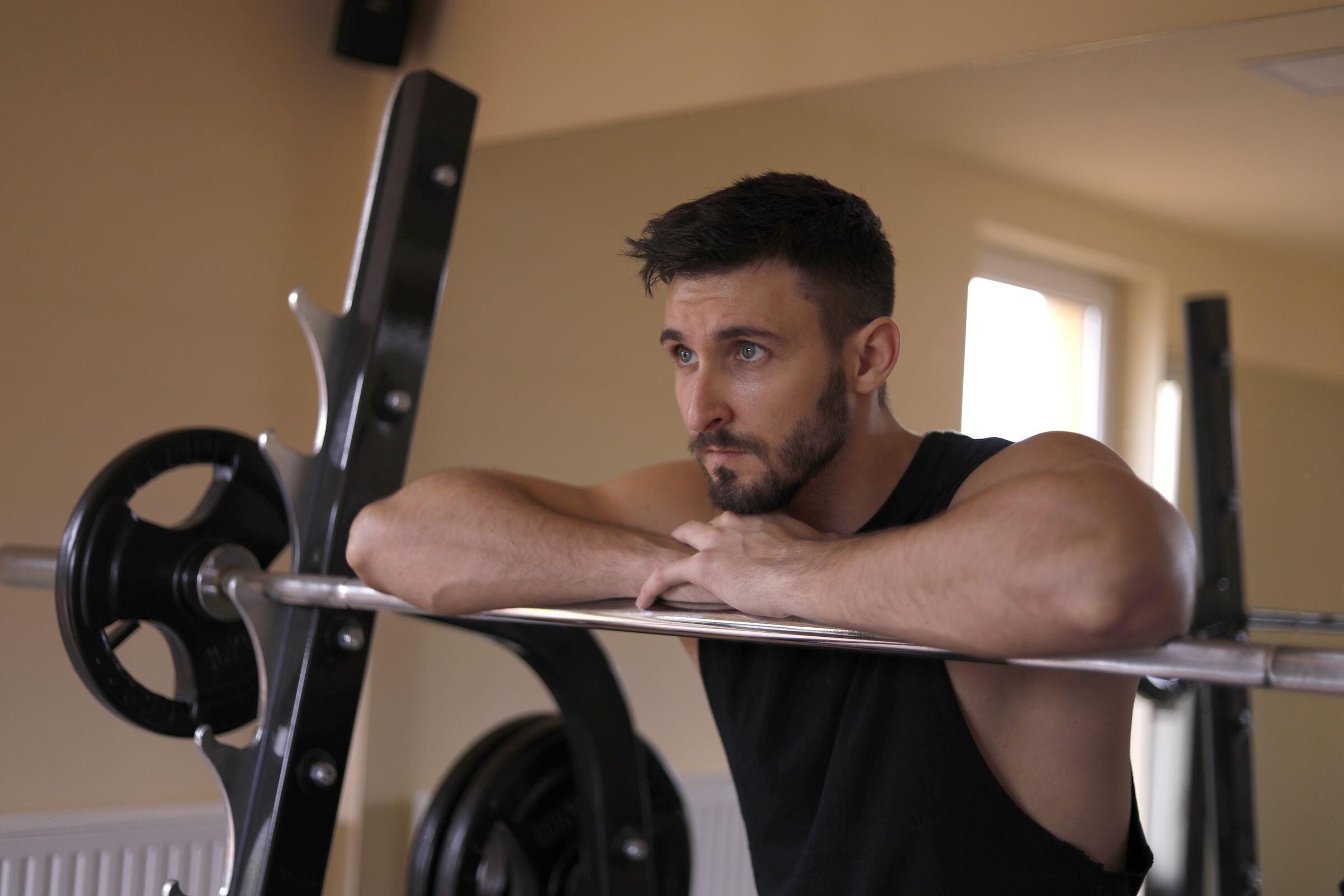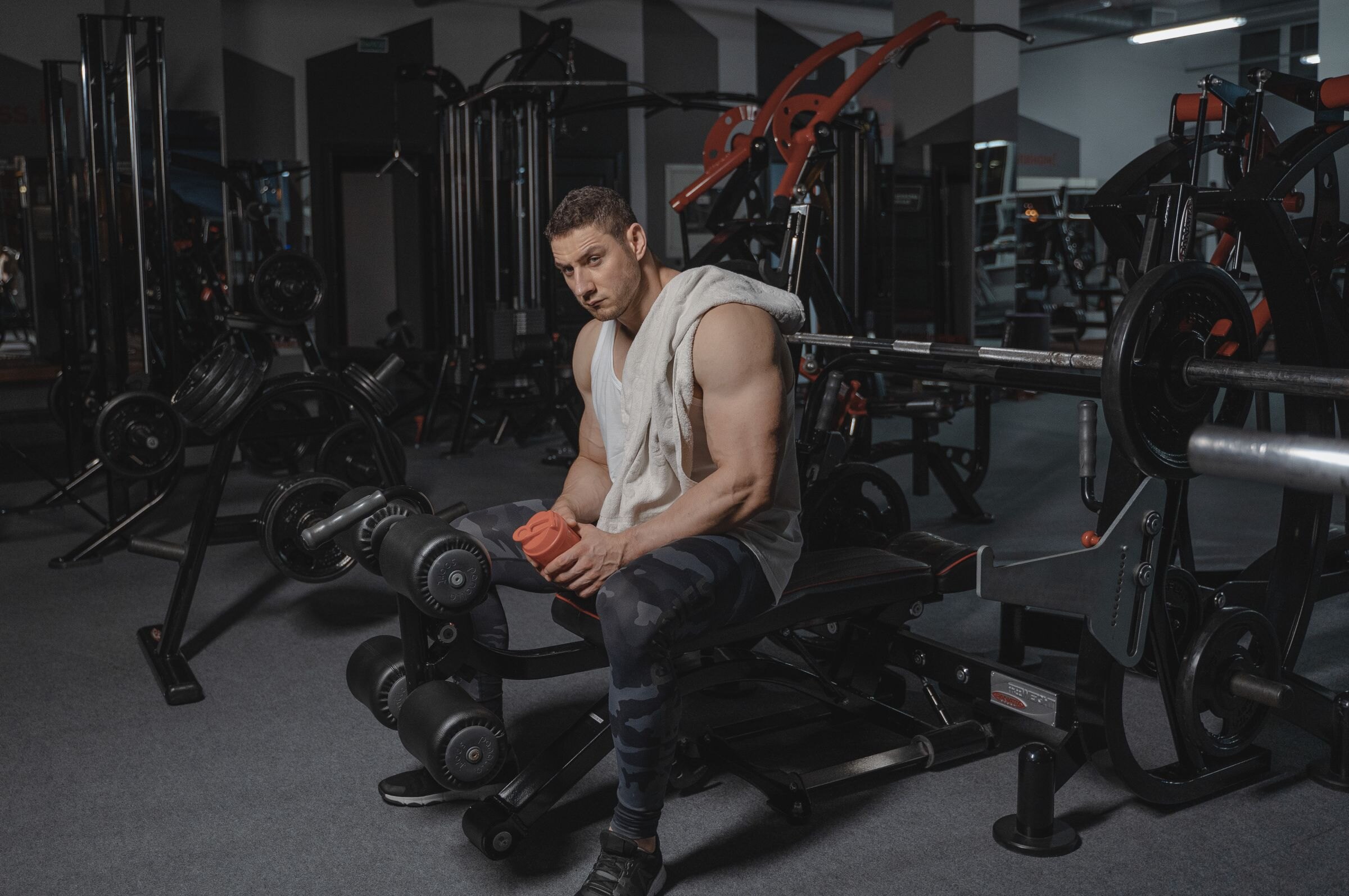
Walk down any supplement aisle and you will see tubs of hydrolyzed peptides marketed as an all-in-one recovery powder. Yet the clinical science on collagen for athletes draws a sharp line between contractile muscle and connective tissue. Because collagen completely lacks tryptophan and contains roughly one-quarter the leucine of whey, it is a poor standalone protein for building bigger muscles.[1] Where collagen genuinely earns its place is joint comfort and connective-tissue support: taking 10 to 15 g of hydrolyzed collagen paired with vitamin C before targeted mechanical loading reduces activity-related joint pain and elevates collagen synthesis.[1]
If your knees ache during deep squats, your Achilles feels stiff every morning, or your elbows flare up after heavy pulling cycles, strategic collagen supplementation can support the structural scaffolding that transmits muscular force. In this Fitnesskar guide, we break down the amino acid physiology, what randomized human trials actually show, how to time your dose with vitamin C, and how to program short tendon-loading sessions alongside your lifting split.
Collagen for Athletes vs. Complete Protein: Why It Fails at Building Muscle
Many lifters stir two scoops of collagen peptides into their morning coffee, log 20 g of protein in their nutrition app, and assume they have checked off a muscle-building meal. Biologically, skeletal muscle fibers and connective tissues are built from vastly different amino acid blueprints, and confusing the two can quietly stall your hypertrophy progress.
Your contractile muscle machinery—primarily actin and myosin filaments—depends on all nine essential amino acids (EAAs) to assemble new tissue. More specifically, skeletal muscle requires a sharp intracellular rise in the branched-chain amino acid leucine (typically 2.5 to 3.0 g per meal) to activate the mTORC1 signaling pathway and initiate myofibrillar muscle protein synthesis (MPS).
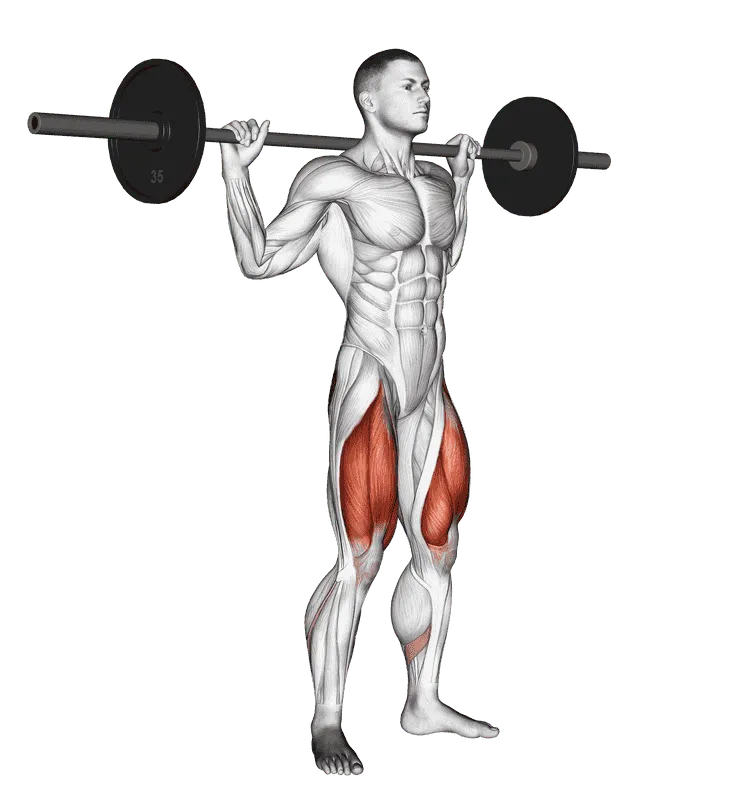
When researchers test hydrolyzed collagen head-to-head against whey or lactalbumin using stable-isotope tracers and muscle biopsies, the difference is unmistakable. Even at 30 g doses following heavy barbell full squat sessions, isolated collagen peptides fail to elevate acute myofibrillar protein synthesis above a calorie-free placebo, whereas 30 g of whey robustly drives new contractile protein assembly. Systematic reviews confirm that collagen peptides do not meaningfully stimulate MPS when compared against nitrogen-matched, high-quality protein sources.[1]
| Nutritional Metric | Hydrolyzed Collagen Peptides | Whey Protein Isolate | Whole Eggs / Poultry Breast |
|---|---|---|---|
| Protein Quality (DIAAS) | 0 (incomplete; zero tryptophan) | 1.09+ (complete, high digestibility) | 1.08–1.13 (complete whole food) |
| Leucine Content (% of protein) | ~2.7% (~0.4 g per 15 g scoop) | ~10.5–11.0% (~2.7 g per 25 g scoop) | ~8.0–8.8% (~2.5 g per 30 g protein) |
| Glycine Content (% of protein) | ~22% (~3.3 g per 15 g scoop) | ~1.8% (~0.45 g per 25 g scoop) | ~3.3–4.0% |
| Proline + Hydroxyproline | ~24–26% (unique connective profile) | ~5.5% (zero hydroxyproline) | ~4.0–5.0% (minimal hydroxyproline) |
| Best Athletic Use Case | Joint comfort & pre-loading tendon support | Post-workout MPS & hitting daily protein | Primary meal anchor for hypertrophy |
Should You Count Collagen Toward Your Daily Protein Target?
If you are eating in a calorie surplus or maintenance and already hit at least 1.6 g of complete protein per kilogram of body weight (0.73 g/lb) from meat, fish, eggs, dairy, soy, or whey, adding 10 to 15 g of collagen on top will not hurt your amino acid pool. In fact, human biopsy research examining combined protein blends shows that mixing 25 g of whey protein with 5 g of collagen peptides simultaneously spikes blood leucine to drive myofibrillar synthesis while elevating plasma glycine and proline so you do not rob your body's baseline glycine stores.
However, during an aggressive fat-loss phase where total calories are tight, swapping 20 to 30 g of complete food protein for collagen lowers your daily essential amino acid intake right when lean tissue needs the most protection. Set your foundational muscle-building targets first using our guide on how much protein you need to build muscle, and treat collagen strictly as a targeted connective-tissue supplement on top of—never in place of—your complete protein meals.
Where Collagen Actually Works: Joint Pain, Cartilage, and Tendon Remodeling
If collagen cannot rival whey for contractile muscle size, why do sports scientists and physical therapists still use it with strength and field athletes? Because your muscles can only express as much force as your tendons, ligaments, and joint cartilage can safely tolerate.
Muscle tissue is densely vascularized and adapts rapidly, often gaining noticeable strength within weeks. Tendons and articular cartilage, by contrast, have very poor resting blood supply and turn over slowly. When your bench press, squat, and pulling loads climb faster than your tendon stiffness adapts, micro-strain accumulates in the patellar tendon, Achilles tendon, or elbow common tendons—creating the nagging aches that derail productive training blocks.
In a comprehensive systematic review published in Amino Acids, Mishti Khatri and colleagues analyzed 15 randomized controlled trials investigating collagen peptide supplementation combined with exercise across recreational athletes, older adults, and untrained women.[1] Across the controlled literature, two clear patterns emerged:
- Consistent Reductions in Activity-Related Joint Pain: Daily supplementation of 5 to 15 g of hydrolyzed collagen peptides over 12 to 24 weeks consistently improved joint functionality, reduced pain during walking and lifting, and shortened recovery time from joint injuries.[1]
- Elevated Procollagen Synthesis at 15 g/day: Trials measuring blood biomarkers of connective-tissue remodeling—specifically procollagen type I N-terminal propeptide (PINP)—found that a 15 g dose taken before intermittent exercise roughly doubled circulating markers of new collagen synthesis compared with 5 g or placebo.[1]
Why Passive Tendons Need Mechanical Loading to Absorb Nutrients
Think of a tendon or joint cartilage less like a sponge sitting under a running faucet and more like a stiff sponge sitting in a shallow dish. At rest, very little blood flows through the dense core of an Achilles or patellar tendon. When you swallow a collagen capsule right before bed, plasma glycine, proline, and hydroxyproline peak about an hour later while your tendons are completely unloaded—meaning minimal nutrient-rich fluid is drawn into the extracellular matrix.
When you load a tendon rhythmically or under slow heavy tension, mechanical deformation squeezes interstitial fluid out of the matrix and pulls fresh plasma—along with circulating amino acids—back inside as the tissue relaxes. At the same time, mechanical strain activates tendon fibroblasts (tenocytes) via mechanotransduction pathways (including ERK1/2 and TGF-$\beta$), instructing those cells to weave incoming glycine and proline into stiffer, cross-linked collagen fibrils. For a broader look at keeping connective tissue resilient across training cycles, read our joint durability guide.
The Pre-Loading Protocol: Dosage, Timing, and the Vitamin C Co-Factor
To get the physiological benefit seen in sports-science trials rather than treating collagen like a generic multivitamin, you must synchronize three variables: formulation, dosage with vitamin C, and pre-exercise timing.
1. The Exact Timing Window: 45 to 60 Minutes Before Loading
Pharmacokinetic trials show that orally ingested hydrolyzed collagen peptides (or dissolved food-grade gelatin) digest rapidly in the small intestine—absorbing both as free amino acids and intact di- and tripeptides like prolyl-hydroxyproline (Pro-Hyp)—and reach peak concentration in your bloodstream 45 to 60 minutes after ingestion.
Drinking your collagen serving 45 to 60 minutes before your warm-up or dedicated tendon session ensures that arterial glycine and proline hit their highest concentration at the exact moment tenocytes experience mechanical strain.
2. Why 50 to 100 mg of Vitamin C Is Mandatory
Taking collagen peptides while running low on vitamin C leaves the assembly line half-finished. Inside tenocytes and chondrocytes, newly translated procollagen chains cannot fold into a stable triple helix unless specific proline and lysine residues are chemically hydroxylated by two enzymes: prolyl-4-hydroxylase and lysyl hydroxylase.
Both enzymes require ascorbic acid (vitamin C) as an obligate electron donor to keep their iron center in its active ferrous ($Fe^{2+}$) state. Without adequate vitamin C, newly formed collagen strands remain thermally unstable and fail to form strong covalent cross-links. You do not need megadoses—which can actually blunt certain cellular adaptations at 1,000 mg+—just 50 to 100 mg of vitamin C alongside your collagen dose:
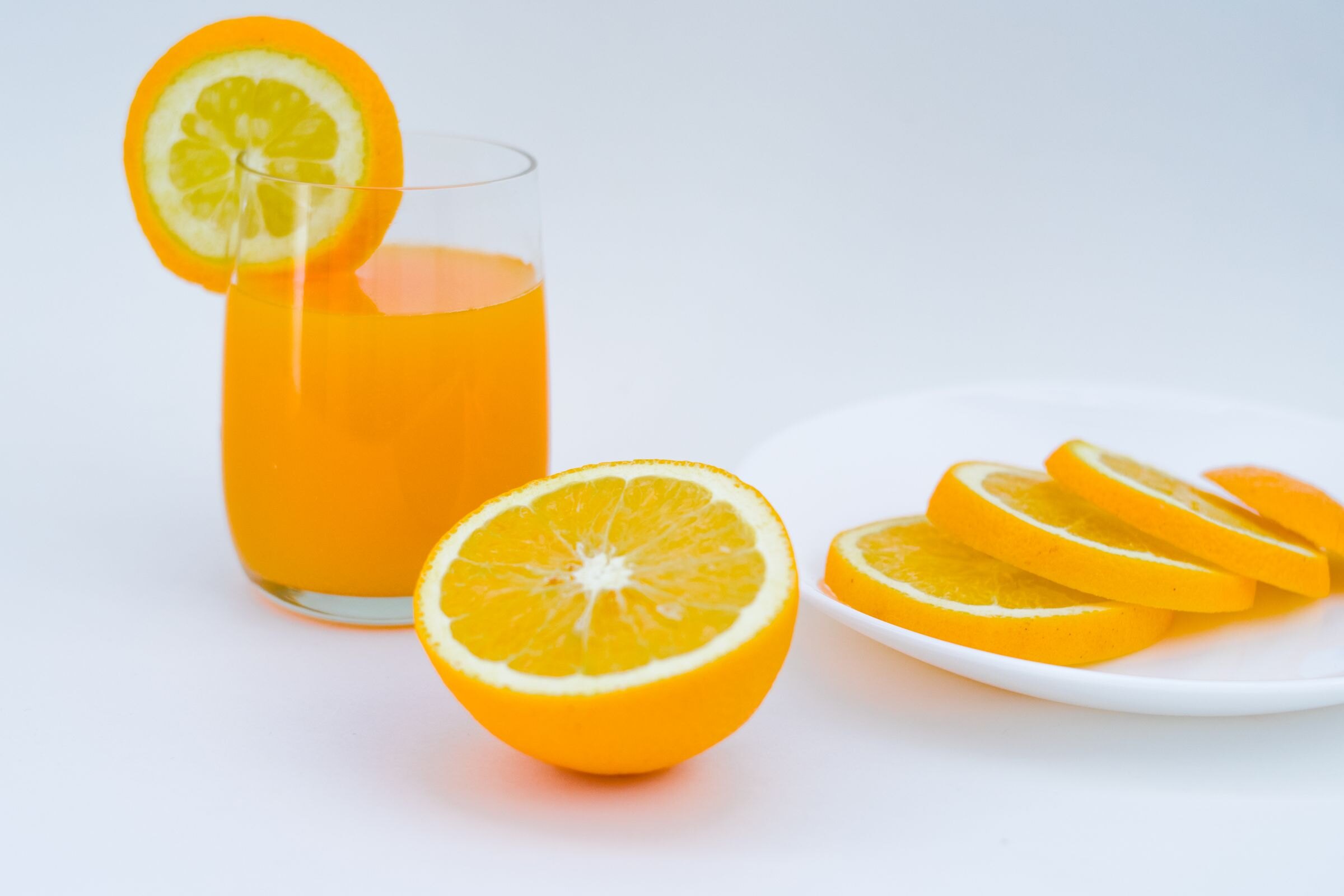
- 150 to 200 mL (5 to 7 oz) of fresh orange juice: ~75 to 100 mg of vitamin C
- 1 medium green or gold kiwifruit: ~65 to 90 mg of vitamin C
- 100 g (about 1 cup) of fresh strawberries: ~60 mg of vitamin C
- Half a medium red bell pepper with a pre-workout snack: ~75 to 95 mg of vitamin C
- Vitamin C powder or tablet: a low-dose 50 to 100 mg vitamin C addition if your collagen powder is unfortified
3. Choosing the Right Collagen Type and Dose for Your Goal
Not every "collagen" supplement on the shelf works through the same biological mechanism. Matching the product type to your specific joint or tendon issue saves money and prevents under-dosing:
| Supplement Form | Collagen Types | Validated Daily Dose | Ideal Timing | Primary Clinical Target |
|---|---|---|---|---|
| Hydrolyzed Collagen Peptides | Type I & Type III (bovine or marine) | 10 to 15 g (+ 50–100 mg vitamin C) | 45–60 min before loading | Tendons, ligaments, bone matrix & activity-related joint pain[1] |
| Food-Grade Gelatin | Type I & Type III (partially hydrolyzed) | 15 g (+ 50–100 mg vitamin C) | 60 min before loading | Cost-effective pre-exercise tendon synthesis; thicker gel texture |
| Undenatured Type II Collagen (UC-II) | Intact native Type II (chicken sternum) | 40 mg (milligrams, not grams) | Any time daily with a meal | Articular knee cartilage comfort via oral immune tolerance |
| Whey + Collagen Recovery Blend | 25 g Whey Isolate + 5 g Collagen Peptides | 30 g total (5:1 ratio) | Post-workout or between meals | Simultaneous myofibrillar MPS + baseline glycine/proline support |
Notice the massive dosage difference between hydrolyzed collagen peptides (10 to 15 grams) and undenatured Type II collagen (40 milligrams). Hydrolyzed peptides supply raw structural amino acids directly to remodeling tissues, whereas tiny doses of undenatured UC-II interact with immune Peyer's patches in the gut to calm inflammatory T-cell activity against joint cartilage. Never buy a capsule offering "500 mg of hydrolyzed bovine collagen"—that is one-thirtieth of the 15 g athletic dose used in tendon trials.[1]
Programming Tendon-Focused Sessions Around Heavy Lifting
Here is one of the most counterintuitive discoveries in modern connective-tissue physiology: tendon cells saturate quickly. Laboratory and human loading models demonstrate that tenocytes reach their maximal signaling response after roughly 5 to 10 minutes of cyclic or isometric mechanical loading. Beyond ~10 minutes, the cells become mechanically desensitized ("refractory") and need roughly 6 to 8 hours of rest to reset their full mechanosensitivity.
That gives serious lifters two evidence-based ways to apply collagen for athletes in a weekly training schedule:
- The Standalone 6-Minute Tendon Feeder (Gold Standard for Stubborn Tendons): Perform a brief, focused 6-to-10-minute loading session in the morning (45–60 minutes after taking 15 g hydrolyzed collagen + vitamin C), separated by at least 6 hours from your main afternoon or evening lifting workout.
- The Pre-Workout Warm-Up Integration (Best for Busy Schedules): Drink 15 g of collagen peptides with vitamin C 45–60 minutes before arriving at the gym, then place your targeted tendon drills at the very beginning of your warm-up—before tenocytes desensitize during the rest of your session.
Elastic Plyometric Loading: The 6-Minute Jump Rope Protocol
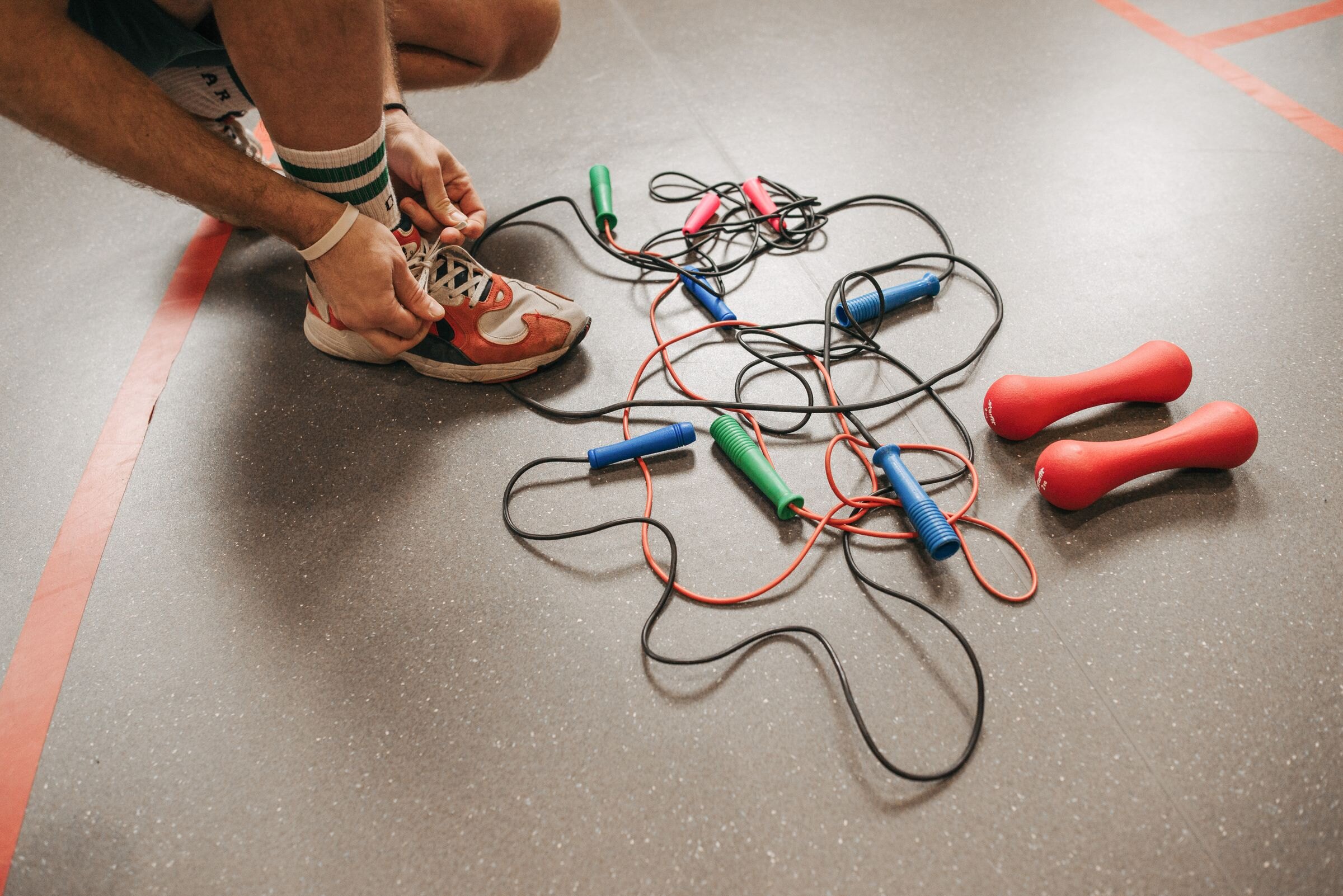
In the landmark clinical protocol that demonstrated a doubling of procollagen PINP synthesis, researchers used intermittent jump rope bouts 60 minutes after subjects consumed 15 g of vitamin C-enriched gelatin. Elastic, low-amplitude pogos cycle the Achilles and patellar tendons briskly through stretch-shortening strain without creating muscle-damaging soreness that would interfere with later workouts.
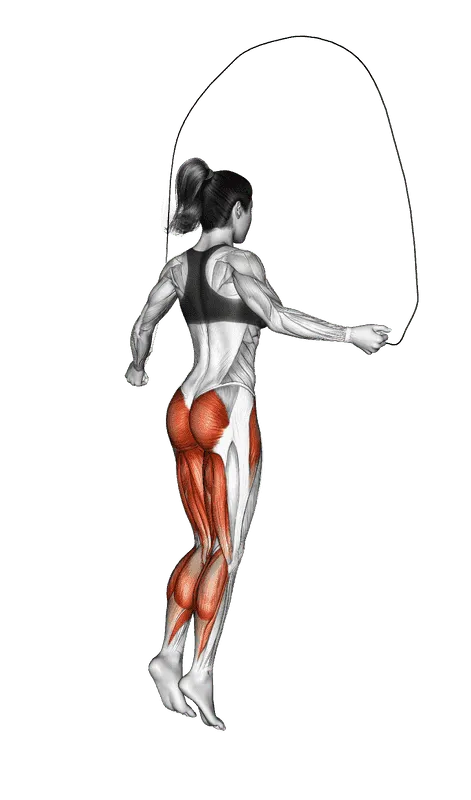
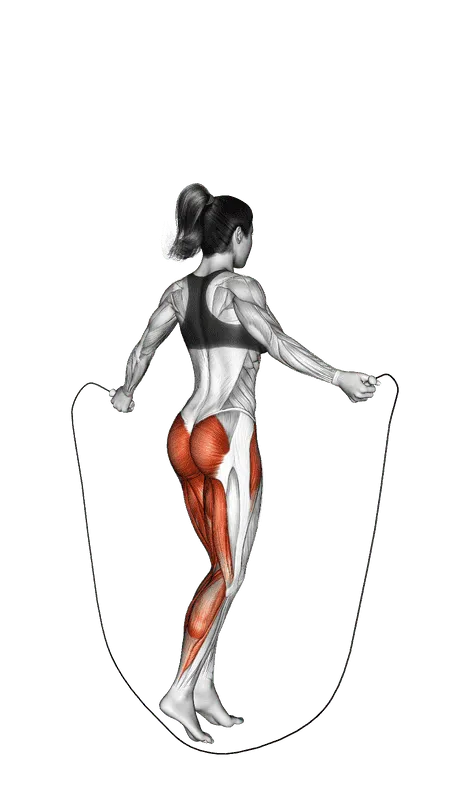
- Sets
- 4
- Reps
- 60–90 s
- Rest
- 60 s
Slow Heavy Resistance & Isometric Loading for Sensitive Tendons
If you currently deal with reactive knee or ankle stiffness—where bouncing or jumping feels sharp—avoid plyometrics initially and use slow heavy resistance (HSR) or isometric holds instead. Holding 70% to 80% of maximal voluntary contraction for 30 to 45 seconds, or lifting on a strict 3-second concentric and 3-second eccentric tempo, places high, non-ballistic tensile strain through the tendon matrix while often producing an immediate analgesic (pain-calming) effect.
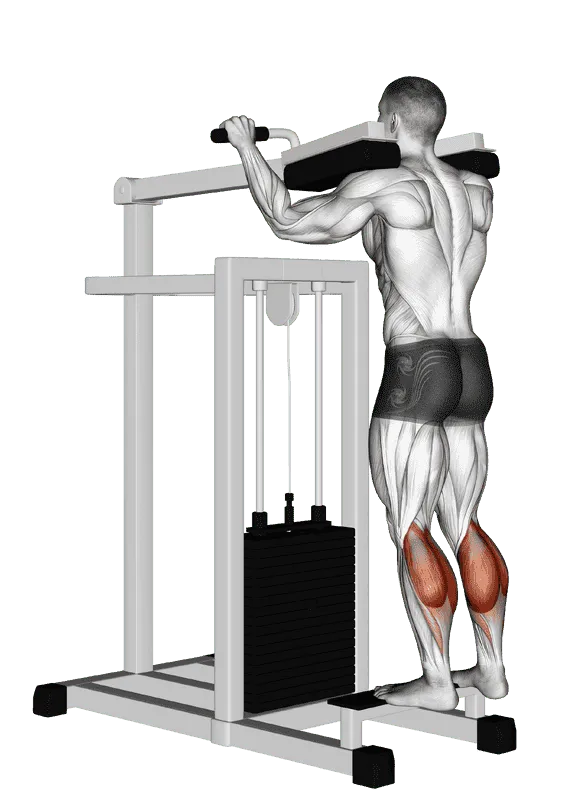
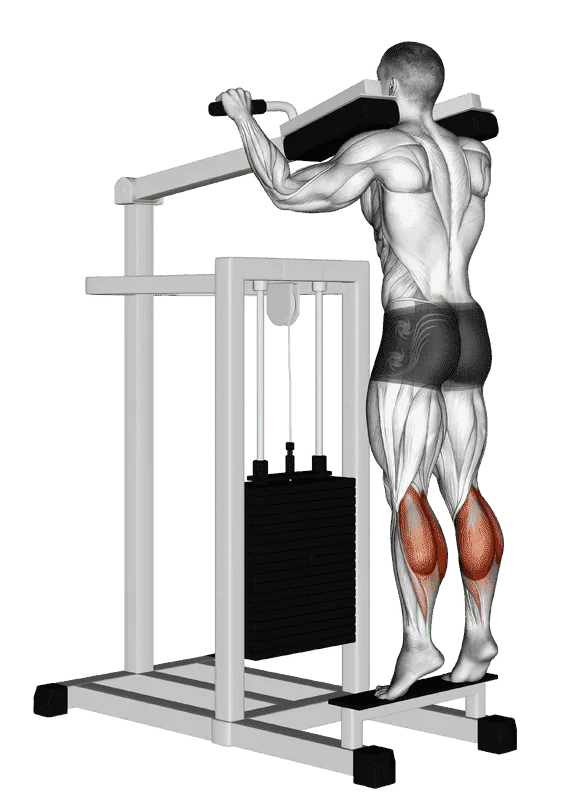
- Sets
- 3–4
- Reps
- 8–10
- Rest
- 120 s
- Tempo
- 3–1–3
Match your pre-collagen loading movement directly to the joint or tendon you want to reinforce:
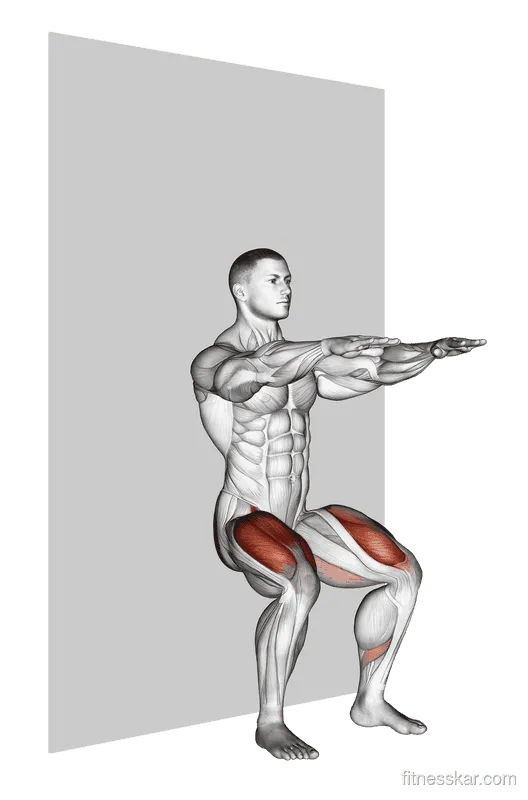
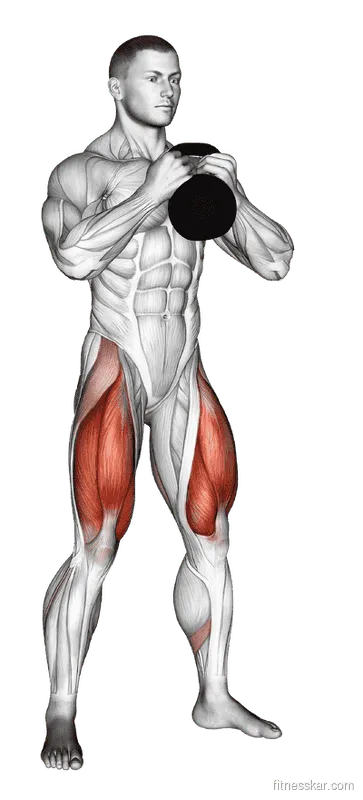
- Patellar & Quadriceps Tendon (Front of Knee): Perform 4–5 isometric holds of 30–45 seconds on the wall sit (resting 90 seconds between holds), or 3 slow tempo sets of the kettlebell goblet squat before progressing back to heavy barbell full squat work, following the progressions in our knee durability guide.
- Achilles & Plantar Fascia: Execute 3–4 heavy, controlled sets on the lever standing calf raise with a 3-1-3 tempo, avoiding violent bouncing out of the bottom stretch.
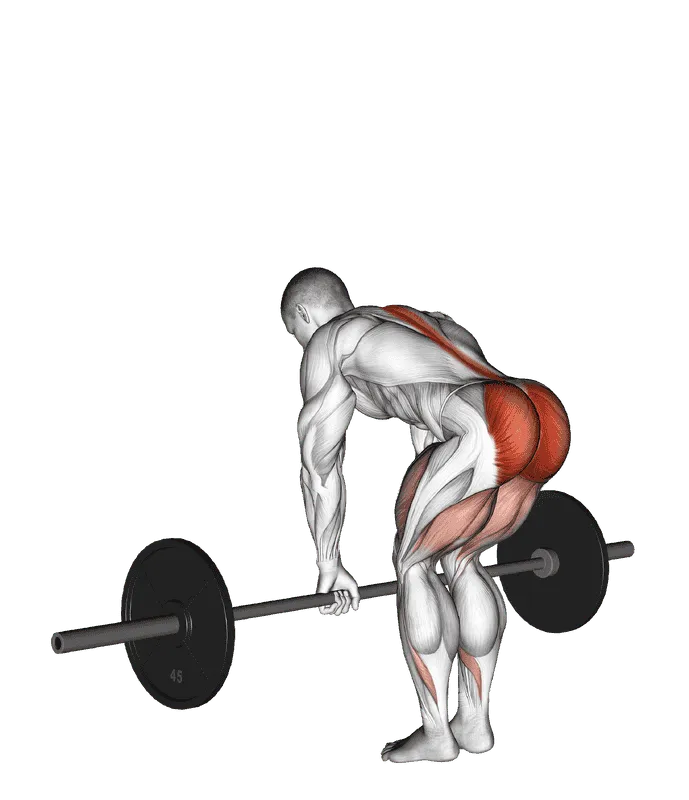
- Proximal Hamstring Tendon: Use controlled, mid-range barbell Romanian deadlift sets with a 3-second lowering phase, stopping just before deep hip flexion compresses the tendon against the sitting bone if the insertion is sensitive.
- Medial or Lateral Elbow Tendons (Lifter's Elbow): Pair 3 slow-eccentric sets of neutral-grip dumbbell hammer curl (4-second lowering phase) with light, controlled wrist flexor or extensor curls to load the forearm tendons gradually.
To give both your contractile muscles and connective tissues enough recovery time between heavy sessions, organize your weekly lifting around a balanced 3-to-4-day structure such as the 4-Day Muscle & Strength Builder, leaving 48 to 72 hours between heavy lower-body or pressing days. Combine smart split spacing with sleep and nutrition strategies from our muscle recovery guide.
Safety, Label Quality, and Common Mistakes to Avoid
Hydrolyzed collagen peptides have an excellent clinical safety profile across healthy athletic populations, with randomized trials testing daily intakes from 5 g up to 60 g without adverse systemic effects.[1] Still, smart buyers watch out for four practical pitfalls:
- Skipping Third-Party Contaminant Testing: Because bovine and marine collagen are extracted from animal hides, bones, and fish scales, low-grade raw materials can accumulate trace heavy metals (lead, arsenic, cadmium, or mercury). Choose powders carrying NSF Certified for Sport, Informed Sport, or transparent batch heavy-metal certificates of analysis.
- Buying "Collagen Protein Bars" for Post-Workout Muscle Growth: Many commercial protein bars inflate their front-label protein number to "20 g" by blending cheap bovine collagen or gelatin with minimal whey. Check the ingredient list: if hydrolyzed collagen or gelatin appears first, do not rely on that bar to drive post-workout MPS.
- Expecting Overnight Tendon Fixes: Connective-tissue remodeling is measured in months, not days. In clinical studies, meaningful drops in joint pain and measurable shifts in tendon cross-sectional properties typically require 8 to 24 weeks of consistent daily dosing alongside progressive loading.[1]
- Dietary & Allergen Considerations: Bovine-hide collagen is widely available in certified halal formulations, whereas porcine collagen is not; athletes with fish or shellfish allergies must carefully check "multi-collagen" blends, which frequently include marine scales.
Frequently Asked Questions
Frequently asked questions
Can I mix hydrolyzed collagen peptides into hot coffee or tea before training?
Yes. Hydrolyzed collagen peptides have already been broken down into short peptide chains and withstand normal brewing temperatures (85 to 95 °C / 185 to 203 °F) without losing bioavailability. Just remember to get 50 to 100 mg of vitamin C alongside it from fruit or a small tablet, since hot liquids will degrade added vitamin C over time.
Does vegan collagen exist for plant-based athletes?
Most products sold as "vegan collagen boosters" contain zero collagen—only vitamin C, zinc, and plant extracts. Unless a formula explicitly uses precision-fermented recombinant amino acids matching human glycine and proline ratios, plant-based lifters can replicate the precursor pool by pairing 3 to 5 g of pure L-glycine and 2 to 3 g of L-proline with 50 to 100 mg of vitamin C before tendon loading.
Should I take collagen on rest days too, or only before workouts?
For general joint comfort and cartilage support, clinical trials administer 10 to 15 g daily on both training and rest days. On lifting or rehab days, take it 45 to 60 minutes before loading; on complete rest days, take it with any vitamin C-containing meal or a brisk 10-minute walk.
Can I mix collagen peptides and whey protein in the same pre-workout shake?
Yes. Blending 20 to 25 g of whey isolate with 10 to 15 g of hydrolyzed collagen and a source of vitamin C 45 to 60 minutes before training covers both essential amino acids for skeletal muscle and high glycine-proline availability for connective tissue, provided your stomach tolerates the combined shake comfortably before exercise.
Is bone broth an effective replacement for hydrolyzed collagen powder?
Homemade or commercial bone broth varies wildly in collagen concentration—often delivering anywhere from 2 g to 9 g of gelatin per cup—and lacks standardized hydroxyproline levels compared with 15 g of lab-standardized hydrolyzed collagen peptides. Bone broth is a nutritious savory food, not a reliable pre-workout clinical dose.
Sources
- Khatri M, Naughton RJ, Clifford T, et al. The effects of collagen peptide supplementation on body composition, collagen synthesis, and recovery from joint injury and exercise: a systematic review. Amino Acids. 2021. doi.org/10.1007/s00726-021-03072-x ↩