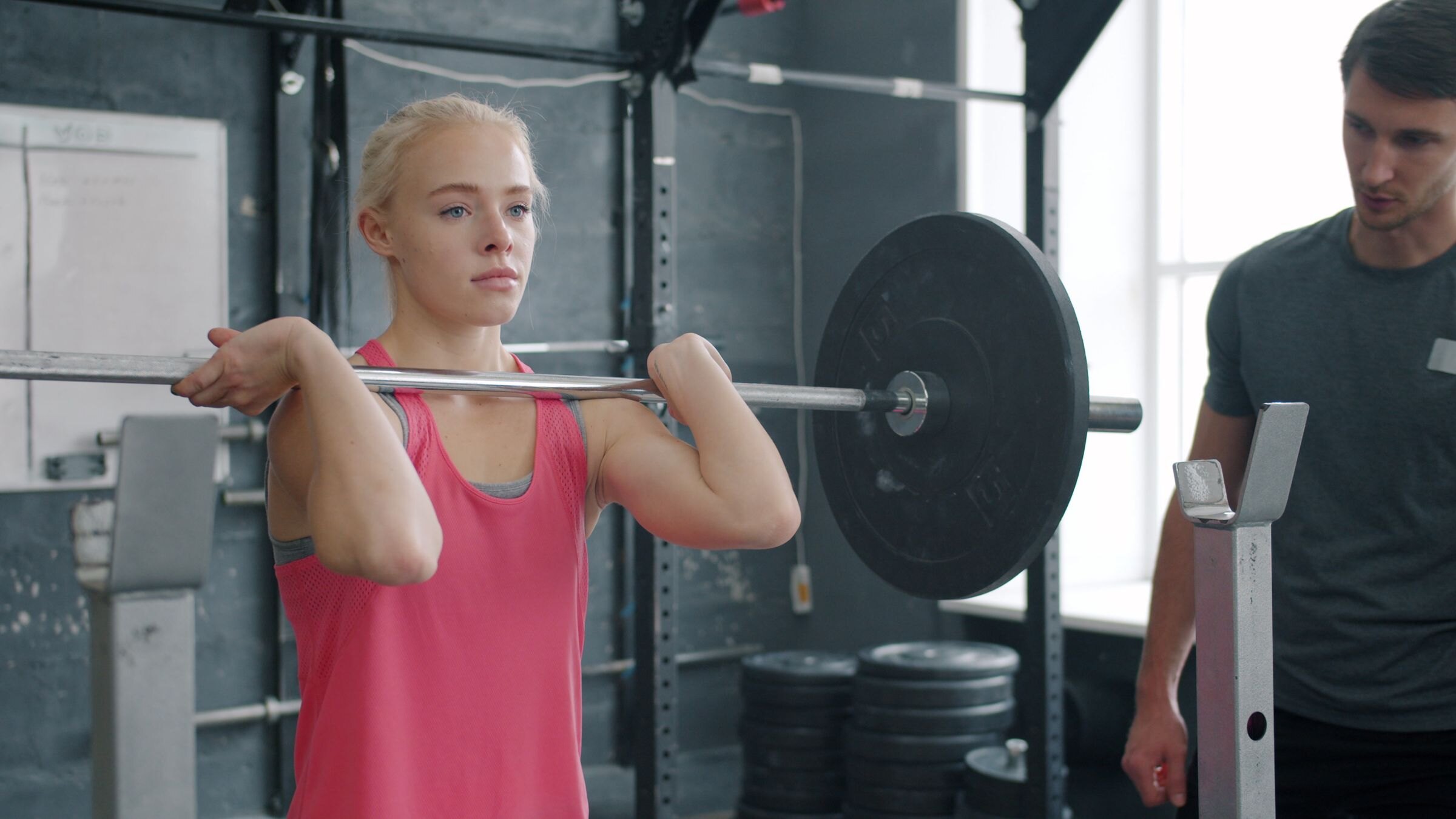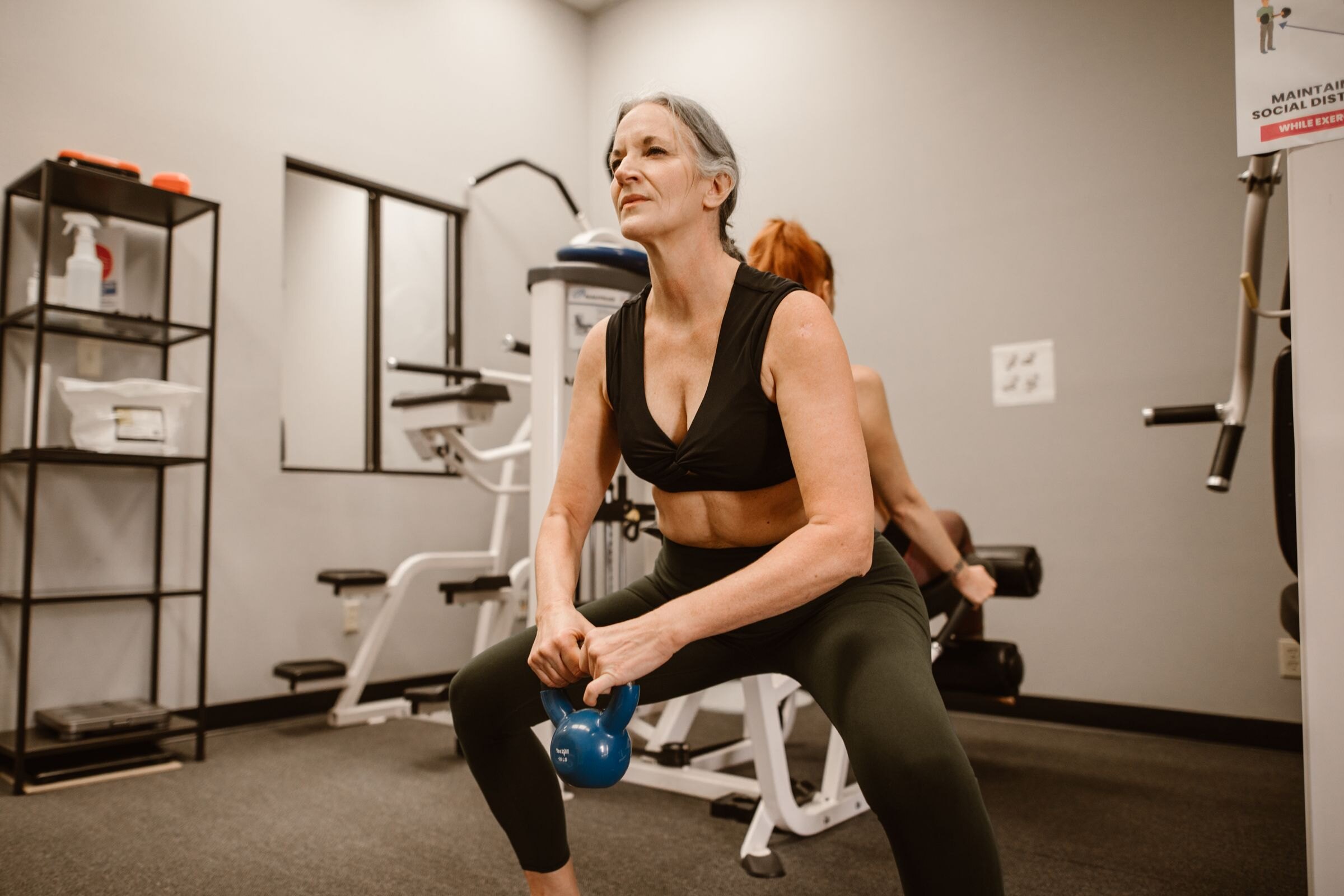
Menopause strength training is the single most potent non-pharmacological intervention available to women navigating perimenopause, menopause, and postmenopause. For decades, conventional midlife fitness guidance steered women toward gentle walking, low-intensity aerobics, and light hand weights. Modern exercise endocrinology and clinical bone biology prove the exact opposite: to counteract the dramatic drop in circulating estrogen, protect against osteopenia and osteoporosis, combat accelerated sarcopenia, and preserve metabolic health, women in midlife must lift heavy weights.
When estradiol levels decline during the menopausal transition, women lose their primary physiological defense against muscle protein breakdown and bone resorption. Left unaddressed, women can lose up to 20% of their bone mineral density in the five to seven years surrounding menopause, alongside a steep loss of high-threshold, fast-twitch muscle fibers. However, your body remains extraordinarily adaptable. By applying heavy axial mechanical loading and velocity-based resistance training, you directly stimulate bone-forming osteoblasts, activate dormant motor units, and restore metabolic vigor.
Whether you are progressing from our foundational women's hypertrophy guide or transitioning from phase-based menstrual cycle training, structured progressive lifting transforms midlife from a period of biological vulnerability into an era of athletic strength.
The Midlife Endocrine Shift: Why Cardio Alone Fails
To understand why traditional fitness advice fails women during midlife, we must examine the endocrinology of the menopausal transition. In female physiology, estrogen (specifically 17β-estradiol) is not merely a reproductive hormone; it is a master regulator of connective tissue, skeletal muscle, bone remodeling, and substrate partitioning.
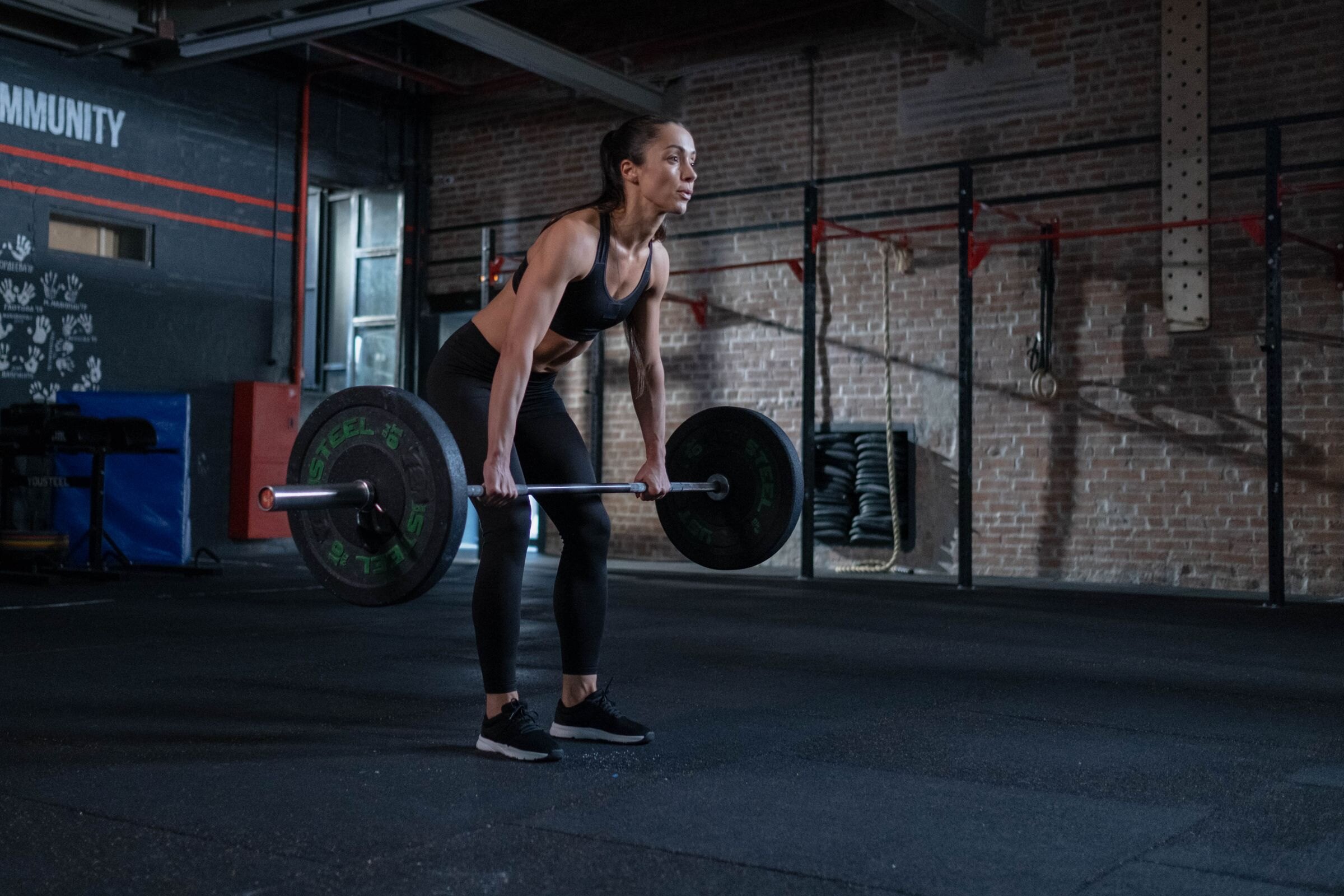
During the menopausal transition—which begins in perimenopause (typically in a woman's 40s) and culminates in postmenopause—ovarian follicular production of estradiol drops precipitously. This withdrawal unleashes three interconnected physiological challenges:
1. The Osteoclast Surge and Bone Loss
Bone is dynamic living tissue, continually remodeled through a tightly regulated cycle between bone-resorbing cells (osteoclasts) and bone-forming cells (osteoblasts). Estradiol regulates this balance by promoting osteoclast apoptosis (cell death) and modulating the RANKL/OPG cytokine pathway.
When estradiol plunges, osteoclast activity goes unchecked. The rate of bone breakdown dramatically outpaces bone synthesis. The internal architectural scaffolding of bone—the trabecular microarchitecture—thins and disconnects, while the outer cortical shell becomes porous. This silent degeneration results in osteopenia and osteoporosis, leaving the femoral neck (hip), lumbar spine, and distal radius (wrist) susceptible to fragility fractures.
2. Accelerated Sarcopenia and Dynapenia
Sarcopenia is the age-related loss of skeletal muscle mass, while dynapenia is the loss of muscular strength and power. Estrogen stabilizes the muscle fiber membrane (sarcolemma), promotes satellite cell proliferation, and enhances neuromuscular recruitment.
With estrogen deficiency, women experience an accelerated loss of muscle mass, losing approximately 0.5% to 1.0% of muscle tissue per year after age 40 if they do not perform resistance training. More critically, dynapenia occurs nearly three times faster than muscle mass loss, driven by the denervation and atrophy of high-threshold Type II fast-twitch motor units. These are the exact muscle fibers required to catch yourself during a slip or stumble to prevent a catastrophic fall.
3. Anabolic Resistance and Visceral Fat Redistribution
Postmenopausal women develop skeletal muscle "anabolic resistance"—a reduced sensitivity of the intracellular mTOR (mammalian target of rapamycin) signaling pathway to both hyperaminoacidemia (circulating dietary protein) and mechanical contraction. A dose of protein that stimulated robust muscle protein synthesis (MPS) at age 25 no longer generates the same anabolic signal at age 52.
Concurrently, declining estrogen shifts body fat distribution. Without estrogen's protective influence directing adipose storage toward subcutaneous femoral-gluteal depots, lipid storage shifts toward visceral abdominal compartments. Visceral fat secretes pro-inflammatory cytokines (such as TNF-alpha and interleukin-6), further exacerbating insulin resistance and muscle catabolism.
The Cellular Biology of Bone Remodeling: The Osteogenic Threshold
Why does walking, elliptical training, or 5-pound dumbbell pulsing fail to prevent bone loss? The answer lies in mechanotransduction and Frost’s Mechanostat Theory.
Bone tissue adapts only when the mechanical strain placed upon it exceeds a specific physiological set-point: the minimum effective strain threshold. When a bone is compressed, bent, or twisted under high external load:
- Fluid Shear Stress in the Canaliculi: Mechanical deformation pushes interstitial fluid through the microscopic canalicular network connecting osteocytes (the master mechanosensory cells embedded in the bone matrix).
- Piezo1 Ion Channel Activation: This fluid shear stress activates mechanosensitive ion channels (notably Piezo1 and Piezo2) on the osteocyte surface, triggering a rapid influx of intracellular calcium.
- Downregulation of Sclerostin: Activated osteocytes downregulate their secretion of sclerostin—a potent inhibitor of the bone-forming Wnt/β-catenin signaling pathway.
- Osteoblast Recruitment and Mineralization: With sclerostin suppressed, osteoblasts are recruited to the bone surface, where they synthesize an unmineralized collagenous matrix (osteoid) and subsequently deposit hydroxyapatite crystals (calcium and phosphate), increasing bone mineral density (BMD) and cortical bone thickness.
For mechanotransduction to trigger bone formation, the applied mechanical strain must be high, applied rapidly (high strain rate), and novel in direction. Repetitive, low-load cyclical activities like walking or cycling produce strains far below the osteogenic threshold. While walking provides invaluable cardiovascular and psychological benefits, it does not build bone. Bone formation demands heavy axial loads that bend the skeleton within safe physiological tolerances.
Clinical Proof: The Landmark LIFTMOR Trial
The dogma that older women with fragile bones must avoid heavy lifting was shattered by the landmark LIFTMOR (Lifting Intervention for Training Muscle and Osteoporosis Rehabilitation) randomized controlled trial conducted by Watson and colleagues.[1]
In this groundbreaking clinical trial, postmenopausal women with low bone mass (diagnosed osteopenia and osteoporosis) were assigned to either an 8-month supervised high-intensity resistance and impact training program (HiRIT) or a low-intensity, home-based exercise control program.
The HiRIT protocol consisted of just two 30-minute sessions per week. Each session featured four multi-joint movements:
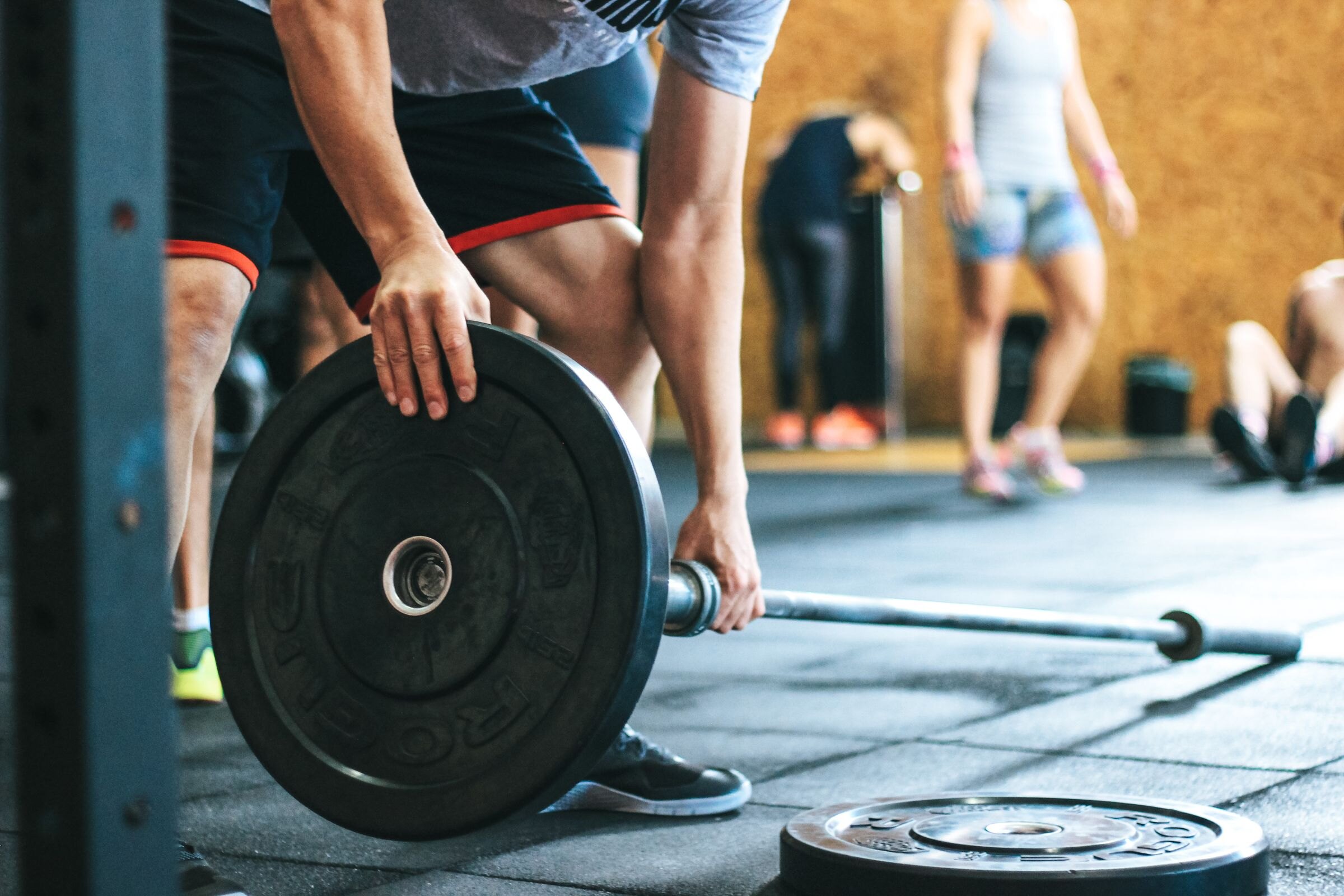
- The barbell deadlift
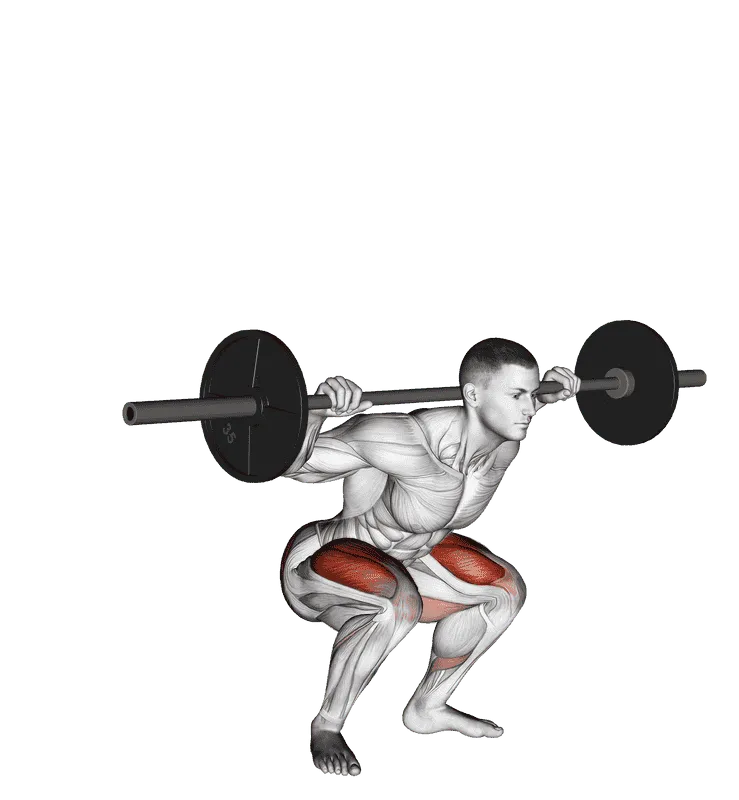
- The barbell full squat
- The seated barbell overhead press
- Impact training (jumping chin-ups with drop landings)
The training load was remarkably high: 5 sets of 5 repetitions at 80% to 85% of 1-repetition maximum (1RM).
The results were transformative:
- Lumbar Spine BMD: Women in the high-intensity heavy lifting group increased lumbar spine bone mineral density by an average of +2.9%, compared to a -1.2% loss in the control group.
- Femoral Neck BMD: The lifting group gained +0.3% at the femoral neck, compared to a -1.9% decline in controls.
- Cortical Thickness: Femoral neck cortical bone thickness increased significantly in the lifters.
- Functional Performance: Dynamic balance, back extensor strength, and functional mobility improved substantially.
- Safety: Across thousands of supervised maximal lifts in women with osteoporosis, there was not a single vertebral fracture or serious adverse event.[1]
The clinical takeaway is undeniable: postmenopausal bone does not merely maintain its density under heavy loads; it can regenerate.
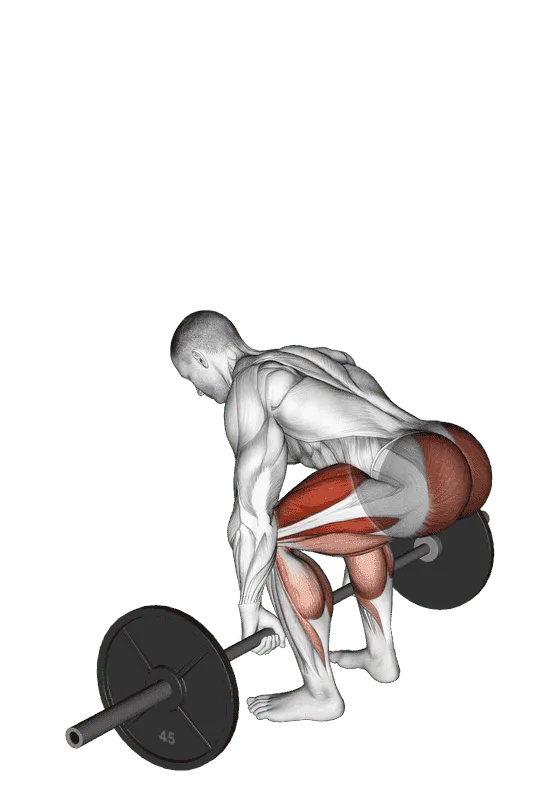
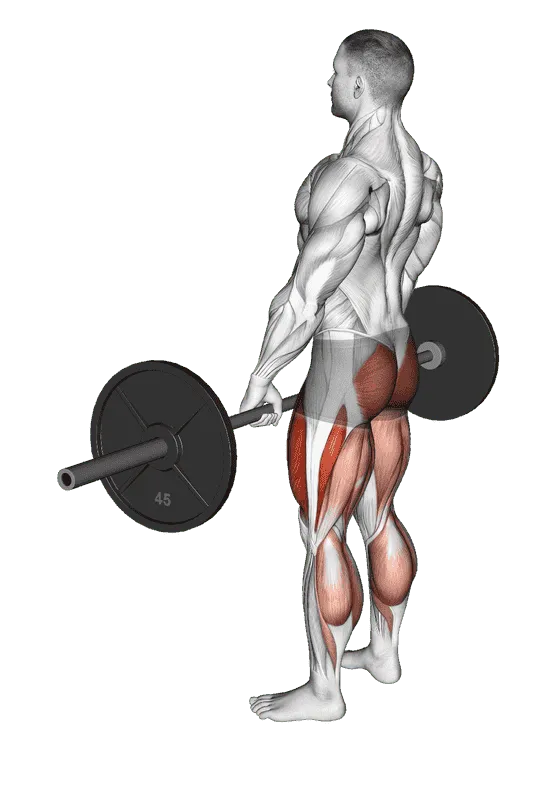
- Sets
- 4–5
- Reps
- 5
- Rest
- 150 s
- Tempo
- 2–1–X
Preserving Type II Fibers with Power and Velocity
While maximal strength (the ability to produce force against heavy resistance) forms the baseline of physical resilience, physical independence and fall prevention depend equally on power—the ability to express force rapidly.
In aging women, motor units undergo natural remodeling. High-threshold motor neurons that innervate Type IIx and Type IIa fast-twitch fibers degenerate first. If these fibers are not recruited through explosive or heavy contractions, they atrophy and are permanently replaced by fibrous adipose tissue.
To counteract this dynapenic trajectory, menopause strength training must incorporate the intent to move loads with high concentric velocity:
- The "Dynamic Effort" Intent: On every compound repetition—whether performing a squat, deadlift, or press—lower the weight with strict eccentric control (2 to 3 seconds), pause briefly at the reversal point, and then accelerate the barbell upward as fast as technically possible.
- High Motor Unit Recruitment: Moving with maximal concentric intent forces the central nervous system to recruit high-threshold motor units via Henneman's size principle, even if the weight moves slowly due to its load.
- Submaximal Power Work: Incorporating moderately loaded exercises (such as kettlebell swings, medicine ball slams, or bodyweight box step-ups) trained for speed keeps the stretch-shortening cycle (SSC) elastic and responsive.
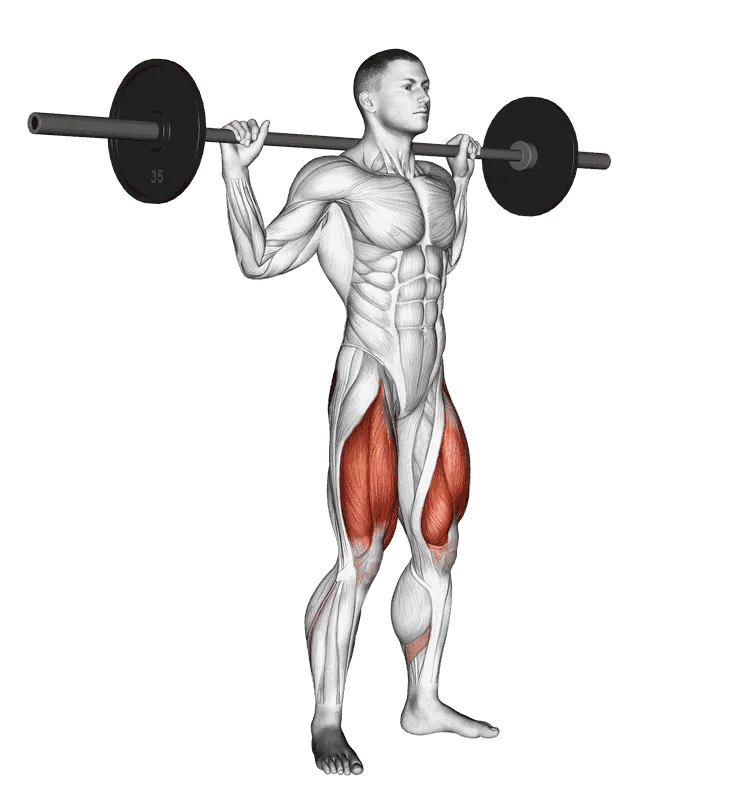
- Sets
- 3–4
- Reps
- 6
- Rest
- 120 s
- Tempo
- 3–1–1
Pelvic Floor Health and Bracing Mechanics
A common barrier that prevents midlife women from engaging in heavy resistance training is fear of pelvic floor dysfunction, particularly stress urinary incontinence (SUI) or pelvic organ prolapse (POP). Declining estrogen causes a reduction in collagen synthesis, reducing the stiffness and elasticity of the endopelvic fascia and levator ani musculature.
However, abandoning heavy lifting is not the solution. In fact, a sedentary lifestyle weakens the pelvic diaphragm further. The solution is mastering intra-abdominal pressure (IAP) management:
- Avoid the Sustained Closed-Glottis Strain (Valsalva Trap): While competitive powerlifters use a prolonged closed-glottis Valsalva maneuver, midlife lifters should utilize a pressurized diaphragmatic exhale on the sticking point.
- The "Piston" Coordination: The respiratory diaphragm and the pelvic floor work as a functional unit. As you inhale during the eccentric (lowering) phase, the diaphragm descends, and the pelvic floor naturally elongates and relaxes. As you reverse direction and execute the concentric lift, exhale against purse lips while gently lifting the pelvic floor ("zipping up" from the perineum to the lower abdominals).
- Neutral Spinal Stacking: Lifting with excessive anterior pelvic tilt (hyperlordosis) or thoracic rounding directs intra-abdominal pressure downward against the pelvic floor and bladder neck. Maintaining a neutral pelvis and ribcage stacks the diaphragm directly over the pelvic floor, distributing pressure evenly across the muscular cylinder of the core.
- Exercise Modifications if Symptoms Occur: If urinary leaking occurs during wide-stance bilateral squats, adjust your stance width, transition temporarily to box squats to limit deep hip flexion angles, or utilize bilateral trap bar variations that reduce spinal shear.
Nutritional Protocols: Overcoming Midlife Anabolic Resistance
You cannot separate resistance training adaptations from nutritional support. To reap the benefits of heavy loading during menopause, you must supply the biochemical building blocks necessary to overcome anabolic resistance and support bone matrix mineralization.
1. Elevated Daily and Per-Meal Protein Targets
The standard RDA for protein (0.8 g/kg) is grossly inadequate for maintaining muscle mass and bone health in midlife women. Scientific literature confirms that optimal muscle protein synthesis in postmenopausal lifters requires:
- Daily Target: 1.6 to 2.2 grams of protein per kilogram of body weight per day (roughly 0.75 to 1.0 gram per pound).
- Per-Meal Distribution: 0.40 to 0.45 g/kg per meal, spread across 3 to 4 meals. For a 65 kg (143 lb) woman, this equates to 26 to 30 grams of high-quality protein per feeding.
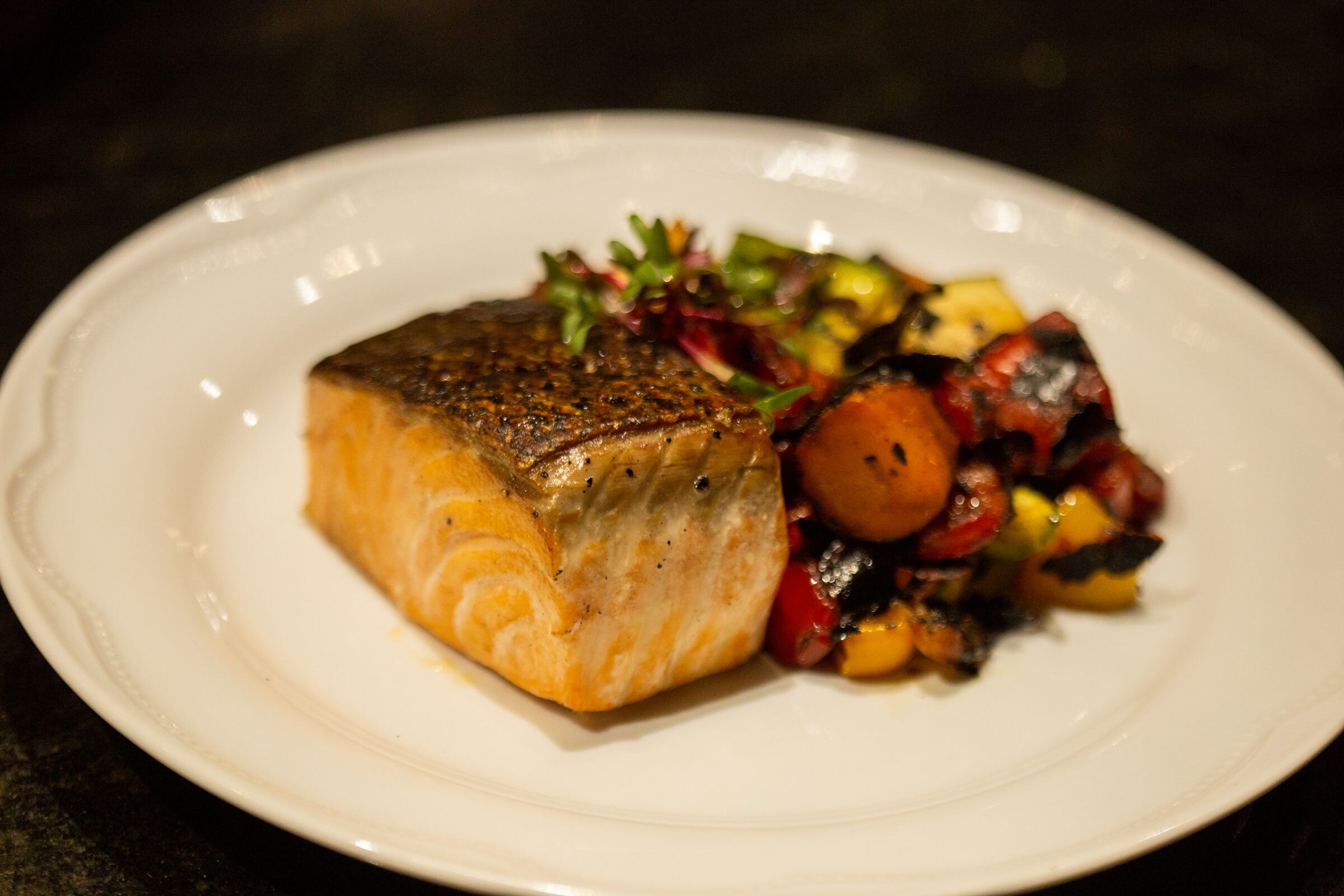
- The Leucine Trigger: To stimulate the intracellular sensor sestrin2 and activate mTORC1 in an anabolically resistant muscle, each meal must provide at least 2.7 to 3.0 grams of the essential branched-chain amino acid leucine. Prioritize complete animal proteins (eggs, poultry, salmon, Greek yogurt, whey isolate) or thoughtfully combined plant proteins. Review our comprehensive guide on protein for muscle gain for meal-by-meal blueprints.
| Body Weight | Daily Target (1.8 g/kg) | Per-Meal Target (4 Meals) | Leucine Target Per Meal |
|---|---|---|---|
| 55 kg (121 lb) | 99 g | 25 g | 2.7–3.0 g |
| 65 kg (143 lb) | 117 g | 29 g | 3.0 g |
| 75 kg (165 lb) | 135 g | 34 g | 3.2 g |
| 85 kg (187 lb) | 153 g | 38 g | 3.5 g |
2. Creatine Monohydrate: The Cellular Ergogenic
Creatine monohydrate is often viewed through the narrow lens of male bodybuilding, but it is exceptionally valuable for postmenopausal women. Creatine replenishes intramuscular phosphocreatine stores, directly boosting high-intensity work capacity, set-to-set recovery, and muscle satellite cell donation.
Furthermore, emerging clinical evidence indicates that creatine supplementation combined with resistance training enhances bone mineral density by increasing osteoblast activity and reducing bone resorption markers. Take 3 to 5 grams of pure creatine monohydrate daily, consistently, regardless of whether you train on that day. Learn more in our creatine guide.
3. Micronutrients for Skeletal Health: Calcium, Vitamin D3, and K2
Building bone requires the mineral substrates that crystallize into the bone matrix:
- Calcium: Aim for 1,200 mg per day, ideally from dietary sources (dairy, fortified plant milks, canned sardines with bones, leafy greens). Supplemental calcium should only fill the gap if dietary intake falls short.
- Vitamin D3: Maintains intestinal calcium absorption and supports muscle contractile velocity. Target serum 25(OH)D levels between 40 and 60 ng/mL (typically requiring 2,000 to 4,000 IU daily under physician guidance).
- Vitamin K2 (MK-7): Activates osteocalcin, the protein that binds circulating calcium into the bone hydroxyapatite matrix, preventing ectopic arterial calcification.
The 3-Day Menopause Strength & Bone Blueprint
This program is specifically designed to maximize bone mineral density, combat sarcopenia, and enhance joint durability without overtaxing central nervous system recovery. It follows an alternating Full-Body structure performed on three non-consecutive days (e.g., Monday, Wednesday, Friday).
Always apply principled progressive overload by adding weight or repetitions once all target sets hit the top of the rep range with solid form.
Workout A (Squat, Horizontal Push & Vertical Pull)
- Axial Primer: Box Jumps or Heavier Kettlebell Swings — 3 sets of 5 reps (explosive hip snap, complete rest between sets).
- Primary Osteogenic Lift: Barbell Full Squat — 4 sets of 5 reps, 2 RIR, 2 to 3 minutes rest.
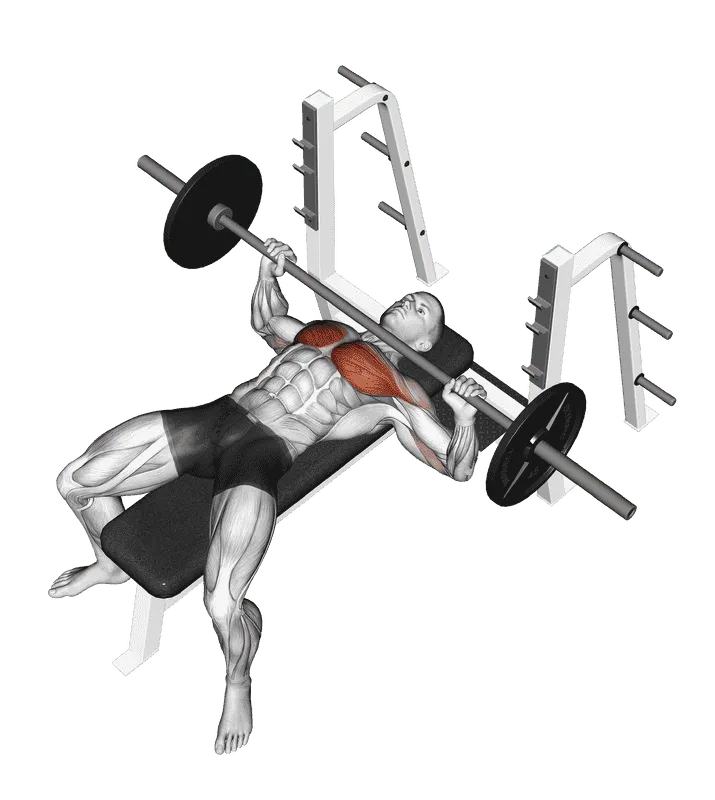
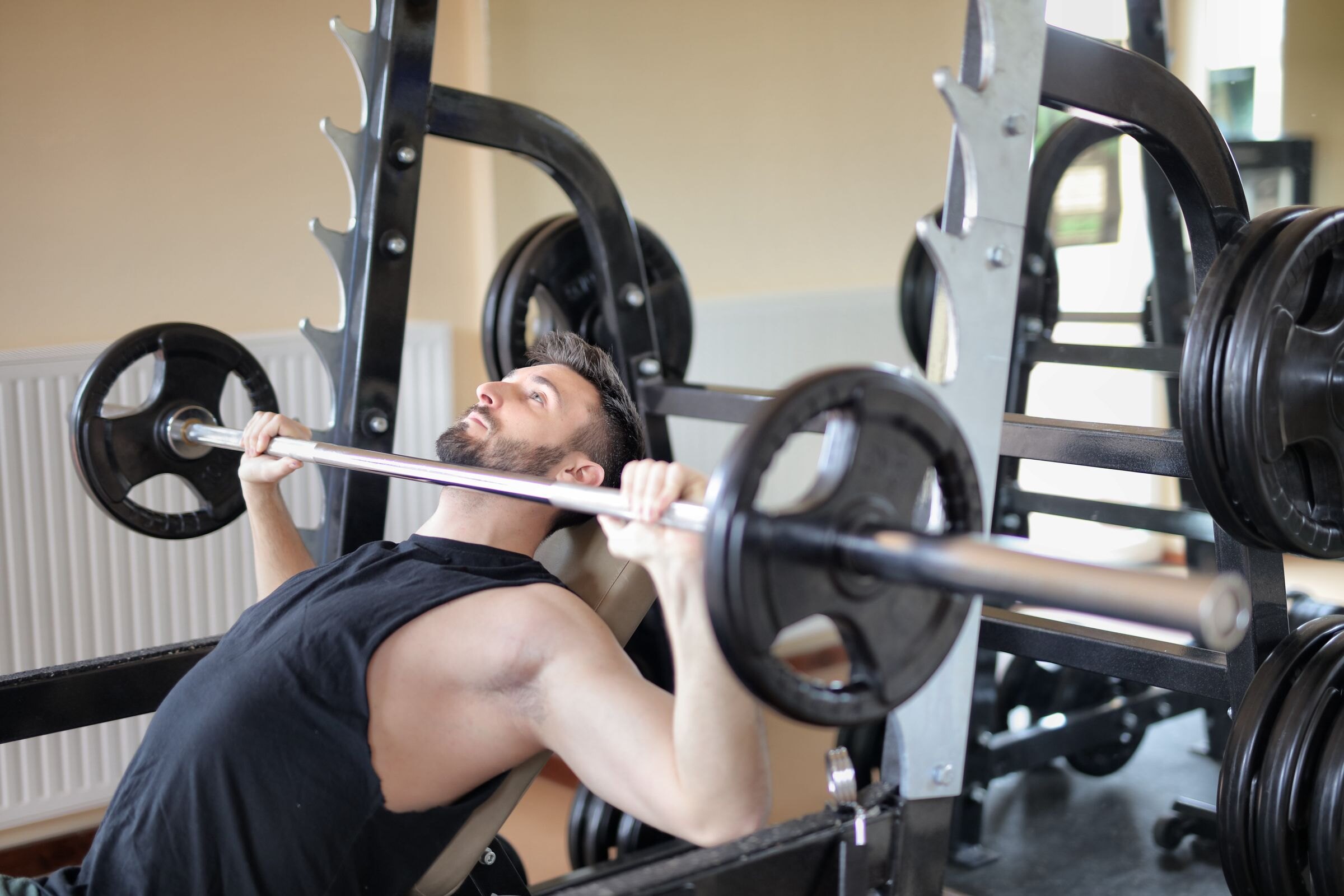
- Upper Body Push: Barbell Bench Press — 3 sets of 6–8 reps, 1–2 RIR, 90 seconds rest.
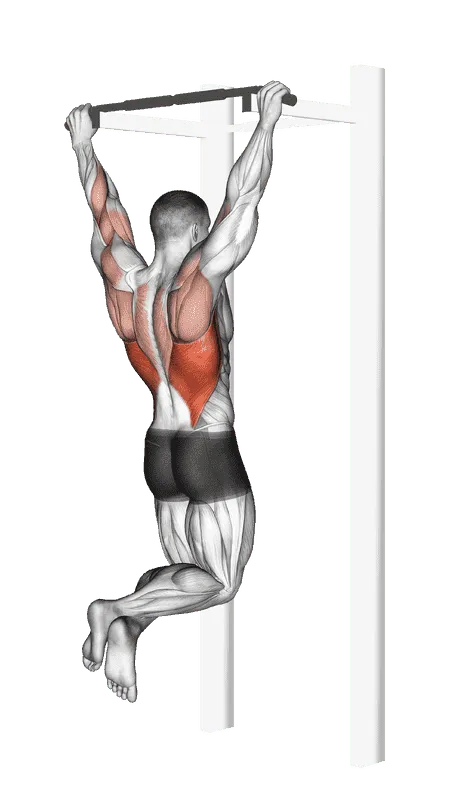
- Upper Body Pull: Pull-Up (or Lat Pulldown) — 3 sets of 6–8 reps, 1–2 RIR, 90 seconds rest.
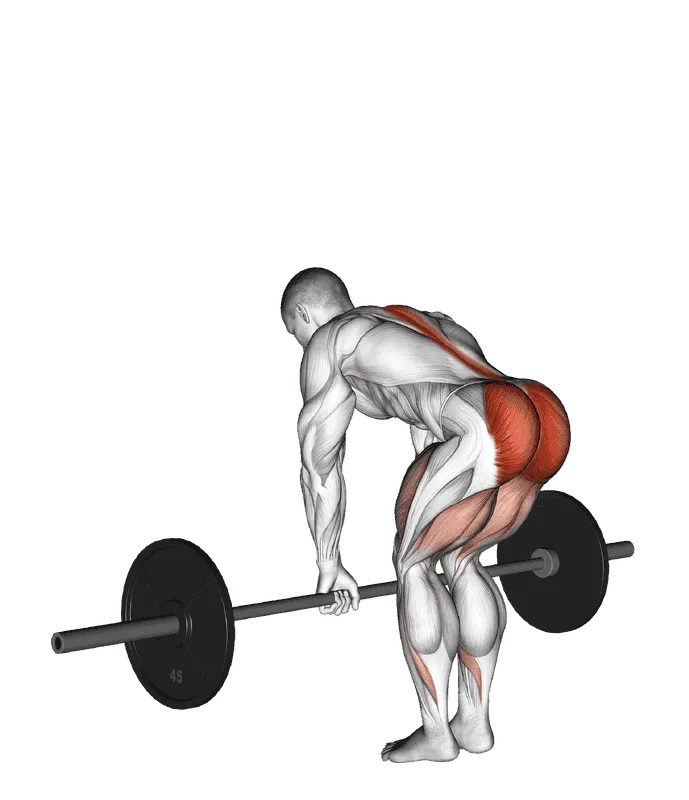
- Posterior Accessory: Barbell Romanian Deadlift — 3 sets of 8 reps, 2 RIR, 90 seconds rest.
- Core & Pelvic Floor: Half-Kneeling Cable Pallof Press — 3 sets of 10 reps per side, 60 seconds rest.
Workout B (Deadlift, Vertical Push & Horizontal Pull)
- Axial Primer: Broad Jumps or Drop Landings — 3 sets of 4 reps (focus on soft, stable landing mechanics).
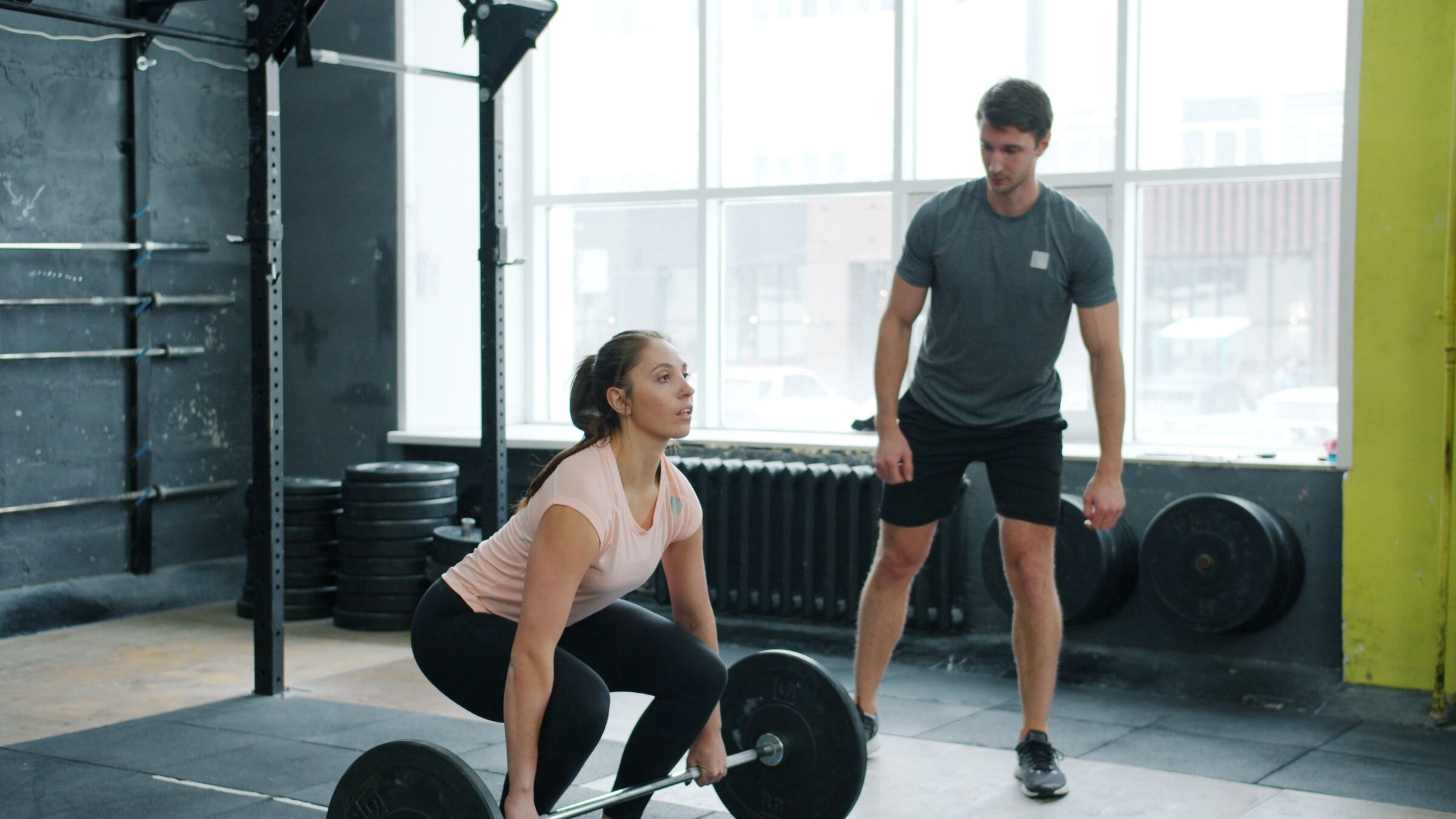
- Primary Osteogenic Lift: Barbell Deadlift (Conventional or Trap Bar) — 4 sets of 5 reps, 2 RIR, 2 to 3 minutes rest.
- Upper Body Push: Seated Barbell Overhead Press — 3 sets of 6 reps, 1–2 RIR, 2 minutes rest.
- Upper Body Pull: Chest-Supported Dumbbell Row — 3 sets of 8–10 reps, 1–2 RIR, 90 seconds rest.
- Glute Isolation: Cable Kickbacks (see our full guide on glute exercises) — 3 sets of 12 reps, 1 RIR, 60 seconds rest.
- Core & Grip: Farmer's Walk — 3 sets of 30 meters, heavy but stable, 90 seconds rest.
Workout C (Unilateral Strength, Dynamic Power & Bone Density)
- Primary Compound Lift: Barbell Box Squat (focus on explosive concentric drive) — 4 sets of 5 reps, 2 RIR, 2 minutes rest.
- Unilateral Hinge/Knee: Dumbbell Bulgarian Split Squat — 3 sets of 8 reps per leg, 1–2 RIR, 90 seconds rest.
- Upper Body Press: Incline Dumbbell Bench Press — 3 sets of 8–10 reps, 1–2 RIR, 90 seconds rest.
- Posterior Chain: Barbell Hip Thrust — 3 sets of 8–10 reps, 1 RIR, 90 seconds rest.
- Upper Back & Rotator Cuff: Face Pulls with External Rotation (supporting joint durability) — 3 sets of 15 reps, 1 RIR, 60 seconds rest.
- Core: Deadbug with Pressurized Exhale — 3 sets of 8 reps per side, 60 seconds rest.
Safety, Screening, and Medical Red Flags
While heavy lifting is remarkably safe and clinically proven to reverse bone loss, women entering midlife training must observe key medical safeguards:
Frequently Asked Questions
Frequently asked questions
Can strength training really reverse osteoporosis after menopause?
Yes. Landmark clinical trials like the LIFTMOR study demonstrate that heavy resistance training (loads exceeding 80% to 85% of 1RM) combined with impact training significantly increases bone mineral density at the lumbar spine and femoral neck in postmenopausal women with osteopenia and osteoporosis.
Will lifting heavy weights make me bulky after 40?
No. Women naturally produce 15 to 20 times less testosterone than men, and estrogen levels decline significantly in midlife. Heavy lifting builds dense, compact, metabolically active muscle that creates a sculpted, athletic physique while simultaneously preventing midlife visceral fat accumulation.
How often should a menopausal woman lift weights each week?
Two to three non-consecutive full-body sessions per week provide the optimal stimulus for bone remodeling and muscle protein synthesis while allowing 48 to 72 hours for central nervous system and connective tissue recovery.
Is walking enough exercise to maintain my bones and metabolism in menopause?
No. While walking is outstanding for cardiovascular health, mental well-being, and daily energy expenditure, it does not generate sufficient mechanical strain to exceed the osteogenic threshold required to stimulate bone-forming osteoblasts. Heavy resistance training is mandatory for bone density.
Sources
- Watson SL, Weeks BK, Weis LJ, Horan SA, Beck BR. High-Intensity Resistance and Impact Training Improves Bone Mineral Density and Physical Function in Postmenopausal Women With Osteopenia and Osteoporosis: The LIFTMOR Randomized Controlled Trial. Journal of Bone and Mineral Research. 2018;33(2):211-220. doi.org/10.1002/jbmr.3284 ↩