
When strength athletes plan their supplementation to maximize muscle growth, joint health, and workout recovery, conversations typically center on creatine monohydrate, whey protein isolate, and pre-workout caffeine. Yet beneath the surface of myofibrillar protein remodeling and systemic fatigue, an indispensable class of essential polyunsaturated fatty acids quietly dictates the structural health of every cell in your body: omega-3 fatty acids. For serious lifters pushing heavy weights week after week, omega-3 supplementation—specifically the marine-derived fatty acids eicosapentaenoic acid (EPA) and docosahexaenoic acid (DHA)—is not merely a general health supplement; it is an active ergogenic driver of anabolic signaling, neuromuscular efficiency, and rapid tissue repair.
Omega-3 fatty acids are classified as essential fats because the human body lacks the desaturase enzymes required to synthesize them de novo from basic metabolic precursors. While traditional nutritional guidelines treat omega-3s primarily as a preventative tool for cardiovascular disease, modern exercise physiology reveals that high concentrations of EPA and DHA physically incorporate into the phospholipid bilayers of skeletal muscle membranes. This cellular remodeling increases membrane fluidity, sensitizes muscle fibers to hyperaminoacidemia, modulates inflammatory signaling cascades, and protects connective tissues against chronic mechanical wear. Whether you are grinding through high-volume training blocks or battling joint stiffness from heavy compound lifts, optimizing your daily intake of EPA and DHA bridges the gap between muscular breakdown and accelerated systemic recovery. Here is the exhaustive, evidence-based guide on how omega-3s enhance athletic performance, how they alter muscle metabolism at the cellular level, and how to execute an optimal supplementation protocol.
The Cellular Biology: Sarcolemma Remodeling & Anabolic Sensitivity
To understand why omega-3 fatty acids are foundational for lifters, you must look beyond blood lipid panels and examine the structural anatomy of a muscle fiber. Every skeletal muscle cell is enclosed by a specialized, lipid-rich membrane known as the sarcolemma. The composition of this membrane is not fixed; rather, it reflects the dietary fatty acids you consume over weeks and months. When your diet is dominated by saturated fats and omega-6 vegetable oils, the sarcolemma becomes rigid and less responsive to external biochemical signals. Conversely, when you consistently consume high-potency marine omega-3s, EPA and DHA insert directly into the phospholipid bilayer, dramatically improving membrane fluidity and receptor functionality.[1]
1. Overcoming Anabolic Resistance
Muscle hypertrophy is governed by the dynamic balance between muscle protein synthesis (MPS) and muscle protein breakdown (MPB). To stimulate MPS, muscle fibers rely on the mechanistic target of rapamycin complex 1 (mTORC1) pathway, which is switched on by intracellular amino acids (particularly leucine) and mechanical tension. However, many lifters suffer from varying degrees of anabolic resistance—a state where muscle cells become desensitized to dietary amino acids and resistance exercise, requiring larger stimulus thresholds to trigger protein synthesis.
Landmark research in human exercise metabolism demonstrates that daily supplementation with marine omega-3 fatty acids augments the hyperaminoacidemia-induced activation of downstream anabolic kinases, including p70S6K and ribosomal protein S6.[1] By increasing the density and kinetic activity of amino acid transport proteins within the sarcolemma, EPA and DHA lower the threshold of dietary protein required to initiate protein synthesis. This mechanism makes omega-3s especially valuable when dieting in a caloric deficit, as well as for experienced lifters whose anabolic sensitivity naturally declines over years of hard training.
2. Anti-Catabolic Preservation of Lean Tissue
Beyond accelerating synthesis, omega-3 fatty acids exert a potent anti-catabolic effect by suppressing the ubiquitin-proteasome proteolytic pathway—the primary molecular machinery responsible for muscle protein breakdown during stressful physiological states.[1] During intense microcycles characterized by caloric restriction, high training frequency, or temporary immobilization due to injury, elevated cortisol and inflammatory cytokines accelerate the degradation of structural myofibrillar proteins. By blunting the gene expression of muscle-specific E3 ubiquitin ligases (such as MuRF1 and atrogin-1), high circulating levels of EPA actively attenuate muscle wasting, preserving hard-earned lean mass while you cut body fat.
Resolving Exercise-Induced Muscle Damage (EIMD) and Blunting DOMS
Every intense resistance workout, particularly one emphasizing eccentric overload—such as controlled lowering during the barbell full squat or deep stretching during the barbell Romanian deadlift—inflicts micro-trauma upon the sarcomeres of your muscle fibers. This structural disturbance triggers an acute inflammatory cascade characterized by the infiltration of neutrophils and pro-inflammatory M1 macrophages into the damaged tissue. While this initial immune response is biologically necessary to clear cellular debris, excessive or prolonged inflammation prolongs delayed onset muscle soreness (DOMS), causes secondary oxidative damage to healthy bystander fibers, and delays recovery.

The Science of Active Resolution: SPMs vs. NSAIDs
When lifters experience debilitating muscle soreness, their reflexive response is often to reach for over-the-counter non-steroidal anti-inflammatory drugs (NSAIDs) like ibuprofen. However, exercise science literature has repeatedly shown that high-dose NSAIDs blunt the activity of cyclooxygenase (COX) enzymes, impairing satellite cell proliferation and blunting long-term muscle hypertrophy and tendon adaptation. Omega-3 fatty acids resolve inflammation through a fundamentally different, biologically superior mechanism:
- Competition with Arachidonic Acid: EPA directly competes with the omega-6 fatty acid arachidonic acid (AA) for incorporation into cell membrane phospholipids. When an inflammatory event occurs, phospholipase enzymes liberate fatty acids from the membrane. High levels of EPA lead to the generation of 3-series prostaglandins and 5-series leukotrienes, which are drastically less inflammatory than the potent 2-series and 4-series eicosanoids derived from arachidonic acid.[1]
- Production of Specialized Pro-Resolving Mediators (SPMs): EPA and DHA are the exclusive precursors for an extraordinary family of bioactive lipid molecules called resolvins, protectins, and maresins.[1] Unlike NSAIDs, which artificially block the onset of inflammation, SPMs orchestrate the active resolution of inflammation. They halt excessive neutrophil recruitment, stimulate the non-phlogistic clearance of apoptotic cells by tissue macrophages, and promote phenotypic switching of macrophages from the destructive M1 phenotype to the pro-regenerative M2 phenotype.
- Preserving Adaptive Remodeling: Because SPMs accelerate the resolution phase without inhibiting the initial adaptive inflammatory trigger, omega-3 supplementation significantly curtails DOMS, restores maximal voluntary isometric contraction (MVIC) force production faster, and preserves the long-term hypertrophy response.
Joint Durability, Tendon Elasticity, and Cartilage Protection
For strength athletes, progress is ultimately limited by the structural tolerance of the connective tissues. Muscle tissue has a rich vascular supply and adapts relatively quickly to heavy loading; articular cartilage, ligaments, and tendons, by contrast, are avascular or hypovascular tissues with significantly slower metabolic turnover. Years of heavy pressing, pulling, and squatting subject the synovial joints—particularly the knees, hips, and shoulders—to extreme compressive and shear forces. Over time, repeated mechanical stress can trigger low-grade synovitis, degrading articular cartilage and leading to chronic joint aching.
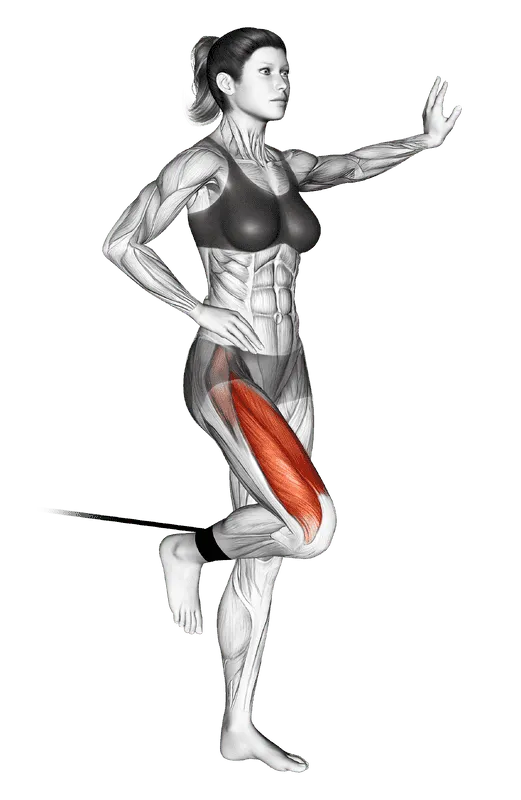

- Sets
- 3–4
- Reps
- 6–8
- Rest
- 180 s
- Tempo
- 3–1–0
1. Inhibiting Collagen-Degrading Enzymes
Within articular cartilage, chondrocytes produce extracellular matrix components (type II collagen and aggrecan) that give joints their compressive resilience. When mechanical overload or systemic inflammation increases, inflammatory cytokines such as interleukin-1 beta (IL-1β) and tumor necrosis factor-alpha (TNF-α) upregulate catabolic enzymes known as matrix metalloproteinases (MMPs) and aggrecanases (ADAMTS-4 and ADAMTS-5). These enzymes actively dismantle the proteoglycan meshwork of cartilage. Research reveals that EPA and DHA suppress the mRNA expression of these destructive matrix-degrading enzymes, preserving cartilage thickness and slowing joint space narrowing in heavily loaded athletes.[1]
2. Enhancing Synovial Fluid Viscosity
Synovial joints rely on synovial fluid—a viscous, hyaluronic-acid-rich lubricant—to eliminate friction between articulating bone surfaces. Systemic inflammation degrades the quality of synovial fluid, reducing its cushioning capacity under heavy loads. Omega-3 supplementation reduces inflammatory cytokines within the synovial membrane, restoring natural lubricant properties, decreasing morning joint stiffness, and allowing lifters to handle heavy loading without debilitating joint discomfort. When combined with the mobility and structural principles in our comprehensive joint durability guide, omega-3s form a formidable defense against training-related wear and tear.
Neuromuscular Recruitment and Cardiovascular Recovery
The ergogenic potential of omega-3 fatty acids extends beyond structural muscle repair into the realm of the central and peripheral nervous systems. Motor unit recruitment, nerve conduction velocity, and microvascular blood flow all depend on lipid membrane composition:

1. Peripheral Nerve Conduction and Motor Unit Firing
Axons and myelin sheaths in peripheral motor nerves possess exceptionally high concentrations of polyunsaturated fatty acids, particularly DHA. Supplementation with high-purity DHA enhances the fluidity of neural membranes and optimizes the kinetic gating of voltage-gated sodium and potassium channels. Controlled trials in athletic populations have demonstrated that omega-3 supplementation improves peripheral nerve conduction velocity and enhances electromyographic (EMG) muscle activation during maximal voluntary contractions.[1] In practical terms, this translates to improved rate of force development (RFD) when driving heavy weights off the chest or floor.
2. Endothelial Function and Microvascular Perfusion
During intense resistance training, working skeletal muscle demands immense increases in localized blood flow to deliver oxygen and substrates while clearing metabolic byproducts (such as hydrogen ions and inorganic phosphate). EPA stimulates endothelial nitric oxide synthase (eNOS), increasing the bioavailability of nitric oxide (NO) and promoting vascular smooth muscle relaxation. Enhanced endothelial vasodilation increases microvascular capillary perfusion to recovering muscle beds, speeding the clearance of metabolic waste and augmenting the delivery of systemic amino acids following hard workouts.
3. Autonomic Nervous System Balance (HRV)
Heart rate variability (HRV) is one of the most reliable biometric indicators of systemic recovery and autonomic nervous system balance in athletes. High HRV reflects dominant parasympathetic (rest-and-digest) tone, whereas low HRV indicates persistent sympathetic stress and under-recovery. Omega-3 fatty acids incorporate into cardiomyocytes, stabilizing cardiac electrical activity, reducing resting heart rate, and promoting accelerated parasympathetic reactivation following strenuous workouts.[1] Lifters who maintain high omega-3 status exhibit faster autonomic normalization between intense training days, reinforcing the recovery protocols outlined in our muscle recovery guide and sleep and muscle growth guide.
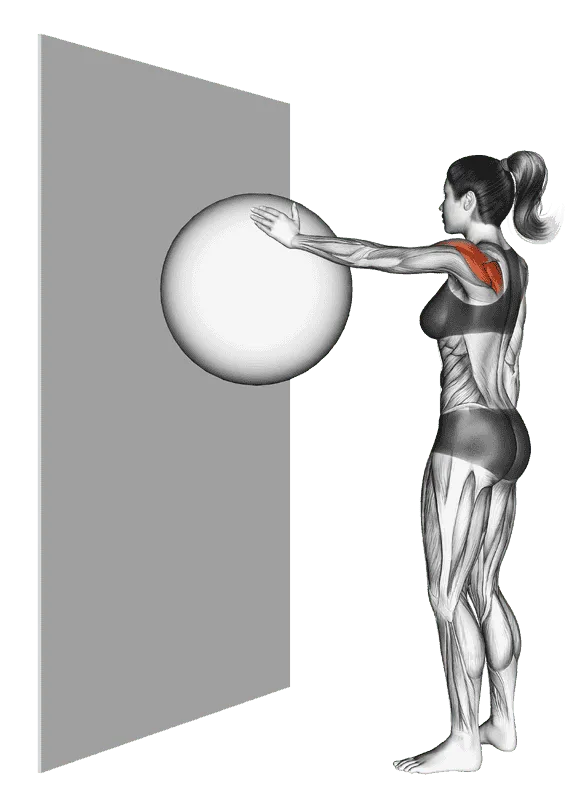
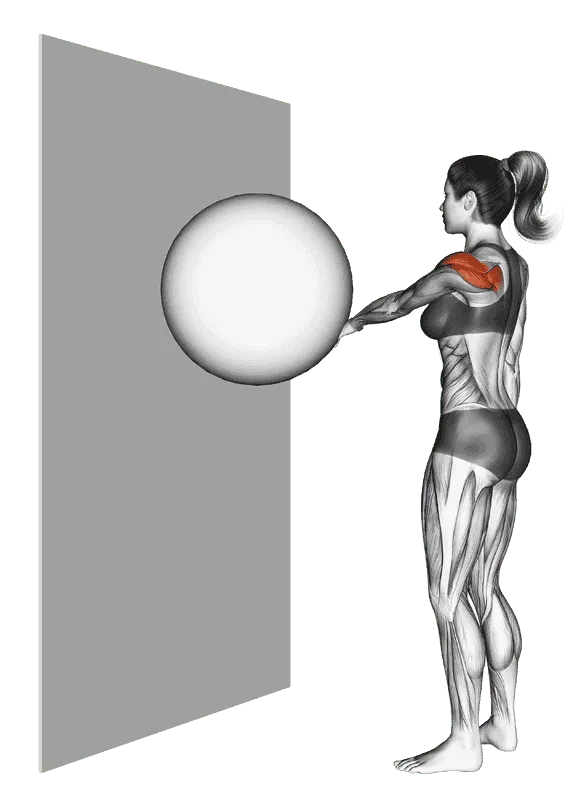
- Sets
- 3
- Reps
- 8–10
- Rest
- 120 s
- Tempo
- 3–0–1
Evidence-Based Supplementation Protocol for Athletes
To capture the physiological benefits of omega-3 fatty acids without experiencing gastrointestinal distress or purchasing ineffective, oxidized oils, strength athletes should adhere to the following evidence-based protocol:
| Parameter | Recommended Athletic Standard | Why It Matters |
|---|---|---|
| Daily Dose (EPA + DHA) | 2,000 to 3,000 mg combined | Saturates muscle membranes and suppresses pro-inflammatory eicosanoids.[1] |
| EPA to DHA Ratio | ~2:1 (e.g., 1,500 mg EPA / 1,000 mg DHA) | EPA drives anti-inflammatory resolution and MPS; DHA supports neural and joint health. |
| Molecular Form | Re-esterified Triglyceride (rTG) or Natural TG | Provides 70% higher bioavailability than synthetic ethyl ester (EE) formulations. |
| Timing | With a meal containing 10–20 g of dietary fat | Stimulates pancreatic lipase and bile salts for micellar absorption. |
| Purity Standard | IFOS 5-Star Certified / Low TOTOX (<10) | Guarantees zero heavy metals, PCBs, and minimal rancid lipid peroxides. |
1. Determining Your Elemental Target
Standard retail fish oil capsules often advertise "1,000 mg Fish Oil" on the front label, but a close examination of the supplement facts reveals only 180 mg of EPA and 120 mg of DHA (a meager 300 mg of active omega-3s per capsule, with the remaining 700 mg composed of non-essential filler fats). For athletic applications, dosages must always be calculated based on elemental EPA and DHA, not gross oil volume.
- Maintenance Athletic Dose: 1,500 to 2,000 mg of combined EPA + DHA daily.
- Intense Training / Joint Recovery Dose: 2,500 to 3,000 mg of combined EPA + DHA daily (split into morning and evening doses of 1,200 to 1,500 mg).
2. Chemical Forms: Triglyceride (TG) vs. Ethyl Ester (EE)
In nature, fatty acids in fish exist in a triglyceride (TG) structure, where three fatty acid chains are bonded to a glycerol backbone. During industrial processing and molecular distillation to concentrate EPA and DHA, manufacturers frequently replace the glycerol backbone with an ethanol molecule, creating synthetic ethyl esters (EE). While ethyl esters are cheaper to produce, human digestive enzymes (pancreatic lipase) hydrolyze ethyl ester bonds much more slowly than triglyceride bonds. Clinical bioavailability studies demonstrate that re-esterified triglycerides (rTG) deliver up to 70% greater bioavailability and result in faster erythrocyte and muscle membrane saturation compared to ethyl esters. Always look for "rTG" or "triglyceride form" on the label.
3. Purity and Oxidation (The TOTOX Value)
Because polyunsaturated fatty acids contain multiple double bonds, they are exceptionally vulnerable to heat, light, and oxygen exposure, which trigger lipid peroxidation and rancidity. Ingesting oxidized fish oil is counterproductive, introducing damaging lipid peroxides that trigger oxidative stress and gastrointestinal distress. High-quality manufacturers publish third-party testing results verified by organizations like the International Fish Oil Standards (IFOS). Look for products with an IFOS 5-Star rating and a TOTOX (Total Oxidation) value well below 10 (far below the industry ceiling of 26). A fresh fish oil capsule should have virtually no fishy odor and should never cause harsh "fish burps."
4. Plant-Based Alternatives: The Algal Oil Advantage
Vegetarian and vegan athletes frequently rely on plant sources such as flaxseeds, chia seeds, and walnuts to meet their omega-3 needs. These plant foods provide alpha-linolenic acid (ALA), an 18-carbon omega-3 fatty acid. However, in human physiology, the enzymatic conversion of ALA into biologically active EPA is extremely limited (typically under 5% to 8%), and the conversion into DHA is virtually negligible (often less than 0.5%). To obtain therapeutic levels of EPA and DHA on a plant-based diet, athletes must bypass ALA conversion and consume algal oil—the primary marine microorganism source from which wild fish obtain their omega-3s. Modern algal oil supplements provide pure, high-concentration EPA and DHA in bioavailable triglyceride forms with zero marine contaminants.
Integrating Omega-3s into Your Holistic Recovery Ecosystem
While optimizing your daily omega-3 intake provides a powerful biochemical foundation for recovery and joint health, no nutritional supplement can replace foundational training and lifestyle habits. Integrate your fatty acid protocol into a structured, comprehensive athletic routine:
- Progressive Mechanical Overload: Omega-3s sensitize muscle fibers to amino acids, but mechanical tension remains the primary mechanical stimulus for hypertrophy. Pair your supplement protocol with structured resistance workouts centered on progressive overload across compound lifts, as outlined in our progressive overload guide.
- Macronutrient Optimization: Polyunsaturated fats must be integrated into your complete dietary fat blueprint. As detailed in our breakdown of the macros guide, maintaining adequate total fat intake (0.7 to 1.2 g/kg) supports steroid hormone synthesis, fat-soluble vitamin absorption, and energetic balance.
- Synergistic Protein Intake: Combine high-dose EPA and DHA with sufficient daily protein to capitalize on enhanced mTORC1 sensitivity. Distribute 1.6 to 2.2 grams of protein per kilogram of body weight evenly across 3 to 5 meals throughout the day, following the guidelines in our masterclass on how much protein you need to build muscle.
- Restorative Sleep Architecture: Muscle remodeling and autonomic restoration culminate during slow-wave deep sleep. Combine your omega-3 protocol with evening recovery practices detailed in our sleep and muscle growth guide to ensure complete nervous system regeneration.
Frequently Asked Questions
Frequently asked questions
Can I take omega-3 fish oil on an empty stomach?
You should avoid taking omega-3 supplements on an empty stomach. Because fatty acids require bile salts and pancreatic lipase for optimal emulsification and micelle formation, consuming fish oil with a meal containing 10 to 20 grams of dietary fat increases absorption by up to 300% and eliminates gastrointestinal discomfort or reflux.
Will taking omega-3 fatty acids blunt the muscle-building stimulus like ice baths or high-dose NSAIDs?
No. While ice baths (cold water immersion) and high-dose NSAIDs blunt muscle hypertrophy by constricting microvascular blood flow or halting satellite cell activation, omega-3s work by producing Specialized Pro-Resolving Mediators (SPMs). SPMs resolve excessive inflammation after cellular signaling has occurred, preserving and potentially enhancing long-term muscular adaptations.
How long does it take for omega-3 supplements to work for joint pain and muscle recovery?
Incorporating EPA and DHA into red blood cell membranes and skeletal muscle sarcolemmas requires consistent daily intake over 4 to 8 weeks. While minor reductions in acute soreness may be noticed within 2 to 3 weeks, meaningful improvements in joint lubrication, cartilage preservation, and anabolic sensitivity typically manifest after 6 to 12 weeks of continuous supplementation.
Do I need fish oil if I eat salmon two or three times a week?
Consuming wild cold-water fatty fish (such as wild salmon, mackerel, sardines, or anchovies) two to three times per week provides roughly 1,000 to 1,500 mg of combined EPA and DHA per serving, which satisfies baseline cardiovascular requirements. However, hard-training strength athletes seeking therapeutic benefits for joint durability and intense EIMD recovery benefit from daily supplementation to maintain constant cellular saturation.
Sources
- Philpott JD, Witard OC, Galloway SDR. Applications of omega-3 polyunsaturated fatty acid supplementation for sport performance. Research in Sports Medicine. 2019. doi.org/10.1080/15438627.2018.1550401 ↩