
Periodization for strength is the systematic, purposeful planning of training volume, intensity, and recovery across structured timeframes to maximize maximal force production while preventing chronic fatigue and overtraining. When you first begin resistance training, progress is straightforward: adding five pounds to the barbell every session—a classic linear progression—reliably yields rapid increases in raw strength. However, as neuromuscular efficiency improves and your physical capacity approaches your genetic ceiling, linear gains inevitably stall. Attempting to force continued strength adaptations through brute-force exertion without planned variation leads directly to joint pain, central nervous system burnout, and stubborn performance plateaus.
To achieve sustained, long-term strength development, lifters must transition from arbitrary workout routines to periodized programming. By organizing training into macrocycles (months to years), mesocycles (weeks to months), and microcycles (days to weeks), periodization allows you to cycle through complementary physical qualities—such as muscular hypertrophy, work capacity, and neuromuscular drive—while managing fatigue. Whether your objective is adding 20 kilograms to your barbell squat, breaking a stubborn bench press barrier, or building durable athletic power, mastering the scientific principles of periodization is essential for continuous progress.
The Physiological Foundations of Periodization
To understand why planned training cycles outperform haphazard gym routines, we must look at the physiological mechanisms that govern human stress and adaptation. Periodization is not merely an arbitrary scheduling method; it is an applied biological framework designed to navigate three foundational models of exercise science: Selye's General Adaptation Syndrome, Banister's Fitness-Fatigue Model, and the Stimulus-Recovery-Adaptation curve.
1. General Adaptation Syndrome (GAS)
Formulated by endocrinologist Hans Selye in 1936, the General Adaptation Syndrome outlines how biological organisms respond to external physiological stressors:
- Alarm Phase (Shock): When a lifter encounters an unaccustomed training stimulus—such as heavy triples or high-volume compound lifts—the body experiences acute muscle damage, glycogen depletion, and elevated cortisol. Performance drops temporarily below baseline.
- Resistance Phase (Supercompensation): Provided the stressor is removed and adequate nutrition and sleep are supplied, the physiological system adapts. Myofibrillar protein synthesis repairs structural fibers, motor unit firing rates increase, and connective tissues remodel, elevating performance above the previous baseline.
- Exhaustion Phase (Overtraining): If the high-intensity stressor persists indefinitely without scheduled relief, the physiological reserves are overwhelmed. Chronic systemic inflammation, hormonal dysregulation, and performance degradation occur.
Periodization systematically introduces progressive training stimuli during the resistance phase, followed by strategically placed recovery periods (such as a planned deload) to prevent the exhaustion phase entirely.
2. Banister's Fitness-Fatigue Model
A common misconception among lifters is that daily gym performance reflects fitness alone. In reality, your athletic preparedness on any given day is the net sum of two opposing physiological responses. First described by Eric Banister, the two-factor model establishes that every workout creates:
- A Fitness Effect: A positive adaptation (e.g., increased muscle cross-sectional area, enhanced neural recruitment, tendon stiffness) that has a long duration and decays slowly over 14 to 28 days.
- A Fatigue Effect: A negative biological toll (e.g., central nervous system depression, localized metabolic fatigue, tissue micro-trauma) that is intense but decays rapidly over 2 to 7 days.
Comprehensive scientific literature demonstrates the clear superiority of periodized programming over non-periodized approaches. A landmark systematic review and meta-analysis conducted by Williams and colleagues evaluated 18 comparative studies and confirmed that periodized resistance training elicits significantly greater improvements in maximal strength (1RM) compared to non-periodized training across both trained and untrained individuals.[1]


- Sets
- 3–4
- Reps
- 4–6
- Rest
- 180 s
- Tempo
- 3–1–1
The Primary Periodization Models Explained
Exercise physiologists and strength coaches have developed several distinct periodization architectures to manipulate the volume-intensity relationship. Each model carries distinct advantages depending on your training age, athletic goals, and competition schedule.
1. Linear Periodization (The Classic Model)
Developed by Soviet sports scientist Leonid Matveyev, Linear Periodization (LP) organizes training along a continuum that transitions steadily from high volume and low intensity to low volume and high intensity over several weeks or months. A standard 12-week linear cycle often progresses through three distinct macro-stages:
- Weeks 1–4 (Hypertrophy / Work Capacity): 3–4 sets of 8–12 repetitions at 65%–72% of one-rep max. The objective is to build muscle mass, strengthen connective tissues, and develop work capacity.
- Weeks 5–8 (Basic Strength): 3–4 sets of 5–6 repetitions at 75%–82% of 1RM. The focus shifts toward heavier mechanical tension and increased motor unit synchronization.
- Weeks 9–12 (Maximal Strength / Peaking): 3–5 sets of 2–3 repetitions at 85%–92% of 1RM, followed by a taper to test maximum singles.
Strengths: Simple to execute, highly predictable, and exceptionally effective for novice and early intermediate lifters who can sustain steady week-to-week overload.
Limitations: Because physical qualities are trained sequentially in isolation, adaptations developed early (such as aerobic capacity and cellular hypertrophy) begin to decay by the time the lifter reaches the peaking phase.

2. Undulating Periodization (Daily & Weekly Waves)
To overcome the decay of unmaintained physical traits, Undulating Periodization introduces frequent, cyclical fluctuations in volume and intensity. Instead of spending an entire month at one repetition range, variables change on a daily or weekly basis.
Daily Undulating Periodization (DUP)
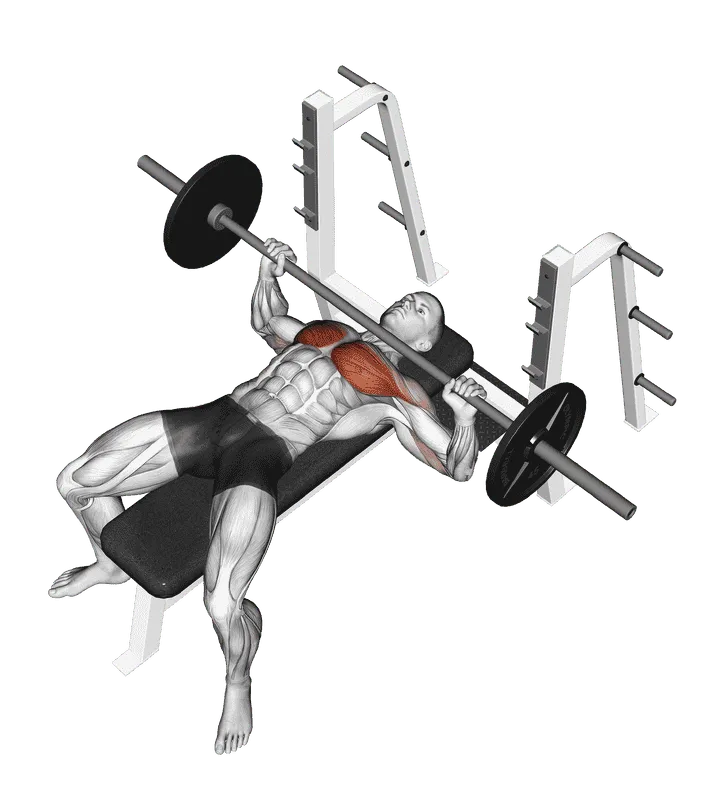
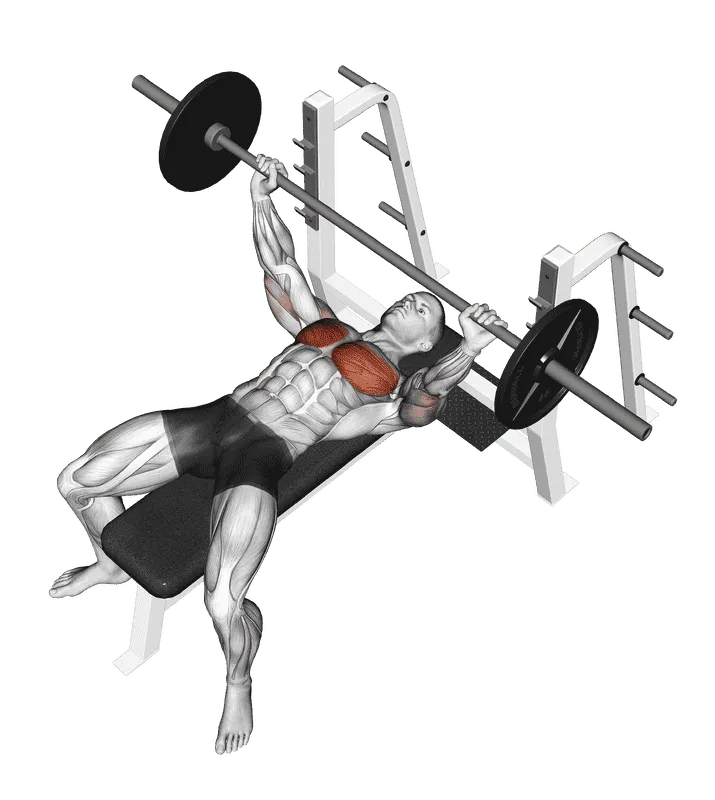
In a DUP framework, every workout within a 7-day microcycle emphasizes a different physical objective. For example, a lifter performing the Barbell Bench Press three times per week might structure their sessions as follows:
- Monday (Hypertrophy Day): 4 sets of 8–10 repetitions at 70% 1RM (RPE 7–8).
- Wednesday (Power / Speed Day): 5 sets of 3 repetitions at 75% 1RM performed with maximum concentric bar speed (RPE 6–7).
- Friday (Maximal Strength Day): 4 sets of 3–5 repetitions at 82%–87% 1RM (RPE 8–9).
Because motor units are stimulated across diverse loading zones every week, DUP prevents cellular accommodation, maintains hypertrophy pathways, and refines high-intensity motor skills concurrently.
Weekly Undulating Periodization (WUP)
In WUP, fluctuations occur from week to week rather than day to day:
- Week 1: Hypertrophy (3 sets of 10 reps @ 68% 1RM)
- Week 2: Strength (4 sets of 6 reps @ 78% 1RM)
- Week 3: Power/Max (5 sets of 3 reps @ 86% 1RM)
- Week 4: Deload / Active Recovery (2 sets of 5 reps @ 65% 1RM)
- Sets
- 3–5
- Reps
- 3–5
- Rest
- 150 s
- Tempo
- 2–1–1
3. Block Periodization (The Advanced Paradigm)
Pioneered by Dr. Vladimir Issurin, Block Periodization is designed specifically for advanced lifters who can no longer adapt to multiple stimuli simultaneously. In advanced trainees, attempting to develop hypertrophy, maximal strength, and power all at once creates conflicting molecular signaling pathways (such as mTOR vs. AMPK interference) and dilutes total adaptive reserves.
Block periodization resolves this conflict by concentrating high training volumes on a single, isolated physical quality within specialized mesocycles called "blocks." Each block capitalizes on the biological phenomenon of residual training effects—the retention of athletic adaptations after the cessation of training:
- Accumulation Block (3–4 weeks): Characterized by high volume and moderate intensity (60%–75% 1RM, sets of 8–12). The goal is cross-sectional muscle growth, technical consistency, and metabolic conditioning. Residual effect: lasts approximately 30 days.
- Transmutation Block (3–4 weeks): Volume is reduced while intensity rises to 80%–88% 1RM (sets of 4–6). This block converts the newly built muscle into specialized maximal force production by challenging the nervous system. Residual effect: lasts approximately 15–20 days.
- Realization Block (1–2 weeks): Training volume drops by 50%–60% while intensity peaks at 90%–95%+ 1RM (sets of 1–3). This phase allows accumulated fatigue to dissipate completely, enabling the lifter to express peak strength in competition or testing.
- Sets
- 3–4
- Reps
- 3–5
- Rest
- 180 s
- Tempo
- 2–1–1
Comparing the Three Major Periodization Models
| Feature | Linear Periodization (LP) | Daily Undulating (DUP) | Block Periodization |
|---|---|---|---|
| Best For | Beginners & Early Intermediates | Intermediate & Advanced Lifters | Advanced & Competitive Athletes |
| Variable Variation | Gradual shift across 8–16 weeks | Fluctuates session to session | Concentrated blocks of 2–4 weeks |
| Primary Strength | Uncomplicated progressive overload | High frequency, low boredom, concurrent gains | Eliminates adaptive interference |
| Main Drawback | Decay of early adaptations | Fatigue management requires strict discipline | Requires deep programming knowledge |
| Fatigue Profile | Predictable, builds toward end | Variable, requires autoregulation | High during accumulation, drops in realization |
| Skill Practice | Changes rep cadence over time | Constant practice across all loads | Focuses on specific velocities per block |

How to Structure a 12-Week Periodized Strength Plan
To see how these principles come together in real-world training, consider the following 12-week hybrid periodization blueprint. This program utilizes an Accumulation–Transmutation–Realization structure while employing daily undulation for accessory lifts. It is designed to drive progressive overload on core compound movements while keeping joint stress sustainable.
Mesocycle 1: Accumulation & Hypertrophy (Weeks 1–4)
- Objective: Increase myofibrillar hypertrophy and structural work capacity.
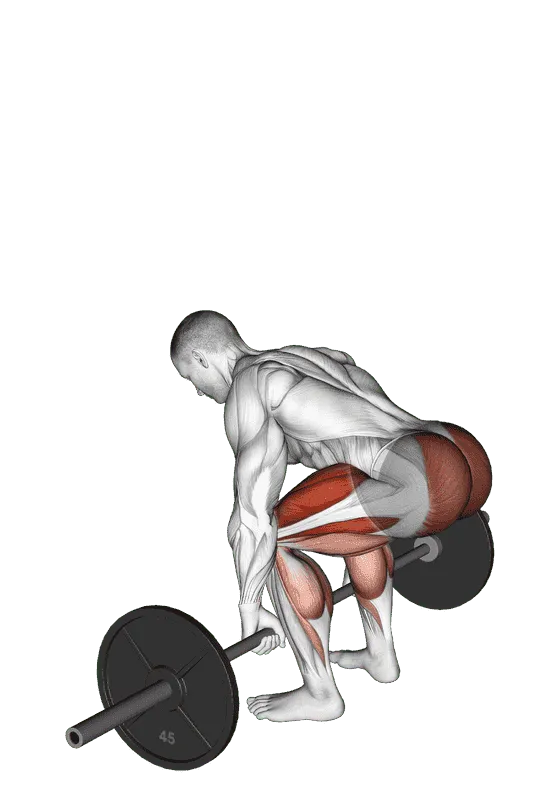
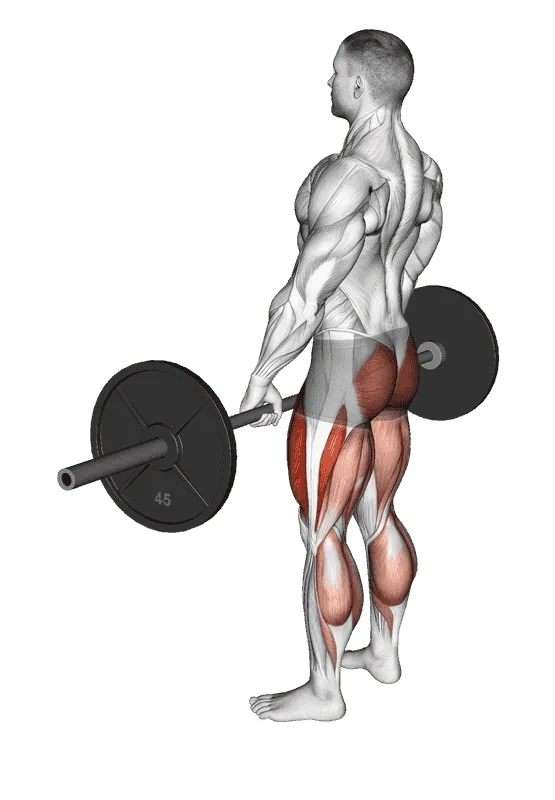
- Compound Lifts: 4 sets of 8 reps @ 68%–72% 1RM (Target RIR 3–4).
- Accessory Volume: 3–4 sets of 10–12 reps.
- Deload (Week 4): Reduce sets by 50%, maintain 70% load, stay at RIR 4–5.
Mesocycle 2: Transmutation & Strength (Weeks 5–8)
- Objective: Maximize high-threshold motor unit recruitment and rate coding.
- Compound Lifts: 4–5 sets of 4–5 reps @ 78%–84% 1RM (Target RIR 2–3).
- Accessory Volume: 3 sets of 6–8 reps.
- Deload (Week 8): Reduce sets by 50%, maintain 80% load, stay at RIR 3–4.
Mesocycle 3: Realization & Peaking (Weeks 9–12)
- Objective: Dissipate systemic fatigue and realize maximal neuromuscular force.
- Week 9: 3 sets of 3 reps @ 87% 1RM (RIR 2).
- Week 10: 3 sets of 2 reps @ 90%–92% 1RM (RIR 1–2).
- Week 11 (Taper): 2 sets of 1 rep @ 85% 1RM, minimal accessories.
- Week 12 (Peak / Test): Warm up to new 1RM attempts on the squat, bench press, and deadlift.
One-rep max calculator
(Epley , Brzycki )
| % of 1RM | Load |
|---|---|
Estimates are most accurate between 2 and 10 reps. Test a true 1RM only with a spotter and a proper warm-up.
Integrating Autoregulation: RPE and Velocity
Even the most meticulously designed spreadsheet cannot account for unexpected biological fluctuations. Life stressors, poor sleep, nutritional deficits, and occupational demands directly impact your daily physiological capacity. If your program prescribes a rigid 150 kg squat on a day when you are operating on four hours of sleep, attempting that load can lead to technical breakdown or injury.
This is where autoregulation complements periodization:
- Rate of Perceived Exertion (RPE): Based on the Reps in Reserve (RIR) scale, RPE allows you to adjust the weight on the bar based on how many repetitions you could complete before reaching muscular failure. For example, prescribing "3 sets of 5 reps @ RPE 8" ensures that you work with a load that leaves exactly 2 reps in the tank, regardless of whether your absolute strength is elevated or suppressed on that specific day.
- Velocity-Based Training (VBT): Advanced lifters can monitor mean concentric bar speed using linear position transducers or camera-based apps. Because bar velocity correlates strongly with percentage of 1RM, a drop in velocity at warm-up weights signals acute neuromuscular fatigue, prompting a planned load reduction.
Pairing structured periodized cycles with real-time autoregulation and smart proximity to muscular exhaustion—as detailed in our guide on training to failure—creates an adaptable training system that drives steady progress while keeping injury rates exceptionally low. If you need a comprehensive, structured routine that builds total-body durability, explore our 8-Week Full Body Fitness Builder.
Common Periodization Mistakes and How to Fix Them
- Changing Exercises Too Frequently: Periodization manipulates volume and intensity—not the core movements themselves. Switching from back squats to leg presses to hack squats every two weeks makes it impossible to track neuromuscular adaptations. Keep your primary compound lifts stable across a mesocycle.
- Treating Deloads as Optional: Skipping planned deload weeks allows fatigue to accumulate silently. When systemic fatigue equals fitness, performance stagnates. Respecting the deload is what allows supercompensation to manifest.
- Overcomplicating the Math: You do not need complex algorithms or differential calculus to periodize. The fundamental goal is simple: manage fatigue so you can lift heavier weights and accumulate productive volume over time.
- Ignoring Specificity: If your primary goal is maximal strength, spending 80% of your training year in high-rep endurance ranges will blunt your neural drive. Ensure your mesocycles align with your specific performance objectives. For a deeper breakdown of how training parameters differ between goals, review our analysis on strength vs hypertrophy.
Frequently asked questions
What is the main difference between linear and undulating periodization?
Linear periodization gradually transitions from high volume and low intensity to low volume and high intensity over several months, whereas undulating periodization changes volume and intensity frequently—either on a daily (DUP) or weekly (WUP) basis—to train multiple physical qualities concurrently.
How often should I include a deload week in a periodized program?
Most intermediate and advanced lifters benefit from a deload week every 4 to 8 weeks. Lifters handling exceptionally heavy loads or accumulating high weekly volumes typically require a deload every 4 to 5 weeks, while lighter or less experienced lifters can often train for 6 to 8 weeks before needing a reduction in volume.
Can beginners use periodization, or is it only for advanced athletes?
Beginners already use the simplest form of periodization: linear progression. While novices do not need complex block or undulating schemes because their bodies adapt rapidly to steady loading, understanding the basics of volume, intensity, and recovery helps them transition smoothly once their initial linear gains plateau.
Does periodization build more muscle than non-periodized training?
Yes. Systematic research demonstrates that periodized resistance training produces superior muscle hypertrophy and maximal strength compared to non-periodized training. By managing fatigue and progressively overloading mechanical tension, periodization creates a more sustainable environment for long-term muscle protein synthesis.
Sources
- Williams TD, Tolusso DV, Fedewa MV, Esco MR. Comparison of Periodized and Non-Periodized Resistance Training on Maximal Strength: A Meta-Analysis. Sports Medicine. 2017. doi.org/10.1007/s40279-017-0734-y ↩