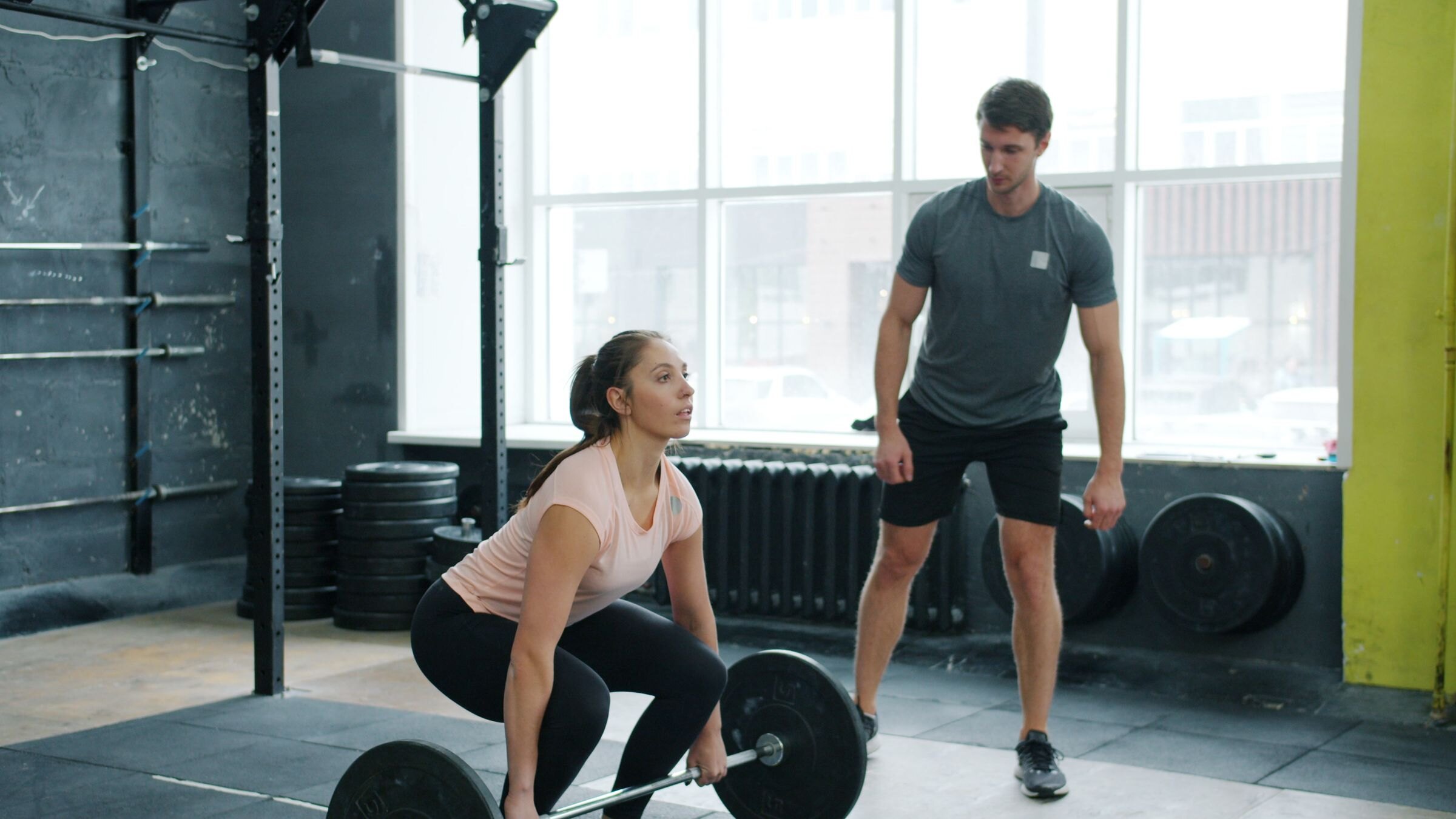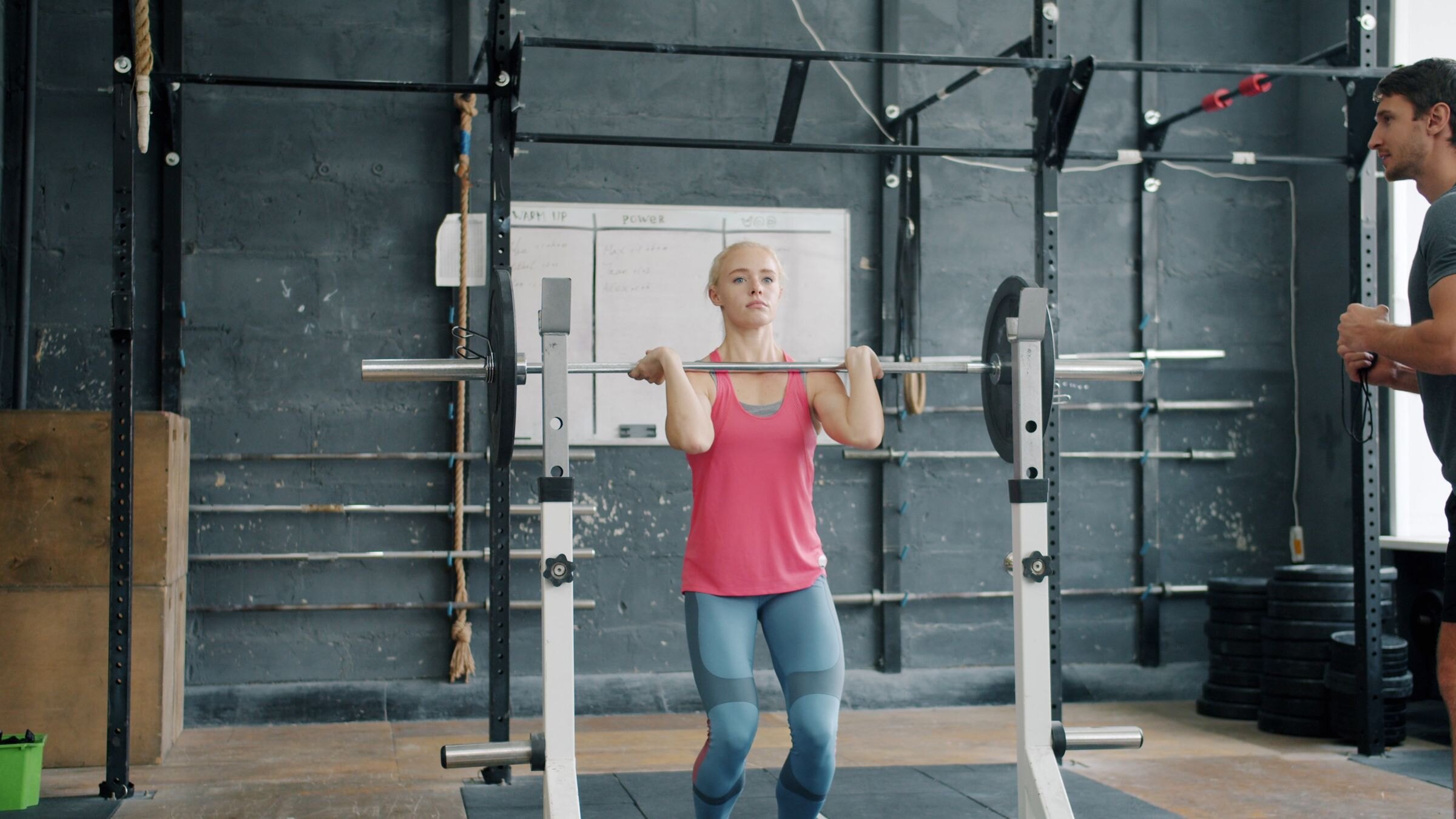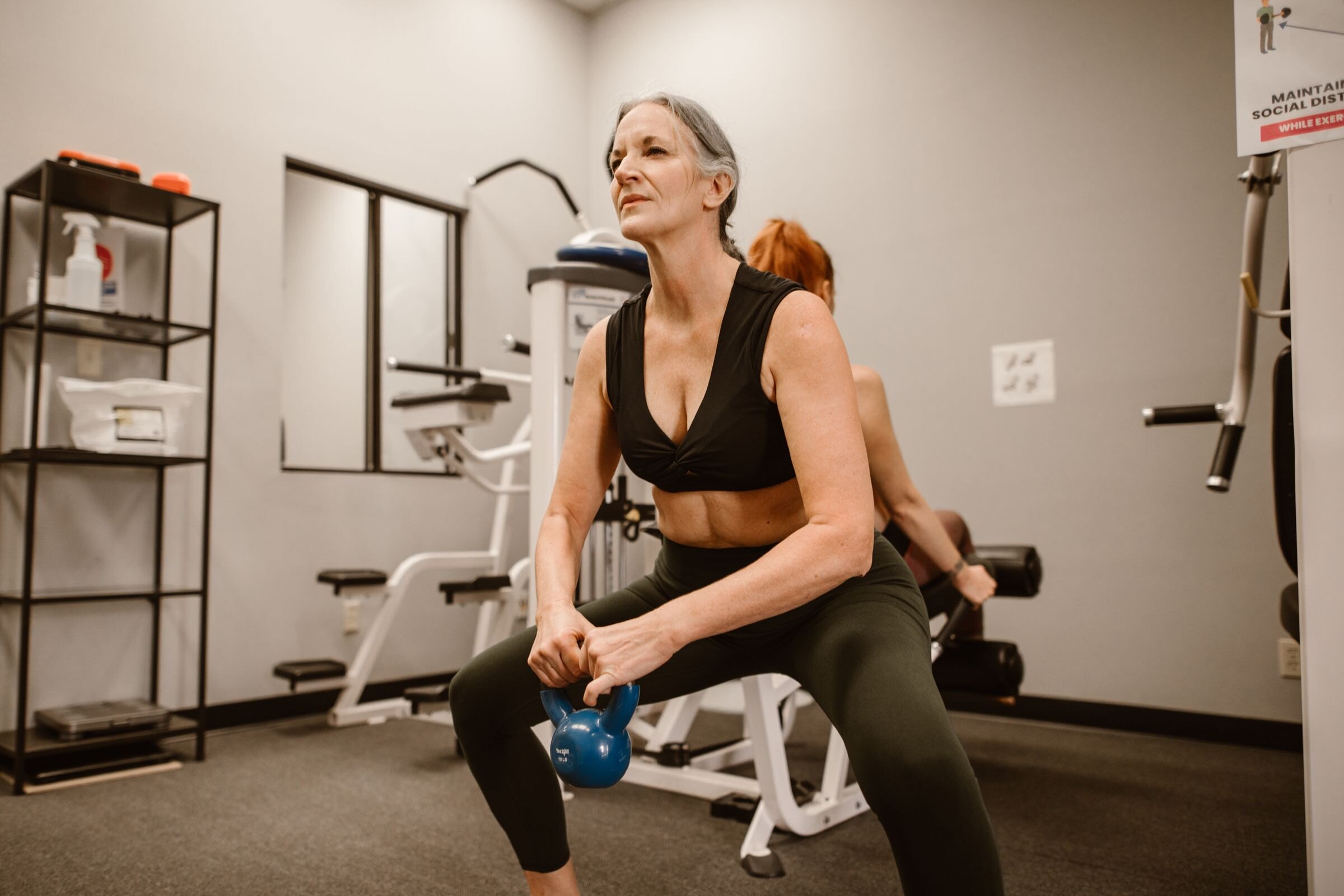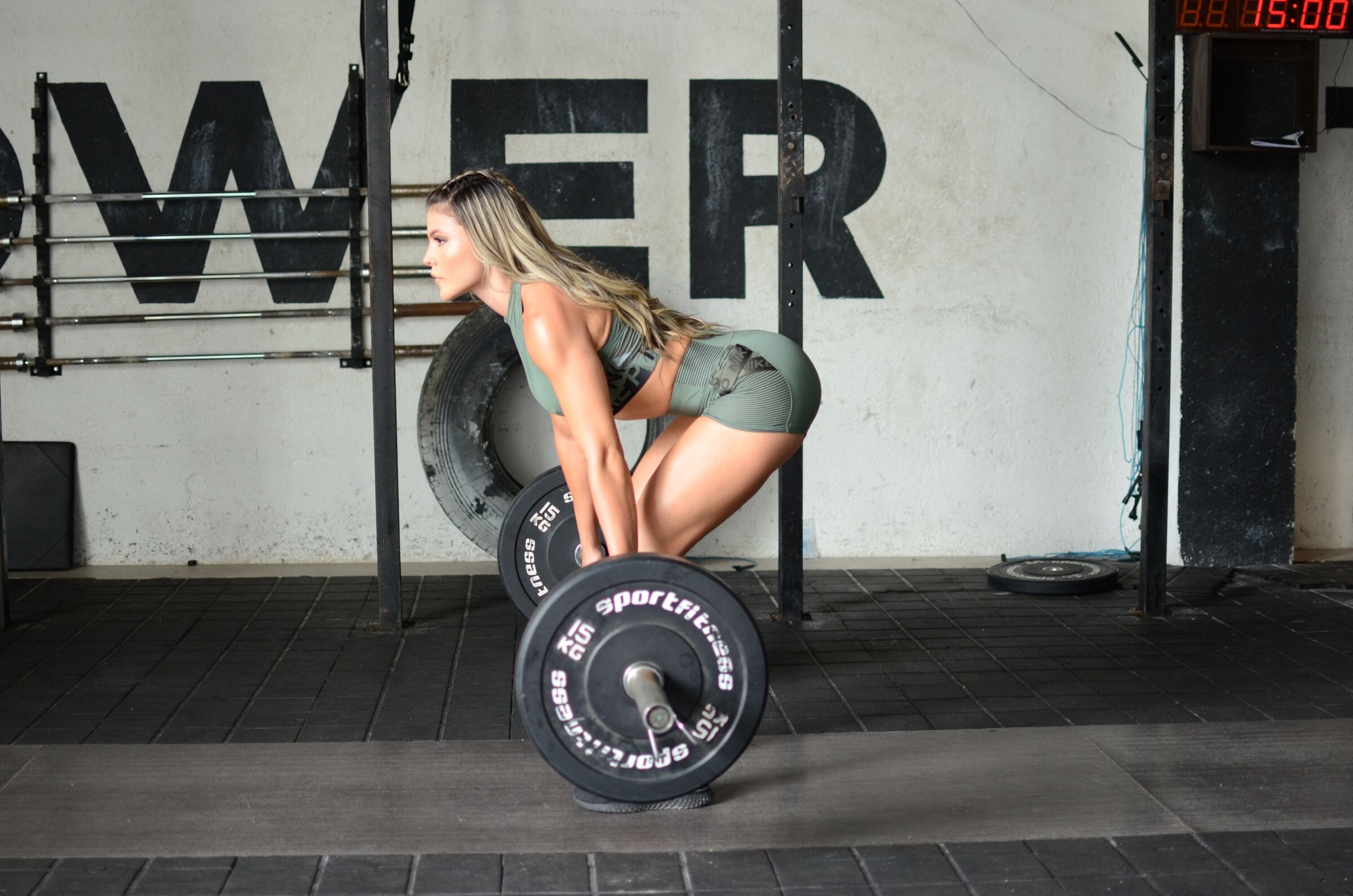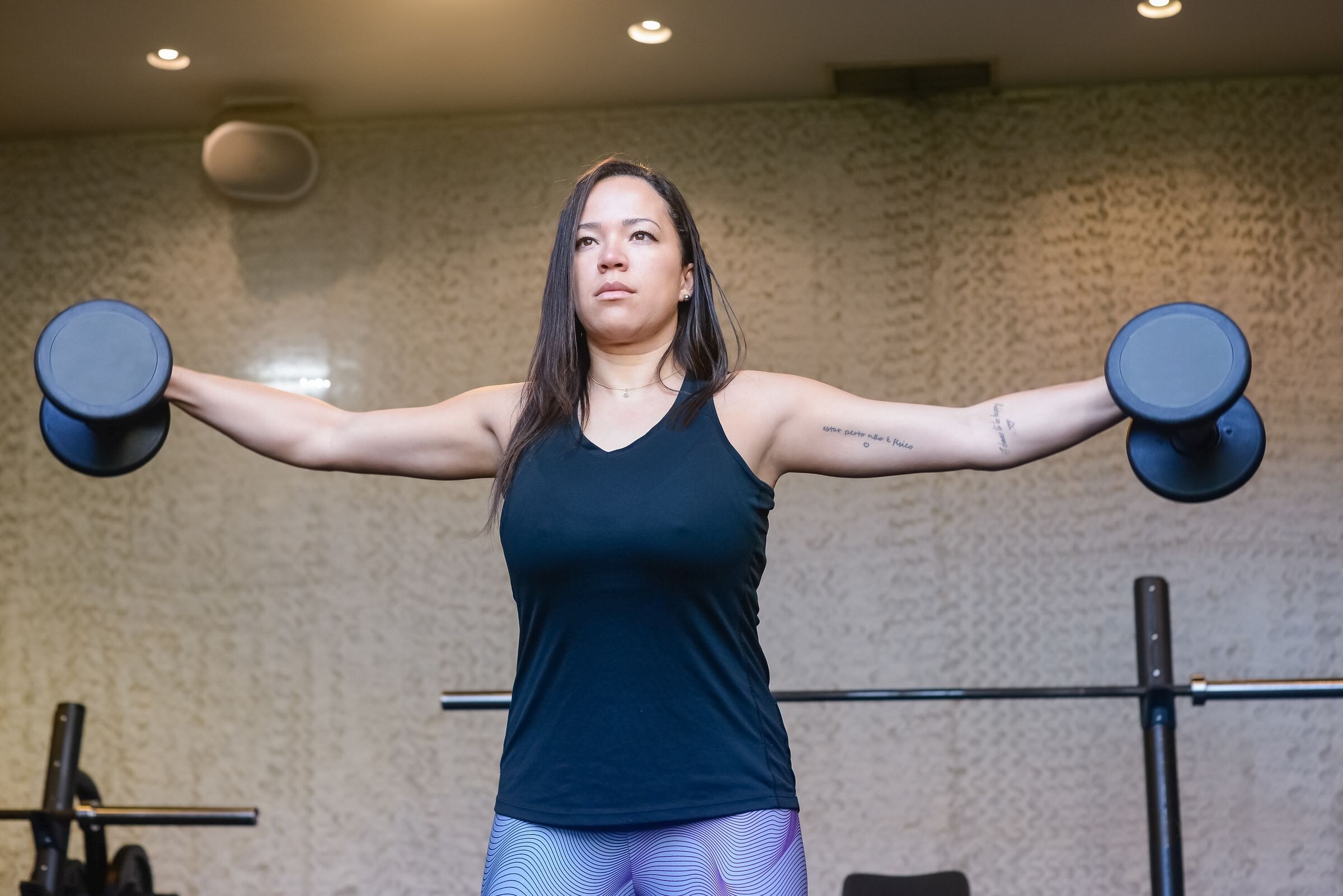
Walk onto almost any gym floor and you will see dozens of women training squats, hip thrusts, and lunges with impressive intensity while treating upper-body day as a five-minute afterthought with light dumbbells. Yet an evidence-based upper body workout for women is the missing half of a balanced, athletic physique: progressive resistance training builds sculpted shoulders, a tapered upper back, firm arms, resilient posture, and rapid strength gains without ever making you look bulky.[1]
Skipping upper-body training leaves remarkable physical and visual benefits on the table. Strengthening your back, shoulders, chest, and arms balances lower-body curves, eliminates the rounded shoulder posture caused by hours at a desk or phone, protects bone mineral density in the spine and wrists, and makes everyday tasks—from hoisting carry-on luggage overhead to carrying groceries or children—feel effortless.
In this Fitnesskar masterclass, we break down the exact physiology of female upper-body growth, why proportional shoulder and back width makes your waist look noticeably smaller, how to unlock your first crisp push-up and pull-up, and a complete two-day training blueprint you can run in any gym.
Why Women Respond So Well to Upper-Body Strength Training
Two persistent myths still hold women back from serious upper-body lifting: the fear that heavy rows or presses will create broad, masculine bulk, and the belief that women are "naturally bad" at upper-body movements because push-ups and pull-ups feel so hard at first. Exercise physiology refutes both ideas completely.
Baseline Muscle Distribution vs. Relative Growth Potential
Anatomically, untrained women carry a larger share of their total skeletal muscle mass in the hips and thighs and roughly 40% to 45% less absolute upper-body muscle mass than untrained men. Because exercises like floor push-ups and pull-ups require moving a high percentage of your total body weight using those smaller upper-body muscles, struggling with bodyweight pushing or pulling as a beginner is simple physics, not a personal weakness.
Once you start training with structured resistance, however, female upper-body muscles adapt at an extraordinary pace. In a landmark systematic review and meta-analysis published in Sports Medicine, Amanda Hagstrom and colleagues pooled 24 controlled resistance-training trials conducted exclusively in healthy adult women spanning 4 weeks to 12 months.[1] The researchers found that resistance training produced a large, statistically significant increase in female upper-body dynamic strength alongside meaningful muscular hypertrophy, and revealed that training frequency and sets per exercise were key drivers of how much upper-body strength women gained.[1]
Even more encouraging, sex-comparison research consistently shows that while men lift heavier absolute loads, women gain equal or slightly greater relative percentage strength in their upper bodies during structured training blocks. Because your upper body starts further from its genetic ceiling, consistent progressive overload delivers visible definition in your shoulders, collarbone area, upper back, and arms faster than almost anywhere else on your frame.
Why Heavy Dumbbells Sculpt Rather Than Bulk
As we detailed in our Women's Hypertrophy Guide, resting circulating testosterone in healthy adult women is roughly 15 to 20 times lower than in men. Building thick, competition-level bodybuilder mass requires years of specialized high-volume training, a sustained calorie surplus, and an endocrine profile women simply do not possess naturally.
What most women call "toning" or "sculpting" has a clear physiological definition: building lean myofibrillar muscle tissue while maintaining a healthy body-fat percentage. Swinging 1.5 kg (3 lb) dumbbells for 30 effortless repetitions does not generate enough mechanical tension to recruit high-threshold motor units, so the muscle shape underneath the skin never changes. Lifting weights that challenge you between 6 and 15 repetitions builds dense, firm muscle bellies that give your arms, shoulders, and back sleek athletic lines even at rest.
The Biomechanics of Proportions: How Shoulders and Lats Create an Hourglass Frame
If your physique goal includes a balanced hourglass or "X-frame" silhouette, training only your lower body solves just half of the equation. Human visual perception judges proportions by ratios—specifically your shoulder-to-waist ratio and waist-to-hip ratio—rather than by tape-measure waist circumference alone.
While our Glute Hypertrophy Guide covers how to build lower-body curve from the waist down, strategic upper-body training builds the upper half of that X-frame through three distinct anatomical mechanisms:
- The Lateral Deltoid Cap (Top-of-Frame Width): Your deltoid has three functional heads: anterior (front), lateral (side), and posterior (rear). Only the lateral deltoid sits directly on the outside edge of your shoulder joint. Adding even 1 to 2 cm (0.4 to 0.8 in) of lean muscle to your lateral deltoids rounds out your shoulder line and immediately makes your waist appear narrower by contrast, without requiring extreme dieting.
- The Latissimus Dorsi Sweep (Vertical Taper): Your lats originate along the lower thoracic spine and iliac crest and fan upward to insert onto the upper arm bone (humerus). Strengthening the outer lats with vertical pulling movements creates a subtle diagonal taper from under the armpit down toward the waist.
- Thoracic Extension and Scapular Retraction (Instant Postural Lift): Hours spent typing or looking down at a phone shorten the pectoral muscles and lengthen the rhomboids, middle trapezius, and rear deltoids. When your shoulders roll forward, your upper back rounds and your rib cage sinks, compressing your midsection. Strengthening your mid-back and rear shoulders pulls your shoulder blades back into neutral alignment, opens your collarbone, and elongates your torso all day long.
The 6 Pillar Movements of an Effective Female Upper-Body Program
You do not need fifteen circus exercises to sculpt your upper body. A truly effective upper body workout for women revolves around six biomechanical movement patterns that hit every region of your back, shoulders, chest, and arms through a full range of motion.
1. Vertical Pulling: Cable Wide-Grip Lat Pulldown
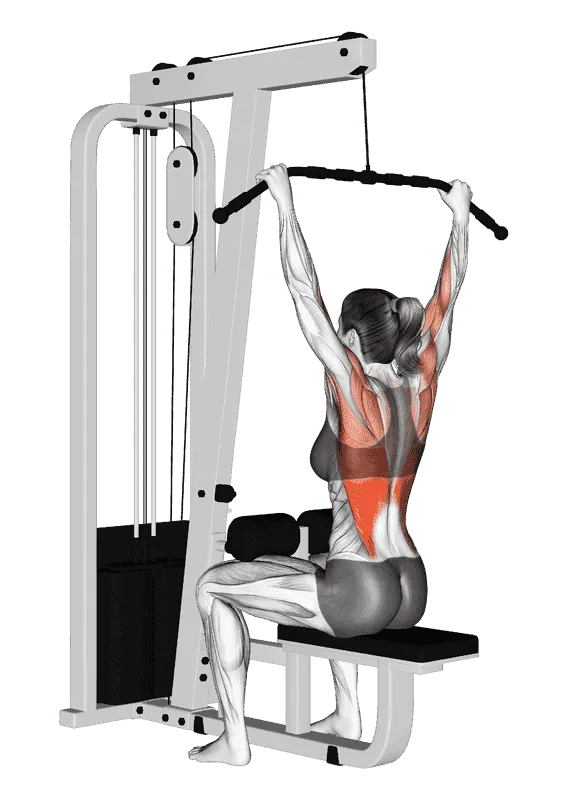
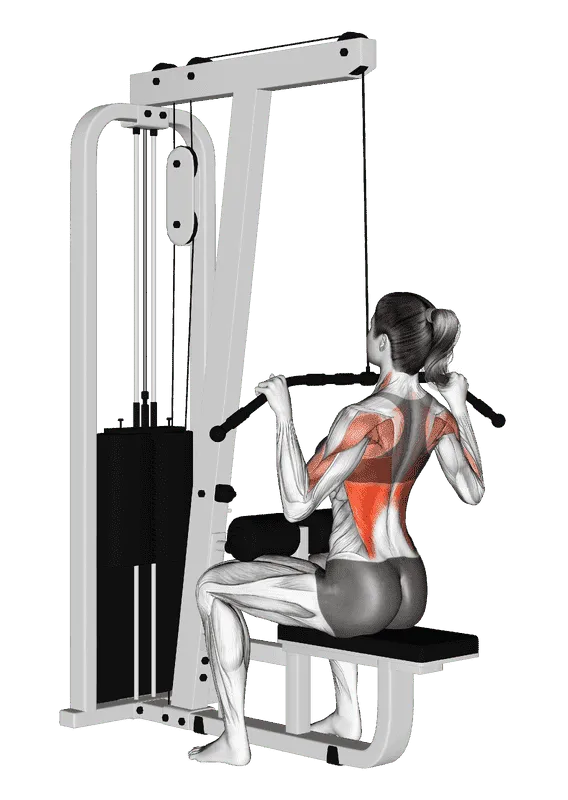
The cable wide-grip lat pulldown is the foundational builder for upper-back width and vertical pulling strength. Unlike unassisted pull-ups, the selectorized weight stack lets you choose the exact load needed to complete 8 to 12 controlled repetitions with textbook scapular mechanics.
- Sets
- 3–4
- Reps
- 8–12
- Rest
- 90 s
- Tempo
- 3–0–1
Coaching cues: Secure the thigh pad snugly over your legs so the stack does not lift you off the seat. Keep your chest tall with a slight 10- to 15-degree lean from the hips—never turn the pulldown into a wild lean-back row. Think of your hands as passive hooks and focus on driving your elbows straight down toward your side pockets, then allow the bar to rise over three full seconds until your lats feel a deep stretch overhead.
2. Lateral Shoulder Sculpting: Cable and Dumbbell Lateral Raises
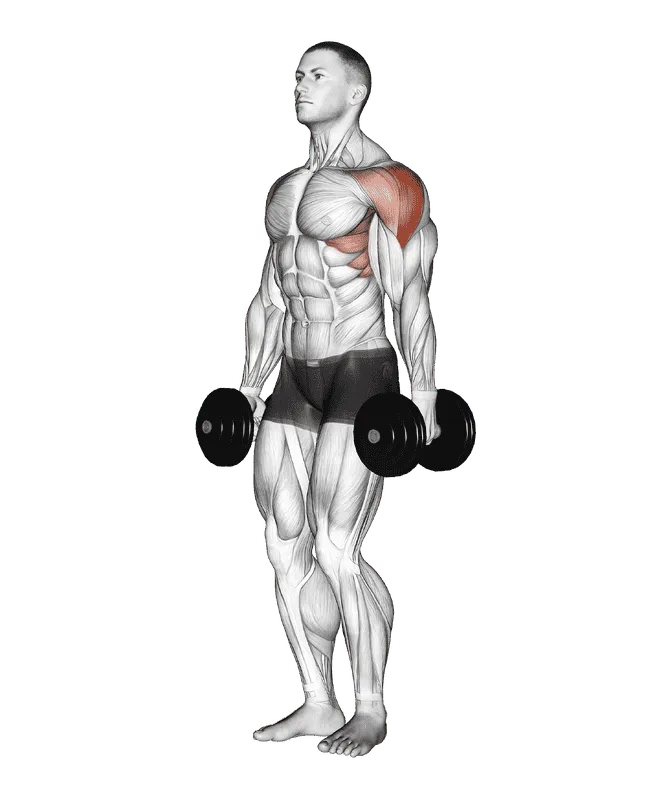
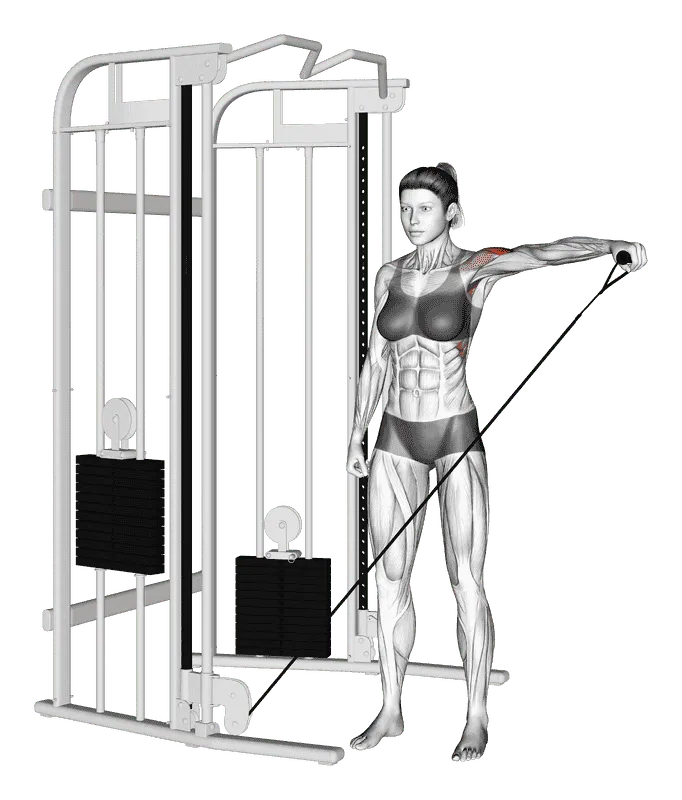
To isolate the side deltoids that create "capped" athletic shoulders, combine the constant tension of the cable one-arm lateral raise with the classic dumbbell lateral raise. While dumbbells load the muscle heaviest at the top 90-degree position, a low cable pulley challenges the side deltoid right from the bottom stretched position across your hips.

- Sets
- 3
- Reps
- 12–15
- Rest
- 60 s
- Tempo
- 2–1–1
Coaching cues: Whether you use cables or dumbbells, avoid raising your arms straight out at a rigid 90-degree angle to your sides. Instead, raise your arms 20 to 30 degrees forward of your torso (the scapular plane), which aligns cleanly with your shoulder socket and eliminates subacromial pinching. Keep a soft bend in your elbow and resist the urge to shrug your upper traps toward your ears.
3. Overhead Pressing: Dumbbell Seated Shoulder Press
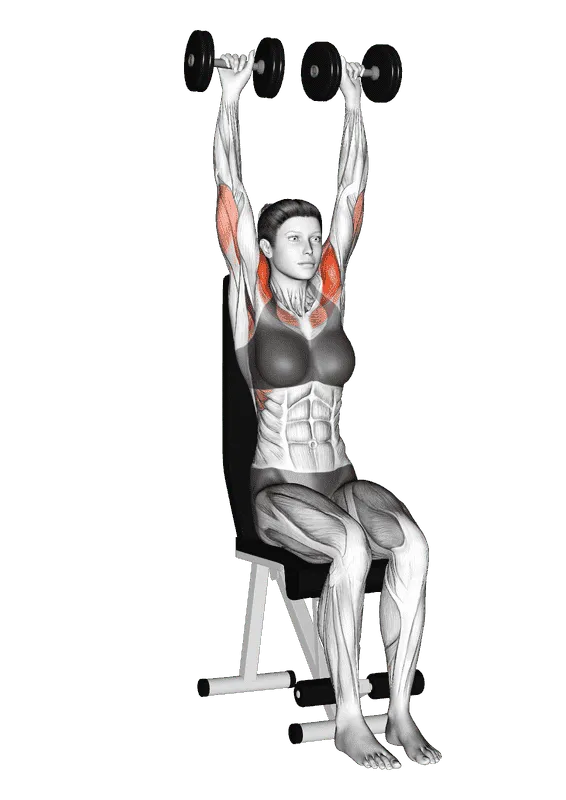
Compound overhead pressing builds balanced strength across your anterior and lateral deltoids while recruiting your triceps and upper chest. Using dumbbells on an upright bench in the dumbbell seated shoulder press allows each arm to follow its natural joint path independently, exposing and correcting left-to-right strength imbalances.

- Sets
- 3
- Reps
- 8–10
- Rest
- 90 s
- Tempo
- 3–0–1
Coaching cues: Setting the adjustable bench one notch back from completely vertical (roughly 75 to 85 degrees) gives your shoulder blades room to rotate upward smoothly without forcing your lower back into an exaggerated arch. Keep your forearms vertical underneath the handles and lower the dumbbells until the bells lightly approach ear or chin height before pressing up.
4. Horizontal Pulling and Rear Delts: Seated Rows and Chest-Supported Rear Flyes
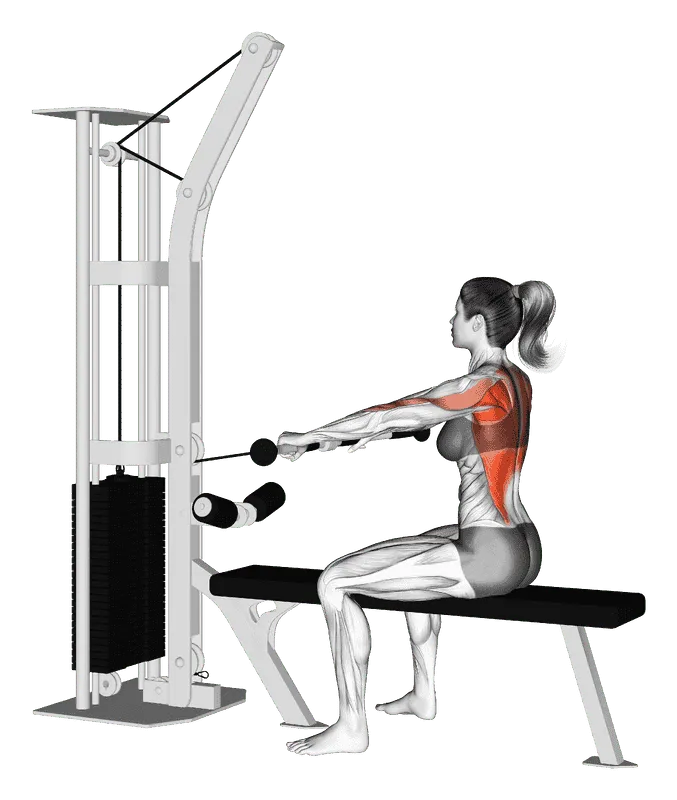
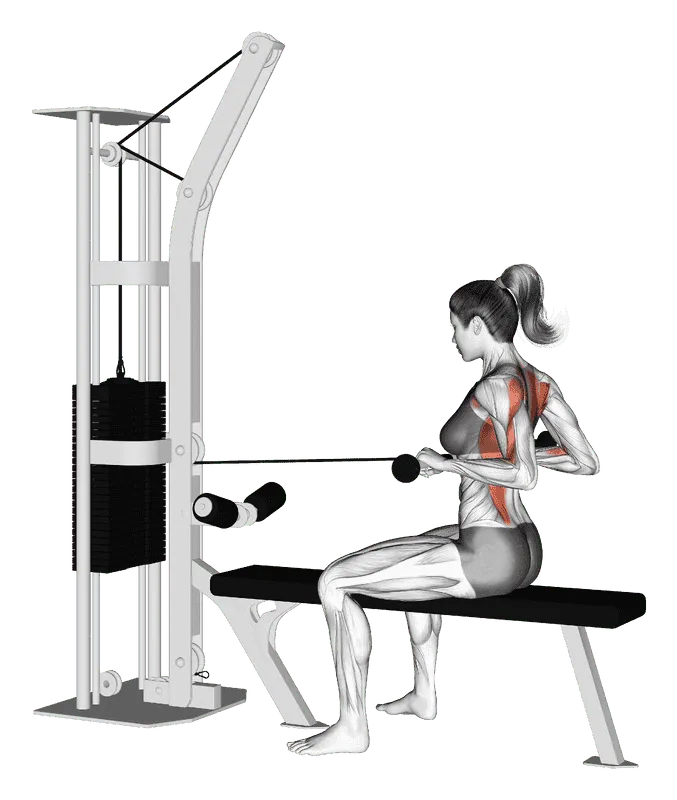
Vertical pulldowns build back width, while horizontal rowing builds mid-back density and postural endurance. Anchor your horizontal pulling with the cable seated row, pausing briefly with the handle near your lower ribs while squeezing your shoulder blades together without shrugging.
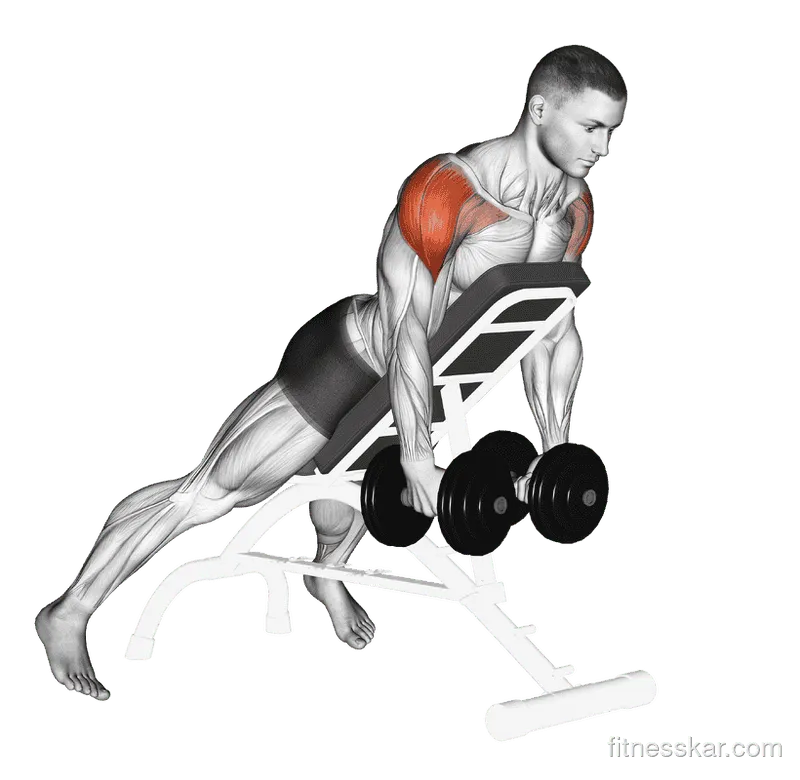
Pair your heavy rows with targeted posterior-shoulder work using the dumbbell incline rear lateral raise. Resting your chest against a 30- to 45-degree incline bench eliminates lower-back momentum completely, forcing your rear deltoids and middle traps to move the weights with strict control.
5. Upper Chest and Pressing Strength: Incline Dumbbell Press and Push-Ups
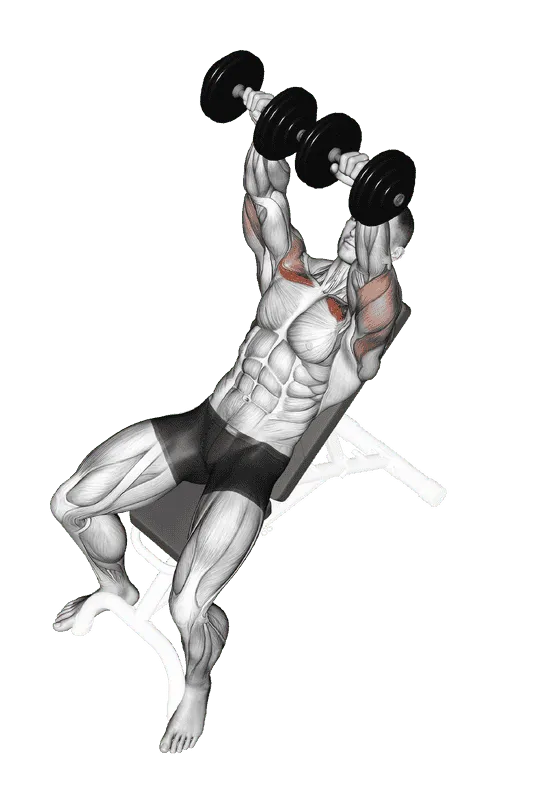
Many women worry that chest training will flatten or masculinize their bustline, when in reality strengthening the clavicular (upper) pectoralis major sits underneath breast tissue, providing structural lift across the upper chest and collarbones while stabilizing the shoulder girdle. The dumbbell incline bench press performed on a 30-degree bench hits the upper chest, front deltoids, and triceps cleanly without excessive shoulder strain.
6. Lengthened-Position Arm Sculpting: Incline Curls and Overhead Triceps Extensions
Recent hypertrophy research consistently shows that muscles grow exceptionally well when challenged at long muscle lengths (the stretched position). Two arm exercises take full advantage of this biomechanics principle:
- Biceps: The dumbbell incline biceps curl positions your upper arms slightly behind your torso on a 45- to 60-degree bench, placing a deep stretch on the long head of the biceps at the bottom of every rep and preventing body swing.
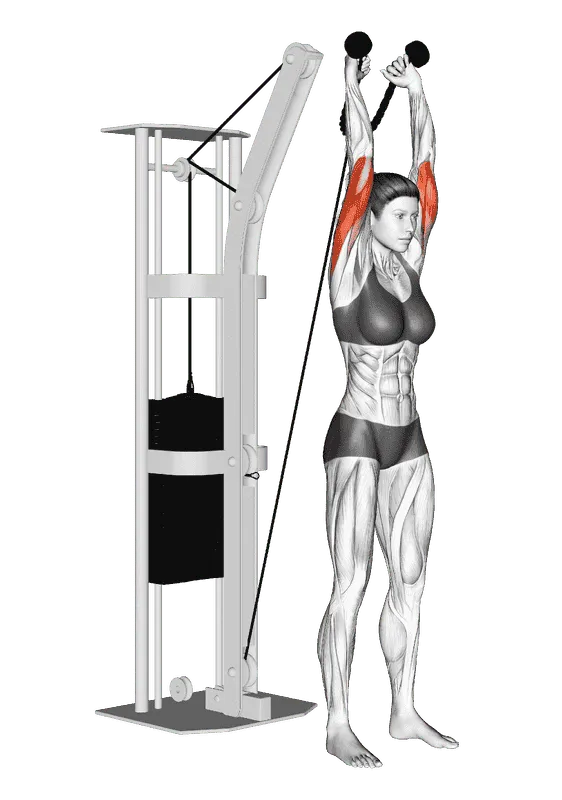
- Triceps: Because the long head of the triceps crosses the shoulder joint and makes up the largest portion of the back of your upper arm, raising your arms overhead stretches it fully. Performing the cable overhead triceps extension targets the exact back-of-the-arm area most women want to firm up far better than light dumbbell kickbacks ever could.
How to Unlock Your First Push-Up and Pull-Up
Mastering crisp bodyweight push-ups and pull-ups is one of the most rewarding strength milestones in fitness. Instead of dropping to sloppy half-reps or avoiding the bar altogether, use structured mechanical progressions that build strength through a full range of motion.
| Milestone Level | Push-Up Progression | Pull-Up Progression | Target Before Advancing |
|---|---|---|---|
| Level 1: Foundation | High incline push-up (hands on Smith bar at waist height) | Active scapular hangs + cable wide-grip lat pulldown | 3 sets of 12 clean reps |
| Level 2: Intermediate | Low bench incline push-up (hands on flat bench) | Assisted pull-up on counterweight machine or band | 3 sets of 8–10 controlled reps |
| Level 3: Pre-Unassisted | 4-second eccentric floor lowering to chest | Step-up 5-second eccentric pull-up lowering | 4 sets of 4–5 slow negatives |
| Level 4: Milestone | Full floor push-up (45° elbow tuck, rigid core) | Full dead-hang chin-up or overhand pull-up | 1 to 5+ strict unassisted reps |
Why incline push-ups beat knee push-ups: Elevating your hands on a Smith machine bar or sturdy gym bench trains the exact same head-to-heel core bracing and glute tension required in a real floor push-up, while letting you lower the bar one notch every couple of weeks. Tuck your elbows at roughly a 45-degree angle from your rib cage (shaped like an arrow ↑, never flared straight out like a T) to protect your rotator cuffs. For even more progressions, read our dedicated Push-Up Variations Guide.
Complete 2-Day Upper Body Workout for Women (Gym & Dumbbell Blueprint)
In Hagstrom and colleagues' meta-analysis, training frequency and per-exercise set volume emerged as meaningful moderators of female upper-body strength adaptation.[1] Training your upper body twice per week—separated by at least 48 to 72 hours of recovery—lets you accumulate 10 to 12 high-quality weekly sets per major muscle group while keeping every set fresh and crisp.
This two-day Upper A / Upper B blueprint plugs seamlessly into a 4-day Upper/Lower Split alongside two lower-body glute and leg days (for example: Monday Lower A, Tuesday Upper A, Thursday Lower B, Friday Upper B).
Upper Body Day A: Lat Taper, Capped Shoulders, and Triceps
Upper Body Day A — V-Taper & Sculpted Shoulders
-
1 Cable Wide-Grip Lat Pulldown - Sets
- 4
- Reps
- 8–12
- Rest
- 90 s
-
2 Dumbbell Seated Shoulder Press - Sets
- 3
- Reps
- 8–10
- Rest
- 90 s
-
3 Cable Seated Row - Sets
- 3
- Reps
- 10–12
- Rest
- 90 s
-
4 Cable One-Arm Lateral Raise - Sets
- 3
- Reps
- 12–15
- Rest
- 60 s
-

5 Cable Overhead Triceps Extension (Rope Attachment) - Sets
- 3
- Reps
- 10–15
- Rest
- 60 s
Upper Body Day B: Postural Back, Upper Chest, Push-Ups, and Arms
Perform Upper Body Day B two to three days after Day A. If you train at home with only dumbbells and a bench, swap the assisted pull-up and cable movements for one-arm bench-supported dumbbell rows and standing overhead dumbbell triceps extensions.
| Order & Exercise | Sets | Reps | Rest | Primary Coaching Focus |
|---|---|---|---|---|
| 1. Dumbbell Incline Bench Press | 3 | 8–10 | 90 s | 30° bench angle; lower bells with a 45° elbow tuck for upper-chest support |
| 2. Assisted Pull-Up (or pulldown) | 3 | 6–10 | 120 s | Full hang at the bottom; reduce counterweight by 2.5–5 kg as reps hit 10 |
| 3. Dumbbell Lateral Raise | 4 | 12–15 | 60 s | Lead with elbows to shoulder height; 2-second controlled descent |
| 4. Dumbbell Incline Rear Lateral Raise | 3 | 12–15 | 60 s | Chest supported on 30–45° bench; sweep dumbbells wide for rear delts |
| 5. Dumbbell Incline Biceps Curl | 3 | 10–12 | 60 s | Keep upper arms pinned back against bench angle for deep biceps stretch |
| 6. Push-Up (or incline push-up) | 2 | 8–12 | 60 s | Rigid plank from head to heels; adjust hand elevation to stay 1–2 RIR |
If you want a ready-to-log program inside the Fitnesskar app that pairs structured upper-body sculpting with lower-body strength across a full mesocycle, save one of our dedicated women's routines below, or try our Home Back & Shoulder Sculpt for Women when training at home.
Nutrition, Recovery, and Joint Longevity
Even the smartest upper-body programming stalls if your body lacks the amino acids and recovery required to synthesize new contractile protein.
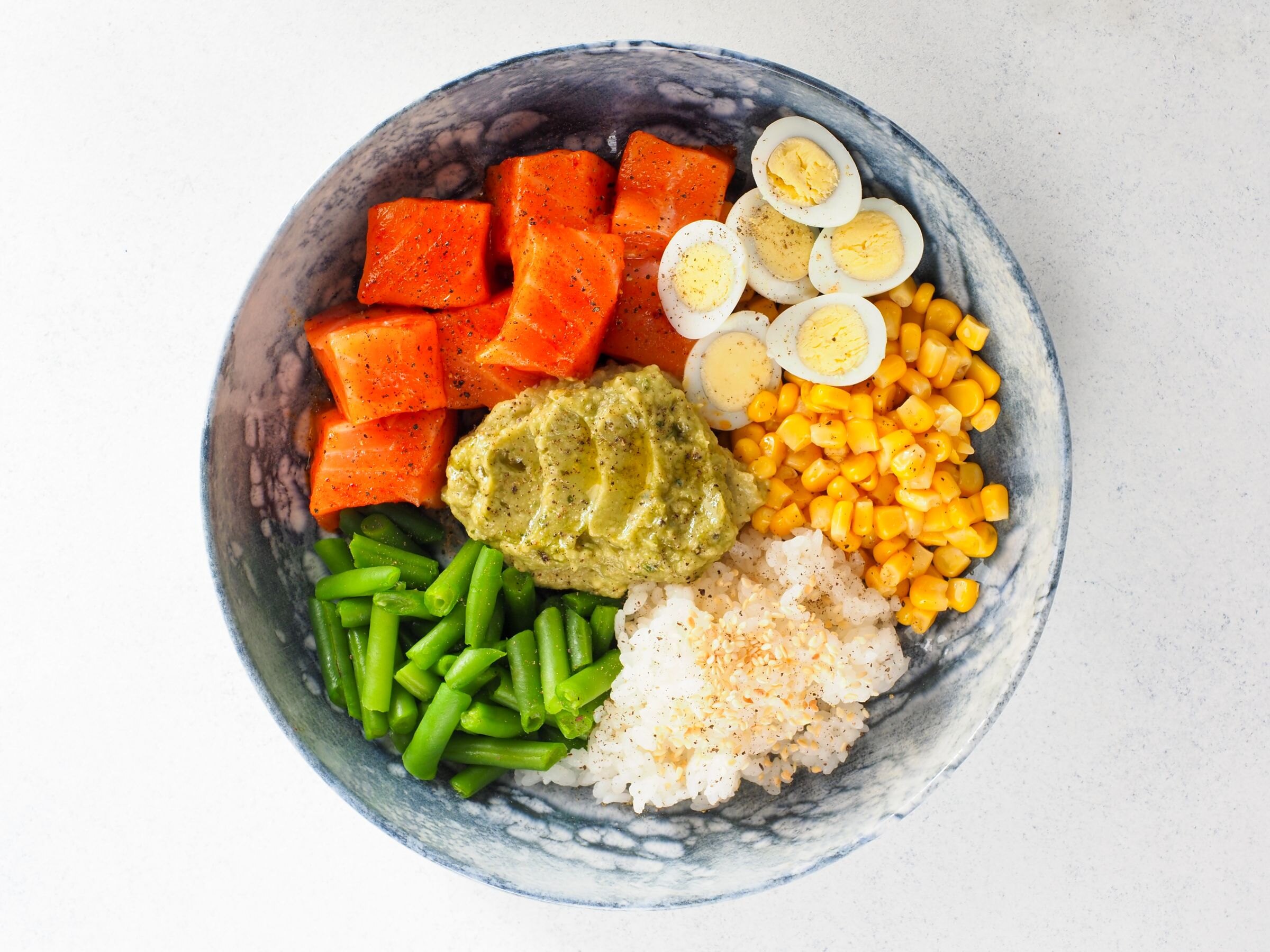
- Hit your daily protein target: Aim for 1.6 to 2.2 g of protein per kilogram of body weight per day (roughly 95 to 130 g daily for a 60 kg / 132 lb woman), divided across 3 to 4 balanced meals of 25 to 35 g each. Whole-food staples like chicken breast, salmon, eggs, strained Greek yogurt, cottage cheese, tofu, and lentils supply the leucine needed to trigger muscle protein synthesis after lifting.
- Match calories to your goal: If you are new to upper-body training or carrying extra body fat, eating around maintenance calories—or a modest 10% to 15% calorie deficit with high protein—supports body recomposition (building firmer muscle while trimming fat). Advanced lifters chasing noticeable shoulder and back caps grow best at maintenance or a gentle 100 to 200 kcal daily surplus.
- Warm up your rotator cuffs and wrists: Spend 4 to 5 minutes before every upper-body session performing dynamic arm circles, band pull-aparts, scapular wall slides, and one to two light ramp-up sets on your first press and row.
Frequently Asked Questions
Frequently asked questions
Will lifting heavy upper-body weights make my arms and shoulders look bulky?
No. Women produce roughly 15 to 20 times less testosterone than men, making accidental bulky muscle growth physiologically impossible. Lifting challenging weights builds compact, defined muscle fibers that make your arms look firmer and your waist look proportionally smaller.
How many days a week should women train upper body?
Two upper-body workouts per week, spaced 48 to 72 hours apart, is the sweet spot for almost all women. This frequency delivers 8 to 14 quality weekly sets per muscle group, maximizing strength and definition while giving your shoulders, elbows, and back full recovery.
What dumbbell weights should a beginner woman start with for upper body?
Choose weights based on the exercise so your final 2 reps feel genuinely challenging with clean form. Most beginners start around 2 to 4 kg (5 to 9 lb) for lateral raises, 4 to 7 kg (9 to 15 lb) for curls and shoulder presses, and 6 to 12 kg (13 to 26 lb) for rows.
How do I get rid of underarm jiggle or soft back-of-the-arm tissue?
You cannot spot-reduce fat from the backs of your arms with high-rep triceps kickbacks alone. The real transformation comes from combining progressive overhead triceps extensions and compound presses—which firm and shape the triceps muscle underneath—with overall fat loss through high-protein nutrition.
Should women train chest, or skip chest exercises completely?
Include 3 to 6 weekly sets of upper-chest pressing, such as incline dumbbell presses or incline push-ups. Strengthening the upper pectoral muscle underneath breast tissue supports shoulder stability, unlocks full push-up strength, and provides natural lift across the upper chest and collarbones.
Sources
- Hagstrom AD, Marshall PW, Halaki M, Hackett DA. The Effect of Resistance Training in Women on Dynamic Strength and Muscular Hypertrophy: A Systematic Review with Meta-analysis. Sports Medicine. 2020. doi.org/10.1007/s40279-019-01247-x ↩